Hydraulic Winch Price - Comprehensive Guide for Global Industries and Buyers
Understanding Hydraulic Winch Price: Why It Matters Globally
If you've ever seen massive loads lifted or heavy equipment winched into place, chances are a hydraulic winch was involved. But beyond the impressive mechanics lies an unassuming key player — the hydraulic winch price. Why does this pricing matter on a global scale? Well, consider industries like construction, maritime, and disaster relief, where timing and reliability define success and safety. The cost to acquire, maintain, or deploy these winches can make or break projects, especially in developing regions or challenging environments.
The goal here? To shed light on what influences hydraulic winch prices and why understanding these can help businesses, governments, and aid organizations optimize their budgets without compromising quality or performance.
Hydraulic Winch Price in the Global Industry Context
Worldwide, the heavy equipment market is growing steadily. According to ISO standards and reports by the World Bank, industries such as oil and gas, mining, and infrastructure development are investing heavily in powered lifting solutions. Hydraulic winches, known for their power density and reliability, serve as essential tools.
However, challenges persist: cost inflation due to raw material shortages, transportation delays, and regional tariff policies. These factors contribute to fluctuating hydraulic winch price trends that stakeholders grapple with globally. For example, in post-disaster regions where rapid deployment matters, the balance of cost to functionality is a tough but critical puzzle.
What Exactly Is Hydraulic Winch Price?
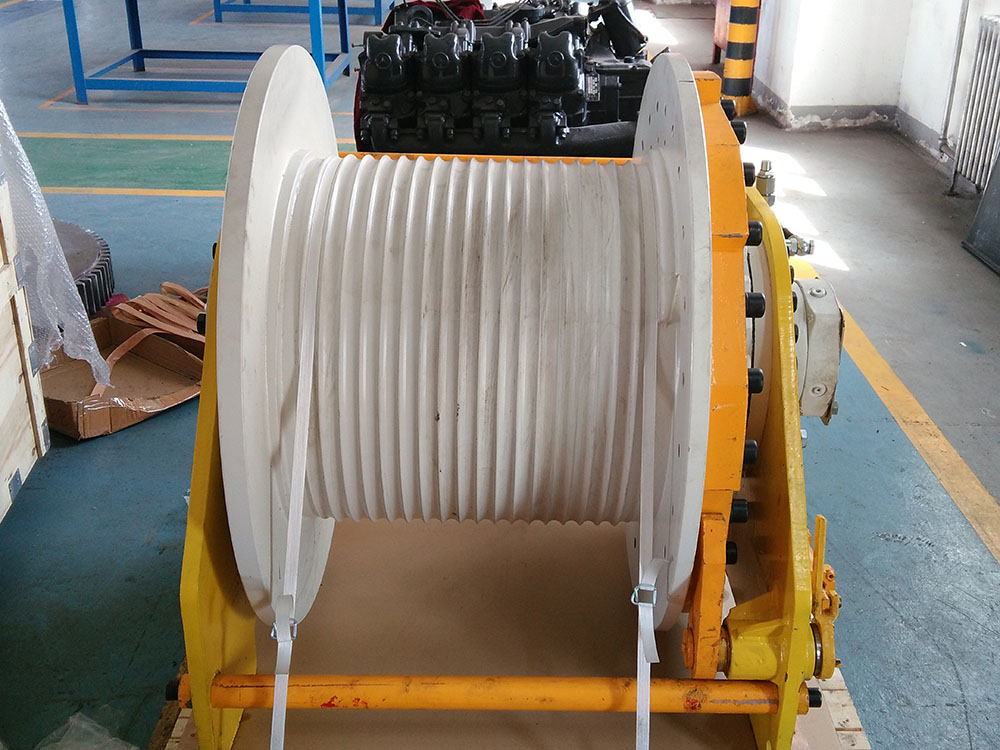
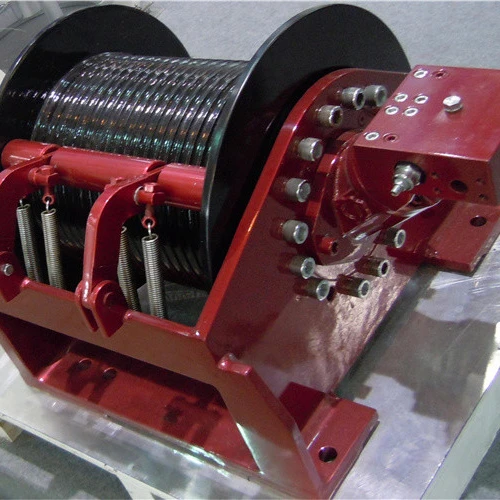
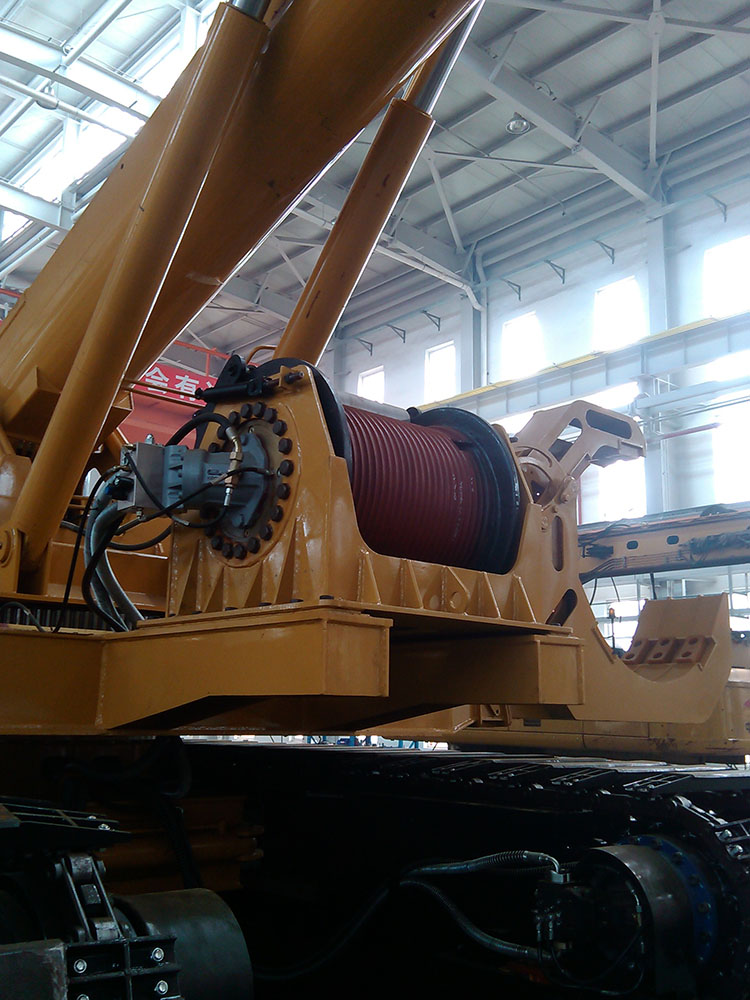
In simple terms, the hydraulic winch price refers to the purchase cost of a winch powered by hydraulic pressure—created through fluid mechanics—to pull, lift, or lower a load. These winches convert hydraulic power into mechanical force, making them robust for demanding tasks.
This price point reflects not just the winch's raw materials or parts but also engineering complexity, performance capacities, safety features, and often the vendor’s reliability and service support. Given modern industrial needs—think offshore rigs, large cargo ships, or rescue operations—accuracy in pricing can mean the difference between efficient asset management and unexpected overruns.
Key Factors Influencing Hydraulic Winch Price
Durability and Build Quality
Winches destined for harsh environments—saltwater exposure or abrasive dust storms—must be built tough. Using premium alloys, corrosion-resistant coatings, and sealed hydraulic components pushes price upwards, but it’s an investment in longevity and safety.
Load Capacity and Scalability
The bigger the winch, the more hydraulic pressure and steel strength needed. A 10-ton capacity winch naturally differs in price from an 80-ton powerhouse. This scalability directly impacts cost.
Cost Efficiency and Maintenance
Sometimes a cheaper upfront price leads to higher maintenance bills. Hydraulic systems require fluid level monitoring, filtration changes, and occasional seal replacements. Vendors incorporating low-maintenance designs usually charge a premium.
Customization and Technological Features
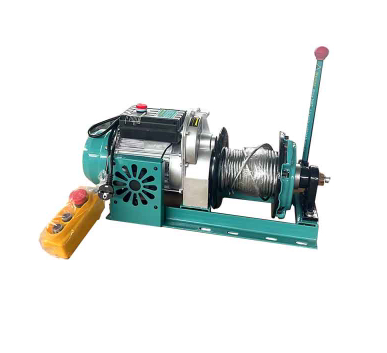
Some winches come with advanced digital controls, load monitoring, or automation capabilities—ideal for hazardous or remote zones. These innovations add layers of cost but significantly improve operational quality.
Vendor Reputation and Support Services
Pricing includes after-sale benefits: warranties, technical support, and quick spare part access. Trusted suppliers tend to price their winches higher, though it often pays off in reduced downtime.
Hydraulic Winch Typical Specifications
| Specification | Value | Notes |
|---|---|---|
| Load Capacity | 5-80 Tons | Varies by model |
| Line Speed | Up to 20 m/min | Depends on hydraulic flow |
| Power Source | Hydraulic Pump | Usually engine/motor-driven |
| Control Type | Manual/Remote | Optional automation available |
| Weight | 150-2000 kg | Dependent on design |
| Estimated Price Range | $5,000 - $50,000 | Based on specs & vendor |
Real-World Applications Around the Globe
Hydraulic winches find use everywhere — from the Arctic’s oil fields and the jungles of Southeast Asia to bustling European ports and African mining operations. Oddly enough, their strong presence in humanitarian missions often goes unmentioned.
For instance, after floods or earthquakes, rescue teams use hydraulic winches to clear debris and haul essential supplies where traditional machinery can't reach. Companies like the UN Office for Disaster Risk Reduction emphasize equipment reliability in these extreme conditions (UNISDR).
Also, maritime industries in Scandinavia depend heavily on cost-effective and durable winches for vessel anchoring and cargo loading, showcasing the direct correlation between hydraulic winch price and operational success.
Why Investing in the Right Hydraulic Winch Pays Off
So, what’s the real advantage behind watching the hydraulic winch price closely? First, it’s a safety and reliability matter. Skimping on quality to save cents rarely saves much in the long run if downtime or accidents occur.
Secondly, well-priced hydraulic winches often promise longer lifespans, reducing replacement and repair costs. There's also increasing demand for sustainable, energy-efficient models aligning with global climate goals — a subtle yet growing influence on pricing and choice.
Emotionally, knowing your operation runs on dependable equipment fosters trust in every project stage — whether hauling heavy loads or executing time-sensitive tasks under pressure.
Future Trends and Innovations Shaping Hydraulic Winch Pricing
Emerging trends include integrating IoT sensors for real-time load monitoring and predictive maintenance, which can add to upfront cost but save substantially over time. Additionally, manufacturers are experimenting more with lightweight composites and smart hydraulics, driving change in cost structures.
Sustainability policies push vendors to design eco-friendly fluid systems with biodegradable oils and reduced leak risks. Automation paired with remote controls also influences pricing, especially as global supply chains digitalize.
Challenges and Emerging Solutions in Hydraulic Winch Pricing
True, many challenges hover around pricing transparency, quality assurance, and servicing accessibility, especially for operators in developing countries. It's common to see quotes vary wildly without clear specs or warranty terms, causing buying hesitation.
Solutions include standardizing component testing based on ISO guidelines, vendors offering modular, easier-to-ship parts, and increasing use of local service hubs. Such strategies help balance cost and quality while reducing hidden expenses.
How Do Hydraulic Winch Prices Compare Across Vendors?
| Vendor | Price Range (USD) | Warranty | Key Features | After-Sales Support |
|---|---|---|---|---|
| LBS Winch Co. | $6,000 - $48,000 | 2 years | Remote control, corrosion resistant | Global service centers |
| HydroPulley Solutions | $5,500 - $44,000 | 1.5 years | Compact design, energy efficient | Limited regional support |
| Maritime Winches Ltd. | $7,000 - $52,000 | 3 years | Advanced load sensing, remote diagnostics | Worldwide 24/7 support |
FAQs About Hydraulic Winch Price
1. What determines the cost differences between various hydraulic winch models?
Primarily, load capacity, build materials, and additional features like digital controls affect pricing. Also, vendor reputation and service packages can add to or reduce the final price.
2. Is it better to buy a higher-priced but reputed brand or a lower-cost unknown supplier?
While cheaper options might save upfront, relying on well-known brands often ensures quality, longer lifespan, and accessible support — all crucial for minimizing downtime and risks.
3. How can I estimate the total cost of ownership beyond initial hydraulic winch price?
Consider maintenance costs, expected lifespan, warranty coverage, and potential downtime losses. Often, a slightly higher initial investment reduces total operating costs.
4. Are there financing or leasing options available to manage costs?
Yes. Many vendors offer leasing or financing packages allowing businesses to manage capital expenditure more fluidly, especially helpful in fluctuating market conditions.
5. Where can I find reliable price quotes and comparisons for hydraulic winches?
Websites like hydraulic winch price portals provide detailed specs and pricing, plus reviews and direct vendor contacts — handy for informed decisions.
Wrapping Up: Smart Purchases Save Time and Trouble
Understanding the nuances that shape hydraulic winch price equips industries and organizations worldwide to avoid costly pitfalls. It’s not just about finding the cheapest unit, but about assessing durability, performance, support, and long-term value.
For those ready to explore optimized pricing and dependable products, start with trusted sources like LBS Winch Co. where transparency and quality go hand in hand.
Because in the world of heavy lifting, every dollar spent wisely keeps things moving smoother, safer, and smarter.
References:
1. ISO Standards on Hydraulic Equipment
2. World Bank Industry Growth Data
3. United Nations Office for Disaster Risk Reduction (UNISDR)
-
The Ultimate Guide to Gear Steels for Durability and PerformanceNewsApr.16,2026
-
High Performance Gear Stainless Steel for Industrial DurabilityNewsApr.09,2026
-
Comprehensive Guide to Steel Bevel Gears Applications and SelectionNewsApr.07,2026
-
Comprehensive Guide to Durable Stainless Steel Miter Gears and ApplicationsNewsApr.04,2026
-
Comprehensive Guide to Steel Spur Gears Functionality and ApplicationsNewsMar.31,2026
-
Comprehensive Guide to Durable Stainless Steel Spur Gears and Their ApplicationsNewsMar.28,2026