Hydraulic Capstan Winch Marine – Durable, Efficient Winches for Modern Boats & Offshore Platforms
Hydraulic Capstan Winch Marine: Powering the Waves with Strength and Precision
When you imagine massive ships negotiating rough seas or marine vessels handling heavy loads, the hydraulic capstan winch marine system often comes into play silently but indispensably. These machines, essentially powerful rotating spools driven by hydraulic pressure, help with mooring, towing, anchoring, and cargo handling. But why does this particular equipment matter on a global scale? Beyond their mechanical appeal, they represent a critical component in commercial shipping, offshore drilling rigs, and humanitarian relief efforts at sea. Understanding their technology and application not only highlights engineering ingenuity but also reveals their role in environmental sustainability, safety, and maritime economy.
Global Context: Navigating Industry Challenges with Hydraulic Capstan Winches
The global maritime industry moves about 80% of the world’s goods by volume, according to the United Nations Conference on Trade and Development (UNCTAD). Efficient deck machinery, including hydraulic capstan winches, plays a huge role in ensuring ships can dock safely, maneuver cargo, and conduct operations even under adverse weather. Yet, increasing regulatory concerns like IMO 2020 sulfur caps and strict safety norms demand more reliable, low-maintenance equipment.
Moreover, as maritime logistics become more complex and offshore exploration pushes deeper, the need for rugged, powerful, and energy-efficient winches grows. This is where hydraulic capstan winch marine solutions respond to real-world operational pain points like environmental stress, load fluctuation, and space constraints onboard vessels.
What Exactly is a Hydraulic Capstan Winch Marine?
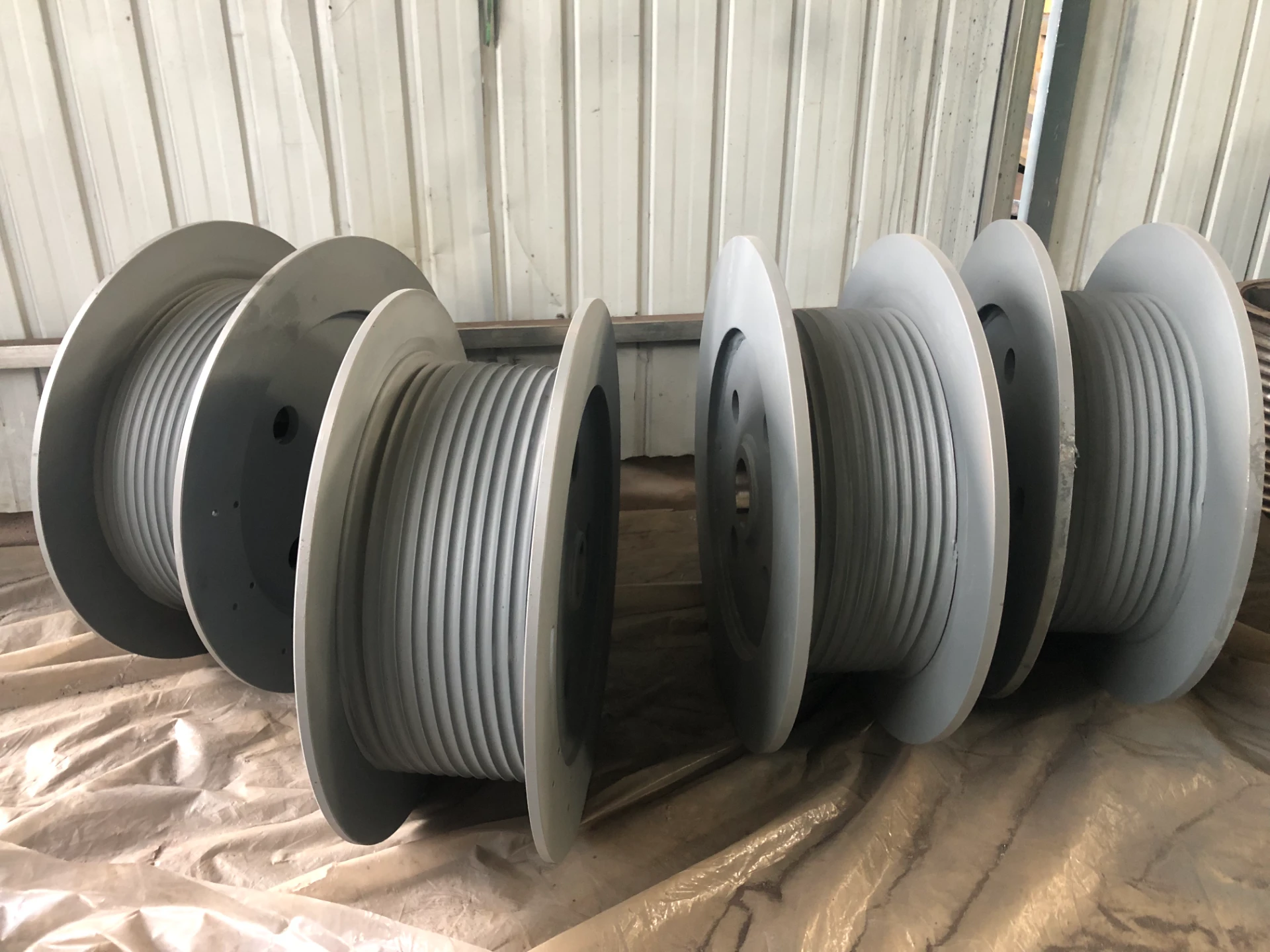
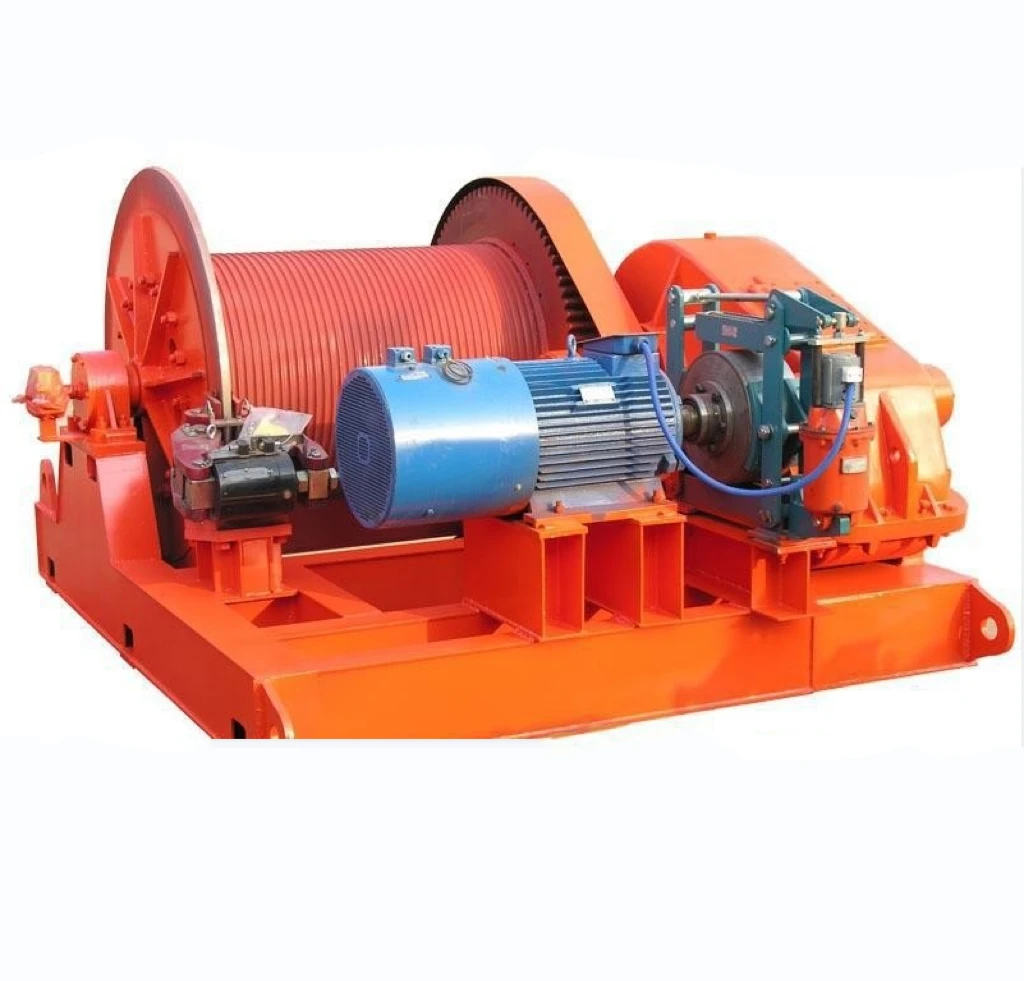
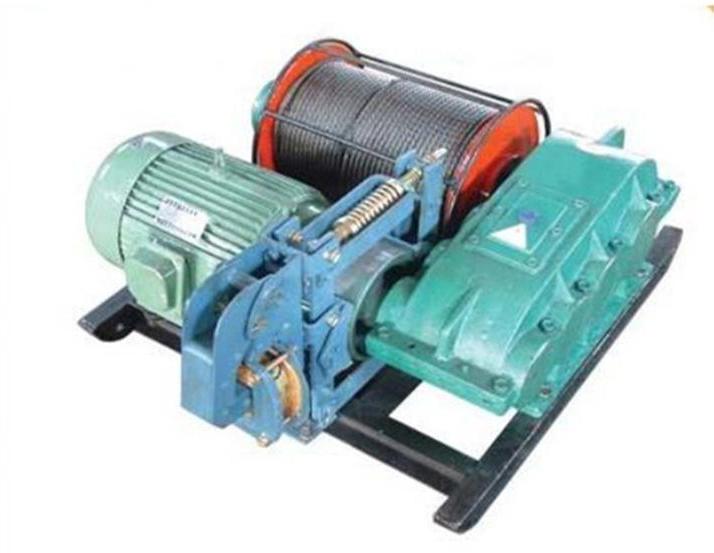
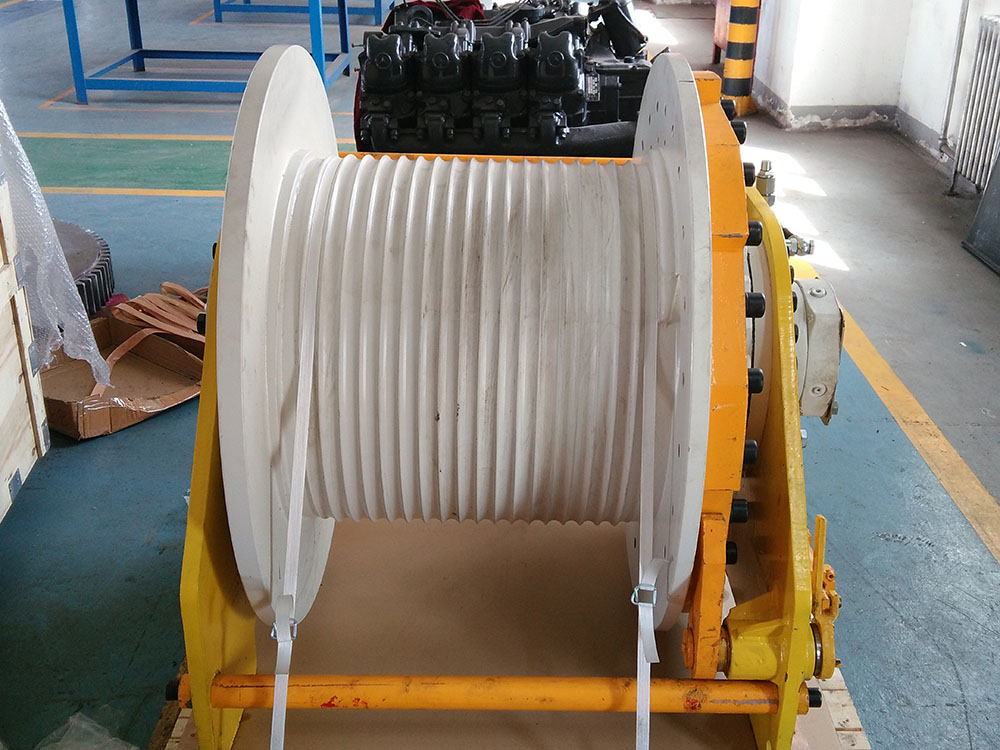
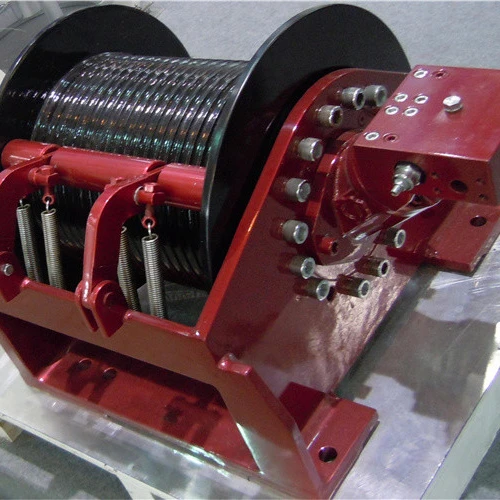
At its core, a hydraulic capstan winch marine system is a deck-based winch driven by hydraulic motors that rotate a vertical spindle or drum. The “capstan” itself refers to the drum structure, around which ropes or cables wrap to exert pulling force.
The hydraulic power aspect means the winch operates via pressurized fluid, offering smooth, controllable torque transfer. This differentiates it from electric or mechanical winches, giving superior performance under heavy loads and variable speeds.
In practical terms, these systems are essential on ships, offshore platforms, and docks for tasks like hauling anchor chains, mooring ropes, and towing lines, while also being adaptable to specialized uses such as marine salvage or emergency rescue.
Quick takeaway:
These winches are the muscle behind marine operations, using hydraulic power for flexible and robust performance across many maritime tasks.
Key Factors Defining Hydraulic Capstan Winch Marine Performance
1. Durability in Harsh Environments
Saltwater corrosion, constant vibration, and heavy load cycles demand equipment that lasts. Hydraulic capstan winches feature marine-grade steel, corrosion-resistant coatings, and sealed hydraulic components to withstand decades at sea.
2. Power and Torque Control
The hydraulic system’s variable displacement pumps and motors allow operators to precisely adjust torque and speed, which is crucial when handling delicate mooring ropes without causing damage.
3. Compact Design & Space Efficiency
Space on marine decks is at a premium. These winches are designed to take up minimal footprint, often integrated with automated controls to reduce manual labor.
4. Safety Features and Reliability
Hydraulic winches incorporate load sensors, emergency stop mechanisms, and fail-safe brakes, reducing accidents during intense marine operations.
5. Maintenance and Serviceability
Hydraulic systems require routine checks but tend to have fewer moving parts exposed to wear. Modular designs enable quick part replacement, minimizing downtime.
6. Cost Efficiency Over Life Cycle
While initial investment may be higher, their longevity, reliability, and energy-efficient operation contribute to lower life-cycle costs—something marine operators deeply appreciate.
Mini takeaway:
From rugged build to precise controls, these winches balance power, safety, and efficiency—a trifecta essential for modern marine demands.
Global Applications & Use Cases of Hydraulic Capstan Winch Marine Solutions
The versatility of hydraulic capstan winches means they pop up in diverse settings worldwide. In the North Sea offshore oil fields, they haul heavy equipment to platforms remotely. In Southeast Asia, fishing vessels use these winches for net retrieval, improving catch efficiency.
During post-disaster relief, like after typhoons in the Pacific, humanitarian maritime responders rely on such winches to deploy aid equipment and clear debris quickly and safely. Their ability to operate reliably with limited shore power makes them indispensable in remote industrial zones and island communities relying on marine transport.
Even luxury yacht builders are embracing compact, quieter capstan winches to enhance user experience.
Vendor Comparison Table: Leading Hydraulic Capstan Winch Marine Suppliers
| Vendor | Power Range (kW) | Max Pull (kN) | Typical Applications | Price Range (USD) |
|---|---|---|---|---|
| OceanWinch | 10 - 50 | 150 - 750 | Bulk carriers, Offshore supply | 25,000 - 120,000 |
| HydroMarine Tech | 5 - 30 | 100 - 400 | Fishing, Yachts | 15,000 - 60,000 |
| BlueDeck Systems | 20 - 60 | 200 - 900 | Offshore drilling, Salvage vessels | 30,000 - 140,000 |
Typical Product Specifications for a Hydraulic Capstan Winch Marine
| Specification | Typical Value |
|---|---|
| Power Source | Hydraulic motor (variable displacement) |
| Max Pull Load | Up to 900 kN depending on model |
| Drum Diameter | 300 - 600 mm |
| Line Speed | Up to 20 m/min |
| Weight | 1,000 - 5,000 kg |
| Control System | Manual, Semi-auto, or Fully Automated |
| Corrosion Protection | Marine-grade paint & sealed hydraulic circuits |
Advantages & Long-Term Value You Can Count On
Beyond the specs and numbers, why do marine operators swear by hydraulic capstan winch solutions? For starters, their smooth horsepower transfer minimizes rope wear, extending deck gear life. It also means fewer unexpected stops due to mechanical failure, which, frankly, can cost a fortune in delays.
Environmentally, hydraulic systems—when paired with energy-efficient pumps—can reduce fuel consumption indirectly, aligning with global pushes for greener shipping. Plus, the safety aspect cannot be overstated: operators feel more confident with precise load control and emergency braking systems, which translates to fewer accidents and higher crew morale. It’s an unglamorous but vital piece of trust-building onboard every vessel.
Looking Ahead: Future Trends & Innovations
There’s a quiet revolution underway as manufacturers experiment with hybrid-electric hydraulic systems, intelligent load sensors, and IoT integration. Soon, hydraulic capstan winch marine units could self-adjust tensions based on weather data or real-time stress analysis.
Materials science also offers promise: composites that cut weight without sacrificing strength could reshape winch design, making them easier to install and maintain. And as regulations tighten, expect advances ensuring zero hydraulic fluid leaks—a major marine pollutant concern.
Challenges & Smart Solutions
That said, no tech is perfect. Hydraulic winches occasionally face issues like fluid leaks, maintenance demands, and higher upfront costs compared with simple mechanical models. However, improvements in seal technology, remote diagnostics, and operator training programs have made these obstacles much smaller over time.
FAQ: Your Questions About Hydraulic Capstan Winch Marine
- Q1: How does a hydraulic capstan winch differ from an electric one?
- Hydraulic winches use pressurized fluid for power, offering smoother torque control and better performance under heavy loads, especially in harsh marine conditions. Electric winches may be simpler but sometimes lack the same durability or flexibility.
- Q2: Can hydraulic capstan winches be customized for different vessel sizes?
- Absolutely. Manufacturers often offer tailored solutions scaled by power output, drum size, and control systems to fit fishing boats, cargo ships, or offshore platforms.
- Q3: Are hydraulic capstan winches energy efficient?
- While hydraulic systems consume energy to pressurize fluid, modern variable displacement pumps reduce waste. Overall, many operators find them more efficient in load handling than other types.
- Q4: What safety features are standard?
- Common safety features include overload protection sensors, emergency stop control, fail-safe brakes, and automatic speed limiters to prevent rope snapping or operator injury.
Conclusion: Trusting the Strength of Hydraulic Capstan Winch Marine Systems
In the vast complexity of marine operations, the hydraulic capstan winch marine serves a pivotal role—combining rugged design, controlled power, and operational safety. Whether it’s enabling smoother mooring, supporting offshore industries, or assisting timely disaster relief, these machines quietly prove their worth over decades.
For anyone navigating the challenging marine equipment landscape, exploring modern hydraulic winch options is more than practical—it’s essential. Curious to learn how these solutions can fit your fleet’s needs? Visit our website for a full overview.
Final takeaway:
Hydraulic capstan winches are evolving with the times, marrying tradition with technology to keep marine vessels safer, greener, and more efficient.
References
-
The Ultimate Guide to Gear Steels for Durability and PerformanceNewsApr.16,2026
-
High Performance Gear Stainless Steel for Industrial DurabilityNewsApr.09,2026
-
Comprehensive Guide to Steel Bevel Gears Applications and SelectionNewsApr.07,2026
-
Comprehensive Guide to Durable Stainless Steel Miter Gears and ApplicationsNewsApr.04,2026
-
Comprehensive Guide to Steel Spur Gears Functionality and ApplicationsNewsMar.31,2026
-
Comprehensive Guide to Durable Stainless Steel Spur Gears and Their ApplicationsNewsMar.28,2026