Hydraulic Winch for Wood Chipper - Enhancing Forestry Efficiency & Safety
The Growing Importance of Hydraulic Winches for Wood Chippers
If you've ever spent time around forestry operations or landscaping projects, you might have noticed a robust hydraulic winch attached to a wood chipper. But what exactly is a hydraulic winch for wood chipper, and why is it gaining traction in industries worldwide? This tiny, powerful component isn’t just a luxury—it’s a global game-changer enhancing workflow, safety, and environmental impact.
Globally, deforestation and forestry management have become critical issues, with the Food and Agriculture Organization (FAO) reporting that approximately 10 million hectares of forest are lost yearly. Efficient handling of wood biomass is essential not only for industry productivity but also for sustainability, making tools like hydraulic winches essential.
Understanding the hydraulic winch's role offers benefits beyond just better chipper operation — it can improve disaster response, reduce injuries, and optimize resource use, which is why it matters globally.
Mini takeaway: The hydraulic winch isn’t just industrial flair — it’s a vital cog in smarter, safer wood processing worldwide.
Why Hydraulic Winches for Wood Chippers Matter Globally
Forestry and wood processing industries face the challenge of handling varying loads, often in difficult terrain and conditions. According to the International Organization for Standardization (ISO), ergonomic and safety considerations increasingly drive equipment design worldwide. The hydraulic winch for wood chipper addresses this by offering controlled, powerful assistance for pulling logs or debris into the chipper. This reduces human strain and improves throughput, which is critical when meeting sustainability targets or emergency demands.
In real terms, regions from North America to Scandinavia and Southeast Asia deploy these tools widely, especially where timber harvesting is mechanized but conditions remain tough — think muddy slopes, dense undergrowth, or disaster zones.
Oddly enough, one of the overlooked challenges is the sheer unpredictability in forestry: logs can jam or get stuck, requiring rapid, reliable winching support to keep operations moving and avoid costly downtime or accidents.
Breaking Down the Hydraulic Winch for Wood Chipper
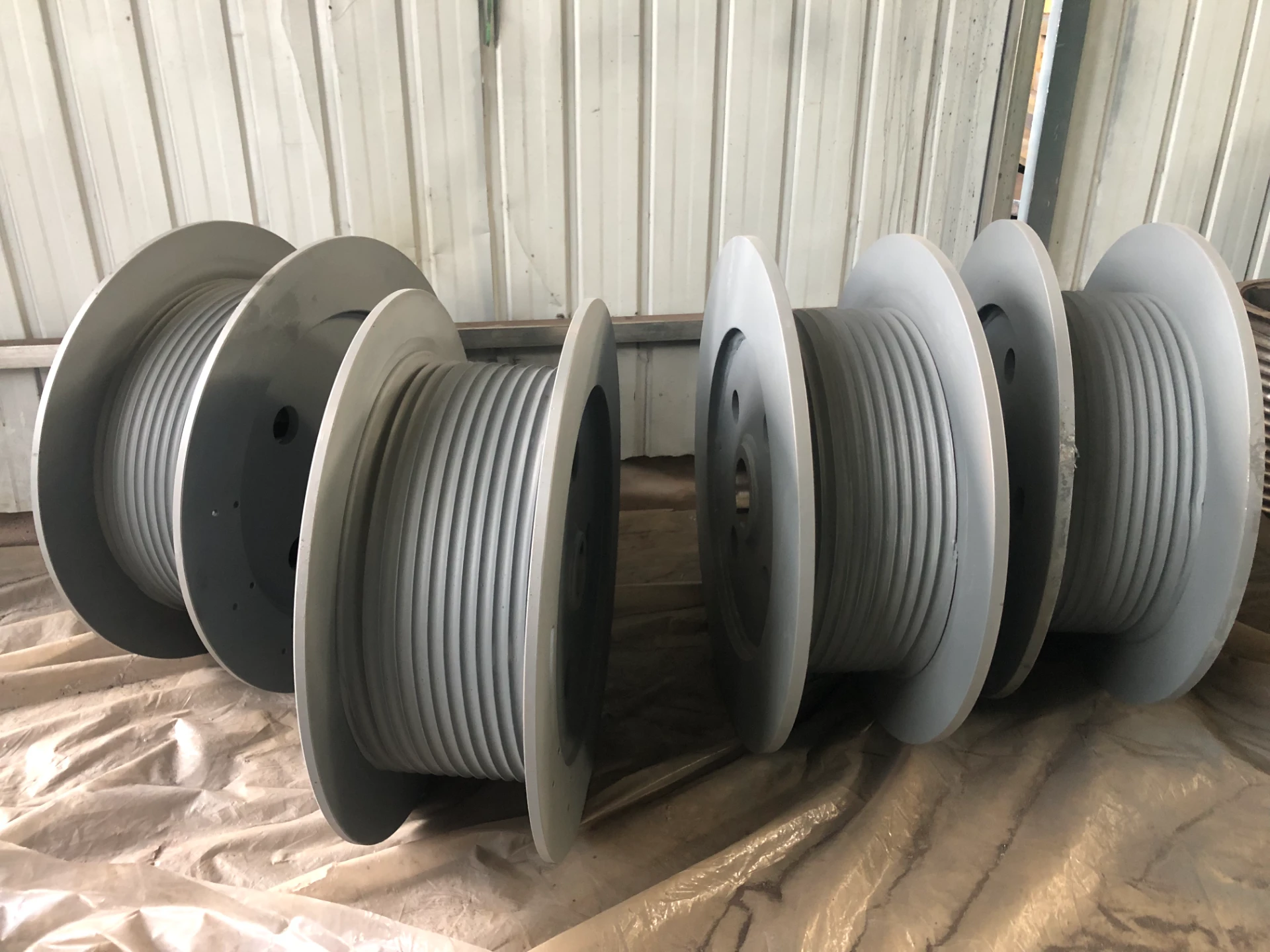
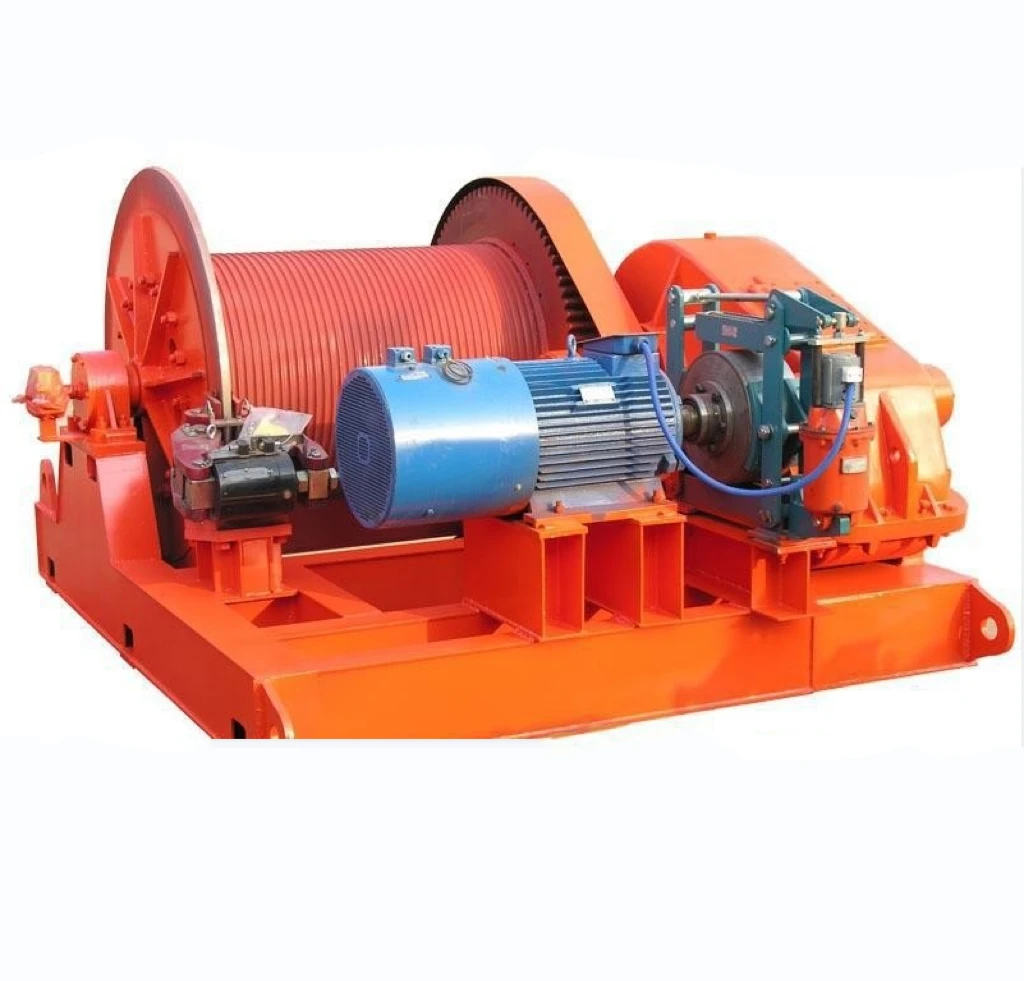
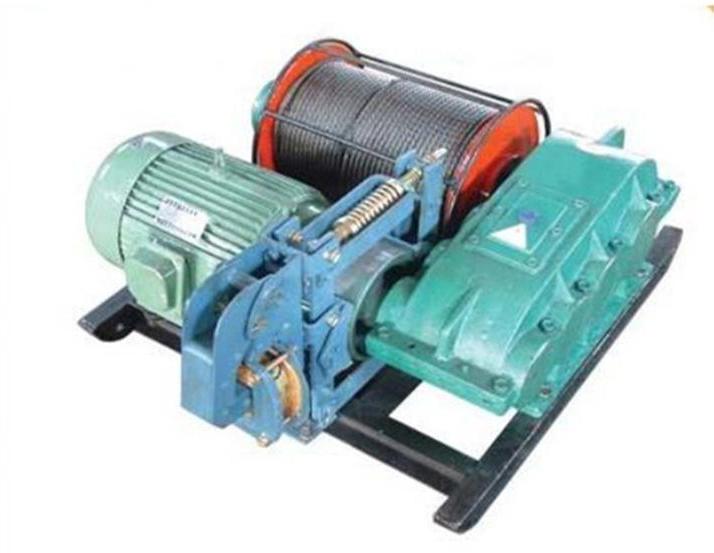
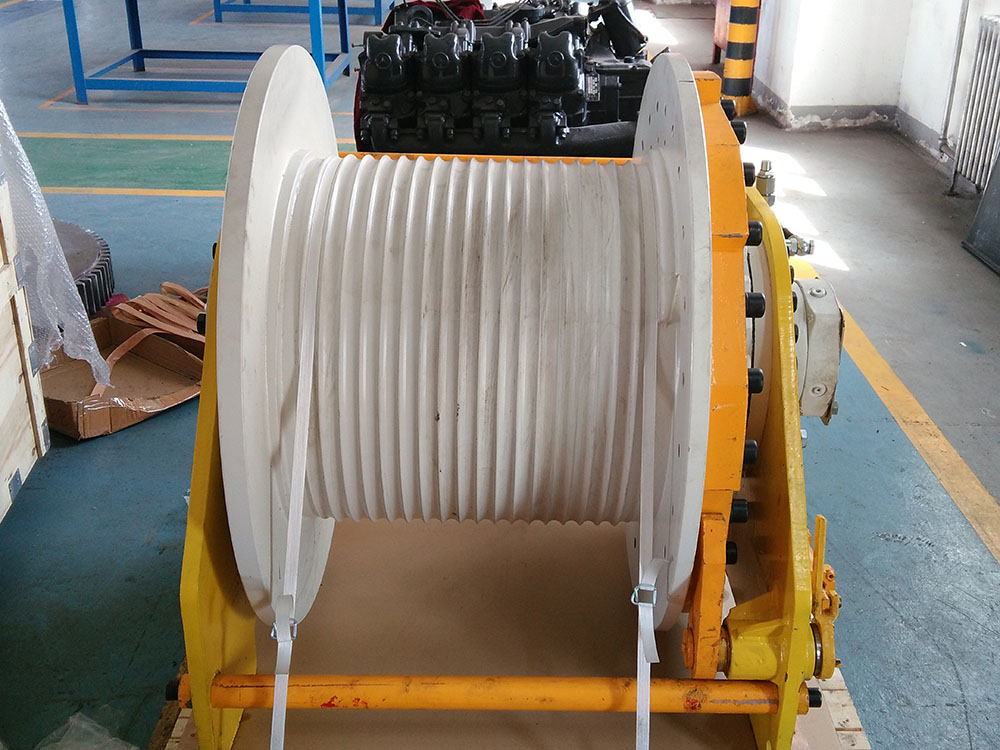
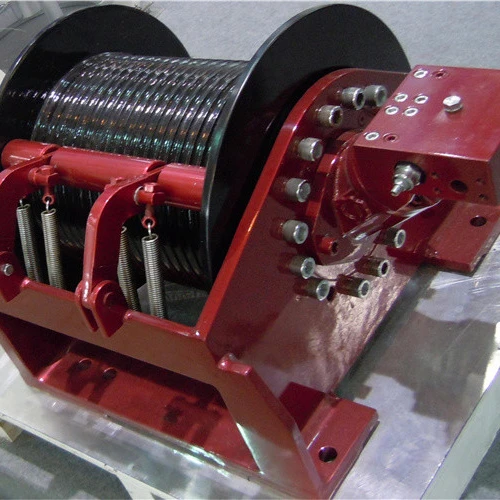
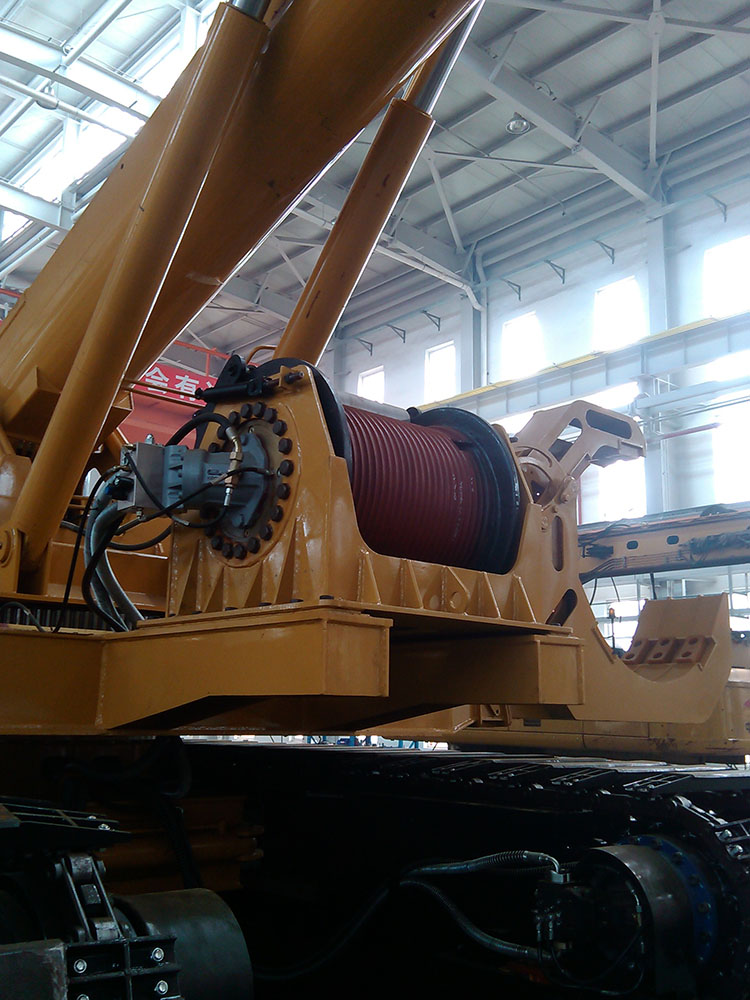
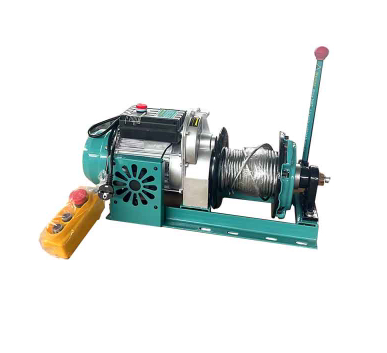
At its core, a hydraulic winch uses pressurized fluid power to turn a drum, winding cable or rope that pulls heavy objects. Mounted on or integrated into a wood chipper, it helps draw in hefty logs that might be too unwieldy by hand.
This technology isn’t just industrial muscle; it’s about enhancing safety and control. Think of it like giving the wood chipper a helping arm that can be precisely managed, reducing the need for manual effort or excessive team coordination.
From a humanitarian perspective, such equipment also appears in post-disaster cleanup, where fast clearing of fallen trees can open roads or create pathways for aid.
Key Features of a Hydraulic Winch for Wood Chipper
1. Durability under Harsh Conditions
Forestry work isn't pretty—mud, sap, dirt, rain, and even ice test equipment durability daily. A quality hydraulic winch is built with corrosion-resistant metals, sealed hydraulics, and reinforced gears that keep turning when others quit.
2. Power and Pull Capacity
Pull strength varies by model but generally ranges between 2,000 to 6,000 lbs or more, calibrated to handle logs and debris typical to the chipper’s use. This feature makes or breaks efficiency.
3. Smooth Operation and Control
Hydraulics allow precise, gradual pulling rather than sudden jerks. Operators can modulate speed and force to avoid damaging equipment or logs.
4. Compact Integration and Portability
The winch needs to fit seamlessly onto chippers without excessive bulk. Modern designs often come as modular units for easy attachment and maintenance.
5. Cost Efficiency
While upfront investment can be considerable, the winch often pays back rapidly by reducing labor hours and increasing throughput.
6. Safety Features
Automatic brake holds, emergency stops, and overload sensors are increasingly mandatory to protect operators, reducing workplace injuries.
Mini takeaway: A winch's true value lies in a balanced mix of power, precision, and resilience that supports everyday workflows without throwing a wrench in the works.
How Hydraulic Winches for Wood Chippers Are Applied Worldwide
These winches find homes in rugged logging sites from Oregon’s Cascades to Austria’s Alps, easing operations that otherwise risk injury or delay. In disaster-hit zones — such as post-hurricane areas in the Caribbean — they help clear debris quickly to restore access. NGOs engaged in reforestation also use these machines to handle seedling transport or wood haulage.
- In Southeast Asia, mobile chippers with hydraulic winches support small-scale farmers clearing agricultural residues.
- European forestry companies integrate them into harvesters for streamlined timber processing.
- Urban landscaping firms depend on them for safe tree removal in tight city spaces.
Such breadth proves how the hydraulic winch is an unsung hero in both the frontline and the background.
Advantages and Long-Term Value of Hydraulic Winches
Beyond the obvious—faster feeding of wood chippers—there’s a broader social and environmental impact. Workers feel safer and less fatigued, reducing downtime and healthcare costs. Sustainability goals improve as fewer machines are broken or wasted, and less fuel is burned by avoiding repeated attempts to load stubborn logs.
There’s a certain peace of mind that comes with mechanical reliability too. Operators trust their tool to handle unexpected snags without risk — innovation breeds confidence, and confidence breeds efficiency.
Looking Ahead: Future Trends in Hydraulic Winch Technology
Manufacturers are turning to greener hydraulics—using biodegradable fluids and energy-efficient pumps. Digital controls promise greater integration with chipper sensing systems for automatic tension adjustment. Automation, too, is on the horizon, allowing robotic winch operation to reduce manual tasks further.
Innovations around lighter, high-strength alloys will enhance portability without sacrificing durability, perfectly addressing the 'walkable forest' trend in sustainable harvesting.
Challenges Faced and Possible Solutions
Hydraulic systems can leak or demand maintenance that sometimes takes cranes and specialists to fix. Smart monitoring apps that predict leaks or gear wear are already easing this burden. Cost remains a barrier for smaller operators; leasing models or modular add-ons are emerging as affordable solutions.
Indeed, training operators to maximize the winch's potential while minimizing risk still requires investment, but online courses and remote support from manufacturers are bridging this gap swiftly.
Frequently Asked Questions About Hydraulic Winch for Wood Chipper
- Q1: Can a hydraulic winch be retrofitted to any wood chipper?
- A1: Most hydraulic winches are designed modularly to fit a wide range of chipper models, but it depends on the chipper's hydraulic system capacity and frame design. Consulting with your supplier ensures compatibility and safety.
- Q2: How does the winch improve worker safety?
- A2: By mechanizing log pulling, it drastically reduces manual strain and the risks of slips or crush injuries. Features like automatic brakes and overload sensors further protect operators.
- Q3: What maintenance does a hydraulic winch require?
- A3: Regular fluid checks, inspecting cables for wear, lubrication of moving parts, and system pressure tests are critical. Scheduled maintenance prolongs lifespan and avoids costly downtime.
- Q4: Are hydraulic winches energy efficient?
- A4: Modern hydraulic systems prioritize efficient fluid use and energy-saving pumps; in context, the reduced labor and operational time they enable often lead to a net energy advantage.
- Q5: Where can I find reliable hydraulic winch suppliers?
- A5: Specialized forestry equipment vendors with strong reviews and warranties are recommended. Many also provide installation support and training to ensure proper use.
Product Specifications at a Glance
| Specification | Typical Range | Notes |
|---|---|---|
| Pull Capacity | 2,500 – 6,000 lbs | Varies by model and hydraulic pressure |
| Line Speed | 5 – 20 ft/min | User-adjustable for precision |
| Weight | 30 – 70 kg (65 – 155 lbs) | Lightweight designs improving portability |
| Hydraulic Pressure | 2,000 – 3,000 psi | Standard for forestry hydraulic systems |
| Cable Diameter | 7 – 10 mm | Steel wire rope preferred for strength and flexibility |
Vendor Comparison: Leading Hydraulic Winch Suppliers
| Vendor | Price Range (USD) | Pull Capacity | Warranty | Special Features |
|---|---|---|---|---|
| ForestTech Winches | $1,200–$1,800 | 3,000 lbs | 2 years | Corrosion-resistant coating |
| GreenForce Hydraulics | $1,500–$2,100 | 4,500 lbs | 3 years | Eco-friendly hydraulic fluid |
| ProWinch Systems | $1,100–$1,600 | 2,500 lbs | 1.5 years | Compact portable design |
For anyone working in forestry or landscaping, getting your hands on the right hydraulic winch might just mean the difference between a smooth day and a really long, frustrating one. If you want to explore options or get professional advice, you can visit hydraulic winch for wood chipper experts online who provide tailored solutions and support.
Final Thoughts
The hydraulic winch for wood chipper feels like a simple device, but its impact is quite profound. It blends engineering, safety, and efficiency to tackle raw nature’s challenges head-on. With growing environmental stewardship and technological innovation walking hand in hand, these winches will only get smarter, greener, and more essential.
If you’re part of the forestry, landscaping, or disaster response ecosystem, investing wisely in a hydraulic winch can pay dividends in safety, sustainability, and productivity for years to come.
Explore more at LBS Winch — your partner in powerful, reliable hydraulic winch solutions.
References:
-
The Ultimate Guide to Gear Steels for Durability and PerformanceNewsApr.16,2026
-
High Performance Gear Stainless Steel for Industrial DurabilityNewsApr.09,2026
-
Comprehensive Guide to Steel Bevel Gears Applications and SelectionNewsApr.07,2026
-
Comprehensive Guide to Durable Stainless Steel Miter Gears and ApplicationsNewsApr.04,2026
-
Comprehensive Guide to Steel Spur Gears Functionality and ApplicationsNewsMar.31,2026
-
Comprehensive Guide to Durable Stainless Steel Spur Gears and Their ApplicationsNewsMar.28,2026