Hydraulic Winch for Flatbed Tow Trucks – Efficiency & Safety Reloaded
Hydraulic Winch for Flatbed Tow Trucks: What It Is and Why It Matters
When was the last time you saw a large vehicle get stuck and wondered how they'll get it free? Behind the scenes, hydraulic winches on flatbed tow trucks play a silent yet crucial role. Globally, as road networks expand and heavy vehicles occupy more space, recovering them safely and efficiently has never been more important. A good hydraulic winch for flatbed tow trucks ensures not only faster recovery but also reduced risk to operators and stranded motorists. Understanding the technology helps fleets select the right equipment and avoid costly downtime.
Setting the Stage: Worldwide Importance of Hydraulic Winches for Tow Trucks
Traffic congestion and roadside incidents present a growing challenge worldwide. According to the International Transport Forum (ITF), annual vehicle breakdowns have increased roughly 12% in the last decade in both developed and emerging markets. Add to this the rise in commercial freight traffic—over 70% of goods worldwide move by road—and you get a picture of how essential quick vehicle recovery is.
Hydraulic winches for flatbed tow trucks become the linchpin in these scenarios, offering a powerful, reliable method to load stranded vehicles without excessive manual labor or the risk of damage. The ISO standards on towing equipment highlight how safety regulations increasingly favor hydraulic mechanisms for their controlled power delivery. Yet challenges linger: uneven terrain, weather conditions, and different vehicle sizes mean the winches must be incredibly versatile.
What Exactly Is a Hydraulic Winch for Flatbed Tow Trucks?
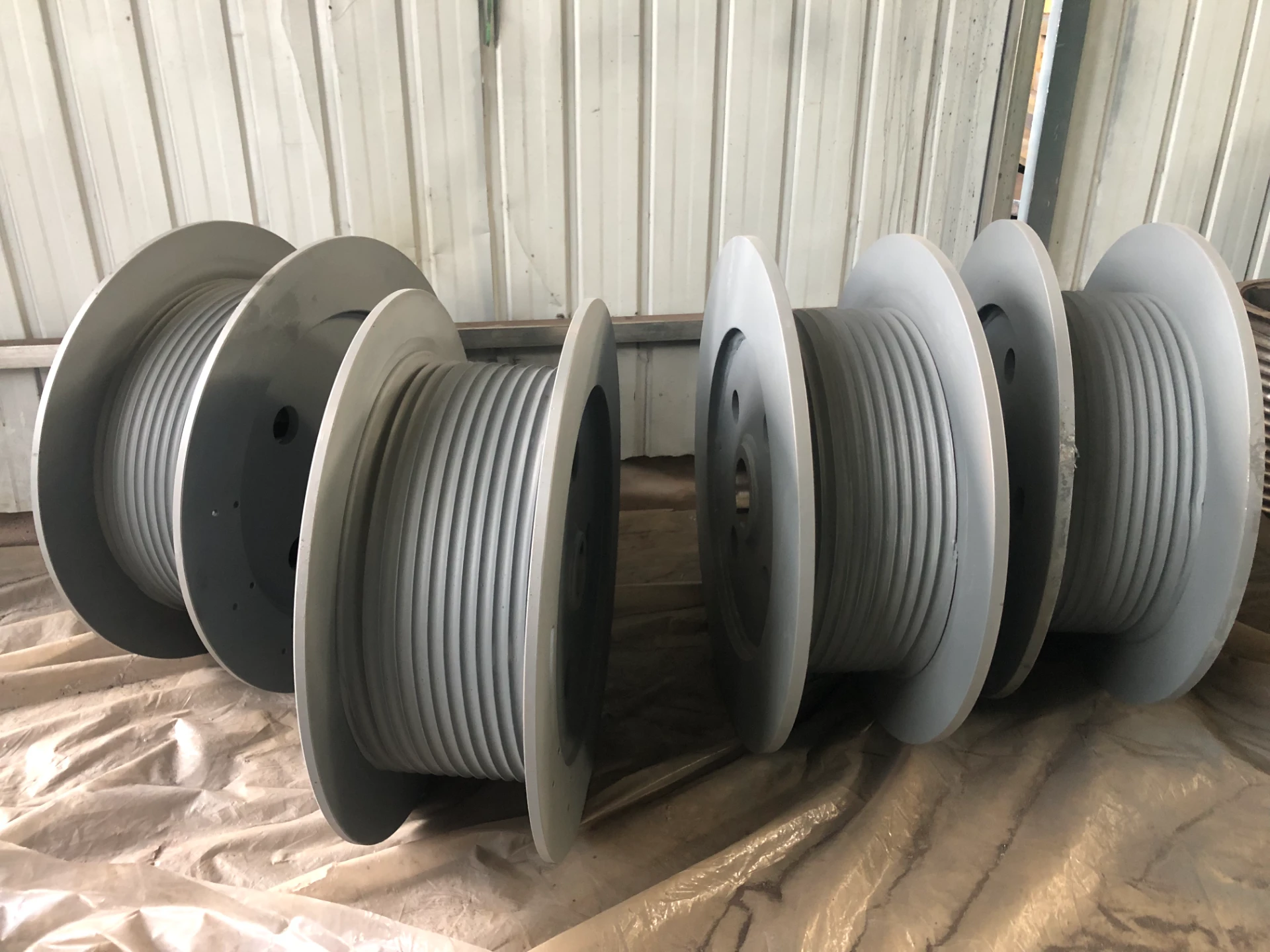
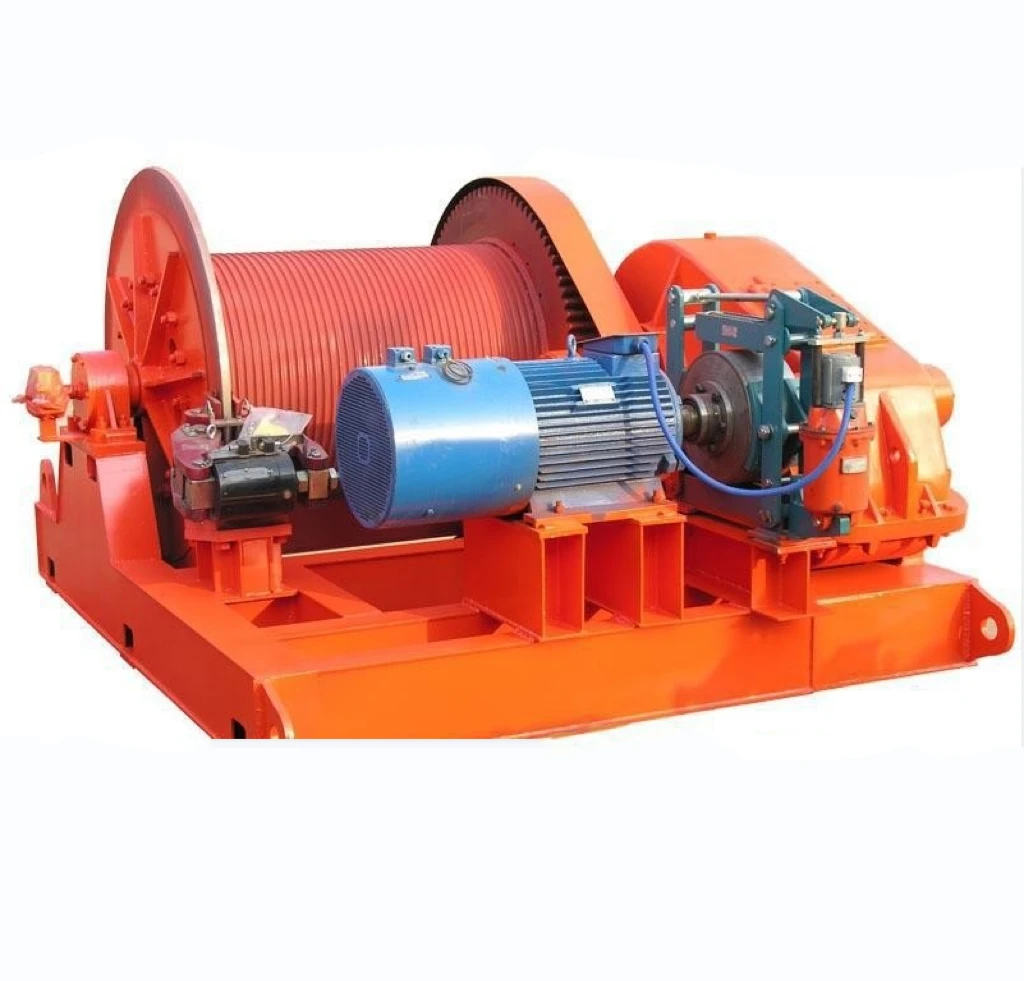
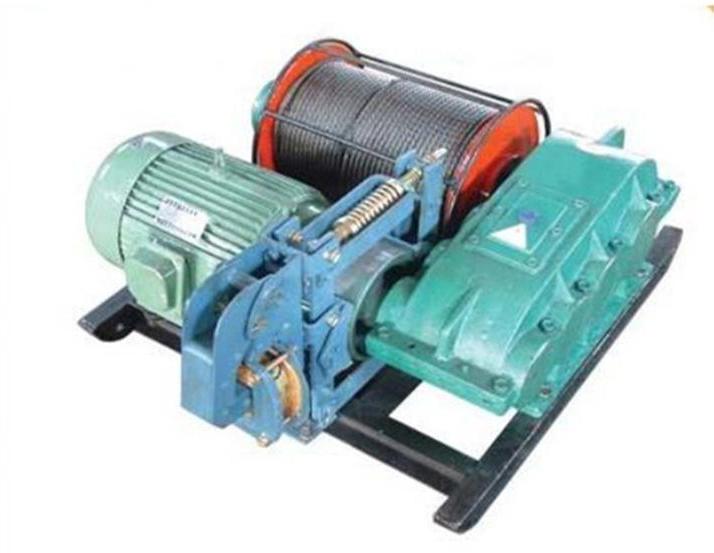
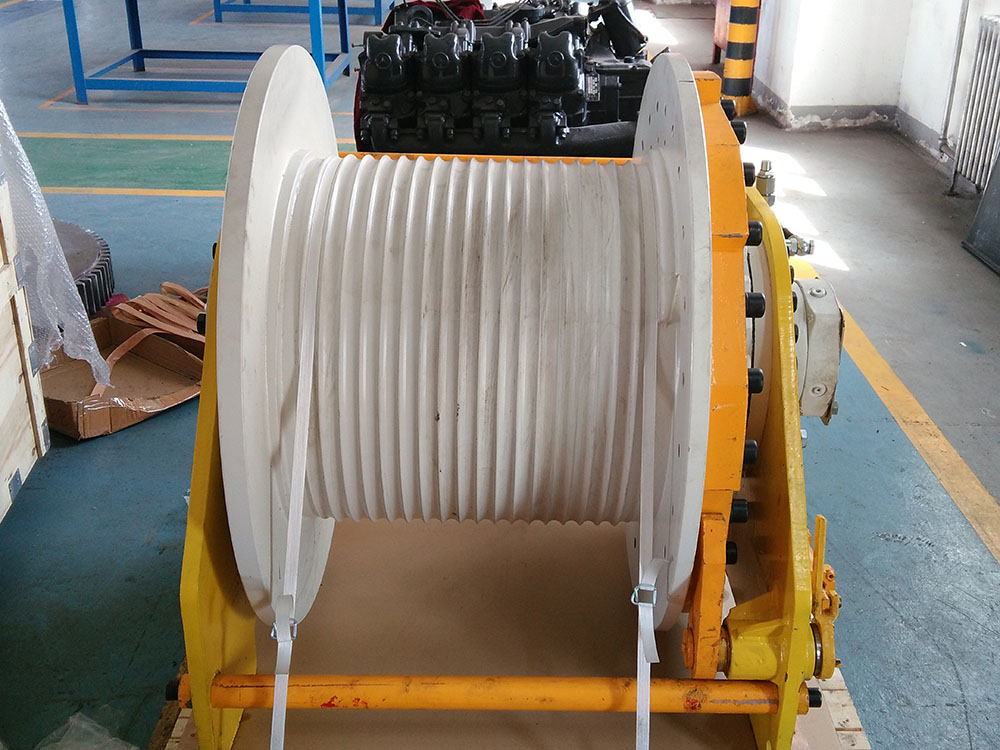
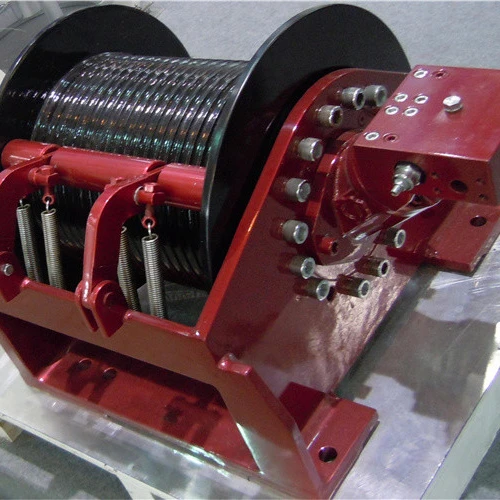
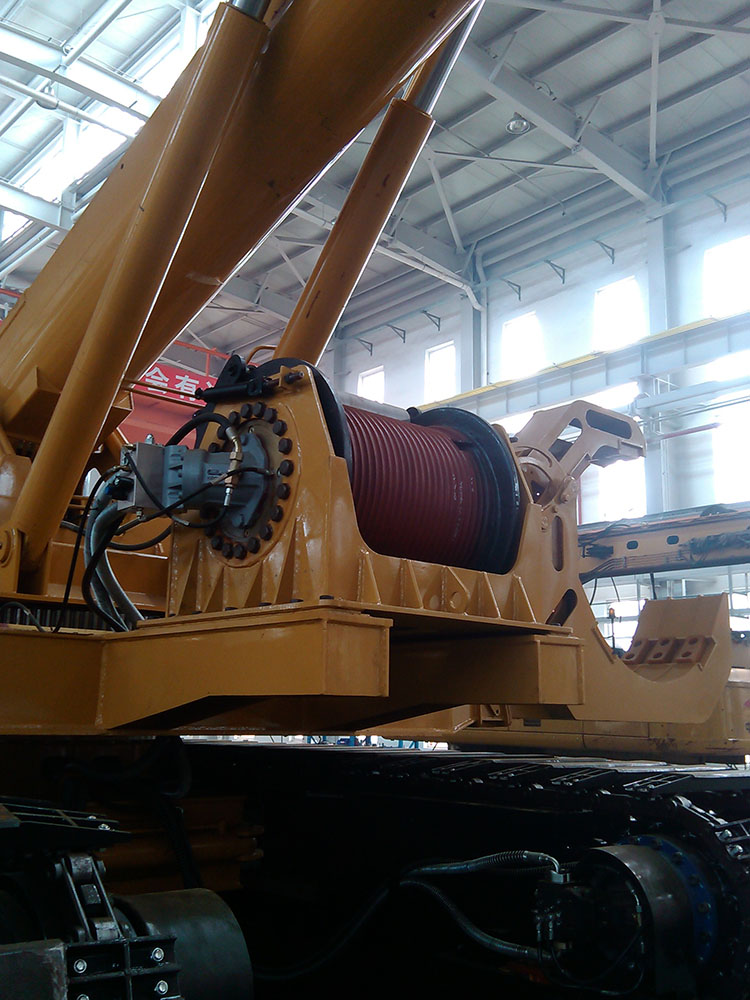
In its simplest form, a hydraulic winch is a mechanical device powered by pressurized fluid — usually oil — used to pull or lift heavy loads. For flatbed tow trucks, these winches are mounted onto the truck's chassis, connected to a hydraulic pump driven by the truck's engine. This setup allows the winch to exert consistent, substantial pulling force with precise control. Essentially, it’s the muscle behind loading and unloading vehicles without needing extra hands or risking damage.
This technology is pivotal not just for daily roadside assistance, but for frameworks like disaster relief, where rapid vehicle extraction can save precious time and lives. In remote areas or developing regions with unpaved roads, flatbed towing with hydraulic winch support is also a practical solution for vehicle recovery, compensating for a lack of infrastructure.
Core Components and Key Features of Hydraulic Winches
1. Power and Torque Capacity
The heart of any hydraulic winch is its power rating — typically expressed in tons or pounds of pulling force. For flatbed tow trucks, this ranges from 8,000 to 20,000 pounds or more. This ensures that whatever vehicle is stranded — from a motorcycle to a heavy SUV — it can be recovered safely. Frankly, I've noticed that operators often prioritize torque over speed, because a slow, steady pull reduces the risk of line breakage or vehicle damage.
2. Durability and Weather Resistance
A hydraulic winch must endure harsh working environments: rain, dust, heat, even salt from winter roads. Materials like high-grade steel and corrosion-resistant coatings are standard. Many manufacturers also design their gear sets and bearings to withstand continual stress without excessive maintenance.
3. Control and Safety Features
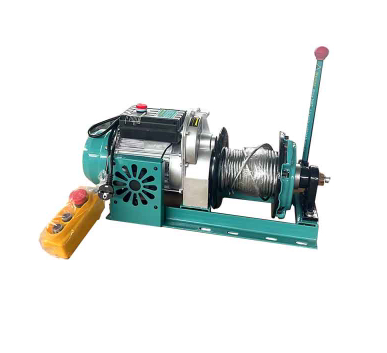
Modern hydraulic winches come equipped with remote control options and automatic braking systems. This control lets operators manage pull speed and direction precisely, reducing the chance of accidents — a real keeper for safety-conscious fleets.
4. Compact Design & Mounting Versatility
Space on a flatbed truck isn’t unlimited, so winches must be compact yet powerful. Some models are even adaptable to various mounting brackets, giving operators flexibility to retrofit older trucks.
5. Maintenance Requirements
Easy serviceability is a plus. Hydraulic lines, seals, and fittings need regular inspection, but many designs now integrate quick-access reservoirs and filters to simplify upkeep.
| Specification | Typical Value | Notes |
|---|---|---|
| Pulling Capacity | 10,000 – 20,000 lbs | Varies by model |
| Cable Length | 50 – 100 ft | Steel wire rope or synthetic options |
| Motor Type | Hydraulic motor | Powered by truck engine pump |
| Control | Remote or manual | Wireless options increasingly common |
| Weight | 120 – 250 lbs | Impacts truck payload slightly |
How Are Hydraulic Winches Used Around the World?
Put simply, these winches do the heavy lifting in many scenarios:
- Urban recovery fleets rely on hydraulic winches every day to clear traffic jams by loading disabled vehicles onto flatbeds quickly.
- Disaster relief operations in Southeast Asia and the Caribbean often depend on these winches to extract vehicles trapped by floods or landslides, speeding aid delivery.
- Mining and construction sites use flatbed tow trucks equipped with hydraulic winches to recover heavy machinery stuck in tough terrain.
- Military convoys in harsh terrains sometimes include flatbed tow trucks with hydraulic winches to ensure that disabled vehicles can be quickly gotten off the road.
In emerging markets such as India and Sub-Saharan Africa, the increasing investment in road infrastructure makes hydraulic winches for flatbed tow trucks not just luxury but necessity.
Why Invest in a Hydraulic Winch for Flatbed Tow Trucks? The Advantages
- Operational Efficiency: Hydraulic winches cut loading time dramatically — no more manual tugging or jury-rigged solutions.
- Reliability: Tough design means fewer breakdowns and maintenance issues, saving money over time.
- Safety: Controlled, predictable power reduces accidents — peace of mind for drivers and bystanders.
- Environmental Impact: Hydraulic systems are more energy-efficient compared to some electric alternatives, translating to marginally lower emissions.
- Cost-Effectiveness: Though initial cost might be higher, long-term savings on fuel, repairs, and downtime balance it out.
And on a human level — there’s a certain dignity in ensuring a stranded driver isn’t left helpless for long. This technology builds trust in the recovery process and, oddly enough, camaraderie among operators who know their tool won’t fail them.
Peeking Ahead: Innovations in Hydraulic Winch Technology
The future’s pretty exciting. Green energy solutions are starting to pop up — hybrid hydraulic systems that recover energy during braking to assist winch power, lowering fuel consumption. Then there’s digital control and monitoring, turning winches into smart devices that communicate load status, ambient conditions, and maintenance needs.
Materials are also evolving, with synthetic ropes replacing steel cables in many units — lighter, stronger, and safer to handle. Manufacturers experiment with self-lubricating gears and modular designs for easier customization.
Common Challenges and How to Overcome Them
Sure, hydraulic winches have their hiccups:
- Hydraulic Leaks: Aging seals can cause leaks, but modern seals and scheduled maintenance can largely prevent this.
- Complex Repairs: Because of the integrated hydraulic systems, repairs might be pricier and require trained technicians.
- Weight Penalties: Winches add weight — so balancing payloads on flatbed trucks is important.
- Environmental Sensitivity: Extreme cold can affect hydraulic fluid viscosity; using the right fluids and heating elements helps.
Industry insiders often recommend investing in training for operators and maintenance crews to maximize lifespan and safety. Additionally, integrating remote diagnostics can reduce surprise failures — a big step forward.
How Do I Choose the Right Hydraulic Winch for My Flatbed Tow Truck? FAQs
- What size hydraulic winch do I need for standard passenger vehicles?
- Typically, a winch with 10,000 to 12,000 lbs pulling capacity covers most passenger cars and light trucks. For heavier SUVs or small commercial vehicles, 15,000 lbs or more is safer.
- How often should I perform maintenance on my hydraulic winch?
- Regular checks every 500 operating hours or monthly for frequent use are common. Key areas include inspecting hydraulic lines, seals, and brake systems to prevent leaks and malfunctions.
- Can hydraulic winches be retrofitted on older flatbed trucks?
- Yes, many models offer adaptable mounting kits and compact assemblies specifically designed for retrofitting older trucks, saving cost over full truck replacement.
- Is synthetic rope better than steel cable for winch lines?
- Synthetic ropes are lighter, safer (less recoil risk), and easier to handle, but they may require more frequent inspection. Steel cables tend to last longer but are heavier and can be hazardous if damaged.
| Vendor | Pulling Capacity | Control Options | Warranty | Price Range (USD) |
|---|---|---|---|---|
| LBS Winch Co. | 10,000 – 20,000 lbs | Wireless remote & wired | 2 years | $4,000 – $7,000 |
| TowMaster Hydraulics | 8,500 – 15,000 lbs | Wired remote | 1.5 years | $3,200 – $5,500 |
| HydroLift Systems | 12,000 – 22,000 lbs | Wireless remote | 3 years | $5,000 – $8,000 |
Bringing It All Together
Hydraulic winches for flatbed tow trucks aren’t just simple mechanical devices. They embody a blend of industrial muscle, engineering finesse, and safety-conscious design — all converging to solve a very real, global problem of vehicle recovery and roadside safety. Whether you’re outfitting a local tow company or managing fleets in challenging environments, investing in the right hydraulic winch can save time, money, and maybe even a few headaches.
Curious to learn more or ready to upgrade your equipment? Visit our website: hydraulic winch for flatbed tow trucks and discover solutions tailored for your needs.
References:
1. International Transport Forum (ITF) Road Safety Data, OECD, 2023.
2. ISO 7000 Graphical Symbols for Hydraulic Equipment, ISO, 2022.
3. Hydraulic System Maintenance Best Practices, U.S. Department of Energy, 2021.
-
The Ultimate Guide to Gear Steels for Durability and PerformanceNewsApr.16,2026
-
High Performance Gear Stainless Steel for Industrial DurabilityNewsApr.09,2026
-
Comprehensive Guide to Steel Bevel Gears Applications and SelectionNewsApr.07,2026
-
Comprehensive Guide to Durable Stainless Steel Miter Gears and ApplicationsNewsApr.04,2026
-
Comprehensive Guide to Steel Spur Gears Functionality and ApplicationsNewsMar.31,2026
-
Comprehensive Guide to Durable Stainless Steel Spur Gears and Their ApplicationsNewsMar.28,2026