High-Performance Hydraulic Winch for Chipper | Durable & Efficient
Why a Hydraulic Winch for Chipper Matters Worldwide
If you’ve ever seen a forestry operation or landscaping crew at work, you probably didn’t notice the small-but-mighty heroes behind the scenes: the hydraulic winches for chippers. These devices play a critical role in hauling heavy logs and branches to chippers, ensuring efficiency, safety, and reduced physical strain on workers. While they might be a niche piece of machinery at first glance, their impact spans industries and regions — from timber harvesting in Canada’s vast boreal forests to disaster relief clearing debris in typhoon-ravaged Southeast Asia.
Understanding hydraulic winches designed specifically for chippers isn’t just about knowing a tool — it’s about grasping a vital piece of equipment that supports sustainable forestry, accelerates cleanup efforts after natural disasters, and improves operational safety globally.
Global Context: The Rising Need for Efficient Winching Solutions
Globally, the wood processing and forestry industry is huge. According to the Food and Agriculture Organization of the United Nations (FAO), forestry contributes over 4% of the global GDP and supports millions of jobs, directly or indirectly. However, the work is tough — hauling large logs manually or via inefficient machinery wastes time and adds risk.
Hydraulic winches tailored to work with chippers address a real problem: how do you safely and reliably move heavy feedstock to the chipper for processing, especially in rugged terrain or disaster-affected zones? For example, the World Bank highlights that post-disaster environmental cleanup is often delayed due to lack of proper equipment. Hydraulic winches provide a means to accelerate this, minimizing environmental and social collapse.
So, the global challenge here is clear: improving operational efficiency and safety in wood processing and disaster response, while supporting long-term sustainability—and this is exactly where our hydraulic winch for chipper enters the story.
Hydraulic Winch for Chipper: What Is It, Really?
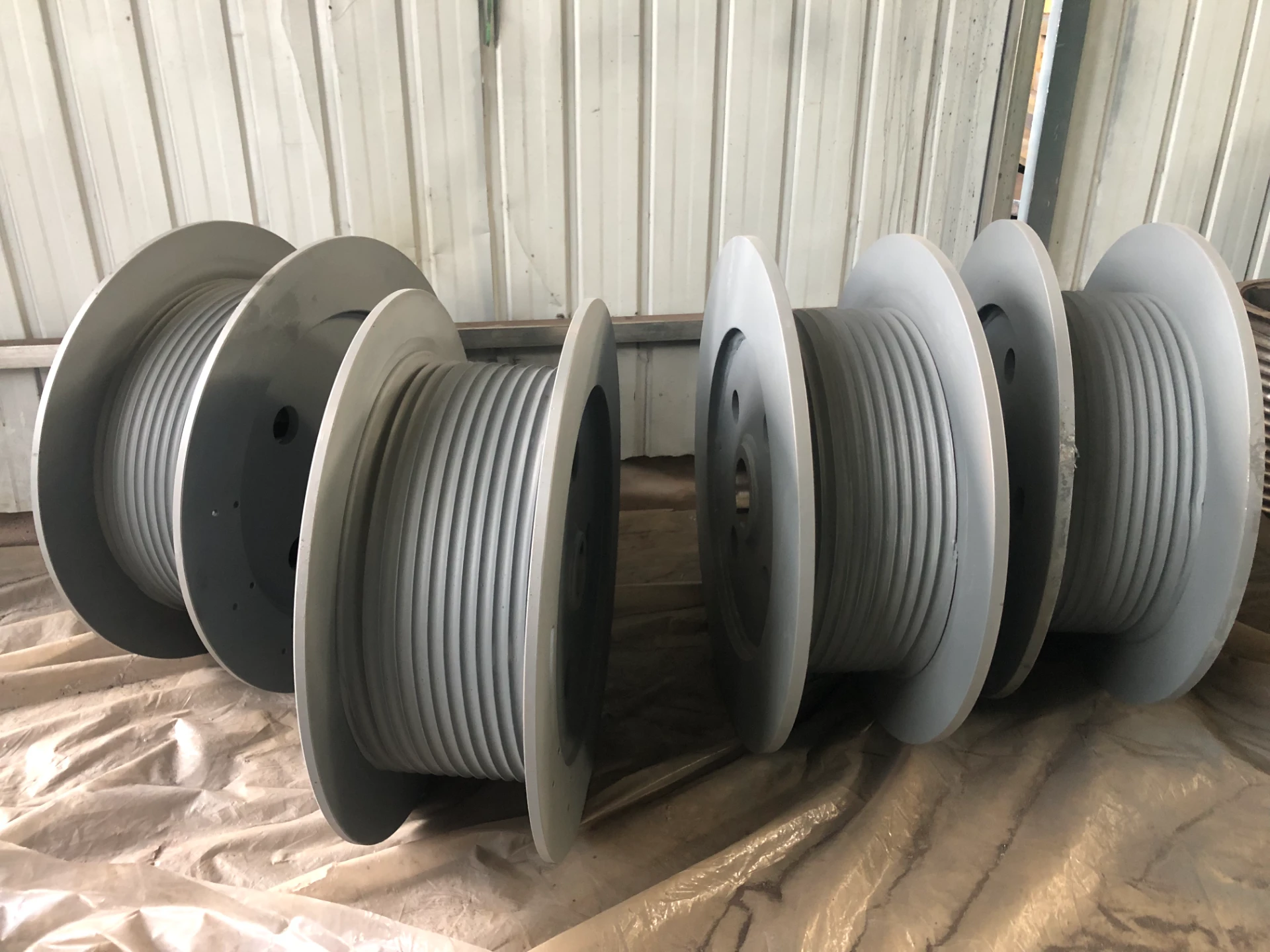
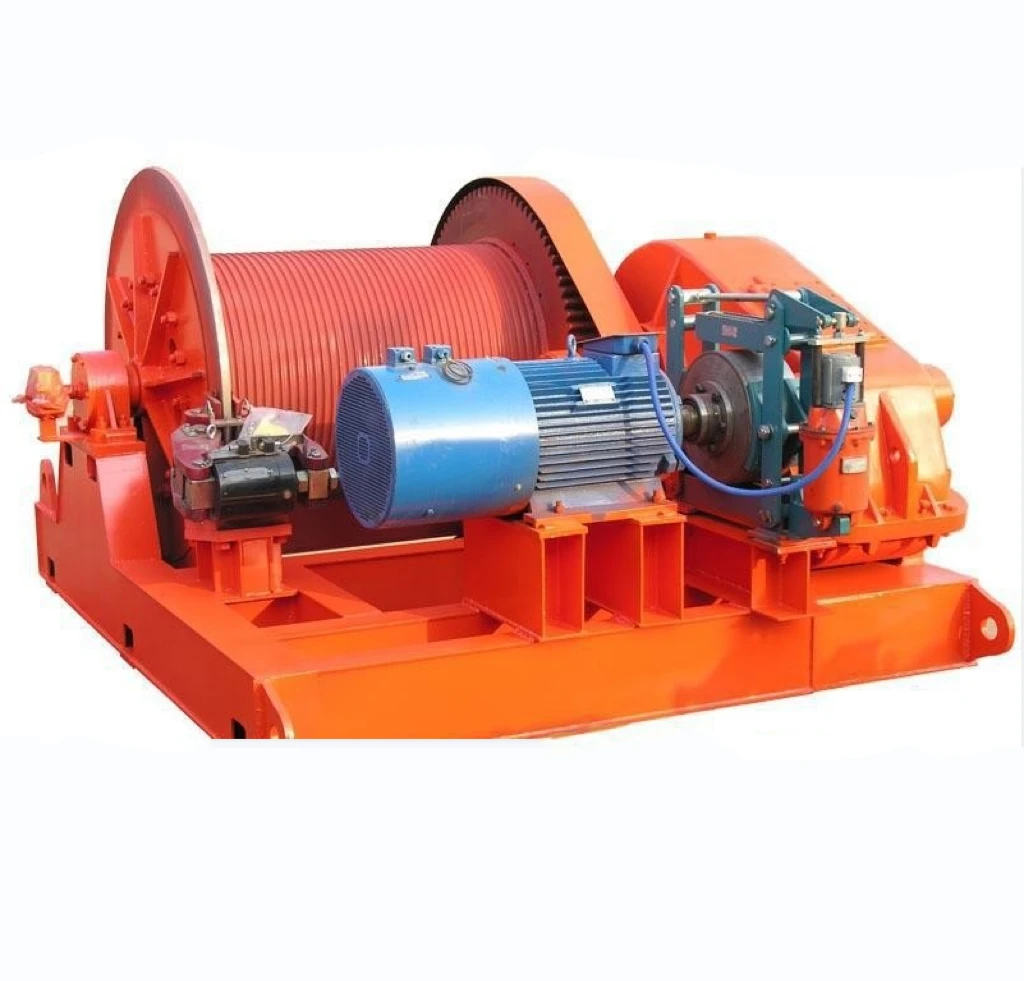
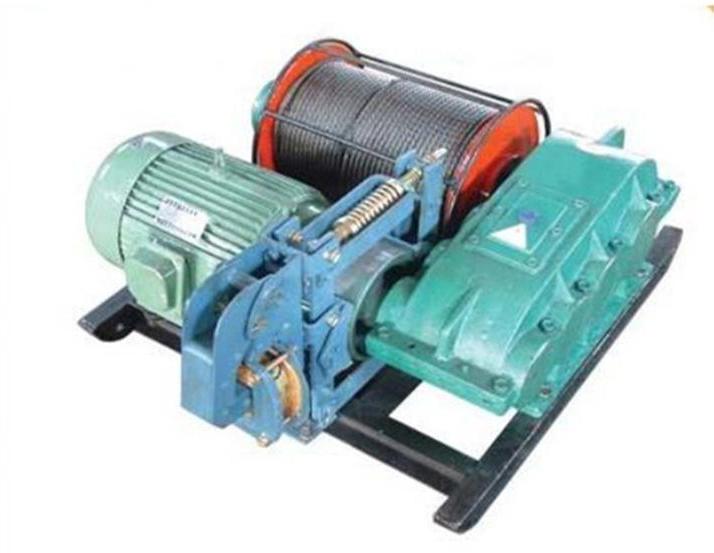
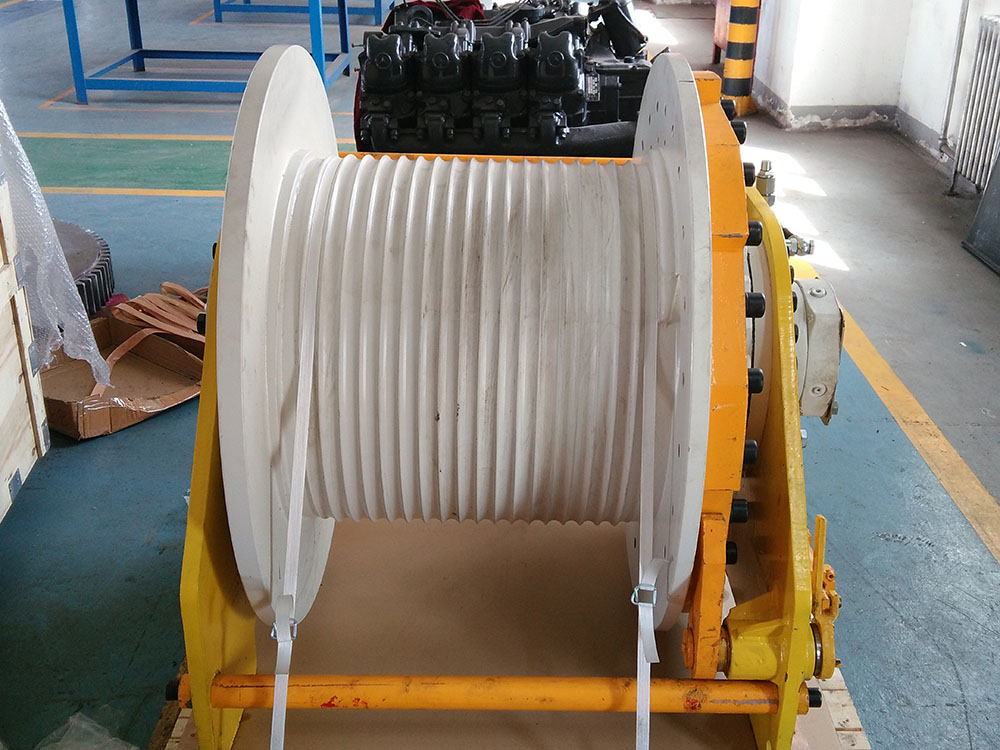
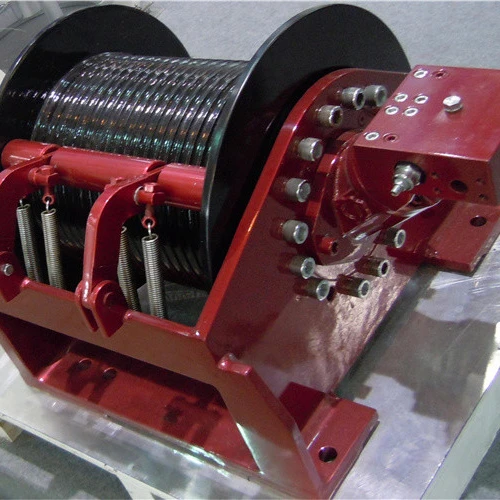
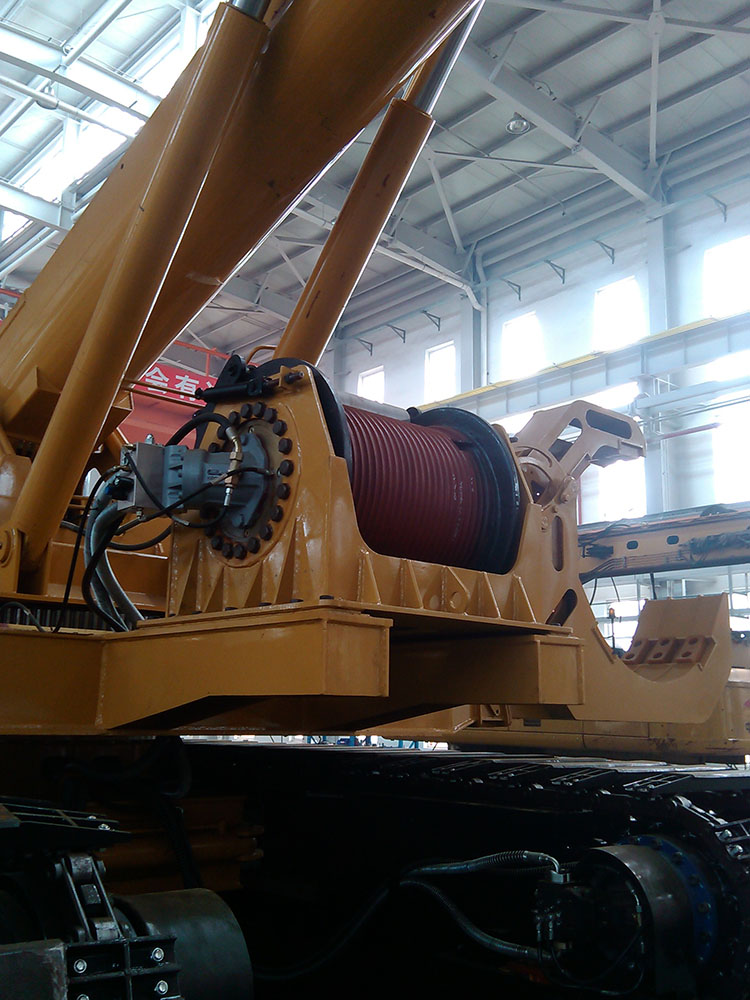
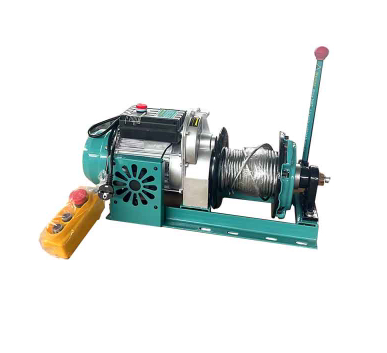
At its core, a hydraulic winch for chipper is a mechanical device powered by hydraulic fluid pressure used to reel cables in and out. Connected to wood chippers—which shred logs and branches into small chips—these winches pull heavy wood pieces towards the chipper, reducing manual labor and increasing throughput.
Unlike electric or pneumatic winches, hydraulic versions handle high torque and heavy loads reliably, often in rough environments. They integrate seamlessly into chipper machinery’s existing hydraulic systems, making them both compact and powerful. It’s kind of a perfect match.
In humanitarian contexts, where manual removal of debris isn’t practical, having mechanized assistance for clearing fallen trees or wreckage is essential for recovery efforts after storms, floods, or earthquakes.
Core Components and Factors to Consider
Durability and Material Quality
Winches operate in tough, often wet conditions. High-grade steel drums, corrosion-resistant coatings, and sealed hydraulic motors make all the difference between an all-season reliable winch and a maintenance headache.
Power & Torque Output
Depending on chipper capacity and the weight of logs, the winch must deliver sufficient pulling power. For example, 4,000–8,000 lbs of pulling capacity is standard for mid-sized industrial chippers.
Compatibility & Integration
Since these winches tie into existing hydraulic circuits, matching pressure ratings and flow requirements is essential. The better the integration, the smoother the operation.
Safety Features
Automatic brakes, controlled speed, and emergency stop functions help reduce accidents. Many modern winches also have cable tension sensors.
Ease of Maintenance
Modular design and accessible components reduce downtime and extend service life — things field engineers swear by.
Mini Takeaway
The best hydraulic winch for chipper is a smart balance of ruggedness, power, safety, and usability.
Hydraulic Winch for Chipper in the Real World
Take northeast Canada’s logging industry — where dense forest and uneven terrain mean manual hauling is near impossible. Operators use hydraulic winches on chippers to pull massive pines and maples efficiently into feed chutes. Similarly, in Europe’s forestry zones, environmental regulations prioritize minimal soil damage; the winch helps pull logs while limiting heavy machinery movements.
In Southeast Asian countries, NGOs often deploy machinery for post-typhoon debris removal where roads are blocked by fallen trees. There, the hydraulic winch accelerates clearing, so aid trucks can get through faster.
Heavy equipment rental companies in such regions also find strong demand for chippers equipped with reliable winches, highlighting how these systems unlock operational productivity.
Global Use Case Snapshot
- Canada: Forestry operations leverage winches to meet timber quotas safely.
- Europe: Environmental forestry tightly integrates winches to reduce terrain damage.
- Southeast Asia: Disaster relief efforts utilize hydraulic winches for quick debris management.
- United States: Landscaping and tree servicing companies depend on winch-chipper combos to move large brush.
Advantages & Long-Term Value of Hydraulic Winch for Chipper
The advantages are emphatic. First, the obvious: these winches allow smaller crews to handle heavy materials safely, reducing labor intensity and injuries.
Cost efficiency follows. While initial investment is notable, reduced downtime, faster operations, and lower insurance premiums due to safer practices typically yield favorable ROI.
Environmentally — fewer heavy vehicles dragging through woods means less soil compaction and disturbance. Over decades, that counts.
Finally, there’s a human factor. Operators who trust their equipment feel less stressed and more productive. It kinda builds pride in their craft.
Key Specifications Comparison of Typical Hydraulic Winch for Chipper Models
| Specification | Winch A | Winch B | Winch C |
|---|---|---|---|
| Pulling Capacity (lbs) | 4,500 | 7,000 | 8,500 |
| Motor Type | Axial Piston | Radial Piston | Axial Piston |
| Line Speed (ft/min) | 20 | 15 | 18 |
| Working Pressure (psi) | 3,000 | 3,500 | 3,200 |
| Weight (kg) | 65 | 82 | 78 |
Comparing Top Hydraulic Winch Supplier Options
| Vendor | Specialty | Global Reach | Warranty | Customer Rating |
|---|---|---|---|---|
| LBS Winch | Custom winches for forestry and construction | North America, Europe, Asia | 3 years | 4.7/5 |
| ForestTech | Sterling hydraulic winches with eco designs | Europe, North America | 2 years | 4.3/5 |
| EcoPull Systems | Green hydraulic winches with solar integration | Asia, Africa | 4 years | 4.5/5 |
Looking Ahead: Innovations in Hydraulic Winches for Chipper Machines
The future is quite exciting on this front. Many engineers and manufacturers are moving toward greener technologies. Imagine hydraulic winches powered or assisted by solar panels or featuring biodegradable hydraulic fluids to minimize environmental footprint.
Digitally, integration with IoT sensors will provide real-time monitoring of cable tension, hydraulic pressure, and motor temperature. This means preemptive maintenance alerts and less unexpected downtime — a dream for operators who rely on continuous uptime.
Plus, advancements in composite materials may soon make winch components lighter and stronger, combining durability with easier installation and transportation.
Challenges & How to Overcome Them
It’s not all smooth sailing. Hydraulic winches sometimes suffer from oil leaks or system contamination, which halt operations and lead to costly repairs. Plus, improper installation or mismatched system pressures can cause serious mechanical failures.
Many experts recommend rigorous training for operators and technicians on hydraulic systems in general. Regular maintenance schedules and using manufacturer-certified parts help reduce these issues.
Another avenue gaining traction is remote diagnostics—allowing experts to troubleshoot via telemetry before a technician even arrives.
FAQ: Hydraulic Winch for Chipper
Q1: What pulling capacity should I look for in a hydraulic winch for my chipper?
A1: It depends on your typical load size and chipper capacity. For mid-sized chippers, a winch with 4,000 to 8,000 lbs of pulling capacity generally suffices. Always factor a safety margin and consult your machine’s specs.
Q2: Can I retrofit a hydraulic winch to an existing chipper?
A2: Yes, but compatibility matters a lot. Ensure your chipper’s hydraulic system can meet the winch’s flow and pressure requirements. Also, confirm mounting points and controls match or can be adapted.
Q3: How often should the hydraulic winch be serviced?
A3: Routine checks every 100 operating hours are common, focusing on hydraulic fluid cleanliness, seal integrity, and cable wear. Follow your manufacturer’s maintenance guide for specifics.
Q4: Are hydraulic winches for chippers environmentally friendly?
A4: Compared to manual hauling or diesel-powered equipment, hydraulic winches generally reduce fuel consumption and soil disturbance. Using bio-hydraulic fluids further boosts eco-friendliness.
Q5: Where can I buy a reliable hydraulic winch for chipper?
A5: Trusted manufacturers like LBS Winch offer industry-specific models with warranties and support. Compare specifications and choose what fits your operational needs best.
Wrapping It Up
Hydraulic winches for chippers may seem like a small cog in a vast industry machine, but honestly, they pack a punch in boosting efficiency, safety, and sustainability worldwide. Whether in commercial forestry, landscaping, or disaster relief, these winches prove indispensable.
Thinking about upgrading or outfitting your chipper? Check out trusted suppliers and consider the specs we discussed. The right winch makes all the difference. Visit our website for more insights and products: hydraulic winch for chipper.
References
-
The Ultimate Guide to Gear Steels for Durability and PerformanceNewsApr.16,2026
-
High Performance Gear Stainless Steel for Industrial DurabilityNewsApr.09,2026
-
Comprehensive Guide to Steel Bevel Gears Applications and SelectionNewsApr.07,2026
-
Comprehensive Guide to Durable Stainless Steel Miter Gears and ApplicationsNewsApr.04,2026
-
Comprehensive Guide to Steel Spur Gears Functionality and ApplicationsNewsMar.31,2026
-
Comprehensive Guide to Durable Stainless Steel Spur Gears and Their ApplicationsNewsMar.28,2026