Hydraulic Winch Drive: Efficient, Durable Solutions for Heavy Lifting & Industrial Use
Understanding Hydraulic Winch Drive: Why It Matters Today
Hydraulic winch drives might not be the most common household term, but they’re absolutely vital in many corners of our modern industrial world. Simply put, these robust systems offer powerful, reliable mechanical pulling through hydraulic power — and that makes all the difference for industries ranging from offshore oil rigs to humanitarian relief zones. Globally, the need for efficient, resilient winching technology continues to grow, especially as infrastructure projects, disaster response efforts, and heavy construction demand equipment that can handle extreme conditions without fail.
So why care about the hydraulic winch drive? Because understanding this tech means recognizing how it keeps global development moving — literally and figuratively — and how innovation here can lead to safer, more cost-effective operations everywhere.
Hydraulic Winch Drives: A Global Perspective
According to recent reports from the United Nations Industrial Development Organization (UNIDO), over 60% of large-scale infrastructure projects depend on heavy equipment that requires dependable load handling, where winch systems play a pivotal role. Hydraulic winch drives excel in environments where precision and power intersect, such as remote mining operations, offshore platforms, or disaster-stricken areas where rapid deployment of aid gear is critical.
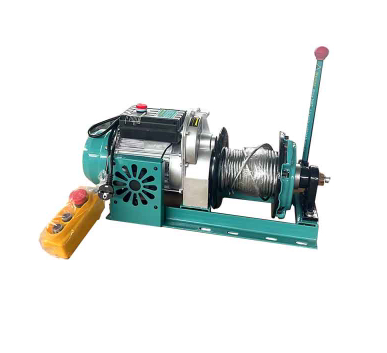
Interestingly, the World Bank data suggests that more than $200 billion annually is directed towards rebuilding or constructing industrial projects vulnerable to logistical delays — delays that can be cut down with more efficient equipment. The problem is, traditional electric or mechanical winches often fail under harsh conditions or require complex maintenance, slowing down timelines.
Hydraulic winches, however, can thrive under variable loads, work in wet or abrasive environments, and maintain consistent performance where others stumble. This reliability addresses bottlenecks in supply chains, construction, and emergency response worldwide.
What Exactly Is a Hydraulic Winch Drive?
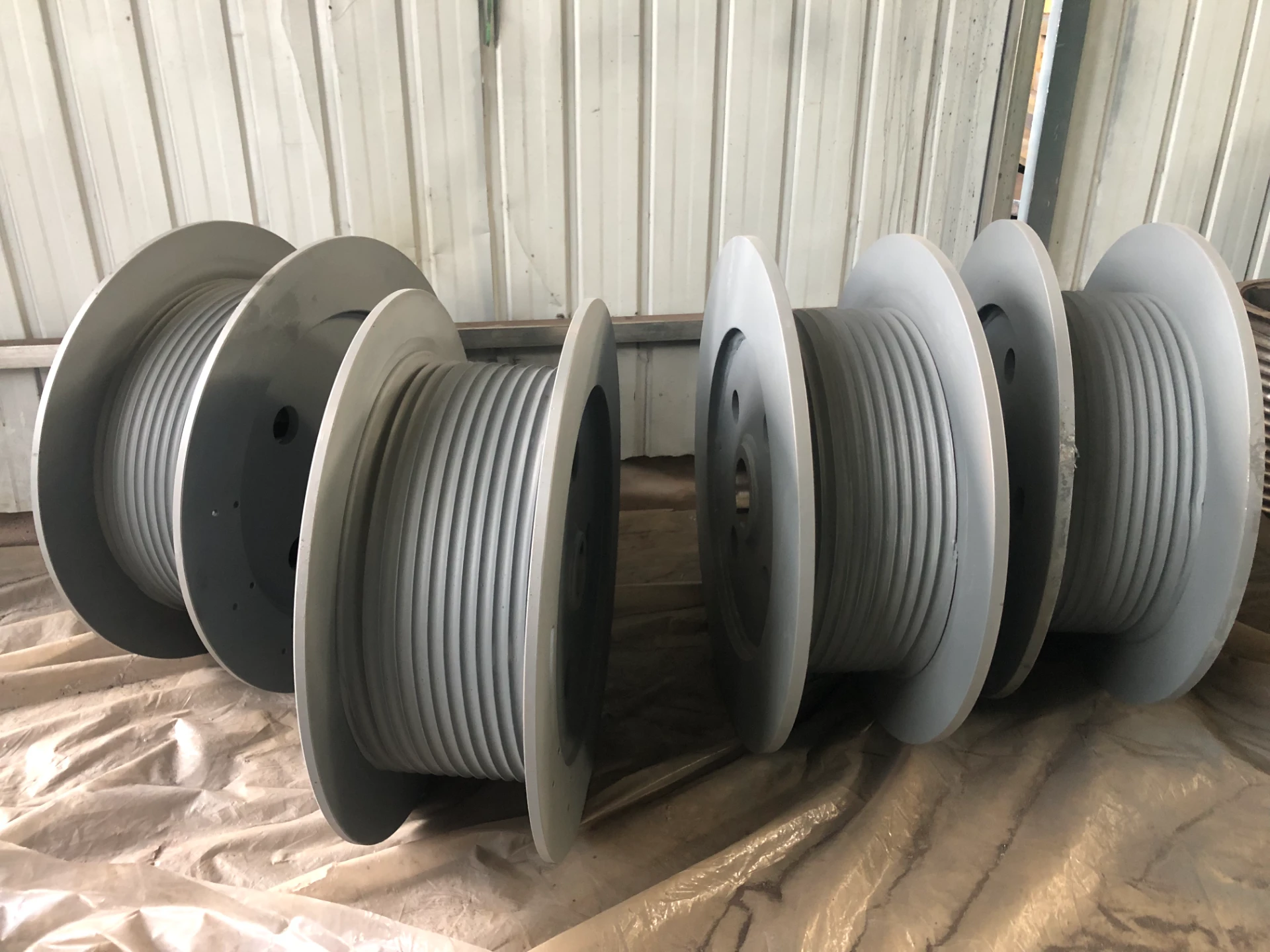
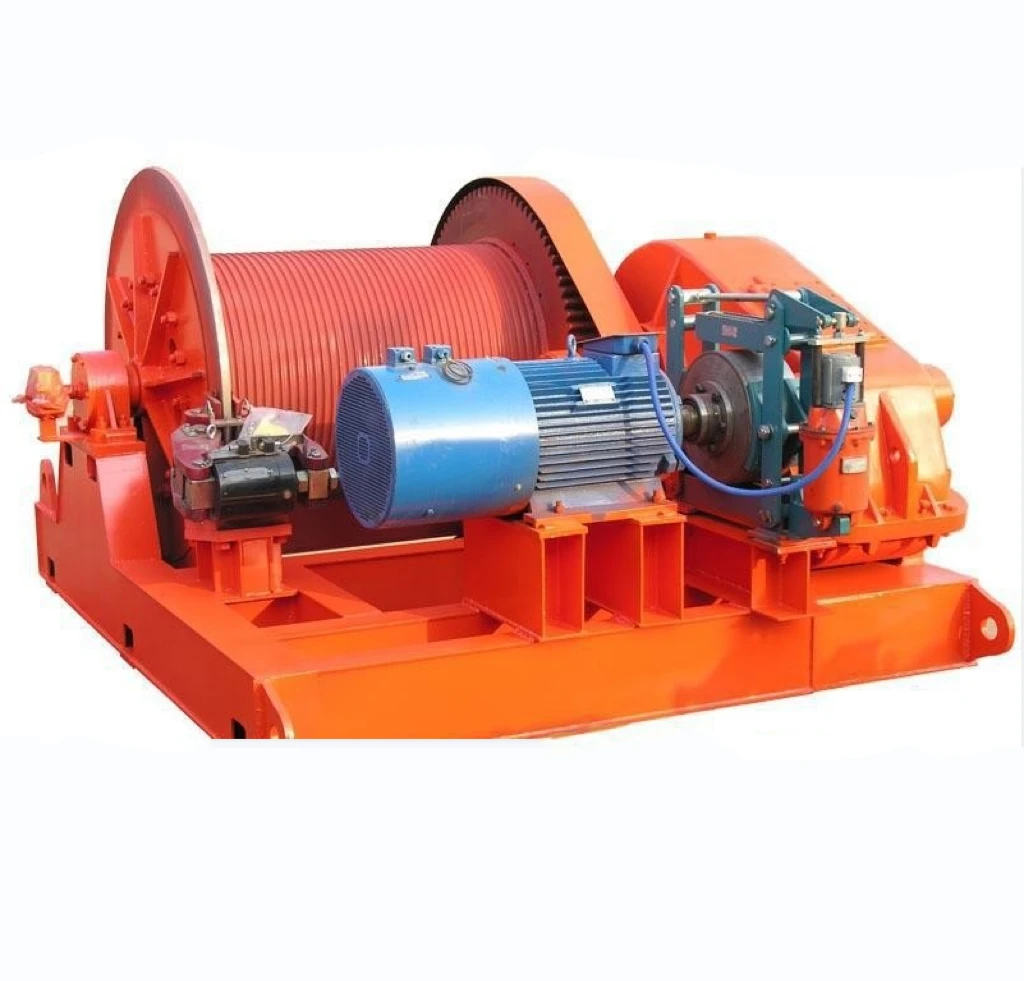
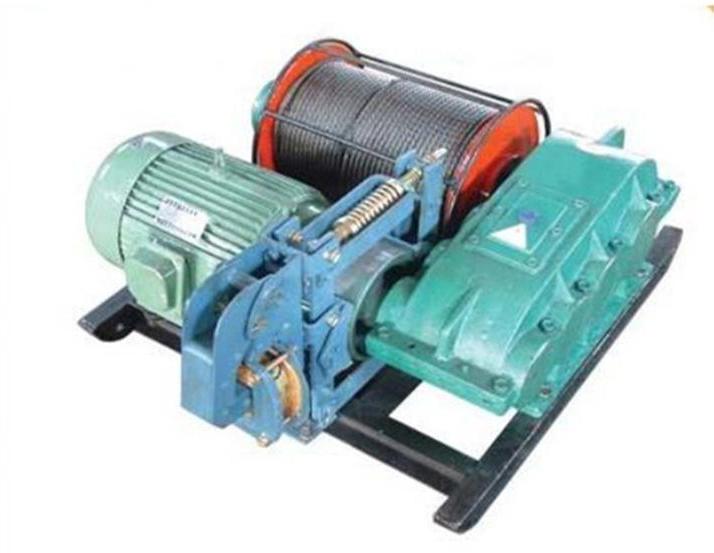
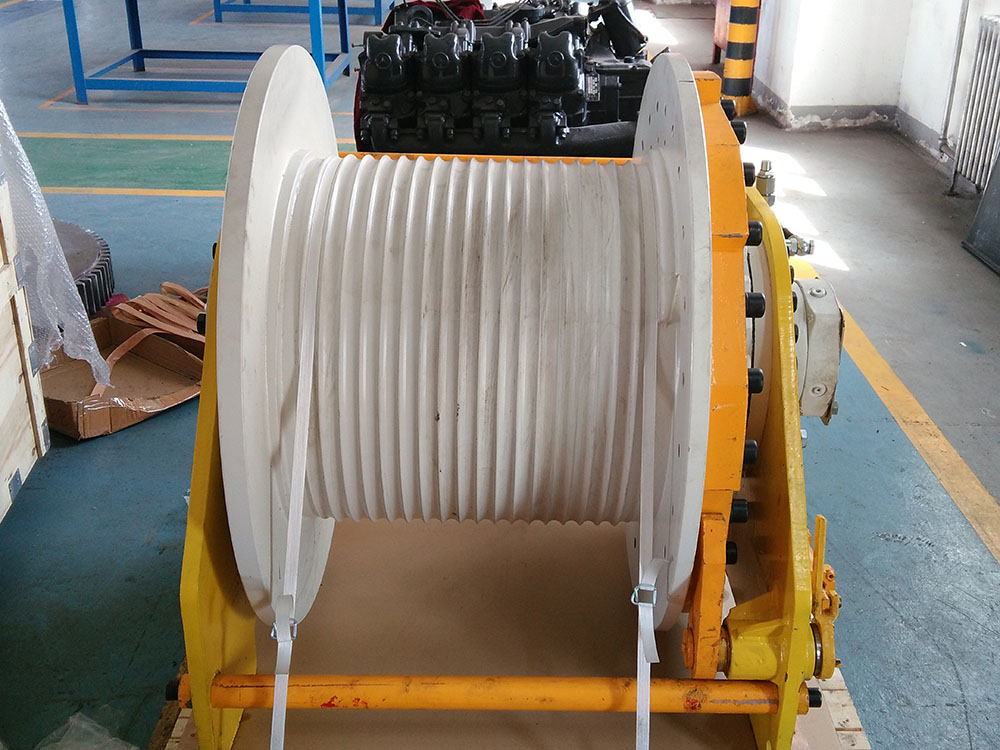
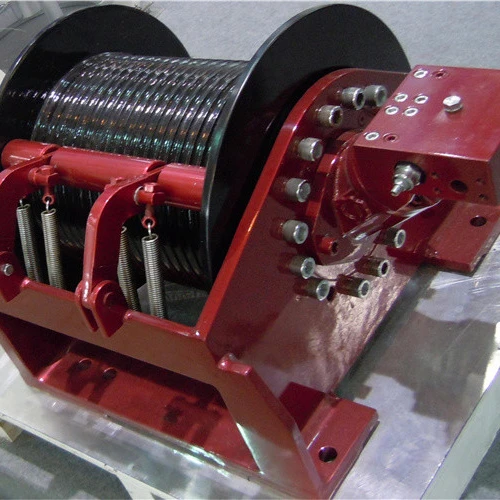
At its core, a hydraulic winch drive is a system that uses hydraulic fluid pressure to power a drum that winds or unwinds cable or rope. Think of it as a muscle — hydraulic fluid moves under pressure through a motor, which turns the drum to pull or lift heavy objects with controlled force. This method offers elegant torque control and smooth operation, unlike purely electric motors that can jolt or overheat.
These drives are closely linked to modern industrial needs — whether it’s pulling massive pipes into place during an oil pipeline lay or winching equipment onto rescue boats in flood zones. Their ability to adjust speed and torque on the fly, plus withstand tough conditions, makes them a backbone technology in many critical operations.
Core Components and What Makes Them Tick
1. Durability
Hydraulic winch drives often work in extreme settings: salty sea air, dust storms, freezing winters — you name it. Their hydraulic systems are sealed tight against contamination, and their metal drums and gears are built to resist corrosion and wear. This means less downtime and longer lifespans.
2. Scalability
Whether the job requires pulling a few tons or several hundred, hydraulic winches can be designed to suit. Changing pump sizes and drum configurations allows easy customization.
3. Cost Efficiency
Though initial investments can be higher than electric winches, the reduced maintenance frequency and fuel efficiency typically balance that out over time. Plus, the operational reliability means fewer emergency breakdowns — which can be very pricey.
4. Control Precision
Adjusting speed, torque, and braking power is a breeze with hydraulic systems, letting operators handle delicate procedures or brute force jobs with equal confidence.
5. Integration
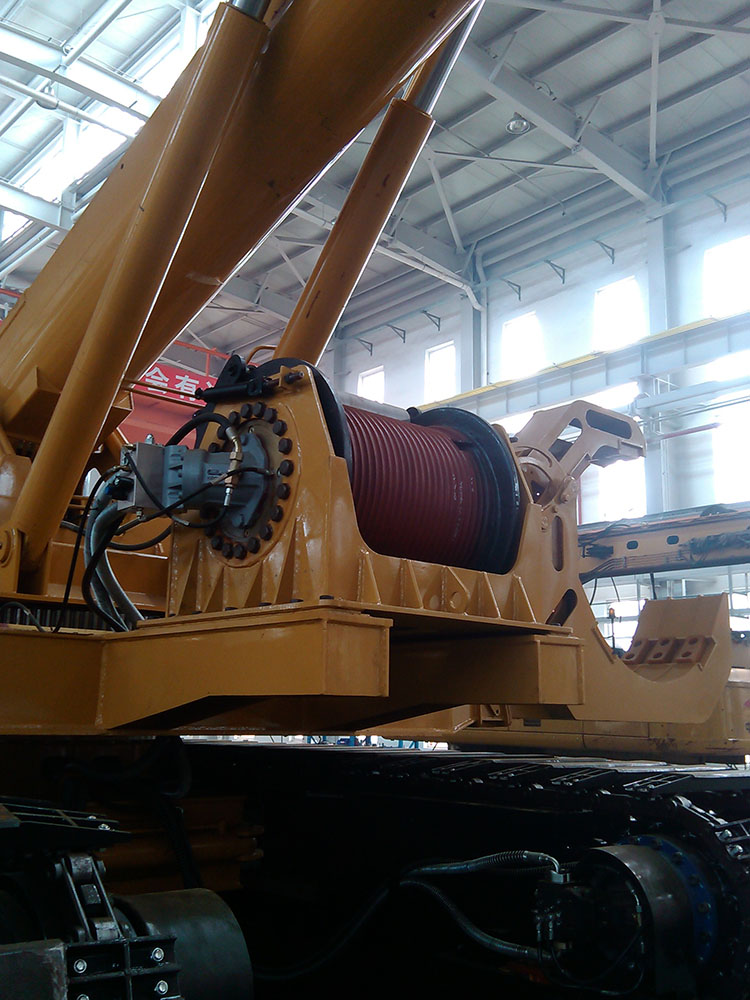
Hydraulic winch drives easily fit into complex machinery or remote setups, especially when paired with hydraulic winch drive control systems that improve automation or remote operation.
Mini takeaway:
In real terms, these core qualities make hydraulic winches a favorite for heavy-duty, tailored applications — where failure just isn’t an option.
Global Applications: Real-World Use of Hydraulic Winch Drives
- Marine Industry: Offshore drilling and shipping use hydraulic winch drives to manage anchors and heavy cargo in harsh sea conditions.
- Construction and Mining: Moving materials up steep slopes or suspending heavy earthworks in remote mountainsides demands machine power that won’t falter.
- Disaster Relief Efforts: NGOs employ hydraulic winch drives to deploy fast, reliable aid where roads are destroyed or where electric power isn’t available.
- Forestry and Agriculture: For pulling logs or adjusting heavy farm equipment, these winches offer control and durability.
- Energy Sector: Renewable energy installations, especially wind farms, rely on these drives for safely managing turbine components.
For example, after the 2015 Nepal earthquake, relief teams used hydraulic winch drive systems to remove debris and set up temporary infrastructure in rugged terrain — something that in urban areas might be taken for granted but truly challenging in the hills.
Advantages & Long-Term Value of Hydraulic Winch Drives
Operationally, these systems deliver consistent power, often powered by on-site diesel or electric hydraulic circuits, which lowers dependency on grid electricity and reduces carbon footprint — especially when paired with green hydraulic fluids.
Socially, they contribute to safer workplaces by reducing manual strain on workers. When you know you can control the load exactly, accidents become far less likely. Frankly, familiarity breeds trust, and reliable equipment builds trust with operators and stakeholders alike.
| Specification | Typical Value | Notes |
|---|---|---|
| Pulling Capacity | 1 - 200+ tons | Varies by model and application |
| Operating Pressure | 1500 - 3500 psi | Hydraulic fluid pressure range |
| Motor Type | Axial piston / radial piston | Common high-performance motor types |
| Drum Diameter | 300 - 1000 mm | Customizable per cable specs |
| Control Options | Manual, remote, automated | Software-based controls growing more common |
Comparing Top Hydraulic Winch Drive Suppliers
| Company | Product Range | Customization | Global Reach | Notable Features |
|---|---|---|---|---|
| LBS Winch | 1 to 150 tons | High – tailored builds & integration | Worldwide, including remote areas | Remote control, heavy-duty, robust design |
| HydroTech Systems | Up to 200 tons | Moderate, mainly standard models | Regional - Europe/Asia | Energy-efficient motors, basic automation |
| Global Winches Inc. | 50 to 300 tons | Low – off-the-shelf models only | North America and Africa | Heavy lifting focus, traditional control |
Looking Ahead: Future Innovations in Hydraulic Winch Drive Technology
From environmental viewpoints, using biodegradable hydraulic fluids and more energy-efficient pump designs is becoming a must, aligning with global policies like the ISO 14000 standards on environmental management.
Digitally, smart sensors embedded within winch systems are enabling predictive maintenance, reducing unexpected downtime. Remote monitoring and automated controls mean operators can manage multiple winches from a safe control room — a game-changer in hazardous environments.
There’s also increasing interest in integration with renewable energy sources — solar-hydraulic hybrids, for example, that use stored energy to power winches in off-grid zones. This kind of sustainable innovation promises to expand the “where” and “how” these drives can be used.
Challenges and How the Industry Tackles Them
- High Initial Investment: The up-front cost of hydraulic setups can be daunting. Many companies offset this with leasing options or modular upgrades.
- Maintenance Complexity: Expert technicians are required, but improved design and training programs are easing this.
- Weight and Size: Hydraulic systems are bulkier than electric counterparts; efforts to reduce size through compact designs are ongoing.
- Environmental Risks: Potential hydraulic fluid leaks. New biodegradable fluids and better seals help reduce ecological impact.
Mini takeaway:
While challenges exist, the path forward is bright thanks to smart design and operational strategies.
Frequently Asked Questions About Hydraulic Winch Drive
- Q: How does a hydraulic winch drive differ from electric winches?
- A: Hydraulic winches use pressurized fluid to generate torque, offering smoother control and greater durability in harsh environments compared to electric winches, which may overheat or struggle outdoors.
- Q: Can hydraulic winch drives be used in remote locations with no electricity?
- A: Absolutely. Many systems run off diesel-powered hydraulic pumps or solar-hydraulic hybrids, making them ideal where grid power isn’t reliable.
- Q: What maintenance is required for hydraulic winch drives?
- A: Regular checks include fluid levels, leak inspection, seal conditions, and motor function tests. Most manufacturers recommend scheduled servicing every few hundred hours of operation.
- Q: Are hydraulic winch drives customizable for specific industry needs?
- A: Yes, customization is one of their strengths. From drum size to control interfaces, they can be tailored to suit unique operational demands.
Wrapping It Up: Why Hydraulic Winch Drives Are a Smart Investment
The durability, flexibility, and controlled power of hydraulic winch drives make them indispensable in a world where efficiency and safety cannot be compromised. From heavy industries to vital humanitarian work, they deliver the kind of reliability that helps projects and operations stay on track without unexpected interruptions.
Thinking about upgrading your equipment or investing in a new system? Don’t hesitate — explore the possibilities with innovative providers like hydraulic winch drive specialists who understand your challenges and deliver tailored solutions.
References & Further Reading
-
The Ultimate Guide to Gear Steels for Durability and PerformanceNewsApr.16,2026
-
High Performance Gear Stainless Steel for Industrial DurabilityNewsApr.09,2026
-
Comprehensive Guide to Steel Bevel Gears Applications and SelectionNewsApr.07,2026
-
Comprehensive Guide to Durable Stainless Steel Miter Gears and ApplicationsNewsApr.04,2026
-
Comprehensive Guide to Steel Spur Gears Functionality and ApplicationsNewsMar.31,2026
-
Comprehensive Guide to Durable Stainless Steel Spur Gears and Their ApplicationsNewsMar.28,2026