Portable Hydraulic Winches: Power, Portability & Performance Worldwide
What’s So Important About Portable Hydraulic Winches?
If you’re not knee-deep in industries like construction, forestry, or emergency relief, you might wonder: what’s the big deal about a portable hydraulic winch? Well, here’s the thing—these nimble machines quietly power huge operations around the world, often in places where power or infrastructure is anything but reliable. They’re instrumental when hauling heavy loads where a traditional electric winch just won’t cut it.
From the rugged terrains where infrastructure hasn’t caught up yet, to disaster zones demanding rapid response, understanding what this portable marvel can do is surprisingly relevant. It’s not just about muscle—it’s about adaptability, safety, and getting tough jobs done efficiently.
The Global Relevance of Portable Hydraulic Winches
To give you a global snapshot: According to the International Organization for Standardization (ISO), the use of hydraulic machinery in industries worldwide has grown by roughly 8% annually over the past decade. This reflects a fundamental need for equipment that can operate where electricity’s spotty or unavailable.
Now consider the pressing environmental and logistical challenges the UN highlights — like transporting goods in areas hit by natural disasters or remote mining operations in places like Sub-Saharan Africa or South America. That’s where portable hydraulic winches enter the scene, offering power, mobility, and reliability in environments traditional gear simply can’t handle.
The challenge these winches address? How to safely move heavy materials in rough conditions without relying on bulky power sources or infrastructure that might not exist, or might have been damaged.
Defining the Portable Hydraulic Winch
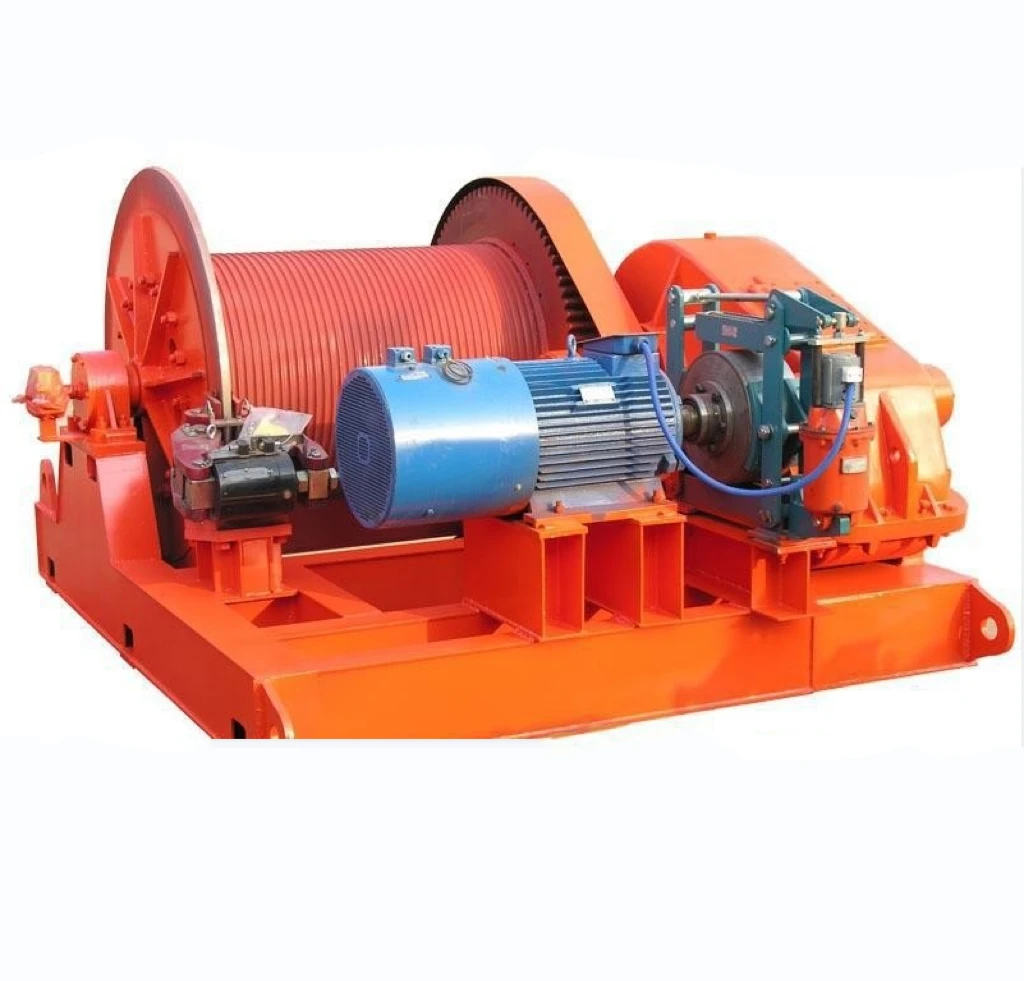
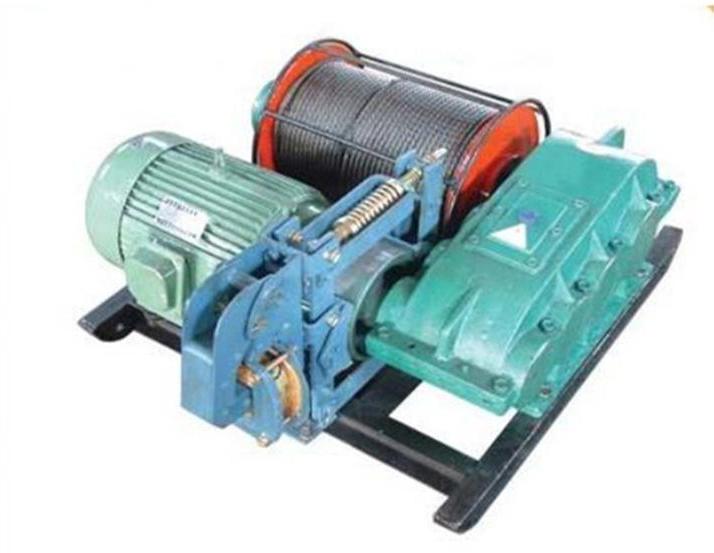
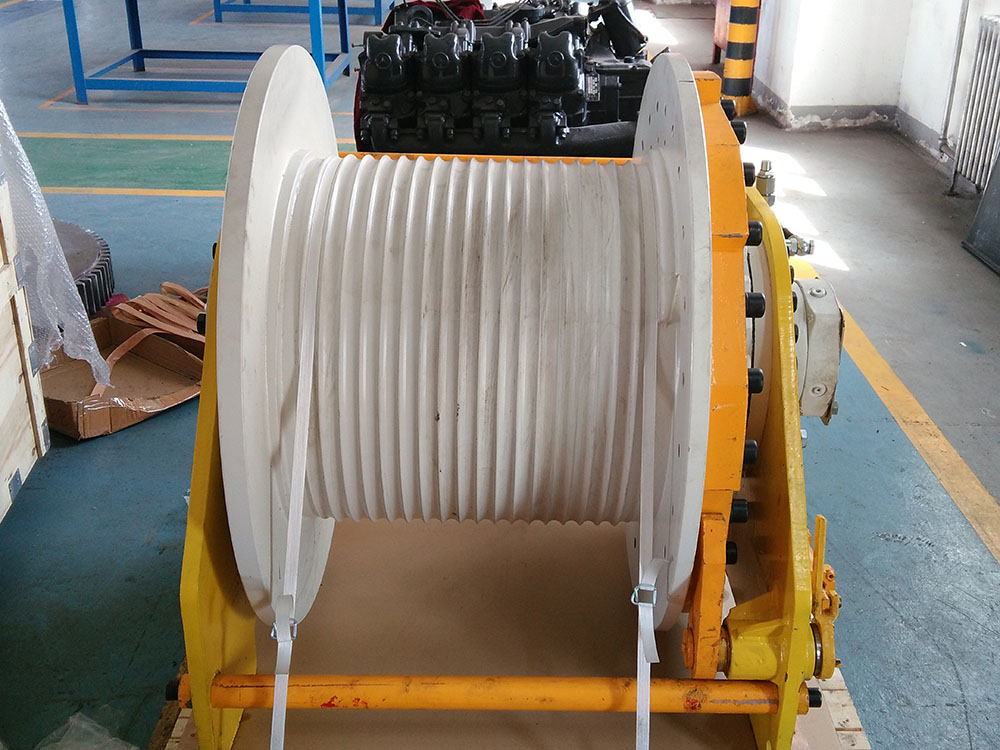
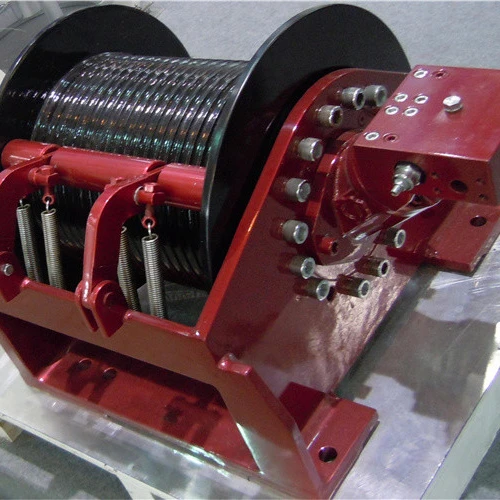
Put simply, a portable hydraulic winch is a winching device powered by hydraulic pressure — generated typically by a pump — and crafted for easy transport. Unlike electric or manual winches, its power comes from fluid pressure, which means it packs a punch even where you can’t plug into a power grid.
Why does this matter? Industries like construction, oil and gas, and emergency response need gear that can travel light but deliver heavy-duty performance. Portable hydraulic winches fit into modern industrial logistics like a Swiss Army knife — versatile, robust, but also sensitive to challenging conditions.
Core Components and What Makes Them Tick
1. Durability and Build Quality
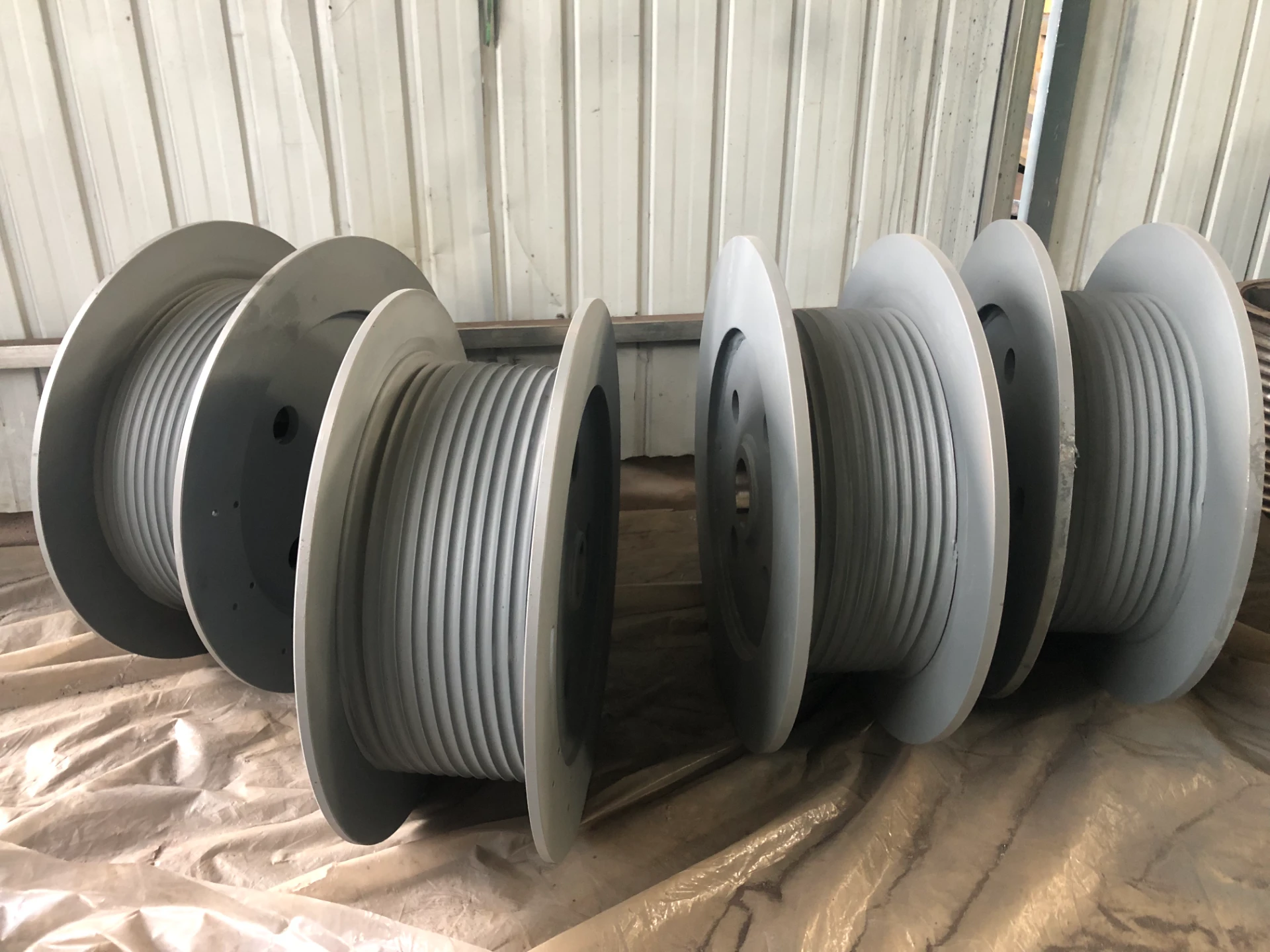
These winches are usually made from high-grade steel alloys with corrosion-resistant coatings. Why? They need to survive rain, mud, salt spray, and whatever abuse a rugged site can throw at them. It’s not just about lasting longer, but about maintaining performance over hundreds — or thousands — of operational cycles.
2. Hydraulic Power Source
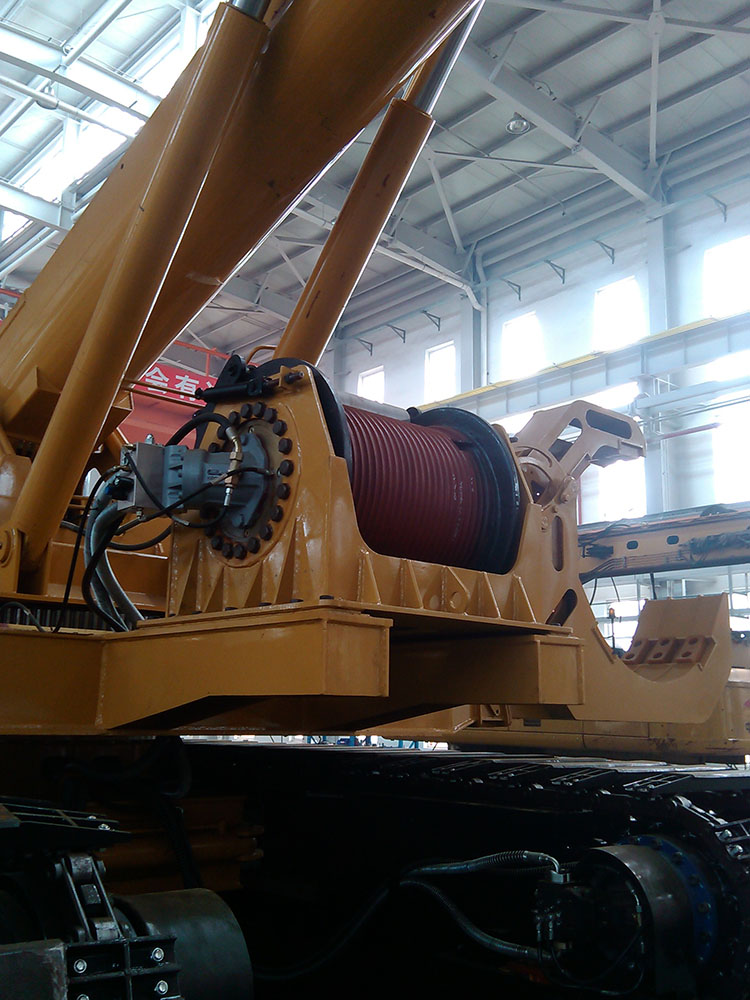
The heart of the winch is the hydraulic pump system, often versatile enough to connect to various machinery or even portable power packs. This flexibility allows operators to choose power options depending on their scenario—say, a forestry tractor or a remote hydraulic power unit.
3. Portability and Weight
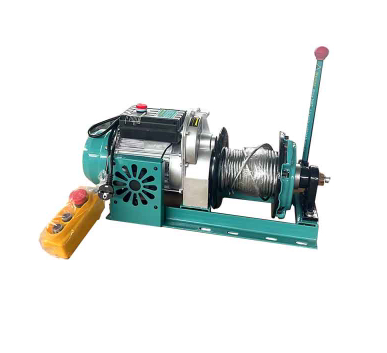
These winches are designed with transport in mind. Many come with compact frames, ergonomic handles, and sometimes even skid- or truck-mountable options. Portability doesn’t just mean lighter – it means engineered for the bumpy, dusty, sometimes slippery travel conditions typical at work sites.
4. Load Capacity and Control
From a couple of tons to over 20 tons in heavy duty models, these winches handle varied loads with precision controls—hydraulic speed regulation, braking systems, and often remote operation. Operators appreciate the fine control when safety is on the line.
Mini Takeaway:
- Portable hydraulic winches combine ruggedness with mobility.
- Hydraulic systems free operators from dependence on electricity.
- Durability is non-negotiable; these machines are built to last.
Real-World Applications: Where Portable Hydraulic Winches Shine
It’s easy to imagine these machines in excavating or logging scenes, but their footprint actually spans far wider.
- Disaster Relief Operations: After earthquakes or hurricanes, rapid debris removal and infrastructure rebuilding are critical. Portable hydraulic winches allow crews to quickly relocate heavy rubble or stabilize structures, even without grid power.
- Remote Industrial Sites: Mining in the Arctic or oil drilling in rugged terrains often demand equipment that performs regardless of power availability.
- Forestry & Agriculture: Moving logs, hauling equipment up steep hillsides — all safer and more efficient with a winch ready to go.
- Maritime & Offshore: While electric winches run into moisture and safety issues offshore, hydraulic winches stand up well to harsh marine environments.
For example, in Nepal’s recent infrastructure efforts, portable hydraulic winches have helped local teams shift concrete pipelines across narrow mountain paths—often the only option to avoid building costly roads in fragile ecosystems.
Advantages and Long-Term Value of Using Portable Hydraulic Winches
On a practical front, these winches lower long-term costs by relying on fewer consumables and requiring less intensive maintenance compared to electric models. Plus, they save valuable time during both setup and operations.
But beyond cost, there’s a human element. Emergency teams using reliable, rugged tools feel more confident, safer — and that emotional factor can’t be underestimated.
From a sustainability standpoint, many units now incorporate energy-efficient pumps and materials that resist corrosion without toxic coatings. This kind of forward thinking in equipment design aligns with growing environmental regulations worldwide.
Portable Hydraulic Winch Product Specification Table
| Specification | Typical Value | Notes |
|---|---|---|
| Max Load Capacity | Up to 20 tons | Varies by model |
| Operating Pressure | 2500 psi (approx.) | Standard hydraulic system pressure |
| Weight | 25-75 kg | Depends on frame and capacity |
| Power Source | External hydraulic pump | Often tractor or portable unit |
| Dimensions (L×W×H) | 700 × 400 × 500 mm | Compact for transport |
Comparing Leading Portable Hydraulic Winch Vendors
| Vendor | Max Load Capacity | Portability | Price Range | Special Features |
|---|---|---|---|---|
| LBS Winch Co. | 15-20 tons | High (compact design) | $$$ | Wireless remote control available; corrosion-resistant coating |
| HydroPower Solutions | 10-18 tons | Medium | $$ | Integrated hydraulic pump option |
| FlexWinch Corp. | 8-15 tons | High | $ - $$ | Lightweight materials; modular components |
Innovations Shaping the Future of Portable Hydraulic Winches
In the next few years, what’s catching engineers’ eyes are smarter, greener technologies. Imagine winches with integrated sensors that monitor load stresses and hydraulic fluid health in real time, connected to apps for instant alerts—almost like giving the machine a nervous system.
Also, new composite materials are making these devices lighter without sacrificing strength. And with the world pushing hard on environment-friendly machinery, expect more innovations around biodegradable hydraulic fluids and energy-efficient pumps.
Interestingly, automation is slowly creeping in. While full robotic winching is still niche, semi-automated controls that improve safety and precision are becoming standard.
Challenges and What’s Being Done
Of course, portable hydraulic winches aren’t without their quirks. Hydraulic leaks and fluid contamination remain persistent headaches, and servicing in isolated areas can be tough.
However, advances like sealed hydraulic systems and improved filtration are helping reduce downtime. Training operators on preventive maintenance goes a long way, too — many companies now provide remote training modules to keep their teams sharp, even in far-flung locations.
FAQ: Your Portable Hydraulic Winch Questions Answered
- Q: How do I choose the right portable hydraulic winch capacity?
- A: Consider the maximum load you expect to haul plus a safety margin (usually 25–50% higher). Factor in the terrain and operational conditions too. If in doubt, speak with vendors who can tailor solutions based on typical applications.
- Q: Can portable hydraulic winches work with any hydraulic power source?
- A: Generally yes, but you need to ensure compatibility in pressure and flow rate. Most winches specify ideal hydraulic parameters. Sometimes, an external portable hydraulic pump is recommended to optimize performance.
- Q: Are these winches suitable for emergency disaster response teams?
- Absolutely. Their portability and power independence make them a top choice for teams needing reliable, rapid deployment tools in unstable environments.
- Q: What maintenance is needed to keep a hydraulic winch reliable?
- Regular inspection for hydraulic fluid leaks, drum and cable condition, and filter cleaning are essential. Preventive servicing following manufacturer guidelines can avoid costly breakdowns.
Wrapping Up: Why Portable Hydraulic Winches are Here to Stay
Thinking long term, investing in a portable hydraulic winch is about more than muscle—it’s about embracing a tool that values mobility, reliability, and versatility equally. Whether you’re hauling gear in a remote jungle or clearing debris after a storm, the right winch can be a literal lifesaver.
If your work calls for dependable heavy-lifting that travels light, it’s worth seeing what today’s portable hydraulic winches offer. Curious? Visit our website at LBS Winch Co. for more on modern models and tailored solutions.
References
-
The Ultimate Guide to Gear Steels for Durability and PerformanceNewsApr.16,2026
-
High Performance Gear Stainless Steel for Industrial DurabilityNewsApr.09,2026
-
Comprehensive Guide to Steel Bevel Gears Applications and SelectionNewsApr.07,2026
-
Comprehensive Guide to Durable Stainless Steel Miter Gears and ApplicationsNewsApr.04,2026
-
Comprehensive Guide to Steel Spur Gears Functionality and ApplicationsNewsMar.31,2026
-
Comprehensive Guide to Durable Stainless Steel Spur Gears and Their ApplicationsNewsMar.28,2026