Hydraulic Winch Design – Innovative Solutions for Heavy-Duty Industries
Understanding Hydraulic Winch Design: A Key to Modern Industry
Hydraulic winch design might sound niche, but its impact ripples through sectors worldwide — from offshore energy platforms to humanitarian relief zones. As industries demand more robust, reliable, and efficient machinery, understanding how hydraulic winches are designed isn’t just technical trivia; it’s a real competitive edge. Plus, these systems help save time, protect workers, and often are at the core of heavy-lift and pull operations that really matter in places where precision and safety are non-negotiable.
Why Hydraulic Winch Design Matters Globally
Globally, the use of hydraulic-powered machinery has surged, driven by industries like construction, shipping, and disaster response. According to ISO 9001 standards, machinery reliability is a key quality factor, and hydraulic winches fit squarely into that demand. UN reports on post-disaster logistics often mention the need for swift, dependable winching solutions to assist in rescue operations or infrastructure rebuilding.
But it’s not just statistics. Hydraulic winches tackle subtle industry challenges — like boosting operational uptime or navigating tricky environments where electric systems could be less reliable. In remote industrial zones or offshore rigs, for example, hydraulic systems often outperform alternatives, tying back to their commanding presence in the market.
What Exactly Is Hydraulic Winch Design?
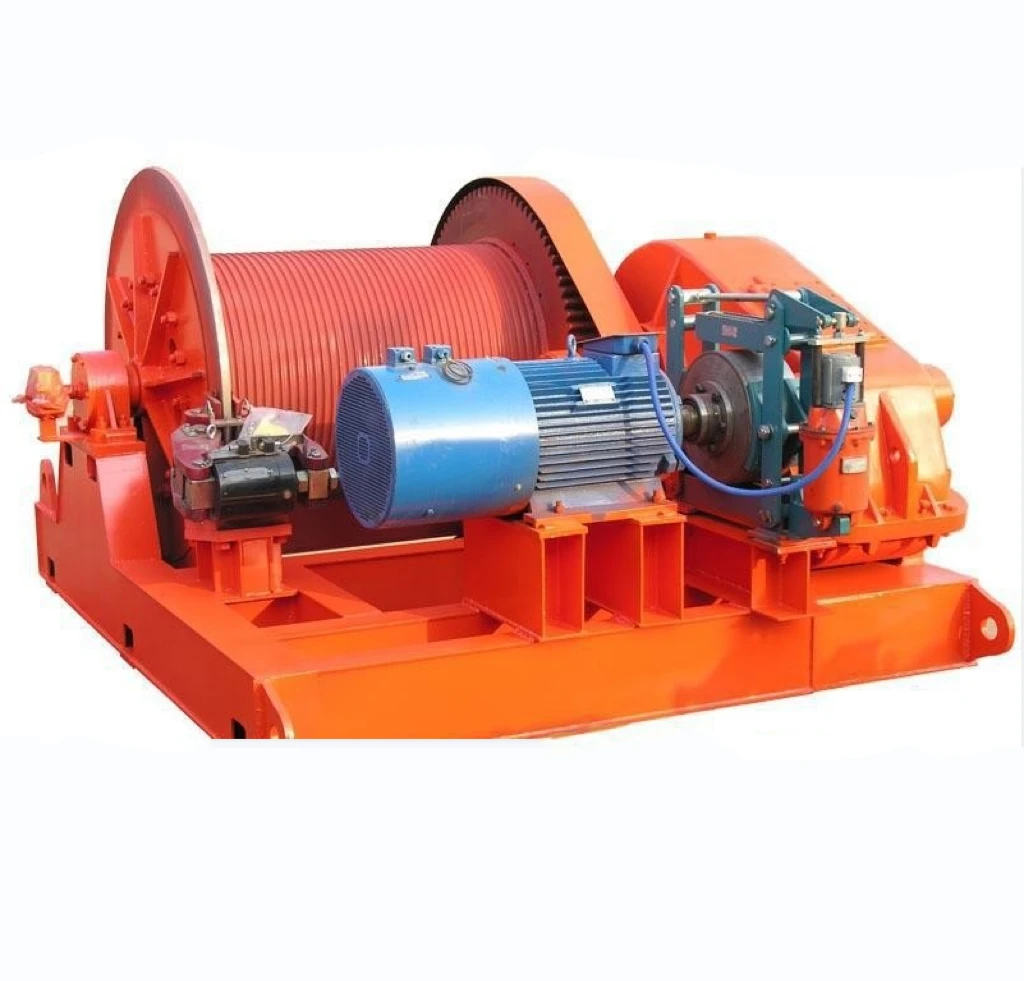
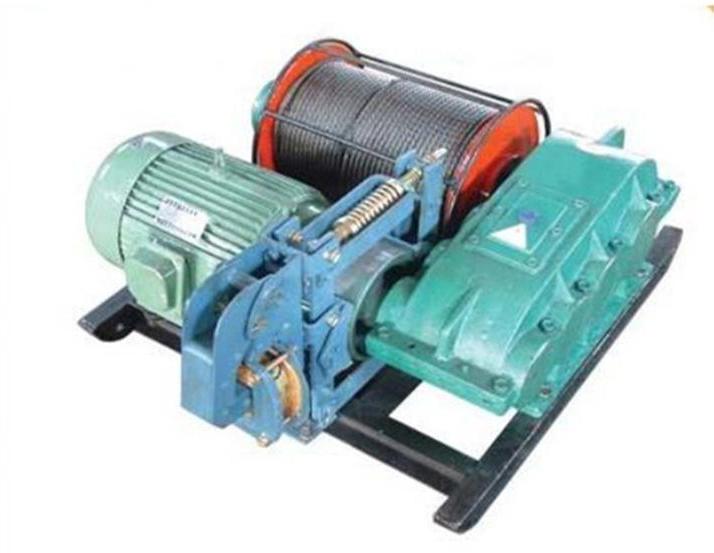
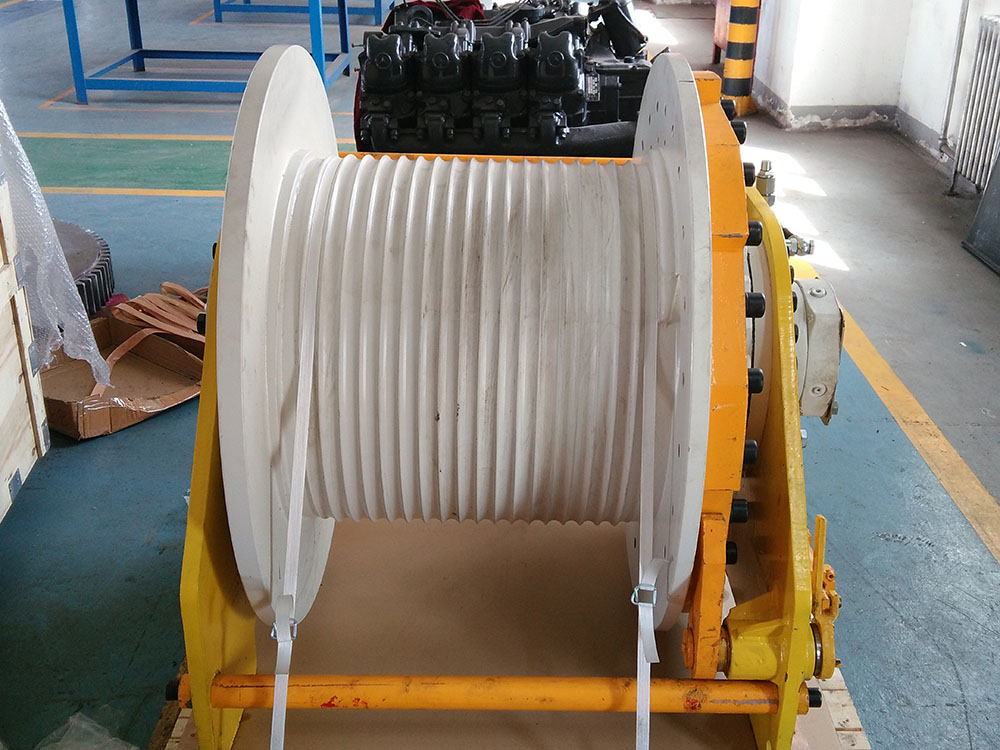
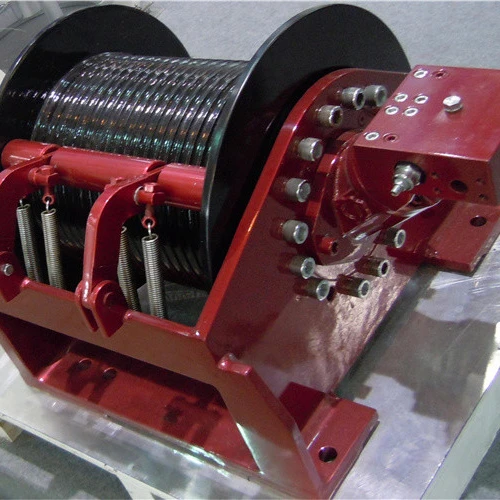
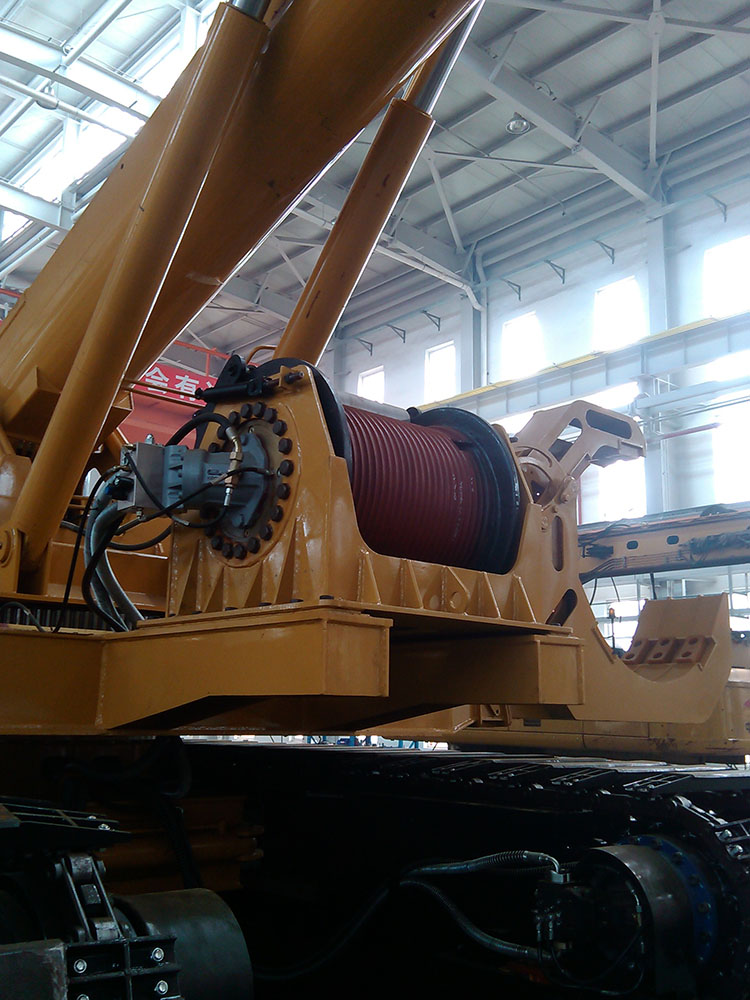
Simply put, hydraulic winch design refers to the engineering and configuration of winch systems powered by hydraulic pressure. These winches use pressurized fluid to drive the drum that winds or unwinds cable or rope. Unlike electric or manual winches, they offer smooth torque, high pulling power, and easier control under heavy loads.
Today, these systems are essential in heavy industries like offshore drilling, forestry, and even disaster management — wherever heavy lifting meets unpredictable conditions.
Core Components of Hydraulic Winch Design
1. Durability and Material Selection
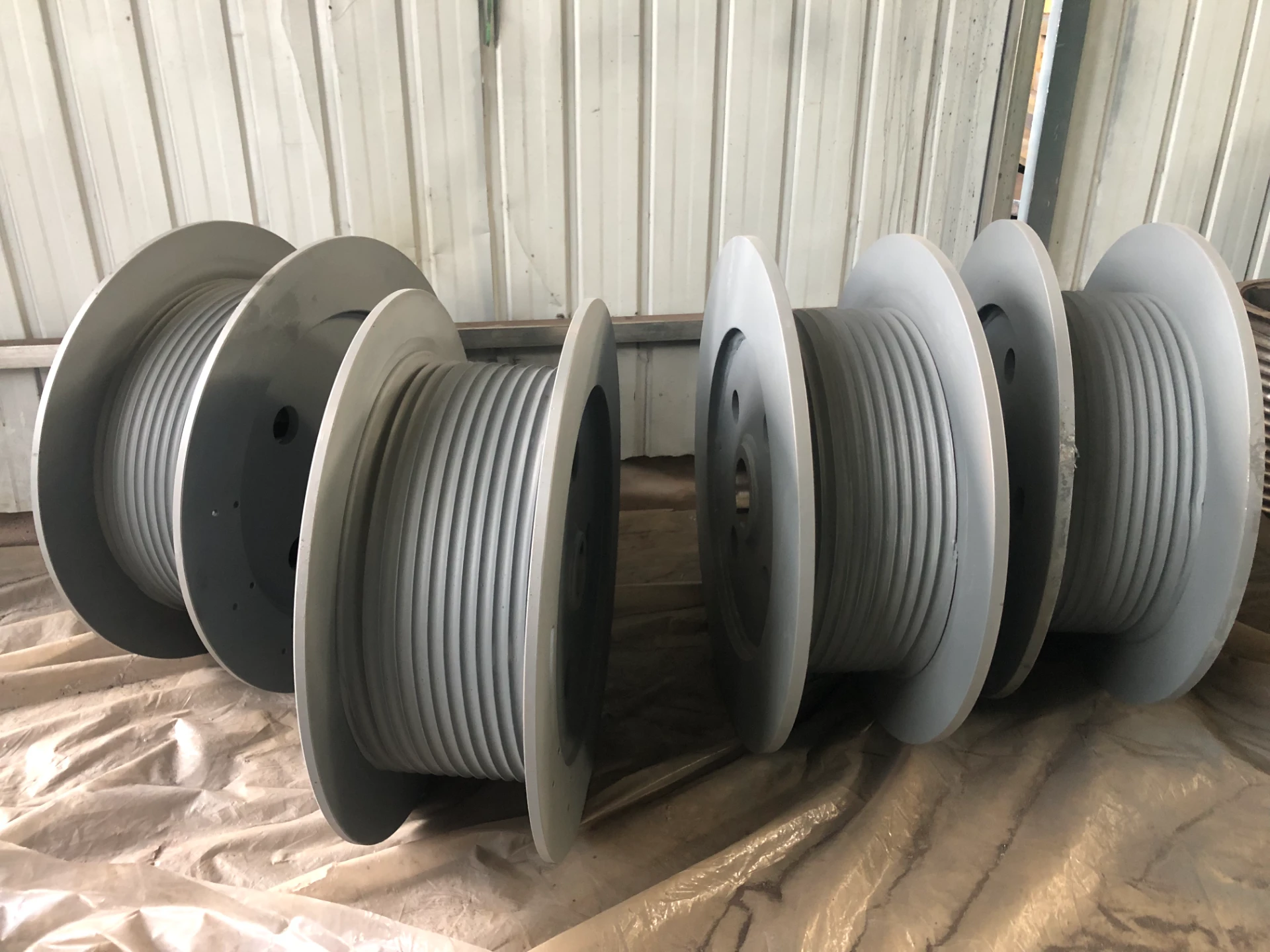
Hydraulic winches must endure extreme conditions — salt spray offshore, rugged terrain on land, or emergency deployments in disaster zones. Designers typically select stainless steel or treated alloys to resist corrosion and mechanical wear. Many engineers I've talked to swear by components that can last five to ten years under harsh conditions without major service.
2. Scalability and Modularity
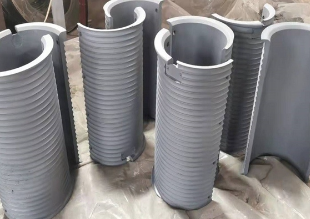
A single hydraulic winch design won't answer every call. This is where modularity plays in — interchangeable drums, easy-to-upgrade hydraulic motors, or adaptable power inputs tailor solutions exactly to job specs. This flexibility saves time and cost on custom builds while future-proofing equipment.
3. Cost Efficiency Without Compromise
High upfront costs are often a concern, but efficient design cuts total operational expenditure dramatically. With energy recovery systems or smart hydraulic circuits, some designs reclaim energy or reduce fuel consumption, making long-term use less painful on budgets.
4. Precision Control Systems
Modern hydraulic winch design integrates fine-tuned control valves and computerized feedback to allow operators to modulate speed, torque, and braking with a gentle touch. This sharpens operational safety and lowers risk on complex lifts.
5. Safety Features
Pressure relief valves and fail-safe brakes are almost standard now, ensuring no surprises during delicate maneuvers. This isn’t just regulatory box-ticking; it saves lives in real terms.
Hydraulic Winch Applications Around the World
I’ve seen hydraulic winch design at work virtually everywhere: offshore oil rigs in the North Sea, logging operations in Canada’s forest belt, and humanitarian relief in earthquake-stricken regions of Asia. In post-disaster contexts, these winches often handle debris clearance or aid supply deliveries, offering a lifeline when conventional machinery might fail due to power issues or terrain.
The maritime industry exploits their power too — lifting, towing, and securing materials across vast distances. Remote mining outposts use hydraulic winches for moving heavy equipment with minimal infrastructure, proving the versatility of thoughtful design.
Key Advantages and Long-Term Value of Quality Design
- Reliability: Reduced breakdowns translate into saved downtime and operational consistency.
- Safety: Built-in controls and design foresight mean safer workplaces and less liability.
- Sustainability: With newer eco-friendly hydraulic fluids and energy-efficient designs, the environmental footprint shrinks.
- Cost Savings: Over time, properly designed systems often require less maintenance and reduce operational costs.
- Trust: Clients tend to return to brands whose winches help them meet deadlines without fuss.
These benefits mix tangible and emotional rewards — from bottom-line savings to peace of mind daily.
Current Trends Shaping Hydraulic Winch Design
Innovation is moving fast. Materials like carbon composites help reduce weight without sacrificing strength. In parallel, digital hydraulics and IoT-enabled sensors allow monitoring system health remotely, preempting issues before they become costly failures.
There’s also growing interest in hybrid power systems combining electrics and hydraulics for better efficiency — nudged by tighter environmental policies.
Common Challenges and Smart Solutions
A frequent headache? Managing heat buildup in high-cycle operations — too much heat means faster wear or failure. Some designers now use improved cooling circuits or incorporate advanced fluid technologies to offset that.
Another snag is ensuring compatibility with diverse hydraulic systems on client sites. Modular and adaptable designs tackle this head-on, making retrofits and maintenance smoother.
Product Specifications of a Typical Hydraulic Winch
| Specification | Details |
|---|---|
| Maximum Pulling Capacity | 10,000 lbs (4,536 kg) |
| Drum Diameter | 12 inches (304 mm) |
| Hydraulic Pressure Range | 1,500 - 3,000 psi |
| Motor Displacement | 15 cc/rev |
| Control Type | Electro-hydraulic with remote options |
| Safety Features | Pressure relief valve, emergency stop, fail-safe brake |
Vendor Comparison: Leading Hydraulic Winch Manufacturers
| Feature | Brand A | Brand B | Brand C |
|---|---|---|---|
| Max Pulling Force | 12,000 lbs | 10,000 lbs | 11,000 lbs |
| Control Type | Fully digital | Electro-hydraulic | Manual plus remote |
| Warranty | 5 years | 3 years | 4 years |
| Price Range | $$$ | $$ | $$$ |
| Global Service Network | Yes | Limited | Moderate |
FAQ: Practical Questions About Hydraulic Winch Design
What advantages does hydraulic winch design offer over electric winches?
Hydraulic winches generally provide more consistent power and torque, especially under heavy loads or harsh environmental conditions. Unlike electric winches, their systems are less prone to overheating and can be integrated easily with existing hydraulic machinery, enhancing operational efficiency.
Can hydraulic winches be customized for specialized applications?
Absolutely. Many manufacturers offer modular designs allowing for changes in drum size, pulling power, control types, or safety features. This flexibility ensures hydraulic winch design can meet unique industry needs, from marine operations to emergency rescue.
How important is maintenance in hydraulic winch lifespan?
Very important. Regular inspection of seals, fluids, and control valves ensures consistent performance and reduces unexpected downtime. Properly maintained winches often exceed their designed lifecycle.
Are hydraulic winches eco-friendly?
Today’s designs increasingly use biodegradable hydraulic fluids and incorporate energy-saving features, helping reduce environmental impact. While not completely emissions-free, they present a greener option compared to older mechanical designs.
Where can I find reliable sources to learn more about hydraulic winch standards?
The International Organization for Standardization (ISO) publishes relevant standards such as ISO 9001 for quality management related to machinery. The Wikipedia page on hydraulic winches also provides a foundational overview.
Conclusion: Why Smart Hydraulic Winch Design Pays Off
Hydraulic winch design isn’t just an engineering exercise — it’s a cornerstone of modern heavy lifting and safety-critical operations worldwide. When done well, it blends durability, flexibility, and innovation to tackle some of the biggest challenges industries face. These benefits accumulate over time, showing in reduced costs, greater safety margins, and a smoother workflow that everyone appreciates.
So if you want to ensure your projects tap into the best a hydraulic winch can offer, consider design sophistication a strategic asset. Curious to explore high-performance options? Visit our website: https://www.lbswinch.com — and maybe find just the winch you’ve been hunting for.
Mini Takeaway:
The evolving landscape of hydraulic winch design offers powerful, adaptable tools across industries — from offshore rigs to disaster relief. Staying informed about the latest innovations pays off both on the balance sheet and in operational reliability.
References
-
The Ultimate Guide to Gear Steels for Durability and PerformanceNewsApr.16,2026
-
High Performance Gear Stainless Steel for Industrial DurabilityNewsApr.09,2026
-
Comprehensive Guide to Steel Bevel Gears Applications and SelectionNewsApr.07,2026
-
Comprehensive Guide to Durable Stainless Steel Miter Gears and ApplicationsNewsApr.04,2026
-
Comprehensive Guide to Steel Spur Gears Functionality and ApplicationsNewsMar.31,2026
-
Comprehensive Guide to Durable Stainless Steel Spur Gears and Their ApplicationsNewsMar.28,2026