Hydraulic Winch 5 Ton – Power, Portability & Precision for Tough Jobs | LBS Winch
The Small but Mighty: Why the Hydraulic Winch 5 Ton Matters Globally
At first blush, a hydraulic winch 5 ton might sound like a niche piece of industrial equipment, but don't be fooled. This compact powerhouse actually plays a key role across countless industries worldwide—from disaster relief and remote construction sites to maritime operations and heavy equipment handling. As global infrastructure projects surge and humanitarian needs grow, understanding the benefits and applications of this tool can literally shift mountains (or at least move them).
Hydraulic Winch 5 Ton: Industry Context and Global Relevance
Hydraulic winches rated for 5 tons (roughly 11,000 lbs) offer a balance between portability and power. According to ISO standards and industrial reports, demand for mid-range hydraulic lifting and pulling equipment has risen by an estimated 15% annually over the past decade. Why? Because infrastructure expansion in developing regions combined with increased offshore work require reliable equipment that delivers robust performance without excessive bulk.
The World Bank estimates that by 2030 over 2 billion tons of materials will need relocation annually to support urban growth and disaster recovery worldwide. Enter the hydraulic winch 5 ton—ideal for these challenging environments where scaffolding, cranes, or traditional mechanical winches might not cut it.
Yet, a persistent problem remains: many operators struggle with equipment that is too heavy, underpowered, or not adaptable enough. Hydraulic winches at the 5-ton range strike a crucial "sweet spot" in addressing these challenges by blending strength, efficiency, and versatility.
What Exactly is a Hydraulic Winch 5 Ton?
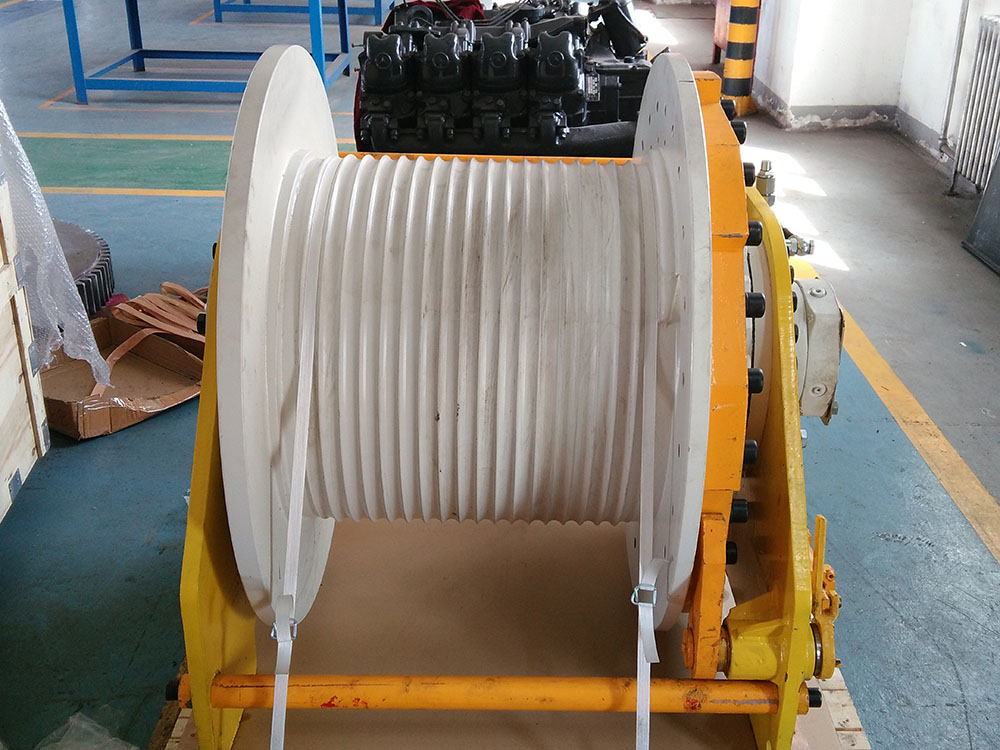
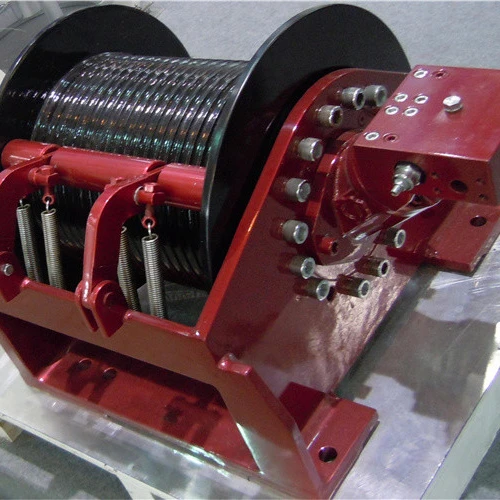
Simply put, a hydraulic winch is a device that uses pressurized hydraulic fluid to generate rotational force that winds or unwinds a cable or rope, enabling it to pull or lift heavy loads. The “5 ton” spec means it’s engineered to handle up to 5 tons of load under optimal conditions.
This type of winch is widely appreciated in industries requiring precise control and high power-to-weight ratios, such as shipping, oil and gas, forestry, and even humanitarian logistics for quickly erecting shelters or moving debris.
Hydraulics bring smooth acceleration, consistent torque, and durability that electric or manual options often lack, making them invaluable when reliability in harsh environments is non-negotiable.
Core Components That Make Hydraulic Winches Tick
Power and Performance
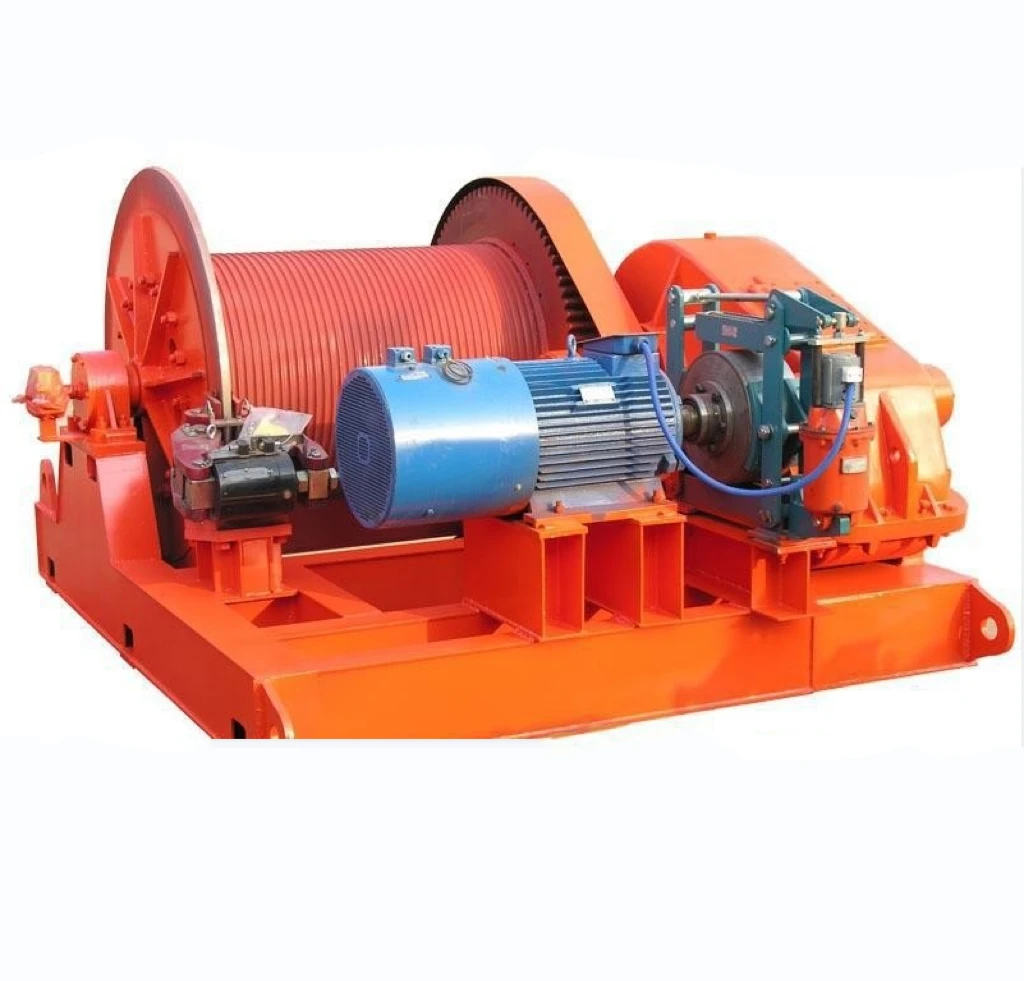
The heart of any hydraulic winch is its motor and gear assembly. For a 5 ton, the motor must deliver consistent torque across a range of speeds. Oddly enough, many engineers say that the best winches don't just rely on raw power but the smooth modulation of that power to prevent load swings or failures.
Durability and Materials
Since these winches often work outdoors in salty, dusty, or wet environments, corrosion-resistant materials like stainless steel or treated alloys are standard. Sealed housings and reinforced cables further ensure long service life.
Control Systems & Safety Features
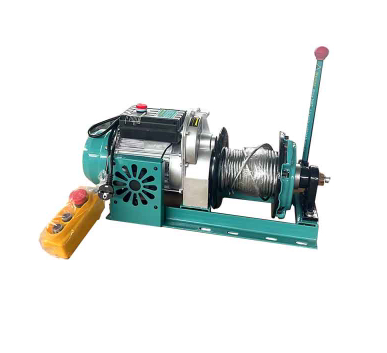
Modern hydraulic winches boast integrated pressure relief valves, load-holding brakes, and sometimes remote control operation—essential for operator safety and precise job execution. With a 5 ton winch, these controls aren't luxuries; they're practically survival tools.
Portability and Installation
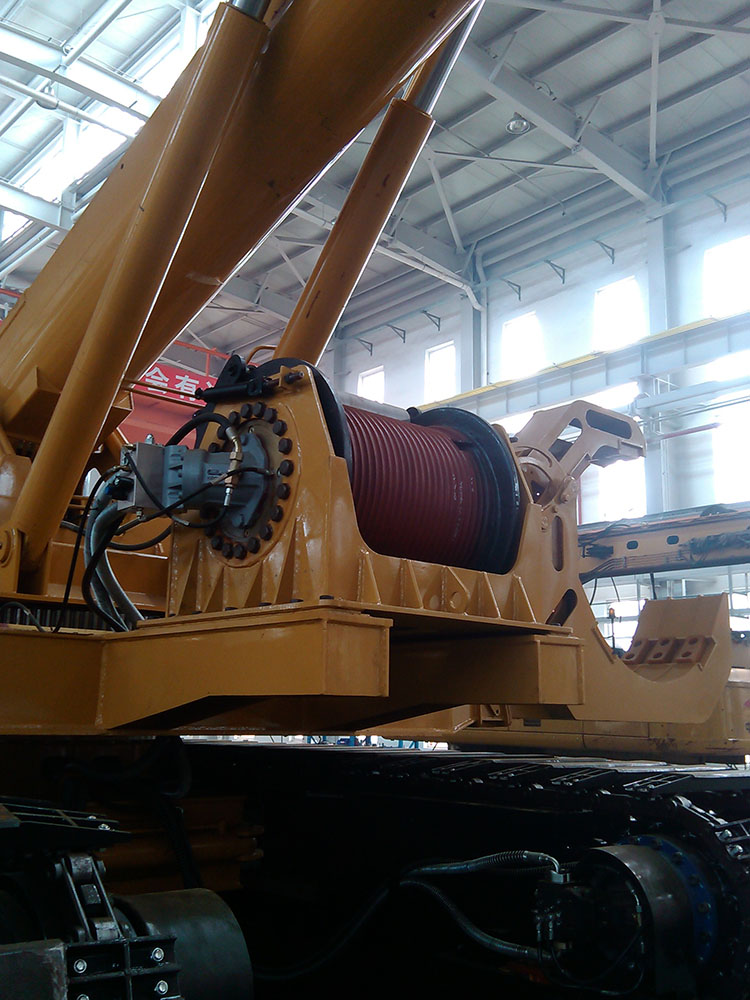
One reason the 5 ton variety is popular: it offers a manageable footprint. Weights generally range from 60 to 150 kg, allowing mounting on vehicles, cranes, or even compact trailers. It’s kind of the Goldilocks zone between handheld gadgets and massive rigs.
Maintenance and Serviceability
Hydraulic winches demand ongoing maintenance—fluid changes, seal inspections, cable replacement—to ensure they keep delivering. Thankfully, many models offer modular components that help reduce downtime in the field.
Mini Takeaway: The 5 ton hydraulic winch is a thoughtfully engineered blend of material science, power management, and control innovations tailored for tough job sites requiring mid-level heavy lifting and pulling.
Global Applications of Hydraulic Winches: Who Benefits and How?
- Disaster Relief Operations: After earthquakes or floods, rapid clearing and reconstruction depend on equipment like hydraulic winches for rubble removal and temporary structure assembly.
- Offshore Oil and Gas: In remote marine platforms, a compact 5 ton winch is perfect for hoisting tools and materials where space and power sources are limited.
- Forestry and Agriculture: Logging and land clearing benefit from portable winches for pulling heavy logs or machinery without heavy cranes.
- Construction in Emerging Economies: Smaller projects often need affordable, reliable hoists that hydraulic winches provide when larger infrastructure is absent.
For instance, in Southeast Asia’s flood-prone zones, NGOs rely on hydraulic winches to set up temporary bridges and supply lines in ways that big cranes simply can't reach quickly. In Scandinavia, forestry companies prize these winches for precise control when retrieving timber in mountainous terrain.
Hydraulic Winch 5 Ton: Why It Pays Off in the Long Run
There are plenty of angles to its advantages, beyond just “it lifts heavy stuff.”
- Cost Efficiency: Hydraulic winches reduce labor costs by speeding setup and minimizing equipment needs.
- Sustainability: Many models now incorporate bio-hydraulic fluids and energy-efficient motors, aligning with growing eco-standards (ISO 14000 series).
- Safety and Reliability: With precise control and built-in fail-safes, worksite accidents due to equipment failure drop notably.
- Social Impact: Reliable equipment accelerates humanitarian aid delivery and infrastructure development, indirectly uplifting local communities.
Frankly, once you integrate a reliable hydraulic winch into your workflow, it feels like you've added years of experience and muscle without extra manpower.
Product Specification: Typical Hydraulic Winch 5 Ton Model
| Specification | Value |
|---|---|
| Maximum Pulling Capacity | 5 tons (11,000 lbs) |
| Line Speed | 5-7 m/min (variable) |
| Cable Length | 30 to 50 meters |
| Motor Type | Hydraulic servo motor |
| Weight | 75-120 kg |
| Control System | Remote control with emergency stop |
| Operating Pressure | 2500 psi (max) |
Vendor Comparison at a Glance
| Vendor | Max Load Capacity | Warranty | Price Range | Unique Features |
|---|---|---|---|---|
| LBS Winch | 5 tons | 2 years | $4,500 - $5,200 | Compact design, remote control, eco-friendly fluid compatible |
| HydroPull Ltd. | 5.5 tons | 1.5 years | $5,000 - $5,800 | High-speed line pull, advanced pressure regulation |
| MaxTorque Solutions | 5 tons | 3 years | $4,700 - $5,400 | Heavy-duty brakes, modular cable system |
Future Trends and Innovations on the Horizon
Interestingly, the next wave of hydraulic winch technology is embracing green energy solutions. Electrically driven hydraulic pumps powered by solar arrays or hybrid engines aim to reduce carbon footprints on-site. Combined with digital monitoring systems—think sensors tracking motor temperature, load fluctuations, even oil viscosity—and IoT integration, operators will soon enjoy predictive maintenance alerts and remote diagnostics.
Automation is not far behind, either. Autonomous winches capable of self-adjusting tension and speed based on load sensors are already in pilot phases, potentially revolutionizing safety and precision. And besides the machines themselves, tighter ISO standards and environmental policies will push vendors to keep upping reliability and sustainability.
Challenges and Solutions in Deploying Hydraulic Winches
No equipment is perfect, and with hydraulic winches, the main challenges include:
- Hydraulic Fluid Leaks: This can cause environmental contamination and reduce performance. New biodegradable fluids and sealed systems aim to fix this.
- Maintenance Demands: Frequent checks needed might slow down operations. Modular design and digital alerts help minimize downtime.
- Operator Training: For safe and effective use, skilled operators are required. Remote controls and intuitive interfaces are making training easier.
In real terms, staying ahead requires a mix of smart product choice, continuous training, and proactive upkeep.
FAQ: Practical Questions About Hydraulic Winch 5 Ton
Q1: How do I choose the right hydraulic winch for my project?
A: Evaluate the maximum load, line speed, duty cycle, and environmental conditions you expect. The 5 ton range suits medium-heavy tasks where balance between power and portability matters. Always consider vendor support and service options.
Q2: Can a hydraulic winch 5 ton be used for lifting vertically?
A: Yes, but ensure the specific model’s design supports vertical lifting and has safety brakes rated for hoisting. Many are dual-purpose, but confirm with specifications and guidelines.
Q3: What maintenance is most critical for ensuring long winch life?
A: Regular hydraulic fluid replacement, inspecting cables for wear, keeping seals intact, and testing safety systems are top priorities. Using recommended fluids prevents internal corrosion.
Q4: Are hydraulic winches better than electric ones for outdoor use?
A: Typically yes. Hydraulic winches handle extreme temperatures and wet conditions better and offer more consistent torque. Electrics can be more limited by battery life and weather sensitivities.
Wrapping Up: Why a Hydraulic Winch 5 Ton Could Be Your Best Investment
When you need reliability, power, and flexibility packed into a device small enough to fit a variety of tough operational niches, the hydraulic winch 5 ton stands out. It’s no exaggeration to say this tool quietly propels many industries forward — from rebuilding after disasters to extracting raw materials in remote forests.
You won’t just get a piece of equipment; you get a partner that reduces risk, enhances efficiency, and often simplifies complex logistics. Interested? Check out the full range and custom options at hydraulic winch 5 ton and see what fits your needs best.
Mini takeaway: Whether lifting, pulling, or securing loads, the 5 ton hydraulic winch is an adaptable workhorse bridging old engineering with new technologies and demanding global markets.
References
-
The Ultimate Guide to Gear Steels for Durability and PerformanceNewsApr.16,2026
-
High Performance Gear Stainless Steel for Industrial DurabilityNewsApr.09,2026
-
Comprehensive Guide to Steel Bevel Gears Applications and SelectionNewsApr.07,2026
-
Comprehensive Guide to Durable Stainless Steel Miter Gears and ApplicationsNewsApr.04,2026
-
Comprehensive Guide to Steel Spur Gears Functionality and ApplicationsNewsMar.31,2026
-
Comprehensive Guide to Durable Stainless Steel Spur Gears and Their ApplicationsNewsMar.28,2026