Hydraulic Winch 15000 lb – Powerful and Reliable Heavy-Duty Winches
The Rise of the Hydraulic Winch 15000 lb: Power Meets Practicality
Hydraulic winches have become indispensable tools across various heavy-duty industries worldwide, and the hydraulic winch 15000 lb stands out as a workhorse for challenging lifting and pulling tasks. Why does this specific capacity matter globally? Well, for starters, the ability to control and move heavy loads reliably impacts construction, maritime, logging, emergency response, and many other sectors — not to mention the ripple effect on infrastructure development and disaster management efforts.
Understanding this equipment’s capabilities and applications is more than a technical exercise: it’s about appreciating how a trustworthy machine can literally boost economic productivity and even save lives when time is of the essence. Let’s explore what makes the hydraulic winch 15000 lb such a sought-after asset in the modern industrial landscape.
Global Context: Why 15000 lb Hydraulic Winches Matter
According to the International Organization for Standardization (ISO), reliable machinery handling high loads like 15,000 pounds can dramatically improve operational safety and efficiency in construction and transport industries (ISO 9001, 2015). Globally, construction output surged by roughly 3.2% in 2023, and with the UN’s focus on infrastructure development to support sustainable cities, the demand for robust utility equipment like hydraulic winches is steadily climbing.
However, many regions still struggle with underperforming or poorly maintained equipment. Imagine a remote mining operation in South America, or a disaster relief team in Southeast Asia: a dependable winch that can manage heavy loads quickly is no luxury but a necessity. The hydraulic winch 15000 lb often addresses these challenges by providing a balance of power, control, and ruggedness.
What Exactly Is a Hydraulic Winch 15000 lb?
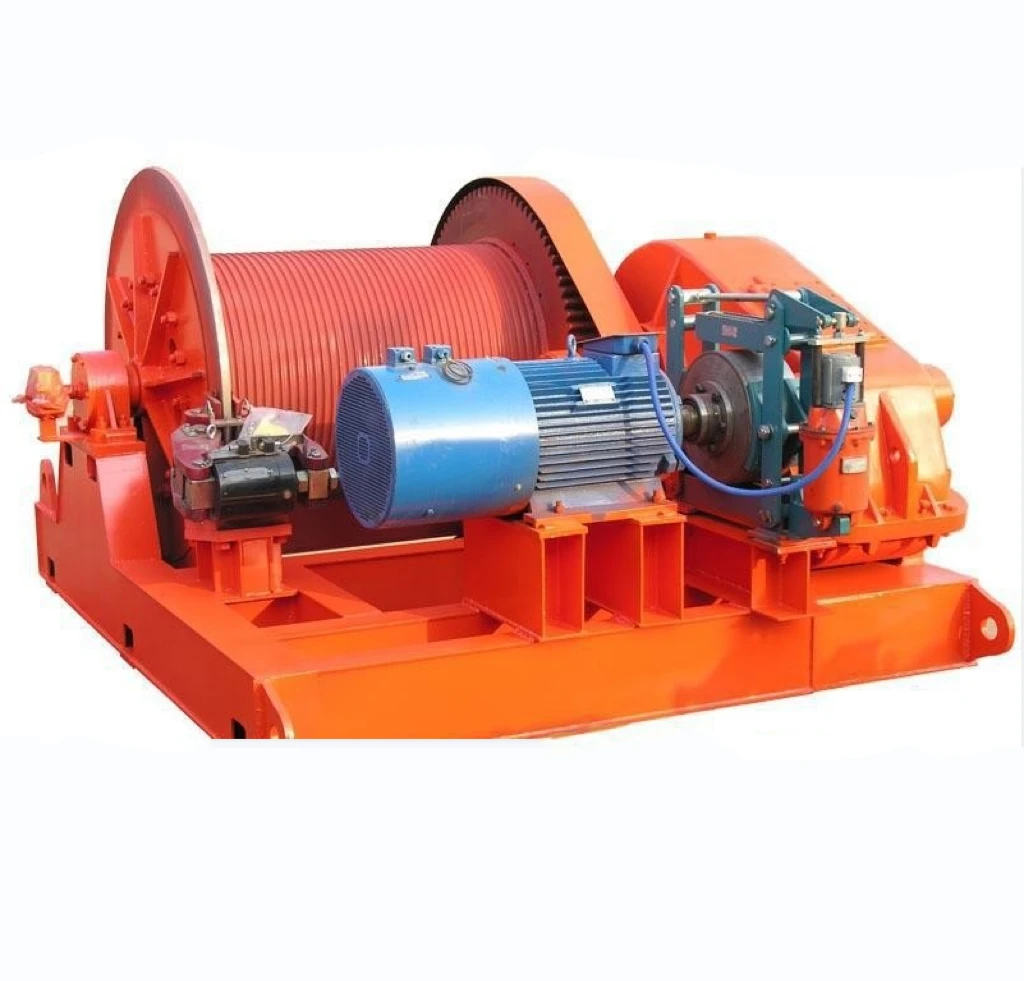
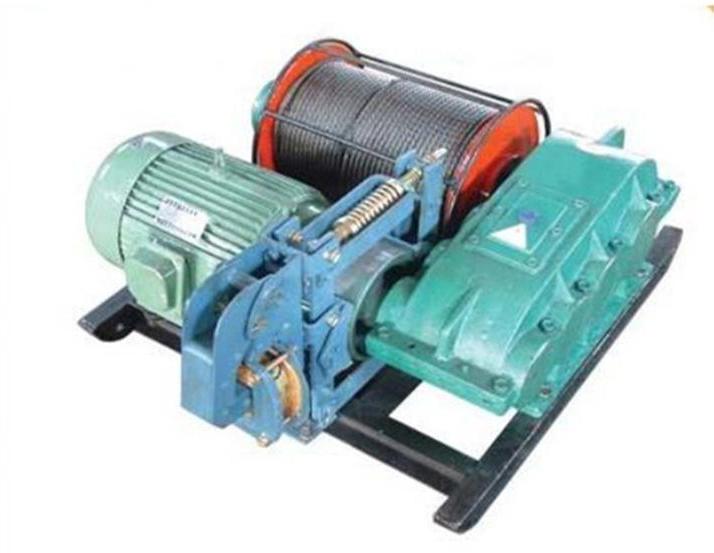
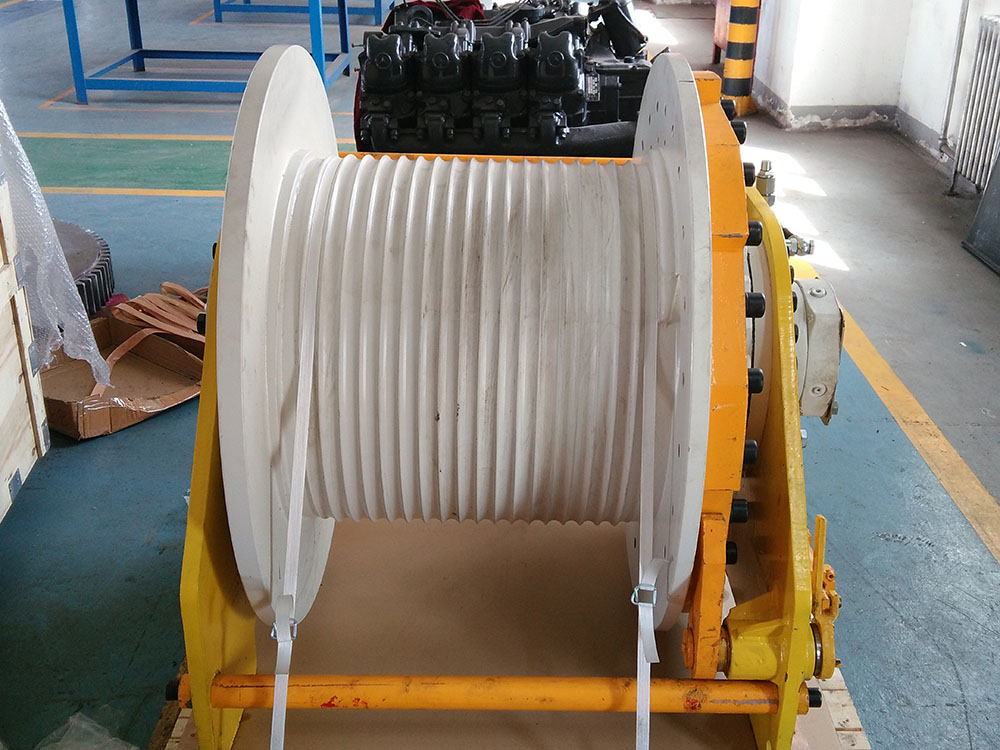
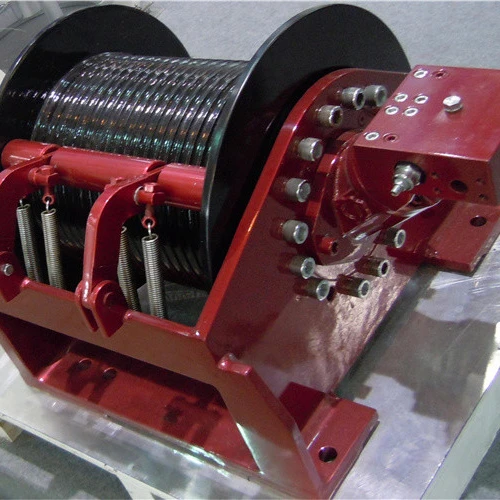
At its core, a hydraulic winch is a mechanical device that winds or unwinds a rope or cable, driven by hydraulic power – essentially using pressurized fluid rather than electric or manual force. The “15000 lb” signifies its rated pulling or lifting capacity, meaning it can safely manage loads up to 15,000 pounds (about 6,800 kilograms).
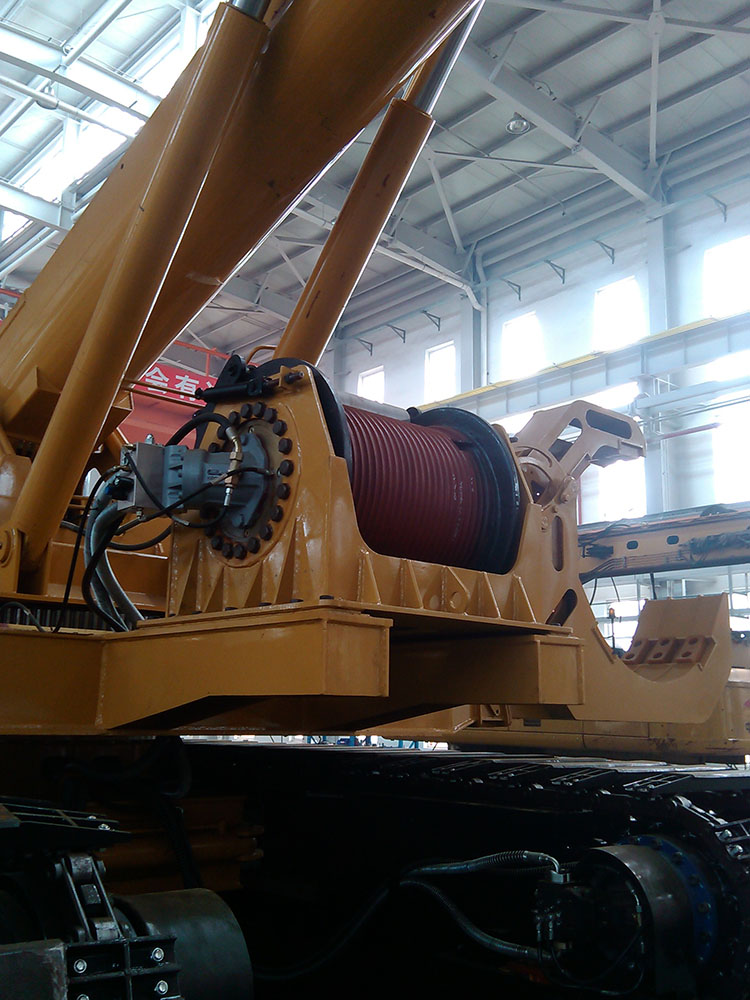
In modern industrial contexts, these winches typically facilitate heavy lifting on cranes, tow trucks, or offshore platforms, and support critical tasks where electric winches might fall short — for example, underwater operations or rugged environments with limited electrical infrastructure.
Core Components and Key Factors Behind the Performance
1. Durability
A hydraulic winch 15000 lb is often built with high-strength steel and corrosion-resistant finishes, since it's expected to operate under harsh conditions. Many engineers say the longevity of these machines comes down to quality seals and precision-machined gears that resist wear and tear.
2. Hydraulic Power Source
Unlike electric winches, hydraulic models draw power from a fluid system — often connected to the equipment's own hydraulic pump. This means fewer electrical hazards, and typically smoother torque delivery at variable speeds.
3. Control and Safety Features
Modern versions incorporate load-holding brakes, pressure relief valves, and sometimes remote controls, ensuring operators can manage loads safely even in tight or complex workspaces.
4. Scalability and Customization
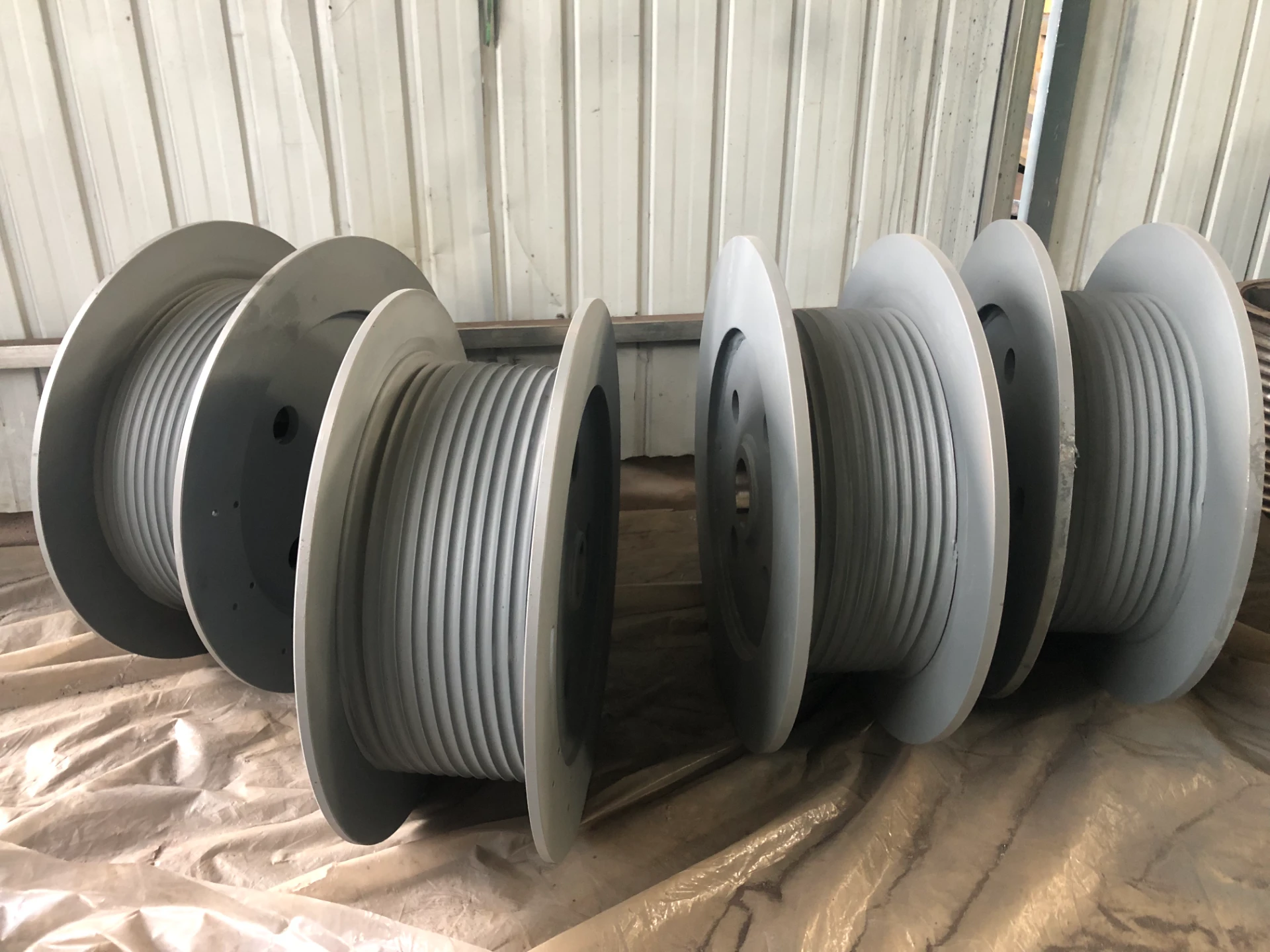
It’s not always a one-size-fits-all scenario. Manufacturers often allow customization — cable length, drum size, line speed — to tailor the winch for specific industrial demands.
5. Cost Efficiency Over Lifecycle
While upfront costs can be notable, many professionals point out that the hydraulic winch’s maintenance needs and fuel efficiency (due to fluid power) offer a better total cost of ownership versus electric or manual alternatives.
Mini takeaway: The design features of hydraulic winches combine power, precision, and longevity — essentials for tough industrial settings.
Typical Applications Around the World
Real-world usage of hydraulic winches rated at 15,000 lb is impressively broad:
- Construction & Infrastructure: For lifting heavy steel beams or moving formwork panels on large building sites in North America and Europe.
- Forestry & Logging: In places like Scandinavia and Canada, winches haul felled trees over uneven terrain.
- Marine & Offshore: The oil industry in the Gulf of Mexico uses these winches for anchor handling and deck operations.
- Emergency Response & Disaster Relief: Agencies in typhoon-prone Southeast Asia employ them to remove debris or recover vehicles.
For instance, I recall reading a case where engineers in Australia’s mining sector praised hydraulic winches for their dependability during intense heat cycles — something electric variants often can’t tolerate.
Advantages and Long-Term Value of Hydraulic Winch 15000 lb
There’s more than just raw power here:
- Reliability: Hydraulic winches maintain performance consistency in challenging environments, unlike their electric counterparts that might short out or degrade.
- Safety: Progressive braking systems and overload protection reduce accident risks, instilling operator confidence.
- Cost Savings: Lower maintenance expense and less downtime translate to serious savings across years of active use.
- Sustainability: Many models support eco-friendly fluids and improved energy efficiency, aligning with growing environmental mandates worldwide.
On a more human note, successful deployment of these devices in disaster zones can restore dignity and hope—removing obstacles swiftly to aid recovery. It’s innovation meeting empathy.
Product Specification Table
| Specification | Detail |
|---|---|
| Rated Line Pull | 15,000 lbs (6,804 kg) |
| Line Speed (No Load) | 15 ft/min (4.57 m/min) |
| Drum Capacity | 350 ft of 7/16" cable |
| Hydraulic Operating Pressure | 2,500 psi (17.2 MPa) |
| Weight | 180 lbs (82 kg) |
| Brake Type | Multi-disc, load-holding |
Vendor Comparison: Leading Hydraulic Winch Suppliers
| Vendor | Price Range (USD) | Warranty | Customization Options | Global Shipping |
|---|---|---|---|---|
| LBS Winch Co. | $4,200 - $5,000 | 3 years | Cable length, motor size, control types | Yes |
| HydroLift Solutions | $3,800 - $4,700 | 2 years | Primarily standard models | Limited |
| Global Winch Works | $4,500 - $5,300 | 3 years | Custom drum sizes, steel grades | Yes |
Looking Ahead: Future Trends in Hydraulic Winch Technology
It feels like every few years, hydraulic winches get a boost from innovations. Right now, two trends stand out:
- Green Energy Integration: Hydraulic systems powered by bio-based or synthetic eco fluids—less toxic, more biodegradable—are slowly gaining traction with stricter environmental guidelines.
- Automation & IoT: Winches embedded with sensors for real-time load monitoring and remote control help operators reduce human error and increase safety. It’s sort of like giving old gear a modern brain.
Plus, additive manufacturing (3D printing) promises lightweight yet durable components that could reduce weight and increase efficiency.
Challenges on the Ground & How Experts Tackle Them
Of course, not everything is smooth sailing: hydraulic winches can be complex to maintain, and their reliance on hydraulic fluid introduces leak risks — which can result in contamination or downtime. Some operators also find sourcing replacement parts tricky, especially in remote locations.
To combat these issues, suppliers recommend thorough preventative maintenance schedules, proper staff training, and keeping fluid quality checks routine. Plus, modular designs make swapping parts faster and less disruptive.
FAQ: Frequently Asked Questions About Hydraulic Winch 15000 lb
- Q: How often should hydraulic fluid be changed for a 15000 lb winch?
- Typically, hydraulic fluid should be inspected every 500 hours of use and fully replaced every 1,000–2,000 hours depending on conditions. Using clean, specification-grade fluid helps prolong system life and prevent corrosion.
- Q: Can I use a hydraulic winch 15000 lb for lifting prisoners or people?
- No. Hydraulic winches rated for load pulling or hauling are not certified for lifting personnel due to safety regulations. Always use winches specifically rated and certified for human lifting applications.
- Q: What kind of maintenance does a hydraulic winch require in outdoor environments?
- Maintenance includes regular lubrication, cable inspection for fraying, checking seals and hoses for leaks, and keeping controls clean and functional. Corrosion-resistant coatings play a crucial role outdoors.
- Q: Is it possible to retrofit an electric winch system to hydraulic for better performance?
- In some cases, yes. Retrofitting depends on compatibility and available hydraulic power sources. Consultation with manufacturers is advised for safety and effectiveness.
- Q: How portable is a hydraulic winch 15000 lb for field operations?
- While not as lightweight as manual winches, many models are compact enough to be mounted on vehicles or machinery, offering relative portability for field deployment.
Conclusion
To sum up, the hydraulic winch 15000 lb is no mere tool: it’s a vital component bridging power, safety, and versatility in the heavy-lifting and pulling world. From remote construction sites to urgent rescue missions, it embodies reliability with a touch of technological finesse. If your operations demand a winch that won’t quit halfway through, exploring options like those at LBS Winch Co. could well be your next smart move.
In the end, strong hardware like this underpins countless success stories in industry, and I suspect it’ll only grow more sophisticated as the future unfolds.
References:
-
The Ultimate Guide to Gear Steels for Durability and PerformanceNewsApr.16,2026
-
High Performance Gear Stainless Steel for Industrial DurabilityNewsApr.09,2026
-
Comprehensive Guide to Steel Bevel Gears Applications and SelectionNewsApr.07,2026
-
Comprehensive Guide to Durable Stainless Steel Miter Gears and ApplicationsNewsApr.04,2026
-
Comprehensive Guide to Steel Spur Gears Functionality and ApplicationsNewsMar.31,2026
-
Comprehensive Guide to Durable Stainless Steel Spur Gears and Their ApplicationsNewsMar.28,2026