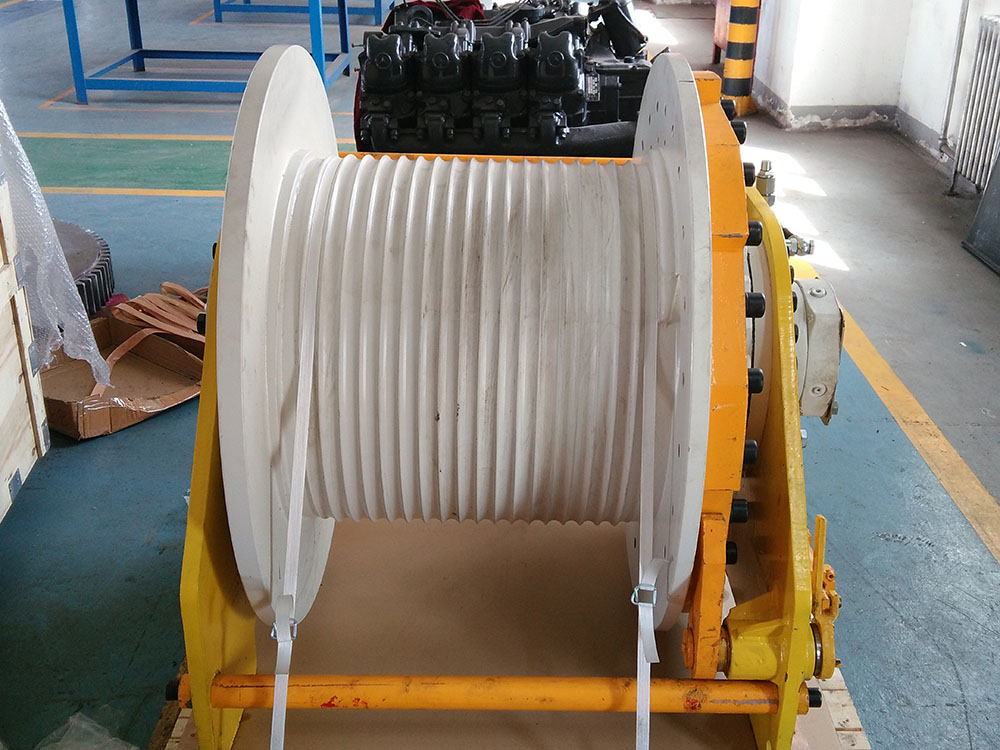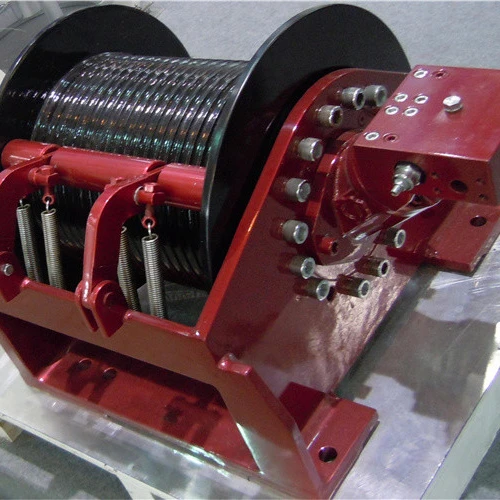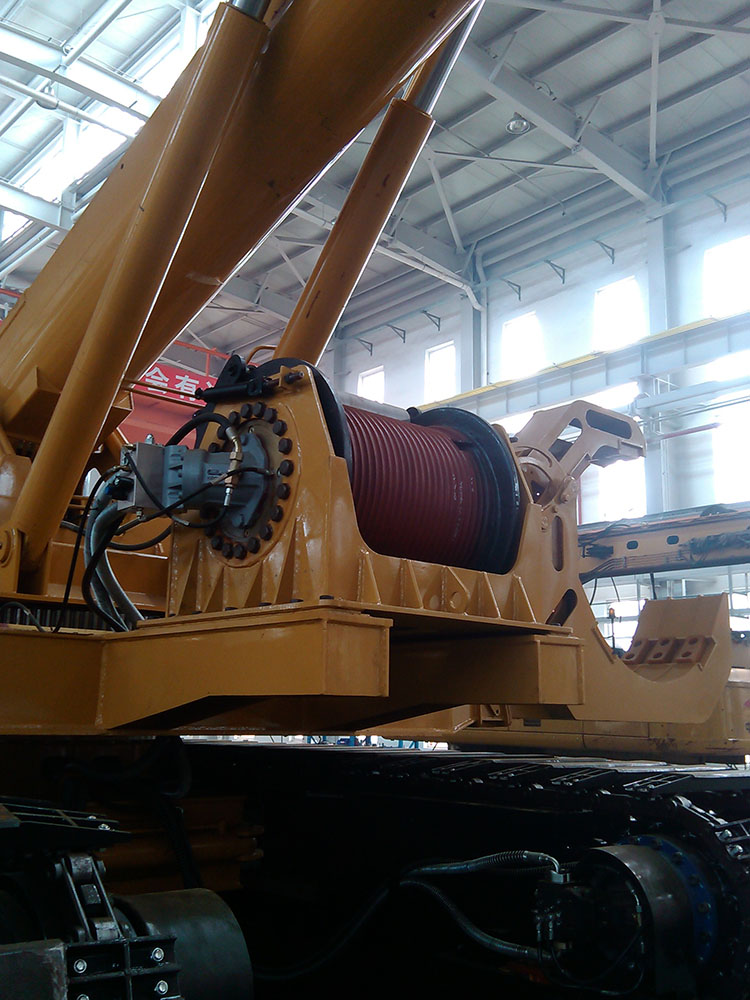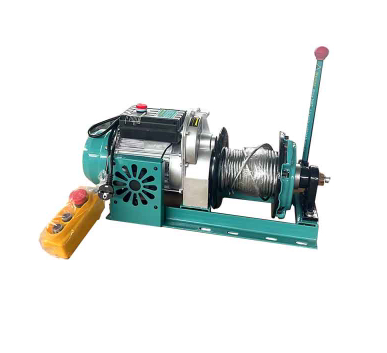
Hydraulic Winch 30000 lb – Heavy-Duty Power Solutions for Industry & Relief
The Power and Promise of a Hydraulic Winch 30000 lb
Hydraulic winches with a 30,000-pound capacity might not be your typical dinner table conversation, but their impact spans crucial global sectors from construction and shipping to disaster relief and remote industrial operations. Understanding what a hydraulic winch 30000 lb is, why it matters, and how it’s evolving provides a fascinating glimpse into the mechanics that keep our world moving smoothly and safely.
Global Landscape: Why Hydraulic Winches Matter on a Big Scale
According to the World Bank, the global infrastructure market generates trillions of dollars annually — and nearly every large-scale project, whether a bridge in Brazil or an offshore rig in the North Sea, relies on heavy-duty equipment like hydraulic winches. A 30,000 lb pulling force represents a sweet spot: powerful enough to haul heavy loads, yet manageable for mobile industrial setups.
Oddly enough, many industries still struggle with deployment issues (say, in post-disaster zones) where traditional equipment falls short. Hydraulic winches address this head-on by offering controlled, reliable, and rugged performance — things you can’t skimp on when the stakes are high. The International Organization for Standardization (ISO) stresses machinery reliability standards that the best hydraulic winches meet or exceed, adding another layer of global importance.
What is a Hydraulic Winch 30000 lb, Anyway?
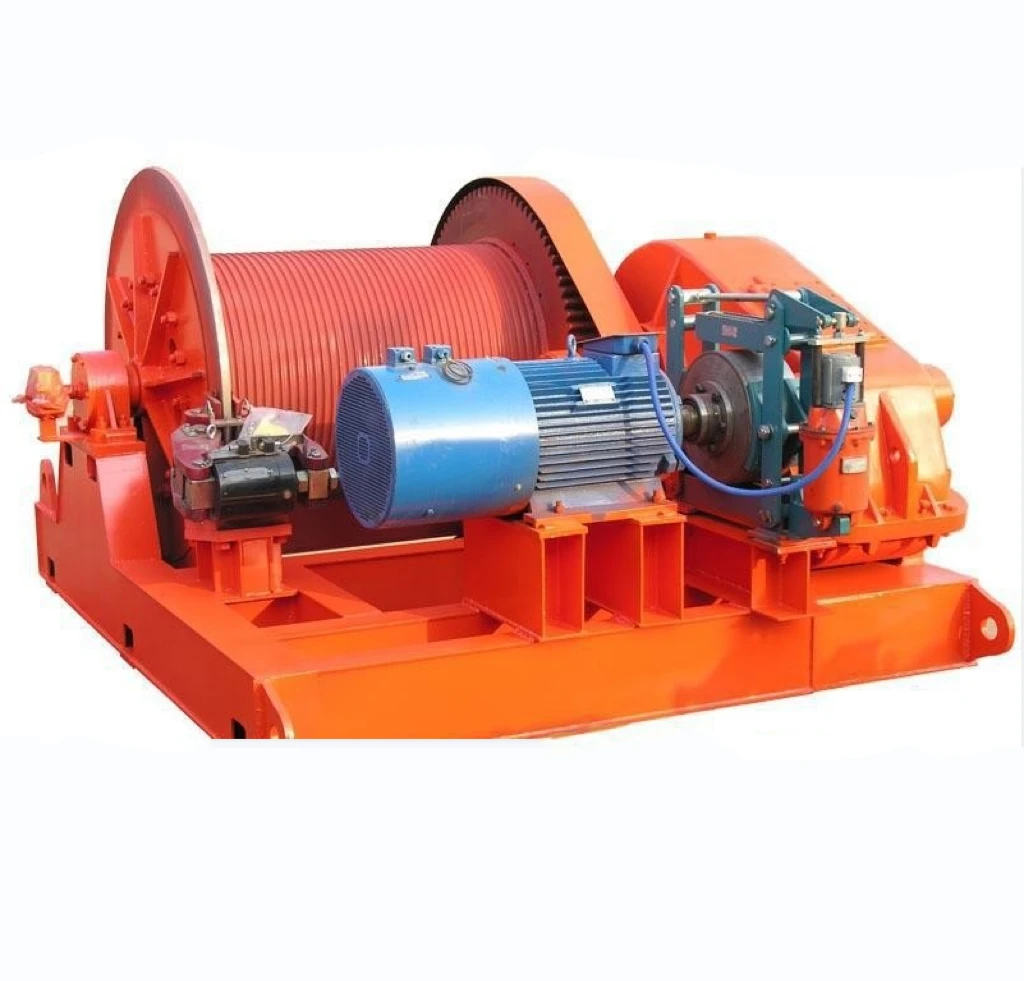
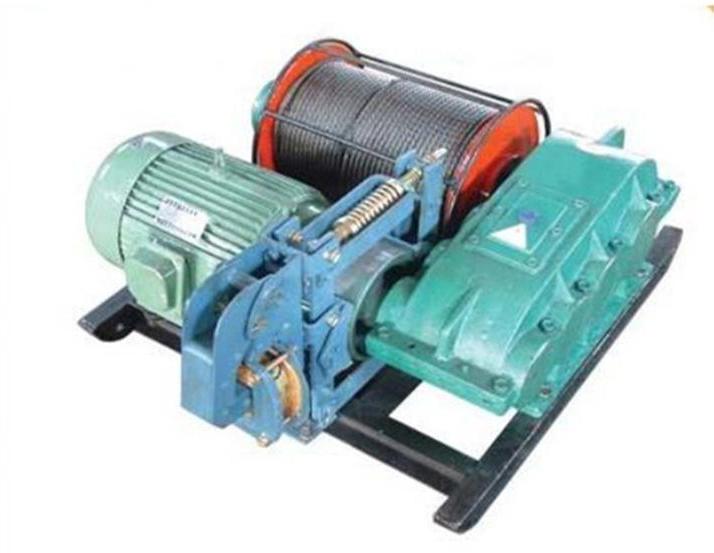
Simply put, it’s a mechanical device powered by hydraulic pressure designed to pull or lift loads weighing up to 30,000 pounds. Unlike electric or manual winches, hydraulic winches harness fluid power, making them incredibly robust, adaptable, and resistant to harsh environments.
In modern terms, these winches power everything from cable laying on deep-sea vessels to heavy machinery transport on land. In humanitarian efforts, they move debris, set up relief supplies, or salvage vehicles — doing silently tough work often overshadowed by flashier tech.
Breaking Down the Core Components
1. Durability & Build Quality
Steel frames, weather-sealed hydraulic motors, and corrosion-resistant finishes make these winches last through decades of use. If ever you’ve seen rusted-out cables or seized gears, you know durability isn’t just a feature — it’s survival.
2. Power Source & Efficiency
Hydraulic power provides smooth, adjustable force, which makes starting and stopping loads less jerky and safer for operators and equipment. It’s why in rough terrain or marine environments, hydraulic systems outperform electric counterparts.
3. Scalability & Customization
Manufacturers often offer modular setups. Want a winch optimized for faster line speed or heavier pulls? Components can be swapped or upgraded without replacing the whole system.
4. Control & Safety Features
Advanced models come with electronic or remote controls, enabling precise load management. Integrated brakes and emergency stop functions mean on-site workers are protected — a non-negotiable for industries bound by OSHA or other safety mandates.
5. Cost Efficiency
Though initial costs may be steep, the long-term savings on maintenance and operational downtime make hydraulic winches a wiser investment. They often outlast comparable equipment by years, meaning fewer replacements in the long run.
Mini Takeaway: When selecting a hydraulic winch rated for 30,000 lb, factors like frame strength, hydraulic system quality, and control sophistication directly impact real-world usability and ROI.
Global Applications and Use Cases
From the frozen tundras of Canada’s oil fields to the bustling ports of Shanghai, hydraulic winches rated for 30,000 pounds excel in tasks requiring dependable heavy lifting or pulling. In post-disaster relief, such as during Hurricane Katrina or the 2015 Nepal earthquake, NGOs used these winches to clear debris and set up temporary infrastructure rapidly.
In mining, they haul excavated materials and heavy tools across rough terrains. Offshore drilling platforms employ them to manage underwater pipeline installations and move heavy equipment safely in salty, corrosive conditions. hydraulic winch 30000 lb models are often the go-to choice, balancing brute strength with finesse.
Even remote industrial plants, where electrical grids are unreliable, rely on hydraulic power as a consistent energy source—making these winches invaluable.
Advantages & The Long-Term Value Proposition
- Reliability: Less downtime means projects stick to tight schedules.
- Safety: Smooth force transmission avoids snap loads or sudden shifts that endanger workers.
- Environmental Impact: Hydraulic systems can integrate with renewable energy sources, reducing fuel consumption and emissions over time.
- Cost Savings: Fewer repairs and replacements add up.
- Social Impact: When used in humanitarian efforts, the ability to rapidly mobilize and move heavy objects literally saves lives.
Frankly, there’s an emotional piece too — peace of mind knowing you’re using equipment designed with both power and precision. Many engineers I’ve talked to call it “the workhorse you can trust.”
Looking Ahead: Future Trends & Innovations
Today’s environmental imperatives push manufacturers to explore greener hydraulic fluids and energy-efficient pump designs. Digital integration is another exciting frontier — remote monitoring and predictive maintenance via IoT sensors make these winches smarter and more responsive.
Automation will likely follow, with robotic or semi-autonomous setups enabling riskier dives and heavy lifts done with minimal human intervention.
Materials science is also helping: composites and advanced alloys lighten the total weight without sacrificing strength. So the next generation of hydraulic winches won’t just be strong — they’ll be leaner, smarter, and kinder to the planet.
Common Challenges and How to Overcome Them
Hydraulic winches, especially those rated 30,000 lb and above, face challenges like occasional hydraulic fluid leaks, system overheating in extreme conditions, and the need for periodic seal replacements. But many vendors now provide comprehensive diagnostic tools and smart alerts to catch problems before they escalate.
Training and operator expertise remain vital, as misuse can drastically reduce lifespan. Forward-thinking companies invest in regular field training and remote support resources, an approach I wholeheartedly endorse.
Hydraulic Winch 30000 lb: Product Specification Table
| Specification | Details |
|---|---|
| Rated Load Capacity | 30,000 pounds (13,608 kg) |
| Line Speed (No Load) | 15 feet per minute |
| Hydraulic Pressure | 2,500 psi |
| Cable Diameter | 0.75 inches (19 mm) |
| Weight | 850 lbs (386 kg) |
| Control Type | Remote & Manual Options |
Vendor Comparison: Leading Hydraulic Winch 30000 lb Providers
| Vendor | Price Range | Warranty | Special Features | Industry Focus |
|---|---|---|---|---|
| LBS Winch Co. | $12,000 - $15,000 | 3 years | Remote Control, IoT Integration | Construction, Oil & Gas, Humanitarian |
| MaxHydraulics Inc. | $10,500 - $14,000 | 2 years | Heavy-Duty Frame, Quick-Service Modules | Mining, Marine |
| GlobalForce Ltd. | $13,000 - $16,000 | 4 years | Advanced Heat Dissipation, Custom Controls | Offshore, Emergency Services |
FAQ: Your Top Questions About Hydraulic Winch 30000 lb
Q1: How does a hydraulic winch 30000 lb compare to electric winches in terms of reliability?
Hydraulic winches generally offer superior reliability in harsh or variable environments due to their fluid power nature, which tolerates high loads and extremes better than many electric systems. They require less electrical infrastructure, reducing risk of failure. However, maintenance on hydraulic components is crucial to prevent leaks or pressure drops. Overall, for heavy-duty, continuous operations, hydraulic versions tend to outperform electric winches.
Q2: Can hydraulic winches rated at 30,000 lb be safely used in marine environments?
Yes, many models are specifically designed with corrosion-resistant materials and sealed motors for marine applications. Using proper hydraulic fluids and regular maintenance ensures longevity even in salty, humid conditions. When purchasing, look for certifications or manufacturer guarantees for marine suitability.
Q3: How often should hydraulic winches undergo maintenance to ensure optimal performance?
Maintenance frequency depends on usage, but a general recommendation is inspections every 250 hours of operation or at least every 3 months. Key checks include hydraulic fluid condition, hose integrity, cable wear, and control systems. Preventative upkeep helps avoid costly downtime or safety incidents.
Q4: Are there remote control options available for hydraulic winches of this capacity?
Absolutely. Many manufacturers now include wireless remote controls or wired control panels, improving operator safety and precision. Features may include programmable speeds and emergency stop functions to adapt to complex environments.
Q5: What industries benefit most from investing in a hydraulic winch 30000 lb?
Industries such as construction, oil & gas, mining, marine, and humanitarian aid find hydraulic winches indispensable. Anywhere heavy lifting or pulling under tough conditions is needed—especially where electric power is limited or riskier—these winches shine.
Wrapping It Up: Why a Hydraulic Winch 30000 lb is Worth Your Consideration
At the end of the day, investing in a hydraulic winch rated for 30,000 pounds is about reliability, safety, and future-readiness. Whether you’re facing the heat and salt of the open ocean, the dust and grit of a mining site, or the chaos of disaster zones, these machines deliver the muscle and brains needed to get the job done well.
Curious to see what modern hydraulic winches can do for your projects? Visit www.lbswinch.com to explore current models, specs, and innovations that might just change how you think about heavy-duty lifting.
Sometimes, it’s the unseen tools like these that quietly keep industries—and lives—moving. It’s kind of beautiful, really.
References
-
The Ultimate Guide to Gear Steels for Durability and PerformanceNewsApr.16,2026
-
High Performance Gear Stainless Steel for Industrial DurabilityNewsApr.09,2026
-
Comprehensive Guide to Steel Bevel Gears Applications and SelectionNewsApr.07,2026
-
Comprehensive Guide to Durable Stainless Steel Miter Gears and ApplicationsNewsApr.04,2026
-
Comprehensive Guide to Steel Spur Gears Functionality and ApplicationsNewsMar.31,2026
-
Comprehensive Guide to Durable Stainless Steel Spur Gears and Their ApplicationsNewsMar.28,2026