Hydraulic Tirfor Winch – The Portable Powerhouse for Heavy Lifting and Rescue Operations
Nov . 29, 2025 02:35
Back to list
The Quiet Hero in Heavy Lifting: Understanding the Hydraulic Tirfor Winch
If you’ve ever encountered heavy machinery or daring rescue operations, there’s a solid chance a hydraulic tirfor winch was quietly doing the heavy lifting behind the scenes. This tool often flies under the radar in conversations about industrial equipment, yet its impact is global and significant. In real terms, a hydraulic tirfor winch combines the brute force of hydraulics with the mechanical simplicity of a tirfor (or wire rope hoist), delivering an impressive muscle and versatility combo. Globally, understanding this equipment matters because industries from construction to humanitarian agencies increasingly demand reliable, portable lifting solutions. It unlocks access where bulky cranes can’t go, improves safety in adverse conditions, and translates into both economic savings and saved lives. So, knowing what a hydraulic tirfor winch is — and why it’s becoming indispensable — stretches beyond curiosity. It’s about grasping how modern industry adapts to complex challenges with smart, nimble gear.Why Hydraulic Tirfor Winches Matter in Today’s Global Landscape
The global construction industry alone is expected to reach nearly $13 trillion by 2030 (source: Global Construction Perspectives, 2022), with increasing demands for quick, safe, and mobile lifting options. In parallel, humanitarian organizations, especially in disaster-prone regions, face massive logistical challenges in transporting and deploying equipment to rugged terrains where typical cranes or forklifts simply can’t operate. Enter the hydraulic tirfor winch, a relatively compact machine capable of pulling or lifting heavy loads with exceptional control. Oddly enough, even with their wide-ranging applications, tireless efficiency, and multiple advantages, many people barely know about these winches. The UN’s disaster relief reports indicate that in certain emergency deployments, access to reliable winching equipment can accelerate recovery efforts by up to 40%. It’s a fact often overshadowed by headline-grabbing tech but crucial nonetheless. In a nutshell: the hydraulic tirfor winch solves problems of mobility, power, and precision—especially in constrained or challenging spaces.What Exactly Is a Hydraulic Tirfor Winch?
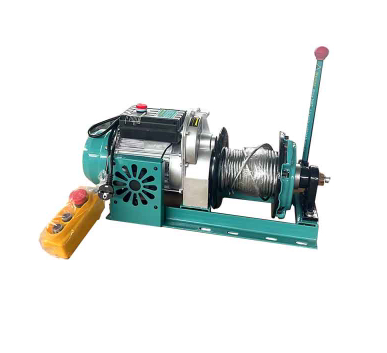
Simply put: it’s a winch that uses hydraulic pressure to operate a tirfor mechanism. Now, a “tirfor” itself is essentially a manual wire rope hoist, designed to grip the rope and pull itself forward in increments, lifting or dragging heavy objects with mechanical leverage. The hydraulic tirfor winch replaces the manual effort with the power of hydraulics — meaning less human strain, more sustained force, and greater efficiency. In industry language, think of it as the middle ground between hand-operated winches and large-scale motorized cranes. It’s compact, portable, and can be used where electricity or combustion engines aren’t practical. For humanitarian needs, which often involve rough terrain and unpredictable conditions, this is a game changer.Key Components That Make Hydraulic Tirfor Winches Work
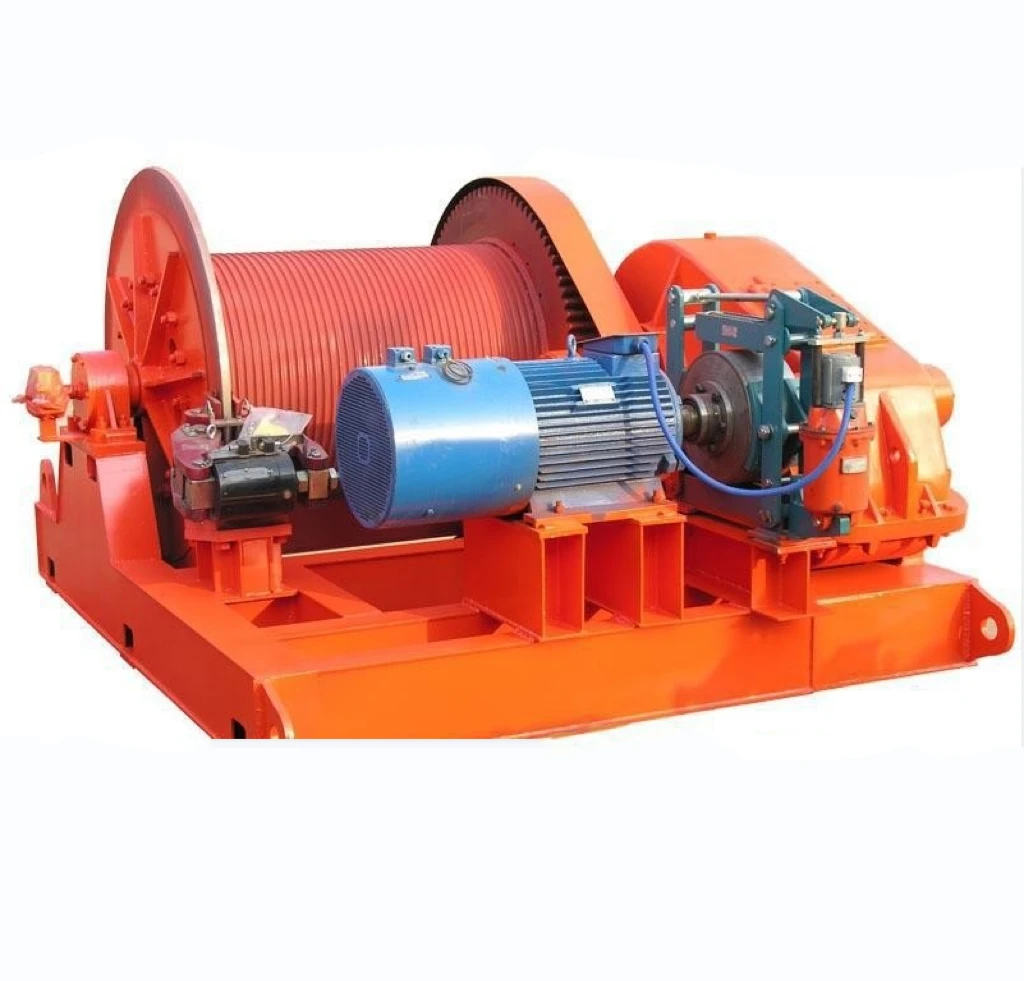
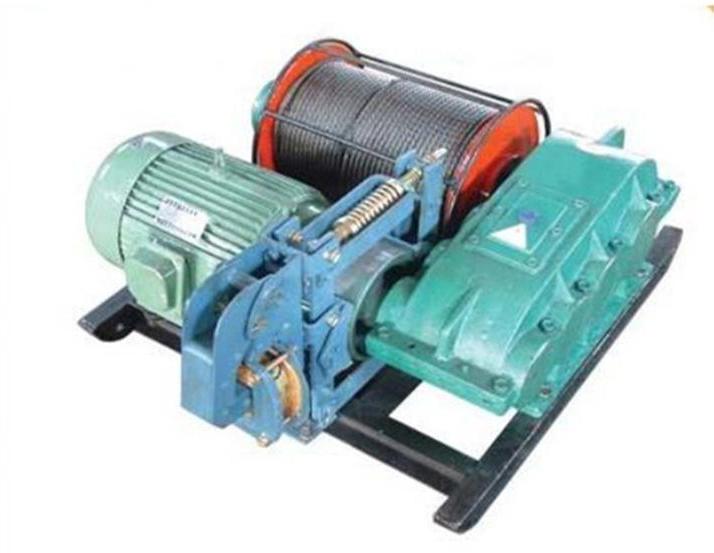
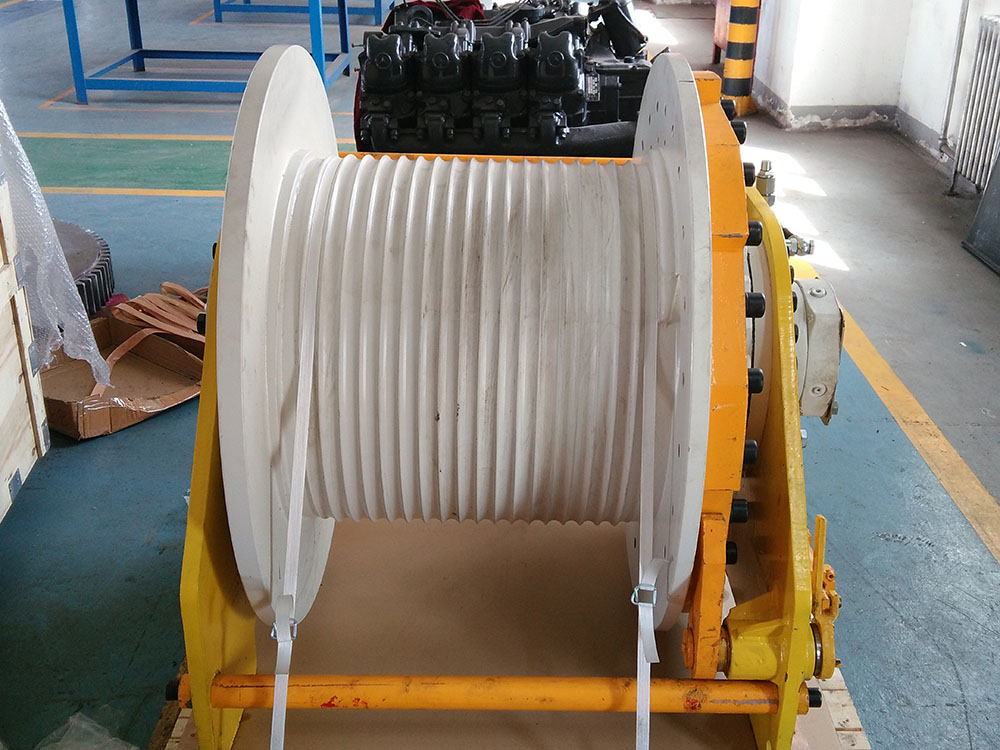
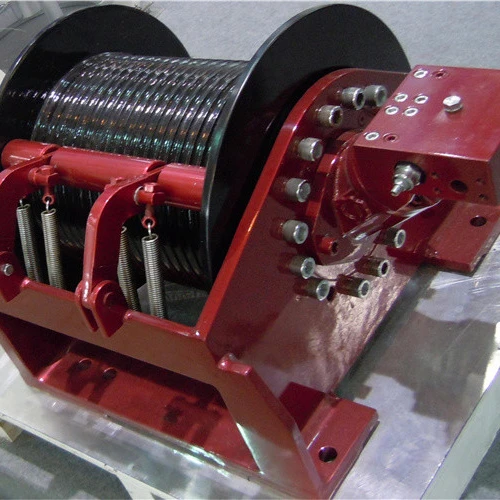
- Hydraulic Power Unit: The muscle behind the device, it drives the movement flawlessly, delivering a steady, adjustable thrust.
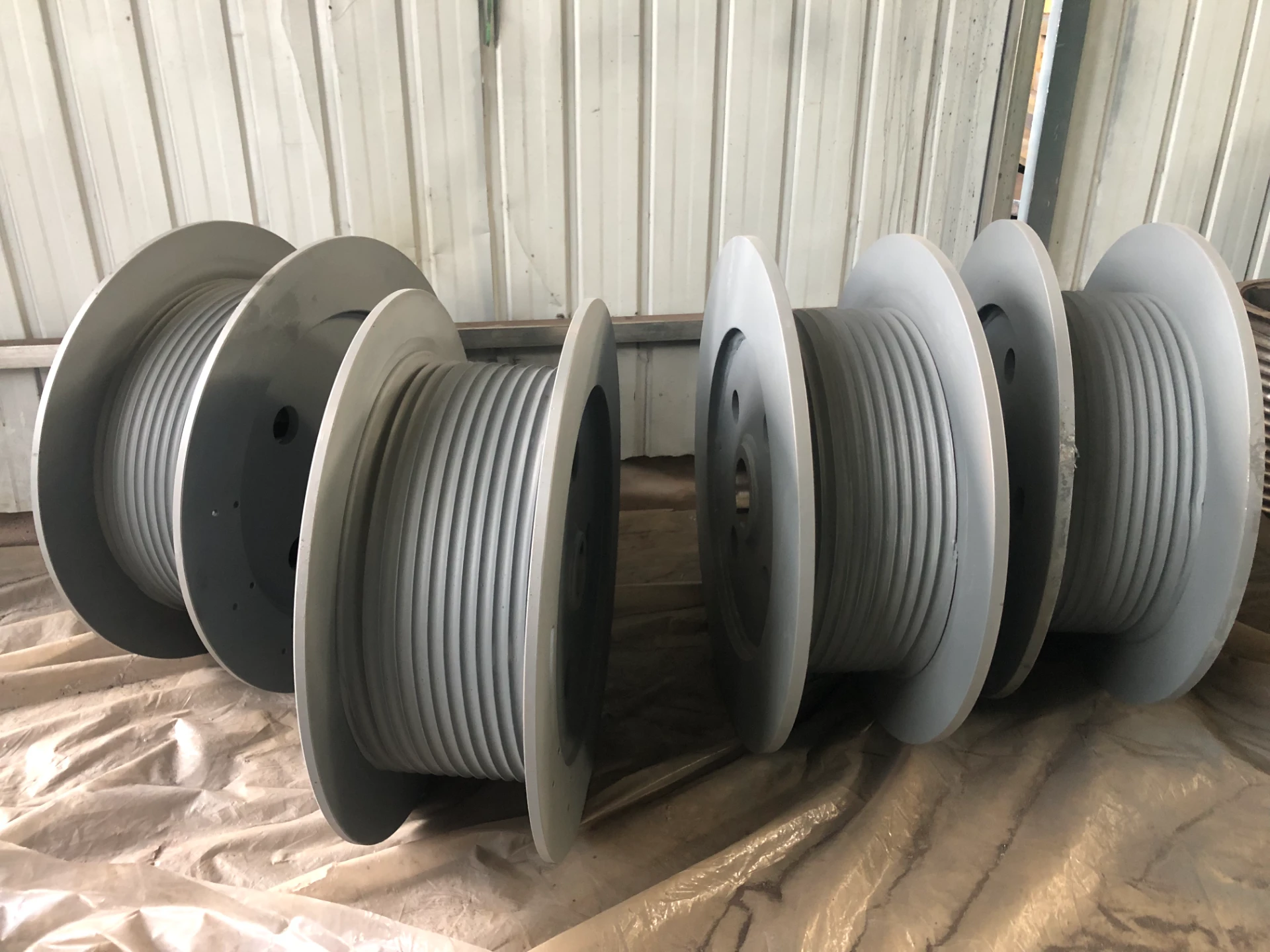
- Wire Rope and Drum: Typically crafted from high-tensile steel, the wire rope ensures reliability and safety under extreme stress.
- Clamping Jaw or Gripping Mechanism: This locks onto the rope, allowing precise incremental pulls without slip—key for control.
- Control Valve/System: Usually manually operated or remote, it governs the directional flow of hydraulic fluid for pulling or releasing.
- Frame & Housing: Often made with heavy-duty alloys or steel, it balances durability and weight for portability.
Mini Takeaway:
The hydraulic tirfor winch is a clever mash-up of advanced hydraulics and simple mechanical grip, optimized for versatility across harsh environments. It's a tool built for both finesse and brute force.From Mountain Trails to Disaster Zones: How Hydraulic Tirfor Winches Save the Day
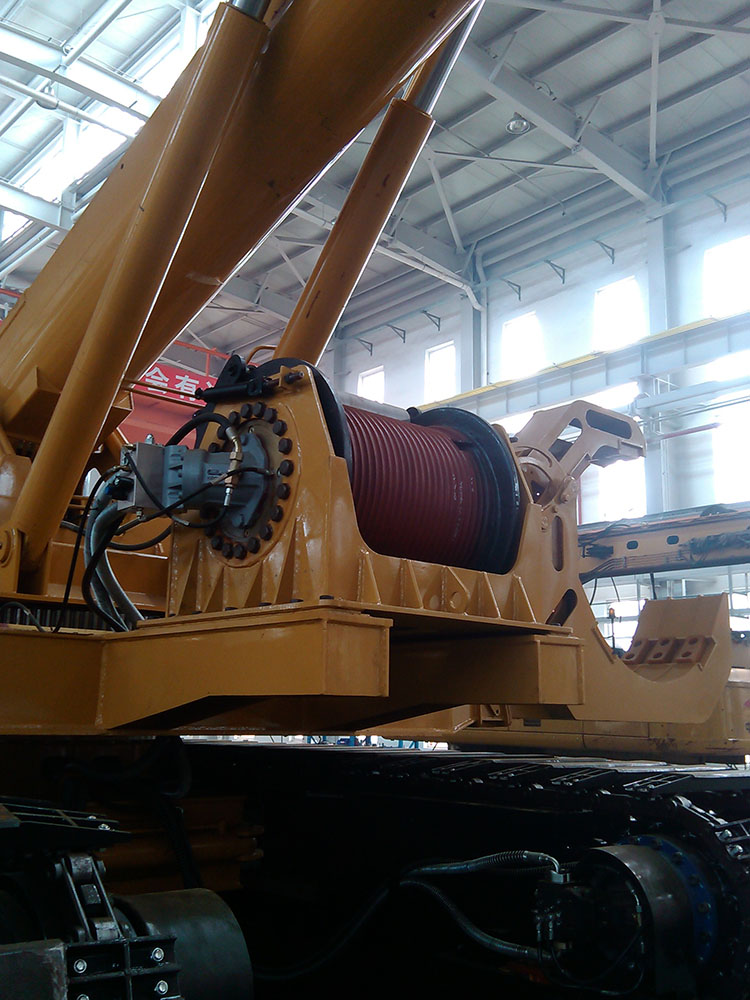
These devices are more than just industrial toys; they’re essential workhorses in diverse sectors worldwide. - Construction and Mining: In remote zones where cranes can’t reach or terrain is uneven, hydraulic tirfor winches handle heavy moving and positioning with finesse. - Disaster Relief: When floodwaters or earthquakes topple infrastructure, rapid deployment of these winches helps clear debris, deliver aid, or erect temporary structures. - Forestry and Agriculture: For pulling heavy logs or equipment safely through dense or uneven terrain. - Utilities and Telecommunications: During pole setting and cable pulling, especially in rural or mountainous areas. For example, after recent floods in Southeast Asia, NGOs employed hydraulic tirfor winches to pull stranded vehicles and relocate heavy supplies — often under challenging power constraints, requiring entirely hydraulic operation.Mini Takeaway:
Real-world application proves these winches are indispensable where size, power, and portability must all line up — from industrial to humanitarian workflows.The Tangible Benefits of Hydraulic Tirfor Winches
- Cost Efficiency: Compared to cranes or motorized winches, maintenance and operational costs are lower, with fuel—or often electricity—requirements minimal or zero. - Durability & Longevity: Fewer moving parts mean less wear, lower risk of breakdowns, and extended field life. - Safety: Reduced need for manual pulling or staging enhances operator safety, which builds trust on-site. - Sustainability: Many models operate with environmentally friendlier hydraulic fluids, and there’s ongoing development for bio-based alternatives. - Technical Flexibility: Adjusting hydraulic pressure allows for fine control, crucial in precision lifting or pulling. At a social level, organizations deploying these pumps feel less resistance logistics-wise—improving morale and operational trust. After all, it’s tough to worry about equipment downtime when every hour counts.Looking Ahead: What’s Next for Hydraulic Tirfor Winch Technology?
The future is nudging toward smarter, greener, and more connected winching solutions: - Digital Controls: Integration with IoT for remote monitoring of tension loads and maintenance alerts. - Lightweight Materials: Carbon fiber composites are entering the picture to reduce weight further without compromising strength. - Eco-Friendly Fluids: Advancement in biodegradable hydraulic fluids lowers environmental risks. - Battery-Hydraulic Hybrids: Combining battery power for hydraulic pumps to ease use in areas without power grids. - Automation & Safety Systems: Automatic clutching or emergency stop features improving operator safety. Many of these innovations reflect trends cited in ISO standards recently updated for lifting and handling machinery, aiming to standardize safety and eco considerations globally.Common Challenges—and How Industry Pros Tackle Them
Even this great tool isn’t without hurdles:- Weight vs. Portability: Finding the perfect balance still tests engineers; modular designs help.
- Maintenance in Remote Areas: Some models require hydraulic fluids unavailable locally—vendors are improving universal compatibility.
- Training & Safety Awareness: Operators must understand hydraulic pressures and emergency release mechanisms thoroughly to avoid accidents.
FAQ: Navigating The Hydraulic Tirfor Winch
Q1: How much load can a typical hydraulic tirfor winch handle?Most standard models safely pull or lift between 2 and 10 tons, though some custom-built versions can exceed this. Always check manufacturer specs for precise ratings.
Q2: Can hydraulic tirfor winches operate in wet or hazardous environments?
Yes, they’re often designed with sealed housings and corrosion-resistant materials making them reliable under adverse weather, including rain and mud. However, routine inspection is essential.
Q3: How portable are these winches for emergency relief operations?
They are surprisingly portable, frequently designed to be carried by two operators and fit into tight spaces where bigger cranes cannot reach—ideal for rapid deployment.
Q4: What maintenance does a hydraulic tirfor winch require?
Routine hydraulic fluid checks, wire rope inspections for wear, lubrication of moving parts, and periodic pressure system tests keep these winches in top shape.
Q5: Where can I find certified hydraulic tirfor winch suppliers?
Look for ISO 9001 certified manufacturers with solid after-sales support. Check trusted platforms like hydraulic tirfor winch suppliers to ensure quality.
Hydraulic Tirfor Winch Specification Table
| Feature | Typical Value | Notes |
|---|---|---|
| Pulling Capacity | 2 - 10 tons | Varies by model |
| Weight | 15 - 45 kg | Portable by two people |
| Wire Rope Diameter | 6 - 10 mm | High tensile steel |
| Operating Pressure | 140 - 210 bar | Hydraulic system specs |
| Operating Temperature | -20°C to +60°C | Suitable for harsh environments |
Comparing Top Hydraulic Tirfor Winch Vendors
| Vendor | Load Capacity | Warranty | Price Range (USD) | Notable Features |
|---|---|---|---|---|
| LiftTech Solutions | 2 - 8 tons | 2 years | $3,500 - $5,000 | Ergonomic design, remote control option |
| EcoWinch Hydraulics | 3 - 10 tons | 3 years | $4,200 - $6,300 | Biodegradable hydraulic fluid, lightweight frame |
| ProHaul Equipment | 2 - 7 tons | 1.5 years | $3,000 - $4,700 | Heavy-duty steel frame, compact design |
Wrapping Up: Why the Hydraulic Tirfor Winch Should Be on Your Radar
In the end, the hydraulic tirfor winch feels like one of those tools every industry—whether construction, forestry, or humanitarian aid—should keep in its toolbox. It combines power, portability, and reliability in a way few other solutions can match, especially where terrain or infrastructure makes heavy machinery inaccessible. Understanding its benefits lets professionals optimize operations—cutting costs, boosting safety, and safeguarding lives in environments where every single advantage counts. If you want to dive deeper or explore purchasing options, don’t hesitate to visit reputable vendors like hydraulic tirfor winch suppliers who offer expert advice and quality gear. ---References & Further Reading:
Latest news
-
The Ultimate Guide to Gear Steels for Durability and PerformanceNewsApr.16,2026
-
High Performance Gear Stainless Steel for Industrial DurabilityNewsApr.09,2026
-
Comprehensive Guide to Steel Bevel Gears Applications and SelectionNewsApr.07,2026
-
Comprehensive Guide to Durable Stainless Steel Miter Gears and ApplicationsNewsApr.04,2026
-
Comprehensive Guide to Steel Spur Gears Functionality and ApplicationsNewsMar.31,2026
-
Comprehensive Guide to Durable Stainless Steel Spur Gears and Their ApplicationsNewsMar.28,2026