Hydraulic Towing Winch: Powerful, Durable Solutions for Global Heavy-Duty Needs
Understanding the Hydraulic Towing Winch: A Global Overview
Hydraulic towing winches are a quiet yet powerful force behind many critical operations worldwide—from heavy-duty marine salvage projects to emergency rescue missions in remote areas. At its core, this equipment helps tackle one of the biggest challenges globally: moving, pulling, or lifting heavy loads reliably and safely. The importance? Well, imagine disaster relief or large-scale industrial projects without dependable towing capabilities. The safety and efficiency stakes would be much higher.
With global trade expanding and infrastructure increasingly complex, the hydraulic towing winch plays an essential role. Its benefits range from versatility and strength to cost-effectiveness, making it indispensable across several sectors.
The Growing Need for Hydraulic Towing Winches in a Global Context
Globally, industries like marine transport, construction, oil & gas, and emergency services depend on heavy machinery to move enormous weights. According to the International Maritime Organization (IMO), the volume of goods transported by sea is expected to increase by around 3.5% annually through 2030. That means towing and lifting solutions must be up to the task, and hydraulic towing winches are perfectly positioned to meet this demand.
However, towing heavy equipment brings challenges, such as ensuring environmental safety, reducing downtime, and adapting to varied terrains and climates. Hydraulic towing winches answer these by offering unmatched flexibility and power, allowing operators to tackle situations where electric or mechanical winches might falter.
What Exactly Is a Hydraulic Towing Winch?
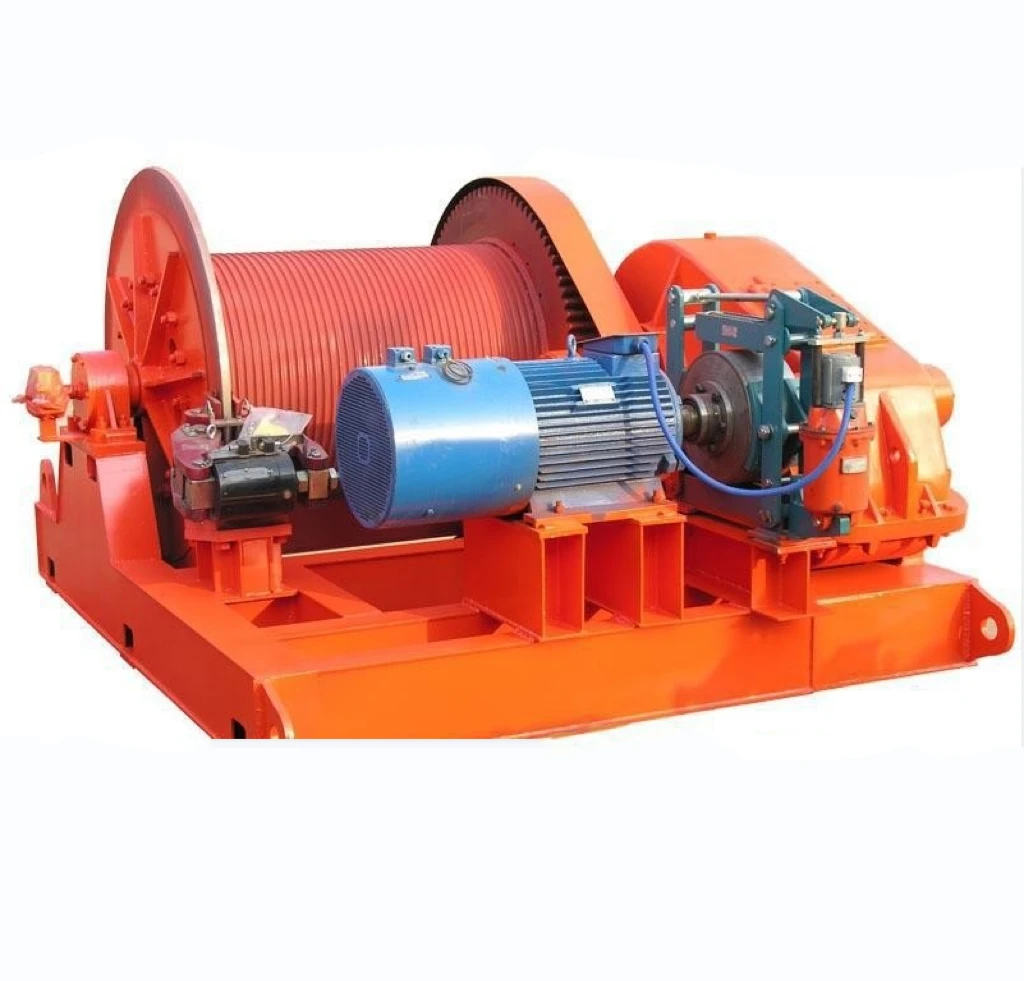
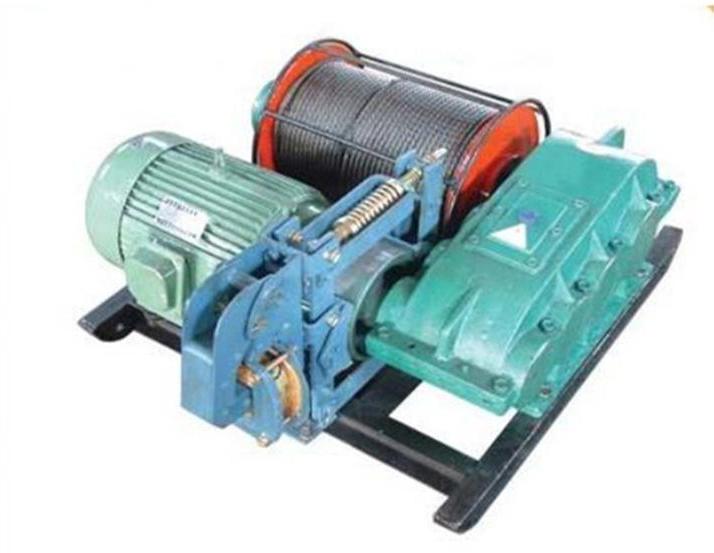
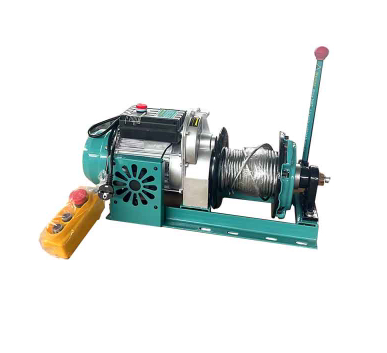
Simply put, a hydraulic towing winch is a machine designed to pull or haul heavy loads using hydraulic power. Unlike electric winches, which require an electrical power source, hydraulic winches use pressurized fluid—usually oil—to generate force, making them more durable and efficient in harsh environments.
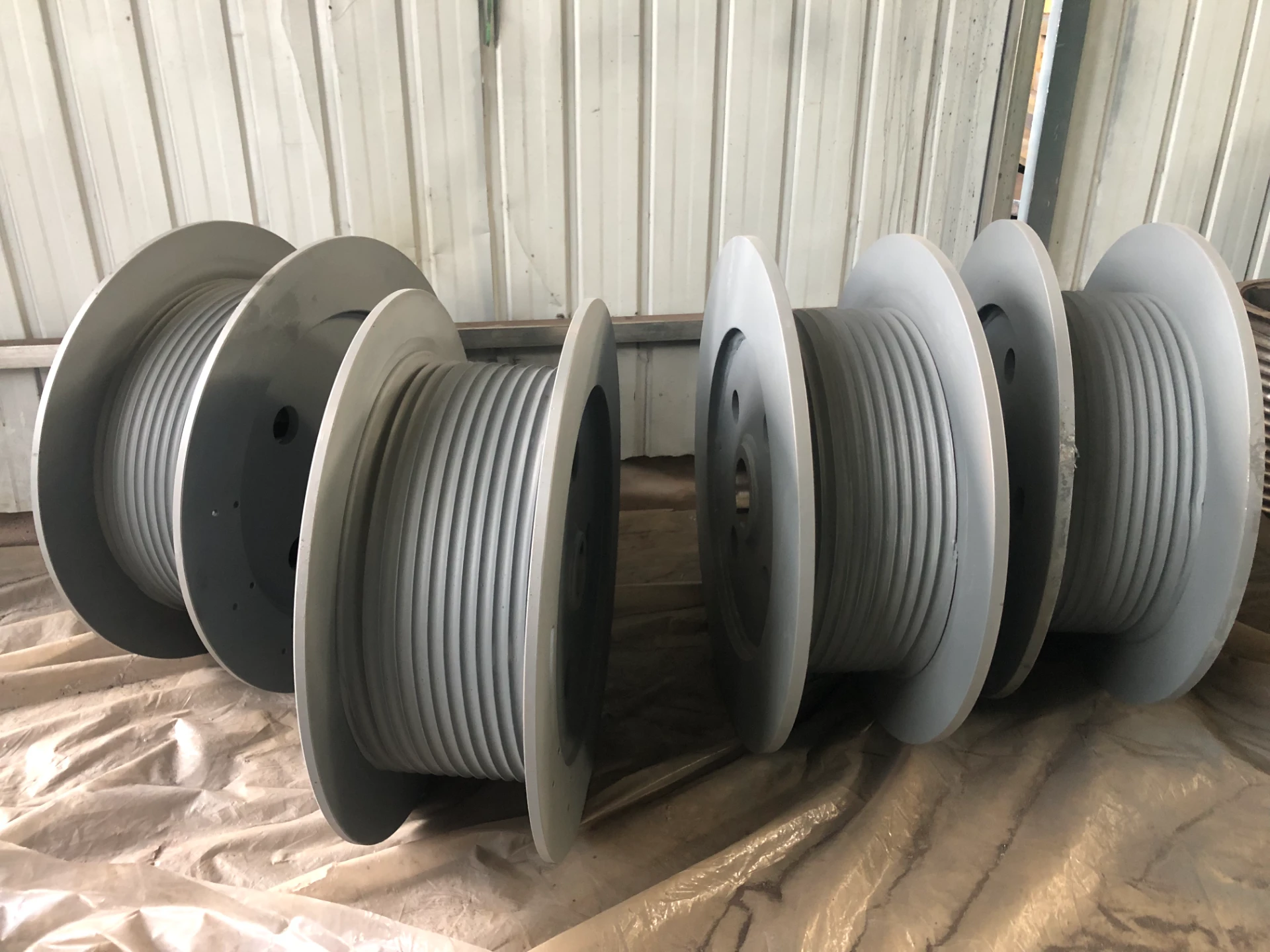
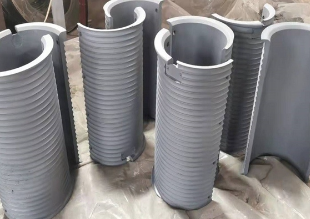
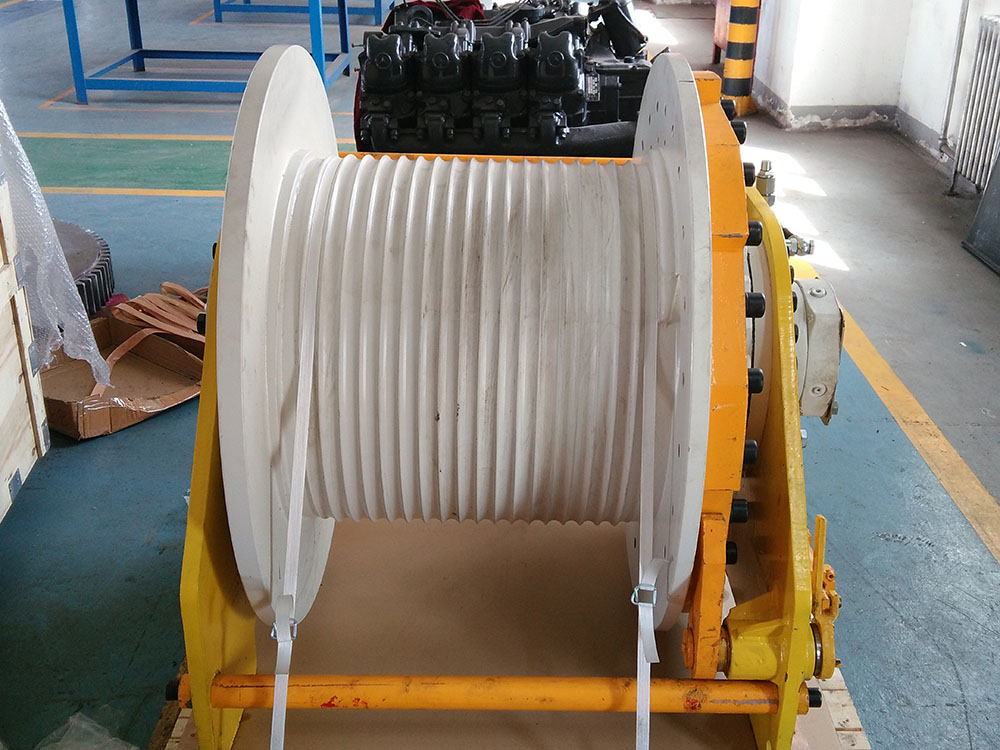
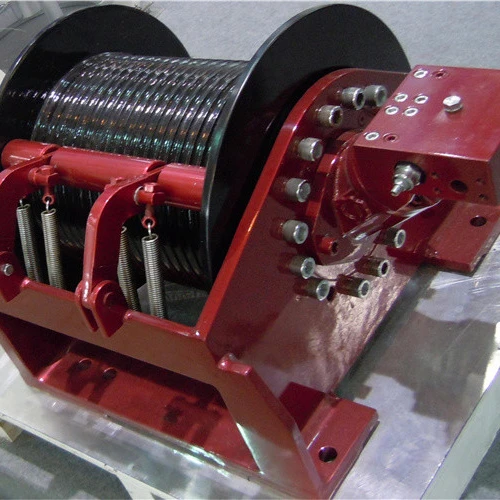
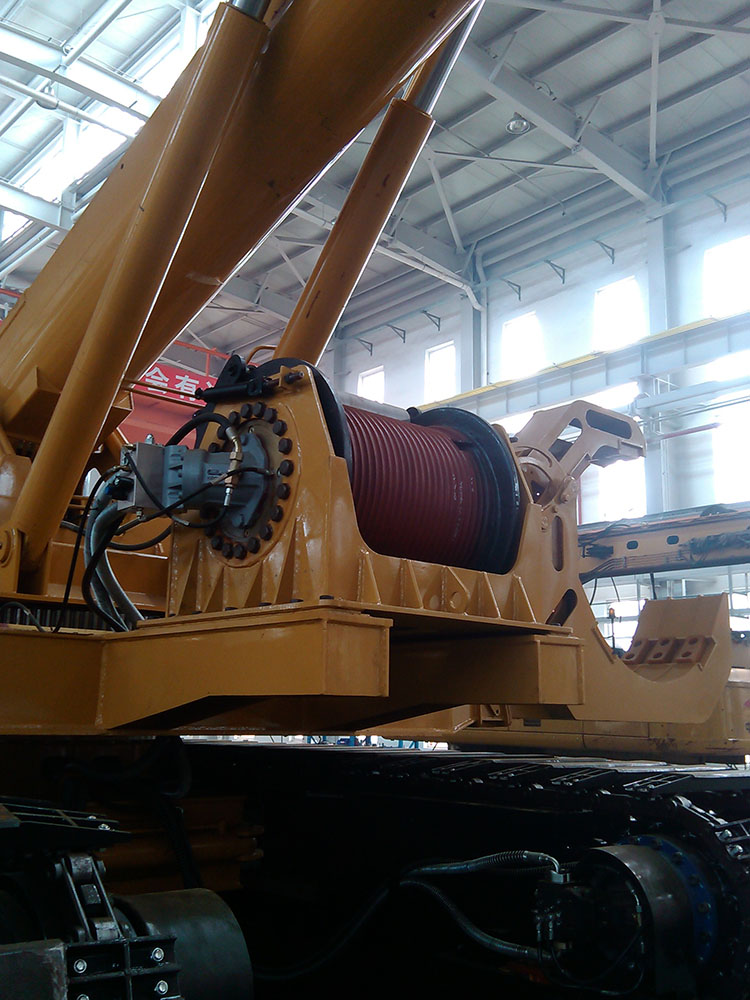
They consist of a drum around which a cable or rope winds, driven by a hydraulic motor. This setup is prevalent in industries requiring precise, sustained pulling power, like towing disabled vessels or hauling construction materials in confined spaces.
In humanitarian contexts, such as post-disaster recovery, these winches are invaluable. They can pull debris or fallen structures safely without relying heavily on electricity, which might be disrupted.
Core Components That Make Hydraulic Towing Winches Essential
1. Durability
Hydraulic towing winches are built to withstand brutal environments—think saltwater exposure, mud, and dust. The robust hydraulic systems resist corrosion and mechanical wear better than electric counterparts. It feels like the difference between a hardy off-road vehicle and a city sedan.
2. Power-to-Weight Ratio
These winches provide impressive pulling power without being unwieldy. Engineers often highlight that hydraulic winches deliver higher torque in a more compact package, letting operators work in tight industrial or shipboard spaces.
3. Control & Precision
Operators can finely regulate speed and force through hydraulic valves, making these winches ideal for delicate tasks, like vessel docking or moving sensitive equipment. The feedback mechanism inherent to hydraulics adds safety and reliability.
4. Compatibility & Scalability
Hydraulic towing winches integrate smoothly with various machinery and vehicle platforms. Plus, their modularity allows configurations suited for everything from light-duty towing to massive industrial pull systems.
5. Maintenance & Longevity
While hydraulic systems require specialized upkeep, their long service life and tolerance to operational stresses often justify the effort, especially in long-term projects.
Real-World Applications Across Continents and Sectors
- Maritime Industries: Towing disabled ships, managing heavy anchors, or pulling fishing nets, especially in regions like Southeast Asia and Northern Europe.
- Construction: In remote mining sites in Australia or rugged mountains of South America, hydraulic winches haul materials where cranes can’t reach.
- Disaster Relief: NGOs in Africa and the Caribbean use these winches to clear wreckage after floods or hurricanes—places where electrical infrastructure is scarce.
- Oil & Gas: Offshore rigs in the North Sea rely heavily on hydraulic systems for safety-critical towing tasks.
One memorable case: following a cyclone in the Philippines, relief teams deployed hydraulic towing winches to remove fallen trees and debris, speeding recovery efforts by several days.
Product Specification Table: Typical Hydraulic Towing Winch
| Feature | Specification |
|---|---|
| Max Pulling Capacity | 15,000 kg (33,000 lbs) |
| Drum Diameter | 300 mm |
| Cable Length | 50 m (164 ft) |
| Operating Pressure | 220 bar |
| Motor Power | 10 kW |
| Weight | 250 kg (550 lbs) |
Comparing Leading Hydraulic Towing Winch Vendors
| Vendor | Selection of Models | Customization | Warranty Length | Global Support |
|---|---|---|---|---|
| LBSwinech Corp | 12+ models (light to heavy duty) | Highly customizable | 3 years | Worldwide |
| MarineForce | 8 models | Limited customization | 2 years | Europe, Asia |
| IronHaul Group | 15 models | Custom design available | 5 years | North America, Australia |
Why Invest in a Hydraulic Towing Winch?
Choosing a hydraulic towing winch is embracing long-term value on many fronts. Firstly, cost-efficiency stems from lower maintenance, longer lifespan, and fewer operational hiccups. Operators feel safer knowing the equipment responds precisely, reducing accidents and loading damage. There's also an emotional well-being aspect—trusting your winch means peace of mind during critical operations.
On the sustainability side, hydraulic systems can run on bio-based fluids in some cases, making them greener than traditional oils. Considering the push for sustainability across industrial sectors, this is no minor detail.
Innovations Shaping the Future of Hydraulic Towing Winches
Strangely enough, the quiet hydraulic winch space is buzzing with innovation. We're seeing smart winches equipped with IoT sensors that monitor load, temperature, and wear in real time. This lets crews act before breakdowns happen—reducing downtime and costly repairs.
Materials science is also evolving. New composite drums reduce weight without sacrificing strength, helping users install larger winches on smaller platforms. Plus, green policies push for more energy-efficient hydraulic pumps and recyclable components.
Common Challenges and Clever Fixes
Now, not everything about hydraulic towing winches is smooth sailing. Some common pain points include leaks in hydraulic systems and the need for skilled maintenance. These issues can cause costly delays or even safety risks.
However, many operators now use predictive maintenance software and high-quality seals that dramatically reduce leak risks. Training programs have also improved, often guided by manufacturer support. This is a good reminder to always partner with a knowledgeable vendor.
FAQ: Your Hydraulic Towing Winch Questions Answered
- Q: How does a hydraulic towing winch compare to an electric winch?
A: Hydraulic winches generally offer higher torque and better durability in harsh environments. They're ideal for heavy loads and remote sites where electrical power isn’t reliable. - Q: What maintenance does a hydraulic towing winch require?
A: Regular inspection of hydraulic lines and seals is essential to prevent leaks. Oil changes and filter replacements according to manufacturer schedules keep performance optimal. - Q: Can hydraulic towing winches be customized for specific tasks?
A: Absolutely. Many manufacturers provide tailored solutions for cable length, drum size, and power to fit diverse operations. - Q: Are these winches safe to use in marine environments?
A: Yes, when properly maintained. Corrosion-resistant coatings and marine-grade materials are standard for hydraulic winches designed for sea use. - Q: What’s the typical lifespan of a hydraulic towing winch?
A: With regular care, these winches can last over a decade, especially when supported by preventative maintenance.
Wrapping Up: Why Hydraulic Towing Winches Matter Now and Tomorrow
Whether you’re in maritime logistics, heavy construction, or humanitarian relief, hydraulic towing winches offer a smart, robust solution with proven benefits. Their global relevance will only grow alongside rising infrastructure demands and sustainability trends.
Want to explore options that fit your operational needs? Visit our website: hydraulic towing winch supplier for detailed configurations and expert advice.
1. International Maritime Organization (IMO) reports
2. ISO 1219-1:2012 - Fluid power systems and components
3. United Nations Office for Disaster Risk Reduction (UNDRR)
-
The Ultimate Guide to Gear Steels for Durability and PerformanceNewsApr.16,2026
-
High Performance Gear Stainless Steel for Industrial DurabilityNewsApr.09,2026
-
Comprehensive Guide to Steel Bevel Gears Applications and SelectionNewsApr.07,2026
-
Comprehensive Guide to Durable Stainless Steel Miter Gears and ApplicationsNewsApr.04,2026
-
Comprehensive Guide to Steel Spur Gears Functionality and ApplicationsNewsMar.31,2026
-
Comprehensive Guide to Durable Stainless Steel Spur Gears and Their ApplicationsNewsMar.28,2026