Hydraulic Sailing Winches: The Essential Guide to Marine Power and Precision
What Are Hydraulic Sailing Winches and Why They Matter Globally
Hydraulic sailing winches might not be the first thing that springs to mind when thinking about maritime gear, but they’re an absolute game-changer in marine operations worldwide. At their core, these devices use hydraulic power to pull or tension the lines that control sails and other heavy loads on vessels. Why should anyone care? Because in an interconnected global economy that still heavily relies on sea transport and offshore work, reliable winches mean better safety, efficiency, and less mechanical breakdown — all crucial for industries as varied as commercial shipping, offshore oil rigs, and even search and rescue missions. Plus, understanding their benefits and tech nuances helps industries implement smarter, cost-saving solutions that stand the test of rough seas and harsh climates.
Mini takeaway: Hydraulic sailing winches play a critical global role in maritime safety and operational efficiency—knowing them means you’re swimming with the big fish.
The Global Context: Why Hydraulic Sailing Winches Are an Industry Staple
According to the International Maritime Organization (IMO) and the United Nations Conference on Trade and Development (UNCTAD), over 80% of global trade by volume is seaborne. Handling this volume efficiently requires sophisticated equipment that can operate under intense load and unpredictable weather. Hydraulic sailing winches answer this need by offering robust power and precision control that electric or manual winches just can’t match. In fact, industries have noticed a notable drop in downtime and maintenance costs when switching to hydraulics.
But here’s the kicker: while technology advances rapidly in many sectors, marine equipment often lags behind due to the necessity of proven reliability and longevity. The challenge lies in designing hydraulic winches that balance power, maintenance ease, and environmental safety — since every leak or failure can lead to catastrophic consequences, both economically and environmentally.
Mini takeaway: Global maritime trade depends heavily on durable, powerful winch systems, putting hydraulic sailing winches at the core of safer seas and efficient operations.
What Exactly Is a Hydraulic Sailing Winch?
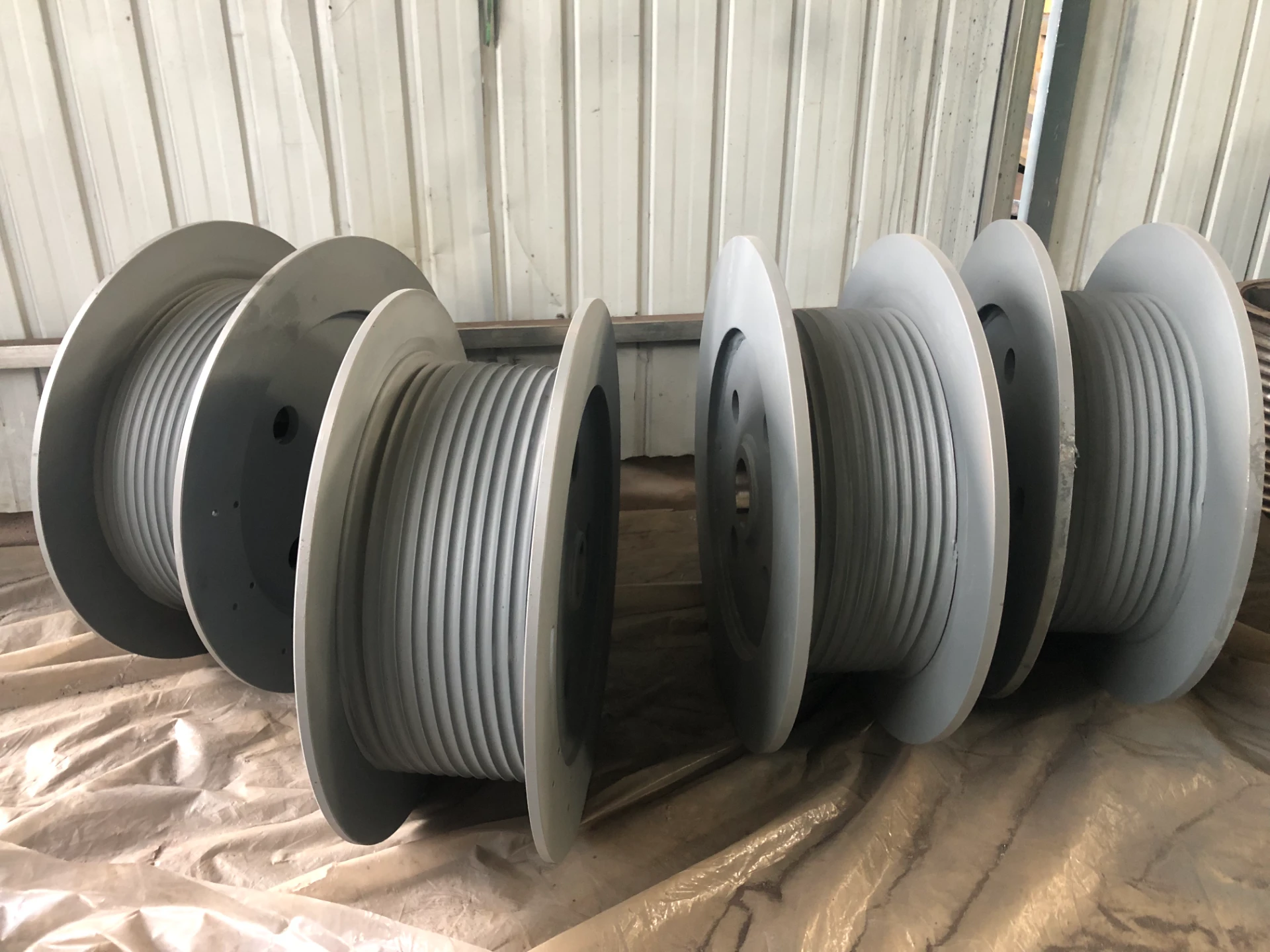
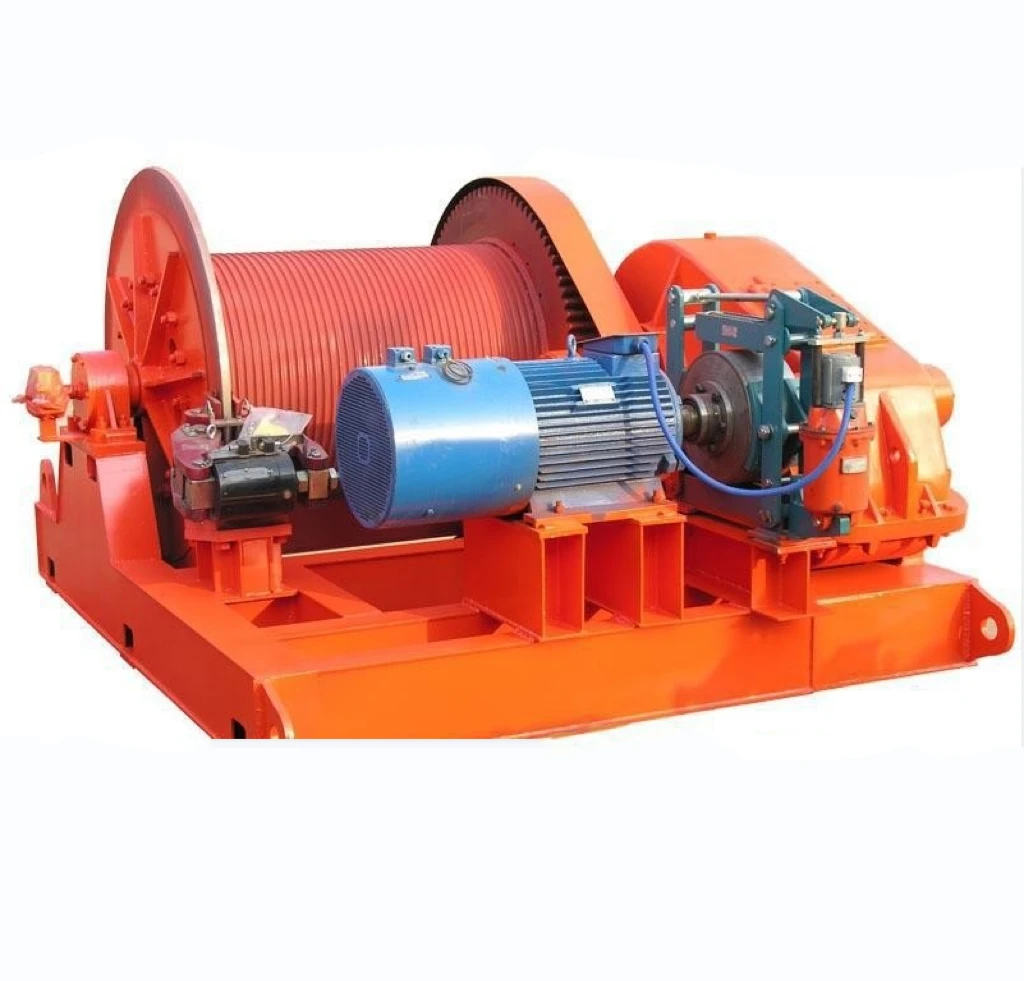
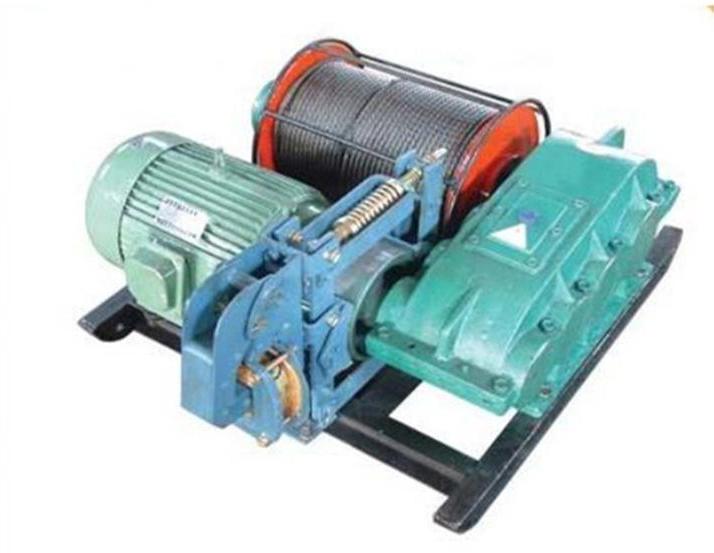
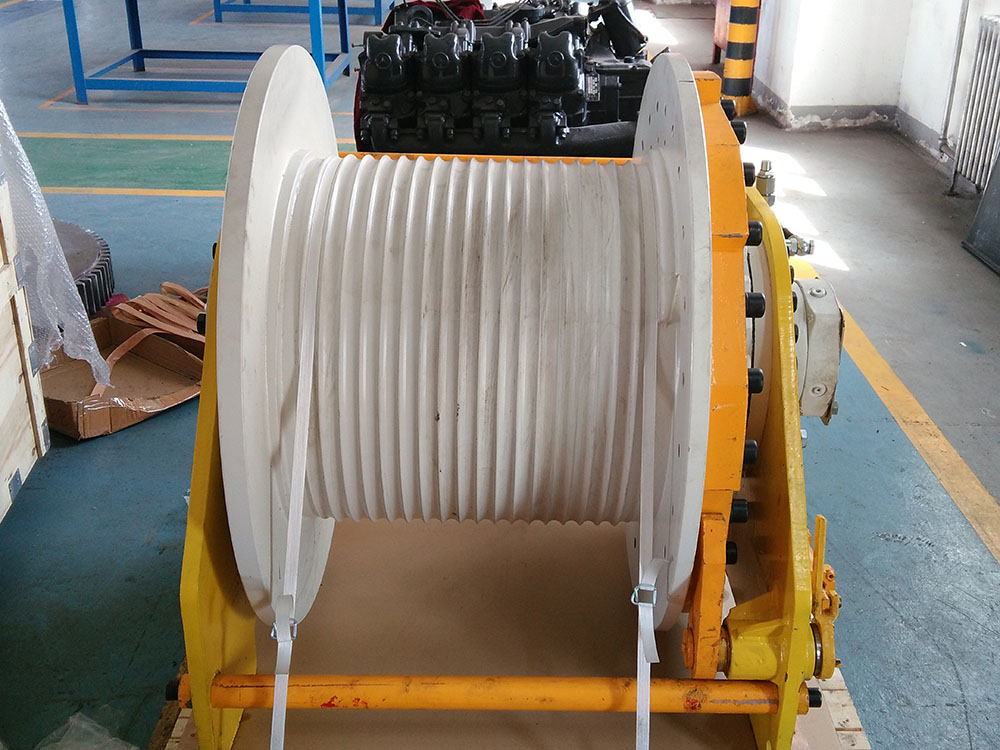
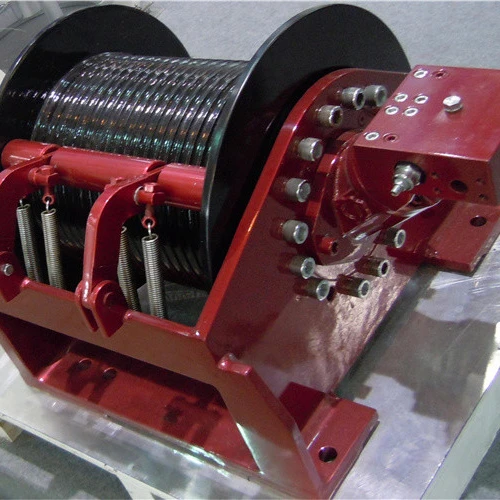
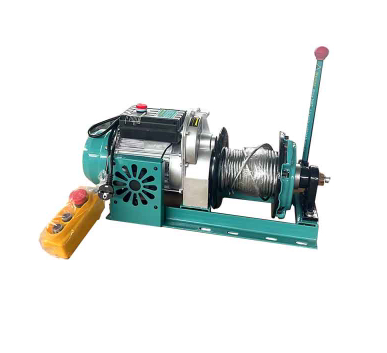
In simple terms, a hydraulic sailing winch is a mechanical device powered by pressurized hydraulic fluid to tighten or release ropes, cables, or chains on sailing vessels. Unlike traditional hand-crank winches, these systems rely on hydraulic pumps—usually connected to the vessel’s main engine or a separate power unit—to deliver consistent torque and speed without overwhelming manual effort.
This technology dates back several decades but has evolved significantly with modern materials and control systems. Today, hydraulic sailing winches aren’t just for sailboats—they’re essential in commercial vessels, offshore platforms, and large maritime operations where solid, responsive line control can literally be a lifesaver.
hydraulic sailing winches leverage the power of hydraulics to enable smooth, controlled handling of sails or heavy loads, minimizing human fatigue and enhancing precision.
Core Components and What Makes Hydraulic Sailing Winches Tick
1. Durability and Material Quality
Marine environments are unforgiving: saltwater corrodes, constant wetness wears materials thin, and mechanical components take a pounding. High-grade stainless steel, marine-grade aluminum, and specially coated metals dominate the industrial design of these winches. Even seals, bearings, and hydraulic hoses are selected for their long life and resistance to saltwater intrusion. Many engineers say the key to longevity lies in this balanced choice of materials.
2. Power and Precision Control
Hydraulic circuits allow for flexible speed control and large torque outputs, which in practical terms means your winch can handle heavy loads steadily at just the right speed. Modern systems often include electronic controls for smooth operation and safety cut-offs—this reduces the risk of line snapping or equipment damage.
3. Scalability: From Small Yachts to Mega-Platforms
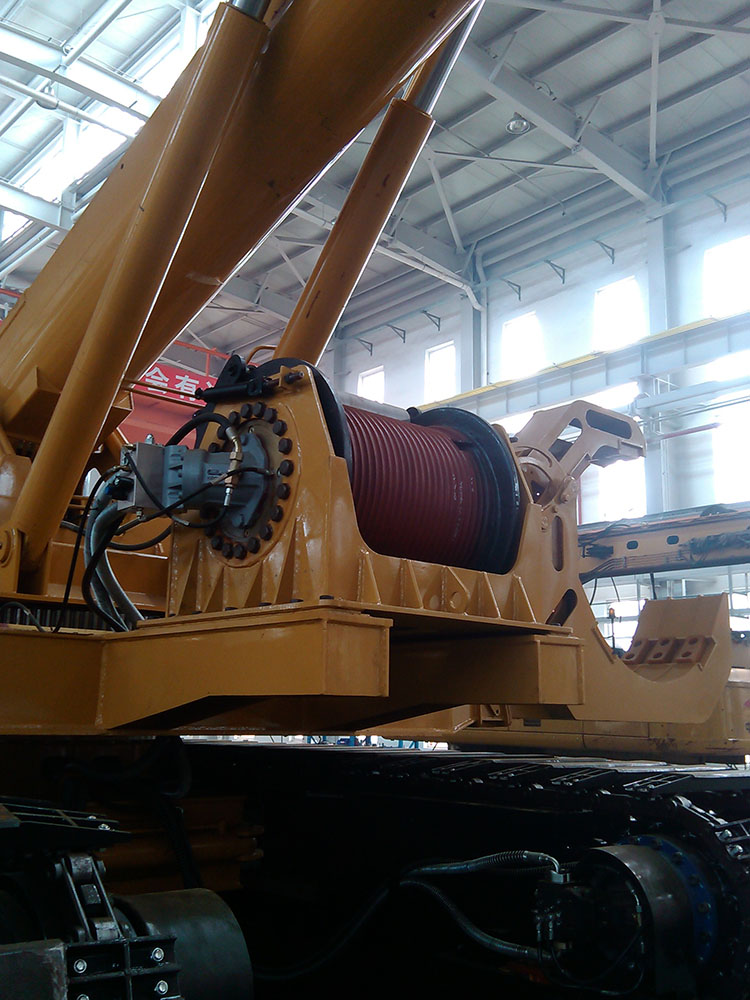
The modular nature of hydraulic sailing winches means you can scale the system based on vessel size or load requirements. For example, a 40-ft sailing yacht might use a compact, lightweight winch, whereas oil rigs rely on huge units rated for tens of tons. This scalability ensures the tech adapts, rather than forcing one-size-fits-all solutions that never quite fit.
4. Cost Efficiency and Maintenance
While the upfront price might scare some, experts insist hydraulic winches pay for themselves through less downtime and easier maintenance over the years. With appropriate design—like quick-release couplings and standardized parts—regular servicing becomes straightforward, avoiding long docks or pricey overhauls.
5. Safety Features
Integrated safety valves, pressure relief devices, and overload sensing equipment are standard. These prevent accidents, which in marine environments can be disastrous. Operators feel more confident knowing their systems can “fail safe” if something goes wrong.
Mini takeaway: Quality materials, precise control, scalability, and safety features create a perfect storm for efficient hydraulic sailing winches.
Global Applications & Who Benefits Most?
- Commercial Shipping: Winches on huge container ships help manage massive mooring lines and container handling cranes. In ports worldwide, they increase turnaround speed and safety.
- Offshore Oil and Gas: Platforms rely on winches to deploy anchor lines, pulleys, and equipment safely, even during harsh weather or at great depths.
- Search and Rescue: Modern rescue vessels use hydraulic winches for fast, reliable deployment of lifeboats, stretchers, and life rafts during emergencies.
- Military and Research Vessels: Scientists and sailors working in remote or rough seas count on winches to handle sensitive equipment without delay or breakdown.
Post-disaster relief zones near coastlines have also seen growing use of portable hydraulic winch systems to unload critical supplies safely and quickly—often under unpredictable conditions.
Advantages and Long-Term Value
The long-term benefits of hydraulic sailing winches are both tangible and intangible. Practically, they reduce manual labor, minimize mechanical failures, and improve operational speed. This means reduced labor costs, fewer accidents, and more consistent work schedules. Emotionally, operators appreciate the safety margin and reliability, factors that reduce stress when navigating stormy seas or critical missions.
Environmentally, many manufacturers integrate eco-friendlier hydraulic fluids and efficient motors aligning with stricter marine pollution standards. So the system not only preserves your investment but also contributes to sustainable practices.
Future Trends & Emerging Innovations
In recent years, there’s been a push towards integrating digital controls and condition-monitoring sensors. Think of winches that self-diagnose wear or detect early leaks before they escalate to full breakdowns. Coupled with the rise of green energy on boats—solar, wind-assisted propulsion—hydraulic systems are becoming more energy efficient, sometimes hybrid with electric backups.
Material innovation is another hot topic—lightweight composites replacing metals to reduce weight and fuel consumption. Automation is extending beyond control to entire winch operation sequences, freeing crews for more complex tasks. All these trends point towards smarter, safer, and increasingly sustainable maritime operations.
Common Challenges and How to Overcome Them
Hydraulic systems inherently risk leaks and contamination, a common cause of malfunction. Regular, expert maintenance is non-negotiable, but many companies now use advanced filtration and sealing tech to minimize these risks. Another challenge is initial cost—though, as discussed, the lifecycle savings usually justify it.
Supply chain complexities can delay parts or repairs, especially in remote locations. A practical solution some vessel operators use is maintaining an inventory of standardized parts and training crews for basic troubleshooting—simple but effective.
Technical Specification Table of a Typical Hydraulic Sailing Winch
| Specification | Model AlphaX-500 | Model BetaY-800 |
|---|---|---|
| Max Line Pull | 5,000 kg | 8,000 kg |
| Hydraulic Pressure | 210 bar | 250 bar |
| Line Speed (max) | 12 m/min | 10 m/min |
| Weight | 220 kg | 330 kg |
| Material | Marine-grade stainless steel | High-strength marine aluminum alloy |
Vendor Comparison Table: Top Hydraulic Sailing Winch Suppliers
| Vendor | Product Range | Warranty | Global Reach | Price Range |
|---|---|---|---|---|
| LBS Winch Co. | Compact to heavy-duty hydraulic winches | 5 years | Europe, North America, Asia | $$$ |
| MarineForce Ltd. | Custom hydraulic solutions for offshore | 3 years | Global | $$ |
| OceanMate Systems | Mid-sized winches, eco-hydraulic fluids | 4 years | Europe, Oceania | $$$ |
FAQ: What You’re Really Wondering About Hydraulic Sailing Winches
Q1: Are hydraulic sailing winches suitable for small recreational sailboats?
A: Absolutely, though typically smaller hydraulic units are recommended. They offer easier handling of the sails with less physical effort. However, for very small yachts, electric winches might sometimes be more cost-effective, but hydraulic options excel in precision and durability, especially for offshore cruising.
Q2: How frequently should I service a hydraulic sailing winch?
A: Routine checks every 6 months are recommended, with a full service at least annually. Saltwater exposure tends to speed up component wear, so regular greasing, hose inspection, and fluid replacement are crucial to long-term performance.
Q3: Can hydraulic winches handle emergency load situations better than electric ones?
A: Usually yes. Hydraulic systems provide consistent torque under heavy, fluctuating loads and have built-in safety features that reduce failure risk. Their mechanical robustness generally gives them an edge in emergencies like towing or rescue settings.
Q4: What environmental considerations come with using hydraulic sailing winches?
A: The main concerns are fluid leaks and energy consumption. Many manufacturers now use biodegradable hydraulic fluids and design sealed systems to protect marine life, making modern hydraulics far more environmentally friendly.
Q5: How do I pick the right winch for my vessel?
A: Consider your vessel size, typical loads, and operational needs (speed vs. power vs. maintenance ease). Consult vendors with your specs in hand. You can also check product lines of trusted hydraulic sailing winches suppliers to find your match.
Wrapping It Up: Why Investing in Hydraulic Sailing Winches Pays Dividends
Hydraulic sailing winches are much more than bulky seaside hardware. They’re quietly enabling the movement of vital goods, supporting daring rescue missions, and powering the intricate ballet of maritime life. With strong global demand and innovations rolling in, it feels like hydraulic sailing winches are here to stay — and grow smarter, greener, and safer.
If you’re curious to see practical, industry-leading examples, or want tailored solutions, visit our website. Because even the most seasoned sailors and marine operators agree: the right winch makes all the difference.
Mini takeaway: Balancing power, precision, and sustainability in hydraulic sailing winches is no longer just a luxury—it has become a maritime necessity.
References
-
The Ultimate Guide to Gear Steels for Durability and PerformanceNewsApr.16,2026
-
High Performance Gear Stainless Steel for Industrial DurabilityNewsApr.09,2026
-
Comprehensive Guide to Steel Bevel Gears Applications and SelectionNewsApr.07,2026
-
Comprehensive Guide to Durable Stainless Steel Miter Gears and ApplicationsNewsApr.04,2026
-
Comprehensive Guide to Steel Spur Gears Functionality and ApplicationsNewsMar.31,2026
-
Comprehensive Guide to Durable Stainless Steel Spur Gears and Their ApplicationsNewsMar.28,2026