Hydraulic PTO Winch – Reliable Power Solutions for Industrial & Rescue Applications
Understanding Hydraulic PTO Winches: A Global Perspective on Power and Precision
If you’re diving into the world of industrial machinery or recovery equipment, chances are you’ve bumped into something called a hydraulic pto winch. It’s an essential tool, but more than that, it embodies a fascinating blend of mechanical ingenuity and practical utility that really supports operations worldwide — from heavy-duty forestry work to crucial humanitarian rescue missions.
Why does this matter globally? Well, industries today face immense pressures for efficiency, safety, and sustainability. Hydraulic PTO winches offer a versatile solution — combining reliability with power — making them a cornerstone for various economies, especially in regions where rugged terrain or limited infrastructure pose daily challenges.
The Global Context: Why Hydraulic PTO Winches Are More Relevant Than Ever
Across industries, demand for machinery that optimizes energy use and improves operational safety is growing sharply. According to the International Organization for Standardization (ISO), there’s a push towards equipment that meets strict environmental and efficiency standards. Hydraulic PTO winches are key players here.
Consider the forestry, construction, and emergency response sectors worldwide — these winches solve a crucial problem of how to power heavy pulling or lifting tasks without relying solely on bulky external power sources. They tap directly into a vehicle’s power take-off (PTO) system, making operations more compact, efficient, and mobile.
In disaster zones, for instance, where infrastructure may be compromised, having a dependable and easily deployable solution like a hydraulic PTO winch means the difference between timely rescue and prolonged loss. The World Bank’s data on disaster recovery emphasizes the importance of robust yet adaptable equipment — and that’s exactly where these winches shine.
What Exactly Is a Hydraulic PTO Winch?
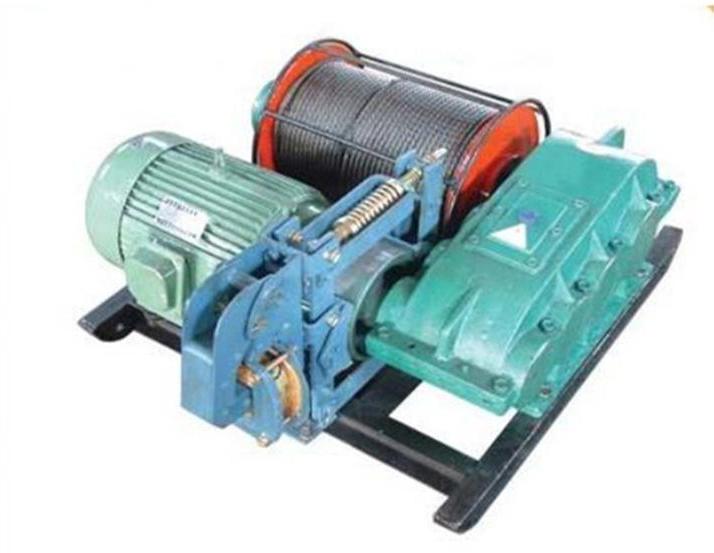
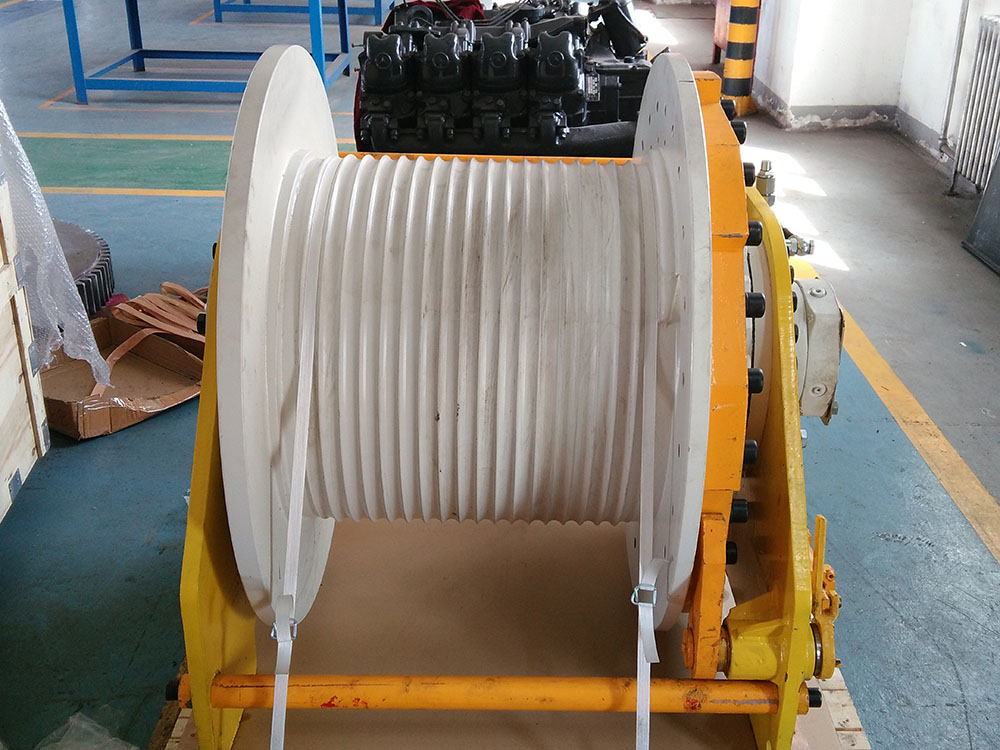
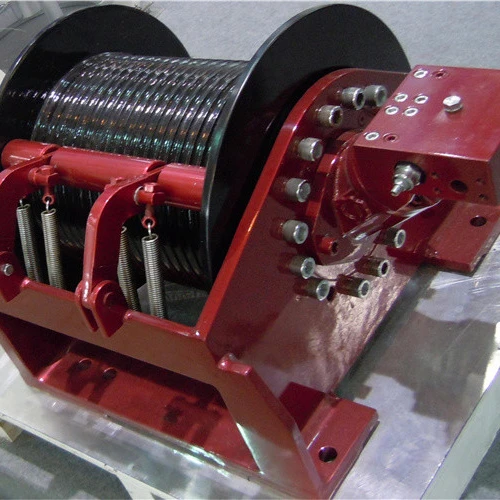
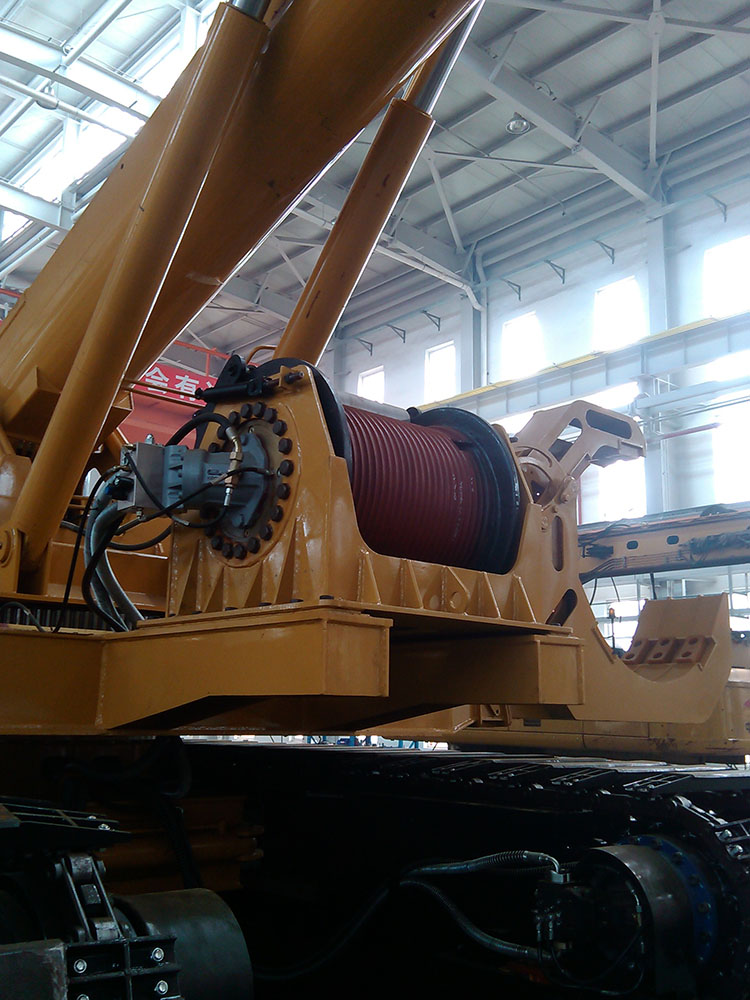
In simple terms, a hydraulic PTO winch is a device mounted on vehicles that use fluid power (hydraulics) to generate pulling or lifting force, using the vehicle's PTO as its energy source. This system converts the rotational power from the vehicle’s engine into hydraulic pressure, which then drives the winch drum.
This equipment is favored not only because it integrates neatly with existing systems but also because of its durability and strong force output relative to its size. It’s the kind of tech that fits perfectly in busy, often unpredictable industrial or rescue environments.
Key Components of a Hydraulic PTO Winch
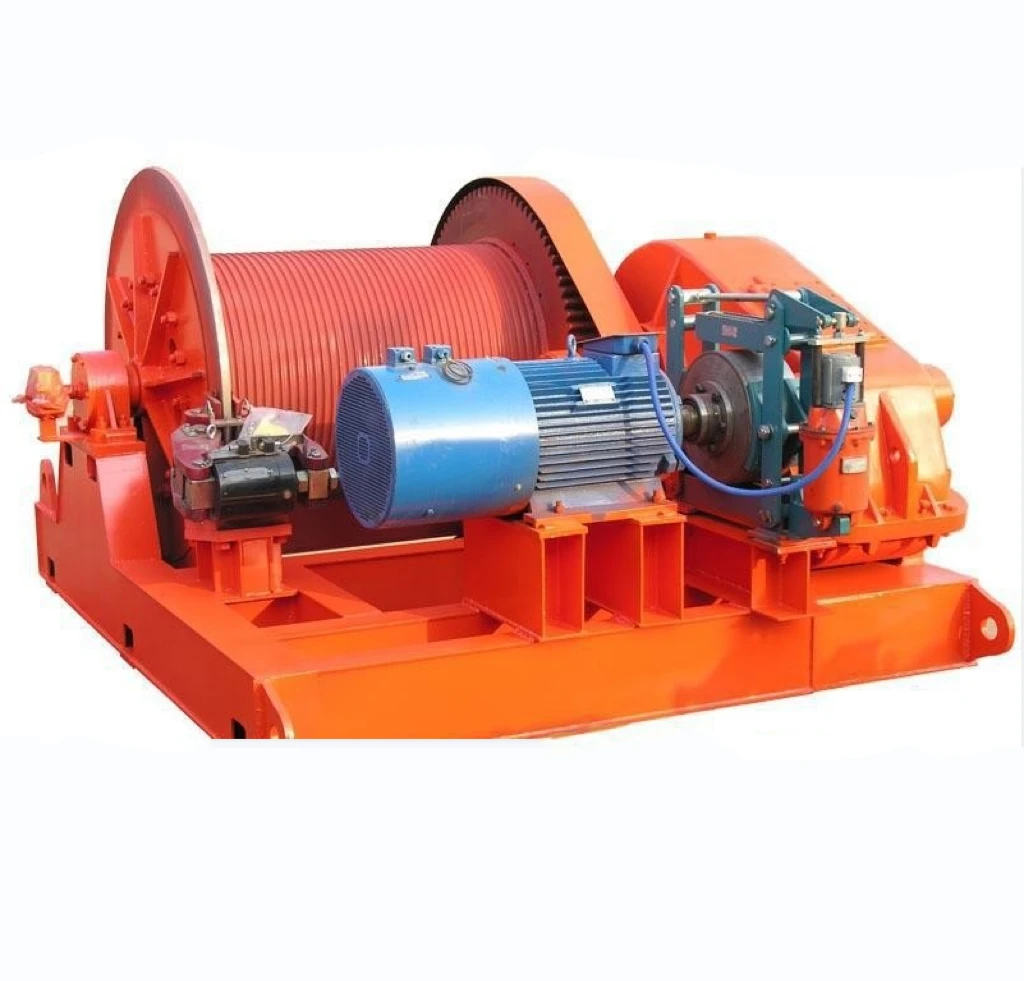
- Power Take-Off Unit: Interfaces with the vehicle’s engine to draw mechanical power.
- Hydraulic Pump: Converts mechanical power into hydraulic pressure.
- Hydraulic Motor: Drives the winch cable drum with precise control.
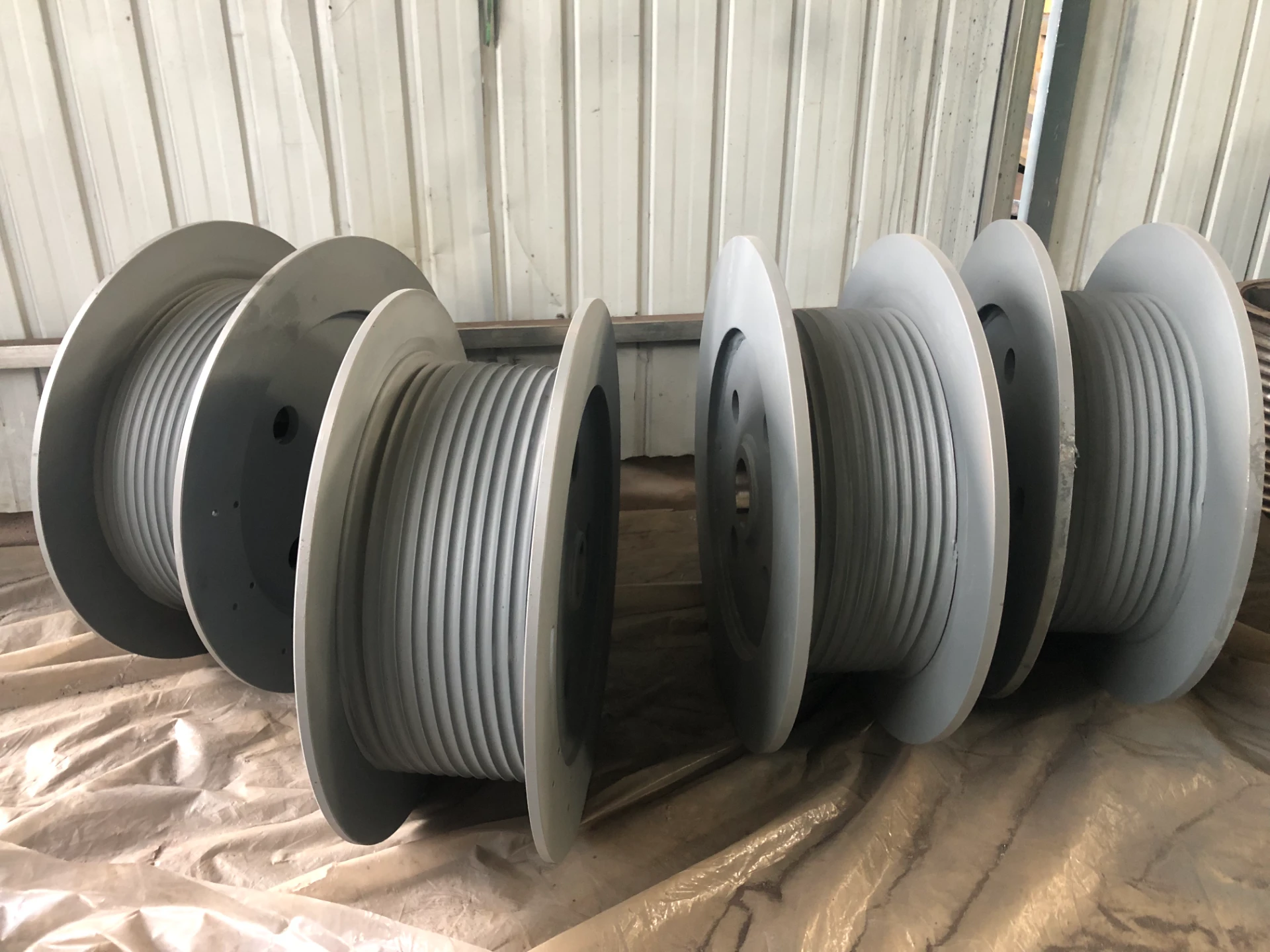
- Cable Drum and Cable: Holds and manipulates the pulling cable.
- Control Valve System: Enables the operator to modulate speed and tension.
Core Factors Driving Hydraulic PTO Winch Performance
Durability in Harsh Environments
Many engineers will tell you the true strength of a hydraulic PTO winch isn’t just how hard it can pull, but how well it lasts under constant stress — moisture, dust, impact, extreme temperatures. It’s no accident these are engineered with heavy-duty metal components and sealed hydraulic systems.
Scalability & Versatility
From small utility trucks to massive logging rigs, hydraulic PTO winches come in various sizes and configurations. That scalability lets operators tailor the solution to their exact needs, whether it’s a 3-ton pull or something much heftier.
Cost Efficiency Over Time
While initial investment might be higher than electric or gasoline standalone winches, the hydraulic PTO variant’s efficiency (by leveraging existing vehicle power) often leads to savings in fuel and maintenance in the long run.
Safety and Control
Modern winches include smart control valves for smooth, responsive operations, often integrated with vehicle safety systems, reducing risks during heavy lifting — a non-negotiable for hazardous operations.
Hydraulic PTO Winch Specifications at a Glance
| Feature | Typical Specification |
|---|---|
| Maximum Pulling Capacity | 5,000 to 20,000 lbs (2.3 to 9 metric tons) |
| Cable Length | 50 to 150 feet (15 to 45 meters) |
| Operating Pressure | 2,000 to 3,000 psi (138 to 207 bar) |
| Power Source | Vehicle PTO via hydraulic system |
| Control | Remote or hydraulic valve lever |
How Industries and Regions Make Use of Hydraulic PTO Winches
From Northern Europe’s logging companies to African humanitarian agencies, these winches get around. They’re the unsung heroes behind efficiently clearing fallen trees, hauling heavy loads off-road, and even retrieving vehicles stuck in disaster aftermaths.
For example, the UN’s disaster recovery teams frequently deploy vehicles fitted with these winches to assist with search-and-rescue in flood-affected zones. Similarly, oil and gas services in remote regions of Canada rely on hydraulic PTO winches to move equipment safely and precisely over rough terrain.
In Southeast Asia’s expanding construction markets, integrating these winches into utility vehicles cuts downtime and improves safety, helping development projects press forward amid challenging logistics.
Vendor Comparison Table for Hydraulic PTO Winches
| Vendor | Pricing | Pull Capacity | Warranty | Additional Features |
|---|---|---|---|---|
| Industrial Winch Co. | $$$ | Up to 15,000 lbs | 3 years | Remote control, stainless steel cable |
| WinchPro Ltd. | $$ | Up to 10,000 lbs | 2 years | Compact size, variable speed control |
| LBS Winch Systems | $$$ | Up to 20,000 lbs | 5 years | Heavy-duty, customizable, enhanced safety valves |
Tangible Benefits of Using Hydraulic PTO Winches
What sticks out about hydraulic PTO winches isn’t just raw power. They’re cost-efficient in operation, minimize fuel consumption by tapping the vehicle PTO, and have fewer moving parts than some electric models — meaning less wear and tear. Users often comment on improved operator confidence thanks to smoother control and reliable performance.
Emotionally, there’s something reassuring in knowing your machinery won’t quit in that critical moment — whether you’re pulling a patient out of a ditch or extricating heavy equipment stuck in mud. The dignity of safe, efficient rescue or operations is sometimes overlooked but makes a compelling case for these winches.
Emerging Trends and Future Innovations
Looking ahead, innovations such as integrated IoT sensors to monitor load and wear are beginning to appear on hydraulic PTO winch models. This speaks to a larger move towards smart, connected industrial tools.
More environmentally conscious designs are trending, too. Low-leakage hydraulic circuits and bio-degradable hydraulic fluids show how manufacturers respond to stricter sustainability regulations. Frankly, with the surge in green energy vehicles, adapting PTO-driven systems to electric or hybrid drivetrains is an exploration field that’s bound to open up new possibilities.
Common Challenges and How the Industry Tackles Them
Hydraulic PTO winches aren’t flawless, of course. Some limitations include complexity in maintenance, potential hydraulic leaks, and the initial cost barrier for smaller operators.
Industry experts recommend routine hydraulic fluid checks and using modular parts to ease repairs. Some companies now focus on plug-and-play units that simplify installation and reduce downtime — a vital solution in crisis-response scenarios.
FAQs About Hydraulic PTO Winches
- Q: How do I choose the right pull capacity for my hydraulic PTO winch?
- A: Assess the heaviest load you expect to move, then select a winch rated comfortably above that weight (usually 20-30% extra) to ensure safety and longevity.
- Q: Can hydraulic PTO winches be installed on any vehicle?
- A: Not all. The vehicle must have a compatible PTO system and adequate hydraulic flow. Consult with vendors like LBS Winch for tailored fitment.
- Q: What maintenance does a hydraulic PTO winch require?
- Regular inspection of hydraulic fluid levels, seals, and cable condition is essential to avoid failure. Follow the manufacturer’s schedule closely for best results.
- Q: Are hydraulic PTO winches energy efficient?
- Yes, they leverage the vehicle’s existing power source, reducing extra fuel or electricity consumption compared with standalone powered winches.
- Q: How do hydraulic PTO winches improve safety in industrial settings?
- Precise control and integrated safety valves allow operators to manage loads carefully, reducing risk during lifting or pulling operations.
Wrapping It Up: The Lasting Value of Hydraulic PTO Winches
Hydraulic PTO winches are more than just powerful tools; they’re enablers of efficiency, safety, and reliability across many sectors worldwide. From remote logging operations to disaster relief, they bring a versatility and ruggedness that few other solutions match.
If you want to explore a reliable, customizable, and efficient winch solution, visit our website and see how a hydraulic PTO winch can fit into your operation’s future.
Mini takeaway: Becoming familiar with hydraulic PTO winches today isn’t just about mechanics; it’s about embracing a crucial component in the global push for smarter, safer, and more sustainable industrial tools.
References
-
The Ultimate Guide to Gear Steels for Durability and PerformanceNewsApr.16,2026
-
High Performance Gear Stainless Steel for Industrial DurabilityNewsApr.09,2026
-
Comprehensive Guide to Steel Bevel Gears Applications and SelectionNewsApr.07,2026
-
Comprehensive Guide to Durable Stainless Steel Miter Gears and ApplicationsNewsApr.04,2026
-
Comprehensive Guide to Steel Spur Gears Functionality and ApplicationsNewsMar.31,2026
-
Comprehensive Guide to Durable Stainless Steel Spur Gears and Their ApplicationsNewsMar.28,2026