Hydraulic Log Skidding Winch for Tractors – Efficient Forestry Equipment Insights
Hydraulic Log Skidding Winches for Tractors: An Essential Tool in Modern Forestry
Imagine a tool that can dramatically improve efficiency, reduce manual labor, and enhance safety in the strenuous job of moving heavy logs out of dense forests. That’s exactly what a hydraulic log skidding winch for tractors does. Globally, as sustainable forestry and land management gain more importance, having reliable equipment to help extract timber quickly and ecologically is vital. Understanding how these winches work and why they matter opens doors not just for professional loggers but also for environmental planners and equipment suppliers.
Introduction: Why Hydraulic Log Skidding Winches Matter Globally
Forestry accounts for a significant chunk of the global economy — the Food and Agriculture Organization of the United Nations reports that woodfuel alone supplies energy to nearly 2.4 billion people worldwide. However, the challenge lies in harvesting timber in a way that balances operational efficiency with environmental care.
Enter the hydraulic log skidding winch for tractors. These devices are engineered to pull logs with power and precision, often where fancy machinery can’t reach, like steep slopes or dense woodland that must remain intact. Statistics from the International Organization for Standardization (ISO) and industry sources point out that mechanizing log extraction reduces injuries by 30-50% in many regions, while simultaneously cutting transport times nearly in half.
So, the key problem these winches solve? How to move heavy logs safely yet quickly without devastating landscapes or exhausting workers.
What Is a Hydraulic Log Skidding Winch for Tractors?
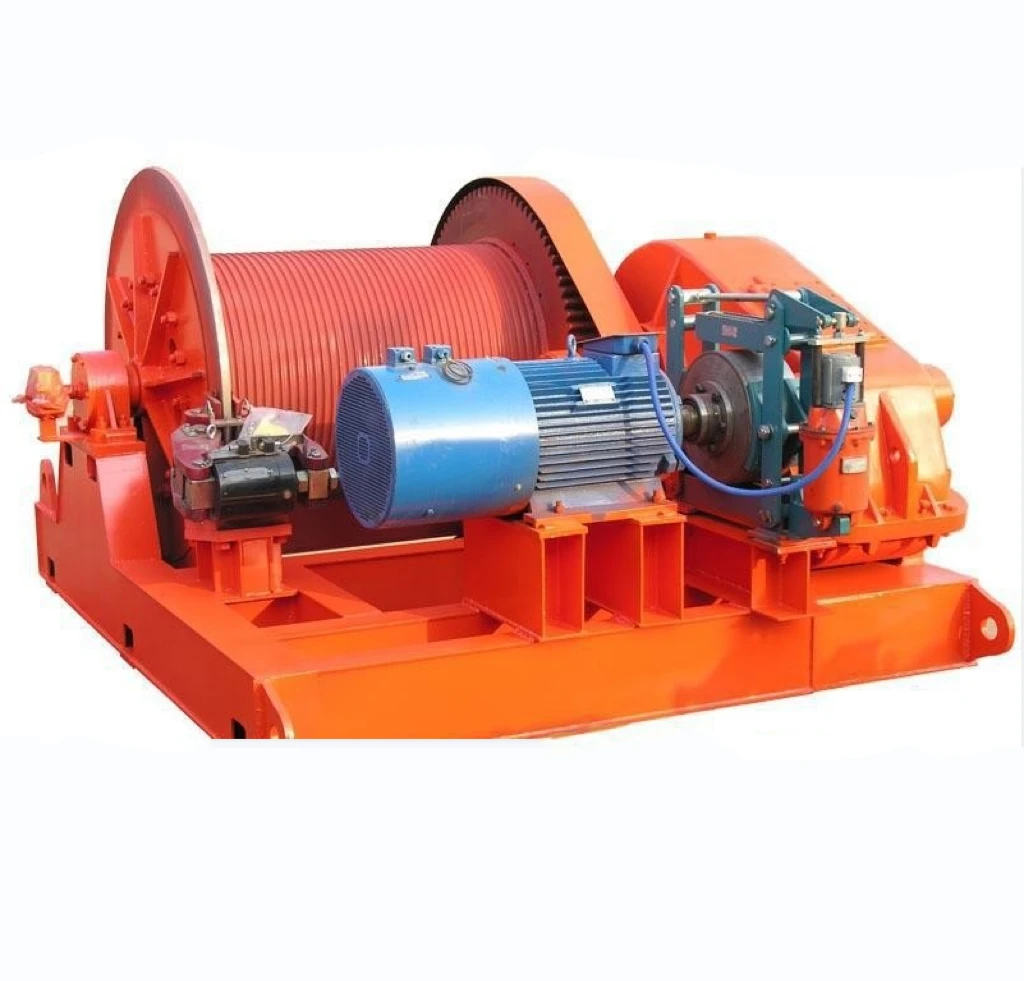
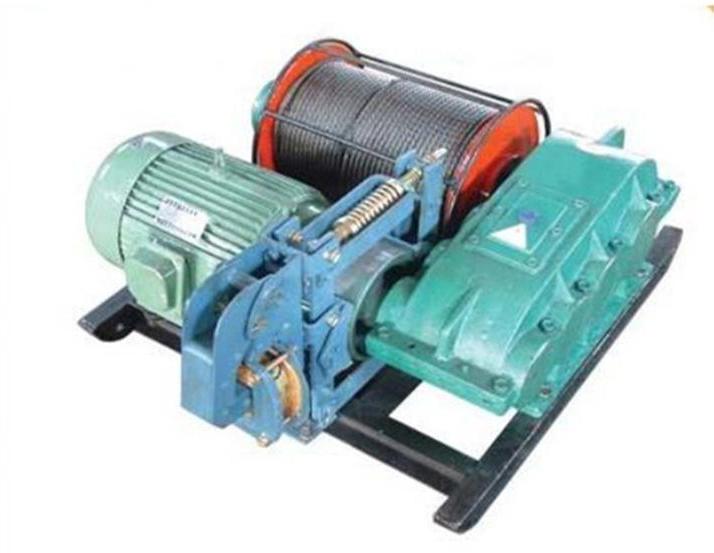
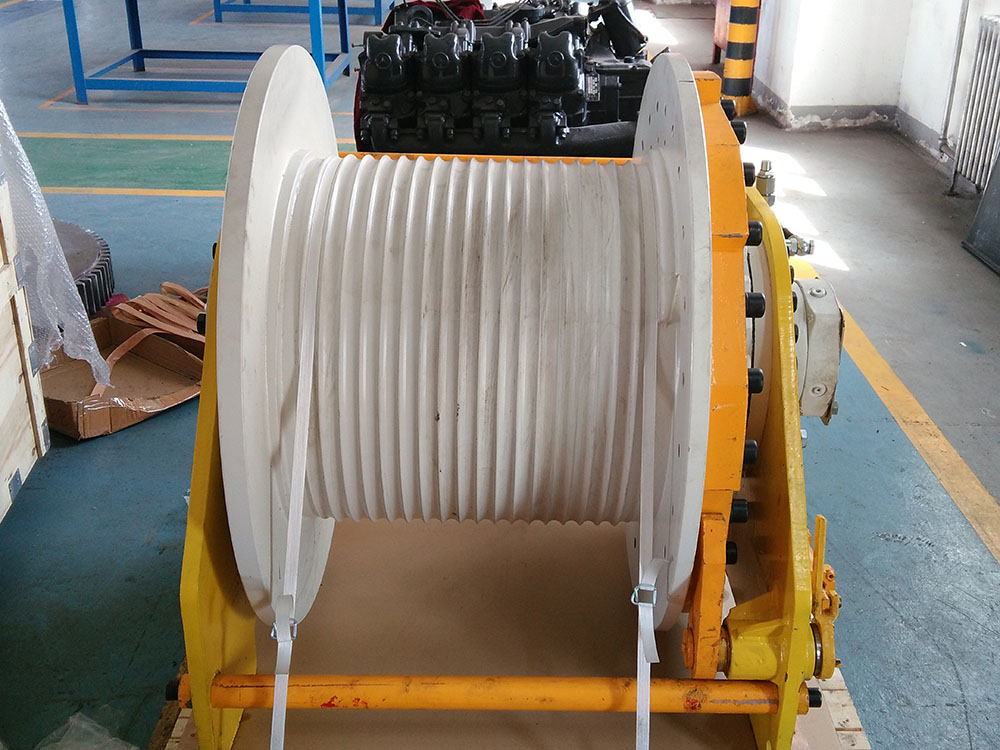
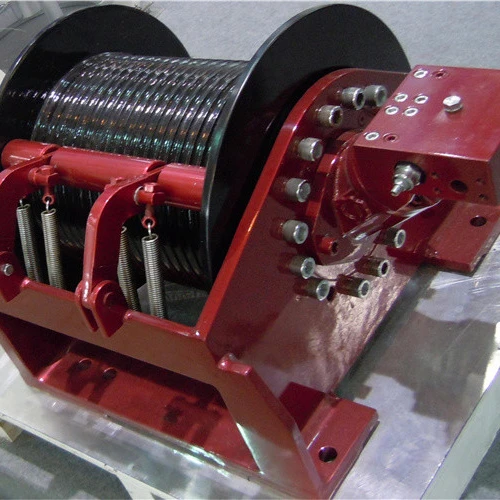
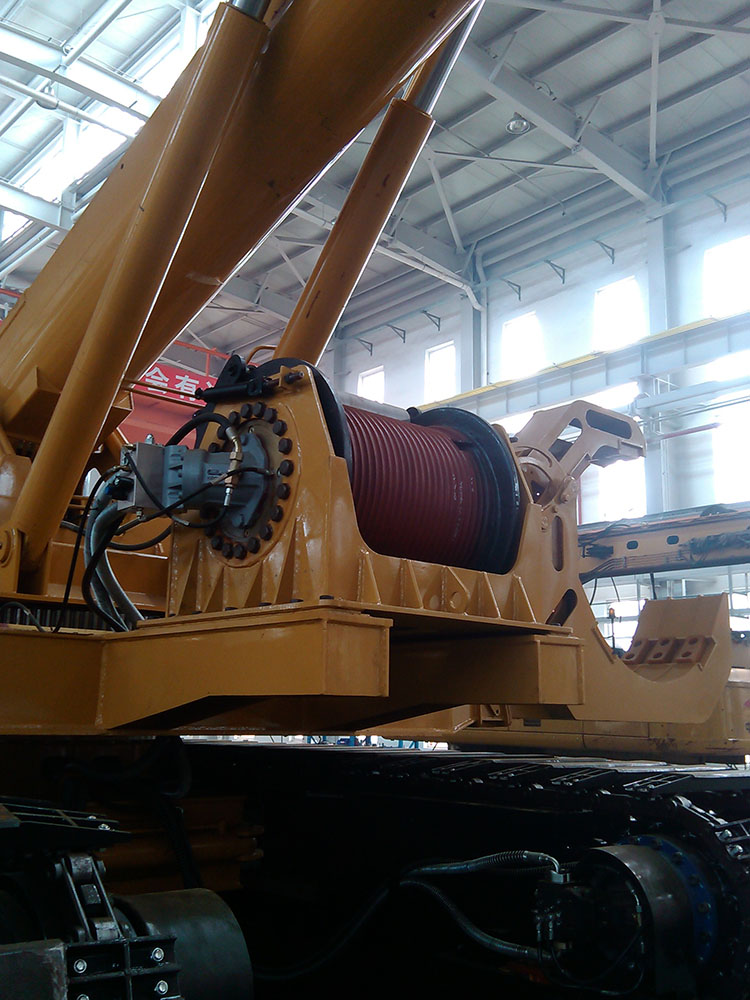
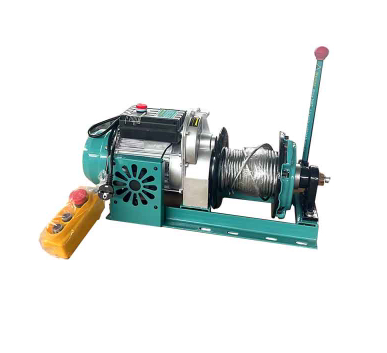
At its core, a hydraulic log skidding winch is a powerful device bolted onto a tractor, using hydraulic fluid pressure to reel in strong cables attached to felled trees or logs. Unlike electric winches, they boast superior torque and constant pulling power, making them indispensable for forestry operations.
This equipment is tailored to integrate with modern tractors, contributing to a multi-purpose machine that’s adapted for forestry, agriculture, or even construction when needed. The skidding winch’s relevance extends from commercial logging to humanitarian uses like clearing debris in disaster-hit forests to aid relief efforts.
Core Components That Define Quality and Performance
1. Durable Construction
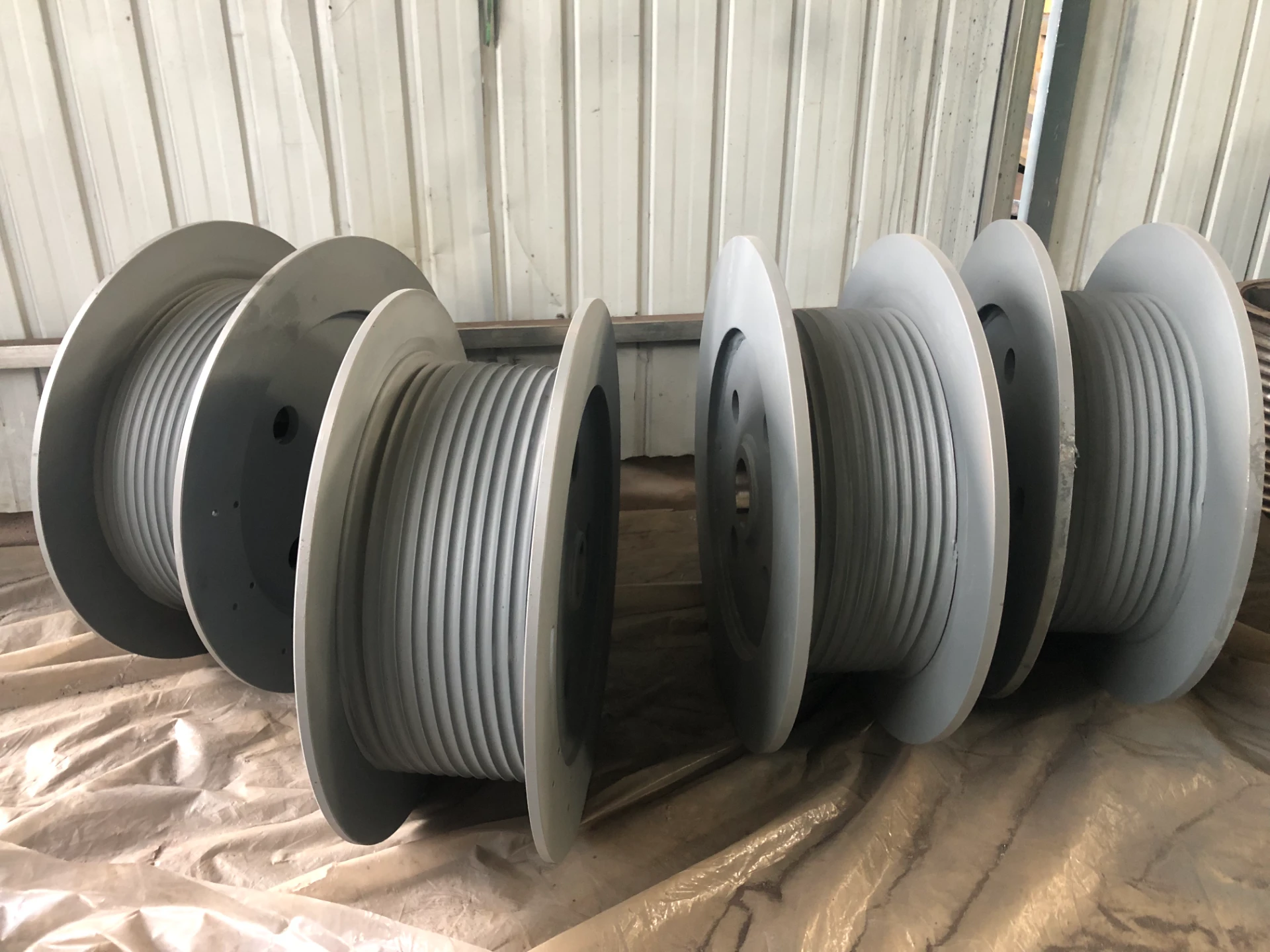
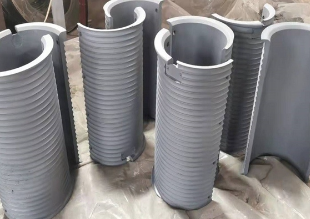
The ruggedness of the steel drum and gearbox is crucial. Skidding involves massive loads, so the device must withstand continuous strain and abrasive conditions. Many manufacturers employ hardened steel and corrosion-resistant coatings.
2. Efficient Hydraulic System
The heart of this winch is its hydraulic motor, which transforms fluid pressure into rotational power. Systems with variable displacement pumps offer precise control, enabling operators to modulate speed and force — critical when maneuvering sensitive environments.
3. Safety Features
Modern hydraulic skidding winches come with emergency brakes or automatic locking mechanisms to prevent uncontrolled spool-out. Given the dangers in forestry, these features are non-negotiable.
4. Portability & Scalability
Since forestry landscapes vary wildly, a winch that mounts easily on various tractor models and can handle a range of loads adds significant versatility.
5. Cost Efficiency
Lower fuel consumption due to hydraulic operation and reduced labor time means overall operational savings, a prime consideration for contractors and smallholders alike.
Quick Takeaway:
- Hydraulic log skidding winches convert hydraulic fluid power into the muscle needed to pull hefty logs over tough terrain.
- Durability, safety, and cost savings form the triumvirate that makes these winches popular worldwide.
Global Applications: From Remote Forests to Disaster Zones
Forestry companies in Canada, Russia, and Scandinavia have long relied on hydraulic skidding winches to haul timber in cold, dense forests where efficiency and environmental preservation must coexist.
Meanwhile, NGOs working in recovery zones — say, after wildfires in Australia or hurricanes in the US Southeast — use these machines to clear fallen timber quickly and safely, enabling faster access for emergency vehicles.
Even artisanal loggers in Southeast Asia or Africa find them valuable, especially the smaller, tractor-mounted versions that don’t require heavy infrastructure.
Real-World Example:
A medium forestry operation in Oregon managed to reduce skidding times by 40% after upgrading to hydraulic winches, noticeably easing workers’ fatigue and improving safety records.
Advantages & Long-Term Value
- Cost-Effective Operation: Hydraulic systems maximize power with less fuel.
- Sustainability: Minimizes soil disturbance by controlling pull forces.
- Safety Improvements: Eliminates much of the manual muscle work, reducing injuries.
- Reliability: Designed for tough, unpredictable forest conditions.
- Social Impact: Enhances working conditions and speeds operations, creating more sustainable local economies.
Frankly, it’s not just about pulling logs — it’s about trust, dignity for forest workers, and respect for nature’s limits.
Looking Ahead: Innovations and Emerging Trends
We’re seeing a push towards eco-friendly hydraulics fueled by advances in green energy and biodegradable oils. Some manufacturers are integrating IoT-enabled sensors, allowing real-time monitoring of load stresses and environmental impact.
Automation and remote controls could soon revolutionize how operators handle winches, making the process safer and accessible to less experienced users. There's also buzz around modular winches that can quickly adapt to different tractor types or even be used as standalone units.
Addressing Challenges & What’s Being Done
Challenges remain — for instance, the risk of hydraulic leaks contaminating delicate forest ecosystems or the upfront cost prohibiting small operators. Industry engineers are tackling these with sealed-system improvements and leasing or pay-per-use models.
I’ve heard many users say that strategic training on hydraulic winch use cuts down on accidents and prolongs machine life, which seems obvious but is often overlooked.
Hydraulic Log Skidding Winch for Tractors: FAQ
- Q1: How much load can a typical hydraulic log skidding winch handle?
- A: Most tractor-mounted hydraulic skidding winches can handle pulling forces between 5,000 to 15,000 lbs, enough for large logs. The exact capacity depends on winch specification and tractor hydraulic flow.
- Q2: Are these winches compatible with all tractor brands?
- A: Many are designed for universal mounting but always check specs. Adjustable brackets and hydraulic couplers help ensure compatibility with popular tractor models.
- Q3: What maintenance does a hydraulic log skidding winch require?
- A: Routine checks include inspecting hydraulic hoses for leaks, lubricating bearings, and ensuring the brake system functions properly to maintain safety and longevity.
- Q4: Can the use of hydraulic winches reduce environmental impact?
- A: Yes, by allowing controlled, precise skidding, they minimize soil damage and reduce the need for heavy equipment traversal.
- Q5: Where can I find reliable suppliers of these winches?
- A: Leading forestry suppliers, equipment dealerships, and specialized websites like hydraulic log skidding winch for tractors offer a variety of options suited to different budgets and needs.
Specification Table: Example Hydraulic Log Skidding Winch Model
| Specification | Details |
|---|---|
| Max Pulling Force | 12,000 lbs (54 kN) |
| Cable Length | 100 m (330 ft) steel cable |
| Hydraulic Flow Requirement | 30 - 40 L/min @ 2000 PSI |
| Brake System | Automatic mechanical drum brake |
| Weight | 180 kg (400 lbs) |
Vendor Comparison Table
| Vendor | Price Range (USD) | Max Pulling Force | Special Features | Warranty |
|---|---|---|---|---|
| Forestry Pro Tools | $2,300 - $3,000 | 10,000 lbs | Remote control option | 2 years |
| LBS Winch Co. | $2,500 - $3,200 | 12,000 lbs | Hydraulic flow monitoring | 3 years |
| TimberTech Solutions | $1,900 - $2,700 | 9,000 lbs | Lightweight design | 1.5 years |
Final Thoughts
When you step back and think about it, the hydraulic log skidding winch for tractors is more than just a machine—it's a bridge connecting technology, nature, and human effort. They streamline operations globally, from rugged mountain forests to emergency zones, carrying a legacy of innovation and practical impact.
If you want to explore your options or find a reliable model that matches your needs, visit hydraulic log skidding winch for tractors — their expertise is evident in the quality and service.
Here’s a quick takeaway: this tool saves time, protects workers, and generally makes forestry smarter.
References
-
The Ultimate Guide to Gear Steels for Durability and PerformanceNewsApr.16,2026
-
High Performance Gear Stainless Steel for Industrial DurabilityNewsApr.09,2026
-
Comprehensive Guide to Steel Bevel Gears Applications and SelectionNewsApr.07,2026
-
Comprehensive Guide to Durable Stainless Steel Miter Gears and ApplicationsNewsApr.04,2026
-
Comprehensive Guide to Steel Spur Gears Functionality and ApplicationsNewsMar.31,2026
-
Comprehensive Guide to Durable Stainless Steel Spur Gears and Their ApplicationsNewsMar.28,2026