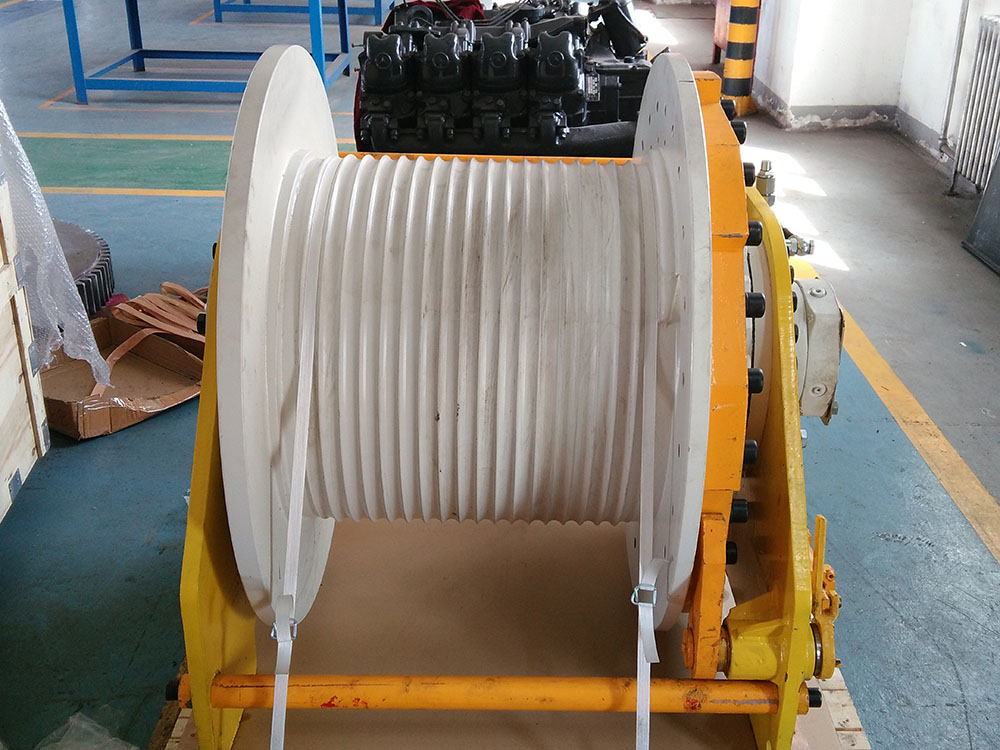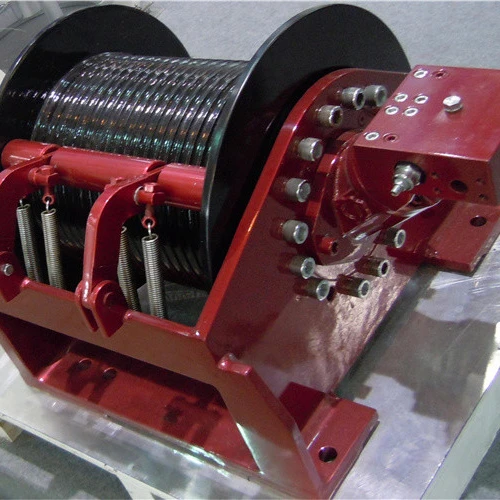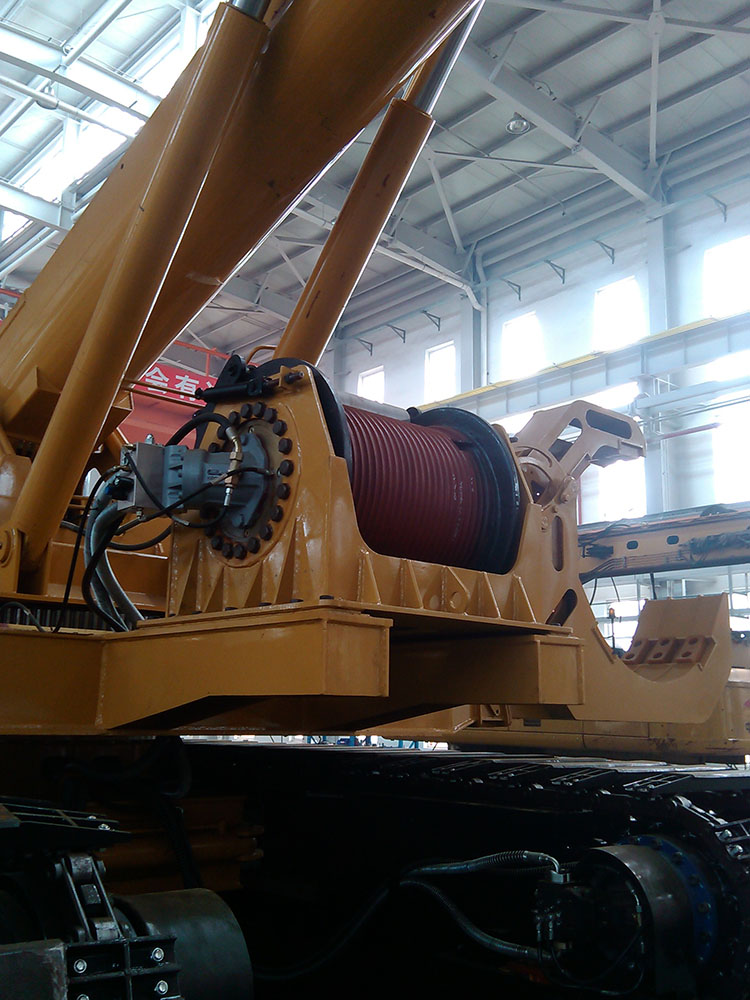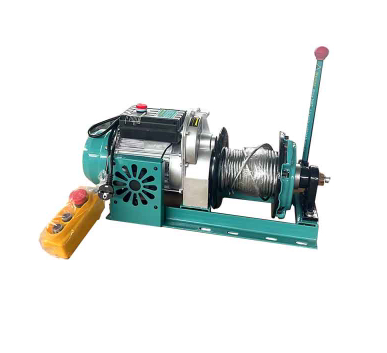
Hydraulic Planetary Winch – Powering Safe & Efficient Heavy Lifting Worldwide
Understanding Hydraulic Planetary Winches: Why They Matter Worldwide
Hydraulic planetary winches? You might think of winches as old-school gear from dockyards, film sets, or climbing rigs. But actually, hydraulic planetary winches are quietly powering some of the most demanding industries globally — from oil rigs far offshore to remote humanitarian missions. They’re mechanical workhorses that combine hydraulic power with the genius of planetary gear systems, offering unmatched torque in a compact design.
Why should you care? Well, these winches are integral in situations where safe, reliable, and heavy-duty load handling is non-negotiable. Understanding them isn't just for engineers; it’s for anyone concerned about global infrastructure, disaster response logistics, or the future of industrial automation. Knowing their strengths and limits can mean faster builds, safer operations, and, frankly, lives saved in critical moments.
Hydraulic Planetary Winch in a Global Context
Globally, industries are growing ever more reliant on mechanical systems that combine power, precision, and adaptability. The hydraulic planetary winch has found its niche amid this shift. According to the International Organization for Standardization (ISO), safety and efficiency in lifting equipment have become paramount — particularly where environmental conditions are harsh or urban infrastructure is stretched to its limits.
Consider disaster zones in Southeast Asia or infrastructure projects in the Gulf of Mexico — the hydraulic planetary winch offers the muscle and control systems that often make or break the operation. The World Bank estimates over $1 billion annually is spent worldwide on infrastructure repair and development where such equipment is crucial (source: World Bank Infrastructure Report, 2023).
However, challenges like equipment downtime, maintenance complexity, and energy efficiency remain. That’s what makes understanding the attributes of hydraulic planetary winches a timely conversation.
So, What Exactly Is a Hydraulic Planetary Winch?
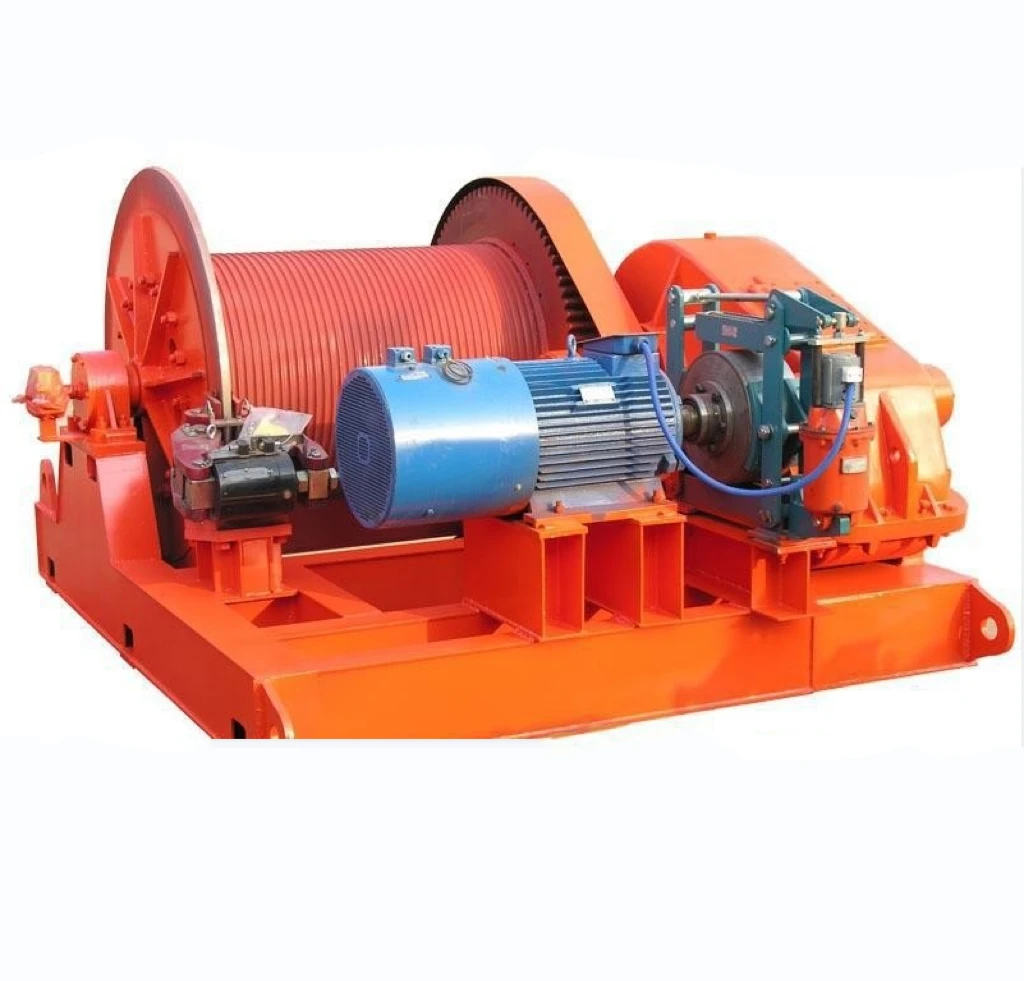
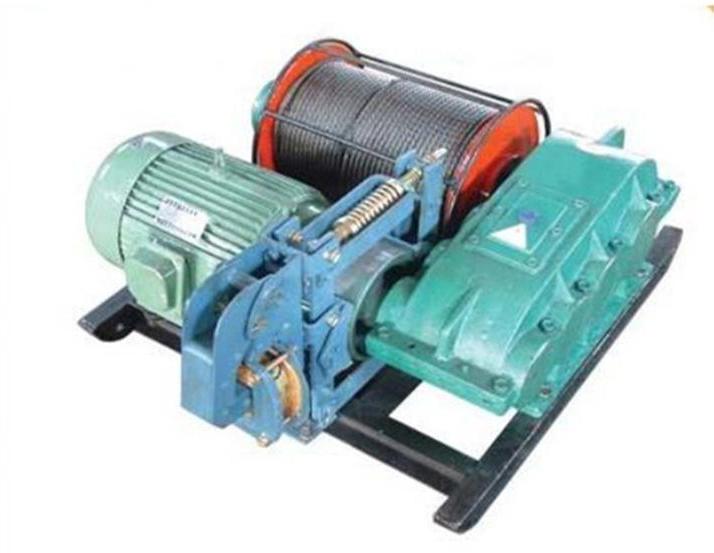
At its simplest, a hydraulic planetary winch is a specialized winching device powered by a hydraulic motor and equipped with a planetary gear system. The “planetary” bit means that multiple gears rotate around a central “sun” gear, distributing loads efficiently and boosting torque in a tight package.
Think of it as a winch on steroids — smooth, durable, and powerful, designed to haul or lift extremely heavy loads in tough environments where electric motors might falter. Industries like offshore drilling, forestry, construction, and even humanitarian relief rely on these devices to move and control loads safely and sustainably.
Core Components and Why They Matter
1. Durability & Ruggedness
Engineered for harsh conditions, hydraulic planetary winches use heavy-duty steel housings and corrosion-resistant coatings. This means they can operate in marine environments with salt spray or dusty deserts without breaking a sweat. Durability translates to fewer breakdowns and less downtime.
2. Compact Scalability
Planetary gear systems allow these winches to pack immense torque into smaller frames than traditional worm or spur gear mechanisms. Totally essential when space is tight — on a vessel deck, a rescue helicopter, or a cramped construction site.
3. Energy Efficiency
Hydraulic systems can offer more precise control and smoother operation when paired with efficient pumps and valves. This reduces fuel consumption — which adds up, especially in remote locations where every drop of diesel is hard-earned.
4. Safety Controls & Reliability
Most modern designs integrate fail-safes like automatic brakes and overload sensors. Operators can maintain tight control even under maximum load, reducing accidents — a non-negotiable in hazardous work zones.
5. Versatility and Customization
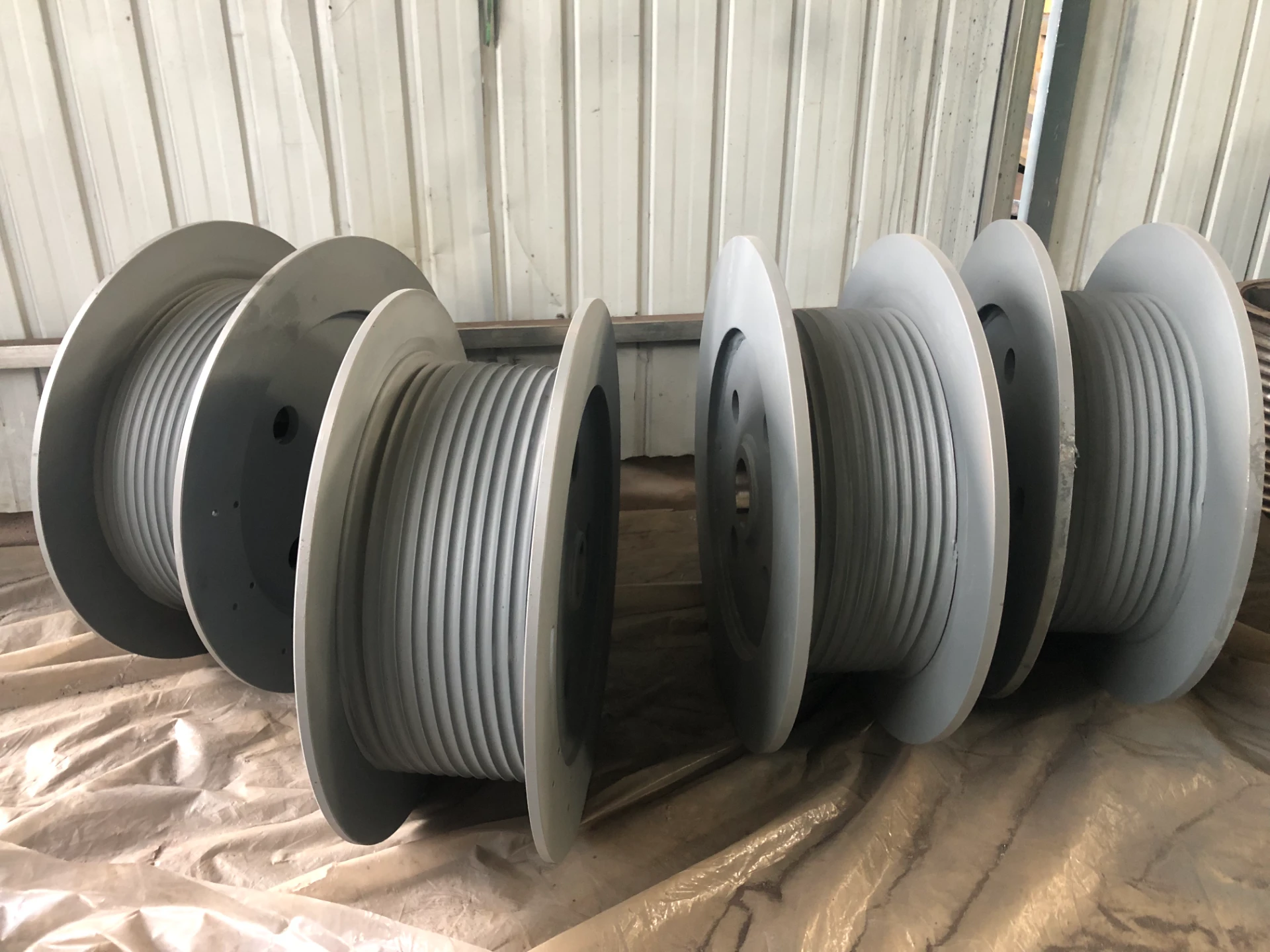
Different drum sizes, pull capacities, and mounting options allow these winches to be tailored for everything from quick rescue hoisting to continuous heavy-duty pull operations in mining.
How Are Hydraulic Planetary Winches Used Worldwide?
Their footprint is pretty wide, which often surprises newcomers. Here are some prime examples:
- Offshore Oil & Gas: Used extensively in anchor handling, mooring, and pipe laying due to their power and redundancy.
- Disaster Relief: Agencies deploy hydraulic planetary winches to clear debris and move supplies in flood or earthquake zones — places where speed and reliability are crucial.
- Logging & Forestry: In rugged wilderness, these winches haul large timber with minimal environmental disturbance.
- Construction & Infrastructure: Highway projects, lift operations, and heavy installations frequently rely on these winches for safe load control.
- Military & Rescue Operations: Their compact size coupled with heavy-duty capability makes them ideal for rapid deployment vehicles and airborne applications.
For instance, in coastal Bangladesh’s cyclone recovery efforts, modular rescue units equipped with hydraulic planetary winches have drastically improved debris clearing speed — saving weeks of manual labor.
Advantages & Long-Term Value
When you ask operators about hydraulic planetary winches, several benefits top the list:
- Lower Total Cost of Ownership: Because they last longer and require less frequent maintenance, the upfront investment pays off over years.
- Sustainability: More efficient hydraulics mean less fuel, with many manufacturers now incorporating bio-hydraulic fluids — reducing environmental footprints.
- Safety & Trust: Reliable braking and smooth operation foster trust on site, which is invaluable for team confidence.
- Innovation & Flexibility: The ability to customize for specific tasks means businesses get a better fit, not a one-size-fits-all product.
Beyond dollars, it's about peace of mind in critical scenarios — that the system won’t fail when it matters most.
Product Specification Table
| Specification | Model A | Model B | Model C |
|---|---|---|---|
| Max Pull Capacity | 15,000 lbs | 25,000 lbs | 40,000 lbs |
| Drum Diameter | 14 inches | 18 inches | 22 inches |
| Hydraulic Pressure | 3,000 psi | 4,000 psi | 5,000 psi |
| Weight | 180 lbs | 300 lbs | 480 lbs |
| Safety Features | Auto-brake, overload sensor | Auto-brake, thermal cut-off | Enhanced auto-brake, remote monitor |
Comparing Top Hydraulic Planetary Winch Vendors
| Vendor | Price Range | Product Range | Warranty | Special Features |
|---|---|---|---|---|
| WinchCo | $$$ | 10 - 50k lbs, Various sizes | 5 years | Smart load monitoring |
| HydroWinch Ltd. | $$ | Up to 30k lbs, Standard models | 3 years | Bio-hydraulic fluid options |
| Global Winches Inc. | $$$$ | Wide heavy-duty range, custom sizes | 7 years | Remote diagnostics, digital controls |
Emerging Trends & the Future of Hydraulic Planetary Winches
It’s odd how even a tough old tool like a hydraulic planetary winch doesn’t sit still. New materials like advanced alloys and carbon composites are weakening the link between strength and weight, meaning winches soon will be lighter without compromising power.
Digital transformation is edging in, too. Imagine winches equipped with IoT sensors, feeding real-time data to operators, predicting wear, or preventing failures before they happen — sort of like a mechanical sixth sense. Plus, greener hydraulic fluids and energy recycling mechanisms are becoming the norm, aligning these winches with sustainability goals worldwide.
Challenges & How Experts Are Tackling Them
No gear is perfect, of course. Most issues with hydraulic planetary winches arise from complex maintenance demands and hydraulic fluid contamination. Many operators report downtime caused by seal failures or pump inefficiencies — frustrating and expensive.
Experts suggest modular designs that simplify component swaps and the use of condition monitoring technologies. Some manufacturers now offer sealed, maintenance-free units suitable for extremely remote or hazardous conditions, which is a big deal in places without easy workshop access.
FAQ: What You Really Want to Know About Hydraulic Planetary Winches
- Q: Can hydraulic planetary winches be used in cold climates?
A: Absolutely. Most models are tested for extreme temperatures, with specialized hydraulic fluids and seals that remain functional in sub-zero environments, making them suitable for Arctic or mountain operations. - Q: How heavy are these winches typically?
A: It varies by capacity. A 15,000 lbs pull winch might weigh around 180 lbs, whereas larger 40,000 lbs models can tip the scales near 480 lbs. Compact design still keeps them manageable for transport and installation. - Q: What maintenance does a hydraulic planetary winch require?
A: Routine checks focus on hydraulic fluid levels and cleanliness, seal integrity, and lubricating moving parts. Some models integrate smart sensors that alert operators before issues develop. - Q: Are remote control options available?
A: Increasingly yes. Many modern winches offer wireless or tethered remote controls, enhancing safety by keeping operators out of harm’s way, particularly on busy construction sites or offshore platforms.
Final Thoughts: Hydraulic Planetary Winches Keep the World Moving
Frankly, the hydraulic planetary winch is a testament to clever engineering — combining brute strength, compactness, and reliability in a way that feels both ancient and futuristic. From disaster zones to drilling rigs, and from forestry to high-tech shipyards, they quietly prove indispensable.
Long-term, their evolving designs promise a greener, smarter, and safer future for industries that depend on heavy lifting. If you need dependable winching, there's really no substitute.
Ready to explore what the latest hydraulic planetary winches can do for your operation? Visit our website https://www.lbswinch.com to learn more.
1. Wikipedia - Winch
2. ISO Standards on Lifting Equipment
3. World Bank Infrastructure Report 2023
-
The Ultimate Guide to Gear Steels for Durability and PerformanceNewsApr.16,2026
-
High Performance Gear Stainless Steel for Industrial DurabilityNewsApr.09,2026
-
Comprehensive Guide to Steel Bevel Gears Applications and SelectionNewsApr.07,2026
-
Comprehensive Guide to Durable Stainless Steel Miter Gears and ApplicationsNewsApr.04,2026
-
Comprehensive Guide to Steel Spur Gears Functionality and ApplicationsNewsMar.31,2026
-
Comprehensive Guide to Durable Stainless Steel Spur Gears and Their ApplicationsNewsMar.28,2026