Hydraulic Hoist and Winch: Global Impact, Technology & Future Trends
Why Hydraulic Hoist and Winch Matter Globally
Imagine lifting tons of equipment or pulling heavy loads smoothly without relying on bulky, noisy electric motors. That’s where the hydraulic hoist and winch come in — quietly and efficiently powering critical lifting and hauling operations worldwide. From construction sites in booming cities to remote humanitarian missions, their role is often unsung but vital. Understanding these machines means unlocking insights into safer, more sustainable industrial progress and emergency response.
Global Context: A Backbone for Heavy Lifting and Rescue
Globally, industries continue to push toward larger-scale projects — according to the International Labour Organization, construction workloads increased by over 15% in emerging economies in recent years. Meanwhile, the United Nations Office for Disaster Risk Reduction notes rising demand for efficient, reliable equipment in relief operations following natural disasters. Here, hydraulic hoists and winches fulfill a crucial niche.
Why? They deliver immense power with precision in environments where electrical resources are scarce or unsafe. Considering ISO standards on machinery safety improvements, these devices help combat operational risks and uptime concerns that plague traditional winches. But there’s a challenge: how to balance power, portability, and affordability — especially as industries become greener and more automated?
Defining Hydraulic Hoist and Winch: Simplicity in Power
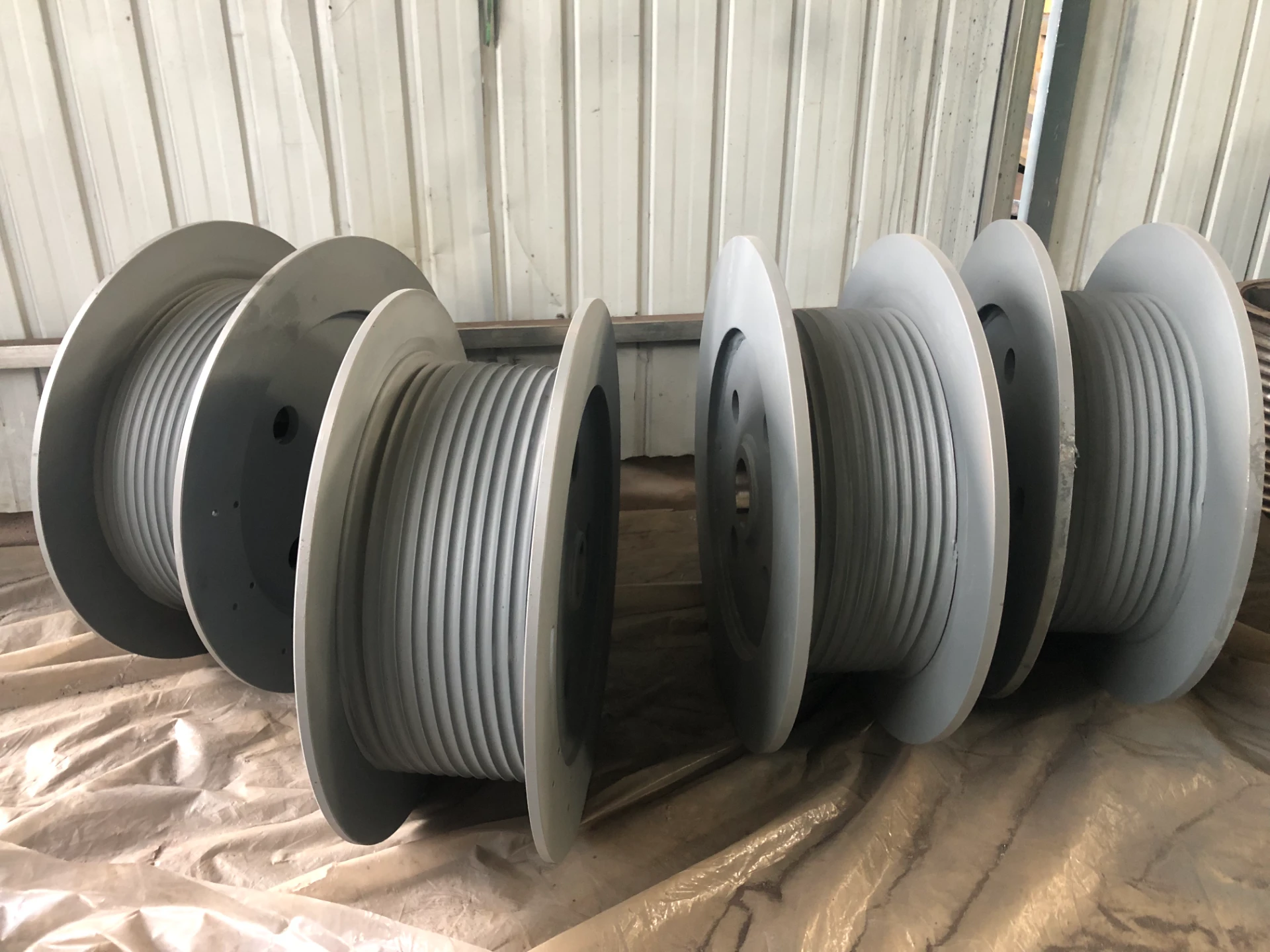
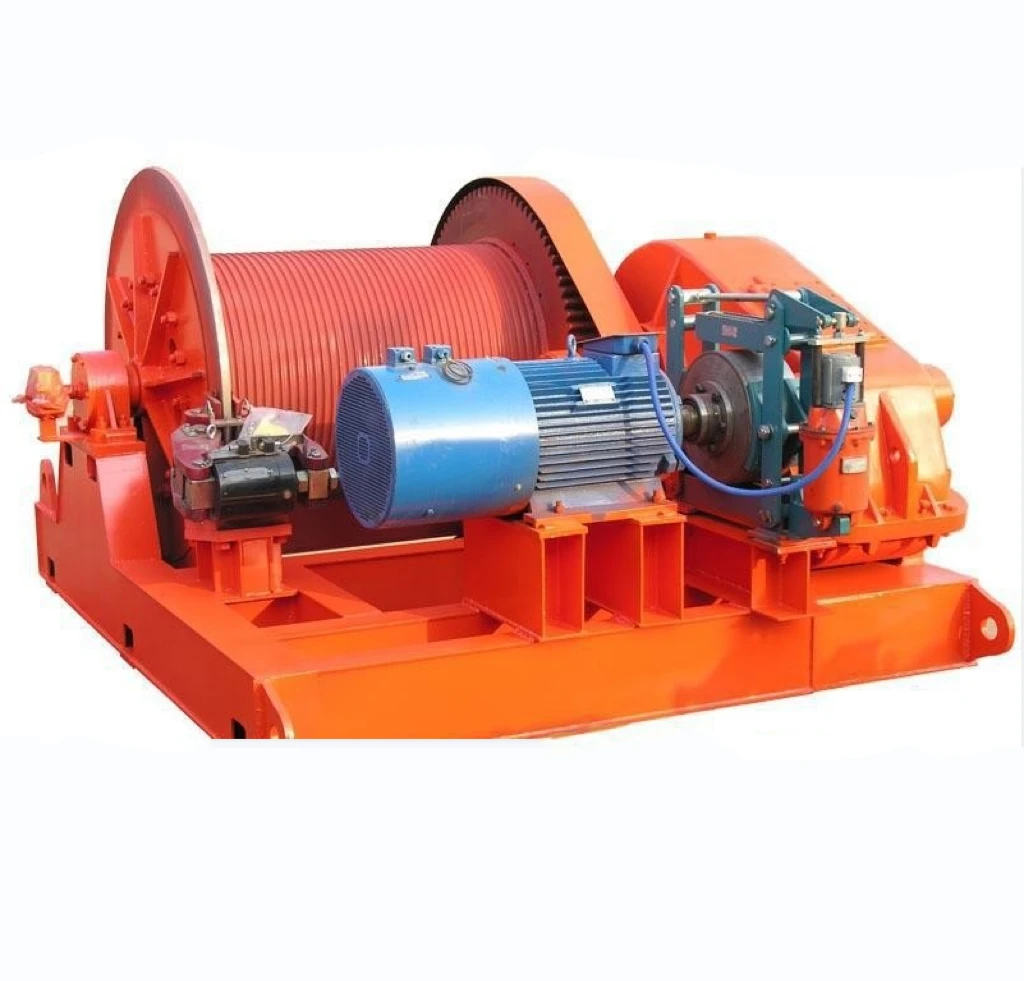
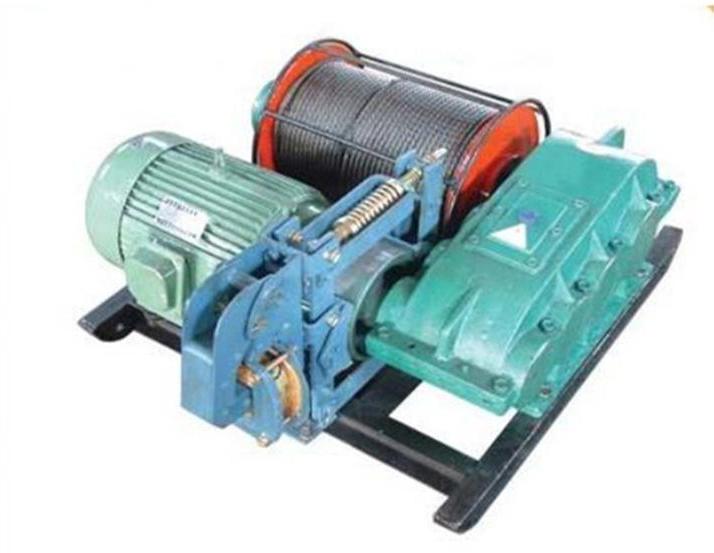
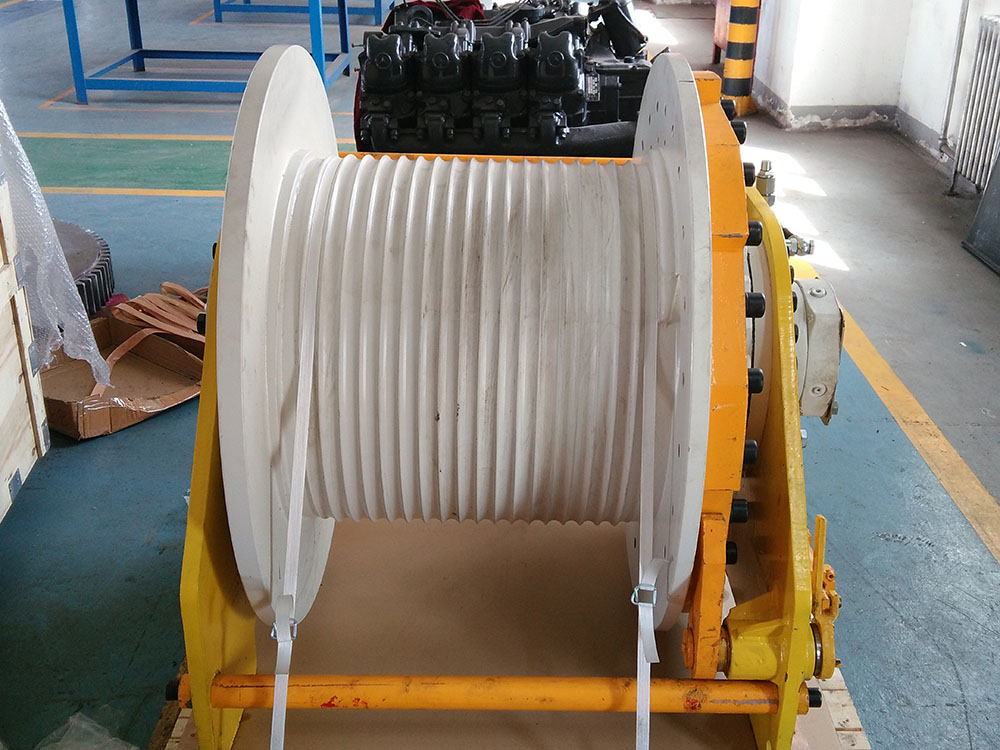
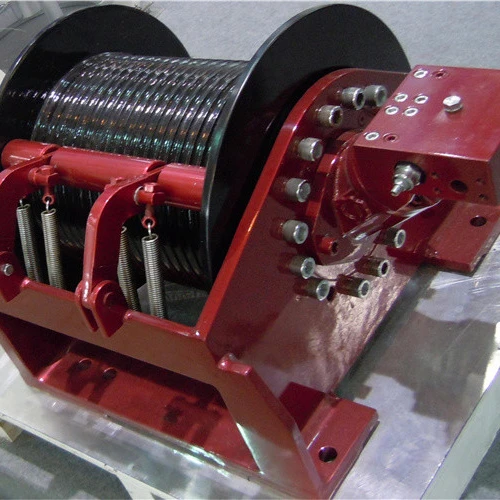
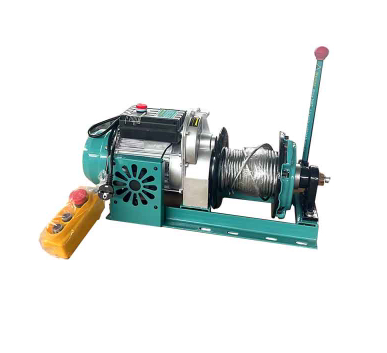
At its core, a hydraulic hoist or winch uses fluid pressure — typically oil — to generate mechanical force that lifts, pulls, or positions heavy loads. Unlike electric or manual devices, the hydraulic system’s strength depends on fluid dynamics, giving a smooth, highly controllable motion. So whether you’re raising a steel beam or pulling a rescue stretcher up a cliff, hydraulic hoists and winches offer reliable strength packed in surprisingly compact gearboxes.
The link to modern industry is clear: from oil rigs off the coast of Norway to humanitarian convoys in Southeast Asia, they serve as mechanical “muscle” where precision and robustness must coexist with rapid deployment and safety.
Core Features Driving Their Practicality
1. Durability
Hydraulic systems are famously rugged. They resist corrosion, perform well under extreme temperatures, and tolerate mishandling better than electric counterparts. It’s why mining and forestry sectors — not exactly gentle workplaces — swear by them.
2. Scalability
From small hoists used in vehicle recovery to giant winches hauling prefab buildings, their design is modular. Engineers can calibrate power output by adjusting cylinder sizes or flow rates, making them wildly versatile.
3. Cost Efficiency
While initial investments may appear steep, many operators find long-term savings in maintenance and fuel efficiency. Fewer moving parts than electric winches mean less downtime, and fluid systems can use widely available hydraulic oil.
4. Safety
The smooth, predictable movements reduce load swings and sudden jolts — both common causes of injury on site. Many come with built-in brakes and overload prevention technology.
5. Environmental Adaptability
Worksites with hazardous atmospheres, such as those near volatile gases, favor hydraulic systems due to the absence of electric sparks and simpler explosion-proof compliance.
How Hydraulic Hoists and Winches Make an Impact Worldwide
Think of disaster relief after a typhoon in the Philippines: roads blocked, buildings damaged, and supply chains chaotic. Portable hydraulic winches help clear debris or lift emergency shelters into place. In industrial zones across Africa’s mineral belt, hydraulic hoists move heavy machinery parts reliably while electrical infrastructure lags behind.
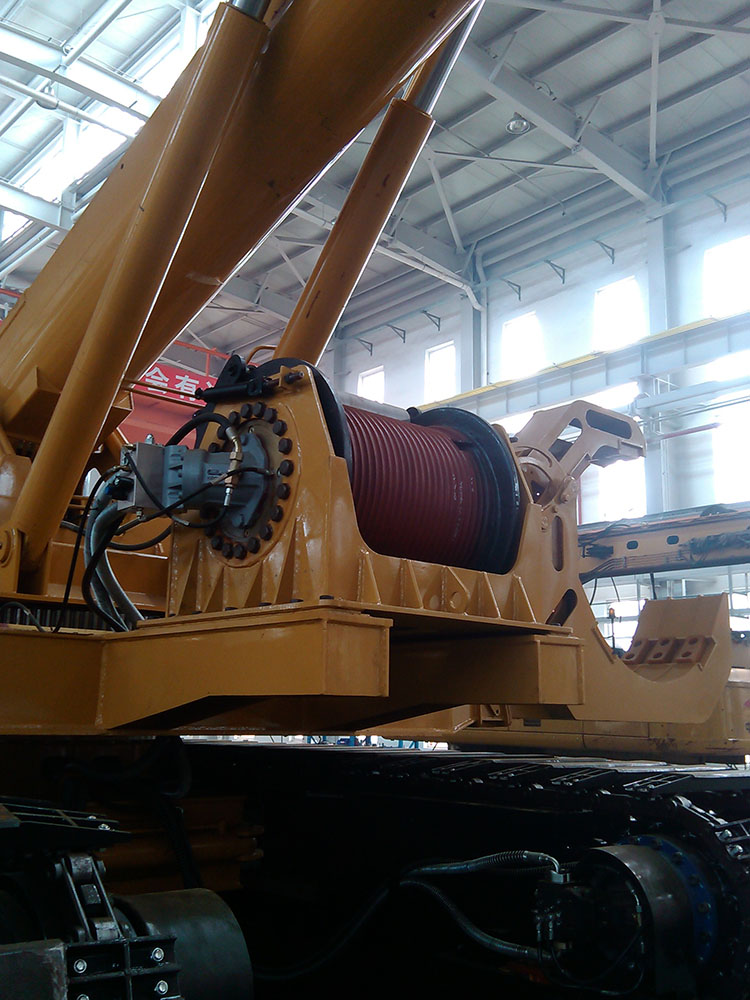
Crucially, these devices are vital in offshore oil and gas platforms where space is tight and reliability is non-negotiable. Even in developed regions, the forestry industry leans on powerful hydraulic winches embedded on tractors to extract timber efficiently with less environmental damage.
| Model | Lifting Capacity (tons) | Power Source | Line Speed (m/min) | Weight (kg) |
|---|---|---|---|---|
| HWH-300 | 3.0 | Hydraulic Pump | 12 | 85 |
| HWX-1000 | 10.0 | Diesel-Powered | 8 | 230 |
| EcoWinch 250 | 2.5 | Electric + Hydraulic | 14 | 95 |
The Lasting Value: Safety, Sustainability, and Trust
In real terms, the return on investment goes beyond simple numbers. Safety improvements over manual or electric alternatives mean fewer accidents, which—frankly—are priceless in human terms. Socially responsible companies increasingly use hydraulic hoists and winches as part of their commitment to sustainable operations. They cut down fuel consumption and unscheduled repairs.
And let’s not forget dignity — in humanitarian work, equipment that functions reliably gives relief workers the confidence needed to reach survivors swiftly and restore normalcy faster.
Emerging Trends in Hydraulic Hoist and Winch Technology
The future seems to be hydraulics married to digital controls — imagine smart winches that adjust speed and tension automatically, reporting performance data in real time. There’s also a big push toward biodegradable hydraulic fluids and lightweight composite materials to shrink environmental footprints. Collaboration with renewable energy sources, like solar-powered pumps, is on the horizon, making hydraulic hoist and winch systems cleaner and more efficient.
Addressing the Challenges: What Experts Say
Common limitations often cited include initial cost, system complexity, and maintenance skill gaps in some regions. Yet many engineers emphasize that with proper training and standardized parts, downtime reduces drastically. Innovations like mobile diagnostic tools make troubleshooting easier on remote sites, and modular designs enhance repairability.
Vendor Comparison: Choosing the Right Partner
| Vendor | Specialization | Global Reach | After-Sales Service |
|---|---|---|---|
| LBS Winch Co. | Hydraulic & Electric Hybrid Systems | 120+ Countries | 24/7 Global Support |
| PowerLift Solutions | Heavy-Duty Industrial Winches | 85 Countries | Regional Maintenance Centers |
| EcoHoist Ltd. | Eco-Friendly Fluid & Compact Models | 45 Countries | Online Troubleshooting Portals |
FAQ: Helpful Answers on Hydraulic Hoist and Winch
- Q1: Are hydraulic hoists better than electric winches for outdoor use?
- Hydraulic hoists excel outdoors due to their robustness and absence of electrical components that can short-circuit or spark in wet conditions. They generally require less maintenance in harsh environments, making them ideal for construction, forestry, or rescue work.
- Q2: How do I maintain my hydraulic winch to avoid downtime?
- Regularly check hydraulic fluid levels and quality, inspect hoses and seals for leaks, and follow manufacturer servicing schedules. Using recommended fluids and clean filters extends system life. Operator training also plays a vital role in preventing misuse.
- Q3: Can hydraulic hoists be used in explosive or hazardous atmospheres?
- Yes, because hydraulic hoists don’t rely on electrical motors at the lifting point, they tend to be safer in hazardous atmospheres. Still, ensure the system components meet relevant explosion-proof certifications before deployment.
- Q4: Is it possible to integrate digital monitoring with existing hydraulic winches?
- Increasingly, yes. Many vendors offer retrofit kits including sensors and controllers to provide load monitoring, tension feedback, and predictive maintenance alerts — a game changer in remote or safety-critical operations.
Wrapping Up
The hydraulic hoist and winch might not steal headlines like flashy new machinery, but their reliable, powerful presence underpins critical industries and emergency operations worldwide. Their adaptability, safety, and growing eco-friendliness make them a smart investment for anyone in the heavy-lifting game.
If you want to explore best-in-class solutions or learn more, do visit hydraulic hoist and winch specialists — they’ve got options to fit almost any scenario.
-
The Ultimate Guide to Gear Steels for Durability and PerformanceNewsApr.16,2026
-
High Performance Gear Stainless Steel for Industrial DurabilityNewsApr.09,2026
-
Comprehensive Guide to Steel Bevel Gears Applications and SelectionNewsApr.07,2026
-
Comprehensive Guide to Durable Stainless Steel Miter Gears and ApplicationsNewsApr.04,2026
-
Comprehensive Guide to Steel Spur Gears Functionality and ApplicationsNewsMar.31,2026
-
Comprehensive Guide to Durable Stainless Steel Spur Gears and Their ApplicationsNewsMar.28,2026