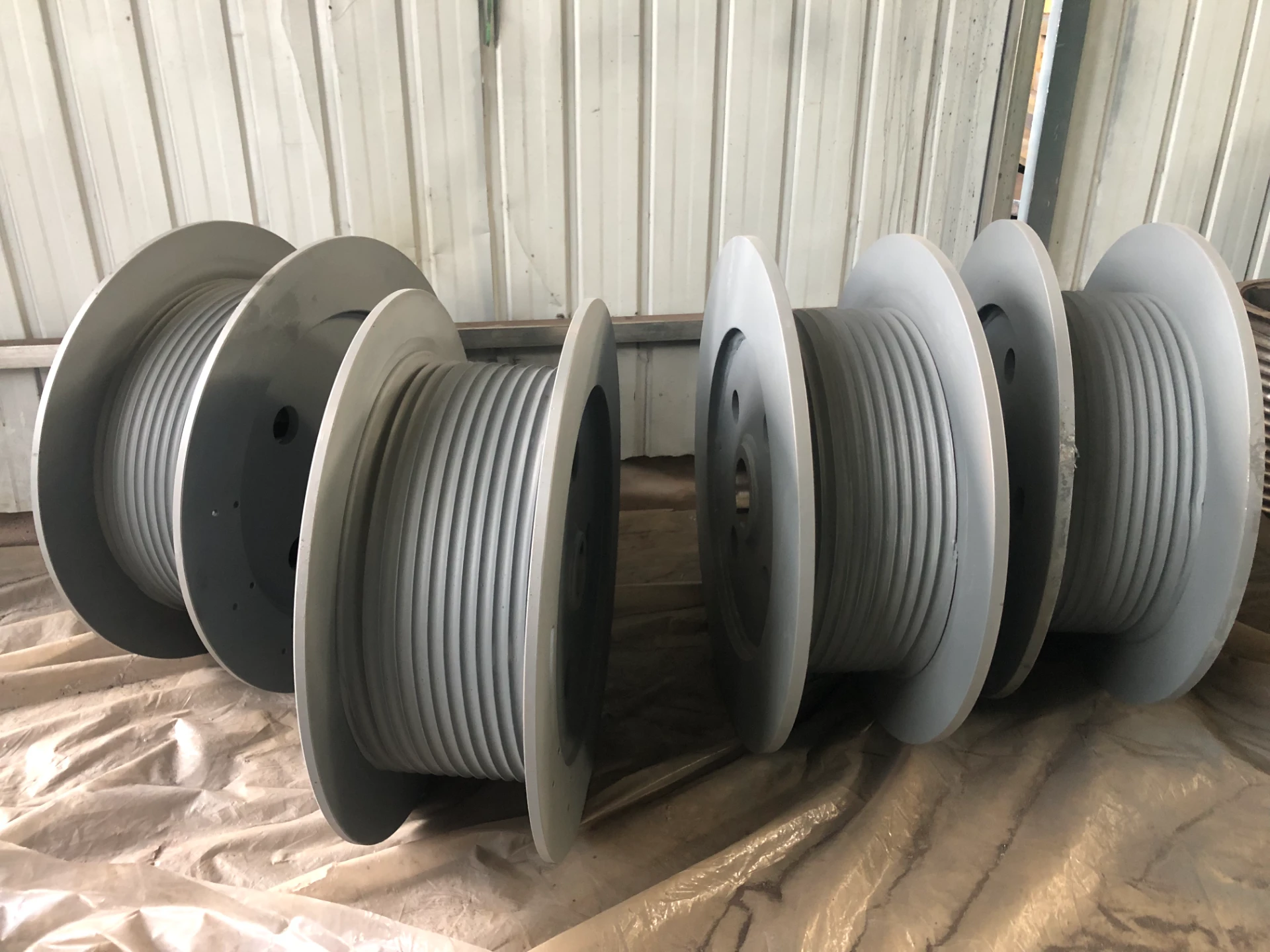
Hydraulic Tugger Winch - Essential Power Tools for Industrial Efficiency
Hydraulic Tugger Winch: Powering Industrial Efficiency Worldwide
If you've ever wondered how heavy loads are smoothly pulled or tensioned on construction sites, shipping yards, or even in rescue operations, the hydraulic tugger winch plays a silent yet crucial role. This smart piece of equipment, which uses hydraulic fluid pressure to generate pulling force, matters globally—not just for industry but also humanitarian and emergency efforts. In today’s complex environments, understanding these winches means appreciating how they boost productivity, enhance safety, and contribute to sustainable mechanical solutions.
Why Hydraulic Tugger Winches Are Essential in Modern Industry
Hydraulic tugger winches have steadily become a go-to solution wherever heavy loads need to be moved with precision and reliability. Globally, industries involved in construction, maritime operations, oil and gas extraction, and disaster relief increasingly rely on these machines. For example, according to the International Labour Organization, reducing manual handling at work sites decreases accidents by up to 50%, something hydraulic winches help accomplish by mechanizing heavy pulls.
Yet, challenges persist: the need for portable, easy-to-maintain power sources; adaptability in rugged environments; and increasing pressures to reduce carbon footprints. Hydraulic tugger winches uniquely address many of these issues through their design and function.
What Exactly Is a Hydraulic Tugger Winch?
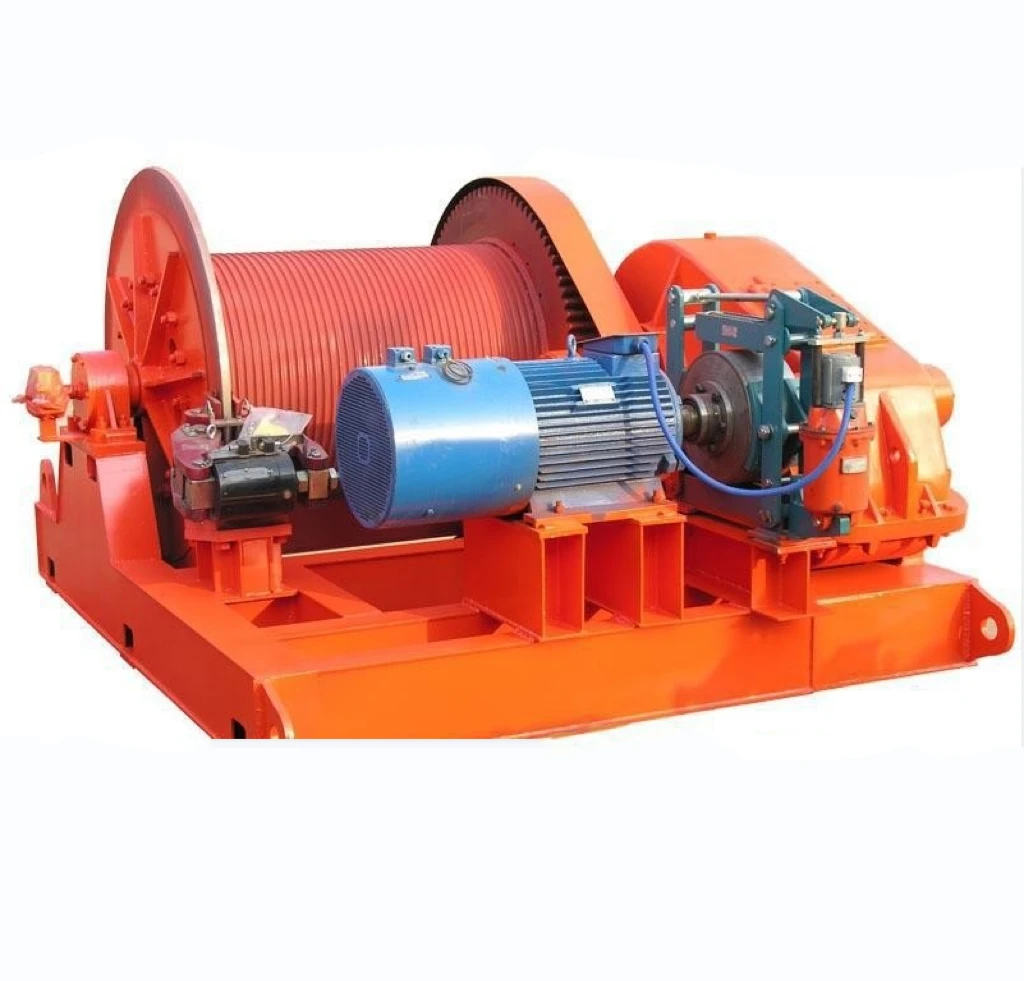
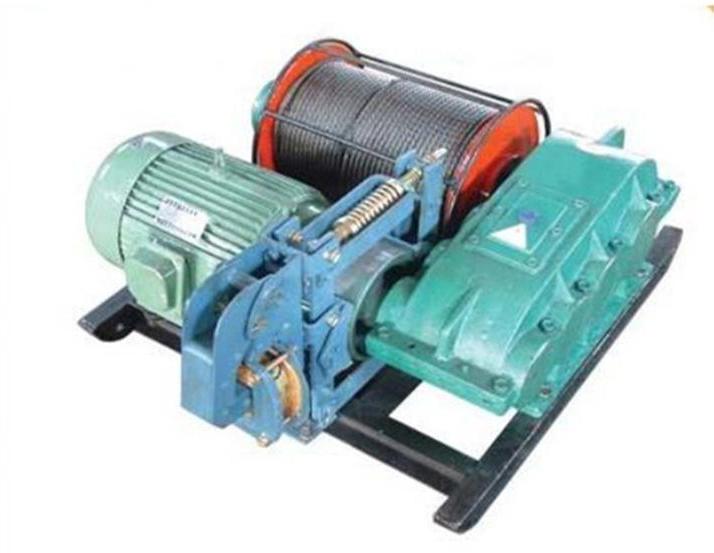
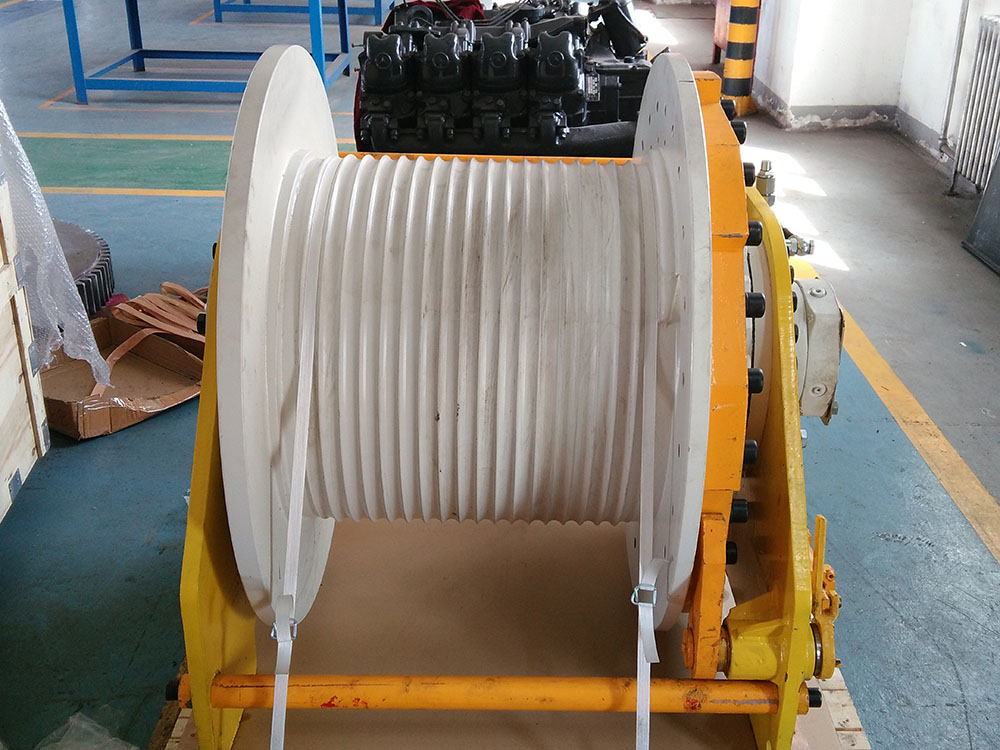
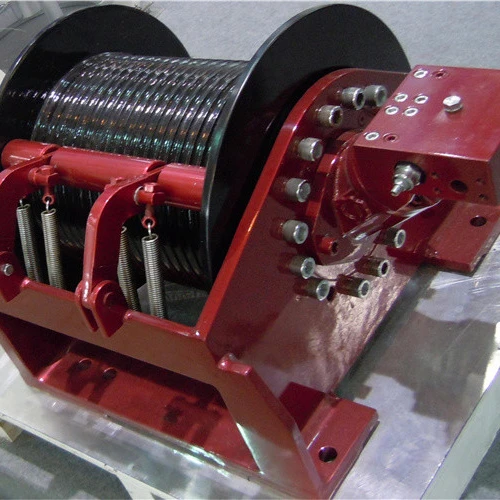
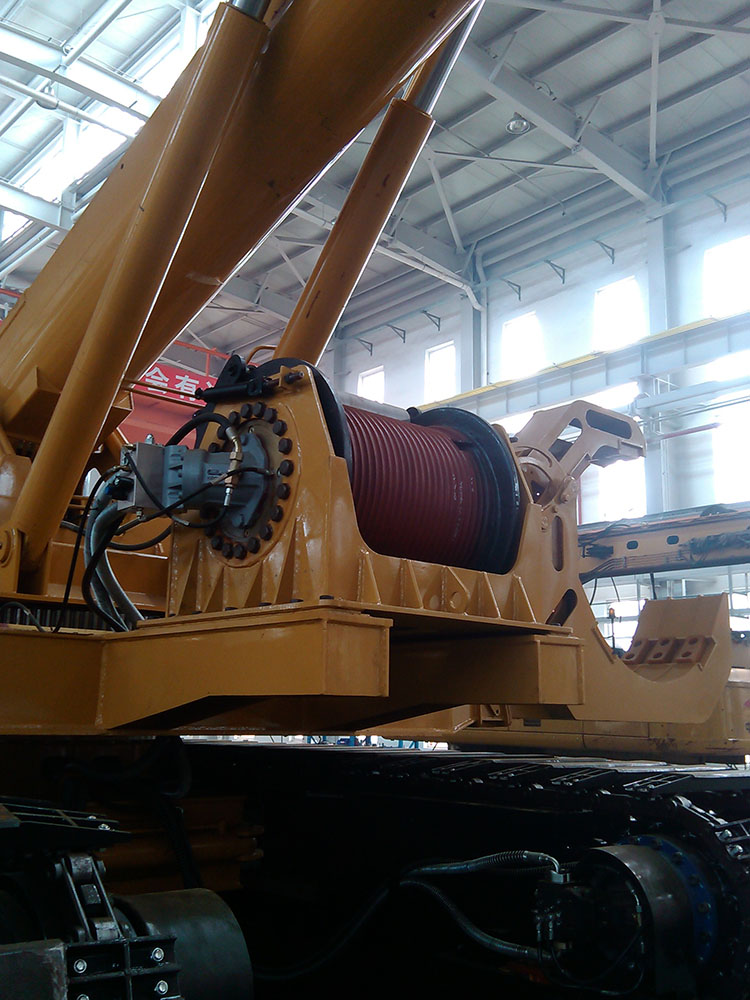
Put simply, a hydraulic tugger winch is a mechanical device designed to pull heavy loads by converting hydraulic pressure into linear or rotary force. Unlike electric winches, these rely on fluid power pumped from an external source or integrated motor, which makes them ideal in explosive or wet environments where electrical sparks are risky.
In industry, they assist with tasks like positioning heavy equipment, lifting materials, and anchoring vessels — and in humanitarian fields, they’re invaluable in rapid deployment of shelters or clearing disaster debris. Their strength, flexibility, and relatively smooth operation make them a staple piece of equipment where muscle alone can't do the job.
Core Components and Key Factors Behind Performance
1. Durability
Many manufacturers emphasize rugged build quality—steel housings with corrosion-resistant coatings, sealed hydraulic systems, and reinforced cables. In practice, this means less downtime in harsh sites.
2. Portability and Scalability
While some tugger winches are permanently mounted, many are designed for field deployment, compact enough to be carried or transported by a small crew, but powerful enough to tackle large pulls. Scalability also comes into play when winches serve different industries with varying tension requirements.
3. Ease of Maintenance
Hydraulic systems can be complex, but top models boast modular components and user-friendly maintenance access points, reducing costs and prolonging lifespan.
4. Cost Efficiency
Although hydraulics may seem more expensive upfront compared to electric options, their energy efficiency and lower repair frequency often mean better total cost of ownership.
5. Safety Features
Many models include integrated overload protection, emergency stop controls, and automatic brake systems, which protect operators and the load alike.
| Specification | Typical Value | Notes |
|---|---|---|
| Pulling Capacity | 5,000 - 15,000 lbs | Varies by model & application |
| Hydraulic Pressure | 2,500 - 3,500 psi | Standard operating pressure |
| Weight | 50 - 150 kg | Depends on size/design |
| Cable Length | 30 - 100 meters | For different working distances |
| Operating Temperature | -20°C to +60°C | Suitable for harsh climates |
Mini takeaway: A hydraulic tugger winch combines robust hardware with fluid power technology, balancing power, portability, and operator safety.
Where and How These Winches Make a Difference Globally
The hydraulic tugger winch powers critical scenarios worldwide:
- Construction and Mining: Used to shift heavy machinery into tight slots or assist in assembly of large structures, especially in remote locations where electric power may not be stable.
- Maritime and Shipping: Vessels deploy winches to anchor or tow safely, particularly where salty, wet conditions demand corrosion-resistant hydraulics.
- Disaster Relief and Humanitarian Work: In post-earthquake or flood zones, winches clear debris or help erect temporary shelters swiftly, often where manual labor is extremely limited.
- Forestry and Agriculture: Logging and land clearing operations leverage hydraulic tuggers to handle tree pulling and positioning thanks to their portability.
Interestingly, in Southeast Asia, NGOs have employed these winches to expedite temporary housing after typhoons, where speed and reliability literally mean lives saved (source: UNDP reports).
Why Investing in Hydraulic Tugger Winches Pays Off in the Long Run
From a practical standpoint, these machines offer:
- Reliable Power: They don’t rely on grid electricity, so operations proceed even in power outages.
- Reduced Labor Injuries: Mechanized pulling lessens strain and accidents.
- Lower Overall Costs: Fewer repairs and better fuel efficiency often beat alternatives over time.
- Environmental Benefits: Hydraulics can be integrated with green energy sources, such as solar-powered hydraulic pumps, reducing carbon footprints.
Beyond the numbers, there's an aspect of trust and dignity — worker safety isn’t just compliance; it’s peace of mind. Investing in quality tugger winches fosters a culture of safety and innovation, which many engineers I’ve spoken with say makes all the difference on site.
Where Is the Technology Headed?
Future trends hint at winches becoming smarter and more efficient.
- Digital Integration: Sensors and IoT-compatible hydraulics will enable real-time monitoring of load, pressure, and mechanical health, reducing unexpected failures.
- Material Innovation: Composites and lighter alloys might make winches easier to transport without sacrificing strength.
- Green Hydraulics: Development of biodegradable hydraulic fluids and solar-powered pumps is underway to ensure environmental sustainability.
Automation might also mean operators control winches remotely, limiting exposure to hazardous zones.
Common Challenges and How Experts Solve Them
Despite their advantages, hydraulic tugger winches sometimes face:
- Hydraulic Fluid Leaks: A bane for maintenance, addressed by better seal technology.
- Weight and Bulk: Some models remain heavy, which engineers counter by modular designs or detachable systems.
- Initial Cost: Higher upfront investment can deter some users, but leasing and financing options help mitigate this.
Industry leaders recommend routine inspection and investing in operator training to maximize winch lifespan and safety.
Vendor Comparison: Leading Hydraulic Tugger Winch Suppliers
| Vendor | Standard Models | Customization Options | Warranty | Notable Applications |
|---|---|---|---|---|
| LBS Winch | Portable 5K - 15K lbs capacity | Custom length cables, controls | 2 years comprehensive | Construction, disaster relief |
| HydroPull | Stationary & mobile models | Heavy-duty variants, automation | 3 years limited | Maritime, forestry |
| TugTech | High capacity 10K+ lbs | Custom hydraulics, remote control | 1 year | Oil & gas, mining |
FAQ: Common Questions About Hydraulic Tugger Winches
Q1: How do hydraulic tugger winches compare with electric ones in hazardous environments?
A: Hydraulic winches are generally safer in explosive or wet environments since they don't produce sparks and can tolerate moisture better. They also tend to be more reliable under extreme temperatures, making them preferred for offshore and mining applications.
Q2: Can hydraulic tugger winches be operated manually if needed?
A: Most modern hydraulic tugger winches require an external hydraulic power source and are not designed for manual operation. However, portable hydraulic power packs can be carried or vehicle-mounted to provide the necessary pressure in field conditions.
Q3: What maintenance is needed to keep a hydraulic tugger winch operational long-term?
A: Regular inspection of hydraulic hoses, seals, and cables is essential. Also, monitoring hydraulic fluid levels and purity, lubricating moving parts, and testing safety devices ensure reliability and prevent costly breakdowns.
Q4: Are there environmental concerns with using hydraulic fluids?
A: Traditional hydraulic fluids can be hazardous if spilled. However, many companies now offer biodegradable and less toxic fluids, minimizing environmental impact, especially important in sensitive or disaster zones.
Q5: How can buyers customize a tugger winch to fit specialized needs?
A: Custom options often include varying pulling capacities, cable types and lengths, control interfaces (wired/remote), and corrosion-resistant coatings. Discussing your operational environment with manufacturers like LBS Winch ensures tailored solutions.
Final Thoughts & Call to Action
In the shifting landscape of industrial tasks—whether raising skyscrapers, clearing flood debris, or rigging vessels—a reliable hydraulic tugger winch is more than a tool. It’s an enabler of efficiency, safety, and forward-thinking sustainability. By embracing compact designs, durable construction, and emerging tech trends, these winches serve critical roles worldwide.
Curious to explore what suits your needs best? Visit https://www.lbswinch.com — where expertise meets dependable hydraulic tugger winch solutions tailored for modern challenges.
References:
-
The Ultimate Guide to Gear Steels for Durability and PerformanceNewsApr.16,2026
-
High Performance Gear Stainless Steel for Industrial DurabilityNewsApr.09,2026
-
Comprehensive Guide to Steel Bevel Gears Applications and SelectionNewsApr.07,2026
-
Comprehensive Guide to Durable Stainless Steel Miter Gears and ApplicationsNewsApr.04,2026
-
Comprehensive Guide to Steel Spur Gears Functionality and ApplicationsNewsMar.31,2026
-
Comprehensive Guide to Durable Stainless Steel Spur Gears and Their ApplicationsNewsMar.28,2026