Hydraulic Grapple Winch Explained: Durable, Efficient Heavy-Duty Handling Solutions
Understanding the Hydraulic Grapple Winch: Why It Matters Today
When we hear "hydraulic grapple winch," many might picture industrial machinery clanking in a factory or construction site. But here’s the catch – these devices play a surprisingly significant role globally beyond just heavy lifting. From disaster relief to forestry management, mastering the technology behind hydraulic grapple winches can unlock efficiency and safety for countless applications worldwide.
In essence, a hydraulic grapple winch is a robust piece of gear designed to grip and pull heavy loads using hydraulic power. Its core value? Bringing smarter, safer, and more precise handling where brute force used to be the only answer.
The Global Context: Why Hydraulic Grapple Winches Are Essential
Globally, industries that involve material handling—like logging, construction, and disaster management—face challenges of efficiency, safety, and environmental impact. According to the International Organization for Standardization (ISO), equipment that safely and efficiently handles heavy objects significantly reduces workplace accidents.
With the World Bank reporting that infrastructure projects are expected to double globally in the next decade, the demand for reliable heavy-duty handling tools is soaring. The hydraulic grapple winch’s ability to control loads with precision, speed, and power means fewer accidents and faster operations—both critical in chaotic or resource-constrained contexts like post-disaster zones or remote industrial sites.
But it’s not just about brute force. Hydraulic grapple winches also meet growing expectations for sustainability thanks to lower fuel consumption and longer service life compared to some electric alternatives.
What Exactly Is a Hydraulic Grapple Winch?
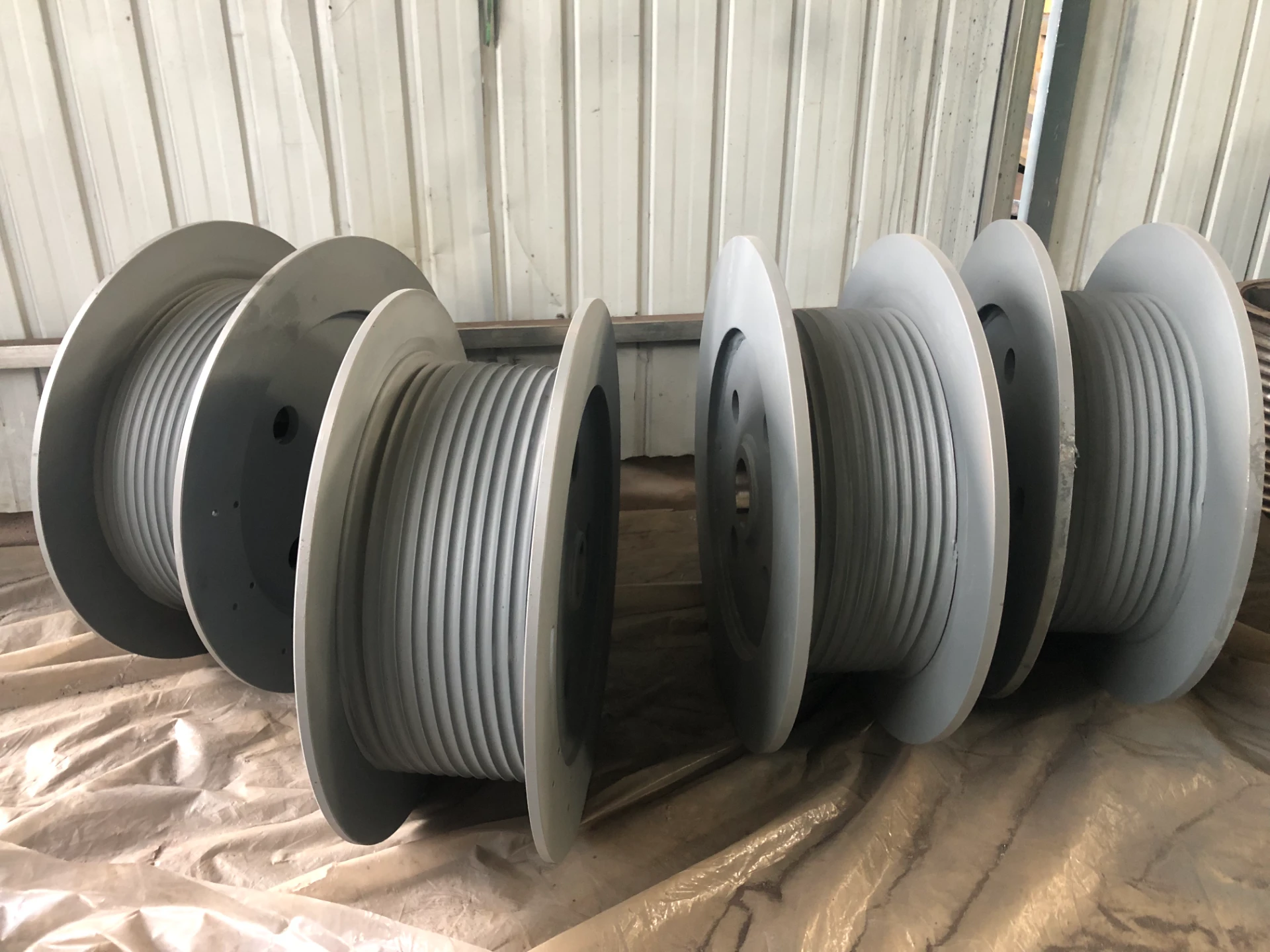
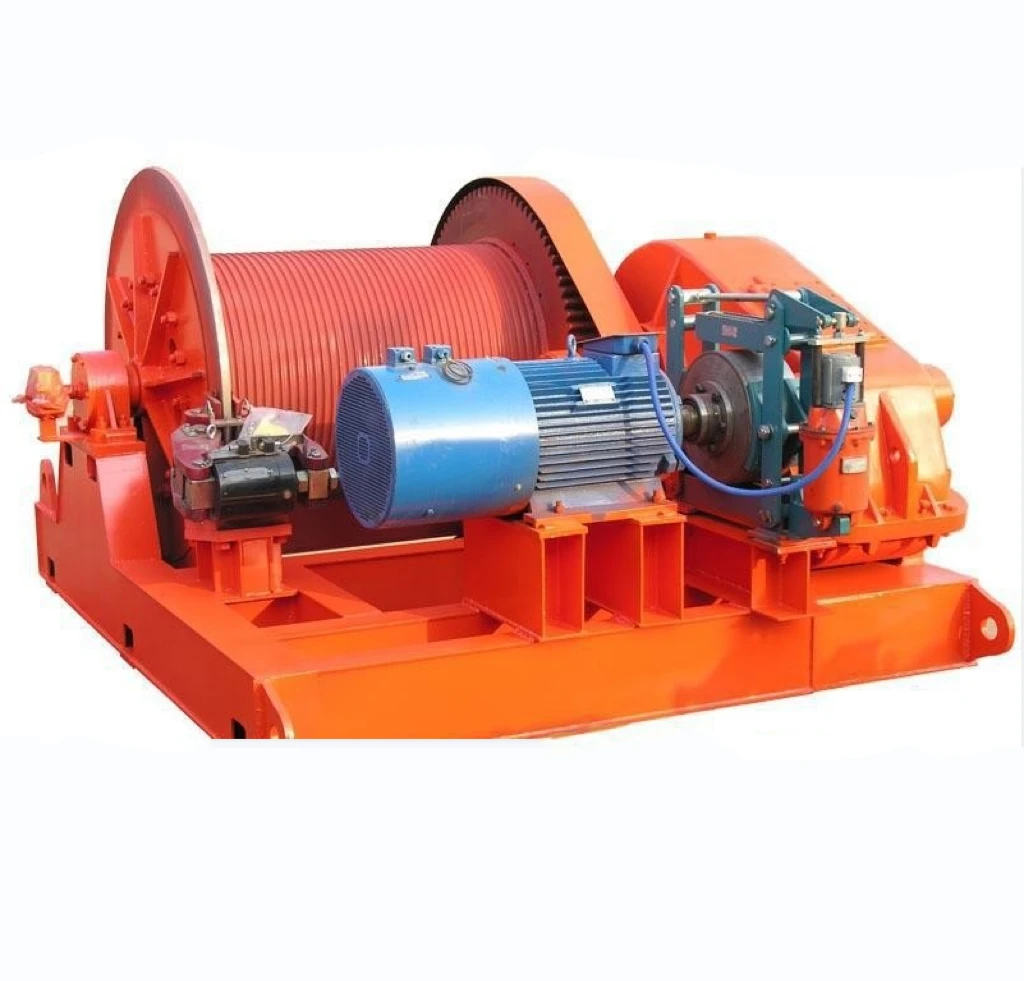
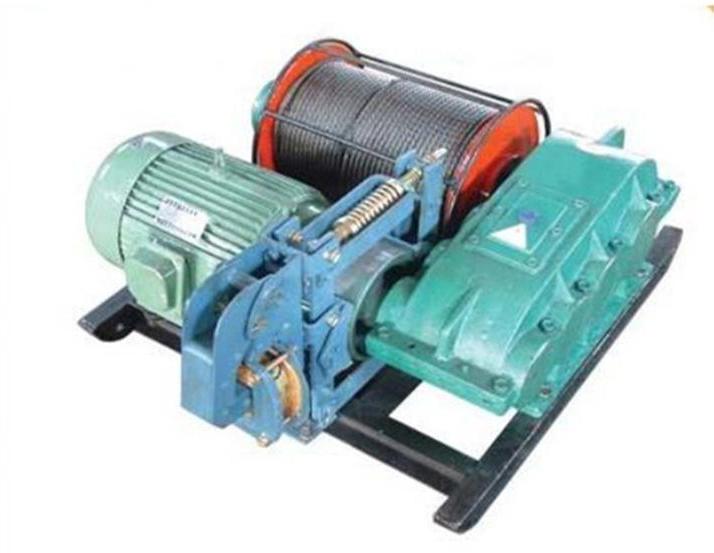
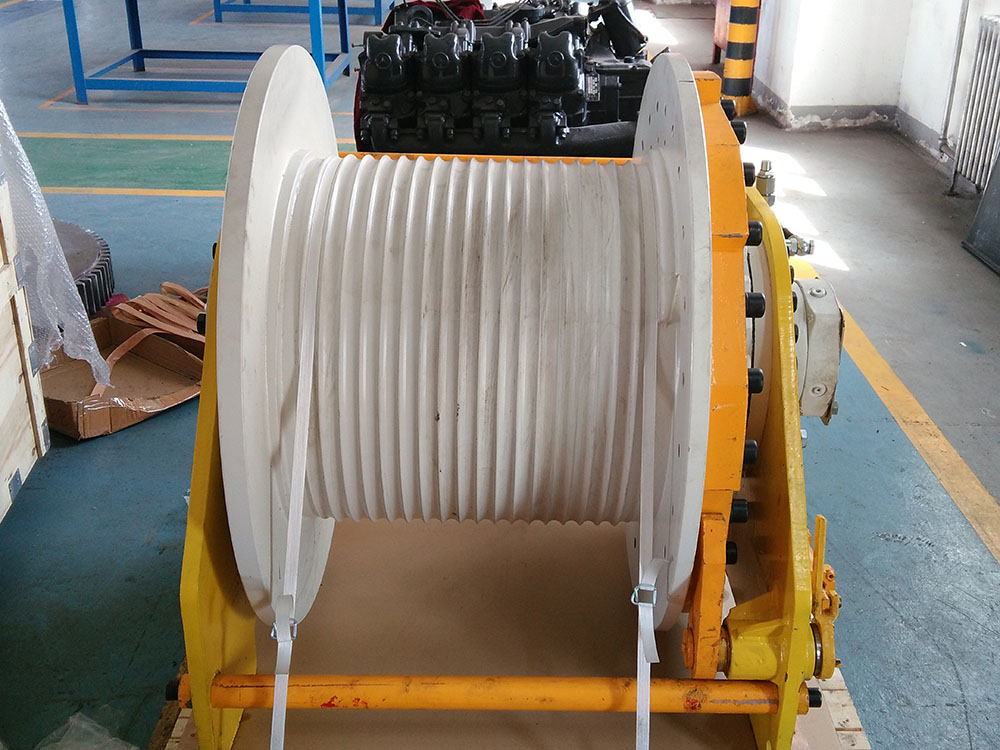
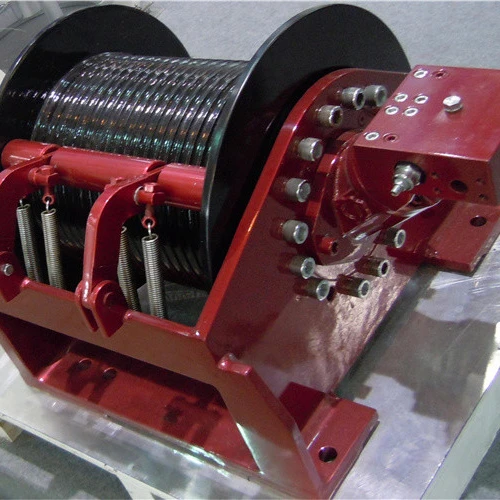
Simply put, a hydraulic grapple winch is a mechanical system that uses hydraulic pressure to operate a grapple (a claw-like device) and a winch drum—allowing it to grab, lift, pull, and hold heavy materials with finesse. The hydraulic system powers the grapple’s movement and provides the winch the muscle to pull substantial loads at controlled speeds.
This technology has been crucial in forestry to haul logs, in construction to manage materials, and even in humanitarian operations where bulky debris removal is urgent after earthquakes or floods. The hydraulic system’s adaptability means it can be mounted on vehicles or fixed installations, supporting industrial and emergency uses alike.
Core Components and What Makes Them Tick
Durability
Hydraulic grapple winches commonly endure harsh environments—rain, mud, dust, and heavy loads day in, day out. Their construction uses hardened steel and corrosion-resistant coatings to prevent wear and tear. Frankly, many engineers say durability is non-negotiable when lives and operational timelines depend on it.
Precision Control
The hydraulic system allows very fine control when gripping and lifting. Unlike cable-operated winches, operators can modulate pressure for delicate tasks—essential when handling fragile goods or in tight spaces.
Power and Capacity
Depending on size and build, capacities range anywhere from around 5 to over 50 tons. Industries can pick bespoke models tailored to their specific lifting and pulling requirements, ensuring no over-engineering or underperformance.
Compactness and Mobility
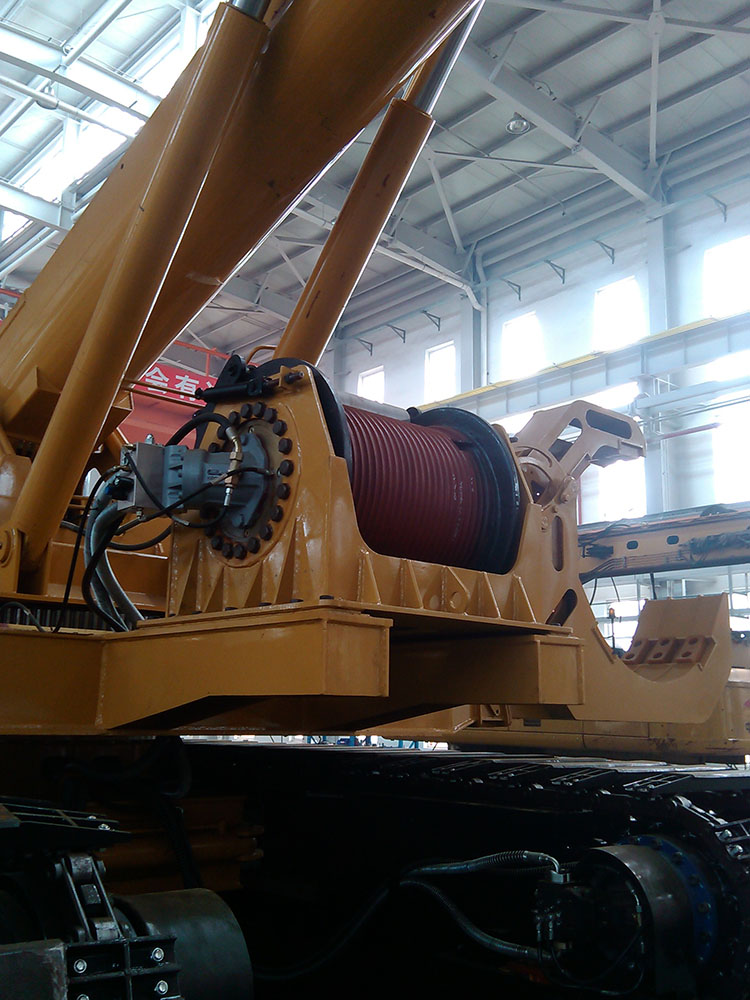
Many hydraulic grapple winch models are designed for mounting on trucks, excavators, or even boats. This mobility makes rapid deployment a reality. For instance, in remote industrial zones, a winch that fits on a standard all-terrain vehicle makes operations surprisingly agile.
Energy Efficiency
Compared to purely electric or diesel-powered winches, hydraulics often offer a more energy-efficient solution due to better power delivery and less heat loss—a subtle yet cost-saving aspect that adds up over time.
| Specification | Typical Range | Remarks |
|---|---|---|
| Load Capacity | 5–50+ tons | Varies by model and application |
| Operating Pressure | 2000–3500 psi | Standard for hydraulic systems |
| Grapple Opening | 0.5 to 2 meters | Depends on intended objects |
| Winch Cable Length | 10–50 meters | Adjustable to terrain needs |
| Weight | 250–2000 kg | Varies from compact to heavy-duty |
Where Are Hydraulic Grapple Winches Making a Difference Around the World?
In the forests of Canada and Scandinavia, these winches pull timber through sometimes unyielding terrain, speeding up harvest cycles. Meanwhile, mining operations in Australia deploy them to move large rocks and materials—reducing manual labor risks vastly.
Humanitarian groups too rely on hydraulic grapple winches after natural disasters. Take the 2023 floods in Southeast Asia: debris removal and emergency logistics required fast, reliable tools. Winches that could be quickly mounted on vehicles made a day-and-night difference in relief efforts.
And it’s not just Western nations. Remote industrial zones in Africa and South America find value in these winches’ adaptability—given infrastructure gaps and the need for rugged, do-it-all machines.
The Benefits: Long-Term Value beyond Just Muscle Power
- Cost Efficiency: Longer lifecycle and fewer maintenance calls compared to electric or purely mechanical counterparts.
- Safety: Precision controls reduce accidents, protecting both operators and materials.
- Sustainability: Improved fuel efficiency lowers carbon footprint in heavy-lifting work.
- Social Impact: Speeds relief operations, minimizes downtime in industries critical to communities.
- Reliability: Hydraulic systems have fewer mechanical parts exposed to dust and dirt, thus last longer in rough environments.
So, while a hydraulic grapple winch seems like just another cog in the industrial machine, it’s more like the crankshaft that keeps the engine humming steadily and safely.
Looking Ahead: The Future of Hydraulic Grapple Winches
Innovation in this field isn’t slowing down. Green energy integration means more hydraulic systems are designed to operate with biodegradable fluids and powered by hybrid or electric on-board systems. Digital controls, remote operation, and automation are increasingly common, allowing operators to handle heavy objects from safe distances or with minimal physical strain.
Materials science is stepping in too, with composites reducing overall weight without sacrificing strength. Plus, IoT (Internet of Things) sensors embedded in winches now monitor wear and predict failures—transforming maintenance from reactive to proactive.
Challenges and How Experts Are Tackling Them
Hydraulic grapple winches, despite their robustness, face challenges: leakage of fluids, hydraulic hose wear, and complex maintenance top the list. But manufacturers are deploying innovations such as quick-connect fittings to simplify repairs, improved seal technologies to prevent leaks, and training modules designed by industry associations to upskill operators on maintenance best practices.
Operators are also adopting hybrid models—combining hydraulic systems with electric winches where appropriate—to optimize power usage and maintenance cycles depending on operational needs.
FAQ: Everything You’re Asking About Hydraulic Grapple Winches
Q: What industries most commonly use hydraulic grapple winches?
A: Logging, construction, mining, and disaster relief dominate usage, but sectors like marine salvage and waste management also increasingly rely on these devices due to their strength and precision.
Q: How often should a hydraulic grapple winch be maintained?
A: Maintenance frequency depends on usage intensity, but a general rule is a thorough check every 500 operating hours or at least annually. Daily visual inspections help catch problems early.
Q: Can hydraulic grapple winches be customized for specific applications?
A: Absolutely. Vendors often tailor grapple sizes, cable lengths, and load capacities to client needs. You can even integrate digital controls or remote operation features for complex environments.
Q: Are hydraulic grapple winches environmentally friendly?
A: When properly maintained and using biodegradable hydraulic fluids, they can be quite eco-friendly compared to older diesel-only systems. New greener technologies are ushering more sustainability too.
Q: How quickly can these winches be deployed in emergency scenarios?
A: Many models are built for rapid installation on existing vehicle platforms. Deployment can be as fast as a few hours, significantly helping post-disaster operations and infrastructure repair.
| Vendor | Load Capacity | Customization Options | Global Support Network | Price Range (USD) |
|---|---|---|---|---|
| LBS Winch | 10–50 tons | Full customization; remote operation integration | Extensive international service centers | $12,000–$45,000 |
| Global Tug Systems | 5–30 tons | Standard units with modular upgrades | Limited to Asia and Europe | $9,000–$28,000 |
| AquaGrip Hydraulics | 8–40 tons | Custom cables and grapples; IoT-enabled | Global with emphasis in Americas | $14,000–$40,000 |
Summing It Up: Why a Hydraulic Grapple Winch Is Worth Your Attention
In the long run, these machines do more than just move stuff—they bring efficiency, safety, and sustainability to environments that urgently need it. Whether you’re in forestry, logistics, or emergency services, exploring hydraulic grapple winches could lead to smarter workflows and steadier outcomes.
Curious how exactly they can fit your projects? Feel free to visit our website and explore the latest models and custom solutions built around your unique needs.
-
The Ultimate Guide to Gear Steels for Durability and PerformanceNewsApr.16,2026
-
High Performance Gear Stainless Steel for Industrial DurabilityNewsApr.09,2026
-
Comprehensive Guide to Steel Bevel Gears Applications and SelectionNewsApr.07,2026
-
Comprehensive Guide to Durable Stainless Steel Miter Gears and ApplicationsNewsApr.04,2026
-
Comprehensive Guide to Steel Spur Gears Functionality and ApplicationsNewsMar.31,2026
-
Comprehensive Guide to Durable Stainless Steel Spur Gears and Their ApplicationsNewsMar.28,2026