Hydraulic Fishing Winch - Efficiency, Safety & Innovation for Modern Fisheries
Nov . 28, 2025 15:30
Back to list
Understanding the Hydraulic Fishing Winch: A Cornerstone of Modern Fishing and Industry
If you’ve ever watched fishing vessels haul in massive nets or heavy gear on a stormy sea, there's a good chance a hydraulic fishing winch was doing the heavy lifting. These machines have become essential worldwide—not just for large-scale commercial fishing but also in marine research, offshore industries, and disaster relief operations. At their core, hydraulic fishing winches offer strength, reliability, and control, solving a vital challenge: safely and efficiently managing heavy loads in tricky marine environments. Given the global fishery industry is valued in the hundreds of billions annually and supports over 10% of the world’s population either directly or indirectly per UN FAO reports (1), tools like these winches aren’t just convenient; they’re crucial. Simply put: understanding hydraulic fishing winches means appreciating a technology that keeps food sustainable, maritime jobs secure, and coastal ecosystems protected. hydraulic fishing winch ---Why Hydraulic Fishing Winches Matter Globally
Fishing isn’t only about catching fish—it’s an intricate task involving heavy equipment and tricky safety conditions. Traditional manual hauling methods are slow, dangerous, and frankly outdated. What hydraulic fishing winches do is bring mechanical muscle to this operation, powered by fluid pressure that adjusts seamlessly to load variations. The International Organization for Standardization (ISO) even highlights winch safety as a critical compliance point within marine and industrial domains (2). With global fishing fleets growing larger and regulations tightening around sustainable harvesting, winches need to be more efficient and reliable than ever. They help address problems like crew safety, environmental protection (minimizing bycatch), and work speed. Moreover, they’re key in supporting humanitarian missions like deploying underwater sensors or recovering debris in emergency response scenarios. ---What Exactly Is a Hydraulic Fishing Winch?
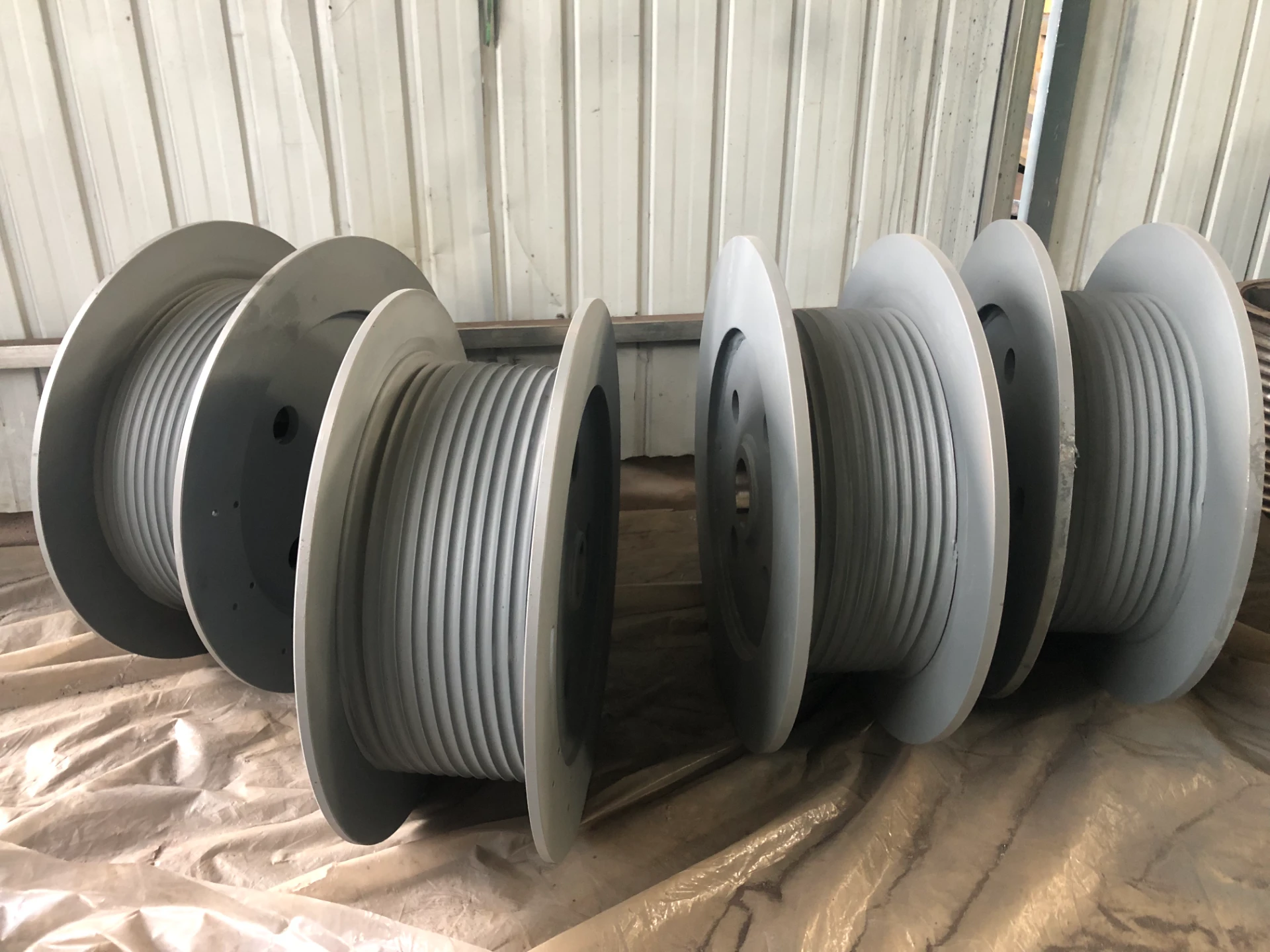
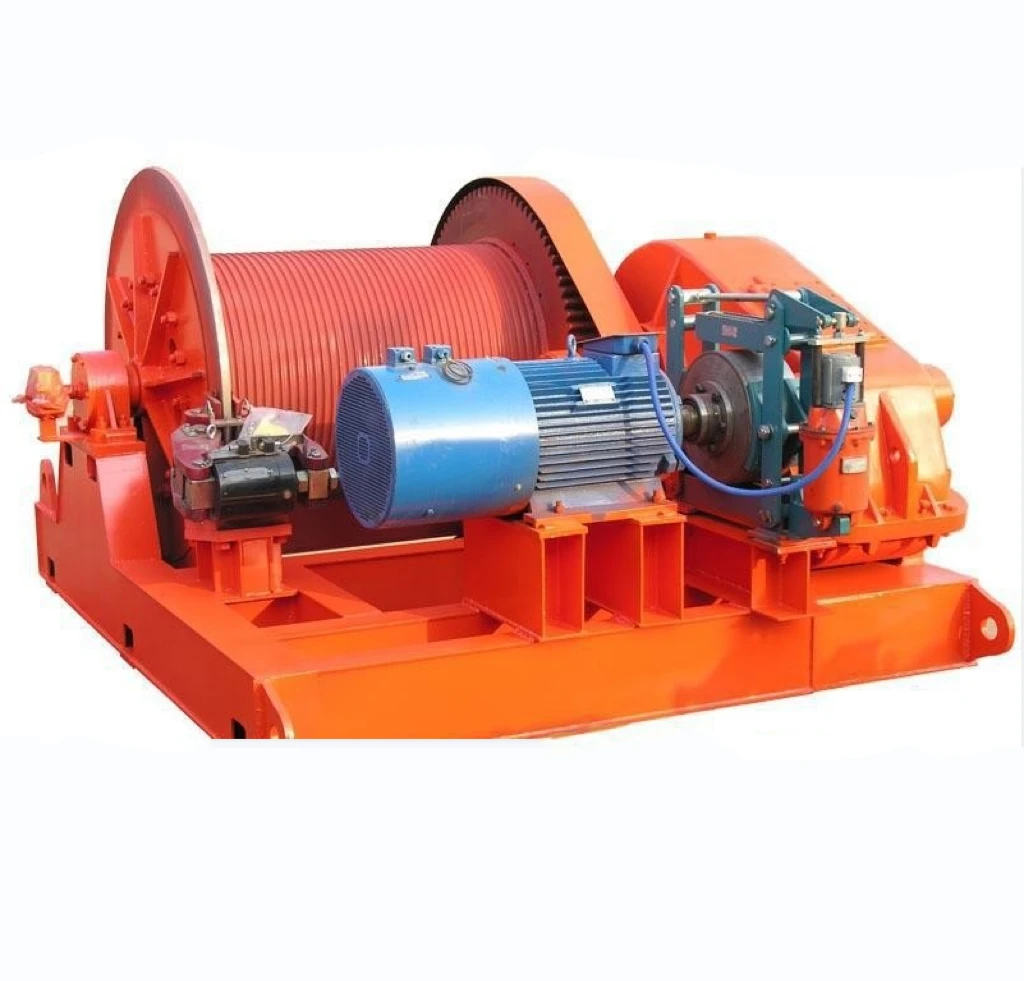
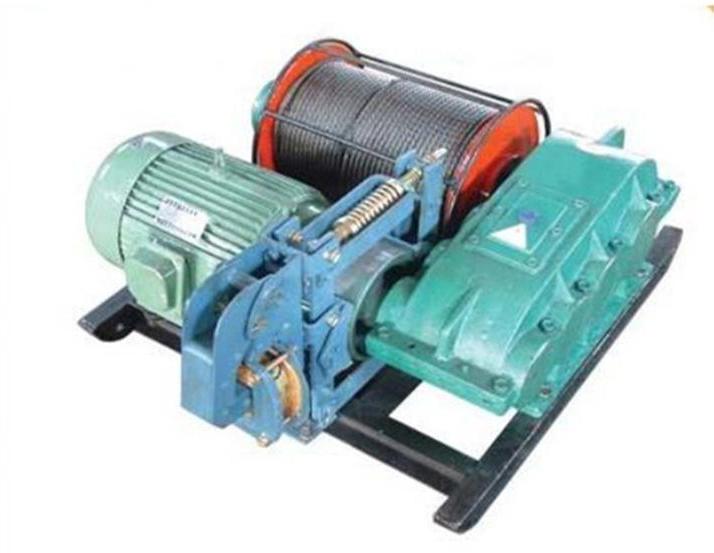
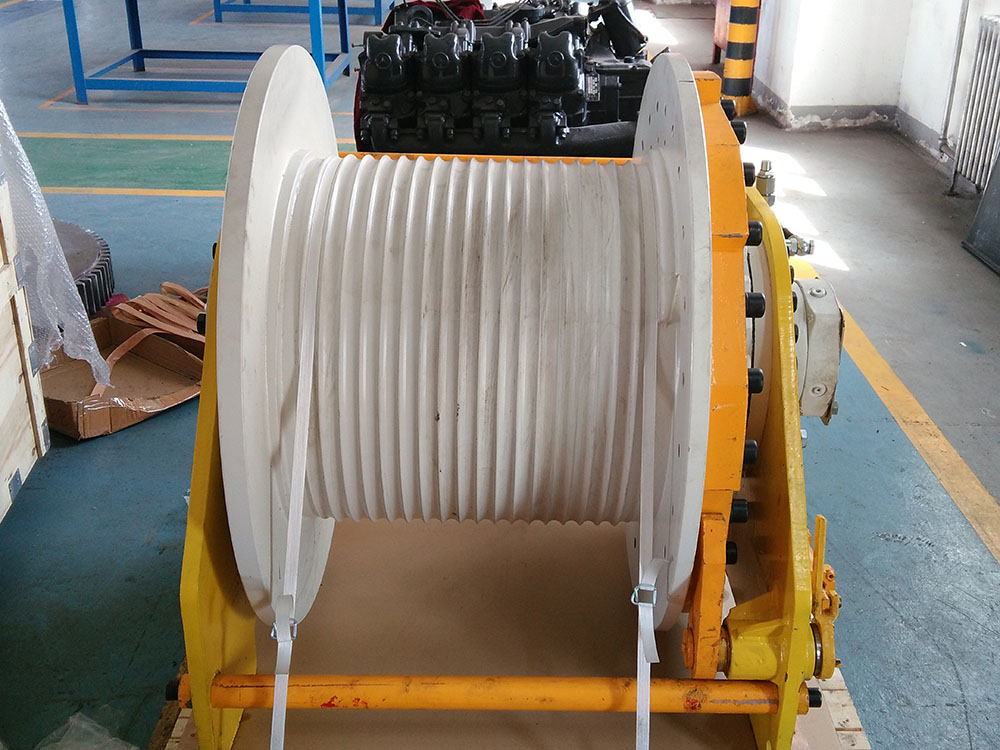
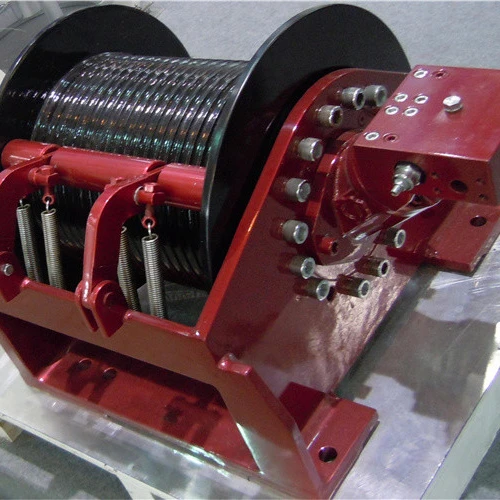
At its simplest, a hydraulic fishing winch is a heavy-duty drum or spool mechanism powered by a hydraulic motor to pull or release fishing nets, cables, or equipment. Unlike electric winches, the hydraulic version uses fluid pressure which is ideal for harsh marine environments due to its robustness and ability to deliver high torque at low speeds. It’s this strength that sets it apart. Modern fisheries depend on these winches to handle massive trawling nets or deep-sea equipment, sometimes weighing several tons. It’s a small but powerful cog in a vast industrial ecosystem that integrates with vessels’ hydraulic systems—ensuring smooth operation even when conditions are at their worst. ---Core Components Driving Performance
- Durability: Marine environments are punishing—with saltwater corrosion, constant vibration, and extreme weather. Good winches use stainless steel, bronze bushings, and sealed hydraulics to last years with minimal maintenance.
- Power Capacity: From modest small-boat models to industrial-grade machines capable of hauling several tons, capacity determines what catches you can handle. In real terms, this means quicker hauls, less fatigue, and safer operations.
- Control Systems: Hydraulic controls provide smooth deceleration and precise speed adjustments, which reduce net damage and allow safer crew work.
- Scalability and Customization: Manufacturers now offer modular designs where winches can be tailored for specific vessel sizes or fishing methods—like trawling, purse seining, or crab pot retrieval.
- Cost Efficiency: Although upfront investments are higher than manual systems, these winches lower labor costs, reduce downtime, and improve fuel efficiency over the long haul.
Mini takeaway: A quality hydraulic winch balances rugged build, power, and user-friendly control — exactly what maritime workers on the frontline need.
---Specifications at a Glance: Common Hydraulic Fishing Winches
| Feature | Standard Range | Notes |
|---|---|---|
| Pulling Capacity | 0.5 to 15+ tons | Varies by model and motor specs |
| Rated Speed | 0 to 30 m/min | Adjustable hydraulic flow & pressure |
| Drum Diameter | 300 to 1000 mm | Correlates with rope/net size |
| Material | Marine-grade steel & alloys | Corrosion-resistant coatings |
| Control | Hydraulic lever / Electronic joystick | Depends on user preference & boat systems |
Leading Vendors Compared: Finding the Right Hydraulic Fishing Winch
| Vendor | Key Features | Price Range | Customer Feedback |
|---|---|---|---|
| LBS Winch Co. | Custom sizing, eco-friendly coatings, remote control | $$$ | Highly rated for durability & service |
| Maritime Gear Inc. | Standard models, quick delivery, certified ISO-compliant | $$ | Good value, decent after-sales support |
| OceanTech Solutions | High-capacity industrial winches, advanced automation | $$$$ | Top-tier performance, premium pricing |
Global Applications and Real-World Successes
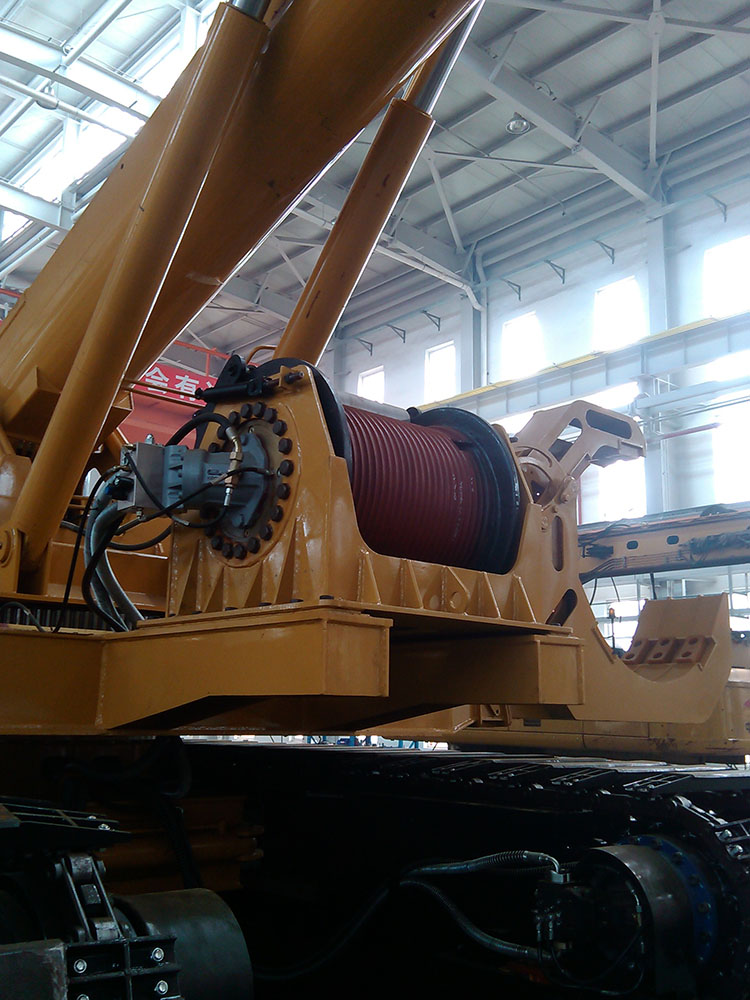
Hydraulic fishing winches aren’t limited to fishing fleets. In regions like Southeast Asia, Africa, and Northern Europe, they help coastal communities sustainably manage marine resources, supporting livelihoods and food security. In offshore oil platforms, similar winches aid in deploying heavy tools safely underwater. A notable case: Following a major typhoon in the Philippines, relief teams relied on portable hydraulic winches to clear debris and deploy underwater communication lines — an impressive example of how fishing tech transcends its usual role. From local crabbers in Alaska using smaller winches to high-volume trawlers off the Norwegian coast, the winch’s versatility shines through. hydraulic fishing winchMini takeaway: Whether it’s the Arctic or tropical zones, these winches support economic, environmental, and humanitarian goals simultaneously.
---Advantages of Hydraulic Fishing Winches: More Than Just Muscle
What’s the real value? It’s simple: - Efficiency: Faster hauling saves costly ship time and fuel. - Safety: Remote hydraulic controls reduce crew injuries. - Sustainability: Precision reduces gear damage and bycatch impact. - Reliability: Durable materials mean fewer breakdowns. - Economic impact: Long-term savings on repairs and labor. Add to that the peace of mind for operators, knowing their equipment won’t suddenly fail in treacherous conditions — it builds trust, a subtle but priceless asset. ---Looking Ahead: Innovation and Future Trends
Oddly enough, while winches seem straightforward, their evolution continues. The next wave includes: - Green hydraulics: Systems powered by bio-based fluids and energy recovery technology. - Smart monitoring: Sensors track load, wear, and predict maintenance needs. - Automation: Remote-controlled winches integrated with GPS and AIS for precision fishing. - Material advances: Lightweight composite drums reducing weight without sacrificing strength. Industry standards like those from ISO and the IMOUK ensure safety innovations keep pace as digital transformation sweeps maritime tech. ---Addressing Challenges and Practical Solutions
Despite advances, challenges remain, including: - High up-front costs limiting access for small operators. - Maintenance complexity in remote areas. - Training requirements for safe hydraulic operation. Experts suggest leasing options, modular designs simplifying maintenance, and online training platforms as solutions increasing accessibility and safety. ---FAQ: Common Questions About Hydraulic Fishing Winches
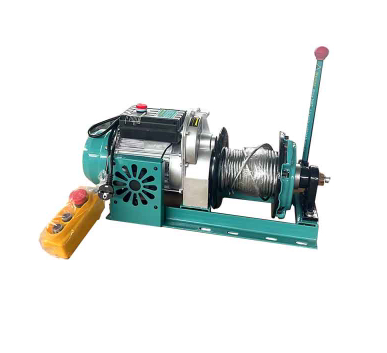
Q1: How do hydraulic fishing winches compare to electric ones in marine use?A: Hydraulic winches excel in durability and torque at low speeds – ideal for heavy, continuous duty. Electric winches can be lighter and simpler but often lack the power needed for large commercial operations. Q2: Are hydraulic winches suitable for small-scale fishing boats?
A: Absolutely. There are compact models designed for small vessels that improve safety and ease without excessive cost. Q3: What maintenance does a hydraulic winch typically require?
A: Regular inspection of seals, fluid levels, and pumps is essential. Corrosion prevention and lubrication scheduling keep things running smoothly. Q4: Can hydraulic winches be customized for special fishing methods?
A: Yes, vendors often customize drum size, motor power, and control systems depending on whether you’re trawling, gillnetting, or crab pot hauling. ---
Final Thoughts: The Winch That Keeps on Giving
Hydraulic fishing winches might not be glamorous, but they are undeniably vital. Their role goes beyond hauling heavy nets—they empower fishermen, researchers, and even disaster responders. They connect tradition with technology, strength with precision, and cost with value. If you’re intrigued and want to find the right winch tailored to your needs, check out hydraulic fishing winch suppliers like LBS Winch Co. They combine innovation with reliability, a combo that’s hard to beat. ---References & Further Reading
Latest news
-
The Ultimate Guide to Gear Steels for Durability and PerformanceNewsApr.16,2026
-
High Performance Gear Stainless Steel for Industrial DurabilityNewsApr.09,2026
-
Comprehensive Guide to Steel Bevel Gears Applications and SelectionNewsApr.07,2026
-
Comprehensive Guide to Durable Stainless Steel Miter Gears and ApplicationsNewsApr.04,2026
-
Comprehensive Guide to Steel Spur Gears Functionality and ApplicationsNewsMar.31,2026
-
Comprehensive Guide to Durable Stainless Steel Spur Gears and Their ApplicationsNewsMar.28,2026