Hydraulic Chipper Winch – Efficient Timber Handling Solutions | LBS Winch
Understanding Hydraulic Chipper Winches: A Global Perspective
If you work in forestry, heavy landscaping, or industrial timber operations, you might have heard about hydraulic chipper winches. But why should anyone beyond those industries care? Well, these machines are quietly ensuring safer and more efficient wood processing around the world, from dense logging sites in Canada to disaster relief operations in Southeast Asia.
Hydraulic chipper winches are not just tools; they're part of a solution to the complex problem of handling heavy, often dangerous materials in a stable and controlled way. As global demand for sustainable forestry and efficient resource management grows, understanding this technology’s benefits is key to fostering safer workplaces and greener supply chains.
The Global Context of Hydraulic Chipper Winches
Globally, the forestry industry is a massive contributor to trade and employment — the World Bank estimates that over 13 million people work in forestry worldwide, supporting both rural economies and urban industries. However, safe and efficient timber extraction remains a challenge. In many regions, outdated equipment and unsafe hauling practices cause frequent accidents or environmental damage.
This is where the hydraulic chipper winch comes into play. With ISO standards evolving around machinery safety and sustainability (ISO 21827 for forestry equipment, for example), industries are pushed toward smarter and more responsible methods. Hydraulic winches, which use fluid pressure to power their pulling force, solve several pain points related to traditional mechanical winching.
What Exactly Is a Hydraulic Chipper Winch?
In simple terms, a hydraulic chipper winch is a device that combines the pulling power of a winch with hydraulic fluid mechanics to control a heavy load, commonly logs or chips heading into a chipper machine. The hydraulic system means more precise control, less mechanical wear, and the ability to handle larger loads without bulky gearboxes or chains.
It’s crucial in many modern industry setups where safety, speed, and flexibility matter. Whether you are hauling thick logs from forest to mill or managing debris after natural catastrophes, this tool fits right in.
Key Components of a Hydraulic Chipper Winch
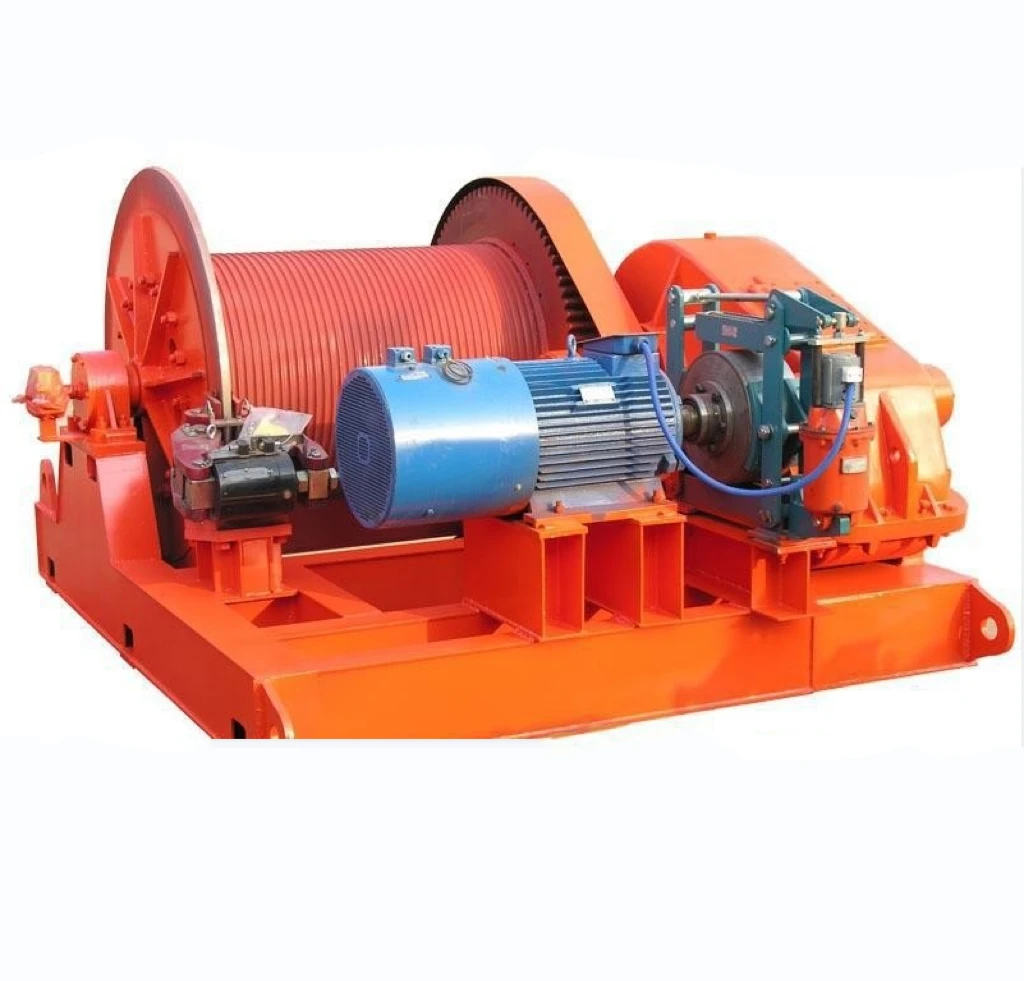
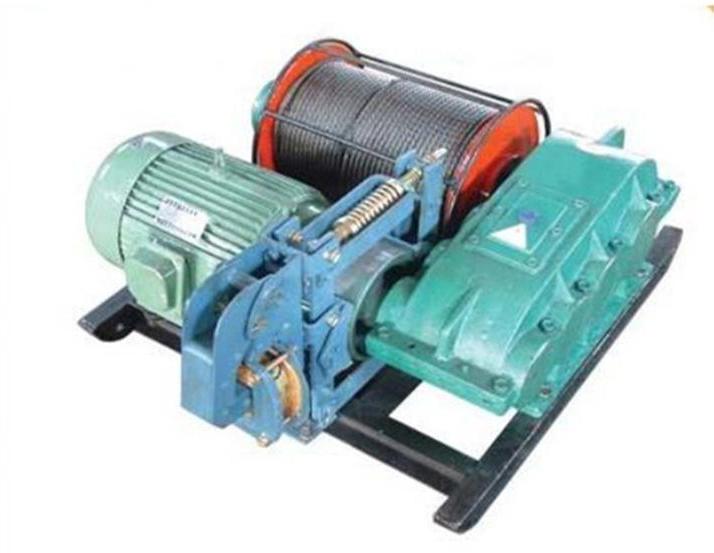
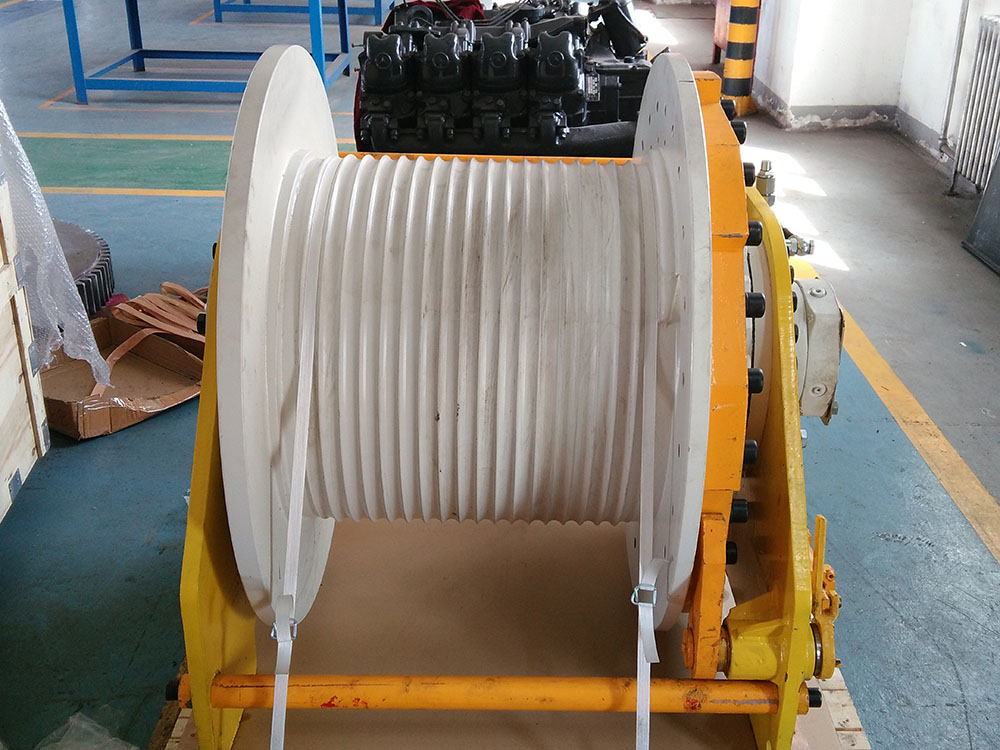
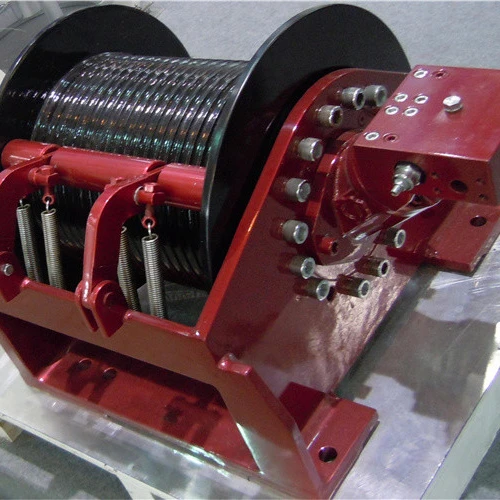
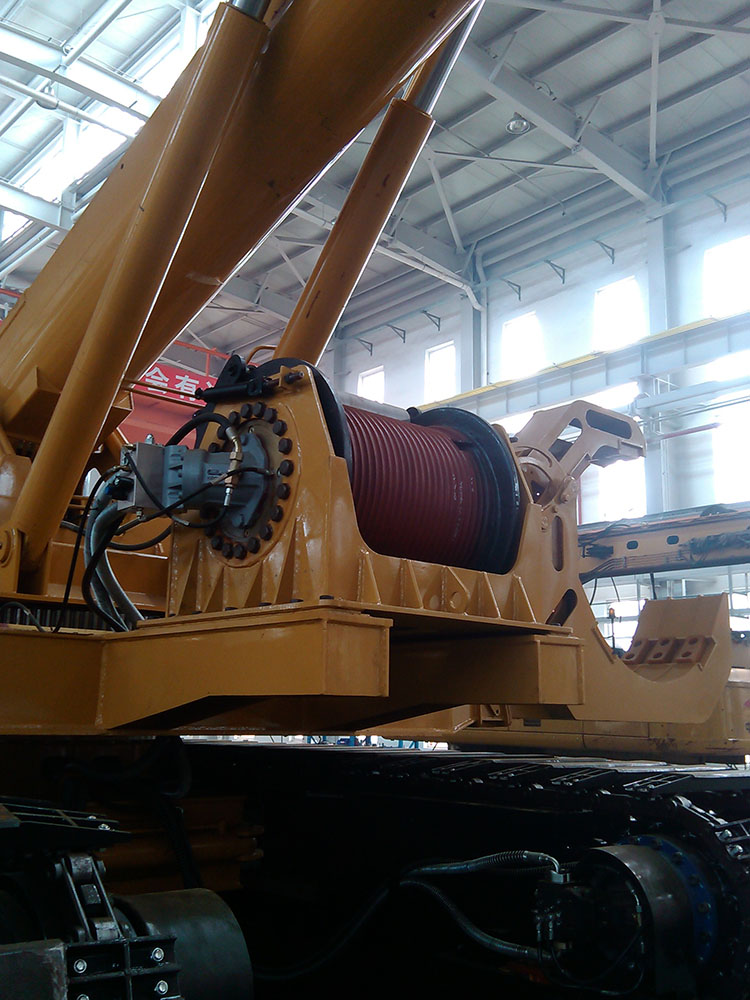
- Hydraulic Motor: Powers the drum that pulls in the cable.
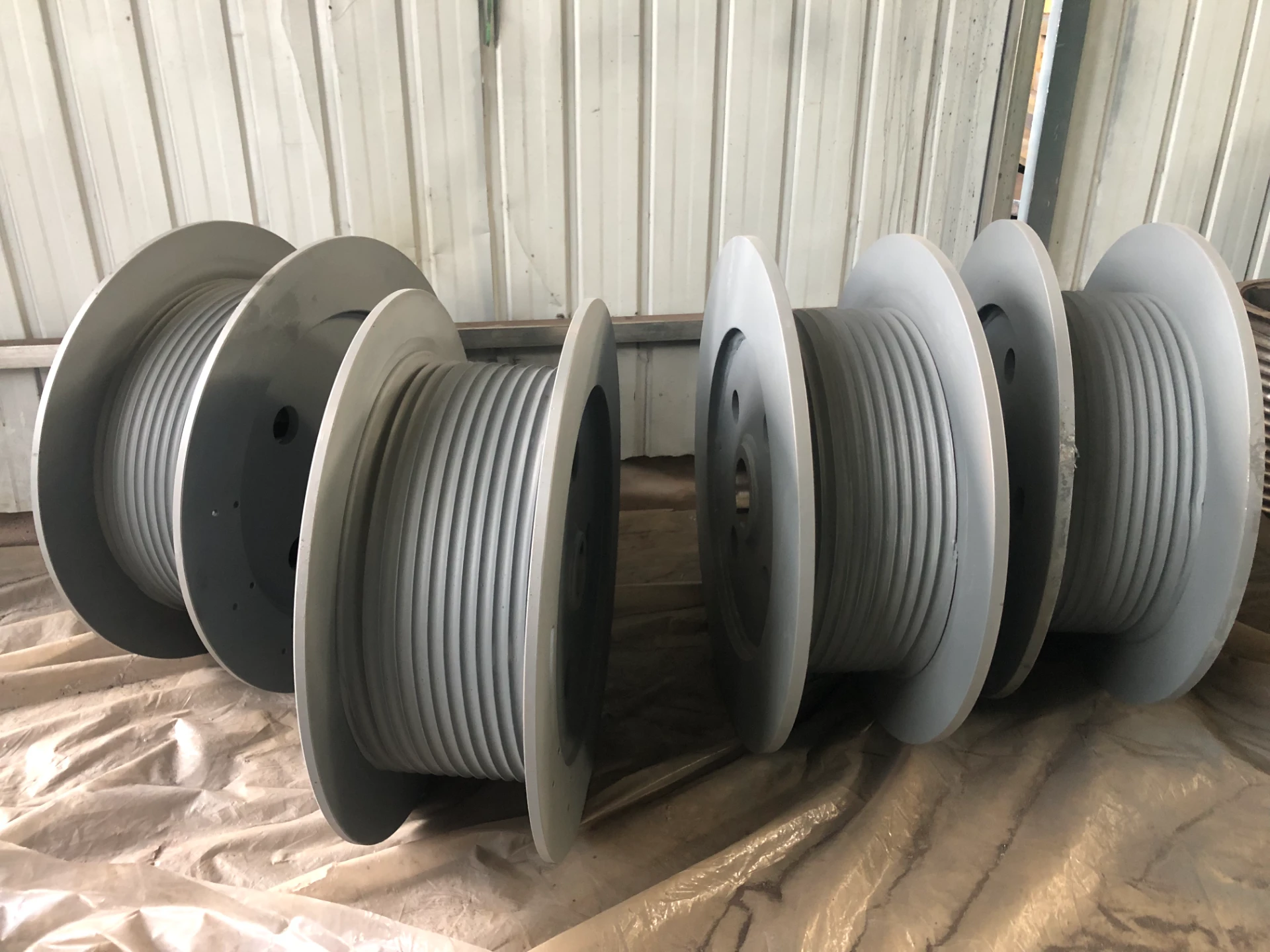
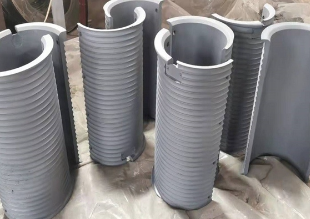
- Winch Drum & Cable: The spool and steel cable that wind and hold the load.
- Control Valve: Regulates fluid flow and controls winch speed/direction.
- Brake System: Ensures safe stopping and load holding.
- Frame & Mounting Brackets: Strong enough to withstand load stresses and vibration.
Modern hydraulic chipper winches come optimized with corrosion-resistant materials and modular designs for quick maintenance.
How Hydraulic Chipper Winches Are Changing Operations Around the World
From timber companies in Scandinavia extracting wood sustainably, to wildfire recovery efforts in Australia clearing fallen trees quickly, hydraulic chipper winches have demonstrated great versatility. Here are a few notable examples:
- Forestry Operations: Efficiently hauling logs downhill or across rough terrain reduces manual labor and injury risk.
- Disaster Relief Efforts: Clearing debris swiftly after hurricanes or floods enables faster recovery.
- Landscaping and Urban Tree Removal: Smaller hydraulic winch models help contractors manage bulky branches safely.
For anyone curious about applications that blend technology, safety, and environment, this equipment continues to inspire better practices globally.
Advantages and Long-term Value of Hydraulic Chipper Winches
So why invest in a hydraulic chipper winch rather than sticking to older manual or electrically driven models? The benefits stack up quickly:
- Improved Safety: Hydraulic control allows precise, smooth operations which greatly reduce accidental load drops or cable snaps.
- Cost Efficiency: Lower energy use and less wear on parts mean long-term savings.
- Durability: Resistant components withstand harsh weather and rugged jobsite conditions.
- Environmental Impact: Enables proper timber harvesting and waste management, reducing deforestation damage.
- Worker Confidence: Operators trust reliable, responsive systems to deliver consistent performance day after day.
Look Ahead: Innovations and Future Trends in Hydraulic Chipper Winch Technology
The good news is, the field isn’t standing still. Industry leaders are exploring:
- Eco-friendly Hydraulic Fluids: Offering biodegradable options reduce environmental harm if leaks occur.
- Digital Sensors & IoT Integration: Monitoring tension, speed, and maintenance needs remotely to anticipate failures.
- Compact Designs: New materials and engineering allow smaller yet more powerful winches for urban and tight workspace demands.
- Automation: Semi-autonomous systems that require minimal operator input and maximize jobsite efficiency.
Common Challenges and How Industry Experts Address Them
Despite all the advantages, challenges remain. Hydraulic components require regular maintenance to prevent leaks or pressure loss, and initial costs can be a barrier for smaller outfits. Yet many operators find that investing in trusted brands and regular service plans pays off considerably over time.
Expert tips include:
- Selecting models with easily accessible parts.
- Undergoing proper operator training to avoid misuse.
- Using sensors and diagnostics tools to catch issues early.
Hydraulic Chipper Winch Specifications — Sample Model Overview
| Specification | Model HCW-2500 | Model HCW-4000 |
|---|---|---|
| Max Pulling Force | 2,500 kg | 4,000 kg |
| Cable Length | 50 m (16.4 ft) | 70 m (23 ft) |
| Weight | 180 kg | 320 kg |
| Hydraulic Pressure | 140 bar | 160 bar |
| Brake Type | Mechanical | Hydraulic |
Comparing Top Hydraulic Chipper Winch Vendors
| Vendor | Product Range | Price Range | Global Reach | Special Features |
|---|---|---|---|---|
| LBS Winches | Hydraulic chipper winches, cable systems | $$ | Europe, North America, Asia | Modular design, quick maintenance |
| TimberPro | Winch and tractor attachments | $$$ | Global | Heavy-duty industrial focus |
| ForestTech | Compact hydraulic winches | $ | Europe | Lightweight and portable units |
FAQ: Everything You’ve Wanted to Know About Hydraulic Chipper Winches
Q1: What makes hydraulic chipper winches better than electric winches?
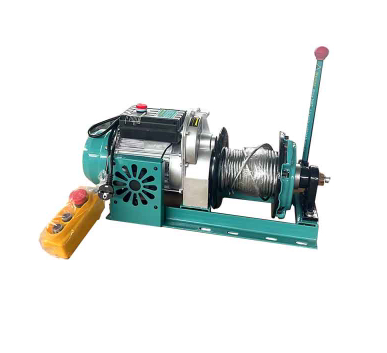
A1: Hydraulic winches generally offer smoother, more controllable power delivery under varying loads, and perform better in harsh outdoor conditions. They tend to last longer with less maintenance, especially in forestry where debris and dust can limit electric motor lifespan.
Q2: How difficult is it to maintain a hydraulic chipper winch?
A2: Routine checks like fluid levels, hose inspections, and brake function are essential but straightforward. Vendors often supply manuals for operators to handle daily upkeep, while professional servicing can be scheduled annually or as needed.
Q3: Can hydraulic chipper winches be customized for specific tasks?
A3: Absolutely. Many manufacturers offer variations in cable length, pulling force, and control options to match specific industry requirements or terrain challenges.
Q4: Are hydraulic chipper winches expensive to buy?
A4: The upfront cost is higher than some traditional mechanical winches but can be cost-effective over time thanks to durability, efficiency, and safety gains. Leasing or rental options are sometimes available for smaller projects.
Wrapping It Up: Why Hydraulic Chipper Winches Matter
If you’ve ever wrestled with heavy wood loads or considered how modern tools can improve safety and sustainability, you now see the key value of hydraulic chipper winches. They’re more than just machines — they represent smarter ways to handle nature’s resources responsibly, making life easier and safer for workers worldwide.
Interested in exploring options or upgrading your current setup? Take a look at our detailed line at hydraulic chipper winch. Your next step toward efficient, reliable hauling starts here.
Mini Summary
- Hydraulic chipper winches combine power and precision for safe wood handling globally.
- They cut risks and downtime in forestry, landscaping, and relief industries.
- Innovation keeps pushing them toward smarter, greener futures.
References:
1. World Bank, Forestry Statistics, https://data.worldbank.org/indicator
2. ISO 21827, Safety standards for forestry equipment, https://www.iso.org
3. Wikipedia contributors, Winch, https://en.wikipedia.org/wiki/Winch
-
The Ultimate Guide to Gear Steels for Durability and PerformanceNewsApr.16,2026
-
High Performance Gear Stainless Steel for Industrial DurabilityNewsApr.09,2026
-
Comprehensive Guide to Steel Bevel Gears Applications and SelectionNewsApr.07,2026
-
Comprehensive Guide to Durable Stainless Steel Miter Gears and ApplicationsNewsApr.04,2026
-
Comprehensive Guide to Steel Spur Gears Functionality and ApplicationsNewsMar.31,2026
-
Comprehensive Guide to Durable Stainless Steel Spur Gears and Their ApplicationsNewsMar.28,2026