Discover How Hydraulic Drum Anchor Winches Enhance Maritime Safety and Efficiency
What Is a Hydraulic Drum Anchor Winch and Why It Matters
If you've ever thought about how massive ships stay anchored in the vast ocean or how industrial rigs hold steady in unpredictable conditions, you’ve likely brushed against the crucial role of the hydraulic drum anchor winch. At first glance, it’s a mechanical device, but in broader terms, it’s a lifeline for marine safety, infrastructure resilience, and even post-disaster recovery projects worldwide. Understanding this technology helps industries minimize risks and optimize operations — a win-win that ripples across continents.
Today, with global trade booming and offshore engineering pushing boundaries, such equipment isn’t just luxury; it’s necessity. Yet, many underestimate how hydraulic drum anchor winches serve as critical cogs in the machinery of commerce and humanitarian efforts alike.
Global Context: The Growing Demand for Reliable Anchoring Solutions
The maritime and offshore industries are the backbone of international trade and resource extraction. According to the International Maritime Organization (IMO), over 80% of global trade by volume is seaborne. Industrial hubs in Asia-Pacific, the North Sea, and the Gulf of Mexico rely heavily on offshore vessels and platforms that need dependable anchoring systems to operate safely.
But the challenge isn’t just size or strength — it's environmental factors, digital integration, and the push toward greener technologies. Rough seas and higher safety standards require equipment that can perform under pressure. Hydraulic drum anchor winches address this need by offering controlled, powerful anchor deployment and retrieval, crucial for securing vessels during loading, unloading, or stationary work.
For instance, during offshore wind farm maintenance in Europe, precision anchoring saves expensive equipment from damage and helps crews work safely. The hydraulic drum anchor winch is part of that story.
What Exactly Is a Hydraulic Drum Anchor Winch?
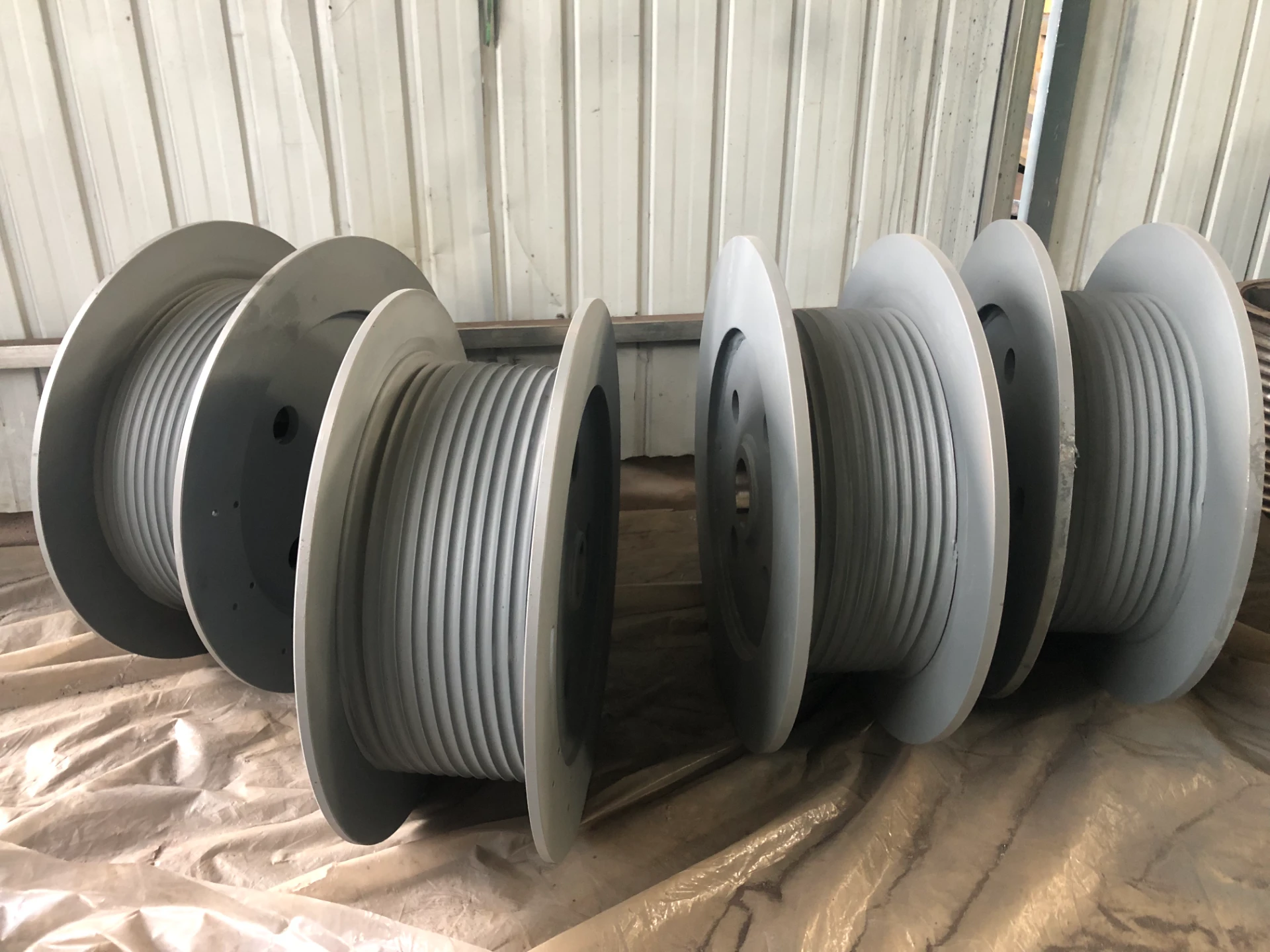
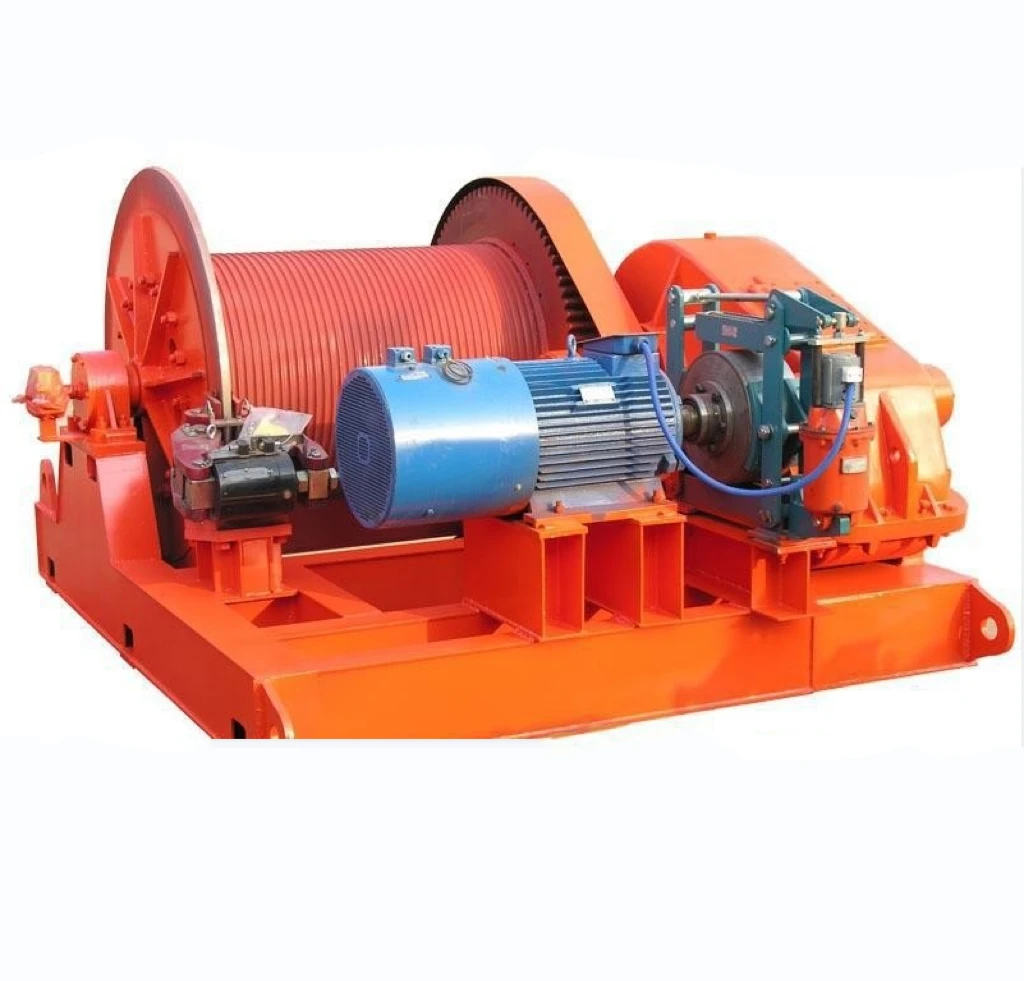
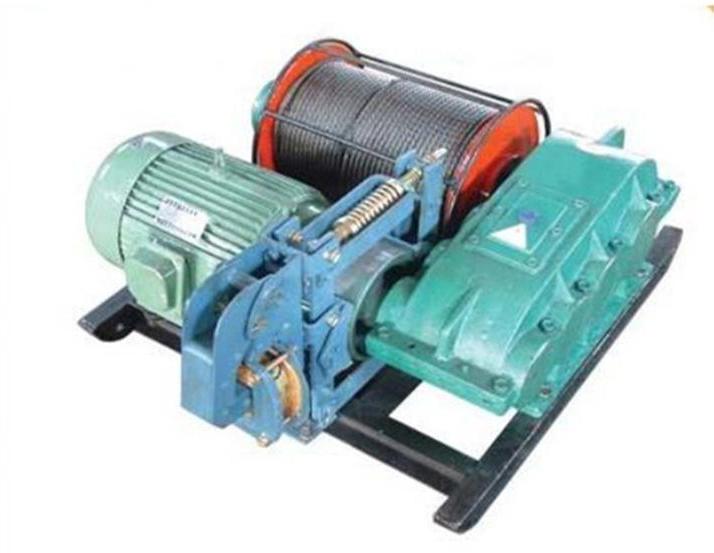
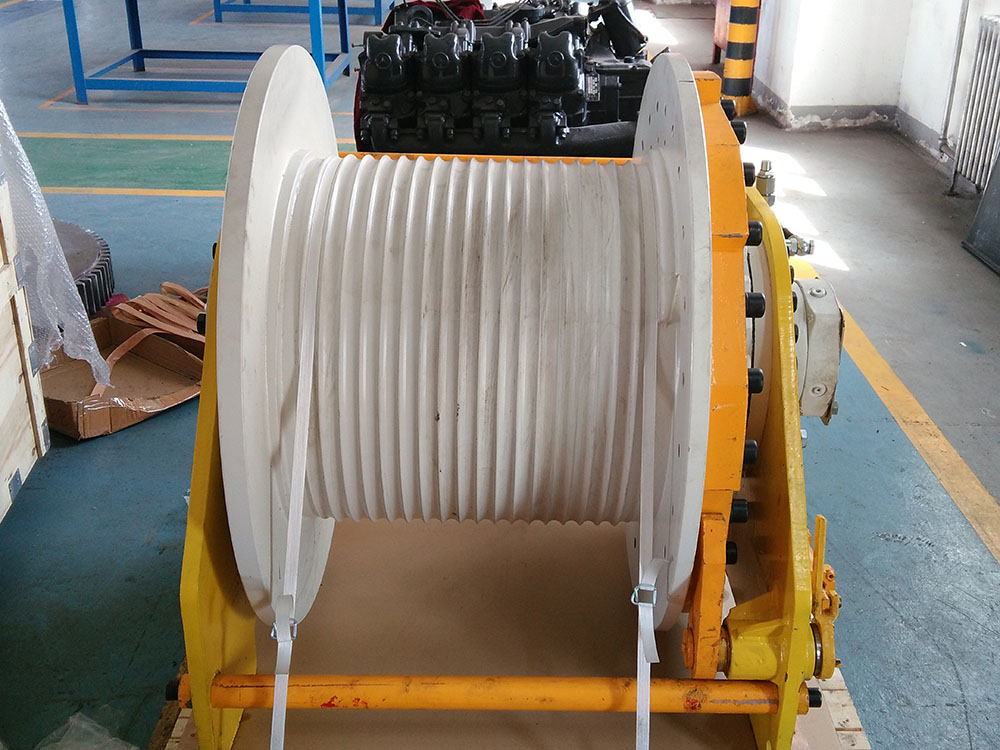
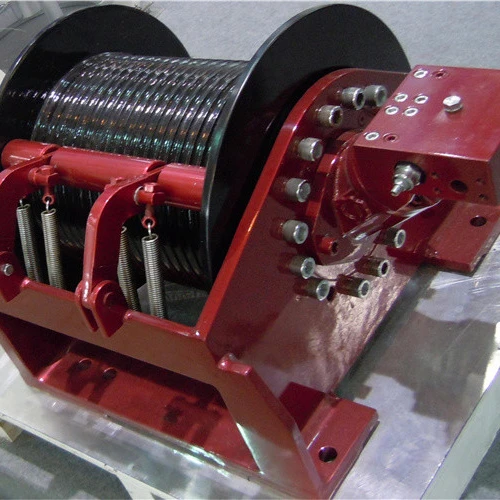
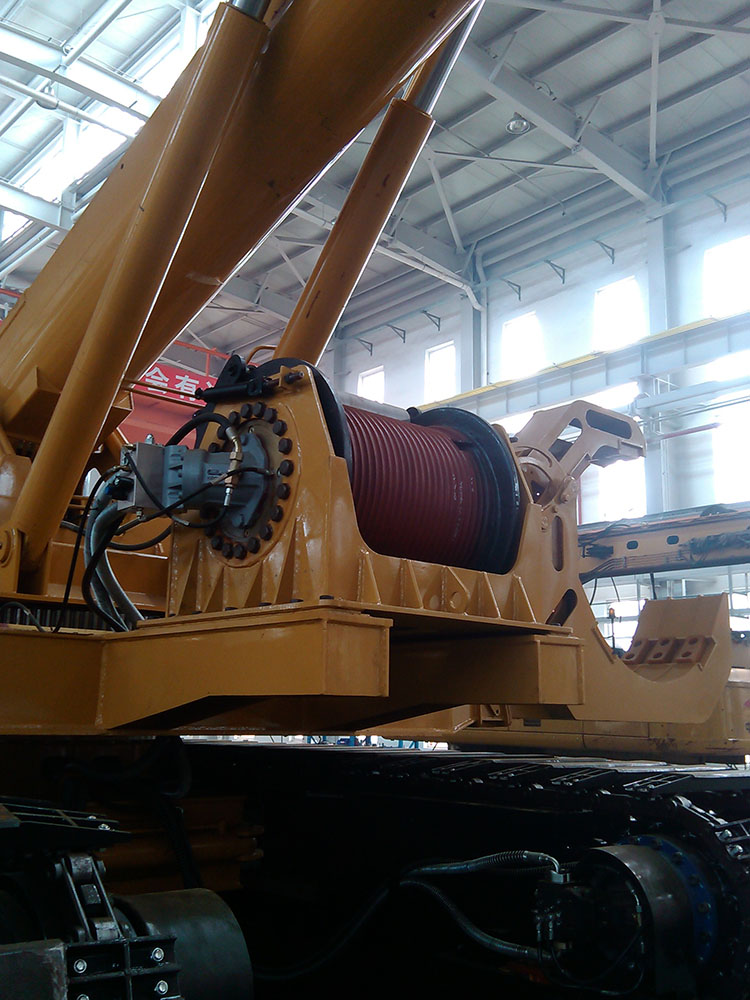
Simply put, a hydraulic drum anchor winch is a machine designed to hoist, deploy, or retrieve heavy anchors using hydraulic power transmitted to a rotating drum that spools the anchor chain or rope. It’s not just brute force — the hydraulic system allows smooth, controllable motions even under immense loads.
Think about a fisherman pulling in a heavy catch but on a massive scale, backed by hydraulics. This means the winch adjusts speed and tension based on conditions, reducing wear and risk of failure.
These winches are pivotal not only in maritime settings but also in rescue operations or even construction projects where temporary anchoring is needed, showing the versatility of this technology.
Core Components & Key Factors to Consider
Durability
These winches are built to last. Corrosion-resistant materials and sealed hydraulics guard against saltwater intrusion — a non-negotiable for vessels operating in harsh marine climates.
Power & Control
Hydraulics provide fine-tuned control over anchor movements, especially important when delicacy is needed — like holding position at a deep-water drilling site. Variable speed control, load sensing, and pressure regulation keep operations smooth.
Scalability
From small boats to colossal drill ships, hydraulic drum anchor winches come in sizes and strengths adaptable to specific anchor weights and chain lengths.
Maintenance & Safety Features
Modern models often include emergency brakes, fail-safe systems, and remote operation capabilities. Easy access points speed up routine checks — critical to avoid costly downtime.
Cost Efficiency
Though initial investments can be significant, well-chosen winches reduce long-term operational costs through energy efficiency and less frequent repairs.
Typical Specifications for a Mid-Sized Hydraulic Drum Anchor Winch
| Specification | Details |
|---|---|
| Power Source | Hydraulic motor (variable displacement) |
| Max Pulling Force | 150 kN (kilonewtons) |
| Drum Diameter | 800 mm |
| Chain Capacity | Up to 70 meters |
| Rotation Speed | 1 - 20 RPM |
| Safety Features | Emergency brake, load sensor, overload protection |
How Hydraulic Drum Anchor Winches Are Used Globally
It’s not just about ocean liners and oil rigs anymore. Different industries have found unique applications for these winches:
- Maritime Shipping & Ports: Smooth anchoring to handle tidal shifts efficiently.
- Offshore Energy: Wind farms or oil platforms requiring stable positioning for equipment.
- Disaster Relief: Rapidly securing floating hospitals or supply ships after floods or hurricanes.
- Construction & Mining: Temporary mooring for barges supplying remote projects.
- Military & Research Vessels: Precise positioning in challenging oceans or polar regions.
Take the Gulf Coast after hurricane events: temporary floating docks rely on these winches for quick anchoring, helping humanitarian agencies unload supplies with minimal fuss.
Advantages and Why Long-Term Investment Pays Off
- Reliability: Trusted to perform in critical moments — no room for failure.
- Safety: Controlled deployment reduces accidents and equipment damage.
- Operational Efficiency: Quicker anchor handling saves hours during marine operations.
- Durability Enhances Sustainability: Longer-lasting equipment means fewer replacements and less environmental impact.
- Emotional/Social Impact: By safeguarding lives and cargo, these winches earn trust and respect in high-stakes environments.
Comparing Leading Hydraulic Drum Anchor Winch Vendors
| Vendor | Max Load (kN) | Safety Features | Customization | Price Range |
|---|---|---|---|---|
| LBS Winch | Up to 200 kN | Full safety suite + remote control | High | $$$ |
| OceanTech | 150 kN | Standard with advanced overload protection | Medium | $$ |
| MarinaPro | 100 kN | Basic safety functions | Low | $ |
The Road Ahead: Innovations and Future Trends
In real terms, the industry is shifting toward smarter solutions. Hydraulic drum anchor winches are increasingly integrated with digital controls — real-time load monitoring, remote diagnostics, and automation reduce human error and speed maintenance.
Eco-conscious materials and energy-efficient motors are becoming standard, aligning with maritime decarbonization goals pushed by bodies like the IMO.
Also, modular and lightweight designs are helping vessels save space and weight without sacrificing power — something engineers have craved for decades.
Challenges and How Modern Solutions Tackle Them
Despite advances, challenges remain. Saltwater corrosion is relentless. Hydraulic leaks cause costly failures. Operator training varies internationally, sometimes limiting potential.
Experts recommend proactive maintenance, advanced coatings, and training simulations to reduce downtime and accidents. Plus, emerging IoT sensors alert crews before problems become emergencies.
FAQ: Answers to Common Questions About Hydraulic Drum Anchor Winches
- Q: How does a hydraulic drum anchor winch improve ship safety compared to electric winches?
- A: Hydraulic systems offer greater power density and precise control under load, which is crucial for stable anchor handling, especially during adverse weather. They’re less susceptible to electrical faults caused by moisture, making them more reliable in marine environments.
- Q: Can these winches be adapted for different anchor sizes and chain lengths?
- Yes, thanks to scalable design parameters and customizable drum dimensions, most hydraulic drum anchor winches can be tailored to specific anchor types and operational requirements, ensuring flexibility.
- Q: What maintenance is typically required for hydraulic drum anchor winches?
- Routine checks focus on hydraulic fluid levels and quality, seal integrity, drum wear, and safety system tests. Scheduled preventive maintenance avoids unexpected breakdowns and extends overall lifespan.
- Q: Are hydraulic drum anchor winches suitable for offshore wind farm contractors?
- Absolutely. Their precision control and durability make them prime choices for anchoring vessels or barges that support offshore turbine installation and maintenance — where stability is non-negotiable.
- Q: How does one select the right vendor for hydraulic drum anchor winch systems?
- Look for vendors offering certified products with comprehensive safety features, customization options, strong after-sales support, and proven operational track records. Comparing cost-to-value ratios can also guide decisions.
Wrapping Up: Why Hydraulic Drum Anchor Winches Are Here to Stay
From the decks of powerful cargo ships to the cutting-edge of offshore renewable energy, hydraulic drum anchor winches stand as silent workhorses. They embody the perfect blend of brute strength and delicate control, anchoring not just vessels, but entire industries.
If you’re in the market or simply curious about securing reliability in your operations, take a closer look at the hydraulic drum anchor winch options. Investing in smart, durable, and innovative equipment pays dividends in safety, efficiency, and peace of mind.
After all, sometimes the best technology is the one that just quietly holds everything steady while the world moves around it.
References:
1. International Maritime Organization – www.imo.org
2. ISO 20474:2017 – Maritime anchoring arrangements and equipment
3. UNCTAD Review of Maritime Transport 2023
-
The Ultimate Guide to Gear Steels for Durability and PerformanceNewsApr.16,2026
-
High Performance Gear Stainless Steel for Industrial DurabilityNewsApr.09,2026
-
Comprehensive Guide to Steel Bevel Gears Applications and SelectionNewsApr.07,2026
-
Comprehensive Guide to Durable Stainless Steel Miter Gears and ApplicationsNewsApr.04,2026
-
Comprehensive Guide to Steel Spur Gears Functionality and ApplicationsNewsMar.31,2026
-
Comprehensive Guide to Durable Stainless Steel Spur Gears and Their ApplicationsNewsMar.28,2026