Hydraulic Cable Pulling Winches: Essential Equipment for Global Infrastructure Projects
The Quiet Power of Hydraulic Cable Pulling Winches: Why It Matters Across Industries
When you think of big industrial equipment that’s both powerful and precise, hydraulic cable pulling winches probably don’t leap to mind immediately. Yet, these machines quietly underpin some of the most essential operations worldwide—whether it’s laying tens of kilometers of fiber-optic cable underwater, erecting energy infrastructure in remote areas, or aiding humanitarian relief efforts after natural disasters.
Understanding hydraulic cable pulling winches is key to unlocking better efficiency and safer work conditions in these fields. Why? Because they combine raw pulling force with sophisticated control and reliability, allowing projects that once took weeks and countless laborers to be accomplished more efficiently and with less risk. So, let’s unpack what these winches really are, why they’re pivotal globally, and why you might want to know about them.
Setting the Stage: Why Hydraulic Cable Pulling Winches Have Global Impact
The global demand for robust communication networks, renewable energy systems, and resilient infrastructure keeps growing—quickly. According to the International Telecommunication Union (ITU), global internet users surpassed 5 billion in 2023, necessitating massive cable installations across continents. Plus, the United Nations notes that sustainable energy capacity is expanding at nearly 8% annually worldwide, much of which depends on cable deployment and grid connections in challenging terrains.
But herein lies a big challenge: pulling cables, sometimes heavy and long, across rugged or otherwise tough environments, without damaging them or risking operator safety. Traditional manual or electric cable pulling can be inefficient or hazardous. Hydraulic cable pulling winches have emerged as the answer, balancing enormous pulling power with precision control, even in the most unforgiving conditions.
So, What Exactly Are Hydraulic Cable Pulling Winches?
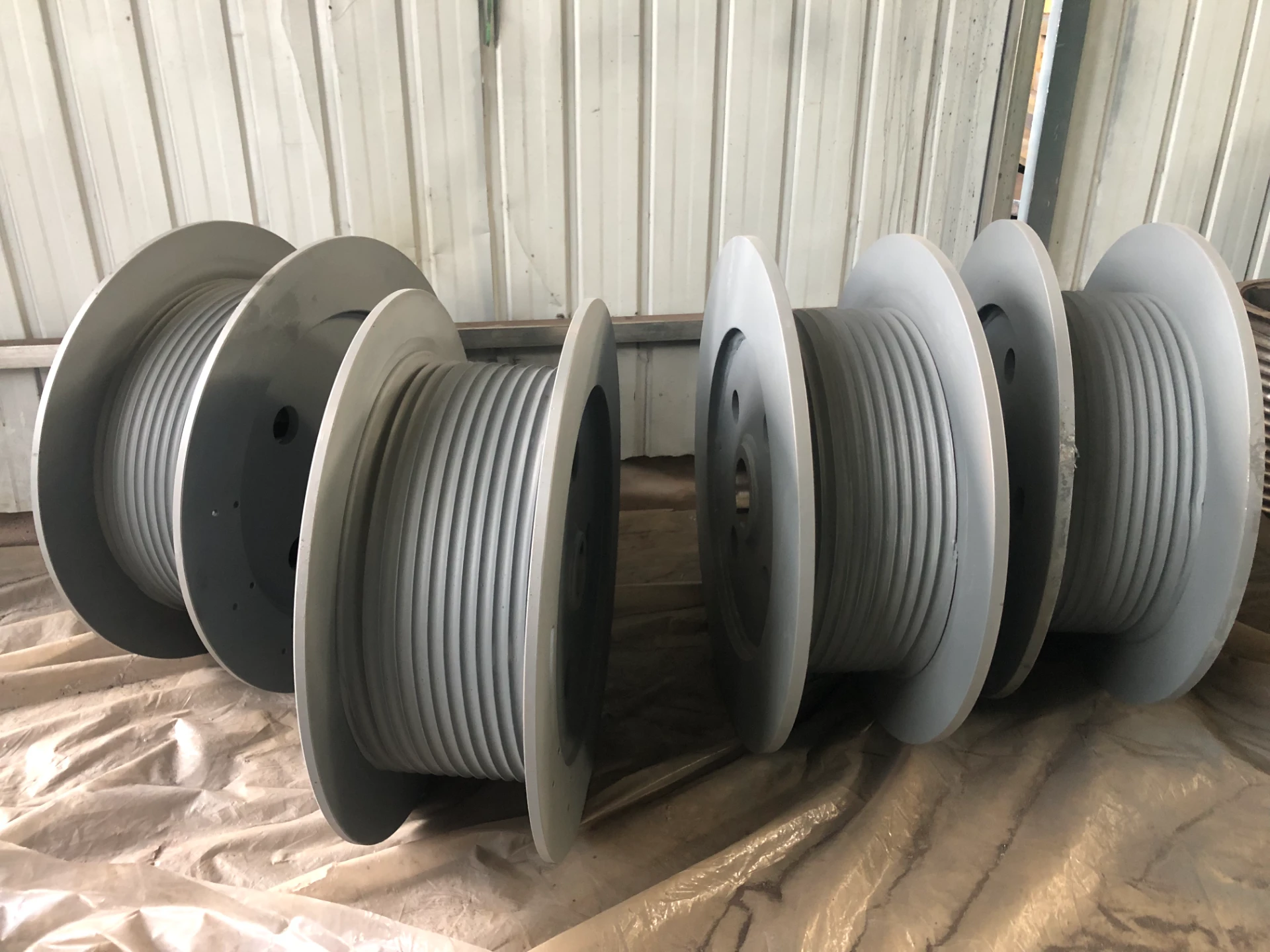
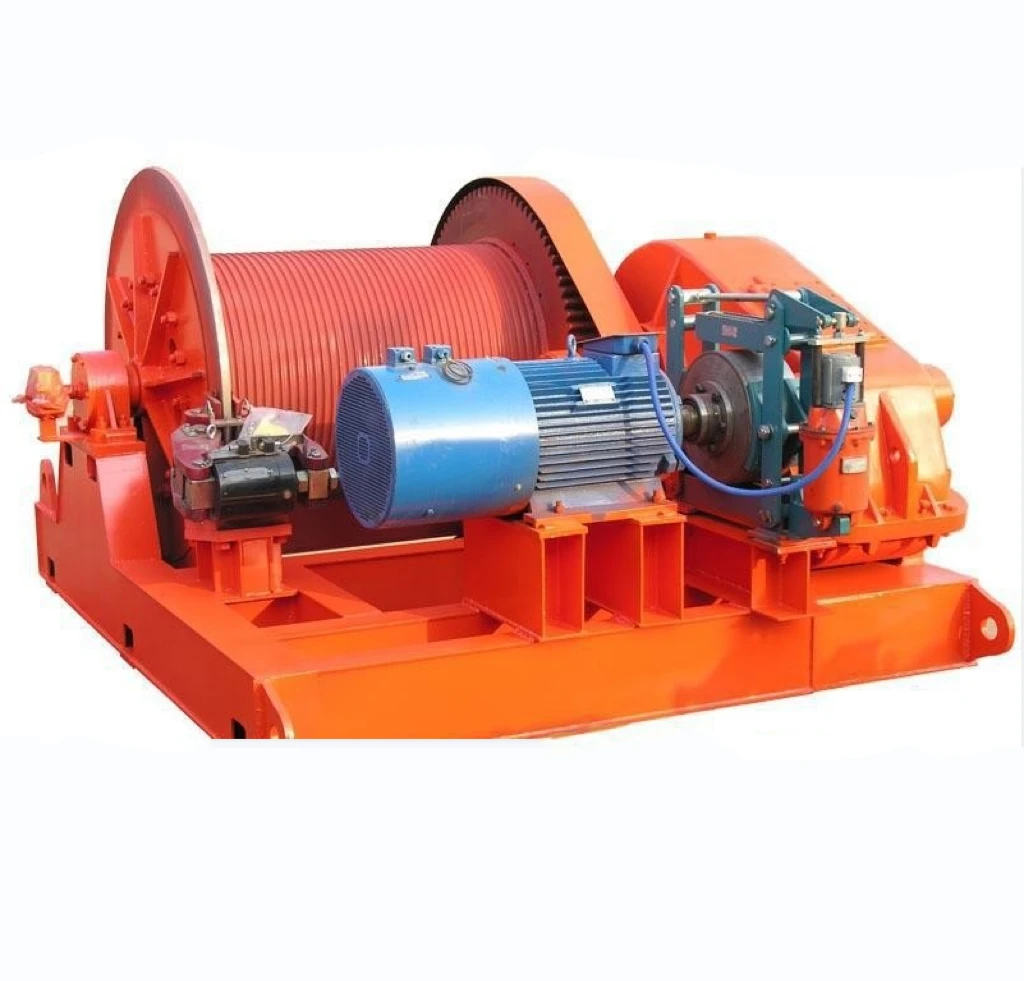
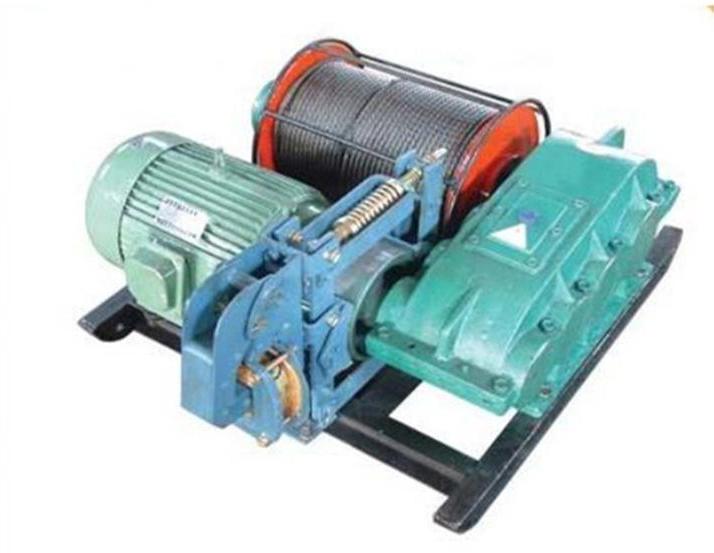
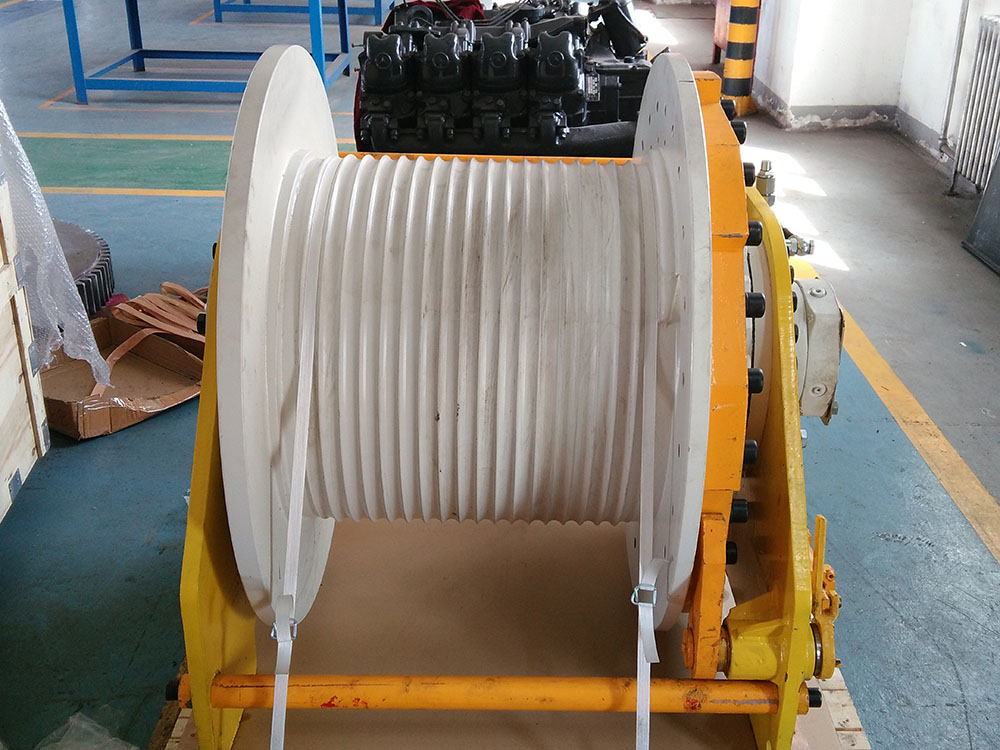
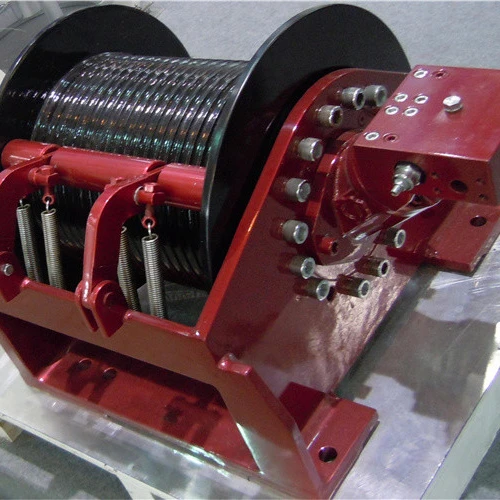
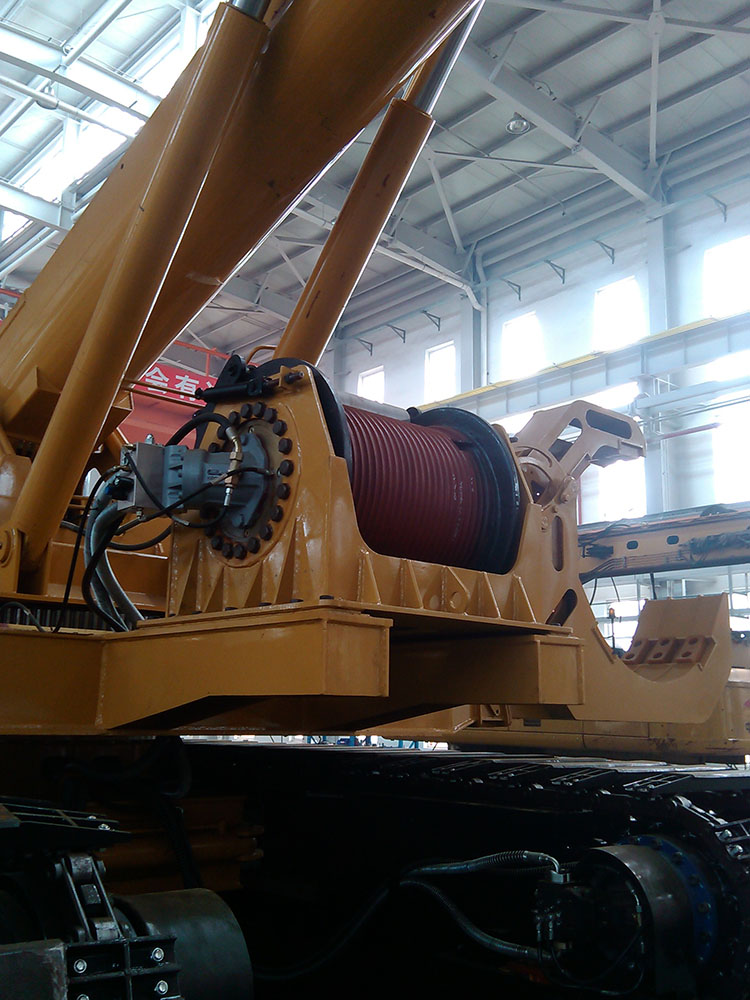
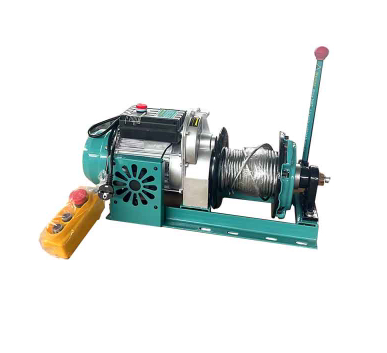
In simplest terms, these are mechanical devices outfitted with hydraulic motors to pull cables over long distances or heavy loads. Unlike electric winches, hydraulic cable pulling winches leverage pressurized fluids to produce consistent torque and speed control, making them ideal for tough, continuous-duty applications.
They’re the muscle behind cable installations in telecom, power transmission, and even disaster relief—and that’s because hydraulics deliver smooth, reliable power unaffected by many of the limitations that electric or manual alternatives face.
Key Components of Hydraulic Cable Pulling Winches
Durability and Build Quality
One of the first things engineers highlight is rugged construction — steel frames treated to resist corrosion, strong hydraulic cylinders, and sealed components that withstand weather and rough handling. Because these winches often operate in extreme environments—from deserts to tropical rainforests—durability is non-negotiable.
Precise Speed and Force Control
Hydraulics allow for flexibility in torque and pulling speed, important for not damaging delicate cables. Many models come with adjustable controls to set optimal tension and speed, reducing downtime caused by cable snags or breaks.
Scalability and Adaptability
These winches come in various sizes and pulling capacities—some as low as 5,000 lbs pulling force, others upwards of 50,000 lbs or more. This scalability means they can be deployed for small urban fiber projects or massive high-voltage cable installations.
Portability and Power Source
It’s worth noting that many hydraulic cable pulling winches can be powered by mobile hydraulic units—tractors, trucks, or purpose-built power packs—making them highly portable for remote or difficult access sites.
Safety Features
Given the enormous forces involved, safety mechanisms like automatic brake systems, emergency stops, and load limiters are built in—helping prevent accidents that unfortunately still occur on jobsites without this technology.
Applications Across the Globe: Real-world Uses of Hydraulic Cable Pulling Winches
Where aren’t these winches making a difference? Honestly, they’re everywhere—from the expansive Outback in Australia to harsh Arctic installations in Scandinavia.
- Telecommunications: Laying underground or undersea fiber optic cables, speeding up network rollout and upgrades.
- Energy Sector: Pulling heavy high-tension power cables through difficult terrain or inside industrial plants.
- Disaster Relief: Rapid reinstallation of essential lines after earthquakes, floods, or hurricanes where manual work is too slow or risky.
- Oil & Gas and Mining: Cable handling for equipment and infrastructure in remote extraction sites.
For example, after the 2010 Haiti earthquake, relief organizations used hydraulic winches to quickly lay temporary power and communication lines—saving precious time when every hour counted.
Product Specification Table – Typical Hydraulic Cable Pulling Winches
| Specification | Model A | Model B | Model C |
|---|---|---|---|
| Max Pulling Force | 12,000 lbs | 25,000 lbs | 50,000 lbs |
| Cable Diameter Capacity | Up to 1.5 in | Up to 2.5 in | Up to 4 in |
| Power Source | Mobile Hydraulic Unit | Plant Hydraulics | Mobile Diesel Hydraulic Pack |
| Weight | 850 lbs | 1,750 lbs | 3,600 lbs |
| Dimensions (L×W×H) | 48×24×34 in | 60×30×40 in | 72×36×48 in |
Weighing the Benefits: Why Invest in Hydraulic Cable Pulling Winches?
Anyone who’s managed cable installations will swear by the efficiency boost provided by hydraulic winches. The key advantages?
- Cost Efficiency: Faster pulling means fewer labor hours and less on-site equipment rental time.
- Reliability: Less cable damage, consistent performance in varying weather, and reduced operational downtime.
- Enhanced Safety: Operator controls reduce manual handling, lowering injury risks on site that can result from cable snaps or overload.
- Long-Term Investment: Durable build lengthens machine life, while adaptability suits evolving project scopes.
- Environmental Impact: Many units run on cleaner hydraulic fluids and can be paired with renewable energy sources to reduce carbon footprint.
You get a machine that’s physically powerful but gentle with cables. Plus, it inspires trust among on-site crews knowing their tools won’t fail them.
Where Are Hydraulic Cable Pulling Winches Headed? Emerging Trends to Watch
Although these machines have existed for decades, innovation hasn’t stalled. Here’s a glimpse of what’s coming:
- Digital Integration: Smart sensors to monitor pull loads, slippage, and real-time diagnostics improve safety and predictive maintenance.
- Lightweight Materials: Advanced composites reducing machine weight without sacrificing strength or corrosion resistance.
- Green Hydraulics: Use of biodegradable hydraulic fluids and energy-efficient pumps responding to tighter environmental regulations.
- Automation: Semi-autonomous cable pulling with remote controls allowing operators to step back from dangerous zones.
One can’t help but wonder: in the near future, will these winches even need physical operators on site? For now, though, the current balance between human skill and machine power feels just right.
Overcoming the Challenges: What Can Trip Up Hydraulic Cable Pulling Winches?
They’re powerful, but not invincible. Common issues include:
- Hydraulic System Leaks: If seals fail, costly downtime and environmental impact arise. Regular maintenance and quality fittings help avoid this.
- Training Requirements: Operators need specialized skills to handle controls effectively. This means investing in training and safety protocols.
- Weight and Transport: Bigger winches, while more powerful, require serious logistics planning to move to sites.
Many companies now offer modular winch systems or rental options that ease transportation and scale deployment based on project needs. Plus, some have embraced virtual reality training modules to prep operators safely off-site.
Hydraulic Cable Pulling Winches: Frequently Asked Questions
- What makes hydraulic cable pulling winches better than electric winches?
- Hydraulic winches provide smoother, more controllable torque over extended periods, making them ideal for heavy-duty cable pulling without overheating—unlike many electric winches that can struggle under continuous heavy loads.
- Can these winches be used in hazardous environments?
- Yes, they are often designed with sealed components and safety features to operate safely in wet, dusty, or explosive atmospheres—but always check manufacturer certifications specific to such environments.
- How important is maintenance for these winches?
- Very important! Proper inspection and maintenance of hydraulic lines, seals, and controls prevent failures and costly downtime—particularly important when working on critical infrastructure.
- Are hydraulic cable pulling winches suitable for old cables or sensitive materials?
- Thanks to precise tension control, many models can be adjusted to pull delicate cables without damage, making them versatile across tough and sensitive applications alike.
- Where can I find trusted suppliers of hydraulic cable pulling winches?
- There are several, but it’s essential to evaluate vendors based on durability, warranty, and support. We’ll highlight some below.
Vendor Comparison Table
| Vendor | Max Capacity (lbs) | Portability | Warranty | Unique Features |
|---|---|---|---|---|
| LBS Winch Co. | 50,000 | High (Modular Design) | 3 Years | Integrated load monitoring system |
| HydroPull Ltd. | 35,000 | Medium (Truck-mounted) | 2 Years | Eco-friendly hydraulic fluids |
| CableMaster Inc. | 25,000 | Low (Fixed Plant Installations) | 1.5 Years | Custom tension control presets |
Conclusion: These Winches Pull More Than Cable — They Pull Progress Forward
Over decades, hydraulic cable pulling winches have evolved from simple mechanical devices to complex, indispensable tools across many industries. They offer a harmonious blend of brute strength and precision control while addressing safety and environmental concerns increasingly demanded worldwide.
If you’re part of a project where cable pulling is critical—whether industrial, humanitarian, or infrastructural—spending a bit of time to understand these machines, and their suppliers like hydraulic cable pulling winches specialists, could make a world of difference.
Remember, it's not just about pulling cords, cables, or wires. It’s about moving the needle on infrastructure, connectivity, and ultimately, human progress.
Ready to learn more or find the right solution for your next project? Visit https://www.lbswinch.com to explore what modern hydraulic cable pulling winches can do.
References:
-
The Ultimate Guide to Gear Steels for Durability and PerformanceNewsApr.16,2026
-
High Performance Gear Stainless Steel for Industrial DurabilityNewsApr.09,2026
-
Comprehensive Guide to Steel Bevel Gears Applications and SelectionNewsApr.07,2026
-
Comprehensive Guide to Durable Stainless Steel Miter Gears and ApplicationsNewsApr.04,2026
-
Comprehensive Guide to Steel Spur Gears Functionality and ApplicationsNewsMar.31,2026
-
Comprehensive Guide to Durable Stainless Steel Spur Gears and Their ApplicationsNewsMar.28,2026