Anchor Winch Hydraulic: Reliable Power Solutions for Marine & Industrial Use | LBS Winch
Anchor Winch Hydraulic: Powering Maritime & Industrial Efficiency Worldwide
If you've ever been near a large ship or industrial dock, chances are you've seen an anchor winch hydraulic system at work—though it often hums quietly in the background, far from the spotlight. This device is not just a mechanical marvel; it’s crucial in ensuring that vessels stay anchored safely and securely against the elements. Globally, with increased maritime traffic, offshore projects, and disaster relief efforts relying on quick deployment of anchored platforms, understanding hydraulic anchor winches matters more than ever.
Why the fuss? Because minimizing downtime, improving safety, and optimizing power use directly save time and lives at sea, as well as energy and cost on land. In this article, we’ll explore the nuts and bolts of hydraulic anchor winches, their growing global role, and what the future holds for this essential gear.
Setting the Scene: Why Hydraulic Anchor Winches Are Critical Globally
The past decade has seen a surge in global shipping volumes—UNCTAD reports a 4% annual increase—and a parallel rise in offshore oil and renewable energy projects. This sprawling industry demands reliable anchoring solutions that can quickly adapt to varying conditions. The anchor winch hydraulic system fits well because it blends power and precision better than older mechanical or electric-only systems.
But there’s a catch: traditional anchor systems often struggle with wear and slow operation, which are expensive and risky, especially in remote or disaster-prone regions. Humanitarian groups and maritime engineers alike increasingly rely on hydraulics to overcome these hurdles, with ISO standards (ISO 12100 for machinery safety, for example) nudging developments toward safer, more efficient designs.
Simply put: the global economy and relief operations depend on prime anchoring solutions, and hydraulics offer the muscle and finesse needed.
What Is an Anchor Winch Hydraulic, Anyway?
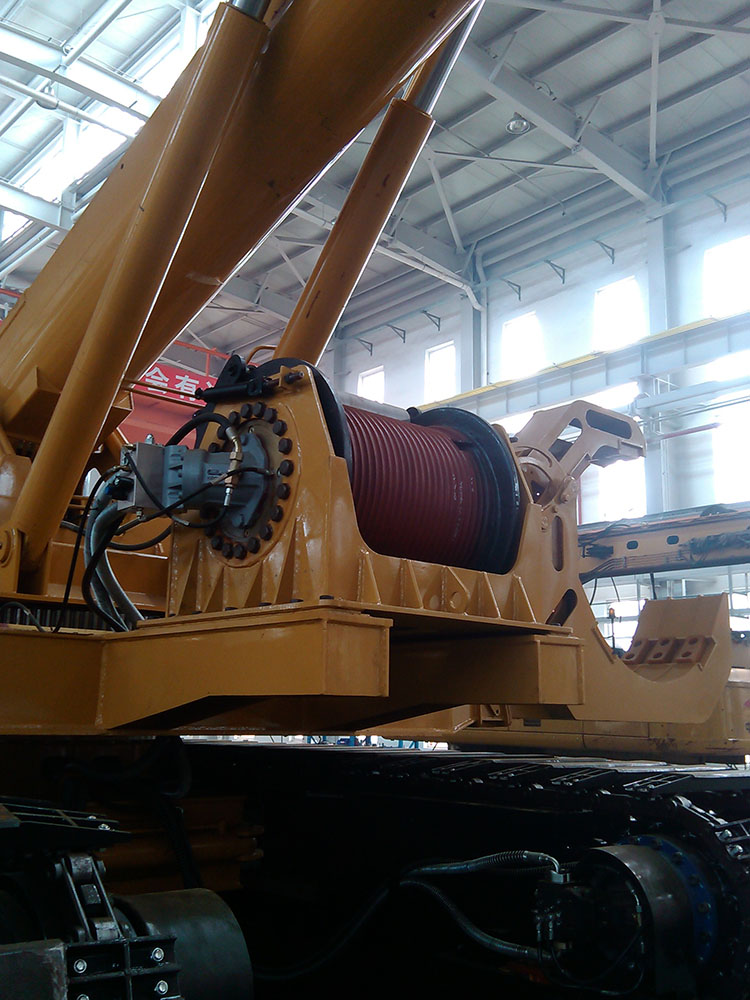
At its core, an anchor winch hydraulic is a system that uses pressurized fluid to power the mechanical parts responsible for deploying, recovering, and controlling a ship’s anchor. It converts hydraulic energy into motion, offering smooth, controllable force that can handle heavy anchors even in rough conditions.
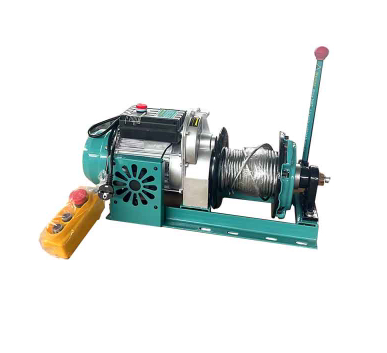
Compared to electric or manual winches, hydraulic systems are generally more robust, better at managing shock loads, and easier to maintain—ideal for the tough environments of marine and industrial sectors. It’s like trading a bicycle for a motorcycle when you want speed and stamina.
Mini Takeaway
An anchor winch hydraulic is the industrial equivalent of a reliable muscle car — rugged, powerful, and designed to keep you steady no matter what the seas throw your way.
Core Components of a Hydraulic Anchor Winch
1. The Hydraulic Power Unit (HPU)
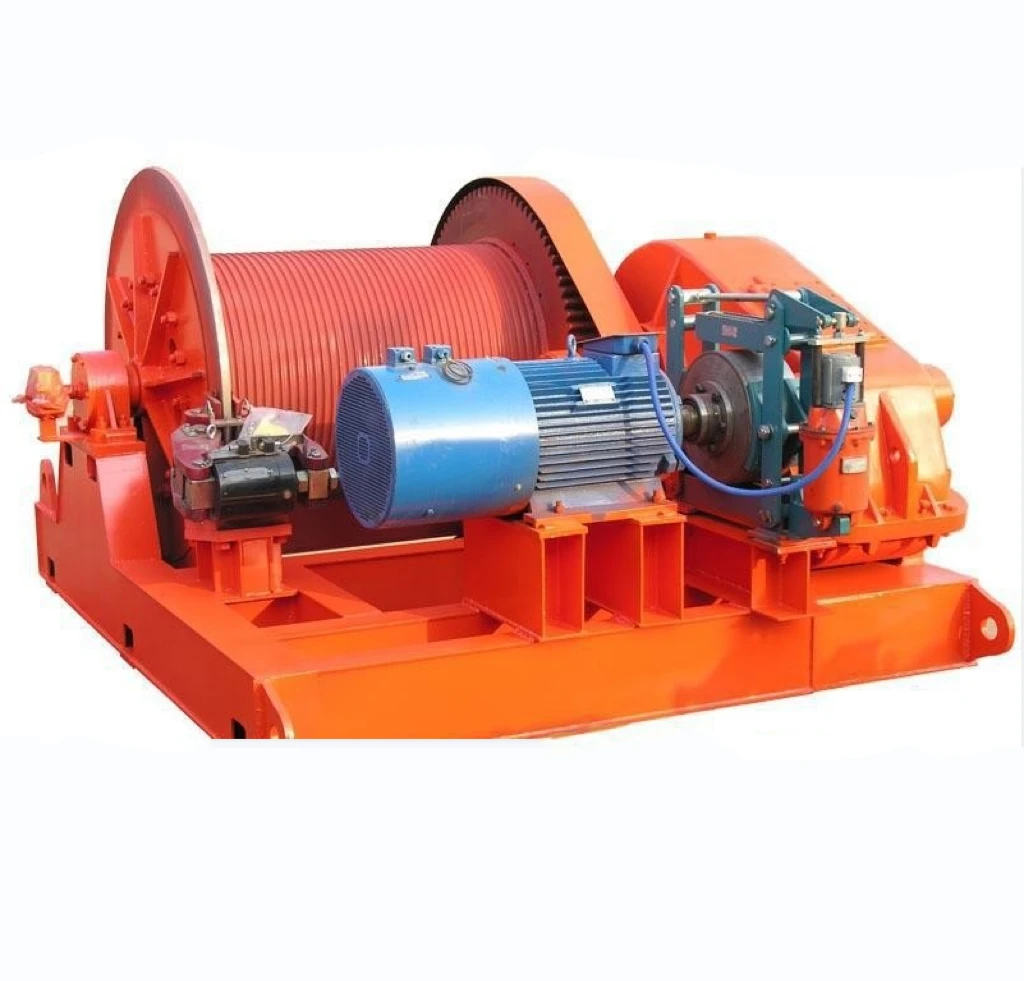
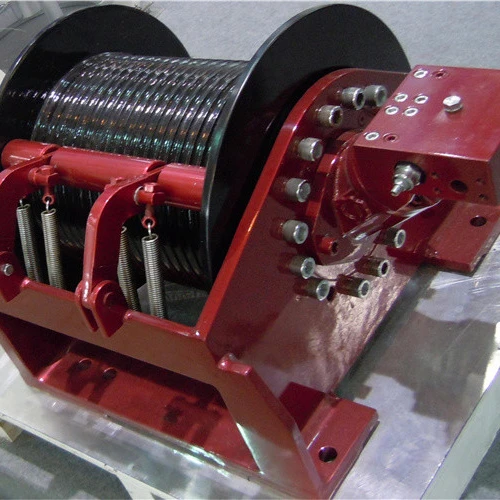
This is essentially the heart of the system, consisting of pumps, motors, reservoirs, and filters. The HPU pressurizes the fluid (usually oil) and directs it through control valves. Its power output defines how quickly and forcefully the anchor can be handled.
2. The Winch Drum and Gear Train
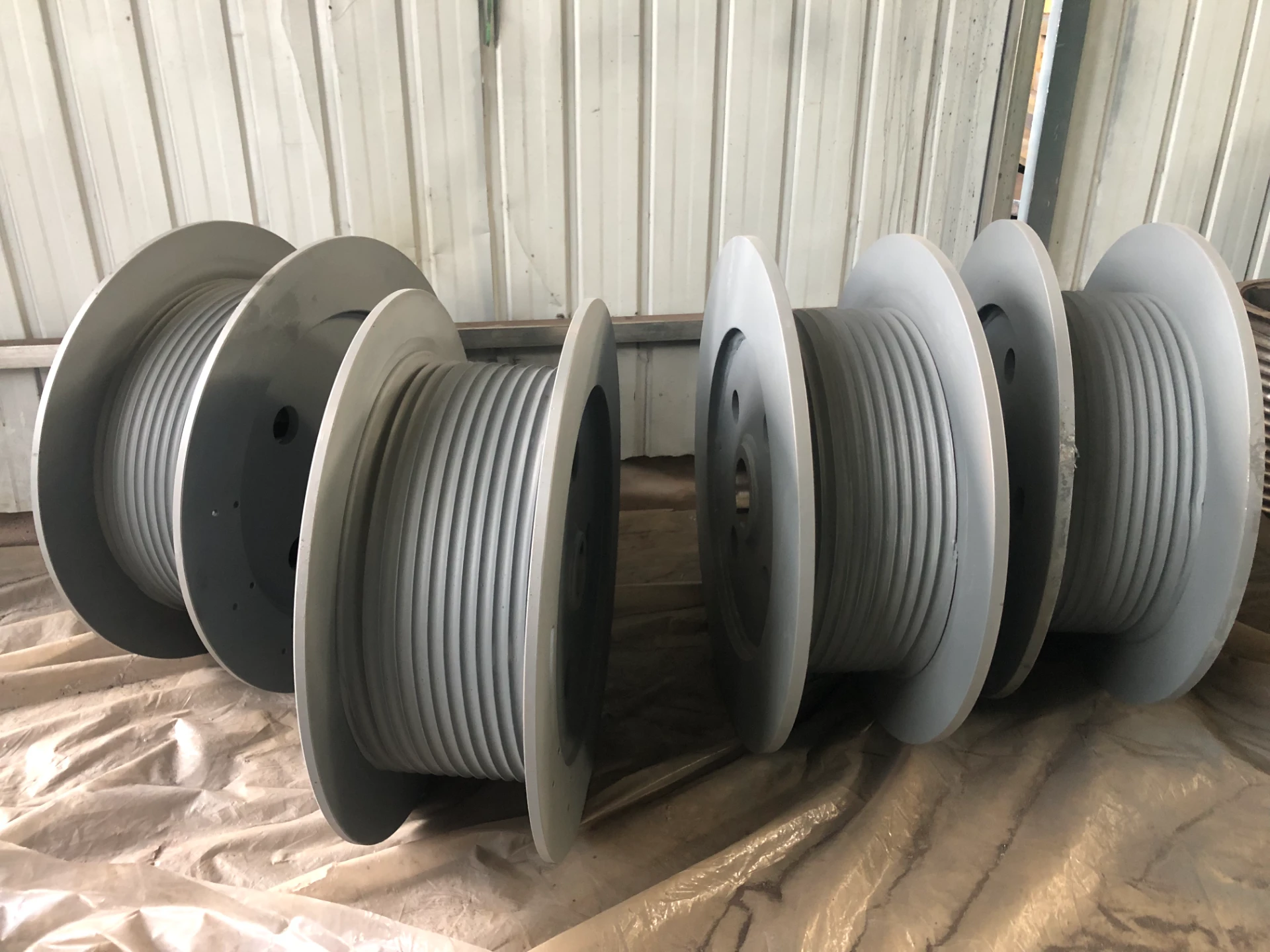
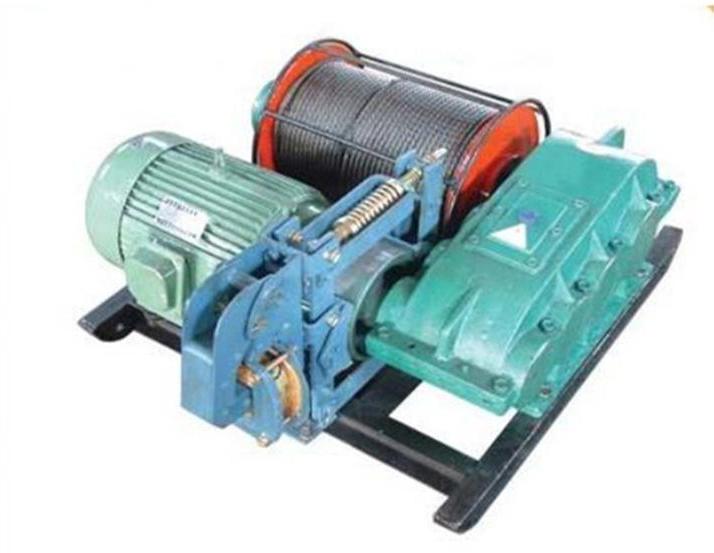
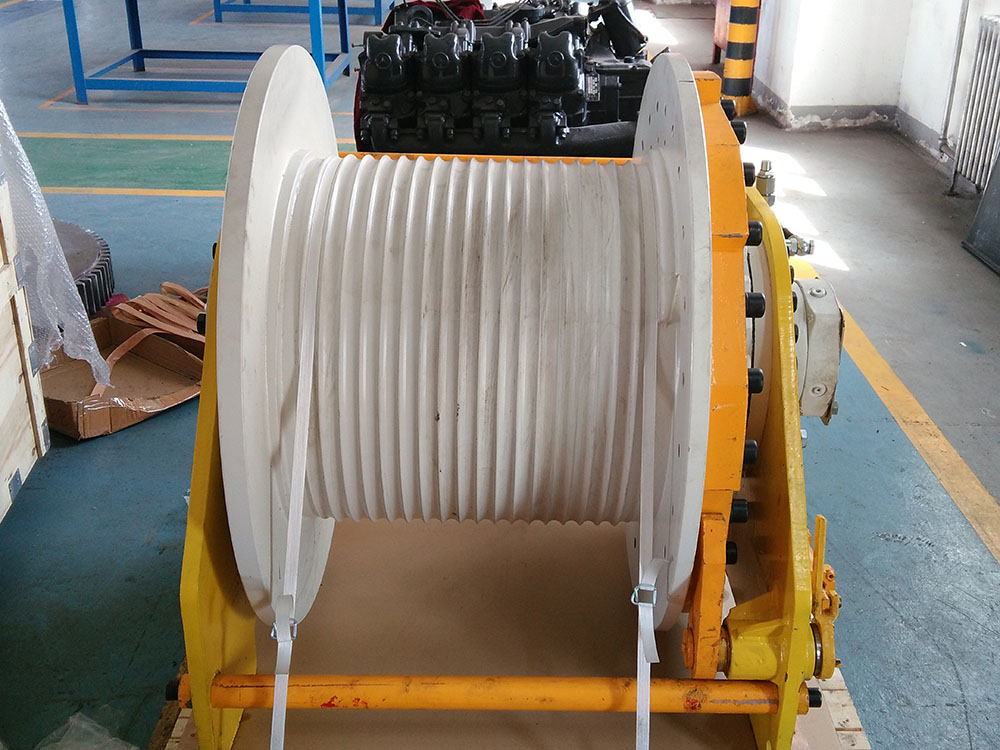
Physical parts that do the "pulling" — the drum wraps the anchor chain or cable. Gears transfer torque from the motor to move the drum with precision. High-quality materials here matter because wear-and-tear directly affects reliability.
3. Control Valves and Electronics
Modern systems integrate electro-hydraulic control modules, allowing operators to adjust speed and tension remotely or automatically. This level of control reduces human error and enhances safety.
4. Safety and Monitoring Systems
Pressure sensors, emergency brakes, and load monitoring gear ensure the system doesn't overexert itself or release anchors unexpectedly, protecting both equipment and crew.
5. Anchor Chain and Fittings
Not technically part of the winch, but crucial nonetheless: the chain's grade and connectors must match the hydraulic system's capacity for safe operation.
Mini Takeaway
Each core component has to work in harmony — think of it like an orchestra where a single missed beat can ripple into safety issues or operational failure.
Where and How Are Hydraulic Anchor Winches Used Around the World?
Hydraulic anchor winches are everywhere — from fishing boats bobbing off Norway’s coast to colossal LNG carriers docking in Singapore.
- Maritime Shipping: Major ports like Rotterdam and Shanghai handle thousands of ships monthly relying on powerful hydraulic winches for safe mooring.
- Offshore Oil & Gas: Platforms in the North Sea and Gulf of Mexico use these systems to secure themselves against strong currents and storms, where failure isn't an option.
- Disaster Relief: Organizations setting up floating hospitals or shelters often deploy anchored barges quickly, depending on reliable hydraulic winches.
- Renewable Energy: Offshore wind farms use hydraulic winches for anchors on floating turbines, essential for the growing green energy sector.
These examples highlight the system’s versatility — in extreme climates, high seas, and sensitive humanitarian missions — illustrating just how global and crucial this tech is.
Anchor Winch Hydraulic: Benefits That Matter Long-Term
Why do engineers, ship captains, and disaster responders swear by hydraulic anchor winches? The answer blends logic and a bit of human instinct:
- Reliability: Hydraulic systems handle shock loads and variable tension better, so fewer breakdowns.
- Efficiency: They use power smartly, often cutting fuel or electric consumption compared to alternatives.
- Safety: Controlled motion with built-in failsafes dramatically lowers accident risks for crews.
- Durability: These winches last longer in saltwater and rough weather with less maintenance.
- Sustainability: Newer models operate quieter, with less oil leakage — pushing toward greener maritime operations.
On a more human level, these benefits mean protecting workers’ lives, ensuring cargo gets to where it’s needed, and supporting communities dependent on shipping and offshore industries.
Looking Ahead: Innovations in Anchor Winch Hydraulic Technology
Hydraulic anchor winches aren't standing still. The future brims with new materials like corrosion-resistant composites, better smart sensors with AI-driven predictive maintenance, and greater integration with digital ship management systems (often dubbed “smart ships”).
Some companies are experimenting with hybrid systems combining electric motors and hydraulics to cut emissions and improve efficiency. Others push toward greener fluids and leak-proof seals, responding to international environmental standards tightening around marine pollution.
Challenges Engineers Face (And Some Clever Solutions)
Of course, no tech is perfect. Hydraulic anchor winches can be complex to maintain and require skilled technicians. Oil leaks, though rarer, are a stubborn issue prone to environmental concerns. Also, initial purchase costs are higher than simpler systems.
But advances in modular design simplify repairs, and training programs through maritime institutes are expanding—many engineers say on-board diagnostics now rival those of modern cars. Plus, environmentally friendlier bio-hydraulic fluids are gradually becoming mainstream, minimizing ecological risk.
FAQ: Quick Answers About Anchor Winch Hydraulic Systems
- How often should hydraulic anchor winches be maintained?
- Typically, winches require comprehensive checks every 6 to 12 months, depending on usage intensity and environment. Routine inspections can prevent costly failures and ensure peak performance.
- Can hydraulic anchor winches be retrofitted on older ships?
- Yes, many systems are designed modularly to fit existing vessels. Retrofitting can extend ship life and improve safety, making it a popular upgrade.
- Are hydraulic winches safe to operate in harsh weather?
- Absolutely. Hydraulic systems excel in rough conditions, offering controlled power that adapts to changing load and momentum, which is crucial during storms or high seas.
- What environmental regulations affect hydraulic fluid use on ships?
- Many regions now require biodegradable or low-toxicity hydraulic fluids, and strict protocols exist to prevent discharge into ocean waters. Compliance is essential to avoid penalties and protect marine life.
- Is digital control commonly used in modern hydraulic anchor winches?
- Increasingly so. Digital systems improve operator control, allow remote monitoring, and enable predictive maintenance, boosting overall safety and efficiency.
Summary & Next Steps
The anchor winch hydraulic represents a core technology quietly holding the backbone of modern shipping, offshore industry, and crucial humanitarian missions. It blends power, reliability, and safety in a package that’s evolving toward greener, smarter marine technology.
If you’re in the maritime or industrial space and want to explore options or specs on hydraulic winches, don’t hesitate to check out our anchor winch hydraulic solutions — the blend of tradition and innovation is pretty exciting.
Product Specification: Typical Hydraulic Anchor Winch Model
| Specification | Details |
|---|---|
| Power Source | Hydraulic pump driven by electric motor |
| Max Pulling Force | 60 kN |
| Line Speed (Chain Retrieval) | 10 meters per minute |
| Control System | Electro-hydraulic remote control with manual override |
| Safety Features | Load limiter, emergency stop, brake system |
| Weight | 850 kg |
Vendor Comparison: Leading Hydraulic Anchor Winch Suppliers
| Supplier | Max Load (kN) | Customization Options | Warranty | Lead Time |
|---|---|---|---|---|
| LBS Winch | 100 | Full customization — chain size, power unit | 24 months | 6–8 weeks |
| Marine Solutions Inc. | 80 | Limited customization | 18 months | 4 weeks |
| OceanTech Ltd. | 90 | Standard models only | 12 months | 5–7 weeks |
Final Thoughts
It’s clear that hydraulic anchor winches are no mere gadgets—they’re the unsung heroes of maritime and industrial safety, enabling everything from giant cargo shipments to emergency relief with steady hands. While challenges persist, especially in maintenance and environmental impact, ongoing innovations keep pushing the envelope toward smarter, cleaner, and more adaptable solutions. If you think about the scale of human endeavor on and near the oceans—well, these systems mark a quiet but critical frontier worth knowing.
References
- United Nations Conference on Trade and Development (UNCTAD), “Review of Maritime Transport 2023”
- ISO 12100:2010, Safety of machinery – General principles for design – Risk assessment and risk reduction
- Marine Technology, “Hydraulic Winch Systems: Trends and Innovations,” (2023)
-
The Ultimate Guide to Gear Steels for Durability and PerformanceNewsApr.16,2026
-
High Performance Gear Stainless Steel for Industrial DurabilityNewsApr.09,2026
-
Comprehensive Guide to Steel Bevel Gears Applications and SelectionNewsApr.07,2026
-
Comprehensive Guide to Durable Stainless Steel Miter Gears and ApplicationsNewsApr.04,2026
-
Comprehensive Guide to Steel Spur Gears Functionality and ApplicationsNewsMar.31,2026
-
Comprehensive Guide to Durable Stainless Steel Spur Gears and Their ApplicationsNewsMar.28,2026