Hydraulic Boom Winch: Global Applications & Benefits Explained
Understanding the Hydraulic Boom Winch: A Global Engineering Lifeline
What exactly is a hydraulic boom winch, and why has it become such a pivotal component in industries ranging from construction and logging to disaster relief? At its core, it's a powerful, hydraulic-driven device designed to lift, pull, or position heavy loads with precision and control. But beyond the mechanics, this simple tool impacts global operations in fascinating ways—enabling safer workplaces, faster recovery after calamities, and more efficient industrial workflows. As we dig in, expect some light tangents, practical insights, and even a couple of tables that break down the specs and market leaders in this field.
Global Context: Why Hydraulic Boom Winches Matter Now More Than Ever
Today, with urbanization and infrastructure growth accelerating worldwide, the demand for reliable heavy lifting tools has skyrocketed. According to the United Nations, infrastructure investment in developing countries will triple by 2040. Hydraulic boom winches play a quiet yet vital role, facilitating everything from bridge construction to energy sector maintenance.
Oddly enough, they also feature prominently in humanitarian logistics. After natural disasters, when time is of the essence and terrain is unforgiving, hydraulic boom winches mounted on boom lifts or trucks help clear debris, move essentials, and set up temporary structures rapidly. However, many organizations still wrestle with challenges like equipment weight, fuel consumption, or versatility in different climates.
What Is a Hydraulic Boom Winch?
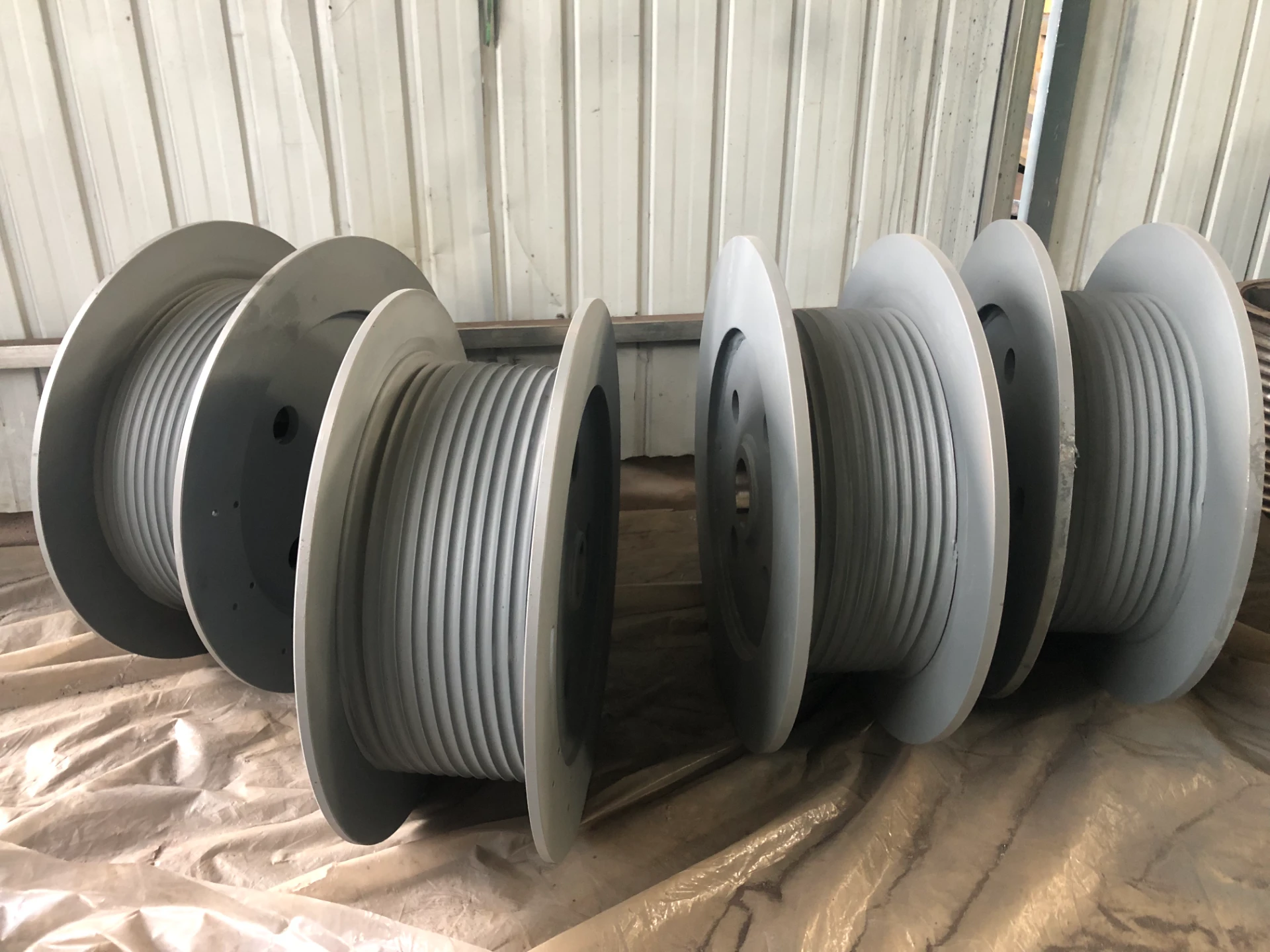
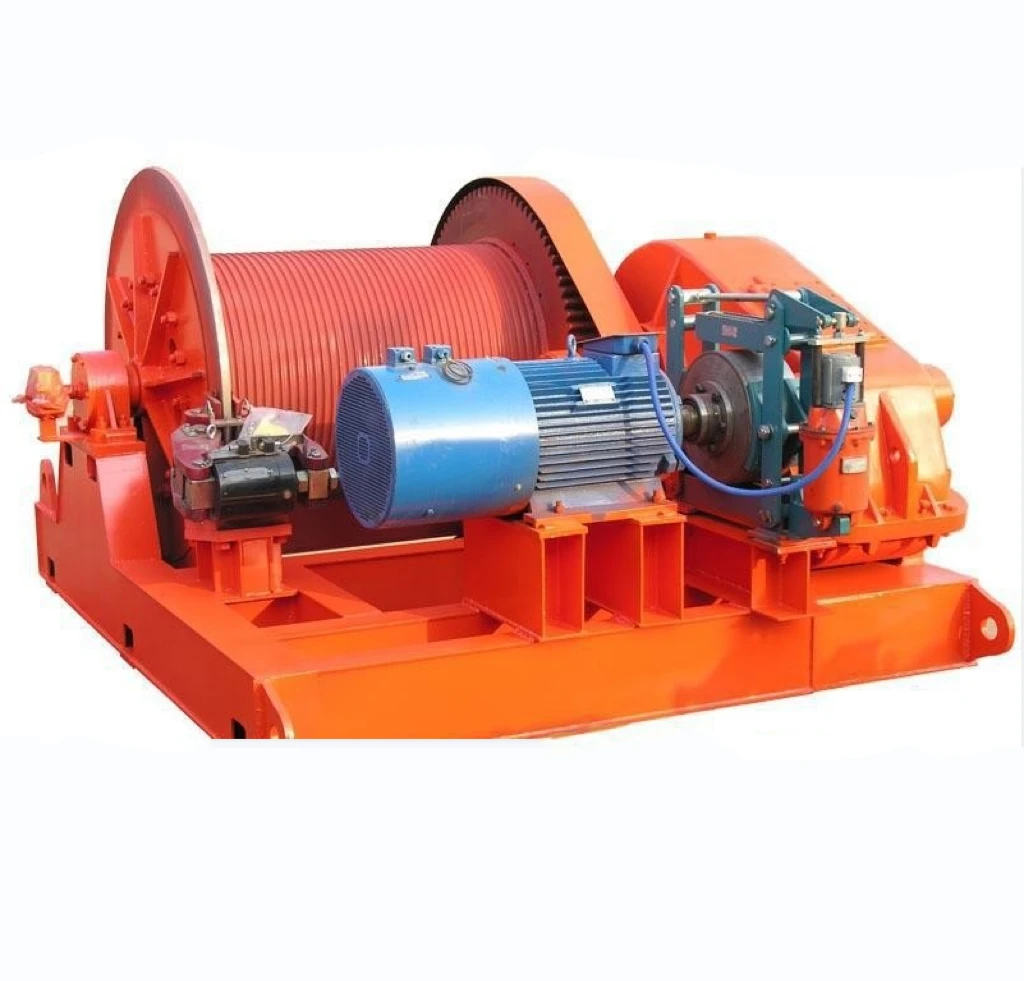
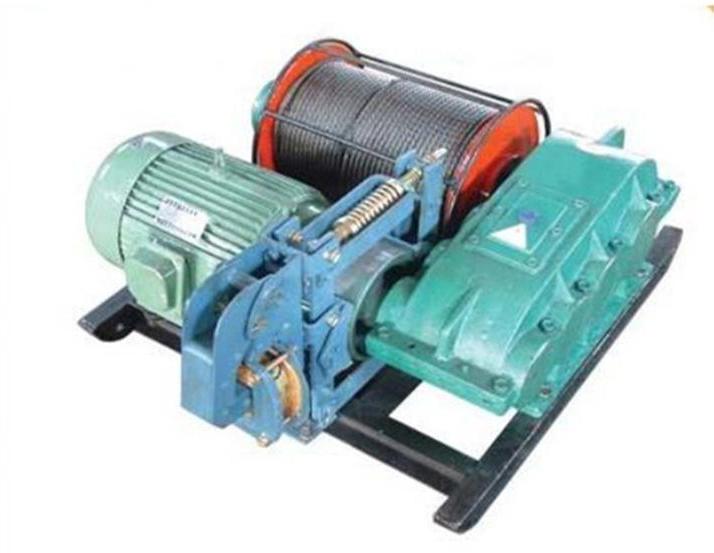
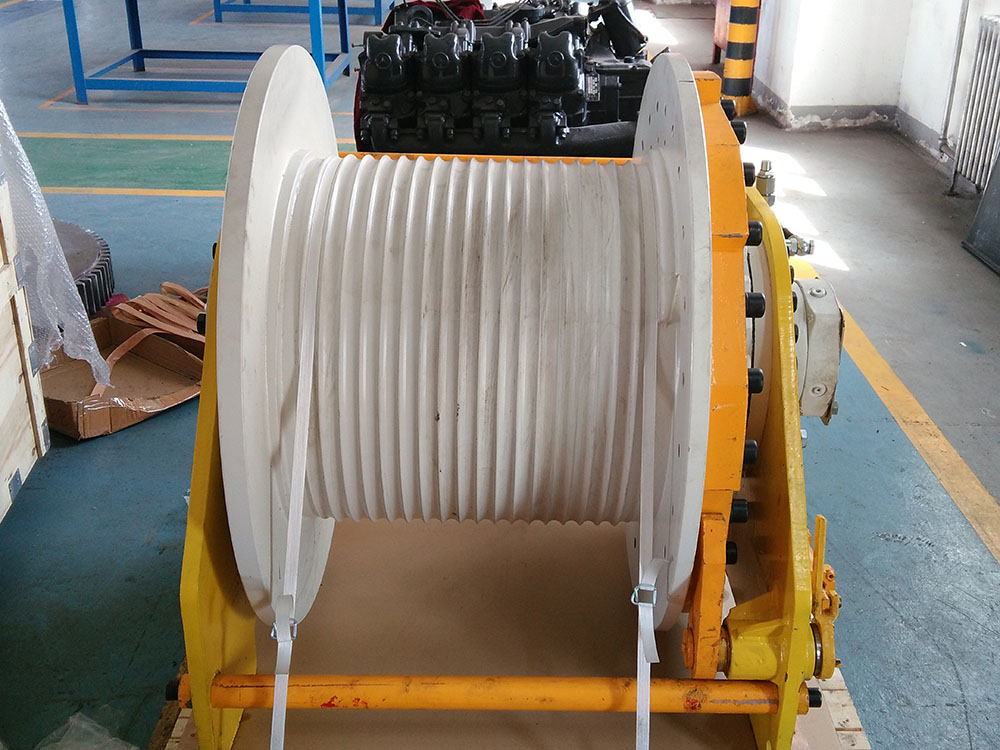
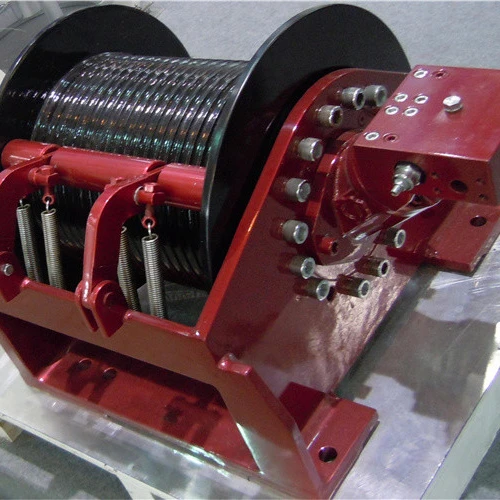
Simply put, a hydraulic boom winch is a drum-equipped lifting device powered by hydraulic fluid pressure. Instead of relying on electric or manual force, it harnesses fluid power to generate torque and pulling strength. The “boom” part often refers to the long, extendable arm attached to the winch, providing reach and maneuverability—think of it as an arm with a strong hand that can lift or pull heavy items with finesse.
This connection to hydraulics means it fits snugly into modern industries that prioritize control and safety, especially when working in tough conditions or hazardous environments. For humanitarian groups, it means moving heavy relief materials safely without the noise and emissions of traditional engines.
Key Features of Hydraulic Boom Winches
1. Durability
Often operating in rugged environments, these winches are crafted with corrosion-resistant materials like stainless steel or specialized alloys. Many engineers point out that proper sealing against dust and moisture can mean the difference between a three-year investment and a decade-long trusted tool.
2. Scalability
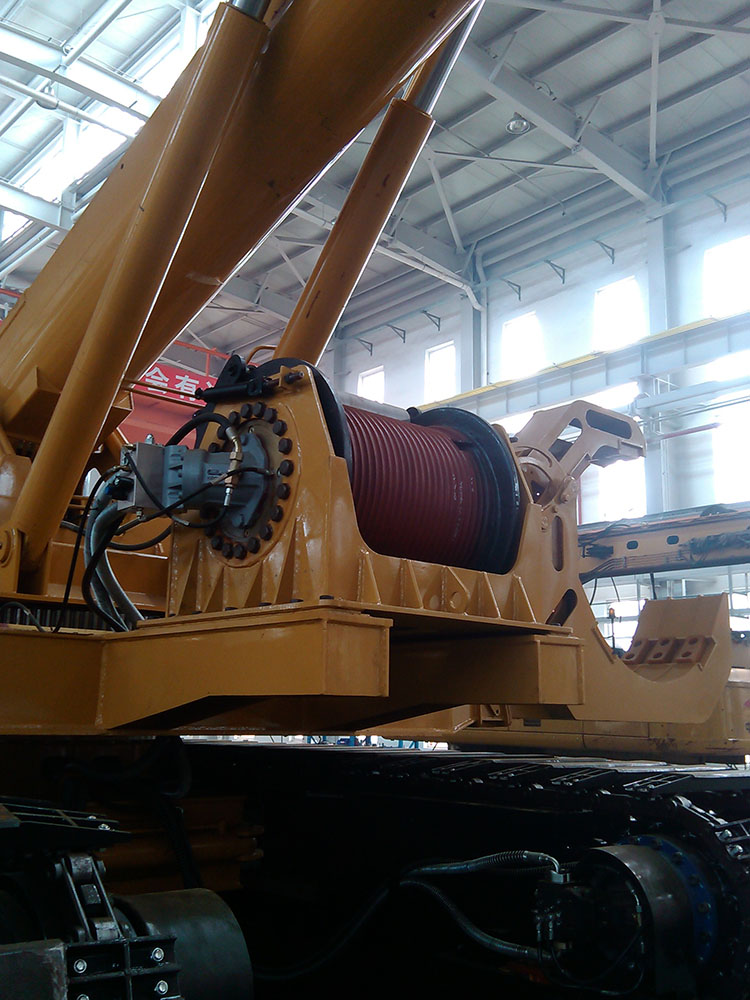
You’ll find models ranging from compact, portable units for light industrial use up to massive winches on cranes and logging trucks. This scalability reflects how adaptable the hydraulic boom winch is across needs.
3. Precision Control
The hydraulic system allows operators to finely tune movement speed and force, reducing risk. It feels almost intuitive, especially when compared to mechanical or electric winches, and that control really matters when humans or delicate materials are involved.
4. Energy Efficiency
Hydraulic systems often conserve energy better than electric motors under heavy load, making these winches economically smarter during prolonged use.
5. Safety Features
Built-in overload protection, emergency brakes, and smooth starting/stopping sequences are standard on quality units — these make operators’ jobs safer and cut down insurance claims.
Hydraulic Boom Winch in Action: Global Use Cases
From the Alberta timber fields of Canada to the sprawling urban construction sites in Europe and the relief corridors in Southeast Asia, hydraulic boom winches are everywhere. For example:
- Post-Disaster Relief: NGOs use hydraulic boom winch-equipped vehicles to quickly remove fallen trees and debris, allowing access routes to open fast.
- Remote Industries: Mining operations in Australia deploy specially configured hydraulic boom winches to align heavy drilling components deep in rough terrain.
- Transport & Logistics: Ports in Rotterdam utilize these winches on cargo cranes for precise container handling in tight spaces.
You can even stumble upon hydraulic boom winches in underwater salvage or off-shore oil rigs, where reliable ruggedness is non-negotiable.
Specifications Snapshot: What to Look for in a Hydraulic Boom Winch
| Specification | Typical Range/Value | Notes |
|---|---|---|
| Pulling Capacity | 1,000 – 20,000 lbs (450 – 9,000 kg) | Depends heavily on hydraulic pressure and winch size |
| Operating Pressure | 1,500 – 3,000 psi (103 – 207 bar) | Higher pressure means stronger pull but needs better seals |
| Cable Length | 50 – 150 meters | Varies depending on application and size |
| Weight | 100 – 800 kg | Lighter units for mobile equipment; heavier for industrial |
| Control Mechanism | Remote hydraulic valve / joystick | Allows precise and safe operation |
Comparing Market Leaders: Who Makes the Best Hydraulic Boom Winch?
| Vendor | Specialty | Price Range | Warranty |
|---|---|---|---|
| LBS Winches | Compact designs with rugged materials | $3,000 – $12,000 | 3 years |
| HydroLift Systems | Heavy-duty industrial winches | $10,000 – $25,000 | 5 years |
| EcoPull Technologies | Eco-friendly designs with efficient hydraulics | $8,000 – $18,000 | 4 years |
Advantages & Long-Term Benefit of Hydraulic Boom Winches
There’s a reason so many engineers and operators swear by hydraulic boom winches. The blend of precision, longevity, and safety offers a unique value proposition:
- Cost Efficiency: Reduced downtime and maintenance make these winches economical in the long run.
- Environmental Impact: Their hydraulic systems can integrate with green energy sources, lowering emissions.
- Safety & Trust: Operators feel more confident with smooth, predictable control.
- Social Impact: Deploying these tools in disaster zones uplifts communities by restoring infrastructure quickly.
It’s not just technical specs that matter; there’s a human element here too, where trust in your equipment means fewer accidents, less stress, and more meaningful work accomplished.
Looking Ahead: Trends in Hydraulic Boom Winch Technology
Innovation never rests. The future of hydraulic boom winches is looking greener and smarter. Some trends to watch:
- Integration with IoT: Sensors that monitor load, wear, and hydraulic fluid performance in real-time.
- Lightweight Composites: New materials that reduce weight but retain strength to improve portability.
- Hybrid Power Sources: Blending battery-powered hydraulics with solar or biofuel technologies.
- Automation: Semi-autonomous operation modes to reduce operator fatigue and increase precision.
It's the kind of progress that might make you nostalgic for old-school hand crank winches while simultaneously excited to see machines that practically think for themselves — well, close enough.
Challenges & Practical Solutions
Despite their strengths, hydraulic boom winches face hurdles. Sometimes, the biggest issues stem from hydraulic fluid leaks, weight of equipment for transport, and maintenance complexity in remote areas.
To combat these, manufacturers are experimenting with sealed hydraulic units, modular components for easier field repairs, and remote diagnostic technology. Training operators is another key step — a fancy winch is only as safe as its user.
Ultimately, the challenges aren’t deal-breakers but reminders that even the best tech needs ongoing refinement.
FAQ: Your Top Questions About Hydraulic Boom Winches
Q1: What load capacity should I choose for typical construction use?
For general construction, hydraulic boom winches with a capacity between 3,000 and 10,000 lbs usually suffice. It’s best to select a model that exceeds your maximum expected load for safety margins.
Q2: How often should hydraulic fluid be checked or replaced?
Regularly — ideally, every 6 months or after heavy use. Fluid quality directly affects winch response and longevity. Some units come with online fluid monitoring.
Q3: Can these winches operate in extreme cold or hot climates?
Yes, if properly rated. Look for cold-weather hydraulic fluids and insulated components for subzero or desert environments.
Q4: Are electric winches a better alternative?
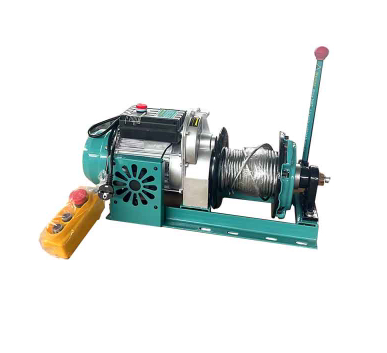
Electric winches are quieter and require less maintenance, but hydraulic versions usually offer better torque for heavy-duty industrial needs and longer duty cycles.
Q5: How portable are hydraulic boom winches?
Portability varies widely — some are truck-mounted or crane-attached, while smaller units are designed for trailer transport. Always check weight and mounting options before purchase.
Conclusion: Why Investing in a Hydraulic Boom Winch Makes Sense
In sum, hydraulic boom winches blend mechanical ingenuity with practical reliability. They lift heavy loads, streamline operations, and even help save lives in critical moments. Their precise control and rugged durability mean they won’t let you down, no matter how tough the job.
If you’re exploring top-tier options, I’d recommend visiting hydraulic boom winch specialists like LBS Winches. They offer robust, smartly designed solutions that can match your exact industry requirements.
Feel free to dive in deeper — as with any tech, the more you know, the better equipped you are to make that call.
References:
1. United Nations Sustainable Infrastructure Report – un.org/en/climatechange
2. ISO Hydraulic Components Standards – iso.org
3. Wikipedia: Winch (Mechanical Device) – wikipedia.org
-
The Ultimate Guide to Gear Steels for Durability and PerformanceNewsApr.16,2026
-
High Performance Gear Stainless Steel for Industrial DurabilityNewsApr.09,2026
-
Comprehensive Guide to Steel Bevel Gears Applications and SelectionNewsApr.07,2026
-
Comprehensive Guide to Durable Stainless Steel Miter Gears and ApplicationsNewsApr.04,2026
-
Comprehensive Guide to Steel Spur Gears Functionality and ApplicationsNewsMar.31,2026
-
Comprehensive Guide to Durable Stainless Steel Spur Gears and Their ApplicationsNewsMar.28,2026