Hydraulic Boat Winch – Powerful, Durable Equipment for Marine Operations
Hydraulic Boat Winch: Powering Marine Lifting with Precision and Strength
When it comes to heavy-duty marine operations, the hydraulic boat winch is a cornerstone device. Whether you’re hauling a fishing net, launching a rescue boat, or securing freight on a cargo vessel, these powerful machines provide reliable pulling power with remarkable control. Worldwide, as maritime activities grow — with over 90% of global trade carried by sea according to the UN Conference on Trade and Development (UNCTAD)[1] — the role of efficient winching equipment becomes more critical than ever. Understanding hydraulic boat winches isn’t just for engineers or dock workers; it touches everyone involved in marine logistics, offshore construction, and emergency response.
The Global Context: Why Hydraulic Boat Winches Matter
Oddly enough, despite their technical nature, hydraulic boat winches have a surprisingly broad impact on several global challenges. For instance, in disaster relief scenarios where ports and docks are damaged or power grids fail, hydraulic systems offer the immediate, dependable force needed to launch aid boats or clear debris. According to the International Maritime Organization (IMO), nearly 11 billion tonnes of cargo move through ports annually — so any downtime is costly.
The challenge? Many ports and vessels still rely on outdated mechanical or electric winches that can't match hydraulic winches’ torque and responsiveness, especially under harsh marine conditions. What’s more, ongoing shifts toward sustainable fuel sources mean industries want winches that integrate with clean energy platforms — tasks hydraulic systems are starting to embody.
What Exactly Is a Hydraulic Boat Winch?
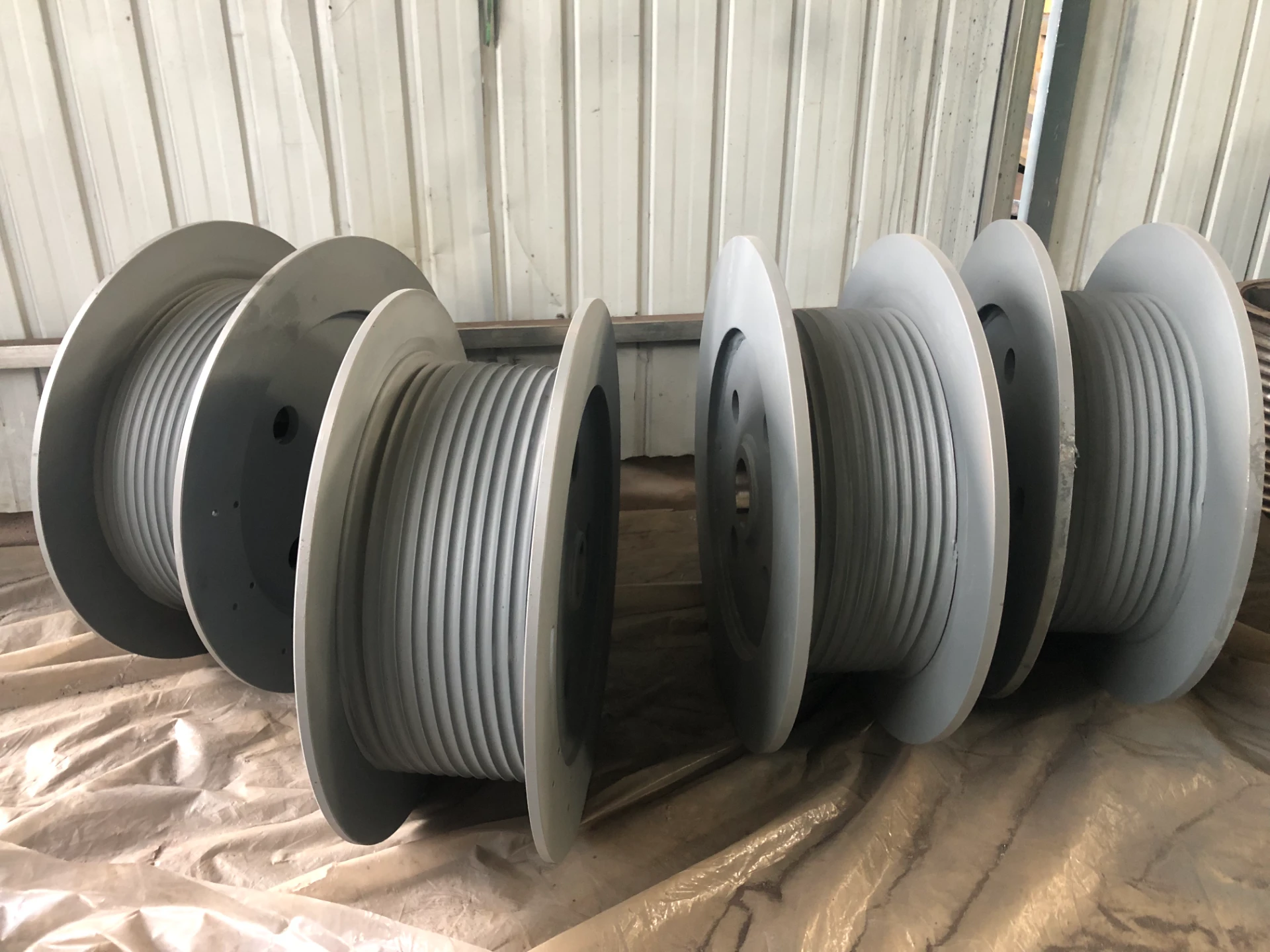
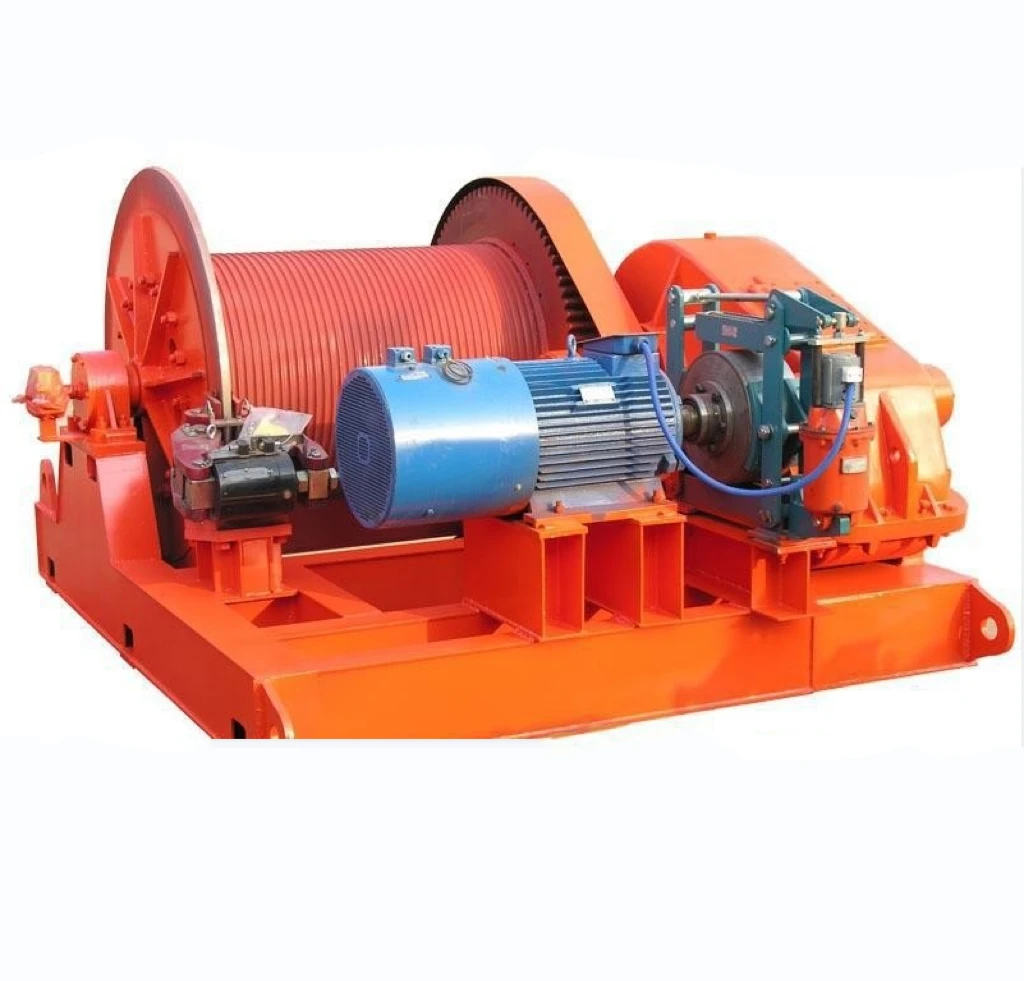
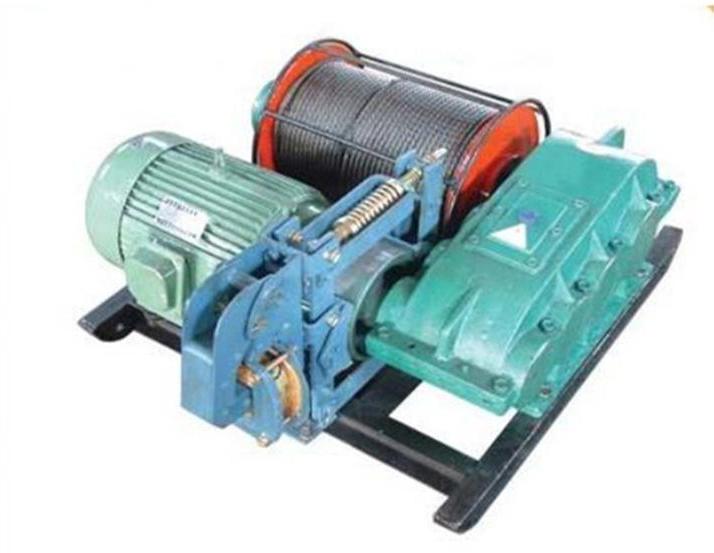
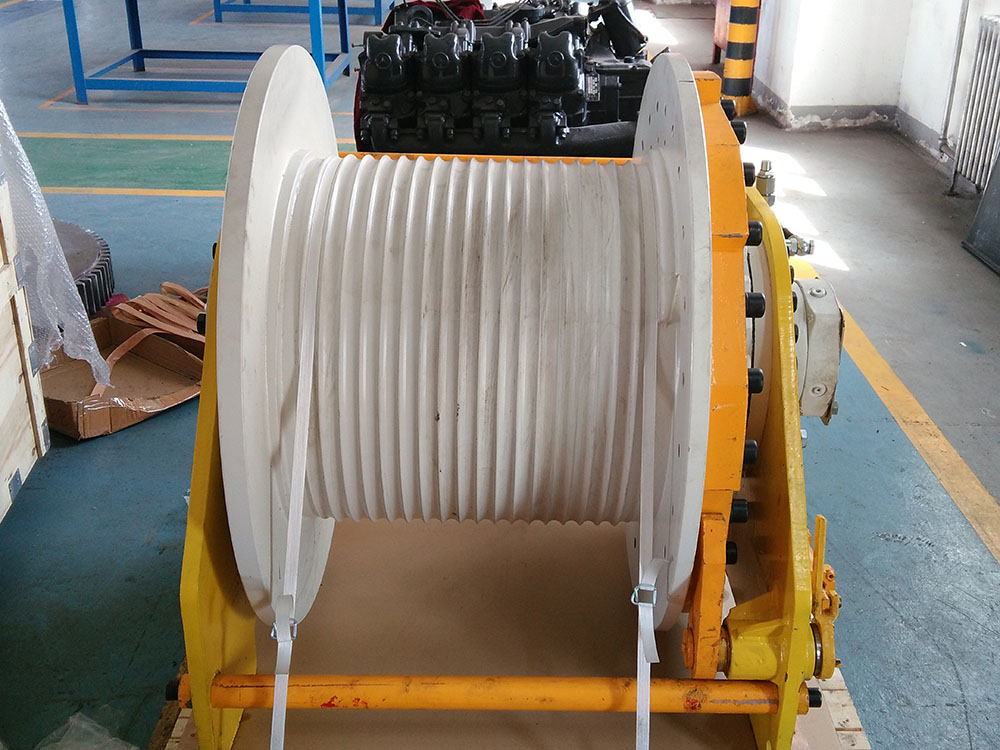
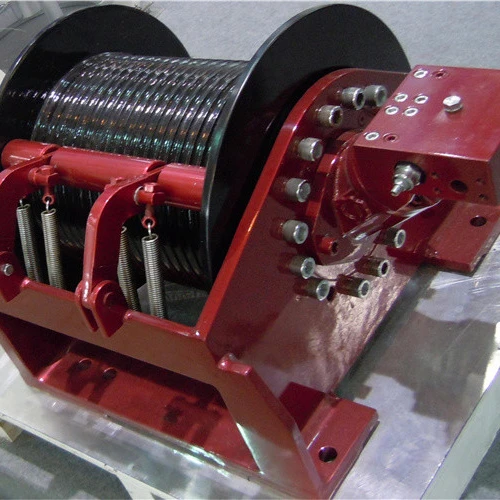
In simple terms, a hydraulic boat winch is a device that uses fluid pressure—often oil—to create mechanical force, allowing the controlled winding of cable or rope onto a drum. This helps move or lift heavy loads like anchors, nets, or even small boats. Compared to electric or manual winches, hydraulic versions offer smoother operation, greater power density, and superior durability — critical in saltwater, corrosive environments.
Beyond industry, such winches support humanitarian needs: aiding search and rescue teams, enabling offshore wind turbine maintenance crews, and securing vessels in volatile weather conditions. So whether you think about deep-sea fishing fleets in Alaska or humanitarian agencies delivering shelter kits in coastal Bangladesh, the hydraulic boat winch quietly underpins vital work.
Key Components That Make These Winches Tick
- Durability: Marine environments take a toll. These winches use corrosion-resistant alloys and sealed hydraulic pumps to endure salt spray and storms.
- Precision Control: Variable pressure flow controls allow technicians to modulate speed and torque, making operations safer and more efficient.
- Power-to-Size Ratio: Hydraulics pack a lot of punch relative to size, letting manufacturers keep winches compact without sacrificing performance — essential for crowded decks.
- Maintenance Simplicity: Fewer moving parts and standardized pumps reduce downtime — a real boon when vessels are out at sea for weeks.
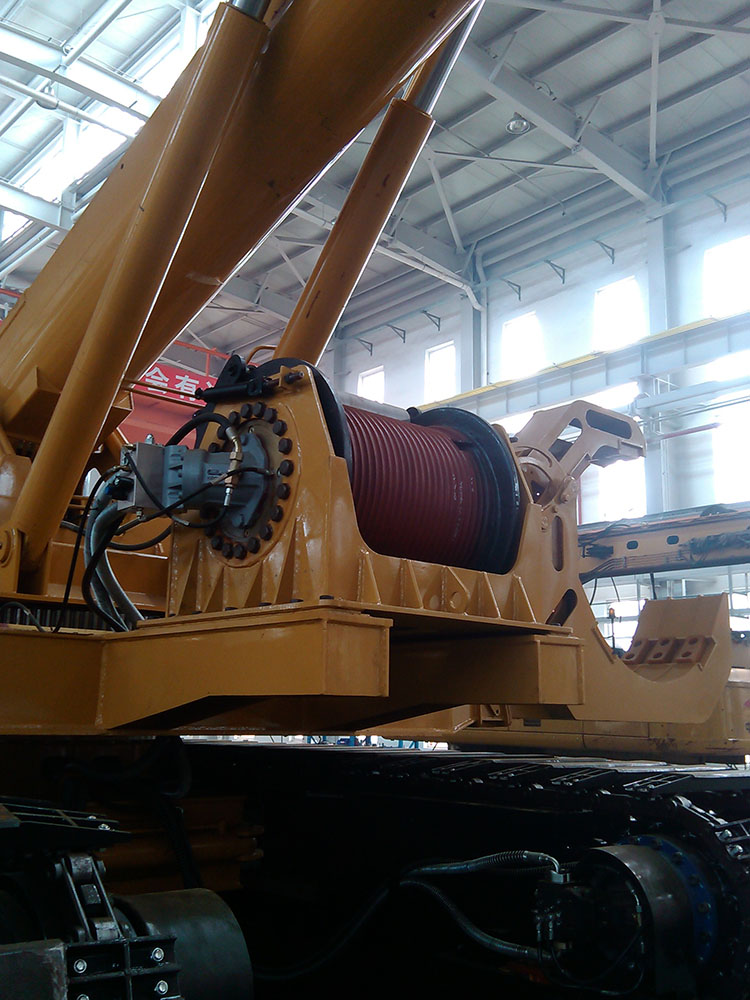
- Compatibility: Easily integrated with other hydraulic systems like cranes or steering mechanisms for seamless marine operations.
Mini takeaway: It’s fascinating to realize how these core features blend to make hydraulic boat winches both robust and precise—an engineering sweet spot.
Where and How Are Hydraulic Boat Winches Used Globally?
Across fishing fleets in Scandinavia, cargo vessels in Singapore’s bustling port, or offshore oil rigs in the Gulf of Mexico, hydraulic boat winches play starring roles. In the post-tsunami relief efforts of 2004, for example, they enabled quick deployment of rescue craft despite limited electricity. Remote industrial zones like Arctic research stations also depend on these winches for safely unloading supplies through ice-covered waters.
Even NGOs in Southeast Asia incorporate them into distribution networks, making sure aid boats reach isolated communities during monsoon season. Their versatility, from deck winches to dockside pullers, means they’re pivotal wherever marine loads need to be moved reliably.
The Advantages that Keep Hydraulic Winches at the Helm
Cost-wise, you pay upfront for quality but save massively on labor and replacements due to less wear and tear. Sustainability-wise, many modern systems now run on bio-based hydraulic fluids, reducing environmental footprints. Socially, safer winch operations protect crews from injuries — and that’s not something money can easily quantify.
Emotionally speaking, ship captains and dock workers alike trust the steady, unwavering grip hydraulic winches offer, especially when lives or expensive cargoes hang in the balance.
Hydraulic Boat Winch Product Specifications
| Spec | Typical Range | Notes |
|---|---|---|
| Pulling Capacity | 5,000 to 50,000 lbs | Dependent on model & pressure |
| Drum Width | 6 to 18 inches | Size affects line capacity |
| Operating Pressure | 1,500 to 3,500 psi | Hydraulic system dependent |
| Weight | 80 to 400 kg | Varies by materials |
| Control Type | Manual or electronic remote | Remote preferred for safety |
Comparing Leading Hydraulic Boat Winch Vendors
| Vendor | Typical Capacity | Special Feature | Average Price Range |
|---|---|---|---|
| LBS Winch | 10,000 - 40,000 lbs | Advanced corrosion protection | $8,000 - $22,000 |
| HydroMarine | 15,000 - 50,000 lbs | Integrated smart controls | $12,000 - $30,000 |
| OceanGrip | 5,000 - 25,000 lbs | Lightweight aluminum build | $7,000 - $18,000 |
Innovations Steering the Future of Hydraulic Boat Winches
Increasingly, green credentials are front and center. Engineers explore electric-hydraulic hybrids powered by onboard batteries or renewable sources to cut emissions and noise. Some next-gen designs feature IoT sensors for predictive maintenance — reducing surprise breakdowns on critical missions. Materials science also plays a role: composites and advanced coatings mean lighter, yet more durable components.
Digital transformation means these winches no longer function in isolation. They sync with vessel control systems, enabling automated winching sequences — useful for repetitive tasks or harsh conditions. Frankly, it feels like marine winching is finally catching up to the smart age.
Challenges & How Industry is Conquering Them
For all their perks, hydraulic boat winches do present challenges. Hydraulic fluid leaks, though rarer with modern seals, can cause environmental harm and performance drops. Harsh sea weather corners sometimes restrict maintenance windows — making long-term reliability a habit, not an accident.
Experts recommend rigorous, scheduled inspections paired with high-grade synthetic hydraulic oils to mitigate these issues. Some vendors now also include modular components so specific parts can be swapped out quickly. Training crews on operation and emergency handling rounds out a smarter safety net.
FAQ: Your Quick Answers About Hydraulic Boat Winches
1. What advantages do hydraulic boat winches have over electric versions?
Hydraulic winches provide smoother torque delivery, better durability in wet and salty environments, and often outperform electric winches in continuous heavy-duty use. They also tolerate variable loads more gracefully, making them a favorite in demanding marine tasks.
2. How critical is maintenance for hydraulic boat winches in salty, marine settings?
Very critical — regular checks prevent corrosion, hydraulic leaks, and wear on seals and hoses. Using marine-grade fluids and corrosion-resistant components helps extend service life, but consistent upkeep is key to avoiding costly failures at sea.
3. Can hydraulic boat winches be integrated with existing vessel hydraulic systems?
Yes, they’re designed to be compatible with a vessel’s main hydraulic circuits or standalone power units. Proper consultation with engineers ensures capacity and pressure compatibility, ensuring smooth integration and safety.
4. Are hydraulic boat winches customizable for special marine applications?
Absolutely. Winch manufacturers offer options like specialized drum sizes, remote control systems, and corrosion-proof coatings to fit fishing fleets, rescue vessels, or offshore platforms. Customization helps optimize performance and lifespan.
Wrapping It Up: Why Hydraulic Boat Winches Are Essential for Maritime Success
In the bustling theaters of global ports or on silent arctic waters, the humble hydraulic boat winch quietly delivers raw power and precision that can’t be matched. Its blend of strength, reliability, and adaptability means it will remain a mainstay of maritime industry for years to come. Whether you’re upgrading a fleet or orchestrating emergency relief logistics, understanding and investing in quality hydraulic winch technology pays off — in safety, efficiency, and peace of mind.
For more details on top-tier models and tailored solutions, visit LBS Winch’s website and discover how their products can meet the unique demands of your vessel or port operations.
References
-
The Ultimate Guide to Gear Steels for Durability and PerformanceNewsApr.16,2026
-
High Performance Gear Stainless Steel for Industrial DurabilityNewsApr.09,2026
-
Comprehensive Guide to Steel Bevel Gears Applications and SelectionNewsApr.07,2026
-
Comprehensive Guide to Durable Stainless Steel Miter Gears and ApplicationsNewsApr.04,2026
-
Comprehensive Guide to Steel Spur Gears Functionality and ApplicationsNewsMar.31,2026
-
Comprehensive Guide to Durable Stainless Steel Spur Gears and Their ApplicationsNewsMar.28,2026