Gas Powered Hydraulic Winch: Essential Off-Grid Heavy Lifting Equipment
Understanding Gas Powered Hydraulic Winches: Why They Matter in Today’s World
If you’ve ever been curious about the machinery that makes heavy lifting seemingly effortless — or the gear that hauls massive loads in tough, remote environments — then the gas powered hydraulic winch is a piece of equipment you should get acquainted with. Globally, as industries push for more robust and reliable means to move heavy cargo—from construction sites in urban sprawls to disaster relief areas in the most rugged terrains—these winches stand out as indispensable tools. Not just useful, they’re essential for safety, efficiency, and speed.
Why should we care about them at a macro level? Because millions of dollars and human lives often depend on the reliable performance of these devices. Think about shipping ports handling thousands of tons daily or emergency response teams pulling stranded vehicles after floods. The gas powered hydraulic winch is frequently at the heart of such operations.
The Big Picture: Global and Industry Importance of Gas Powered Hydraulic Winches
Globally, the demand for reliable heavy lifting and hauling equipment has increased steadily—according to the International Organization for Standardization (ISO), heavy machinery usage tied to construction and logistics has grown by 15% over the past five years. Meanwhile, the United Nations Office for Disaster Risk Reduction notes that efficient recovery tools can reduce response time and minimize casualty rates in emergencies.
However, a key challenge remains: many regions face infrastructure or fuel limitations. This is where the gas powered hydraulic winch shines—it combines portability, power, and reliability without depending on fixed power grids. Basically, it solves the problem of heavy lifting and pulling in off-grid or unpredictable environments, which purely electric or manual winches cannot do as effectively.
Defining the Gas Powered Hydraulic Winch
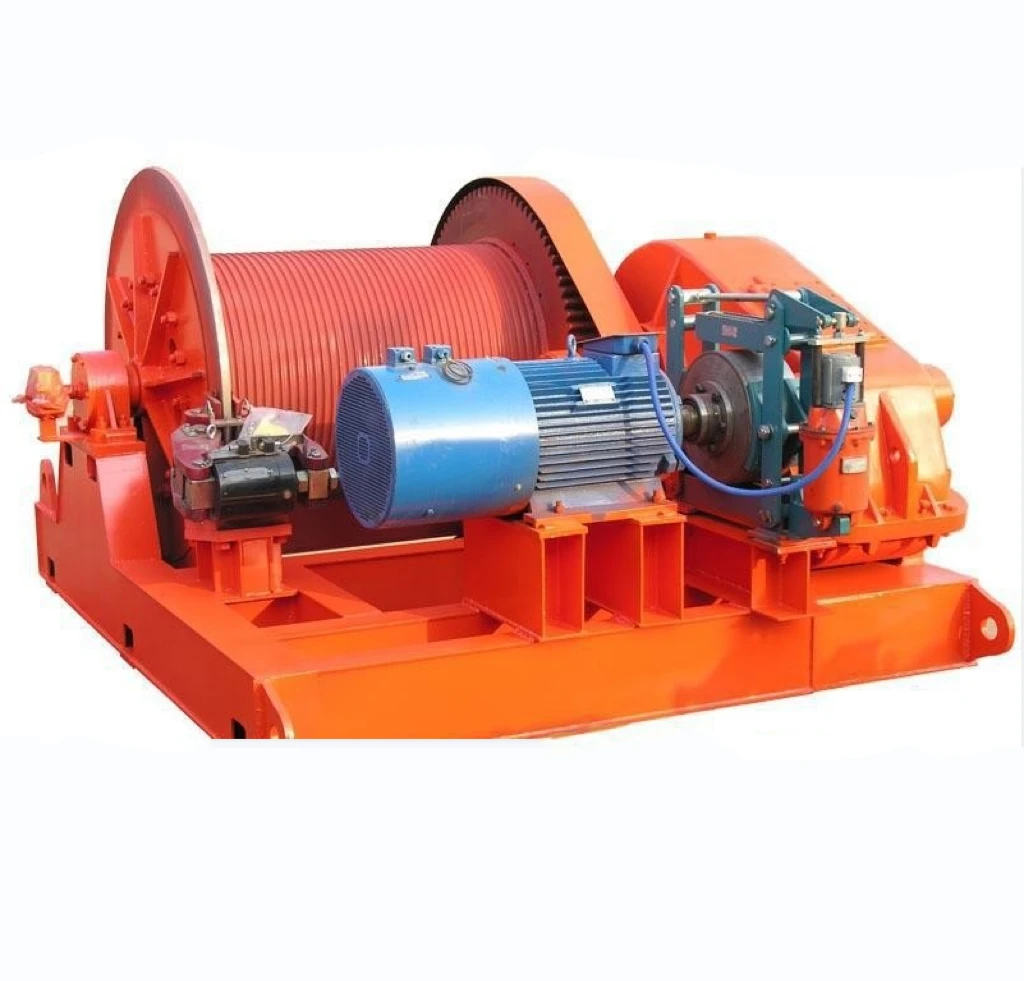
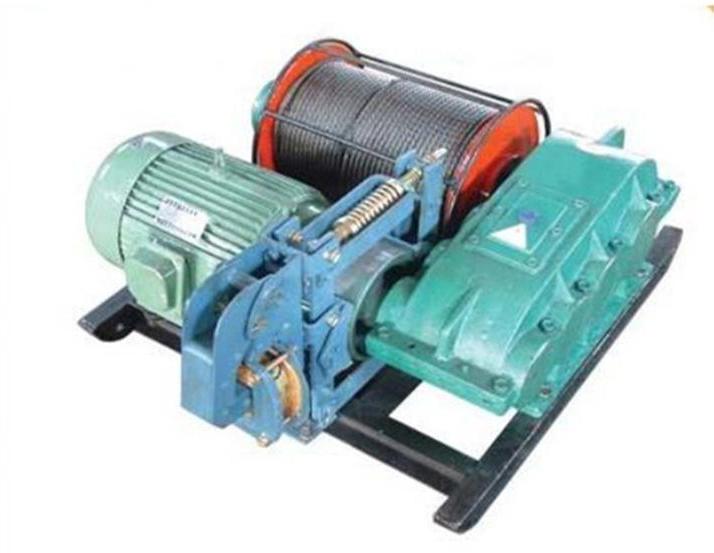
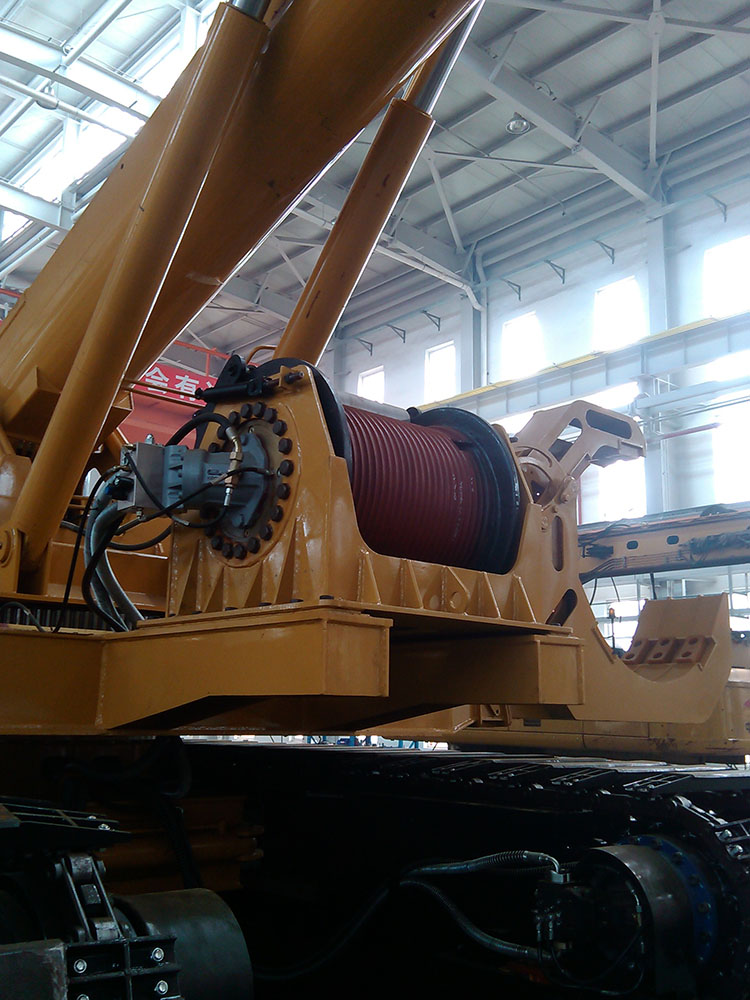
At its core, a gas powered hydraulic winch is a winching system driven by a gasoline engine powering a hydraulic pump, which in turn operates the winch mechanism. This combination creates a potent mix: the gas engine provides mobility and power, while the hydraulic system ensures smooth, precise control of load movement.
This setup differs markedly from electric winches that depend on shore power or batteries. It’s the preferred choice in remote construction projects, forestry, oil and gas fields, or humanitarian missions where electrical power may not be reliable or even available.
Mini Takeaway:
- Gas powered hydraulic winches offer unmatched portability and force for heavy loads where electric power isn’t viable.
- They’re widely used in industries requiring dependable off-grid lifting solutions.
Key Components and Features That Make These Winches Work
1. Durable Gasoline Engine
Typically, a rugged 4-stroke engine forms the heart of these winches—built for high torque and endurance. It must run continuously under tough conditions without overheating. Many manufacturers opt for engines meeting modern emissions standards (think EPA or Euro 5) to reduce environmental impact.
2. Precision Hydraulic Pump and Motor
The hydraulic pump converts engine power to hydraulic pressure that powers the winch motor. This setup allows smooth start-stop control and variable speed pulling essential for safety and accuracy, especially when handling sensitive loads.
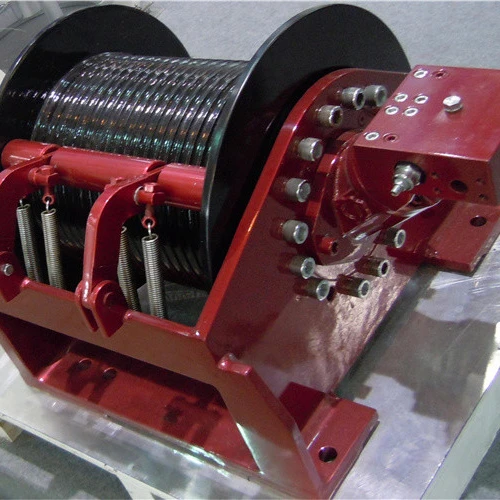
3. Robust Gearbox and Brake System
Gearboxes handle torque multiplication and control output speed, often fitted with fail-safe braking systems. A dependable brake is critical—you don't want a slipping or failing winch when loaded with tons of material or during rescue operations.
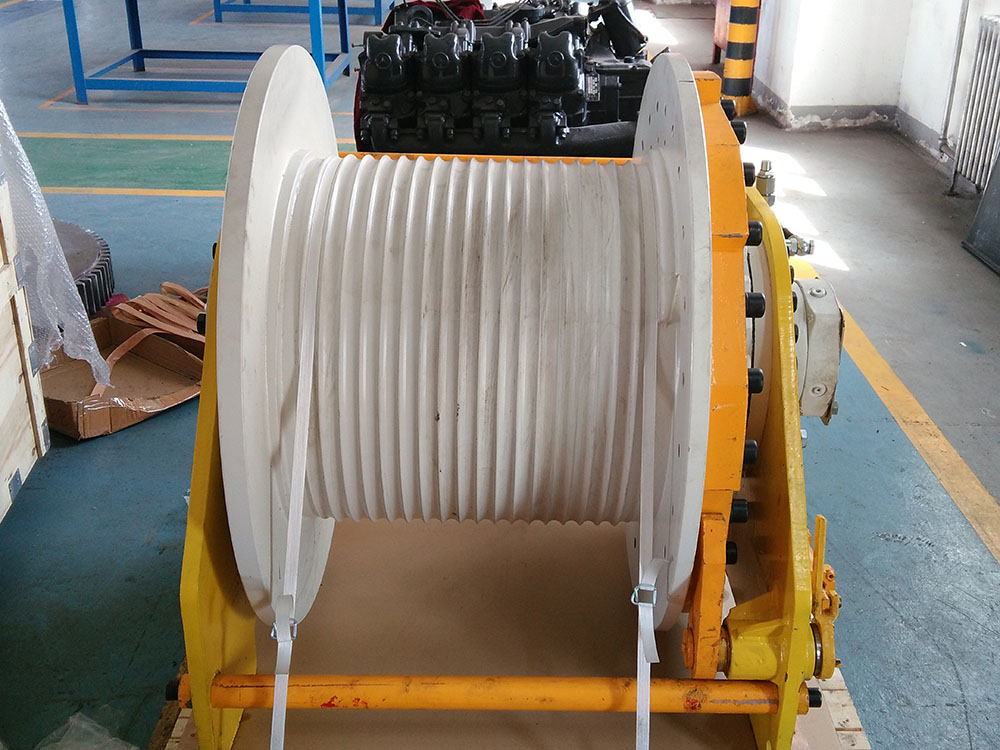
4. Strong Drum and Cable Assembly
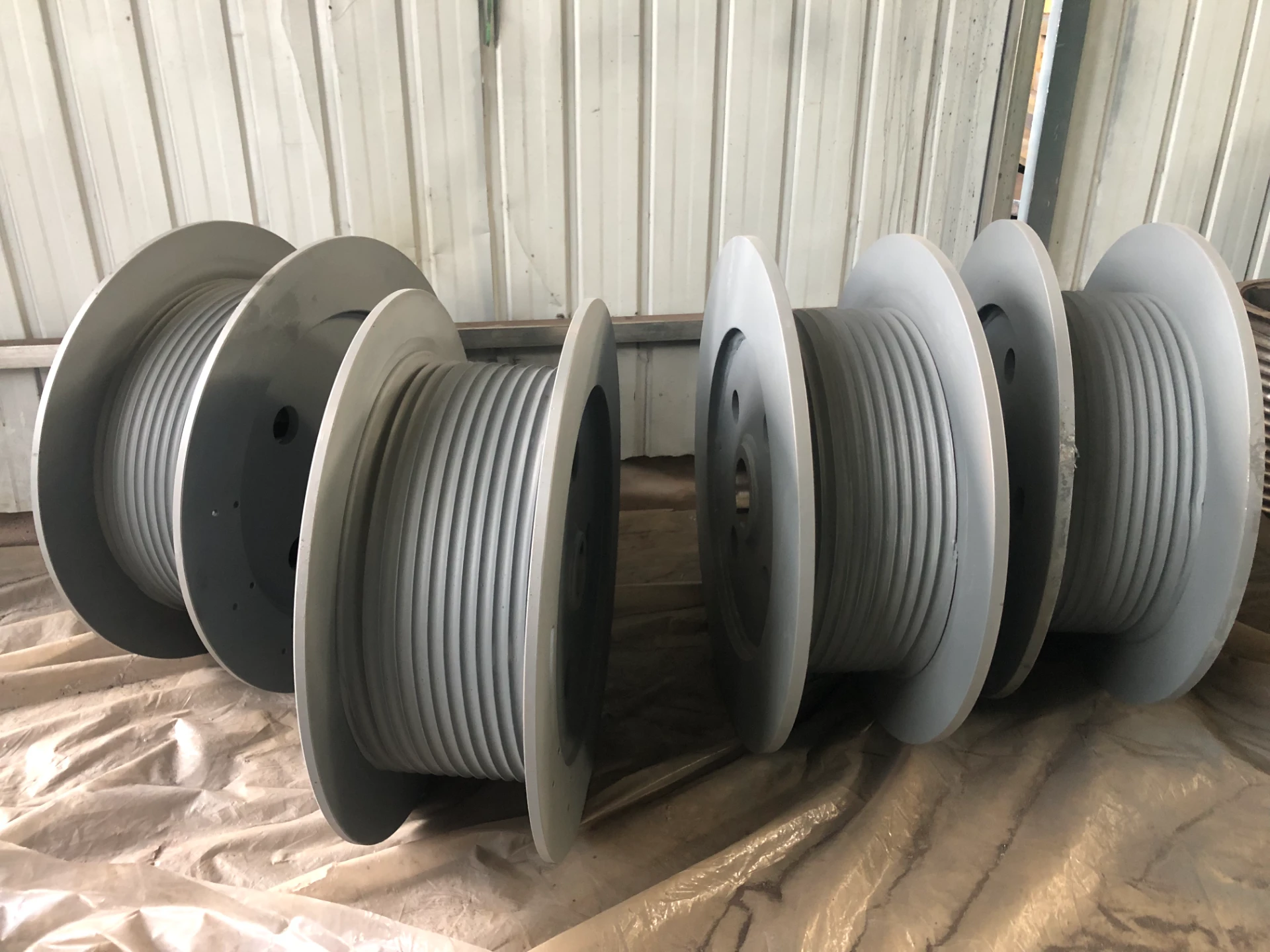
Drums are crafted from heavy-duty steel or alloy and paired with wire rope or synthetic cables rated for massive tensile forces. The cable guides also include precise spooling mechanisms to avoid uneven loads or tangles.
5. Ergonomic Control Systems
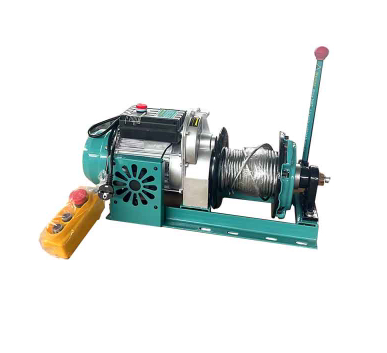
Modern setups include handheld remote controls or integrated dashboards that allow operators to adjust pulling speed, direction, and emergency stops. The controls often feature waterproof and impact-resistant housing for field durability.
Mini Takeaway:
- The interplay of gasoline power and hydraulic precision is what sets these winches apart.
- Safety features like brakes and controls are as important as raw power.
Global Applications and Real-World Use Cases
These winches are versatile. In rugged parts of Africa and South America, gas powered hydraulic winches haul timber from dense forests where no electricity exists. In disaster zones like flood-ravaged Southeast Asia, relief teams use them to retrieve vehicles stuck in mud or to help erect emergency shelters swiftly.
The oil and gas industry in the Middle East and North Sea platforms use these winches daily for lifting heavy pipes and tools. Meanwhile, in North America’s forestry and mining sectors, the equipment supports reliable and continuous operations, even in freezing temperatures.
The winch’s independence from reliable electricity makes it an asset for humanitarian organizations deploying in crisis zones—where every hour saved can mean lives spared.
Mini Takeaway:
- From disaster relief to heavy industry, these winches adapt across regions and sectors.
- Their off-grid capabilities allow them to work where other equipment fails.
The Long-Term Value and Advantages of Gas Powered Hydraulic Winches
- Cost Efficiency: These winches avoid costly setup for electric power supply in remote sites.
- Sustainability Efforts: New engine models reduce emissions, aligning with global environmental goals.
- Reliability: Proven designs operate in extreme weather and terrain conditions without frequent maintenance.
- Safety and Control: Smooth hydraulic operation lessens risk of accidents, providing peace of mind to operators.
- Social Impact: Facilitates faster disaster response and infrastructure development, improving community resilience.
Product Specification Table
| Specification | Typical Range | Remarks |
|---|---|---|
| Engine Power | 6 – 20 HP | 4-stroke gasoline |
| Pulling Capacity | 5,000 – 40,000 lbs | Depending on cable & drum size |
| Cable Length | 50 – 200 meters | Steel wire or synthetic rope |
| Control Type | Remote / Manual lever | Remote usually waterproof |
| Weight | 120 – 350 kg | Varies by model |
Comparing Leading Vendors of Gas Powered Hydraulic Winches
| Brand | Max Pull Capacity | Engine Type | Typical Price Range | Warranty |
|---|---|---|---|---|
| LBS Industrial | Up to 40,000 lbs | EPA Tier 4 gas engine | $6,000 – $12,000 | 2 years |
| WinchCo | 25,000 lbs | 4-stroke gasoline | $5,000 – $9,000 | 1 year |
| HydroLift Systems | 35,000 lbs | EPA Certified gas engine | $7,500 – $14,000 | 3 years |
Emerging Trends and Future Innovations
More than a few engineers I’ve talked with recently mention that greener gas engines and hybrid hydraulic systems are gaining traction. Manufacturers are exploring biofuel compatibility and electronically controlled fuel injection to boost efficiency and lower emissions further. There’s also an uptick in integrating IoT sensors—imagine being able to monitor loads and engine health remotely from your phone!
And oddly enough, automation is creeping in. Fully automated tension control systems can now adjust pulling speed dynamically to prevent cable snaps—a game-changer in high-risk operations.
Facing Challenges Head-On
Of course, no technology is perfect. Gas powered hydraulic winches face challenges like fuel logistics in remote locales, engine noise, and maintenance demands. But clever solutions have emerged. Compact fuel tanks with quick refills, sound insulation kits, and modular hydraulic components simplify servicing. Plus, local technicians trained by vendors dramatically reduce downtime.
People Also Ask: FAQs About Gas Powered Hydraulic Winches
- Q: How portable are gas powered hydraulic winches for field use?
- A: Generally, these winches are designed with portability in mind, weighing between 120 and 350 kg. Many models include built-in wheels or can be mounted on trailers for easier transport across rough terrains, making them ideal for field operations without fixed infrastructure.
- Q: Can gas powered hydraulic winches be safely operated by a single person?
- A: Yes. Thanks to ergonomic remote controls and hydraulic precision, a trained single operator can handle most tasks safely. However, complex or heavy loads may require an assistant to ensure proper rigging and emergency procedures.
- Q: What maintenance is needed to keep these winches reliable?
- A: Routine checks include inspecting hydraulic fluid levels, cable condition, and engine oil changes as per the manufacturer’s recommendations. Regular brake and spool inspections are also critical to avoid accidents.
- Q: Are these winches eco-friendly?
- A: Modern gas powered hydraulic winches are increasingly cleaner thanks to updated engine emissions standards (EPA Tier 4, Euro 5). While not as green as electric options, they balance power and mobility for many off-grid operations with reduced fuel waste.
- Q: How does a gas powered hydraulic winch compare to electric or manual winches?
- A: They provide superior power and control without the dependency on electricity or physical labor. This makes them indispensable in remote sites and emergency scenarios.
Wrapping It Up: Why Gas Powered Hydraulic Winches Deserve Your Attention
In a world where speed, safety, and reliability are king, gas powered hydraulic winches embody a remarkable blend of ruggedness and precision. Whether hauling a load in a remote forest or assisting in disaster zones, they deliver consistently where it counts. If you’re looking for a winning combination of mobility, power, and control, it doesn’t get much better than this.
For those curious to explore models or want detailed technical support, don’t hesitate to visit our site — a trusted source for industry-leading gas powered hydraulic winches.
Quick final thought:
Next time you see a construction site or emergency response in action, spare a thought for the winch quietly doing all the hard work. Sometimes it’s the unsung heroes that keep the world moving.
References
-
The Ultimate Guide to Gear Steels for Durability and PerformanceNewsApr.16,2026
-
High Performance Gear Stainless Steel for Industrial DurabilityNewsApr.09,2026
-
Comprehensive Guide to Steel Bevel Gears Applications and SelectionNewsApr.07,2026
-
Comprehensive Guide to Durable Stainless Steel Miter Gears and ApplicationsNewsApr.04,2026
-
Comprehensive Guide to Steel Spur Gears Functionality and ApplicationsNewsMar.31,2026
-
Comprehensive Guide to Durable Stainless Steel Spur Gears and Their ApplicationsNewsMar.28,2026