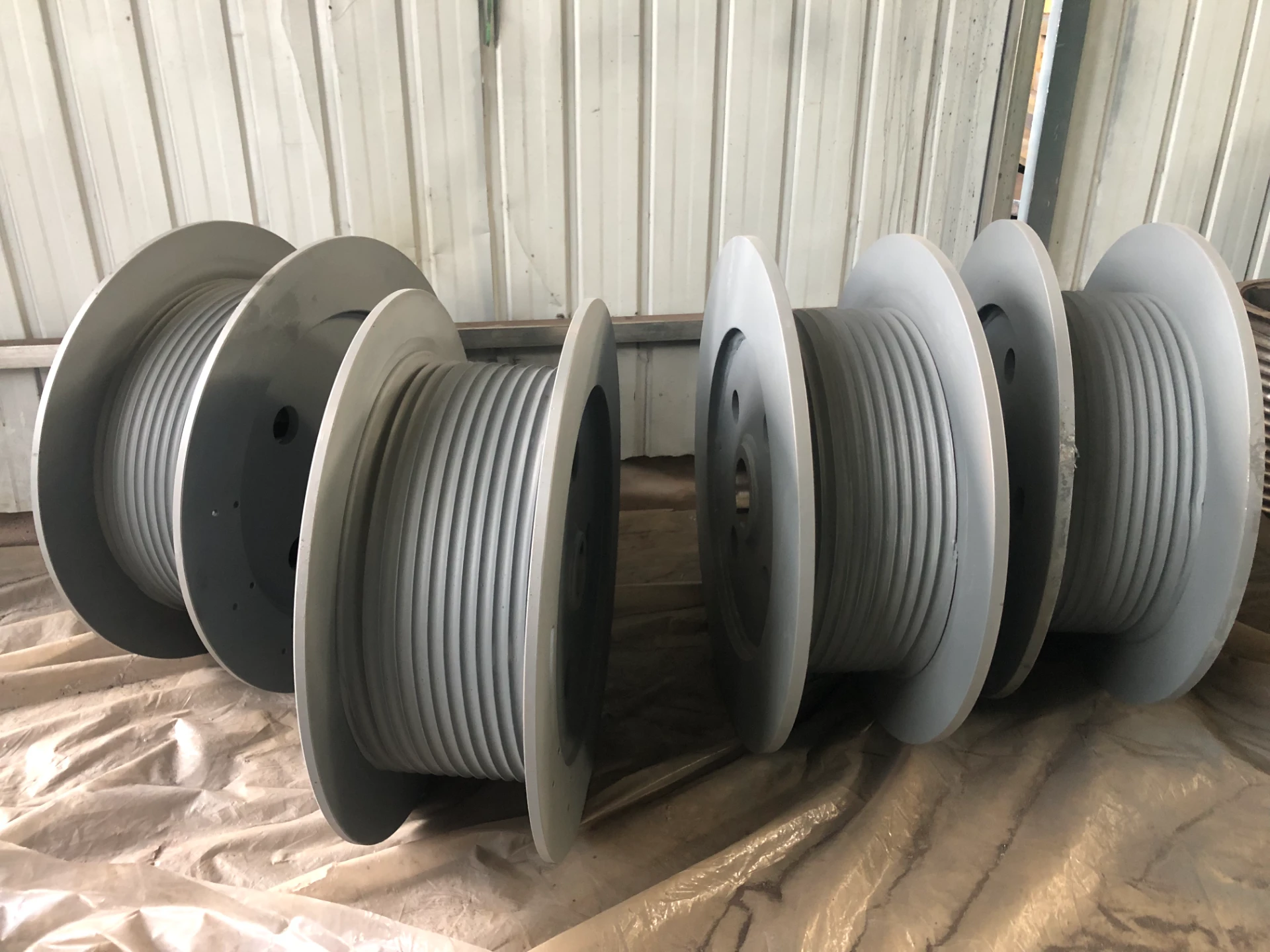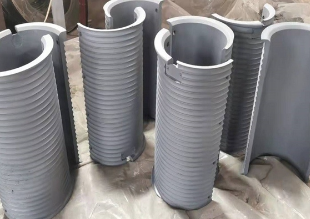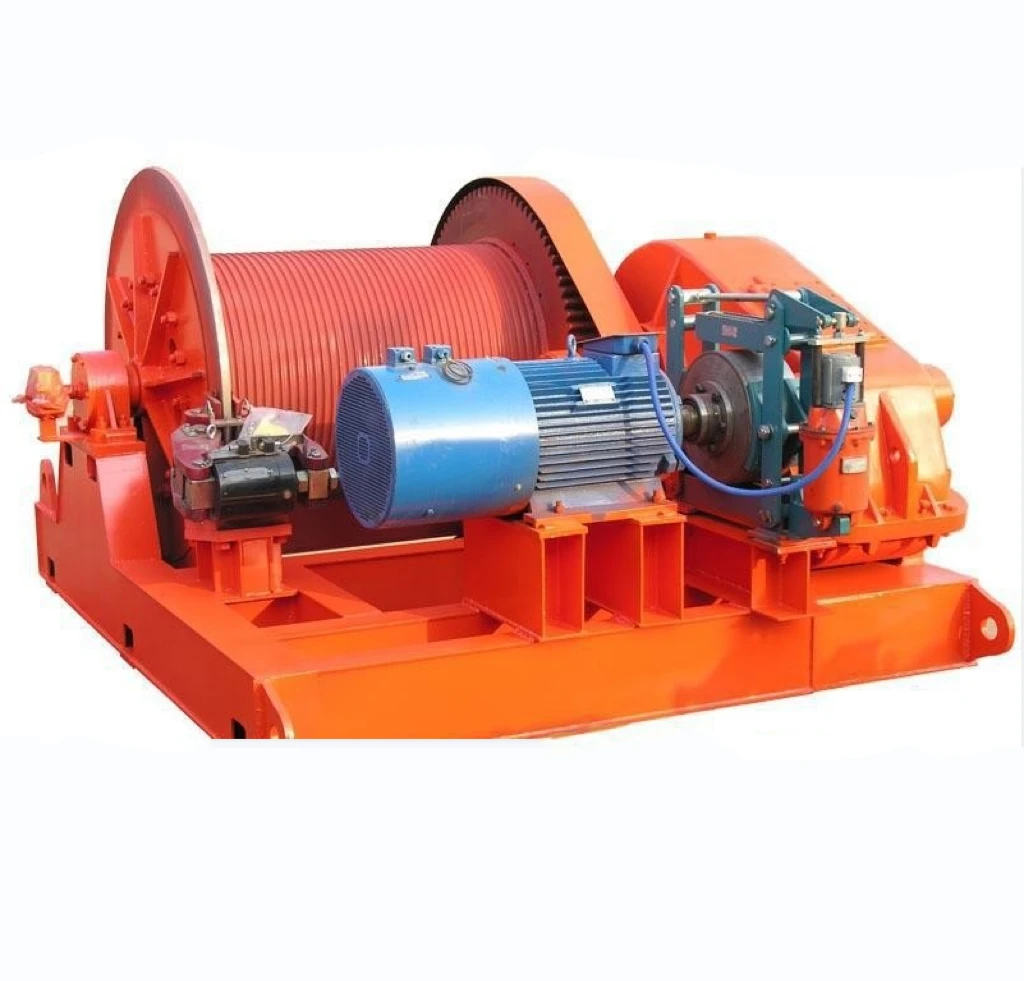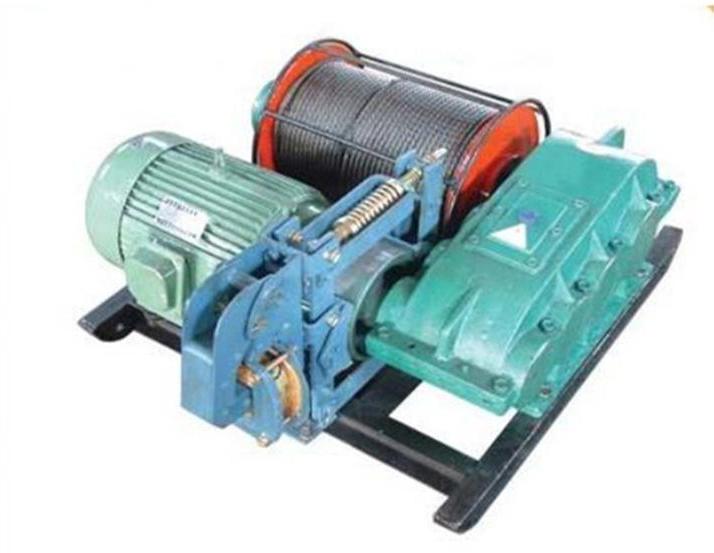
Fast Hydraulic Winch: Enhancing Speed, Safety, and Efficiency in Heavy Lifting
Unlocking the Power of the Fast Hydraulic Winch: A Game-Changer in Modern Industry
In a world where speed and precision are often the difference between success and costly delays, understanding the role of the fast hydraulic winch is more important than ever. Whether on sprawling construction sites, aboard ocean vessels, or in emergency humanitarian relief, these machines quietly make a massive impact. The ability to move heavy loads quickly and safely reshapes how industries operate, how aid is deployed, and how maintenance is conducted around the globe.
Why the Fast Hydraulic Winch Matters Globally
The demand for reliable, powerful equipment is exploding worldwide — according to ISO standards, industries must now meet higher efficiency and safety benchmarks. The fast hydraulic winch fits right into this evolving landscape by offering rapid load handling with remarkable control. Consider these figures: the global construction industry alone is expected to reach $15 trillion by 2030 (World Bank), much of which relies on heavy lifting solutions. Meanwhile, international humanitarian missions continuously call for equipment that can be quickly deployed and operated in challenging environments.
Fast hydraulic winches address a crucial problem: how to safely manage large loads without sacrificing speed or risking equipment failure. In remote zones where downtime is costly, or disaster areas where time literally saves lives, these winches deliver what traditional systems often cannot.
What Exactly Is a Fast Hydraulic Winch?
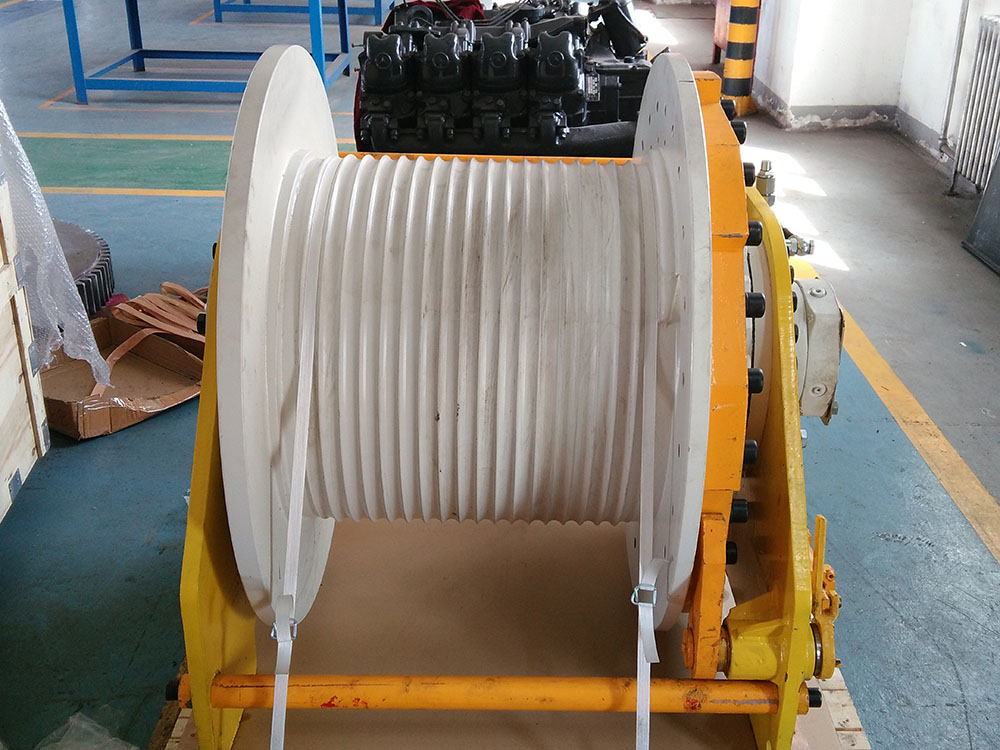
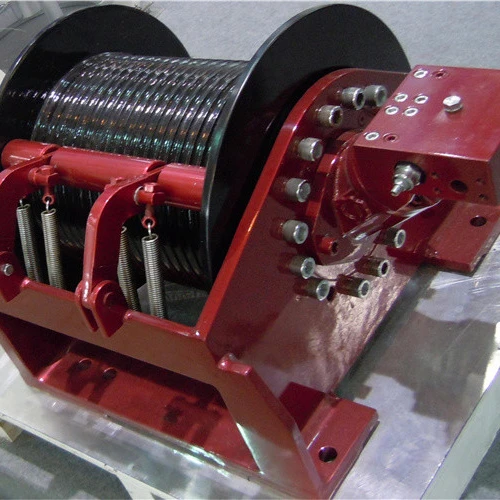
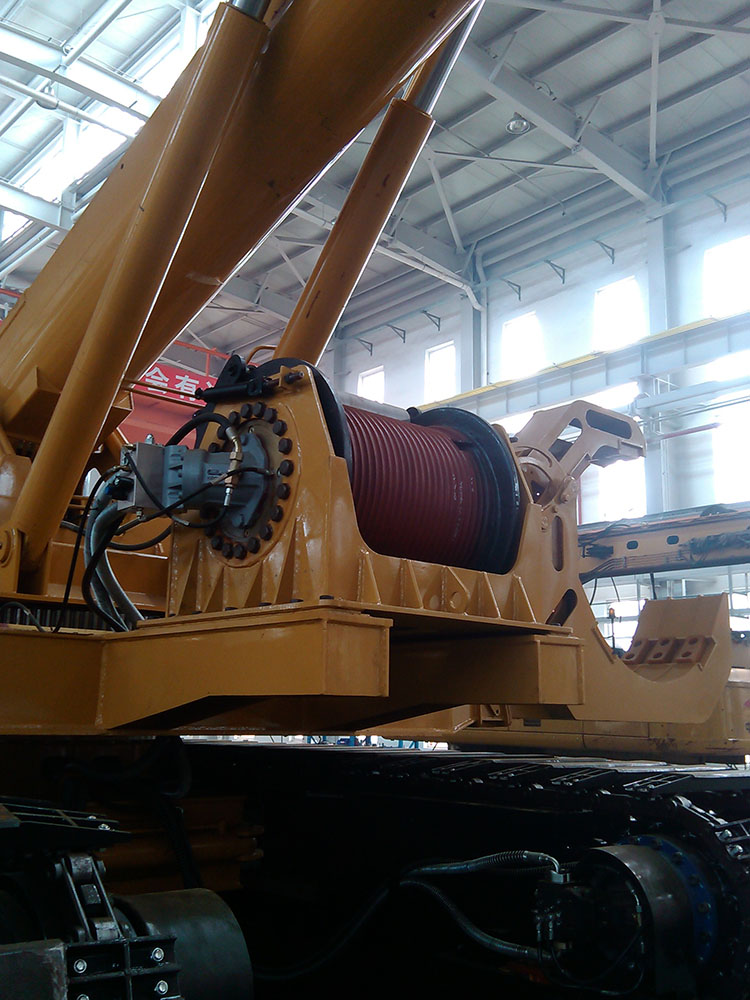
Put simply, a fast hydraulic winch is a mechanical device powered by hydraulic fluid to pull or lift heavy loads quickly and efficiently. Unlike electric or manual winches, it uses pressurized fluids to deliver exceptionally smooth, powerful, and speedy operations. They're not just faster but also tend to be more reliable under tough conditions, including extreme temperatures and uneven terrain.
These winches are crucial in maritime industries, oil and gas fields, forestry, and disaster relief. Their design supports heavy-duty tasks like towing vessels, lifting construction materials, or rapidly deploying emergency shelters – all while maintaining precise control to keep safety front and center.
Key Factors Behind Fast Hydraulic Winch Success
Durability
Fast hydraulic winches are built to endure harsh environments. Components like corrosion-resistant metals and sealed hydraulic systems ensure that even saltwater exposure or dusty conditions won't knock them out of action.
Speed and Control
With variable speed controls, operators can fine-tune the winch’s power. This allows rapid load movement when speed is a priority, or delicate handling when precision matters — think of loading sensitive equipment onto a ship going through rough waves.
Scalability
These winches come in various sizes and capacities, from compact units for small vessels up to massive ones capable of hoisting tons of cargo. This scalability means industries can tailor solutions for their specific workflow, improving efficiency without blowing budgets.
Cost Efficiency
Though the initial investment might be higher than some alternatives, the long-term savings from reduced maintenance, downtime, and accident risks make fast hydraulic winches a smart buy.
Safety Features
Many modern models feature automatic brakes, overload sensors, and remote operation options. These advances not only protect equipment but also prioritize operator and bystander welfare.
Mini Takeaway:
- Fast hydraulic winches balance power, speed, and precision, backed by engineering that’s built to last.
- They help industries overcome challenges caused by environment, load weight, and the need for quick deployment.
Where Are Fast Hydraulic Winches Making a Difference?
Let’s look at some real-world applications. In the offshore oil and gas industry, these winches move heavy drilling equipment and anchor lines faster, helping reduce vessel idle time — a crucial cost saver.
Maritime shipping operations rely on these winches for handling cargo and mooring lines in ports around the world, from Rotterdam to Singapore. The ability to quickly engage and disengage loads can speed up turnaround times significantly.
In humanitarian contexts, organizations like the Red Cross use fast hydraulic winches to rapidly set up infrastructure after disasters — whether hauling emergency shelters or water tanks. In other words, they’re not just machines but lifelines.
Forestry operations in Canada or Scandinavia also benefit: the fast hydraulic winch speeds timber extraction without compromising worker safety in rough terrain.
Mini Takeaway:
- Applications are global and diverse — oil rigs, ports, disaster zones, and forests.
- The consistent theme: speed, reliability, and operational safety in challenging situations.
Typical Product Specifications
| Specification | Details |
|---|---|
| Power Source | Hydraulic (pressurized fluid) |
| Pulling Capacity | 1,000 kg to 50,000+ kg |
| Operation Speed | Up to 30 meters/min (depending on model) |
| Control | Wired/Remote wireless, variable speed & direction |
| Mounting | Fixed, portable, or vehicle-integrated options |
| Safety Features | Load sensors, automatic brake, emergency stop |
How Fast Hydraulic Winch Vendors Stack Up
| Vendor | Load Capacity | Speed Range | Price Range (USD) | Special Features |
|---|---|---|---|---|
| HydroLift Co. | Up to 40,000 kg | 0–25 m/min | $10,000 – $40,000 | Smart Load Sensing & Remote Control |
| RapidWinch Systems | Up to 50,000 kg | 0–30 m/min | $12,000 – $50,000 | Enhanced Safety Brakes, Modular Design |
| Global Winches Ltd. | Up to 35,000 kg | 0–20 m/min | $8,000 – $30,000 | Robust Build, Weatherproof Casings |
The Lasting Value of the Fast Hydraulic Winch
So why do businesses and organizations keep returning to the fast hydraulic winch? In short: reliability combined with speed. Operations that once took hours can be completed in minutes. The safety features reduce accidents, protecting workers and equipment alike. And the ability to fine-tune output speeds means less wear and tear — translating directly into extended equipment life.
On a human level, think about the Dignity and security boosted in disaster zones because relief supplies arrive on time. There’s comfort for crew members handling risky heavy loads knowing they’re backed with dependable tools. The ripple effects save money, time, energy — often when all three are scarce.
What the Future Holds: Innovations on the Horizon
The industry is evolving with an eye toward sustainability and digital integration. Expect to see increasingly eco-friendly hydraulic fluids that reduce environmental impact. Smarter sensors powered by AI will predict maintenance needs, preventing breakdowns and optimizing performance.
Automation technologies are also stepping in. Autonomous winches might soon handle complex load movements with minimal human input — a promising advancement for hazardous environments. And with green energy becoming a bigger priority, hydraulic winches powered by renewable energy platforms are under development, aligning with global climate goals.
Challenges and Forward-Thinking Solutions
Despite many benefits, fast hydraulic winches aren't without challenges. They require routine maintenance to avoid leaks and pressure loss. Training operators properly is crucial — a fast winch can be dangerous if mishandled.
Innovative companies are tackling these hurdles through smarter design — such as self-lubricating components and intuitive control interfaces. Remote diagnostics now alert maintenance teams before failures occur, improving uptime significantly.
Frequently Asked Questions About Fast Hydraulic Winches
- How do fast hydraulic winches differ from electric winches?
Hydraulic winches use pressurized fluid, offering superior power, especially in heavy-duty or harsh conditions, whereas electric winches rely on motors that may not perform as well in extreme environments. - What industries benefit most from fast hydraulic winches?
Maritime shipping, oil and gas, construction, forestry, and humanitarian aid sectors find these winches indispensable due to their speed and reliability under challenging conditions. - Can these winches be customized for specific applications?
Absolutely. They come in many sizes, with adjustable speed controls, safety features, and mounting options tailored to fit everything from small boats to large industrial rigs. - Are hydraulic winches energy efficient?
Modern hydraulic winches have improved energy efficiency and can be integrated with green energy systems, but efficiency varies depending on usage and design.
Wrapping Up: Why the Fast Hydraulic Winch Is Worth the Investment
The fast hydraulic winch isn’t just another lifting device — it’s a critical tool that helps industries move faster, safer, and smarter around the world. From heavy-duty industrial tasks to lifesaving humanitarian efforts, it offers enduring value that pays off in dollars, safety, and peace of mind.
Looking to upgrade your equipment or deploy a solution you can trust? Discover more about the innovative options at fast hydraulic winch. Ready to boost your operational efficiency?
References
-
The Ultimate Guide to Gear Steels for Durability and PerformanceNewsApr.16,2026
-
High Performance Gear Stainless Steel for Industrial DurabilityNewsApr.09,2026
-
Comprehensive Guide to Steel Bevel Gears Applications and SelectionNewsApr.07,2026
-
Comprehensive Guide to Durable Stainless Steel Miter Gears and ApplicationsNewsApr.04,2026
-
Comprehensive Guide to Steel Spur Gears Functionality and ApplicationsNewsMar.31,2026
-
Comprehensive Guide to Durable Stainless Steel Spur Gears and Their ApplicationsNewsMar.28,2026