Comprehensive Guide to Gearmatic Hydraulic Winches | Industrial & Humanitarian Uses
The All-Around Guide to the Gearmatic Hydraulic Winch: Why It Matters Globally
If you’re familiar with rugged industrial gear or heavy machinery, the gearmatic hydraulic winch might ring a bell. But what exactly makes it such a vital tool across industries and continents? Simply put, this specialized winch powers some of the most demanding lifting, pulling, and hauling tasks — from remote construction sites to relief missions after natural disasters. This article walks through why understanding the gearmatic hydraulic winch isn’t just for engineers or technical folks, but for anyone involved in global operations where durability and power truly matter.
With global infrastructure projects booming and disaster response becoming more urgent, having reliable equipment like a gearmatic hydraulic winch can mean the difference between success and costly delays. Plus, the environmental and economic pressures push manufacturers and users alike to adopt more efficient, robust solutions that last longer and perform better under pressure.
Introduction: Why the Gearmatic Hydraulic Winch Is a Global Game-Changer
Across the globe, industries from oil and gas to maritime logistics rely on winches capable of handling hefty loads. According to recent International Organization for Standardization (ISO) data, demand for hydraulic-powered lifting equipment has surged nearly 35% over the past decade, largely driven by infrastructure growth in Asia-Pacific and expanding offshore drilling in the Americas.
Yet supplying power and control in harsh environments — whether it’s Arctic cold or tropical wetness — remains a challenge. The gearmatic hydraulic winch addresses these challenges by combining precise hydraulic control with a gear-driven mechanism that can handle large torque loads efficiently. This makes it invaluable not only to industries but also to humanitarian agencies working in disaster zones where infrastructure is damaged, and power sources are limited.
Oddly enough, while many people equate winches with simple pulling tools, the gearmatic hydraulic variant blends repeatability, safety, and adaptability in ways standard mechanical winches can't match.
So, What Exactly Is a Gearmatic Hydraulic Winch?
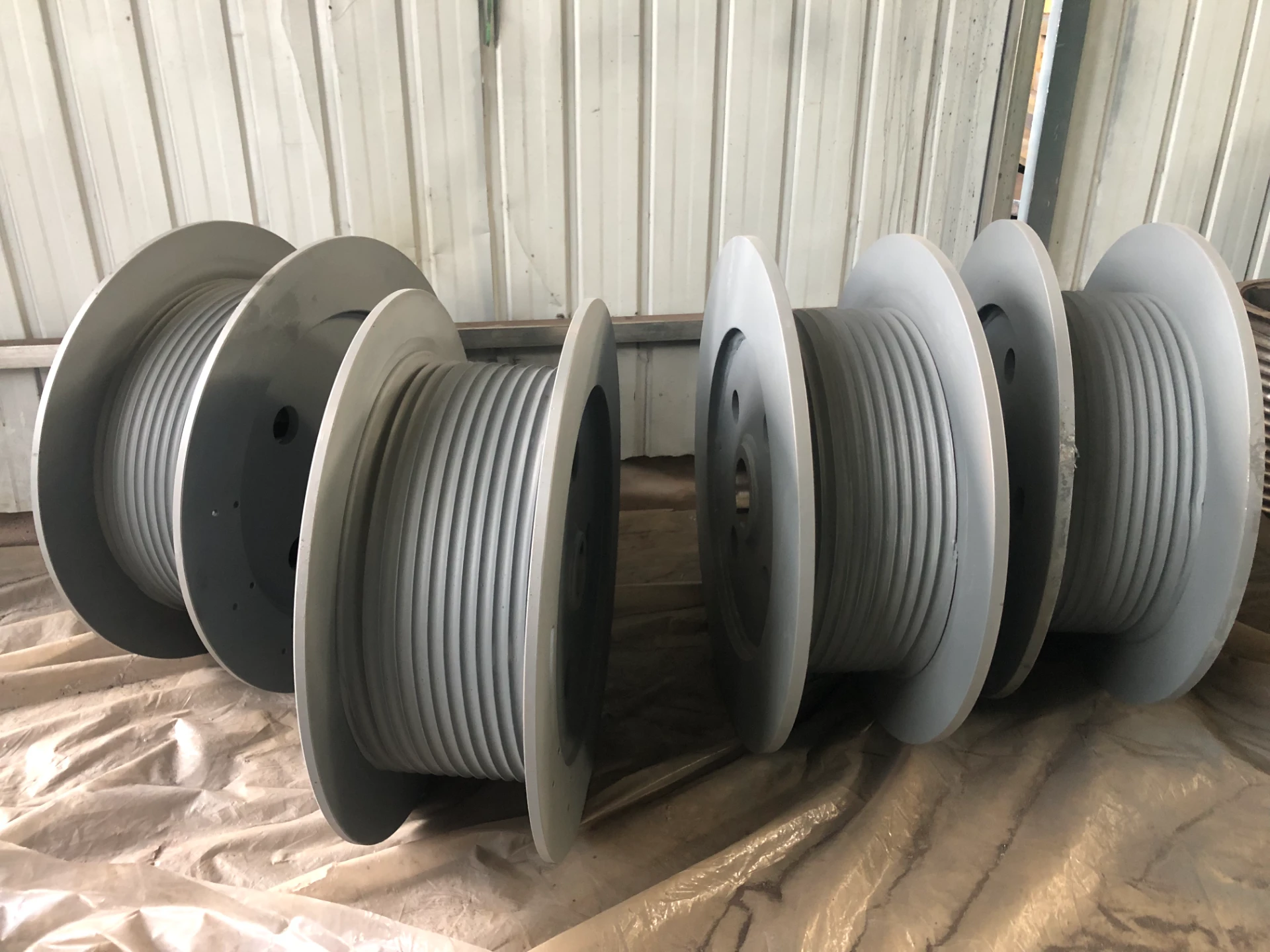
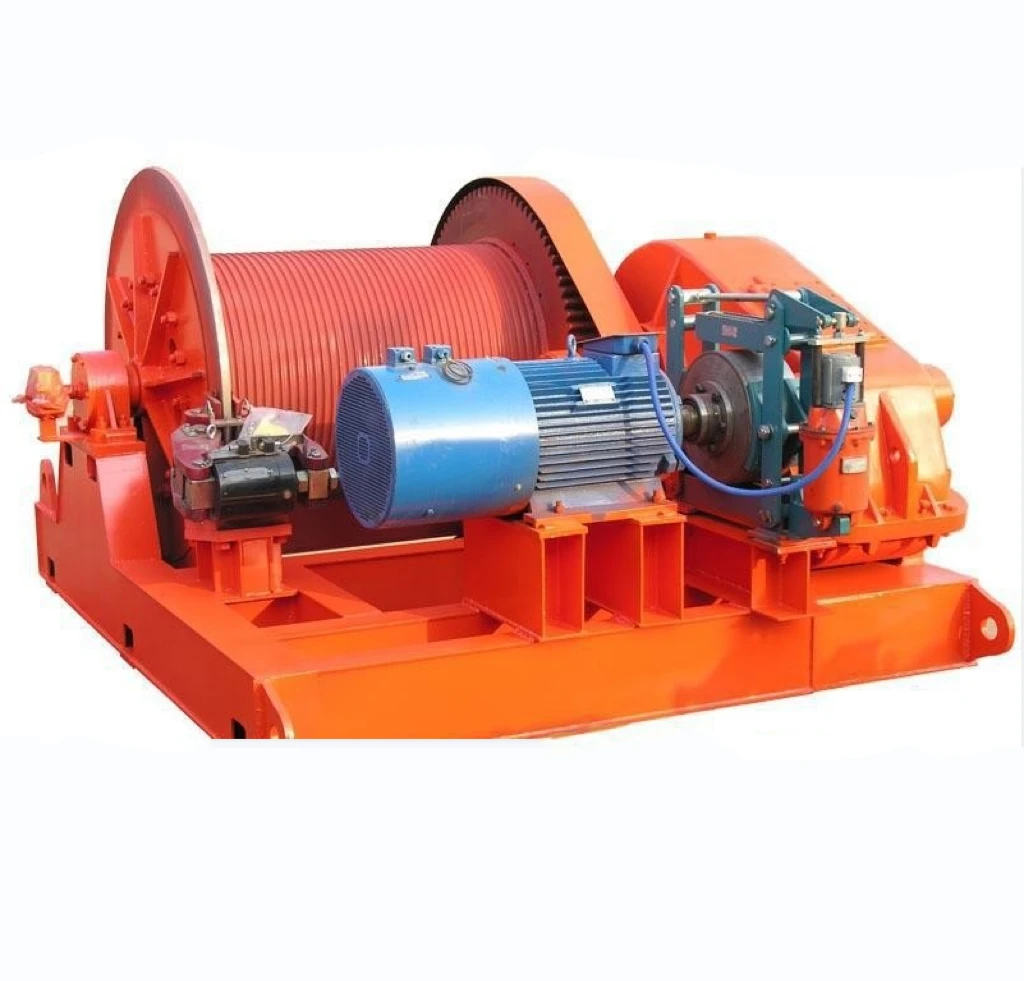
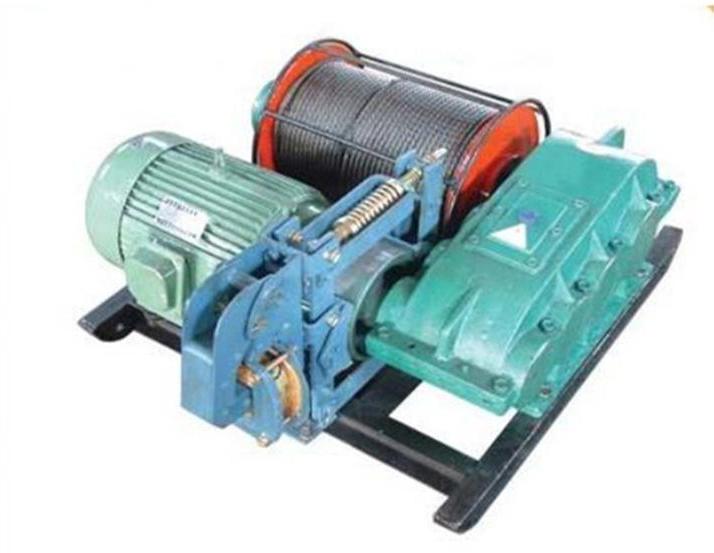
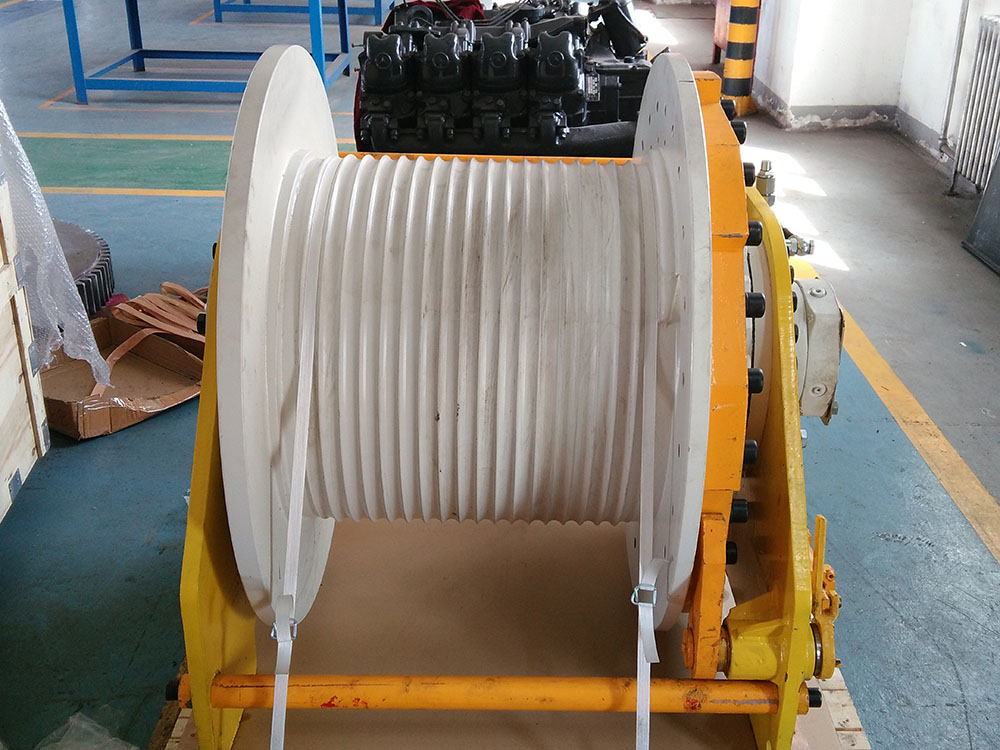
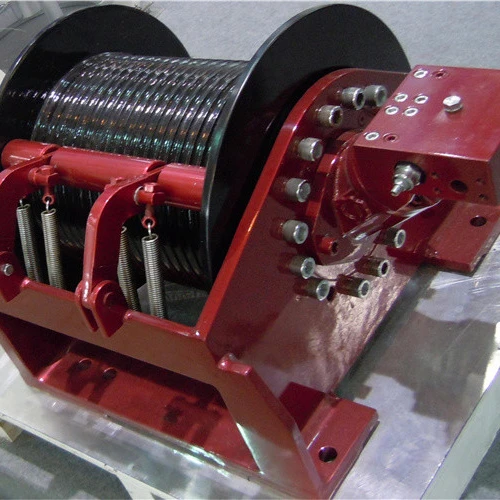
In straightforward terms, a gearmatic hydraulic winch is a mechanical device that uses hydraulic power—supplied by pressurized fluid—to turn gears connected to a rotating drum around which rope or cable wraps. This setup provides high pulling force and smooth control, especially important for heavy-duty tasks like towing vessels, lifting construction materials, or positioning heavy equipment.
Its "gearmatic" aspect means it includes a gear system that multiplies torque, allowing the winch to pull heavier loads with less hydraulic power. This is a big advantage where energy supply might be constrained—like offshore rigs or remote mining operations.
From an industry perspective, it’s an ideal marriage of hydraulic power’s precision and gears’ brute mechanical advantage. Importantly, this makes it critical for modern projects that demand both strength and fine control, whether moving massive steel frames for skyscrapers or repositioning satellite antennas.
Core Components and Key Factors of a Gearmatic Hydraulic Winch
1. Durability & Material Quality
These winches are typically built from hardened steel alloys and treated with corrosion-resistant coatings. This ensures they withstand rough environments—think salty seas or dusty deserts. Many manufacturers also integrate sealed hydraulic motors to keep fluids clean and prevent leaks under pressure.
2. Power & Torque Capacity
The gear setup significantly increases torque, allowing the hydraulic motor to pull heavier loads without stress. Roughly, gearmatic hydraulic winches can manage pulling forces ranging from a few tons to several dozens, depending on model size and configuration.
3. Control Precision
Unlike simpler winches, these often come with variable-speed control via hydraulic valve adjustments, so operators can start and stop loads gently—critical when moving fragile or expensive cargo.
4. Scalability & Customization
From compact designs for forestry applications to massive winches on drilling platforms, gearmatic hydraulic winches can be customized in drum size, gear ratios, and control interfaces to fit specific project needs.
5. Maintenance and Serviceability
While rugged, they require regular hydraulic fluid checks and periodic gear inspections. Designs tend to facilitate easier servicing, an essential feature in remote jobsites without quick access to spare parts or expert mechanics.
| Specification | Typical Range | Notes |
|---|---|---|
| Pulling Capacity | 5 to 60+ tons | Varies by gear ratios and motor size |
| Power Source | Hydraulic (variable pressure) | Compatible with standard industrial hydraulic systems |
| Drum Diameter | 200 mm to 800 mm | Affects cable capacity and pulling speed |
| Gear Ratio | 10:1 to 40:1 | Higher gear ratio boosts torque, lowers speed |
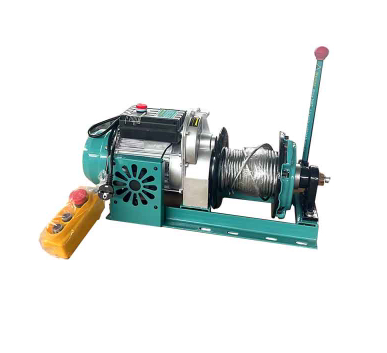
| Control Options | Manual / Remote / Automated | Increasingly integrated with digital sensors |
Where Do Gearmatic Hydraulic Winches Really Shine? Global Uses and Examples
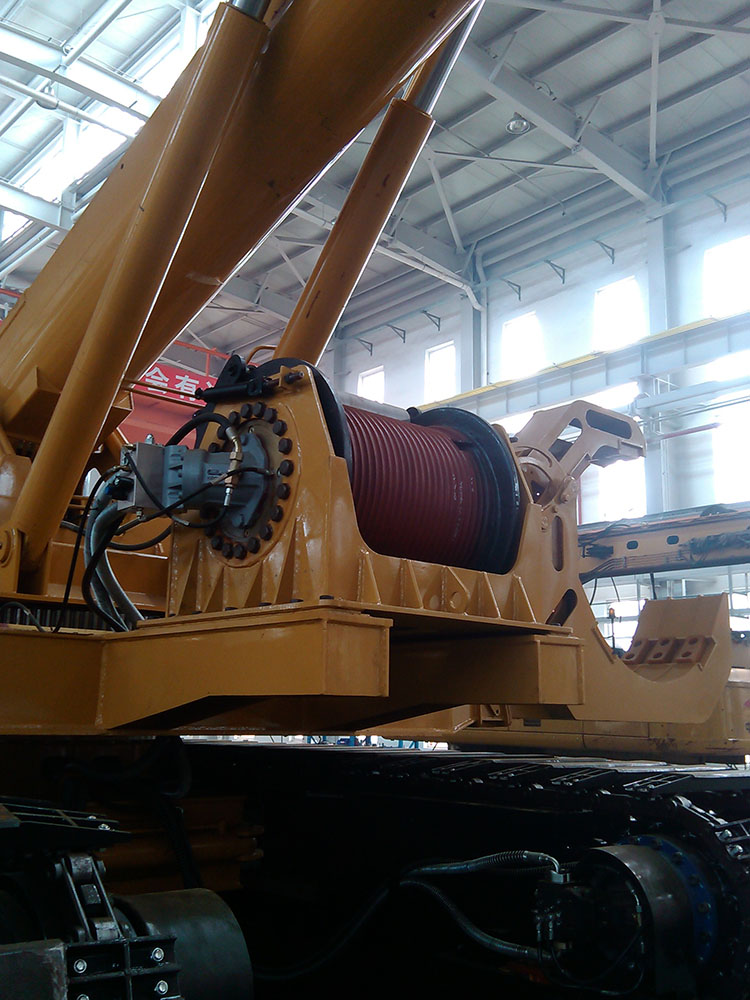
From the oil fields of the North Sea to the dense jungles of Southeast Asia, these winches pop up everywhere demanding rugged versatility. In the maritime industry, for example, the gearmatic hydraulic winch is often onboard research vessels and tugboats — helping with anchor positioning and salvage. In remote construction zones, its reliability means cranes and transport platforms keep moving heavy materials even without stable electric power.
A notable humanitarian use is in post-disaster relief operations. After an earthquake, damaged infrastructure means power grids are unstable. NGOs rely on winches powered hydraulically by mobile generators — enabling them to clear debris, position emergency shelters, or lift medical supplies without delay.
There's also a strong footing in forestry and mining sectors, where terrain is rough and vehicle-based winches struggle. Here, the gearmatic hydraulic option can be mounted on all-terrain vehicles, delivering consistent, powerful traction when it counts.
Long-Term Benefits: What Makes These Winches Worth the Investment?
- Cost Efficiency: Their durable build reduces replacement frequency. Plus, hydraulic systems generally run smoother and lose less power, lowering fuel or electricity use.
- Safety & Reliability: Precise control means fewer accidents. Operators can gently manage loads instead of sudden jerks, preserving equipment and repsect for workers.
- Environmental Impact: Hydraulic power allows use of cleaner energy sources and improves operational efficiency, which is critical given today’s sustainability standards.
- Social Value: Especially in humanitarian work, quick, reliable equipment upholds dignity by accelerating recovery and rebuilding.
Frankly, this combination of logic and emotion is why gearmatic hydraulic winches win loyalty not just from engineers but from field operators who depend on their consistency.
What’s Next? Future Trends in Gearmatic Hydraulic Winch Technology
Looking ahead, it’s not just about muscle and mechanics — digital transformation is gaining ground. Smart sensors embedded within these winches can now monitor load forces, wear patterns, and temperature in real-time, feeding into predictive maintenance schedules to prevent breakdowns. Many vendors are exploring the integration of green hydraulic fluids that offer lower toxicity alongside biodegradable seals.
Automation also looms large: remote controls and AI-assisted operators are making it safer to run winches in hazardous environments like offshore oil rigs or wildfire zones. The gearmatic hydraulic winch market benefits greatly from these innovations, pushing toward safer, greener, yet more powerful equipment.
Common Issues and Innovative Solutions
Despite their strengths, gearmatic hydraulic winches can still face challenges. Hydraulic fluid leaks, especially in older systems, remain a concern and can cause costly downtime. Additionally, their complexity requires specialist knowledge for maintenance — not always feasible in developing regions or emergency setups.
Innovative sealing technologies and modular design improvements now make servicing easier. Some manufacturers provide remote diagnostics tools or modular parts that can be replaced onsite quickly. Plus, training programs for local operators are gaining recognition as essential to maximizing uptime and lifespan.
| Vendor | Specialty | Price Range | Lead Time | Notable Features |
|---|---|---|---|---|
| LBS Winch Co. | Heavy-duty offshore & industrial | $10,000 - $50,000+ | 4-6 weeks | Customizable gear ratios, remote control options |
| HydraWinch Ltd. | Modular, lightweight designs for forestry | $7,000 - $25,000 | 2-3 weeks | Biodegradable fluids, easy servicing |
| TorqueMaster Inc. | Precision control with digital integration | $15,000 - $60,000+ | 6-8 weeks | Smart sensors, predictive maintenance alerts |
FAQ: Frequently Asked Questions About Gearmatic Hydraulic Winches
Q1: What maintenance is required to keep a gearmatic hydraulic winch operating safely?
A: Routine checks include monitoring hydraulic fluid levels and quality, inspecting gear and drum components for wear, and ensuring seals are intact to prevent leaks. Many operators schedule quarterly inspections, but conditions like extreme weather or continuous use may demand more frequent servicing. Keeping the hydraulic system clean is vital to prevent failures.
Q2: Can a gearmatic hydraulic winch be adapted for use in offshore environments?
A: Absolutely. Many models are designed with marine-grade materials and sealed hydraulic motors specifically for saltwater resistance. Custom corrosion-proof coatings are often applied, and models can be configured with explosion-proof hydraulics for hazardous offshore zones.
Q3: How does the gear ratio affect winch performance?
A: Higher gear ratios result in greater torque but reduce pulling speed. This is useful when moving heavier loads slowly and precisely. Conversely, lower gear ratios offer faster cable retrieval but less pulling power. Selecting the right ratio depends on your load and application specifics.
Q4: Are these winches compatible with green hydraulic fluids?
A: Increasingly, yes. Many manufacturers recommend biodegradable hydraulic fluids to reduce environmental impact. However, users should confirm compatibility with seals and materials to avoid degraded performance.
Q5: Is training necessary for operators using gearmatic hydraulic winches?
A: Yes, training is highly recommended to ensure safety, proper use, and maintenance. Because these winches combine mechanical and hydraulic systems, understanding both is crucial to avoid accidents and extend equipment life.
Conclusion: Embracing the Long-Term Power of Gearmatic Hydraulic Winches
Whether it’s hauling construction materials on a skyscraper site or assisting in disaster relief halfway around the world, the gearmatic hydraulic winch stands as a symbol of strength, precision, and adaptability. Its blend of gear mechanics with hydraulic power offers an efficient, reliable solution tailored for today’s toughest environments.
If you want to explore the best gearmatic hydraulic winches in the market or discuss custom options, feel free to visit our website: gearmatic hydraulic winch. As technology pushes ahead, investing in quality winches isn’t just about now — it’s about future-proofing projects that literally depend on getting heavy lifting right.
1. ISO 4309: Guidelines for winch safety and performance standards.
2. United Nations Office for Disaster Risk Reduction (UNDRR): Equipment in humanitarian operations.
3. Industry Hydraulics Manual, 2023 Edition.
-
The Ultimate Guide to Gear Steels for Durability and PerformanceNewsApr.16,2026
-
High Performance Gear Stainless Steel for Industrial DurabilityNewsApr.09,2026
-
Comprehensive Guide to Steel Bevel Gears Applications and SelectionNewsApr.07,2026
-
Comprehensive Guide to Durable Stainless Steel Miter Gears and ApplicationsNewsApr.04,2026
-
Comprehensive Guide to Steel Spur Gears Functionality and ApplicationsNewsMar.31,2026
-
Comprehensive Guide to Durable Stainless Steel Spur Gears and Their ApplicationsNewsMar.28,2026