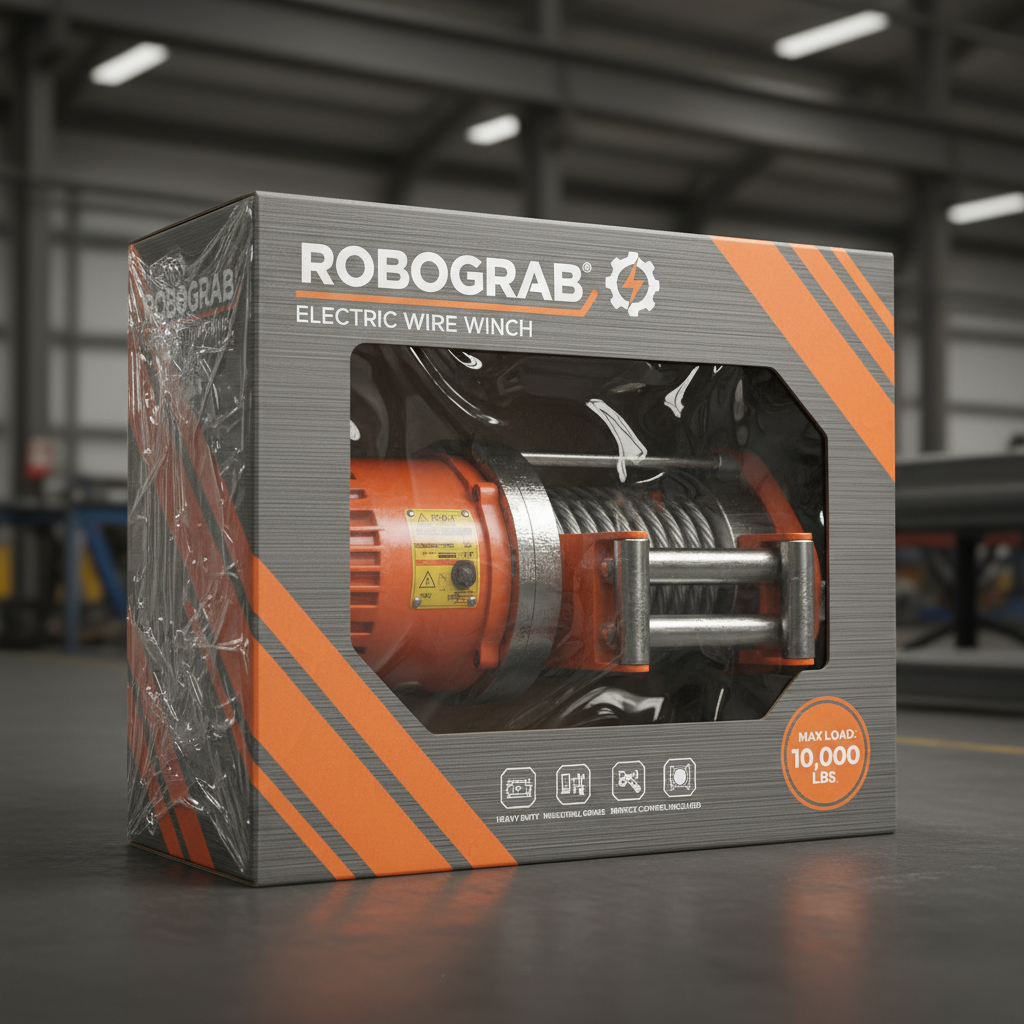
Fast electric winches are rapidly becoming essential tools across a diverse range of industries and applications. Their ability to deliver controlled, powerful pulling force quickly and efficiently makes them invaluable in scenarios where time is critical and manual operation is impractical. From marine operations and off-road recovery to industrial lifting and even specialized humanitarian efforts, the demand for reliable and high-performance fast electric winch systems is continuously increasing, driven by advancements in motor technology, control systems, and materials science.
Globally, the market for electric winches is experiencing significant growth, fuelled by infrastructure development, increasing automation in manufacturing, and a growing focus on safety and efficiency. According to recent market reports, the electric winch market is projected to reach [Insert statistic, e.g., $X billion] by [Year], with a compound annual growth rate (CAGR) of [Insert percentage, e.g., Y%]. This expansion isn't limited to developed nations; emerging economies are also heavily investing in this technology to support their own industrial advancements and emergency response capabilities.
Understanding the capabilities and nuances of fast electric winch systems is therefore vital for professionals and organizations operating in these evolving landscapes. Adopting this technology can lead to reduced operational costs, improved worker safety, and increased overall productivity, making it a cornerstone of modern operational efficiency.
Introduction to fast electric winch
A fast electric winch is a mechanical device utilizing an electric motor to provide controlled pulling or lifting force via a rope, cable, or strap wound around a drum. Unlike traditional manual winches, these systems offer significantly faster line speeds, greater power, and require less physical exertion from the operator. They represent a critical advancement in applications where speed and precision are paramount. fast electric winch are designed for robust operation in various environments.
The increasing prevalence of fast electric winches stems from their versatility and ability to enhance operational efficiency across numerous sectors. They’ve moved beyond traditional applications like vehicle recovery to become integral components in marine vessel handling, construction site material lifting, and even in specialized rescue operations, demonstrating their widespread utility and driving continued innovation in the field.
Defining Fast Electric Winch Technology
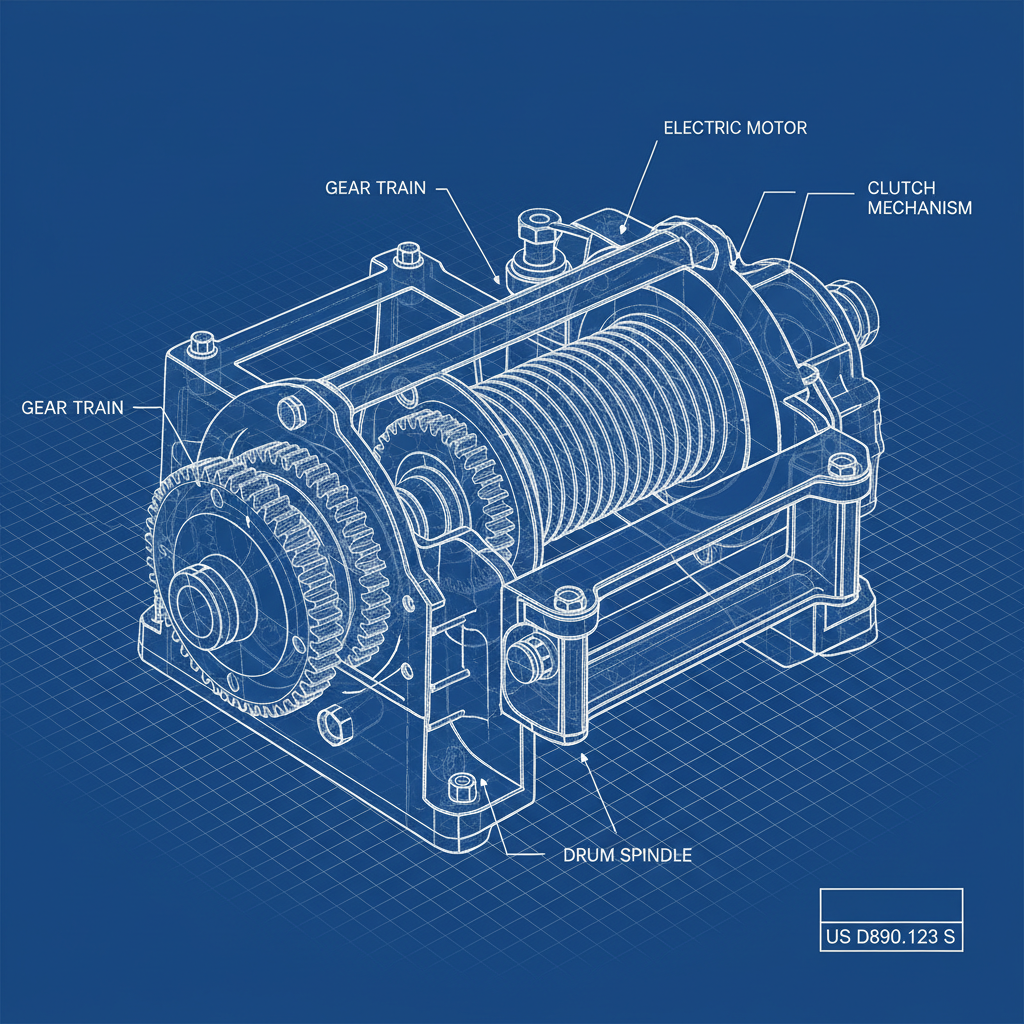
At its core, a fast electric winch translates electrical energy into mechanical force. This is achieved through a combination of an electric motor, a gearbox, a drum, and a control system. The electric motor provides the power, the gearbox adjusts the speed and torque, the drum stores the rope or cable, and the control system allows the operator to manage the winch's operation with precision and safety. The 'fast' designation refers to the winch's ability to achieve significantly higher line speeds compared to manually operated or slower hydraulic winches.
The connection to modern industry is evident in the increasing demand for automated and remotely operated systems. Fast electric winches readily integrate with programmable logic controllers (PLCs) and other automation technologies, allowing for seamless integration into complex industrial processes. This capability is crucial for applications like automated material handling in warehouses or precisely controlled lifting operations in manufacturing facilities.
Furthermore, in humanitarian contexts, fast electric winches can be deployed for rapid recovery operations following natural disasters. Their ability to quickly move debris and heavy objects can be life-saving, and their relatively compact size and ease of operation make them suitable for challenging and remote environments. This dual benefit – industrial efficiency and humanitarian aid – highlights the broad impact of this technology.
Core Components of a Fast Electric Winch
The foundation of any fast electric winch lies in several key components. First, the electric motor – typically a series-wound DC motor or an AC induction motor – provides the raw power for operation. The choice of motor type impacts the winch's speed, torque, and efficiency. Second, the gearbox multiplies the motor’s torque, allowing the winch to handle heavier loads, and simultaneously reduces the speed to a manageable level for precise control.
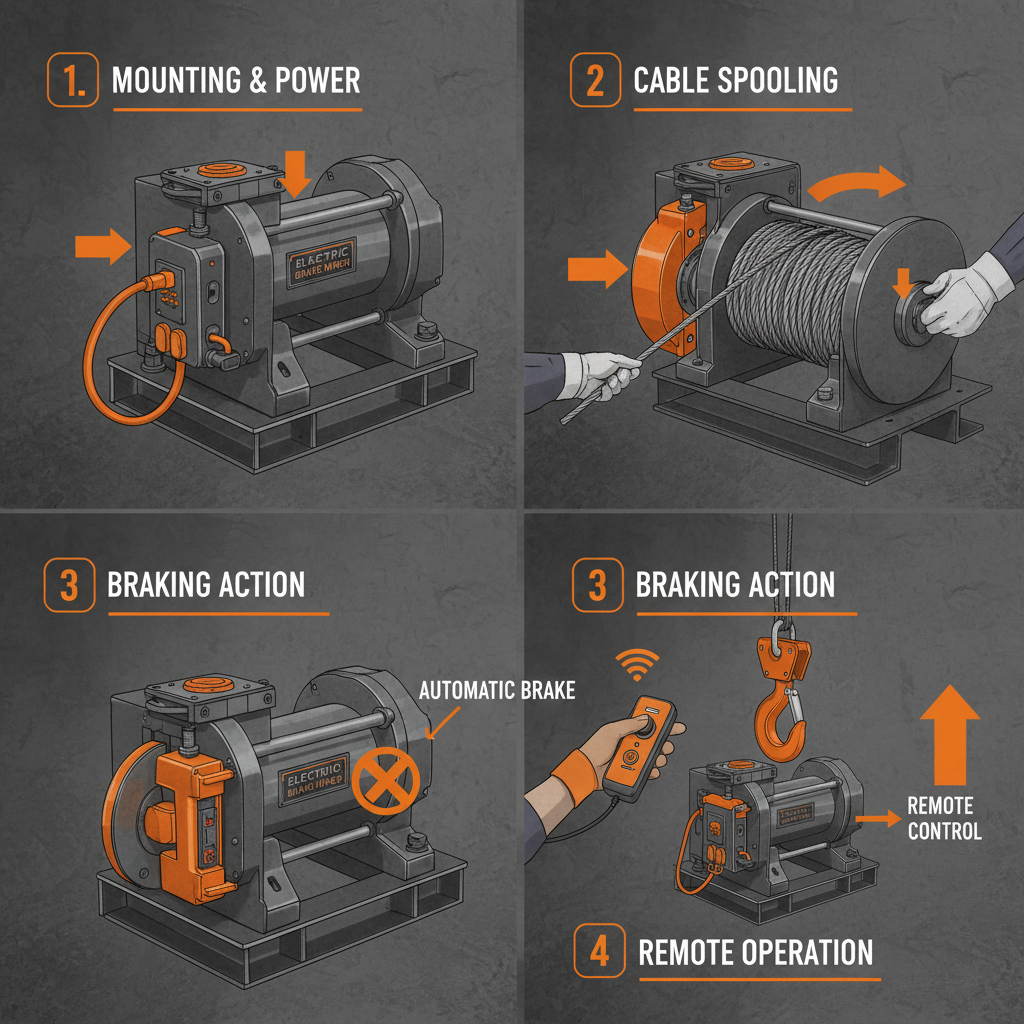
The drum, typically constructed from steel, is where the rope or cable is wound. Drum size and capacity directly affect the winch's lifting capability and the length of rope or cable available. Finally, the control system – ranging from simple switches to sophisticated remote controls and programmable controllers – allows the operator to manage the winch's direction, speed, and braking. Modern control systems often include safety features like overload protection and emergency stop mechanisms. fast electric winch models include advanced control systems.
Beyond these core elements, robust braking systems are critical for safety and controlled operation. These systems, frequently employing electromagnetic brakes, prevent unintended unwinding of the rope or cable, particularly under load. The overall structural integrity, materials used, and design contribute to the winch’s durability and long-term reliability.
Key Performance Indicators of fast electric winch
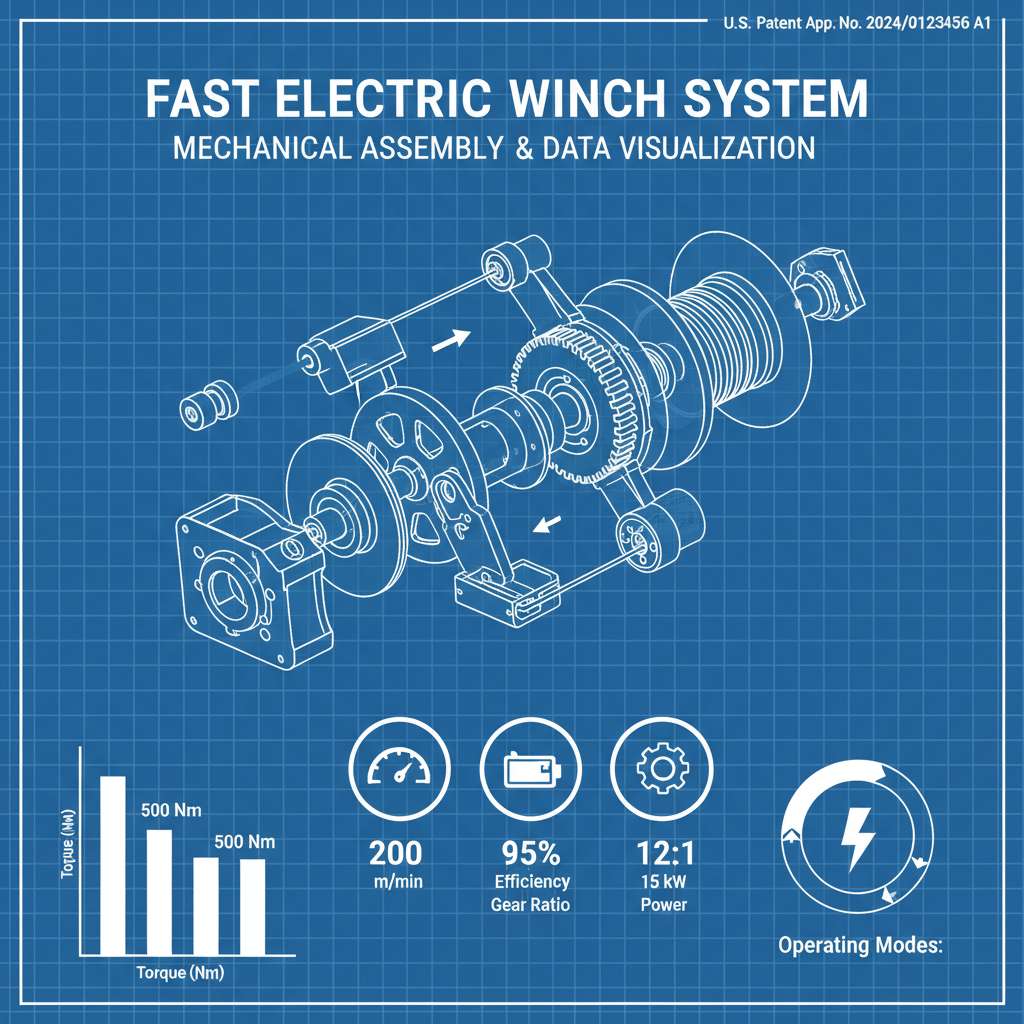
Evaluating the performance of a fast electric winch requires considering several key indicators. Pulling Force (or Lifting Capacity), measured in tons or kilograms, defines the maximum load the winch can handle safely. Line Speed, measured in meters per minute, determines how quickly the winch can wind or unwind the rope or cable. These two factors are often inversely proportional - higher pulling force often comes at the expense of line speed.
Another critical indicator is the Duty Cycle, which specifies the percentage of time the winch can operate continuously within a given period before requiring a cooling-down period. A higher duty cycle is crucial for demanding applications requiring prolonged operation. Finally, Gear Ratio impacts both speed and torque, and is a fundamental aspect of winch performance.
Fast Electric Winch Performance Comparison
Global Applications of fast electric winch
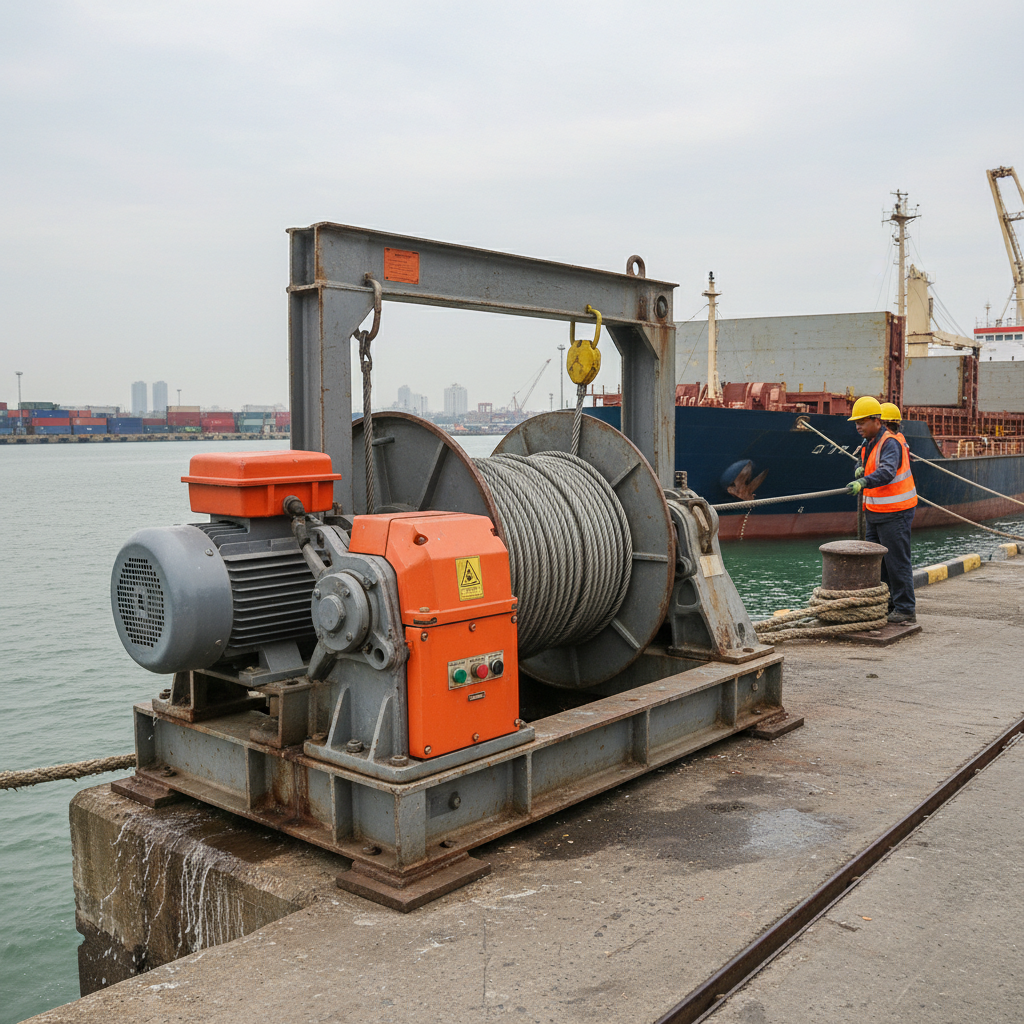
The applications of fast electric winches are remarkably diverse. In the marine industry, they are essential for anchoring, mooring, and towing operations on vessels of all sizes. In construction and heavy lifting, they facilitate the movement of materials and equipment, improving efficiency and safety on job sites. fast electric winch are seeing increasing use in construction.
In off-road and recovery scenarios, these winches are indispensable for extracting vehicles from difficult terrain, providing a reliable self-recovery solution. Furthermore, in industrial manufacturing, they play a crucial role in automated assembly lines and material handling systems, optimizing production processes. In post-disaster relief operations, fast electric winches are used to clear debris, recover stranded vehicles, and assist in rescue efforts, significantly accelerating recovery times.
Advantages and Long-Term Value
The advantages of employing fast electric winches are substantial. Reduced operational costs are achieved through increased efficiency and decreased reliance on manual labor. Improved safety results from precise control and automated safety features, minimizing the risk of accidents. Enhanced productivity stems from faster line speeds and the ability to handle heavier loads, accelerating project completion times.
Beyond these tangible benefits, fast electric winches offer long-term value through increased reliability, reduced maintenance requirements (compared to hydraulic systems), and a positive environmental impact through energy efficiency and reduced reliance on fossil fuels. The peace of mind knowing that operations are conducted with enhanced safety and reliability adds significant intangible value.
Future Trends in fast electric winch Technology
The future of fast electric winch technology is poised for significant advancements. The integration of smart technology and IoT (Internet of Things) sensors will enable real-time monitoring of winch performance, predictive maintenance, and remote diagnostics. Developments in battery technology will lead to more powerful and longer-lasting cordless winches, expanding their usability in remote locations.
The pursuit of sustainable materials and energy-efficient designs will further minimize the environmental impact of these systems. Moreover, advancements in control algorithms and automation will lead to more precise and versatile winch operation, allowing for increasingly complex tasks to be performed with ease and safety. The shift towards automation and the increasing demand for remote operation are driving innovation in this field.
Finally, the increased adoption of digital twins – virtual representations of physical winches – will enable optimized design, simulation, and troubleshooting, ultimately leading to improved performance and reliability.
Challenges and Solutions
Despite their advantages, fast electric winches face certain challenges. Overheating can be a concern during prolonged heavy-duty operation, potentially leading to motor damage. Cable management – preventing tangling and ensuring smooth winding – can also be problematic. Corrosion in harsh environments poses a threat to long-term durability.
Solutions to these challenges include implementing advanced cooling systems to dissipate heat effectively, utilizing automatic spooling mechanisms to manage cable winding, and employing corrosion-resistant materials and coatings to protect against environmental damage. Furthermore, incorporating intelligent load monitoring systems can prevent overloading and extend the winch's lifespan.
Summary of Common Challenges and Corresponding Solutions for Fast Electric Winch
| Challenge |
Root Cause |
Solution |
Preventative Measures |
| Overheating |
High current draw, insufficient cooling |
Enhanced cooling systems (fans, heat sinks) |
Regular inspections, proper ventilation |
| Cable Tangling |
Improper spooling, uneven distribution |
Automatic spooling mechanisms, level wind systems |
Regular cable inspection and re-spooling |
| Corrosion |
Exposure to harsh environments (saltwater, chemicals) |
Corrosion-resistant materials and coatings |
Regular cleaning and protective treatments |
| Motor Failure |
Overloading, wear and tear, electrical issues |
High-quality motor components, overload protection |
Preventative maintenance schedule, electrical inspections |
| Control System Malfunctions |
Software bugs, hardware failures, electromagnetic interference |
Robust software testing, shielded cabling, surge protection |
Software updates, regular system checks |
| Structural Fatigue |
Repeated stress, exceeding load limits |
High-strength materials, fatigue testing, regular inspections |
Adhering to load limits, preventative maintenance |
FAQS
With consistent preventative maintenance, including lubrication, inspection for wear, and protection from corrosion, a high-quality fast electric winch can reliably operate for 10-15 years or even longer. The lifespan is heavily influenced by the application's severity and the frequency of use. Regular servicing and timely replacement of worn components are crucial for maximizing longevity. fast electric winch are built for extended use.
Essential safety features include an overload protection system to prevent exceeding the winch’s capacity, an electromagnetic braking system to hold the load securely in the event of power failure, a remote control with emergency stop functionality, and robust cable/rope guards. Look for certifications from reputable safety organizations and ensure the winch meets relevant industry standards.
Calculate the maximum weight you’ll need to lift or pull, and then add a safety factor of at least 20-30%. This accounts for unforeseen circumstances and potential dynamic loads. Consider the angle of pull – a steeper angle reduces the effective pulling capacity. Consult with a winch specialist if you’re unsure about the appropriate capacity for your specific application.
The choice of rope or cable depends on the application. Steel cables offer high strength and durability but are heavier and prone to corrosion. Synthetic ropes, such as Dyneema or Spectra, are lighter, stronger per unit weight, and corrosion-resistant, but may be less resistant to abrasion. Carefully consider the load, environment, and safety requirements when selecting the appropriate rope or cable.
Regular maintenance includes lubricating moving parts, inspecting the rope or cable for wear and tear, checking the braking system, examining the electrical connections, and cleaning the winch to prevent corrosion. Follow the manufacturer’s recommendations for maintenance intervals and procedures. Keep a maintenance log to track inspections and repairs.
Specialized fast electric winches are designed for use in hazardous environments, such as those with explosive atmospheres or corrosive substances. These winches typically feature explosion-proof motors and corrosion-resistant materials. It’s crucial to select a winch specifically rated for the intended hazardous environment and follow all relevant safety regulations.
Conclusion
Fast electric winches represent a significant advancement in lifting and pulling technology, offering unparalleled speed, power, and control across a wide range of applications. Their continued innovation, driven by advancements in materials, automation, and sustainability, ensures they will remain integral to industries ranging from marine operations and construction to disaster relief and beyond. Understanding their capabilities and limitations is crucial for optimizing performance and ensuring safety.
Looking ahead, the integration of smart technologies and the focus on environmentally friendly designs will further enhance the value of these systems. Investing in high-quality fast electric winch solutions is not merely acquiring equipment; it's investing in efficiency, safety, and a sustainable future. Visit our website at www.lbswinch.com to explore our comprehensive range of fast electric winch solutions and discover how we can help you optimize your operations.