0%

Table of Contents

The electric rope winch stands as a crucial component in modern lifting and pulling operations across diverse industries. From construction and marine applications to emergency rescue and industrial settings, these devices provide a reliable and efficient means of handling heavy loads. Understanding the principles, capabilities, and advancements in electric rope winch technology is paramount for professionals and organizations seeking optimized performance, safety, and cost-effectiveness. The growing demand for portable and powerful lifting solutions fuels continued innovation in this field.

Globally, the market for electric rope winches is experiencing substantial growth, driven by infrastructure development, increased industrialization, and the necessity for effective material handling solutions. Statistics indicate a consistent annual growth rate, particularly in emerging economies where construction and manufacturing sectors are expanding rapidly. The rise in demand highlights the crucial role of electric rope winches in facilitating efficiency and productivity. Addressing challenges related to durability, safety standards, and environmental impact is vital for sustained market growth.

An electric rope winch is a mechanical device that uses an electric motor to wind or unwind a rope, providing controlled lifting or pulling force. Unlike manual winches relying on human power, electric winches offer greater power, speed, and precision. They are integral to many industries, streamlining processes and enhancing safety, particularly when dealing with heavy or awkward loads. They represent a significant advancement in material handling, simplifying complex tasks and minimizing risk.
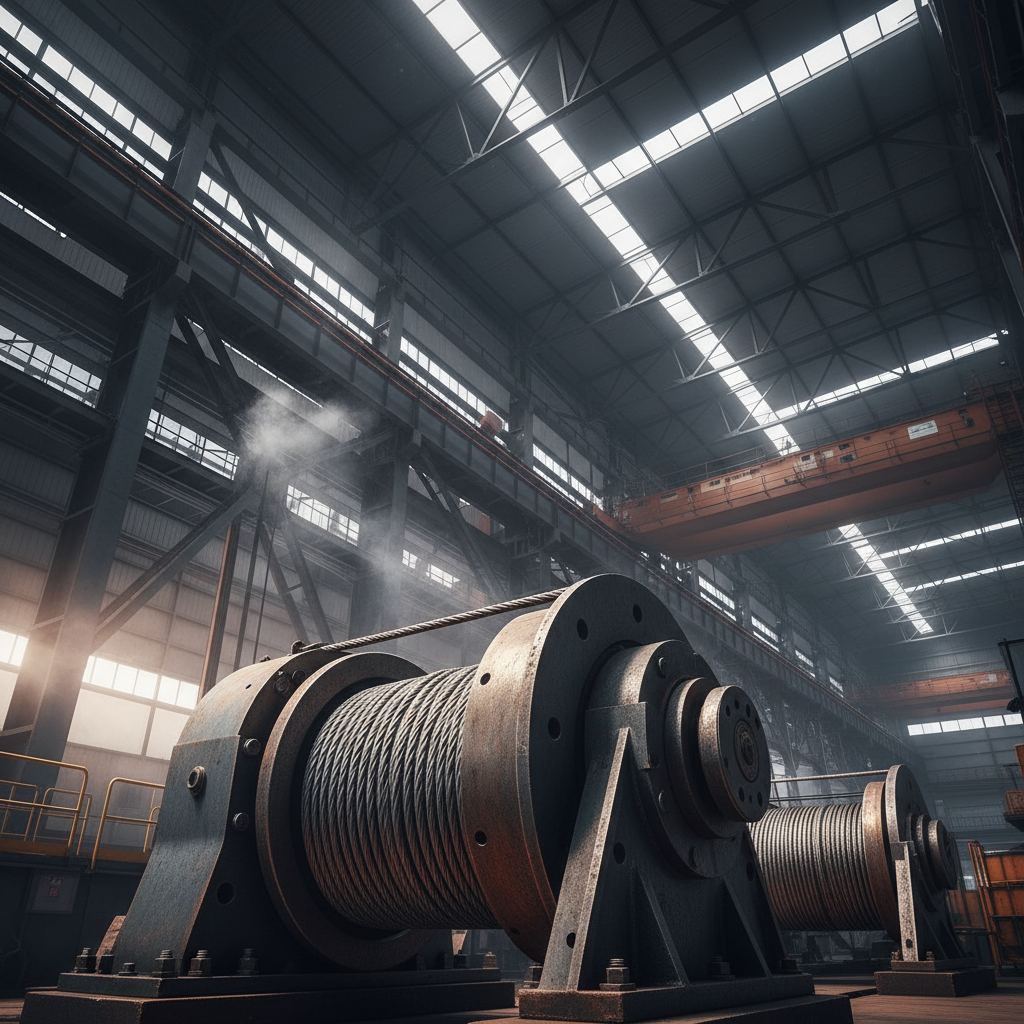
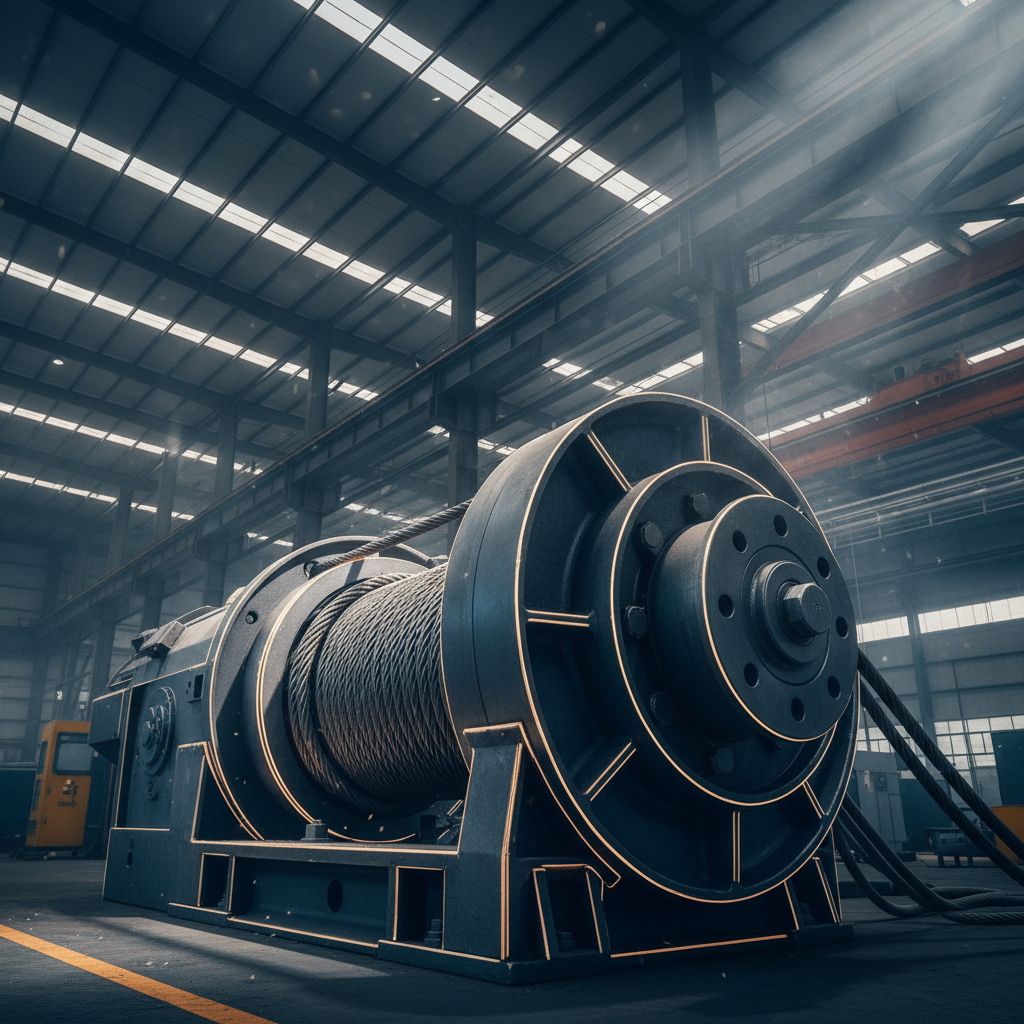
Exploring the Capabilities and Applications of the Electric Rope Winch

The Core Principles of electric rope winch

Exploring the Capabilities and Applications of the Electric Rope Winch

The operation of an electric rope winch relies on fundamental mechanical principles, primarily leverage and gear ratios. The electric motor provides the power to rotate a drum, around which the rope is wound. Different gear configurations allow for varying levels of speed and torque, catering to a wide range of applications. Selecting the correct gear ratio is crucial for achieving optimal performance based on the load and desired lifting speed.

The design of an electric rope winch also incorporates safety features like load limiting devices, emergency stop mechanisms, and robust braking systems. These components are essential for preventing accidents and ensuring the safe operation of the winch. Regular inspection and maintenance of these safety features are crucial for maintaining long-term reliability and minimizing risks. Investing in a quality electric rope winch is paramount for consistent performance.

Global Relevance and Industry Impact

Electric rope winches play a vital role in global infrastructure development, particularly in construction and material handling. From large-scale building projects to bridge construction and tunnel boring, these winches provide the necessary lifting power to move heavy materials efficiently. The demand for these winches is closely tied to the growth of the construction industry in developing nations.

The marine industry relies heavily on electric rope winches for anchoring, mooring, and cargo handling. Ships and offshore platforms utilize these winches for a variety of critical operations, ensuring safe and efficient vessel management. Furthermore, the oil and gas industry employs electric winches in drilling rigs and platform maintenance.

The rise of automation and remote operations is increasing the demand for electric rope winches equipped with advanced control systems. These systems allow for precise control of lifting and pulling operations, improving efficiency and reducing the risk of human error. This trend is reshaping the industry, leading to more sophisticated and versatile winch designs.

Defining electric rope winch: A Comprehensive Overview

An electric rope winch can be broadly defined as a powered mechanical device designed to wind or unwind a rope, generating pulling or lifting force. It distinguishes itself from manually operated winches through its reliance on an electric motor, offering superior power and controllability. This increased capability allows for handling heavier loads and performing tasks with greater ease and precision.

The connection to modern industry is undeniable; electric rope winches are fundamental to streamlining operations in sectors like construction, marine engineering, manufacturing, and emergency services. They enhance efficiency, reduce labor costs, and improve safety by automating tasks that would otherwise be physically demanding or hazardous.

Furthermore, electric rope winches are increasingly integral to humanitarian efforts. In disaster relief situations, they are crucial for clearing debris, recovering vehicles, and assisting in rescue operations. Their portability and relatively simple setup make them invaluable tools in challenging environments where time is of the essence. Consider a robust electric rope winch for these demanding situations.

Key Features of High-Performance electric rope winch

Durability is a cornerstone of any reliable electric rope winch. High-quality materials, such as hardened steel gears and robust housings, ensure the winch can withstand demanding conditions and prolonged use. Regular maintenance, however, remains critical to extending lifespan and maximizing performance.

Power and Capacity are directly linked to the motor and gear system. A higher-powered motor allows for lifting heavier loads, while the gear ratio determines the speed and torque. Selecting a winch with the appropriate power and capacity for the intended application is essential.

Electric Rope Winch Performance Comparison


Diverse Applications of electric rope winch Worldwide

In construction, electric rope winches are indispensable for lifting building materials, scaffolding, and heavy equipment. Their precision and reliability contribute significantly to project efficiency and safety, reducing manual labor and minimizing the risk of accidents.

The marine industry utilizes electric winches for anchoring, mooring, towing, and cargo handling. These applications demand robust, corrosion-resistant winches capable of withstanding harsh saltwater environments and fluctuating weather conditions.

Advantages and Long-Term Value of electric rope winch

Cost-effectiveness is a significant advantage of electric rope winches. While the initial investment may be higher than manual winches, the increased efficiency, reduced labor costs, and extended lifespan result in long-term savings. Lower maintenance requirements also contribute to overall cost reduction.

Reliability is paramount, and quality electric rope winches are designed for consistent performance in demanding conditions. This reduces downtime, minimizes disruptions, and ensures projects stay on schedule. Investing in a well-maintained electric rope winch is a worthwhile investment.

Safety is greatly improved with electric winches, as they offer precise control and reduce the risk of operator fatigue. Features like overload protection and emergency stop mechanisms further enhance safety, minimizing the potential for accidents and injuries.

Future Trends and Innovations in electric rope winch

The integration of smart technology and IoT (Internet of Things) is transforming electric rope winches. Real-time monitoring of performance data, predictive maintenance capabilities, and remote control options are becoming increasingly common, enhancing efficiency and reducing downtime.

Sustainable energy solutions are driving the development of electric winches powered by renewable sources like solar or wind energy. This reduces carbon emissions and promotes environmentally friendly operations.

Advancements in materials science are leading to the creation of lighter, stronger, and more durable winch components, improving performance and reducing overall weight. These innovations are crucial for optimizing winch designs and expanding their applications.

Key Performance Indicators for Electric Rope Winch Systems

Operational Efficiency Maintenance Frequency Safety Record (Incidents/Year) Total Cost of Ownership
95% Bi-Annually 0.1 $5,000
88% Quarterly 0.3 $6,500
92% Semi-Annually 0.2 $5,800
75% Monthly 0.5 $7,000
90% Bi-Annually 0.15 $5,500
85% Quarterly 0.4 $6,200

FAQS

What is the typical lifespan of an electric rope winch?

The lifespan of an electric rope winch varies depending on usage, maintenance, and environmental conditions. However, with regular maintenance and proper use, a high-quality winch can last for 10-20 years or more. Factors such as load capacity, frequency of use, and exposure to corrosive elements significantly impact lifespan. Choosing a durable model and adhering to recommended maintenance schedules are vital.

How often should I inspect my electric rope winch?

Regular inspections are crucial for ensuring safe and reliable operation. A thorough inspection should be conducted at least every six months, or more frequently if the winch is used heavily. Inspect the rope for wear and tear, check the motor and gear system for proper functioning, examine the braking system, and verify all safety features are operational. Document these inspections for maintenance records.

What safety precautions should I take when operating an electric rope winch?

Always wear appropriate personal protective equipment (PPE), including gloves and safety glasses. Ensure the load is properly secured and within the winch’s rated capacity. Never exceed the winch’s weight limit. Keep the area around the winch clear of personnel. Always follow the manufacturer’s operating instructions and never attempt repairs without proper training. Ensure the emergency stop function is readily accessible.

What type of rope is best suited for an electric rope winch?

The optimal rope type depends on the application and load requirements. Steel wire rope offers high strength and durability but is prone to corrosion. Synthetic ropes, such as nylon or polyester, are lighter, more flexible, and resistant to corrosion, but have lower tensile strength. Choosing a rope with the appropriate diameter and breaking strength for the specific winch and load is essential. Refer to the winch’s manufacturer recommendations.

How do I troubleshoot common electric rope winch problems?

Common issues include motor overheating, rope slippage, and braking failures. Overheating often indicates an overloaded motor or inadequate ventilation. Rope slippage can be caused by a worn rope or improper winding. Braking failures require immediate attention and professional repair. Consult the winch’s manual for troubleshooting guidance or contact a qualified technician.

Where can I find reliable electric rope winch suppliers?

When sourcing an electric rope winch, look for reputable suppliers with a proven track record of quality and customer service. Consider companies like LBS Winch that offer a wide range of winches to suit various applications. Check for certifications and warranties, and read customer reviews before making a purchase. A reliable supplier will provide technical support and after-sales service.

Conclusion

Electric rope winches represent a cornerstone of modern lifting and pulling technology, offering unparalleled efficiency, reliability, and safety across diverse industries. From construction and marine applications to emergency response and industrial operations, these devices streamline tasks, reduce labor costs, and minimize risks. Understanding the core principles, key features, and emerging trends in electric rope winch technology is vital for professionals and organizations seeking optimized performance and sustained success.

Looking ahead, the integration of smart technology, sustainable energy solutions, and advanced materials will continue to drive innovation in the electric rope winch sector. Investing in quality equipment, prioritizing regular maintenance, and staying abreast of the latest advancements are essential for maximizing long-term value. For reliable and innovative solutions, visit our website today: www.lbswinch.com.

David Chen

David Chen

David Chen serves as the Quality Control Manager at Shijiazhuang Junzhong Machinery. He is responsible for upholding our ISO9001:2015 and GJB9001C-2017 certifications. David brings a meticulous approach to ensuring every winch and drum meets stringent quality standards. His background includes extensive experience with materials testing, non-destructive evaluation, and process control.
Previous Exploring the Capabilities and Growth of Fast Electric Winch Technology
Next Exploring the Advantages and Applications of Electric Tugger Winch Technology