Durable 40000 lb Hydraulic Winch for Heavy Lifting & Industrial Use | LBS Winch
Understanding the 40000 lb Hydraulic Winch: Why It Matters Worldwide
If you work in heavy industries like oil & gas, forestry, construction, or disaster relief logistics, you’ve probably encountered hydraulic winches. But the 40000 lb hydraulic winch stands out — not just because of its impressive power, but thanks to its pivotal role in tackling some of the world's toughest hauling and load control challenges.
This powerful piece of equipment enables professionals to move extremely heavy loads with precision and safety. As infrastructure demands grow, especially in remote or hard-to-reach locations, understanding this winch’s capabilities is crucial. It also helps improve efficiency while minimizing risk, which is a win-win globally.
Global Context: The Industrial and Humanitarian Need for Heavy-Duty Winches
According to the United Nations Industrial Development Organization (UNIDO), heavy machinery and equipment manufacturing industries are expanding rapidly worldwide, especially in emerging markets. The increase in infrastructure development — roads, bridges, power plants — demands tools that can handle enormous weights reliably. Hydraulic winches with a capacity of 40,000 lbs are becoming industry staples in maintaining efficiency.
Moreover, international disaster relief organizations reveal that post-disaster sites often require swift deployment of equipment to clear debris or relocate heavy supplies. The sheer power of a 40000 lb hydraulic winch can mean the difference between delayed aid delivery and on-the-dot emergency response.
Simply put, when time and strength both matter, these winches address a universal challenge: moving weighty loads exposed to varied terrain — sometimes in less-than-ideal environments.
What Is a 40000 lb Hydraulic Winch?
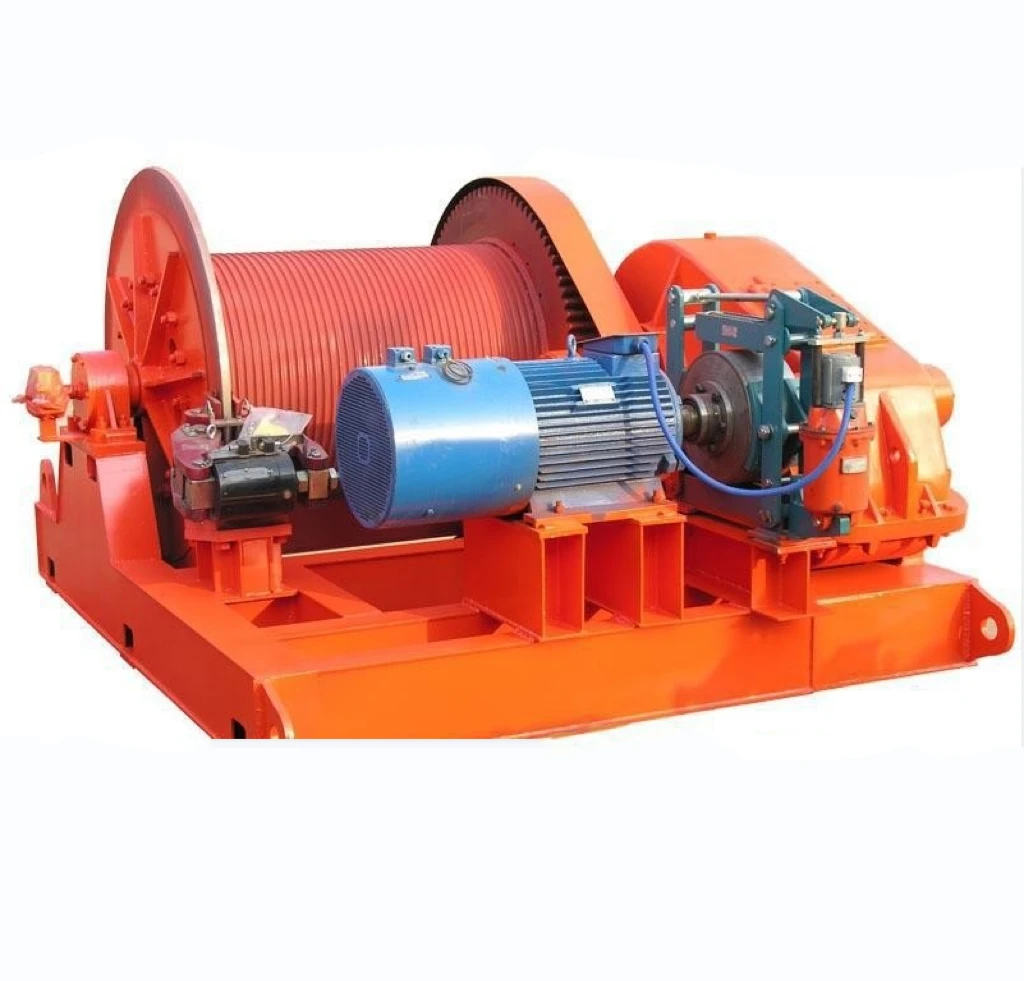
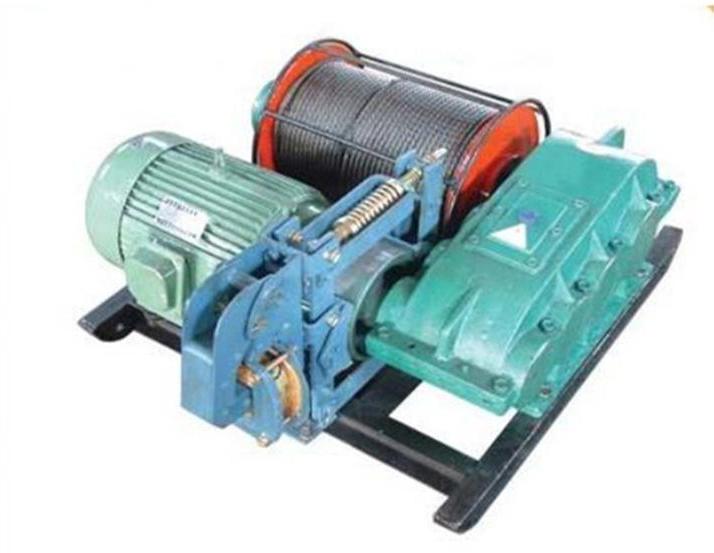
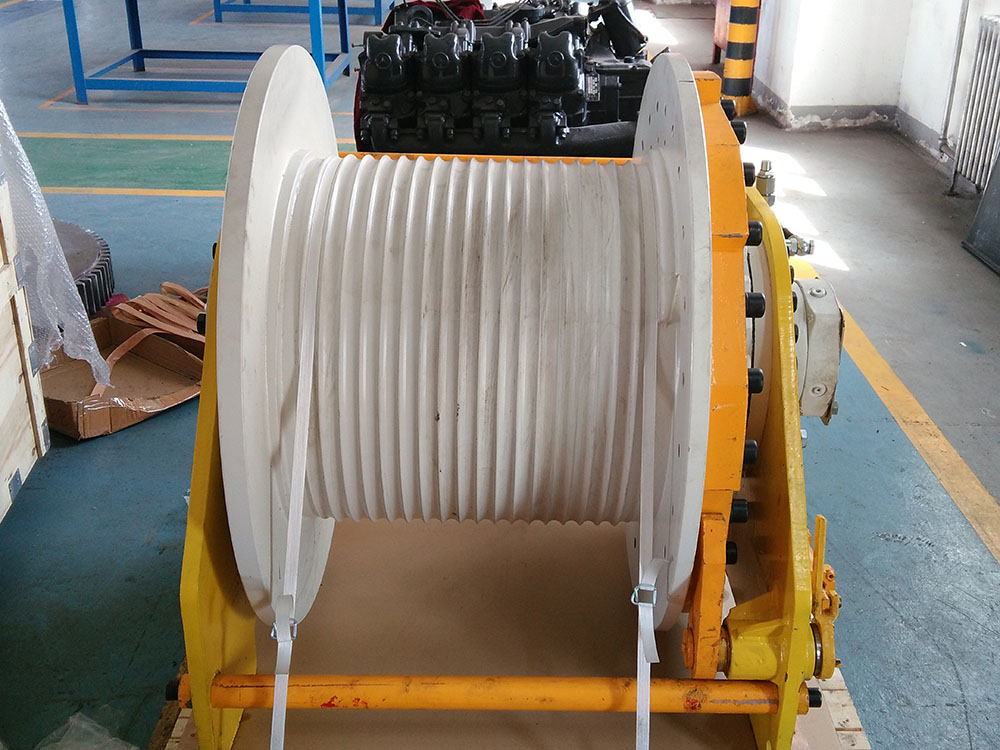
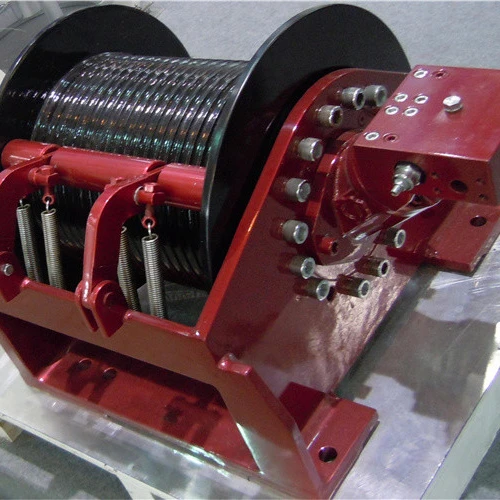
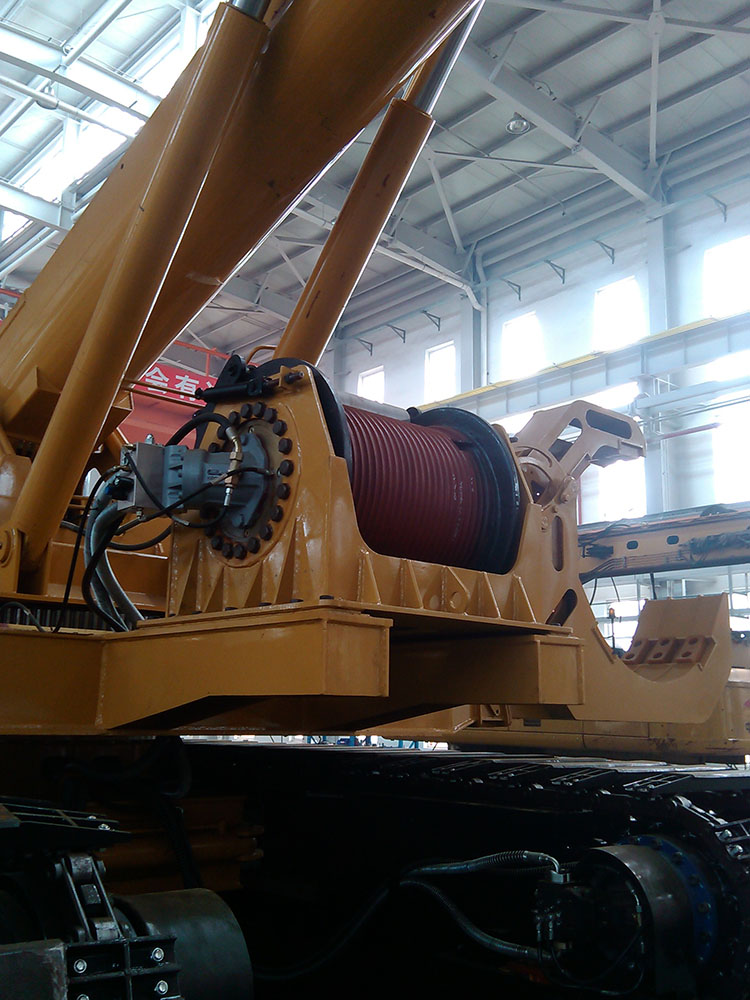
At its core, a 40000 lb hydraulic winch is a mechanical device powered by hydraulic pressure designed specifically to lift, pull, or position loads weighing up to 40,000 pounds. They utilize fluid power from hydraulic systems, usually mounted on trucks, cranes, or other heavy equipment, converting that pressure into rotational force that reels in cable or rope.
This isn’t your everyday toolbox item. These winches are engineered for large-scale industrial scenarios, from extracting fallen trees in logging to towing disabled heavy machinery.
It’s fascinating how such an ostensibly simple gear system underpins activities in varied sectors — from modern infrastructure projects to humanitarian missions where heavy cargo must be moved without a hitch.
Core Features That Define Commercial 40000 lb Hydraulic Winches
1. Durability and Build Quality
Heavy lifting demands ruggedness. Most winches with 40,000 lbs capacity are made with heat-treated alloys, corrosion-resistant coatings, and sealed bearings to withstand harsh environments — think salty maritime air or muddy off-road sites.
2. Hydraulic Power and Control Precision
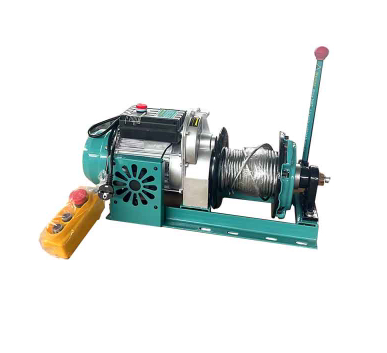
Hydraulic systems offer steady torque and controllable speeds, which is a huge advantage over electric winches. Operators value how easy it is to adjust the reel tension with simple valve turns rather than complicated electronics.
3. Scalability and Mounting Options
These winches come in various configurations — suitable for mobile cranes, flatbed trucks, or static industrial setups. Modular designs mean you can swap out parts if needed or upgrade hydraulic pumps to boost performance.
4. Safety Mechanisms
Load brakes, automatic clutch systems, and built-in overload protection are pivotal for these machines, especially since failure can mean catastrophic accidents. Many incorporate emergency stop valves and pressure relief systems to ensure fail-safe operation.
5. Maintenance and Serviceability
Given the high stakes, vendors generally design these winches for easier servicing — grease fittings, replaceable seals, and diagnostic ports help keep downtime minimal.
Nearby and Far Away — How Different Regions Use These Winches
In North America and Europe, forestry and mining industries heavily rely on 40000 lb hydraulic winches to maneuver massive logs or haul mining equipment. In remote regions of Africa and South Asia, these winches enable infrastructure projects like building power lines or clearing roads post-disaster.
In fact, NGOs responding to hurricanes and earthquakes often deploy mobile rigs equipped with such powerful winches to remove fallen debris rapidly, paving the way for aid trucks.
Even offshore oil rigs, where space and safety are tight constraints, use compact versions that still pack the required 40,000-pound pulling effort.
Specification Snapshot: Typical 40000 lb Hydraulic Winch
| Specification | Details |
|---|---|
| Load Capacity | 40,000 lbs / 18,144 kg |
| Motor Type | Hydraulic piston motor |
| Cable Diameter | 0.75 to 1 inch (19-25 mm) |
| Line Speed | 15 - 25 feet/min (variable) |
| Drum Capacity | Up to 400 ft cable |
| Weight | Approx. 700 - 900 lbs (317 - 408 kg) |
| Control | Manual valve / Remote hydraulic control |
Comparing Leading 40000 lb Hydraulic Winch Vendors
| Vendor | Build Quality | Price Range | Safety Features | Warranty |
|---|---|---|---|---|
| LBS Winch | Premium alloys, corrosion resistant | $6,500 - $8,000 | Load brake, auto clutch, pressure relief | 5 years |
| TorqueMaster | Standard steel build, moderate corrosion resistance | $5,000 - $7,000 | Basic load brake, manual clutch | 3 years |
| HeavyDuty Corp | Reinforced steel with powder coating | $7,000 - $9,000 | Load brake, electrical remote available | 4 years |
Advantages & Long-Term Value of Using a 40000 lb Hydraulic Winch
- Cost Efficiency: Despite a steep initial investment, these winches reduce manpower and machine wear, lowering operational costs.
- Sustainability: Designed for longevity, they’re repairable and often compatible with environmentally friendly hydraulic fluids.
- Safety First: Operators feel reassured by built-in fail safes — fewer accidents mean trust in the tool and peace of mind on-site.
- Social Impact: Enabling rapid, safe movement of heavy goods boosts infrastructure progress and emergency aid delivery, enhancing community resilience.
Oddly enough, many engineers note how critical these winches are not just technically, but emotionally for teams under pressure — knowing your equipment won’t fail can feel like a lifeline.
Future Trendlines: What’s Next for 40000 lb Hydraulic Winches?
Green technologies are making their way into hydraulic systems, with some manufacturers experimenting with bio-based fluids and more energy-efficient pumps. Expect IoT-enabled sensors soon, monitoring winch health, real-time load data, and predictive maintenance alerts to reduce downtime.
Automation too is becoming a focus: imagine remotely controlled winching operations to keep operators safe in dangerous settings.
Common Challenges and How to Overcome Them
Hydraulic winches aren’t without their quirks. For instance, leaks in hydraulic lines can cause sudden loss of power. Environmental factors like extreme cold or dust can hamper function. But many experts recommend preventative maintenance regimens and using sealed, high-grade hoses — plus winter-grade hydraulic fluids in freezing climates.
Training operators is another often overlooked challenge, as improper handling risks equipment damage or worse. Investing in thorough staff education programs pays dividends — a lesson seen time and again in disaster zones and industrial sites alike.
FAQ: Your Questions About 40000 lb Hydraulic Winches Answered
Q1: What makes a 40000 lb hydraulic winch better than an electric winch?
Hydraulic winches offer consistent torque at variable speeds and better durability under continuous heavy loads, unlike electric winches which can overheat or stall. They’re ideal for remote or rugged sites where power availability or environmental conditions challenge electric options.
Q2: How often do these winches require maintenance?
Standard practice suggests routine checks every 250 operating hours, with full servicing annually. Regular lubrication, hose inspection, and pressure testing are key to peak performance and safety.
Q3: Can 40000 lb hydraulic winches be customized?
Absolutely. Vendors usually offer options for cable length, mounting brackets, control types (manual or remote), and safety features to fit specific project needs.
Q4: Are these winches suitable for use in marine environments?
Yes, but corrosion-resistant materials and special coatings are necessary to mitigate saltwater damage. Some models are specially designed for offshore applications with sealed components.
Wrapping It Up: Why Investing in a 40000 lb Hydraulic Winch Makes Sense
In the end, the 40000 lb hydraulic winch is more than just a piece of heavy machinery. It’s a practical solution for industries and relief organizations worldwide tackling massive hauling challenges with precision and safety. Whether building infrastructure, moving equipment, or supporting emergency logistics, this winch offers a blend of power and reliability that can’t easily be found elsewhere.
Curious to explore models and specs? Visit our website and see how a 40000 lb hydraulic winch can redefine your project’s heavy lifting capabilities.
-
The Ultimate Guide to Gear Steels for Durability and PerformanceNewsApr.16,2026
-
High Performance Gear Stainless Steel for Industrial DurabilityNewsApr.09,2026
-
Comprehensive Guide to Steel Bevel Gears Applications and SelectionNewsApr.07,2026
-
Comprehensive Guide to Durable Stainless Steel Miter Gears and ApplicationsNewsApr.04,2026
-
Comprehensive Guide to Steel Spur Gears Functionality and ApplicationsNewsMar.31,2026
-
Comprehensive Guide to Durable Stainless Steel Spur Gears and Their ApplicationsNewsMar.28,2026