Comprehensive Guide to 5000 lb Hydraulic Winches – Specifications, Uses & Trends
Understanding the 5000 lb Hydraulic Winch: A Critical Tool in Modern Industry
When it comes to heavy lifting and pulling, few tools have stood the test of time quite like the hydraulic winch. Particularly, the 5000 lb hydraulic winch has earned its reputation as a practical, reliable workhorse — able to handle loads generally up to 5,000 pounds with relative ease. But why does this matter beyond the warehouse or construction site? Globally, industries ranging from shipping to emergency relief rely on such gear to keep operations smooth, safe, and efficient. Understanding this tool’s capabilities is key for anyone involved with material handling, heavy equipment, or even disaster response.
In fact, with increasing infrastructural demands worldwide, hydraulic winches offer robust power delivery for lifting, towing, and positioning — strengths that electric or manual equivalents simply can’t always match. This article will delve into what exactly the 5000 lb hydraulic winch is, why it continues to be indispensable, and how innovations are shaping its future.
The Global Significance of the 5000 lb Hydraulic Winch
Globally, construction and logistics industries took a massive hit during the recent years but remain frontrunners in economic recovery. According to the World Bank, infrastructure investment is expected to grow exponentially in the coming decade, especially in emerging markets across Asia, Africa, and Latin America. The challenge? Handling heavier loads efficiently on uneven terrain or remote sites.
Enter the hydraulic winch with 5000 pounds of rated pull capacity: a simple yet powerful solution addressing this challenge head-on. It can safely haul materials, stabilize massive loads, or assist in vehicle recovery – all without straining operators or equipment. Industries have increasingly prioritized safety and precision, pushing demand for reliable winching systems that can adapt across environments.
Put simply: wherever physical power is needed swiftly and safely, the 5000 lb hydraulic winch tends to be one of the best bets on the market.
What Exactly Is a 5000 lb Hydraulic Winch?
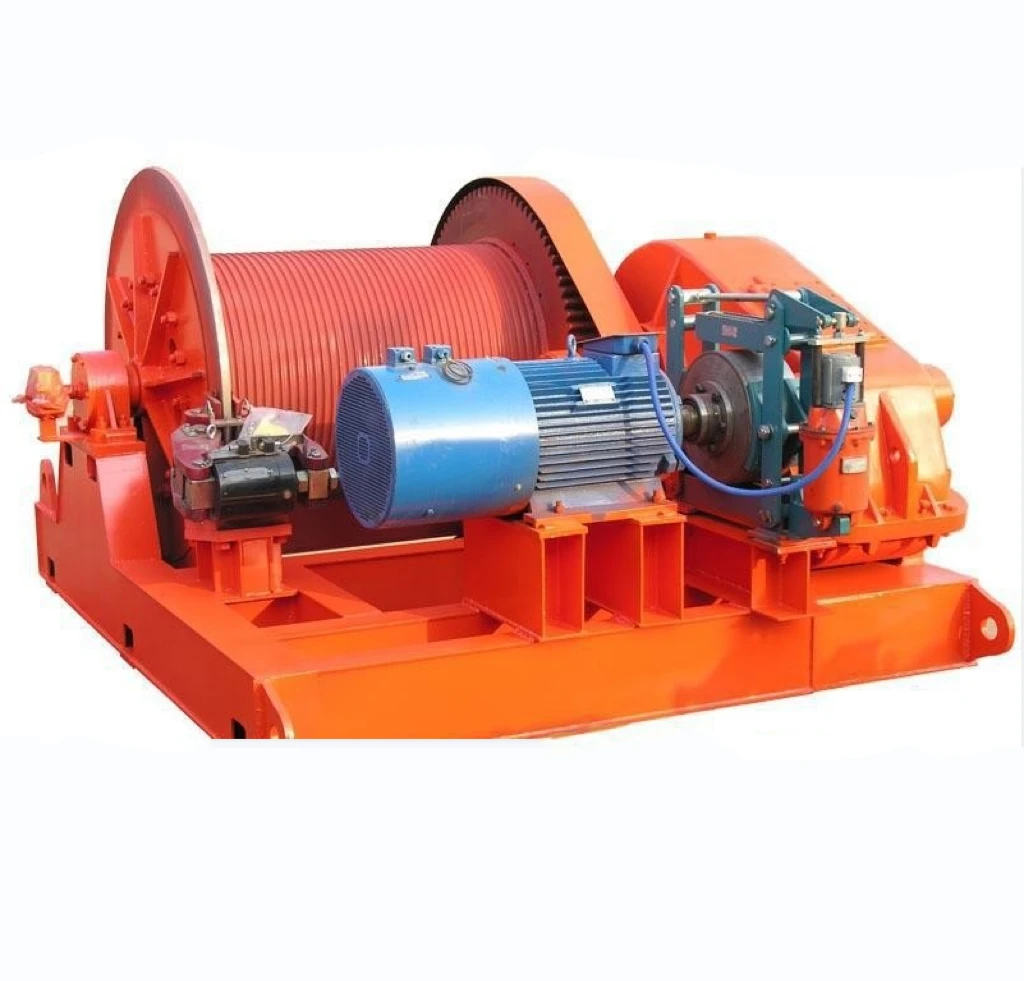
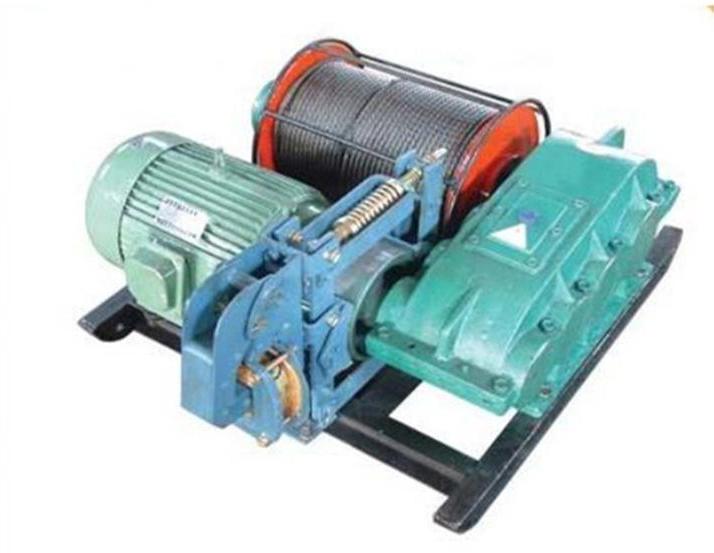
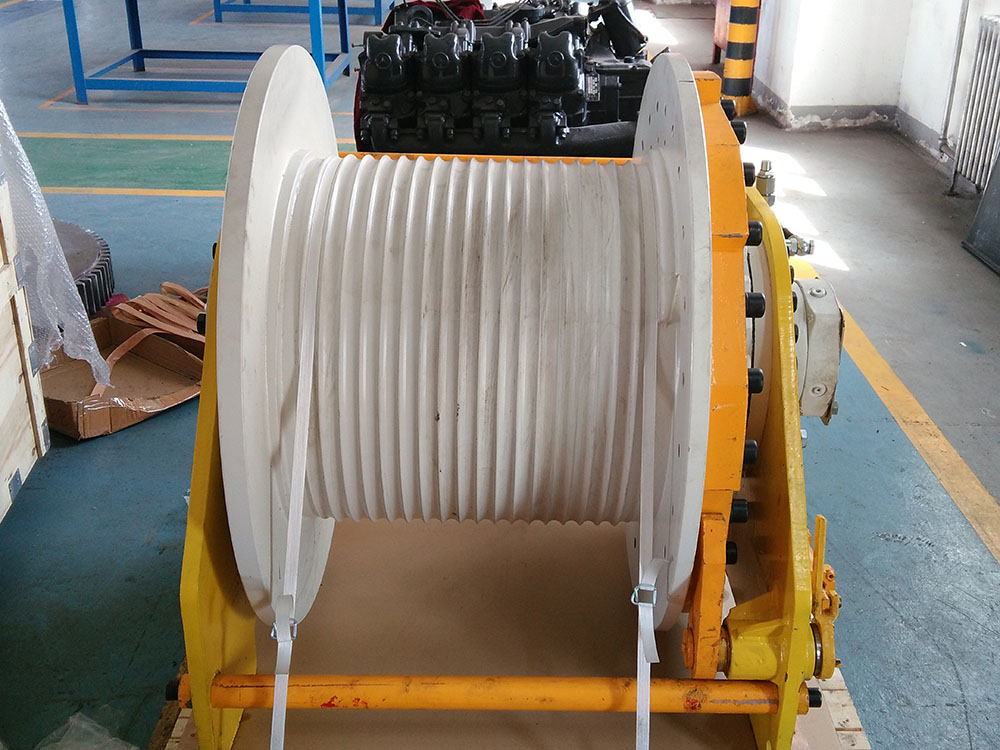
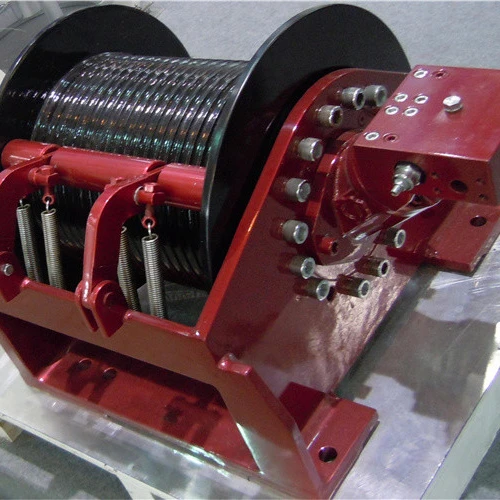
At its core, a 5000 lb hydraulic winch is a mechanical device designed to pull or lift loads up to roughly 5,000 pounds using hydraulic power. Unlike electric winches, hydraulic winches draw their force from pressurized hydraulic fluid within a system — typically powered by an engine-driven pump. This setup delivers consistent, steady torque ideal for demanding or continuous tasks.
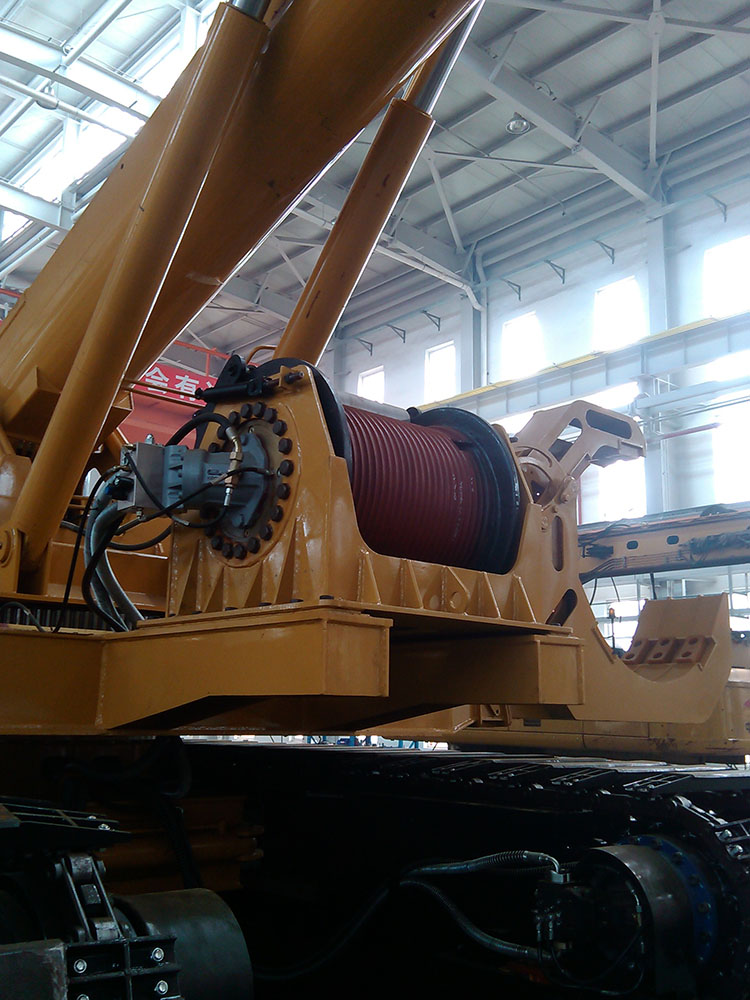
These winches are common on heavy machinery, trucks, cranes, and specialized equipment. Thanks to their power and durability, they bridge the gap between sheer brute force and controlled, precise action, making them invaluable for sectors like forestry, maritime shipping, mining, and humanitarian aid.
Mini Takeaway:
A 5000 lb hydraulic winch combines the muscle of hydraulic pressure with the precision of mechanical control, making it a practical asset anywhere heavy lifting meets a logistical puzzle.
Core Components of a 5000 lb Hydraulic Winch
1. Hydraulic Motor
The heart of the system, converting fluid pressure into mechanical power. Efficiency and motor sizing directly affect pulling speed and smoothness.
2. Gearbox
Translates the motor's rotational speed into higher torque necessary to handle heavy loads. The gears ensure the winch doesn't stall when under pressure.
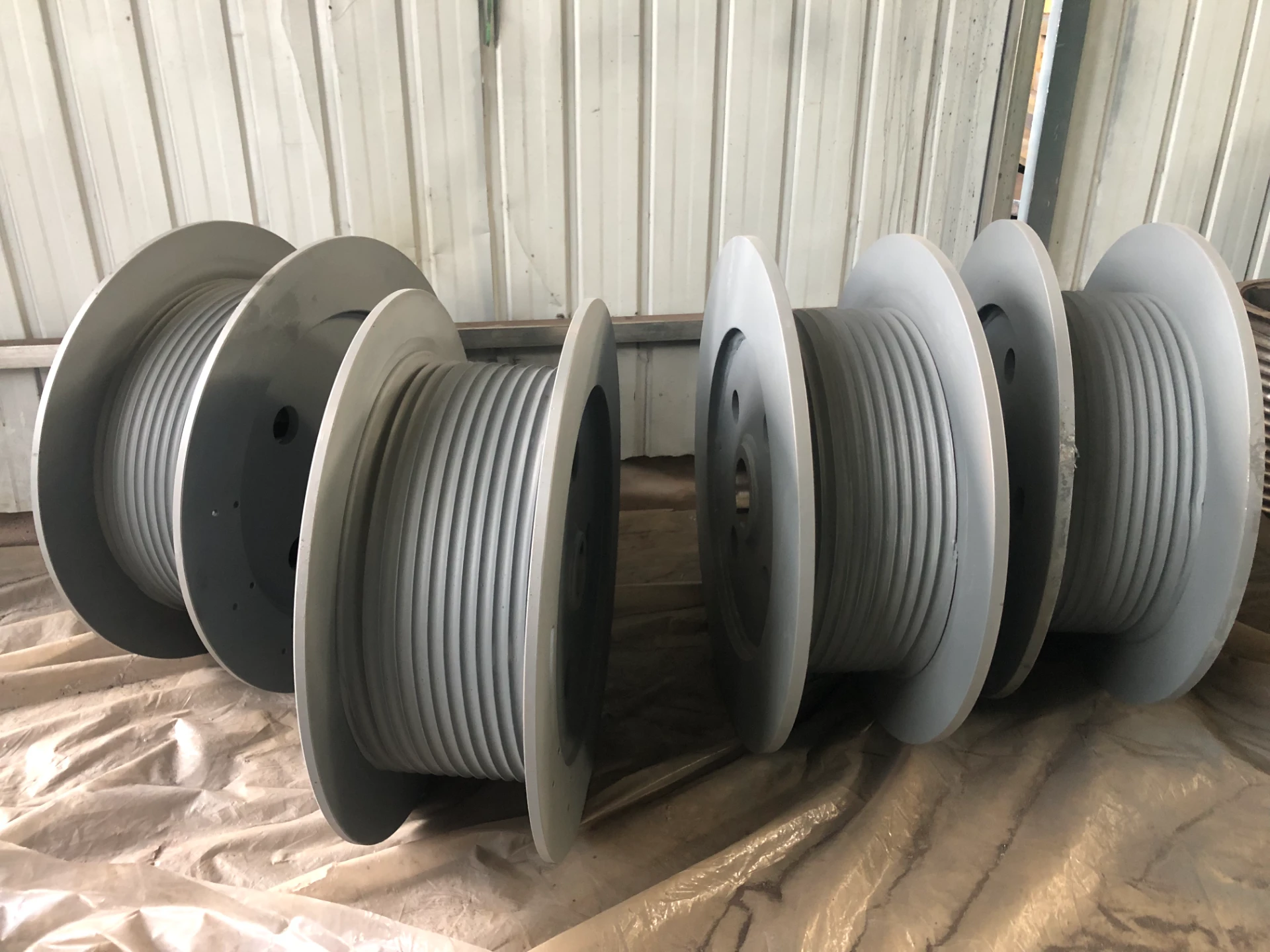
3. Drum
The spool around which the cable or rope wraps. Its size and material influence line capacity and durability — often steel drums for 5000 lb models.
4. Control Valve
Regulates flow and pressure, giving operators precise command over winch action – whether pulling slowly or releasing carefully.
5. Cable or Synthetic Rope
Historically steel wire was standard; however, synthetic ropes have become popular for lighter weight, less recoil risk, and easier handling.
Mini Takeaway:
The arrangement of these components delivers that dependable 5000-lb pull while offering safety and versatility, even on rough terrain.
Global Applications & Real-World Use Cases
If you think hydraulic winches only belong in construction yards, think again:
- Disaster Relief: Post-earthquake operations in Nepal employed these winches extensively for clearing debris and moving heavy materials to help rebuild critical infrastructure with speed and precision.
- Forestry: In Canada and Scandinavia, hydraulic winches drag felled trees over uneven ground where vehicles can’t tread, reducing environmental impact by limiting heavy machinery footprint.
- Maritime Industry: Around global ports—from Rotterdam to Singapore—these winches assist in rigging and anchoring procedures, safely managing heavy loads amid unpredictable marine weather.
- Mining: Remote operations across Australia and South America use winches for moving equipment and ores, often where electrical power is scarce but hydraulic fluid systems dominate.
Mini Takeaway:
The 5000 lb hydraulic winch is a quiet workhorse bridging industries, geographies, and need states — a blend of muscle and moderation.
The Many Advantages & Long-Term Value
- Durability & Reliability: Hydraulic systems tolerate rough environments better than electric motors under heavy strain.
- Cost-Effectiveness: Lower maintenance and operating costs compared to electric or purely mechanical counterparts.
- Safety: Smooth torque prevents sudden load releases, protecting workers and materials.
- Versatility: Can be installed in a variety of orientations and vehicles, handling uneven loads with ease.
- Environmental Impact: With fewer electrical parts, less risk of sparks or fires, suitable for hazardous environments.
On a human level, investing in quality hydraulic winches sends a subtle message: safety and efficiency matter, and innovation doesn’t have to be flashy to create trust.
Looking Ahead: Future Trends in 5000 lb Hydraulic Winches
Industry insiders are buzzing about:
- Green Hydraulics: Developing biodegradable hydraulic fluids that mitigate environmental damage if leaks occur.
- Smart Monitoring: Embedded sensors feeding real-time data to operators — improving maintenance schedules and preventing breakdowns.
- Integration with Automation: Remote-controlled or semi-autonomous winch systems for hazardous sites where human presence is risky.
- Material Advances: Use of carbon-fiber drums and synthetic ropes for lighter, stronger winches.
It’s a quiet evolution, but one that promises to make these winches not only tougher but smarter and eco-friendlier.
Common Challenges and How Experts Address Them
Even the best winch faces hurdles:
- Hydraulic Fluid Leaks: Regular maintenance and improved seal technology reduce environmental contamination risks.
- Overheating: Proper cooling systems and operational limits help prevent motor burnout during heavy or continuous use.
- Weight & Size: Sometimes hydraulic winches can be bulky, but newer designs focus on compactness without sacrificing power.
- Cost Barrier: Upfront price is higher than electric winches, but long-term savings on maintenance compensate quickly.
Solutions lie in combining good design, operator education, and choosing the right model per task.
Product Specification Table
| Specification | Detail |
|---|---|
| Rated Pull Capacity | 5000 lbs (2270 kg) |
| Hydraulic Motor Displacement | 6–10 cu.in./rev |
| Max Line Speed | 15 ft/min (4.57 m/min) |
| Cable Length | 50 – 100 feet (15–30 m) |
| Weight | 120–180 lbs (54–82 kg) |
| Mounting Options | Skid mount, vehicle mount |
Vendor Comparison: Popular 5000 lb Hydraulic Winch Providers
| Vendor | Price Range | Warranty | Special Features |
|---|---|---|---|
| LBS Winches | $1,500 - $2,200 | 2 years | Customizable drum size, sealed motor |
| HydraForce | $1,800 - $2,500 | 3 years | Smart load sensors, quick-connect valves |
| TorquePro | $1,200 - $1,900 | 1 year | Economy model, compact design |
FAQ: Frequently Asked Questions About 5000 lb Hydraulic Winches
Q1: Can I use a 5000 lb hydraulic winch for vehicle recovery?
A1: Absolutely. This size is ideal for recovering light to medium trucks and vehicles stuck in mud, snow, or uneven terrain. Just ensure proper anchoring and use rated cables to prevent accidents.
Q2: How often does hydraulic fluid need changing?
A2: Generally, hydraulic fluid should be checked regularly and replaced every 1-2 years depending on usage. Always follow manufacturer recommendations to prevent motor damage and leaks.
Q3: Are synthetic ropes better than steel cables?
A3: They’re lighter and easier to handle, with reduced recoil risks if they break; however, synthetic ropes can be less abrasion-resistant and require careful inspection, especially outdoors.
Q4: Can I mount the winch on any vehicle?
A4: Most 5000 lb hydraulic winches are designed for trucks or skid mounts but check your vehicle’s hydraulic system compatibility and mounting points before installation.
Q5: What maintenance is essential for a hydraulic winch?
A5: Regular inspections for seal integrity, cable wear, and hydraulic fluid quality are critical. Also, keep the drum clean and lubricate moving parts as instructed by the manufacturer.
Wrapping Up: Why the 5000 lb Hydraulic Winch Remains a Smart Investment
The combination of power, durability, and control makes the 5000 lb hydraulic winch a staple across industries and continents. Whether it’s rebuilding after a disaster or hauling timber in remote regions, it exemplifies practical engineering that blends tradition with modern efficiency. As innovations continue—especially towards greener and smarter systems—these winches will likely become even more integral to the global supply chain and emergency response frameworks. For dependable power that lasts and earns back its cost many times over, exploring options like those at LBS Winch is a wise place to start.
References
-
The Ultimate Guide to Gear Steels for Durability and PerformanceNewsApr.16,2026
-
High Performance Gear Stainless Steel for Industrial DurabilityNewsApr.09,2026
-
Comprehensive Guide to Steel Bevel Gears Applications and SelectionNewsApr.07,2026
-
Comprehensive Guide to Durable Stainless Steel Miter Gears and ApplicationsNewsApr.04,2026
-
Comprehensive Guide to Steel Spur Gears Functionality and ApplicationsNewsMar.31,2026
-
Comprehensive Guide to Durable Stainless Steel Spur Gears and Their ApplicationsNewsMar.28,2026