25000 lb Hydraulic Winch – Powerful, Reliable, and Essential for Heavy-Duty Industry Operations
Why the 25000 lb Hydraulic Winch Matters in Today’s Industry
Whether you’re working in heavy construction, forestry, or emergency response, a 25000 lb hydraulic winch has quietly become one of the workhorses that keeps operations moving smoothly. It’s more than just a machine; it’s a lifeline in tough environments. But why does this particular winch size resonate globally? Simply put, it balances power and portability in a way that many industries desperately need.
Worldwide, the demand for robust, adaptable lifting and pulling solutions has skyrocketed. For instance, data from the International Labor Organization highlights that construction and logistics sectors have grown at an average of 3.5% annually for the past decade, pushing companies to invest in reliable equipment that reduces downtime and increases safety on site.
In practical terms, understanding the 25000 lb winch’s capabilities means fewer emergencies, better project timelines, and a step forward in worker safety. It’s all part of a bigger industrial puzzle where having the right gear can save not just money but lives.
The Global Context: Where Hydraulic Winches Fit In
Globally, hydraulic winches rated around 25000 pounds are playing roles in industries stretching from remote mining operations in Australia to forest management in Canada. According to ISO safety standards, heavy machinery handling is expected to reach unprecedented levels of efficiency by 2030, influenced by automation and remote operation tech.
But the challenge remains: how do you get dependable pulling power into increasingly challenging or constrained environments? Diesel-powered cranes and electric winches often falter where remote power sources are scarce or where battery life is insufficient. Here, hydraulic winches, with their versatility and strong force output, provide a critical solution.
What Exactly Is a 25000 lb Hydraulic Winch?
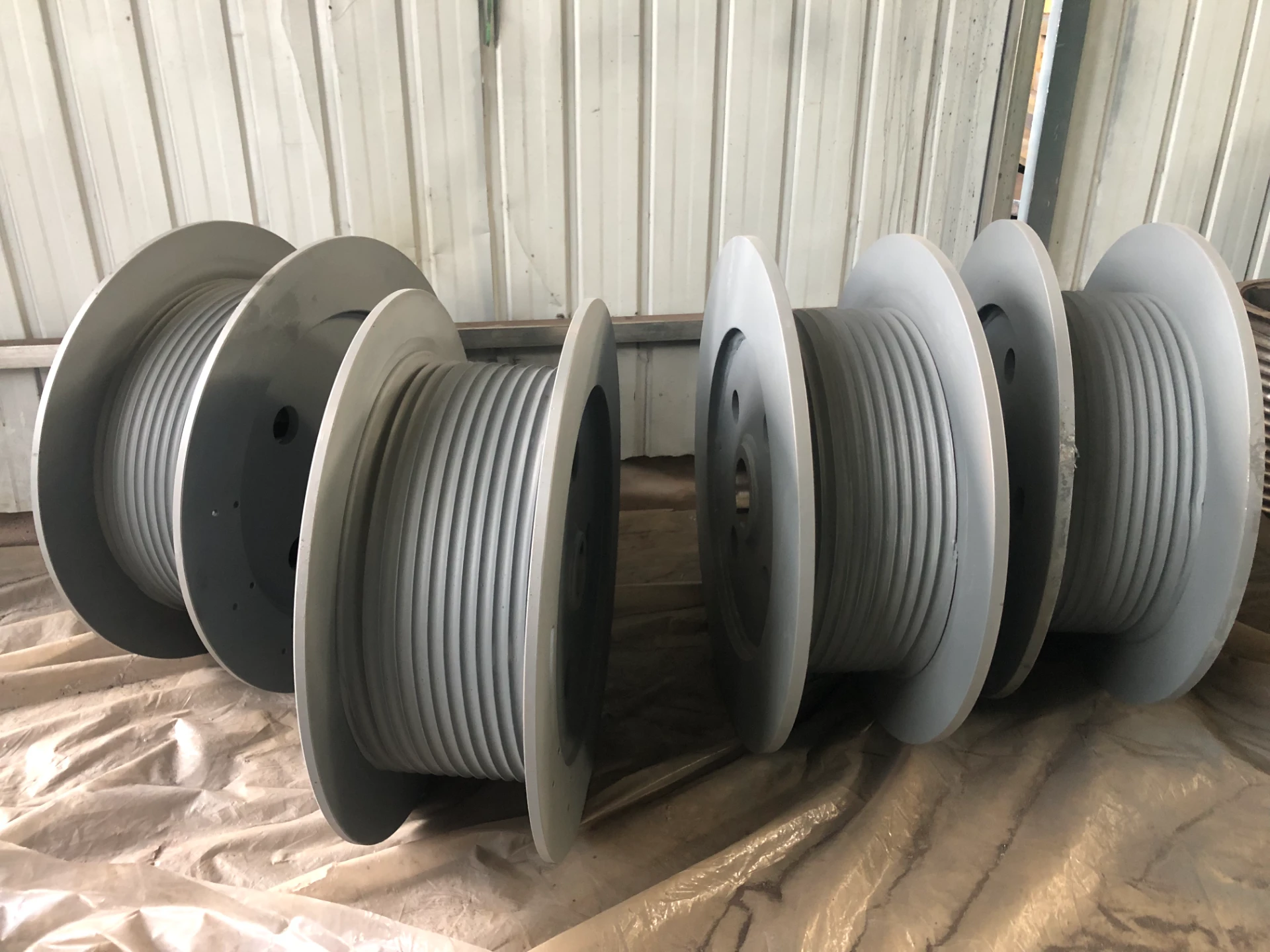
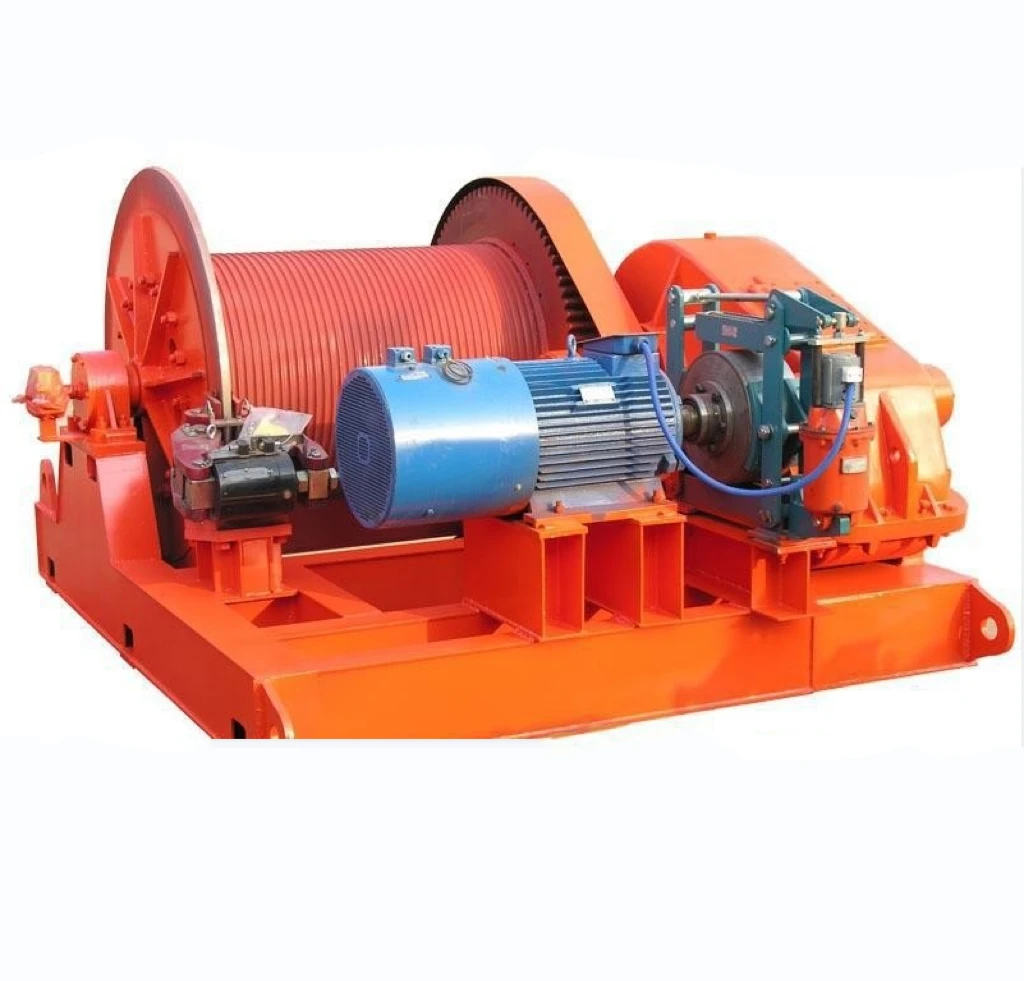
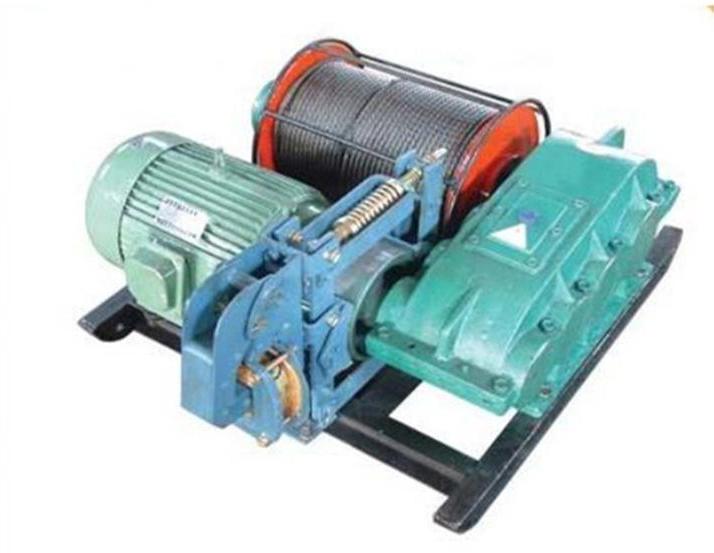
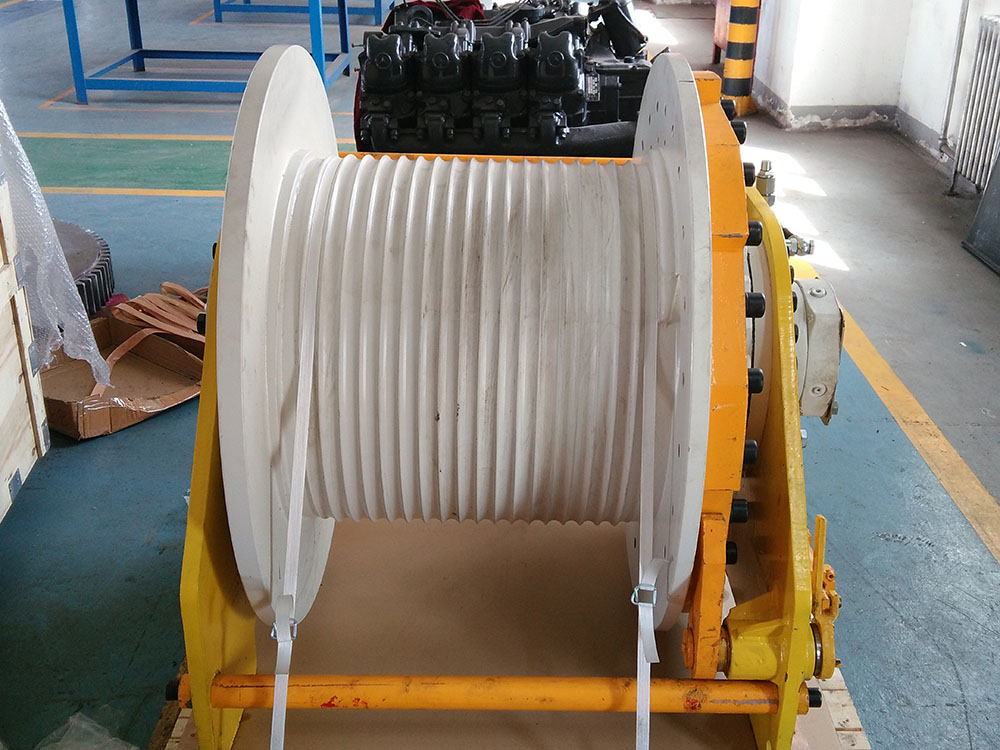
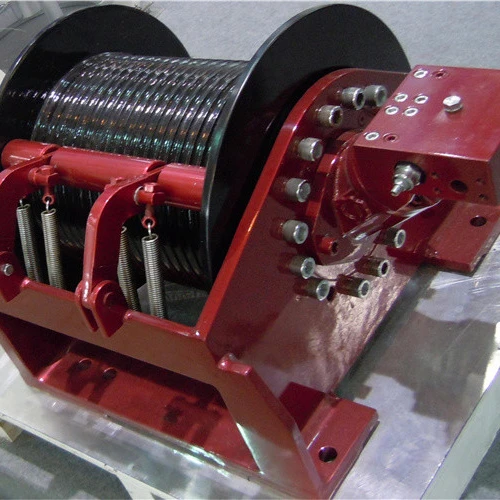
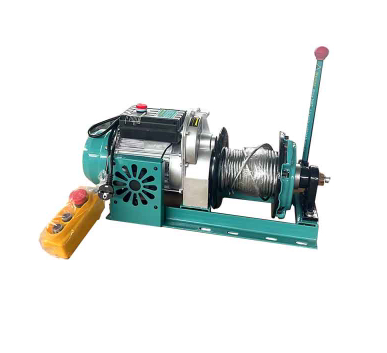
At its core, a 25000 lb hydraulic winch is a mechanical device designed to pull, lift, or lower heavy loads by winding a cable or rope around a drum using hydraulic power. Think of it as a muscle powered by hydraulic fluid rather than electricity or manual force.
Its 25,000-pound rating means it can handle loads weighing up to that amount, making it suitable for heavy-duty jobs. The hydraulic aspect leverages pressurized fluid to generate torque, which translates into smooth, steady pulling power—perfect for both industrial lifting and time-sensitive rescue missions.
In humanitarian efforts, these winches aid in debris removal after natural disasters. In industry, they’re crucial for moving oversized equipment or heavy logs where other machines might stall.
What Makes a 25000 lb Hydraulic Winch Tick? Key Components and Features
1. Durability
These winches are built to withstand the harshest environments. Think saltwater corrosion, mud, and extreme temperatures. Many models come with sealed bearings and stainless steel components, ensuring longevity under tough conditions.
2. Power Source & Efficiency
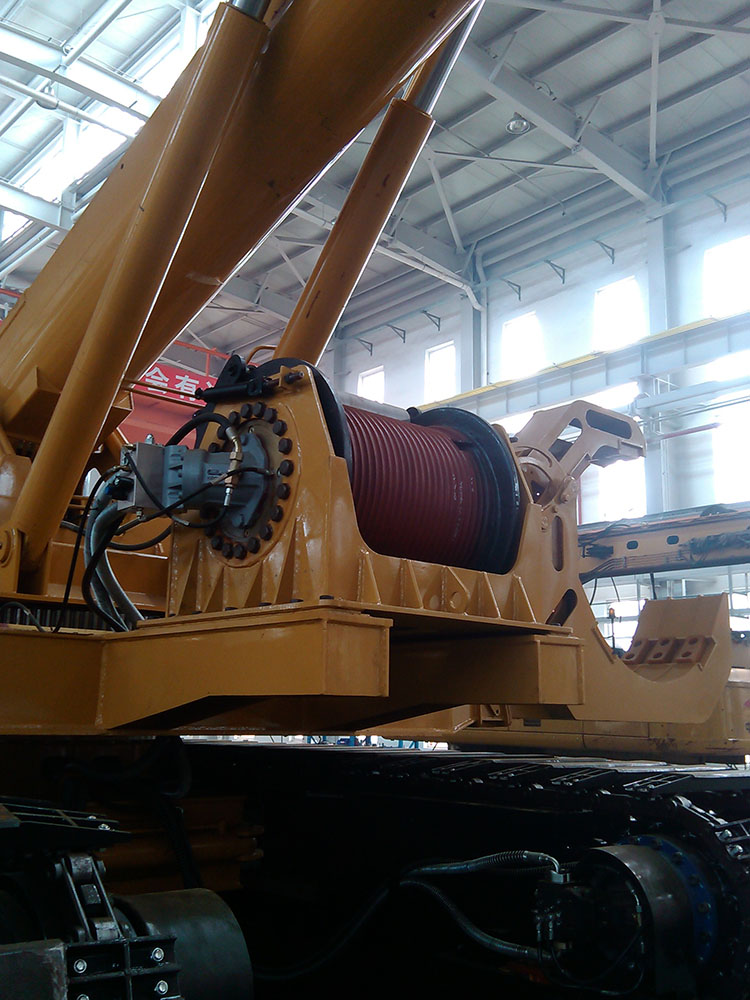
Hydraulic winches draw power from a hydraulic pump, often connected to a vehicle’s engine or standalone power pack. This means consistent torque and less battery dependence compared to electric variants.
3. Control & Precision
Many units feature proportional control valves allowing operators to pull loads slowly or swiftly as needed — a subtlety often missed but absolutely critical in tasks like rigging or safety-sensitive lifts.
4. Scalability & Portability
The 25000 lb capacity is, frankly, a sweet spot. Heavy enough to handle big loads, yet light enough to be mounted on medium-sized trucks or trailers without turning the whole rig into a lumbering behemoth.
5. Maintenance & Serviceability
Regular upkeep is simpler than you might think. Most units have modular parts and clear inspection points, which reduces downtime and maintenance costs.
Mini takeaway: At the heart, these winches combine brute strength with agile control, making operators’ lives easier and safer in countless challenging situations.
Worldwide Uses of the 25000 lb Hydraulic Winch
From the dense forests of Scandinavia to the rugged terrains of Africa’s mining sectors, the application of these winches is broad:
- Forestry operations pulling large logs out of inaccessible areas.
- Construction projects hoisting steel beams or heavy equipment.
- Emergency recovery teams lifting vehicles or clearing disaster wreckage.
- Oil & gas industry for positioning pipelines or heavy machinery.
In post-disaster relief efforts, NGOs frequently deploy hydraulic winches to clear paths blocked by debris where time is a critical factor. Often, local teams are trained quickly on these machines’ use, highlighting their user-friendly design.
Advantages & Long-Term Value of Opting for a 25000 lb Hydraulic Winch
- Cost-efficiency: Compared to heavy cranes, these winches are affordable fleet additions that cut project times.
- Reliability: Hydraulic systems tend to be more robust and weather-resistant than electric-powered winches.
- Safety: Smooth control mechanisms reduce the risk of sudden load drops and accidents.
- Sustainability: When paired with more efficient hydraulic pumps or green diesel engines, the environmental footprint is minimized.
- Social impact: Ensures safer working conditions, perhaps saving lives on the job site.
For many operators, it’s about trust — knowing that the winch won’t fail when stakes are high.
Looking Ahead: Innovations Shaping the Future of Hydraulic Winches
Technology never sleeps. In the winch world, we’re seeing smart sensors embedded that monitor strain and temperature in real time. These systems can warn operators of potential overload or failure before accidents happen. Automation is also creeping in, with remote-controlled winches making dangerous operations safer.
Materials are advancing too. Carbon composites are beginning to replace heavier steel parts, lowering weight without compromising strength. Plus, more environmentally friendly hydraulic fluids and pumps are becoming industry standards — helping operations comply with stricter emission regulations.
The Hurdles: Common Challenges and How Experts Are Tackling Them
Despite their many virtues, 25000 lb hydraulic winches come with some quirks:
- Hydraulic system leaks: They can cause unplanned downtime and environmental hazards.
- Maintenance complexity: Requires trained personnel and timely attention.
- Initial investment: Though cheaper than cranes, it's still a significant purchase.
Innovative sealing technologies and simpler modular designs are already helping reduce these issues. Additionally, many suppliers offer online diagnostics to remotely monitor winch health, reducing unexpected outages.
Product Specifications: Typical 25000 lb Hydraulic Winch Model
| Specification | Details |
|---|---|
| Rated Line Pull | 25,000 lbs (11,340 kg) |
| Motor Type | Hydraulic (variable displacement) |
| Cable Length | 200 ft (61 m), 3/4" wire rope |
| Line Speed (1st Layer) | 15 ft/min (4.57 m/min) |
| Operating Pressure | 3000 psi (20.7 MPa) |
| Weight | 450 lbs (204 kg) |
Popular Vendors Compared: Finding the Right 25000 lb Hydraulic Winch
| Vendor | Price Range | Warranty | Notable Features |
|---|---|---|---|
| LBS Winches | $5,500–$6,500 | 3 years | Remote control, corrosion resistant coating |
| HeavyLift Solutions | $6,000–$7,200 | 2 years | Modular design, quick swap hydraulic motors |
| ToughPull Industries | $5,800–$6,300 | 3 years | Heavy-duty drum brake, customizable cable lengths |
FAQs About 25000 lb Hydraulic Winches
Q1: How do I decide if a 25000 lb hydraulic winch suits my needs?
A1: It depends on your typical load weights and application environment. If you frequently deal with heavy loads around or under 25,000 lbs and require steady pulling power in tough conditions, this winch size is ideal. Think construction, forestry, or recovery operations. If your loads exceed this drastically, consider a higher capacity model.
Q2: What maintenance is needed to keep a hydraulic winch running smoothly?
A2: Regularly check hydraulic fluid levels and inspect hoses for leaks or cracks. Grease bearings when recommended, and ensure cable integrity by looking for frays or rust. Cleaning after muddy or salty use extends life significantly. Scheduling annual professional inspections is also a good idea.
Q3: Can a 25000 lb hydraulic winch be mounted on a pickup truck?
A3: Yes, many models of this size are designed with portability in mind. Mounting kits exist for medium and heavy-duty pickups, but the vehicle’s hydraulic system must be compatible and capable of supplying sufficient flow and pressure.
Q4: Are there environmentally friendly options when it comes to hydraulic winches?
A4: Absolutely. Some manufacturers are developing biodegradable hydraulic fluids and more efficient pumps that reduce energy consumption. Pairing winches with hybrid or diesel engines also helps reduce emissions.
Q5: Where can I source a reliable 25000 lb hydraulic winch?
A5: Trusted vendors include LBS Winches and others that focus on heavy equipment. Always check warranty terms and supplier certifications for peace of mind.
Wrapping Up: Why Investing in a 25000 lb Hydraulic Winch Is an Industry Game-Changer
Choosing the right winch might feel like a small piece of the puzzle, but for many fields it’s huge. A 25000 lb hydraulic winch stands out as a versatile, reliable workhorse that supports safety, efficiency, and long-term costs. It’s no wonder heavy industries and humanitarian groups alike lean on this trusted tool.
If you’re ready for a winch that won’t quit, learn more and explore options by visiting LBS Winch. Because when the stakes are high, settling for less just isn’t an option.
Mini Takeaway: When you look beyond raw specs, the 25000 lb hydraulic winch is about trust — in your tool, your team, and the job getting done right.
-
The Ultimate Guide to Gear Steels for Durability and PerformanceNewsApr.16,2026
-
High Performance Gear Stainless Steel for Industrial DurabilityNewsApr.09,2026
-
Comprehensive Guide to Steel Bevel Gears Applications and SelectionNewsApr.07,2026
-
Comprehensive Guide to Durable Stainless Steel Miter Gears and ApplicationsNewsApr.04,2026
-
Comprehensive Guide to Steel Spur Gears Functionality and ApplicationsNewsMar.31,2026
-
Comprehensive Guide to Durable Stainless Steel Spur Gears and Their ApplicationsNewsMar.28,2026