Comprehensive Guide to Winding Wire Rope on a Drum for Industrial and Global Applications
Understanding Winding Wire Rope on a Drum: A Global Industrial Staple
Winding wire rope on a drum might not be a phrase that leaps out in daily conversation, but it’s fundamental to many heavy industries worldwide. This simple yet crucial process involves neatly coiling steel wire rope around a cylindrical drum and underpins everything from offshore rigging to construction cranes. The global importance of this technique extends far beyond just mechanical function — it impacts safety standards, operational efficiency, and even humanitarian efforts where heavy equipment is essential.
Why does understanding winding wire rope on a drum matter? Simply put, it ensures reliable lifting and pulling under tough conditions. Accidents in wire rope handling can be catastrophic: equipment failures can halt infrastructure projects, delay shipping, or worse, cause injuries. In an interconnected world where infrastructure and logistics are lifelines, mastering this process holds tangible value for engineers and operators alike.
Global and Industry Context: Why the Drum Matters
The global wire rope market was valued at roughly $5 billion in 2023 and is expected to keep growing steadily, as reported by ISO standards and industry analytics. Winding wire ropes properly on drums is vital for sectors such as mining, shipping, oil and gas, and construction, which together drive much of the global economy.
That’s not all — humanitarian contexts depend on reliable cable systems too. Post-disaster relief often requires rapid deployment of heavy-lift equipment to restore infrastructure. Mismanagement or poor winding can lead to costly downtime — a risk international bodies and NGOs cannot afford. The challenge is: maintaining durability and safety while maximizing operational ease in varied environments.
Defining Winding Wire Rope on a Drum
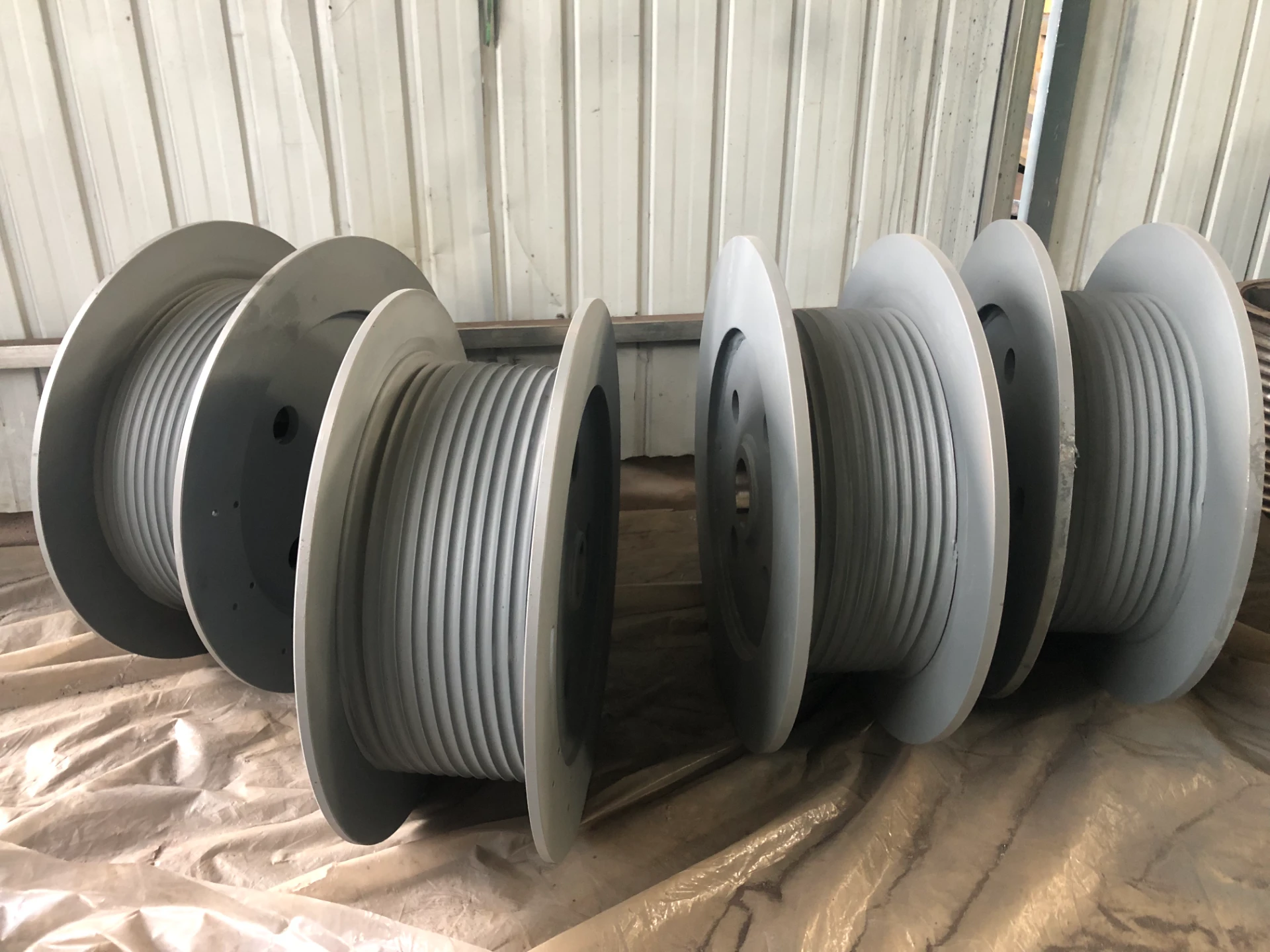
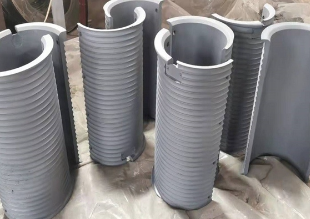
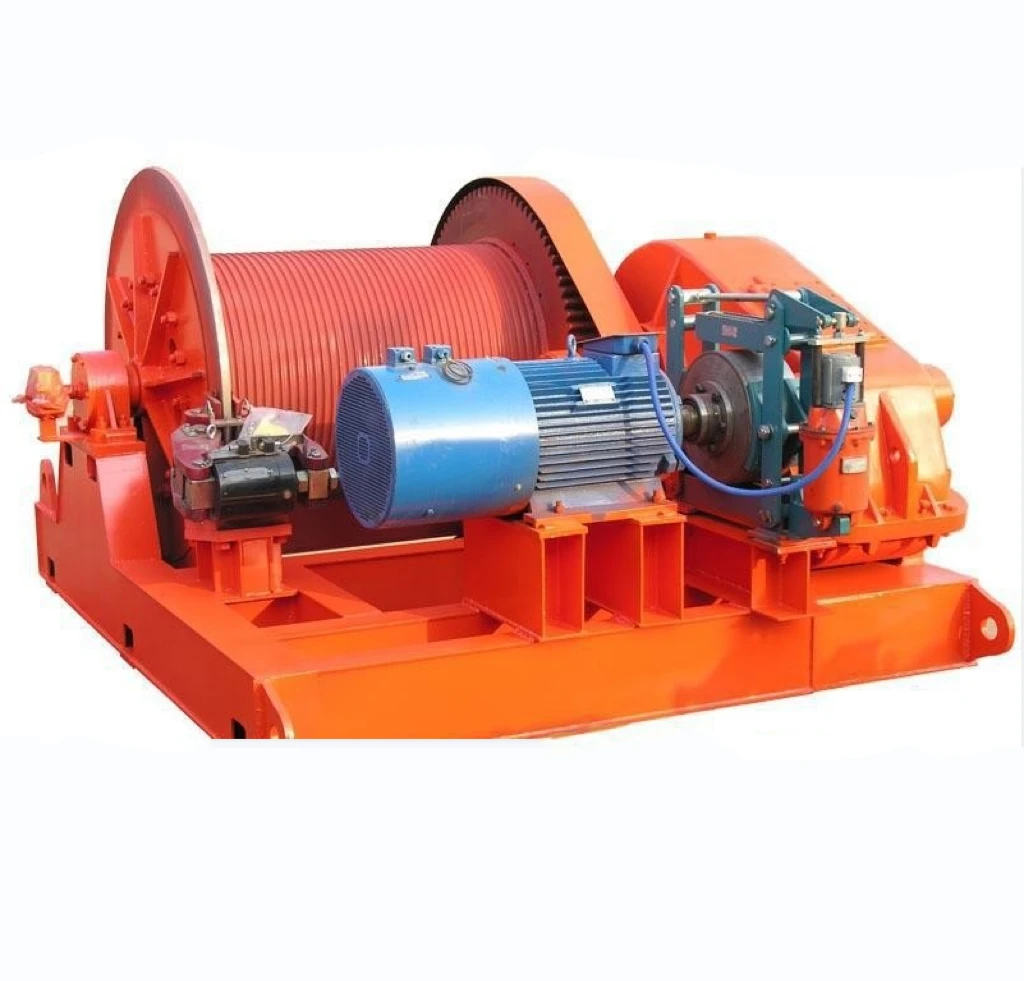
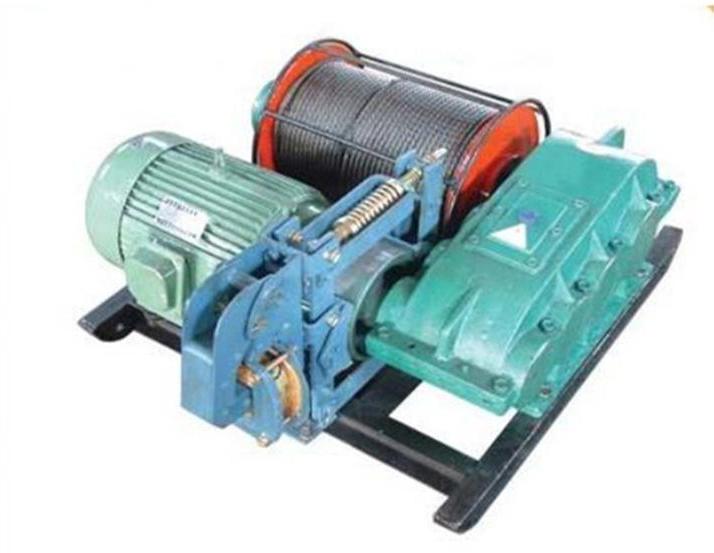
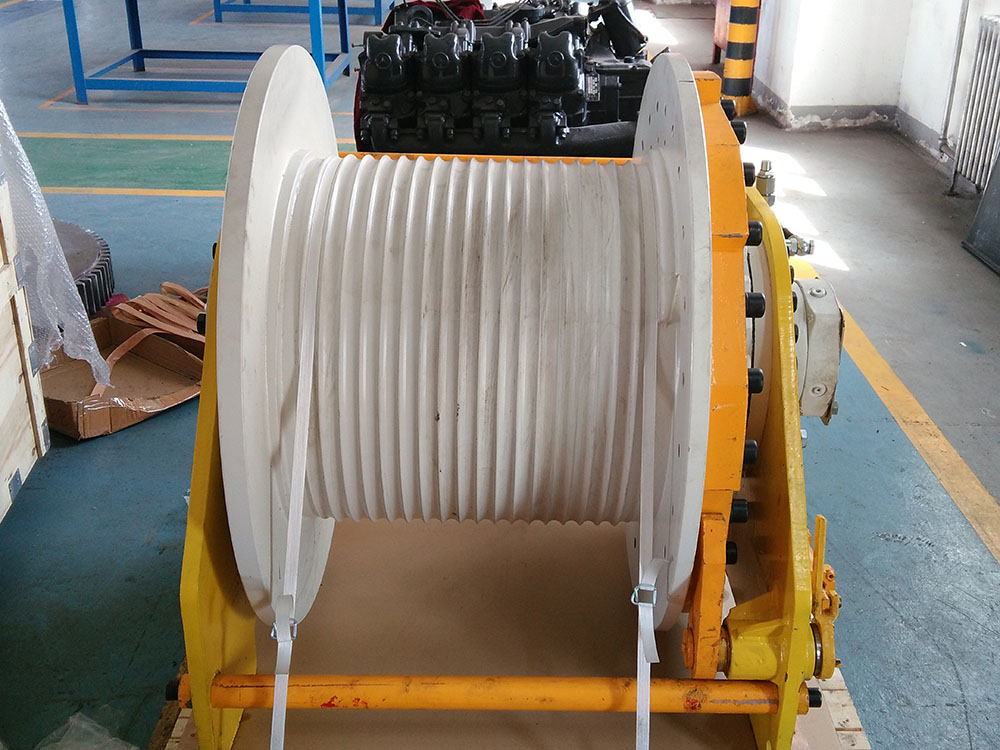
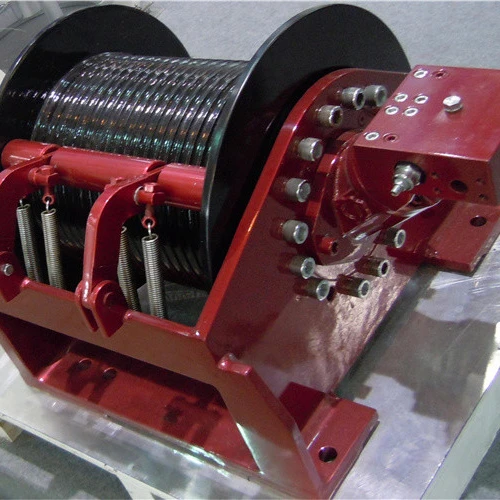
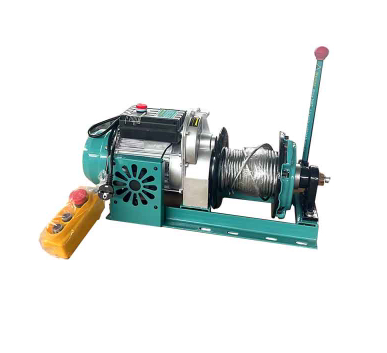
In straightforward terms, winding wire rope on a drum means neatly coiling a wire rope around a drum, which is a cylindrical spool attached to a machine like a winch or hoist. The drum stores the rope and controls its payout or retrieval during lifting or pulling operations. Proper winding avoids overlaps, kinks, or excessive tension that could weaken the rope prematurely.
This technical but simple concept ties deeply into ensuring machinery works optimally and safely. Without it, industries reliant on cable systems—from maritime shipping to wind energy farms—would struggle to function reliably.
Key Components of Effective Winding
Durability
Wire ropes are heavy-duty by nature, but how they’re wound affects their lifespan. Proper alignment and tension during winding prevent abnormal wear and corrosion — especially critical in saltwater or harsh climates.
Scalability
Different industries require different drum sizes and rope diameters. From small-scale marine winches to massive mining hoists, the winding system adapts to diverse scales, allowing modular deployment and customization.
Cost Efficiency
Efficient winding reduces downtime and rope replacement frequency — both significant cost savers over time. Quality drum design and routine inspections make this feasible.
Safety
Proper winding minimizes hazards associated with rope snapbacks or entanglement during operations. Safety gear is essential, but prevention starts with correct rope management.
Maintenance & Inspection
Easy access for visual and mechanical inspections ensures early detection of damage or misalignment, enabling timely corrective actions.
Global Applications & Use Cases
It’s fascinating how this humble process touches so many worlds. For example:
- Offshore oil and gas: Platforms use wire ropes on drums for mooring and lifting heavy equipment in challenging ocean conditions.
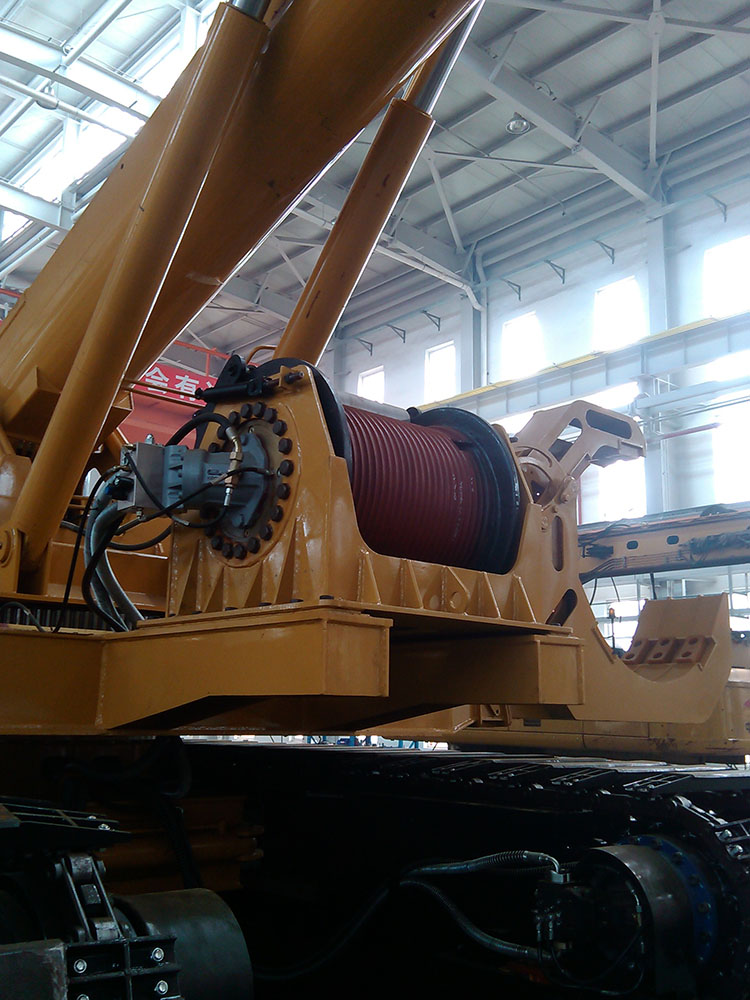
- Construction sites in Asia: Tower cranes rely on smooth rope winding for safe hoisting of building materials high into the sky.
- Post-disaster zones: Humanitarian agencies deploy winch systems quickly to clear debris or set up supply chains, counting on dependable rope drum setups.
- Mining operations in South America: Extraction lifts need optimized rope tension and durability to withstand abrasive environments.
Oddly enough, despite the technological advances elsewhere, the foundational concept of winding wire rope on a drum remains surprisingly consistent across applications.
Advantages & Long-Term Value
Beyond operational efficiency, the benefits ripple outward:
- Cost savings: Reduced rope wear means fewer replacements and less downtime.
- Sustainability: Longer-lasting wire ropes mean less material waste — a nod to industry’s increasing environmental responsibility.
- Reliability: Consistent rope handling limits failures, ensuring continuous operation and worker safety.
- Social impact: Particularly where equipment supports community rebuilding or resource extraction, reliable machinery uplifts livelihoods.
There’s even an emotional layer. Workers often trust the rigging they manage; knowing it’s carefully wound and maintained brings peace of mind — hard to quantify, but it matters.
Future Trends & Innovations
Looking ahead, winding wire rope on a drum isn’t standing still. Innovations include:
- Smart sensors: Embedded in drums to monitor tension and wear in real-time, enabling predictive maintenance.
- Advanced materials: Innovations in wire rope coatings boost corrosion resistance, especially for offshore uses.
- Automation: Automated winding systems reduce human error and improve consistency.
- Green manufacturing: More sustainable steel production for wires and recyclable drum components.
Frankly, these advances show an industry aware that quality and sustainability go hand in hand.
Challenges & Solutions
No process is flawless, especially when scaled globally.
- Rope fatigue: Misalignment during winding accelerates steel fatigue. Solution: Improved drum design and operator training improve rope life.
- Environmental damage: Saltwater corrosion or dust infiltration can compromise ropes. Regular maintenance and new coatings help.
- Space constraints: Limited deck or site space challenges large drum installations. Modular, compact designs offer relief.
- Cost pressures: Operators balance budget and quality; sourcing proven vendors with industry certificates (like ISO 4309 for inspection) is critical.
Experts recommend combining advanced technology with practical operator training to overcome these hurdles efficiently.
Product Specifications: Typical Wire Rope on a Drum System
| Specification | Details |
|---|---|
| Rope Diameter | 6–32 mm (varies by application) |
| Drum Diameter | 0.5–3 meters (depends on rope length and load) |
| Breaking Strength | Up to 1,200 kN |
| Material | Galvanized steel or stainless steel options |
| Winding Pattern | Layered or parallel, depending on application and drum type |
Vendor Comparison: Leading Wire Rope Drum System Providers
| Vendor | Product Range | Quality Certifications | Special Features | Pricing Tier |
|---|---|---|---|---|
| LBS Winch | Customizable wire rope drums & winches | ISO 9001, ISO 4309 | Advanced automation, real-time monitoring | Mid to High |
| Global Ropes Ltd. | Standardized drums & wire ropes | ISO 4309, API standards | Eco-friendly coatings | Low to Mid |
| HeavyLift Engineering | Heavy-duty industrial winches | ISO 9001, OHSAS 18001 | Custom control systems, modular designs | High |
FAQ: Practical Questions About Winding Wire Rope on a Drum
- How do I prevent wire rope from kinking during winding?
- Ensure the rope is correctly aligned with the drum groove and maintain consistent tension as it winds. Using a level wind or guiding device can help maintain even layering and prevent overlaps that cause kinks.
- What’s the ideal tension when winding wire rope on a drum?
- The tension should be enough to prevent loose wraps but not so tight as to overstress the rope. Generally, a controlled tension in line with manufacturer recommendations and ISO guidelines ensures longevity.
- Can winding patterns affect the rope’s lifespan?
- Absolutely. Layered winding tends to compress inner layers, potentially speeding wear, while parallel winding maintains more even tension and reduces internal friction. Selection depends on application and drum design.
- How often should wire ropes be inspected on drums?
- Visual and mechanical inspections should occur frequently—daily for high-use equipment, or at intervals recommended by operational risk assessments and standards like ISO 4309.
- Are galvanized steel ropes always better for drum winding?
- Not always. Galvanized ropes offer corrosion resistance, ideal for outdoor or marine settings, but stainless steel variants provide superior durability and resistance to harsh chemical exposure. Choice depends on environment and budget.
Mini takeaway: Proper winding is as much art as science, balancing mechanical precision with contextual awareness.
In short, winding wire rope on a drum is a deceptively simple procedure that’s foundational to global heavy industry reliability and safety. Whether it’s the backbone of maritime transport or the linchpin of disaster relief logistics, getting this right matters. For expert solutions, customized systems, and quality guarantee, I’d recommend exploring winding wire rope on a drum options from trusted manufacturers.
Want to see how it all fits together? Visit LBS Winch to explore products and innovation.
References
-
The Ultimate Guide to Gear Steels for Durability and PerformanceNewsApr.16,2026
-
High Performance Gear Stainless Steel for Industrial DurabilityNewsApr.09,2026
-
Comprehensive Guide to Steel Bevel Gears Applications and SelectionNewsApr.07,2026
-
Comprehensive Guide to Durable Stainless Steel Miter Gears and ApplicationsNewsApr.04,2026
-
Comprehensive Guide to Steel Spur Gears Functionality and ApplicationsNewsMar.31,2026
-
Comprehensive Guide to Durable Stainless Steel Spur Gears and Their ApplicationsNewsMar.28,2026