Comprehensive Guide to Wire Rope Winding Drum: Specifications, Uses & Innovations
Understanding the Wire Rope Winding Drum: Backbone of Modern Lifting and Hauling
In the world of industrial machinery and heavy-duty equipment, few components are as essential yet often overlooked as the wire rope winding drum. Around the globe, these drums quietly enable everything from gigantic cranes to rescue operations, playing a crucial role in industries like construction, maritime, mining, and even humanitarian aid. Getting a grip on what they are and why they matter isn’t just for engineers—it’s for anyone interested in infrastructure, safety, and efficiency.
Global Relevance: More Than Just Metal Cylinders
The lift and haul industry is booming, projected to grow significantly due to ongoing urban development and renewable energy projects (wind turbines, anyone?). According to the International Organization for Standardization (ISO), proper cable handling systems improve operational safety and equipment lifespan dramatically. But as demands increase, so do challenges in durability and adaptability. That’s where the wire rope winding drum shines.
Think about major construction sites in emerging markets or disaster relief zones where rapid deployment of heavy gear can save lives. The winding drum’s capability to efficiently spool and control wire ropes can literally keep operations running smoothly.
Mini takeaway: The wire rope winding drum is more than a mechanical part—it’s a global enabler of industry and safety.
What Exactly is a Wire Rope Winding Drum?
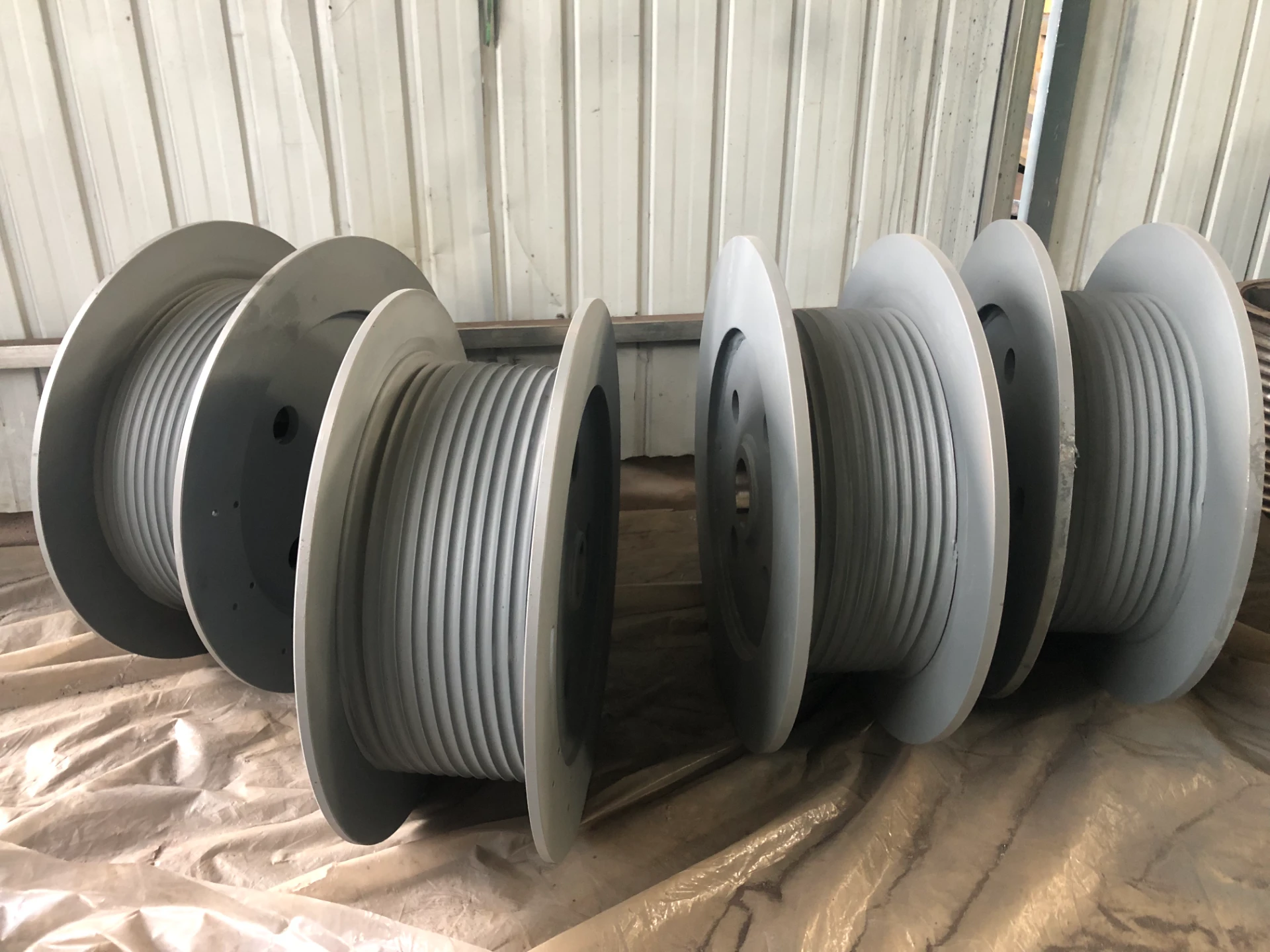
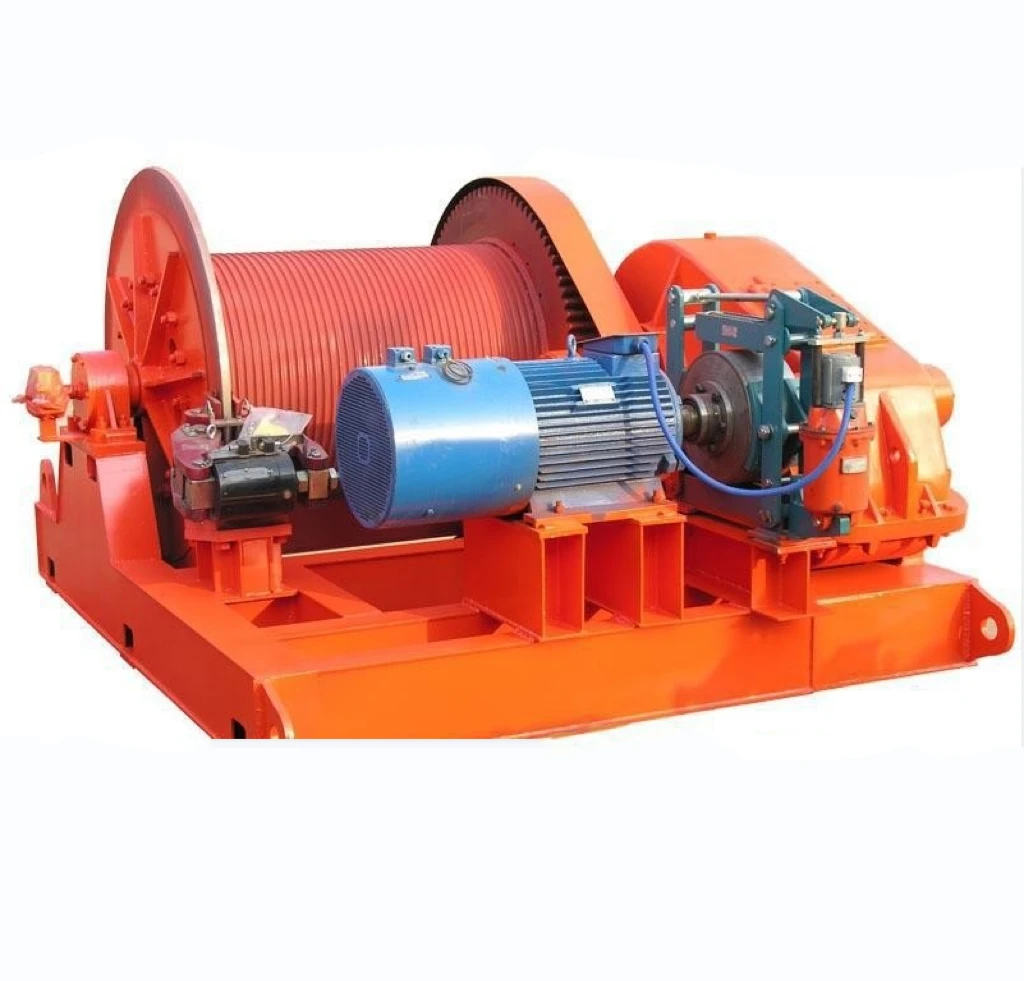
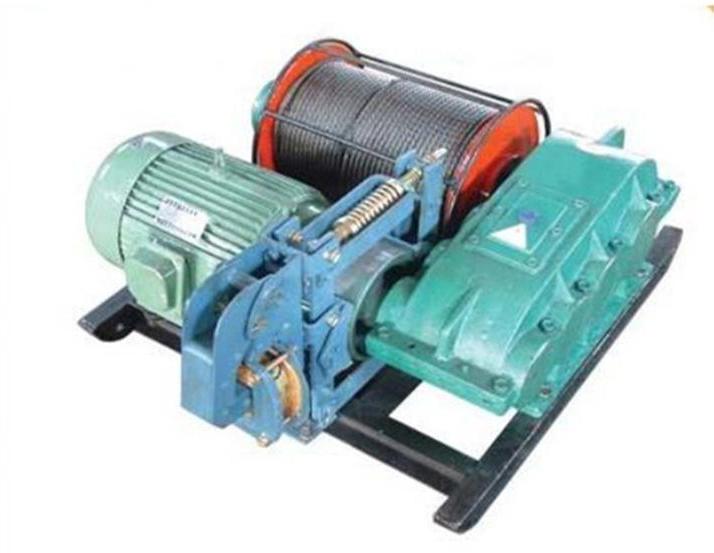
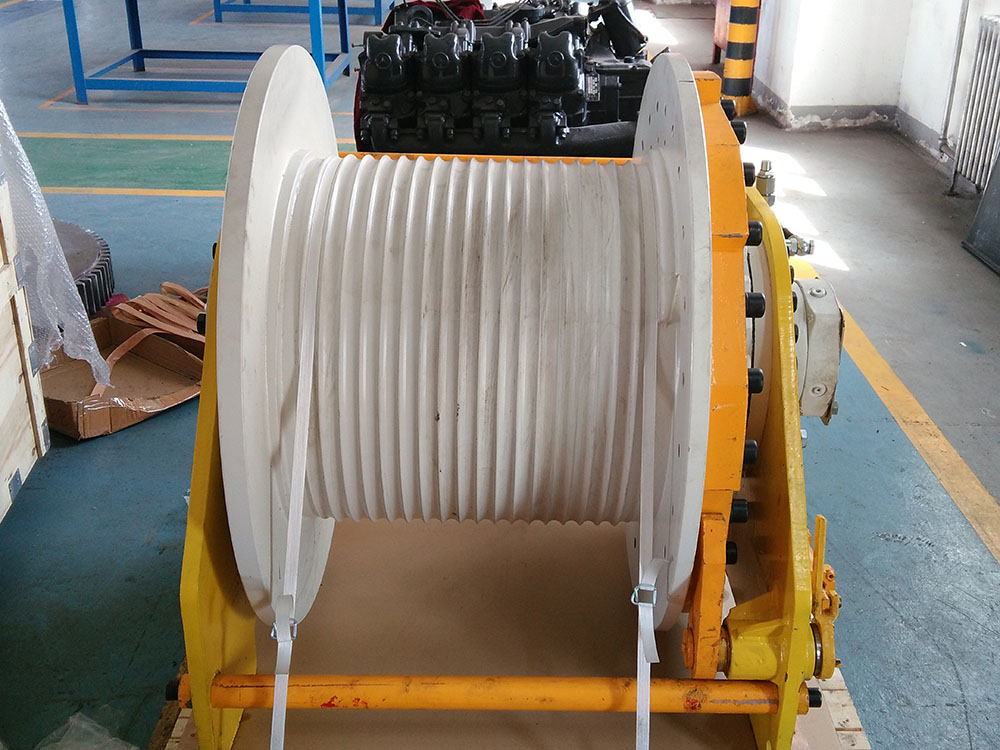
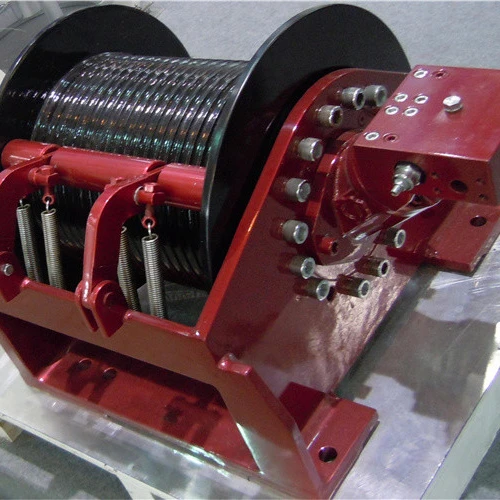
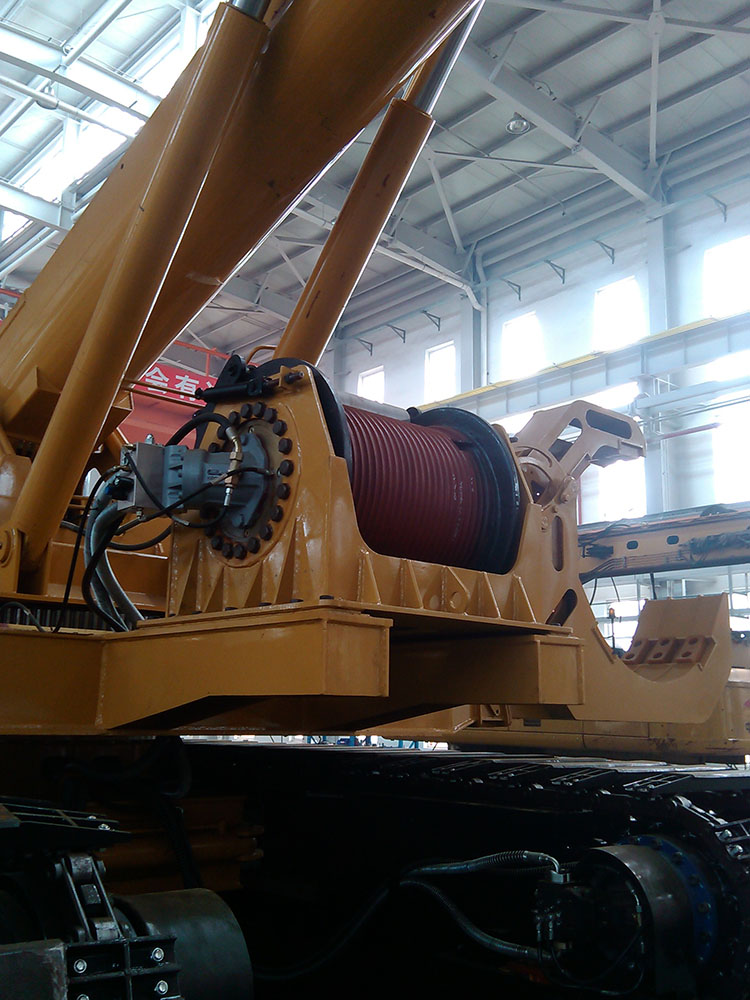
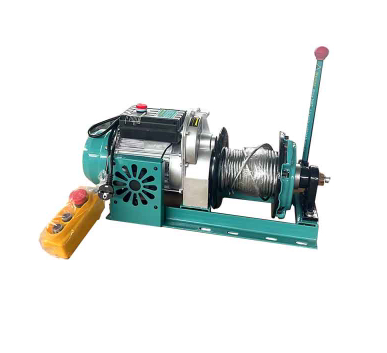
Simply put, a wire rope winding drum is a cylindrical tool around which wire rope is wound. This setup helps lift heavy loads or pull equipment with precise control. The drum rotates to either wind or unwind wire rope, which can be attached to hooks, anchors, or other lifting hardware. You’ll find these drums in winches, cranes, hoists, and cable cars—pretty much anywhere controlled movement of heavy cables is crucial.
On a broader scale, these drums support industries vital to modern society—energy production, transportation, construction, and humanitarian relief—where reliable cable management means reliability and safety.
Core Components & Key Features of Wire Rope Winding Drums
1. Durability & Materials
Most drums are crafted from high-strength steel or alloy metals, designed to endure immense tension and harsh conditions. For marine or offshore use, corrosion resistance is a must. I noticed that many manufacturers also offer customized surface coatings, which extend life expectancy by years, if not decades.
2. Capacity & Load Ratings
The drum’s diameter and width directly relate to how much wire rope it can hold and what maximum loads it can manage. Larger drums typically accommodate thicker ropes and heavier loads—important in mining or construction settings.
3. Precision & Control
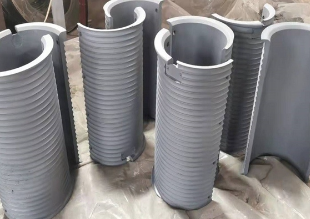
For smooth operation, tension control is vital. Modern drums often incorporate grooves or spooling systems to prevent rope overlap or tangling, minimizing downtime and maintenance.
4. Scalability & Customization
What I find interesting is how these drums can be tailored—diameter, flange size, drum length—according to specific project requirements. This flexibility makes them suitable from small workshop lifts to massive industrial cranes.
Product Specifications at a Glance
| Specification | Example Model: LBS Winch DR-5000 |
|---|---|
| Drum Diameter | 500 mm |
| Maximum Load Capacity | 15,000 kg |
| Material | High-tensile steel (corrosion resistant) |
| Rope Groove Type | Spiral groove for smooth rope handling |
| Coating | Epoxy powder-coated finish |
Who Uses Wire Rope Winding Drums Around the World?
The applications are vast. In offshore oil platforms off the coast of Norway, these drums handle dynamic loads in harsh seas. In the mountains of Nepal, rescuers rely on cable winches fitted with such drums for emergency evacuation. Meanwhile, in the US and Europe, they’re vital to wind farms, where precision is everything.
Interestingly, NGOs working in post-disaster zones often depend on compact wire rope winding drums integrated into rapid deployment systems. It’s a surprising but critical use case demonstrating how industrial technology crosses paths with humanitarian efforts.
Mini takeaway: Wire rope winding drums operate quietly behind the scenes from remote rescue missions to urban construction, highlighting their universal importance.
Advantages and Long-Term Value
- Cost Efficiency: High-quality drums reduce downtime and costly wire rope replacements.
- Sustainability: Durable materials and coatings help minimize waste, aligning with green initiatives.
- Safety and Reliability: Effective rope spooling means fewer accidents and smoother operations.
- Social Impact: Trustworthy equipment supports critical infrastructure and emergency responses worldwide.
Vendor Comparison: Features & Benefits
| Vendor | Material Quality | Customization Options | Price Range | Customer Support |
|---|---|---|---|---|
| LBS Winch | Premium steel, corrosion resistant | Wide range, custom specs | $$$ | 24/7 technical assistance |
| Global Hoist Co. | Standard steel alloys | Limited customization | $$ | Business hours only |
| Alpha Cable Systems | High-strength alloys | Tailored engineering services | $$$$ | Dedicated project managers |
Looking Forward: Trends and Innovations in Wire Rope Winding Drums
Frankly, the future looks quite fascinating. The integration of smart sensor technology allows real-time monitoring of rope tension and drum wear, enabling predictive maintenance and preventing costly failures. Additionally, manufacturers are exploring lighter composite materials to reduce weight without sacrificing strength.
The push for sustainability means corrosion-resistant coatings now often incorporate environmentally friendly compounds. Meanwhile, automation and robotics promise to streamline winding and unwinding processes, improving safety on industrial sites.
Challenges & How Experts Are Overcoming Them
Oddly enough, one persistent challenge remains the build-up of rope wear and uneven spooling in harsh environments. But newer grooving designs and ultra-precise tension control systems are making a real dent here. Plus, investing in operator training has become as critical as the hardware itself.
Manufacturers like LBS Winch have started collaborating closely with end-users to co-develop solutions tailored to specific harsh environments, minimizing downtime and boosting lifespan.
FAQ: Frequently Asked Questions About Wire Rope Winding Drum
- Q: How do I select the right drum size for my project?
A: Assess the cable diameter, load requirements, and drum capacity. Manufacturers often provide detailed charts to help match your needs. Consider future scalability and rope type to avoid premature replacements. - Q: What maintenance is required to ensure long drum life?
A: Regular inspections for corrosion and wear, proper lubrication of bearings, and ensuring the rope winds evenly are key. Implementing real-time monitoring can significantly reduce unexpected breakdowns. - Q: Are wire rope winding drums customizable?
A: Yes, many vendors offer drums tailored by diameter, groove type, and coating. Customization ensures compatibility with specific wire ropes and operating environments. - Q: Can these drums be used in marine environments?
A: Absolutely. Marine-grade drums use corrosion-resistant materials and coatings designed to withstand saltwater exposure and harsh weather. - Q: What safety standards apply to wire rope winding drums?
A: Industry standards like ISO 4309 and API provide guidelines for drum design, load testing, and maintenance to ensure operational safety.
Conclusion & Call to Action
To wrap up, the wire rope winding drum is a deceptively simple yet highly sophisticated technology that impacts industries across the planet. Its role in enhancing safety, reliability, and efficiency can hardly be overstated. For businesses and operations seeking trusted equipment tailored to demanding environments, looking into quality products and expert support makes all the difference. Curious to explore premium options and expert advice? Feel free to visit our website and discover how specialized wire rope winding drums can elevate your projects.
In real terms, sometimes the unassuming parts hold the biggest sway over progress.
References
-
The Ultimate Guide to Gear Steels for Durability and PerformanceNewsApr.16,2026
-
High Performance Gear Stainless Steel for Industrial DurabilityNewsApr.09,2026
-
Comprehensive Guide to Steel Bevel Gears Applications and SelectionNewsApr.07,2026
-
Comprehensive Guide to Durable Stainless Steel Miter Gears and ApplicationsNewsApr.04,2026
-
Comprehensive Guide to Steel Spur Gears Functionality and ApplicationsNewsMar.31,2026
-
Comprehensive Guide to Durable Stainless Steel Spur Gears and Their ApplicationsNewsMar.28,2026