Understanding the Rope Winch Drum: Key Features & Global Applications
Unraveling the Rope Winch Drum: Essential Gear for Modern Industry
In the vast realm of mechanical equipment, the rope winch drum stands out as a deceptively simple yet indispensable component. Whether in shipping, construction, or humanitarian relief, this device quietly works behind the scenes, enabling heavy loads to be moved safely and efficiently. Globally, industries rely on rope winch drums to address challenges like difficult terrain, limited manpower, and urgent deployment needs. Understanding its design and applications not only helps engineers and project managers make smarter choices but also underlines the drum’s broader role in advancing sustainable and cost-effective operations worldwide.
Introduction: The Global Importance of Rope Winch Drums
According to the International Organization for Standardization (ISO), systems that handle heavy lifting and material movement must prioritize reliability and safety above all. Rope winch drums are central to this: by offering controlled winding and unwinding of ropes or cables, they minimize risks while boosting operational efficiency. Industry data from the World Bank highlights accelerating infrastructure projects in emerging economies, often in remote or rugged areas where rope winch drums become mission-critical gear. At the same time, humanitarian organizations increasingly depend on such equipment to deploy shelters and supplies quickly post-disaster. The problem? Many projects underestimate the complexity of selecting the right winch drum, risking delays or accidents—so a clear grasp on what these devices provide is crucial.
What Is a Rope Winch Drum?
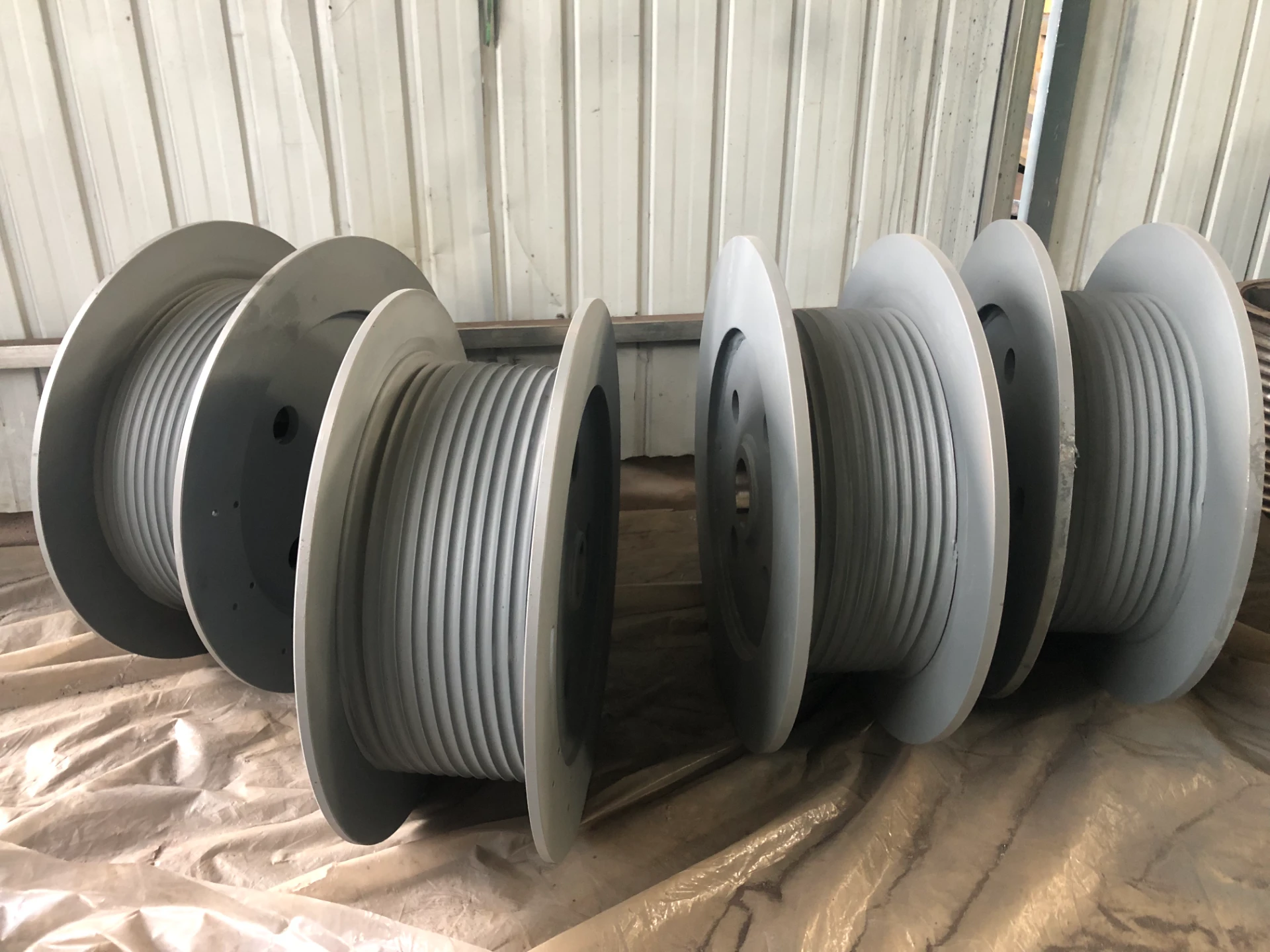
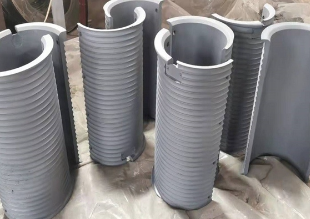
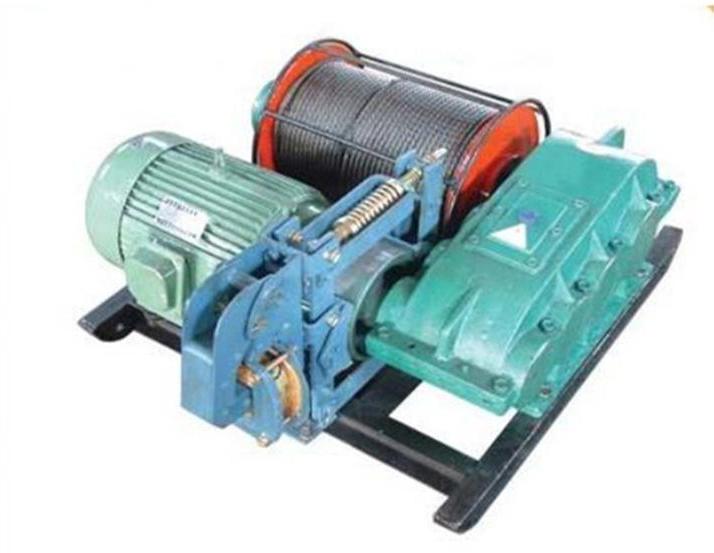
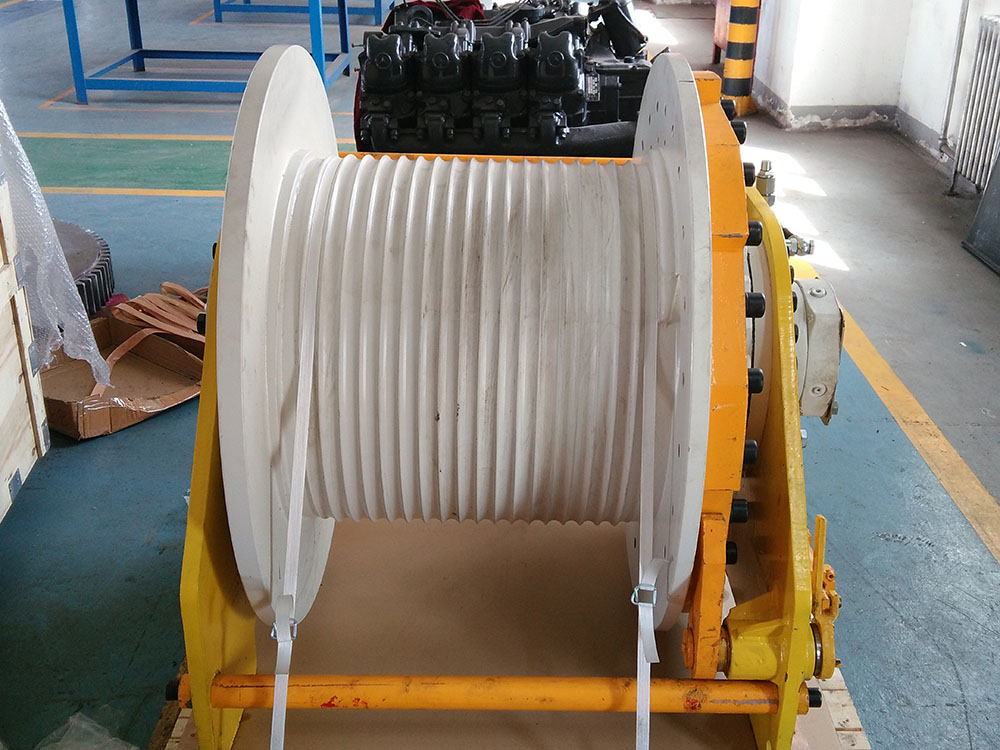
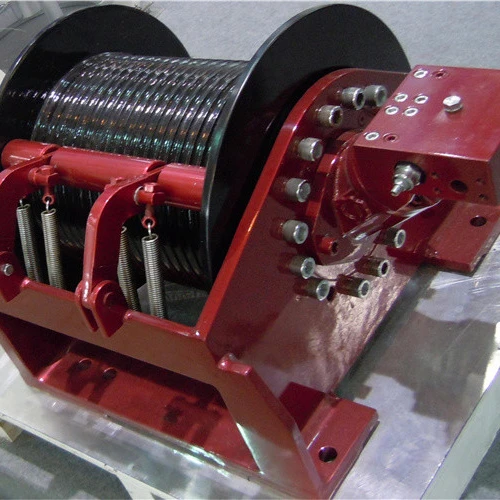
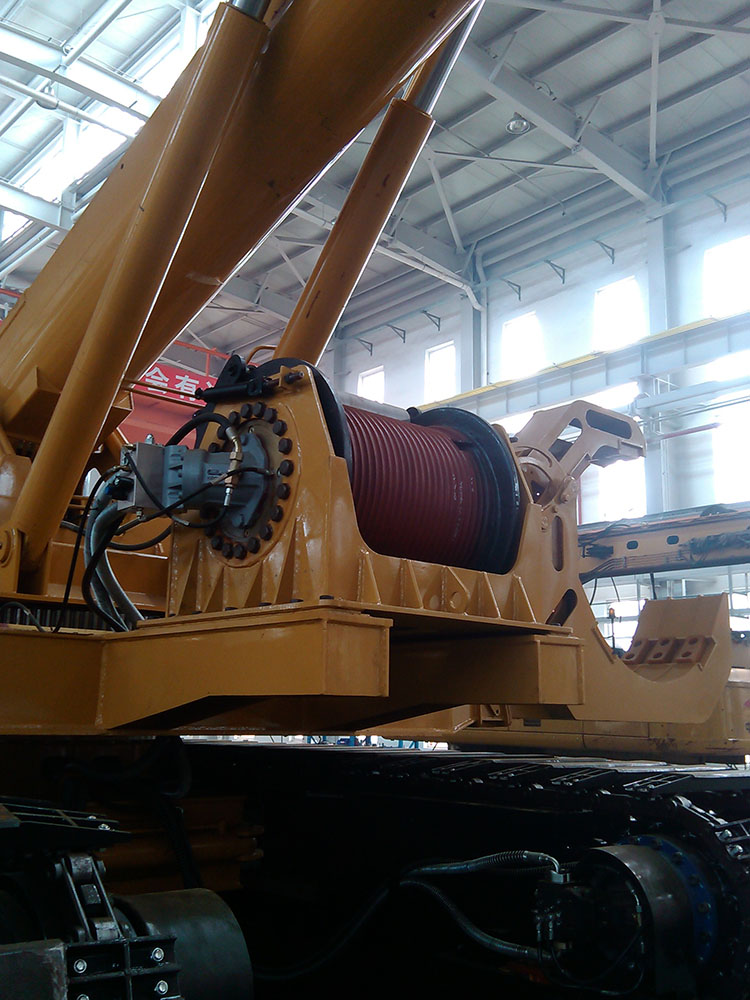
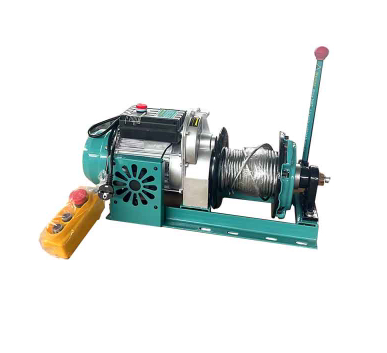
In its simplest form, a rope winch drum is a cylindrical reel around which rope or cable is wound. Driven by manual, electric, hydraulic, or pneumatic power, it controls the tension and movement of a load. Beyond mere storage, the drum’s design ensures rope layers wind tightly without overlap or slip, which is vital for safety and durability. From mountain climbers using smaller versions to large-scale industrial cranes, the rope winch drum links human effort, technology, and safety, making it a backbone of many mechanical applications.
Key Components and Factors in Rope Winch Drums
1. Durability and Material Choice
Winch drums face harsh conditions — abrasions, corrosion, and heavy loads are standard. Most high-quality drums use marine-grade steel or alloyed metals, sometimes coated with corrosion-resistant layers. The right material choice affects lifespan and maintenance needs significantly.
2. Scalability and Load Capacity
Whether moving a few hundred kilograms or several tons, rope winch drums come in varied sizes and capacities. Engineers must match drum diameter and rope specifications carefully, ensuring smooth operation without fatigue or damage.
3. Cost Efficiency
Oddly enough, the cheapest drum upfront doesn’t always save money long term. Operation costs, maintenance frequency, and downtime risks must all be factored. Often, investing in a reliable drum pays off with less repair and safer deployment.
4. Compatibility with Rope Types
Some winch drums are optimized for steel wire ropes; others handle synthetic fibers like nylon or polyester, which are lighter but behave differently under tension. Matching rope material and drum design is key to efficient performance.
5. Safety Features
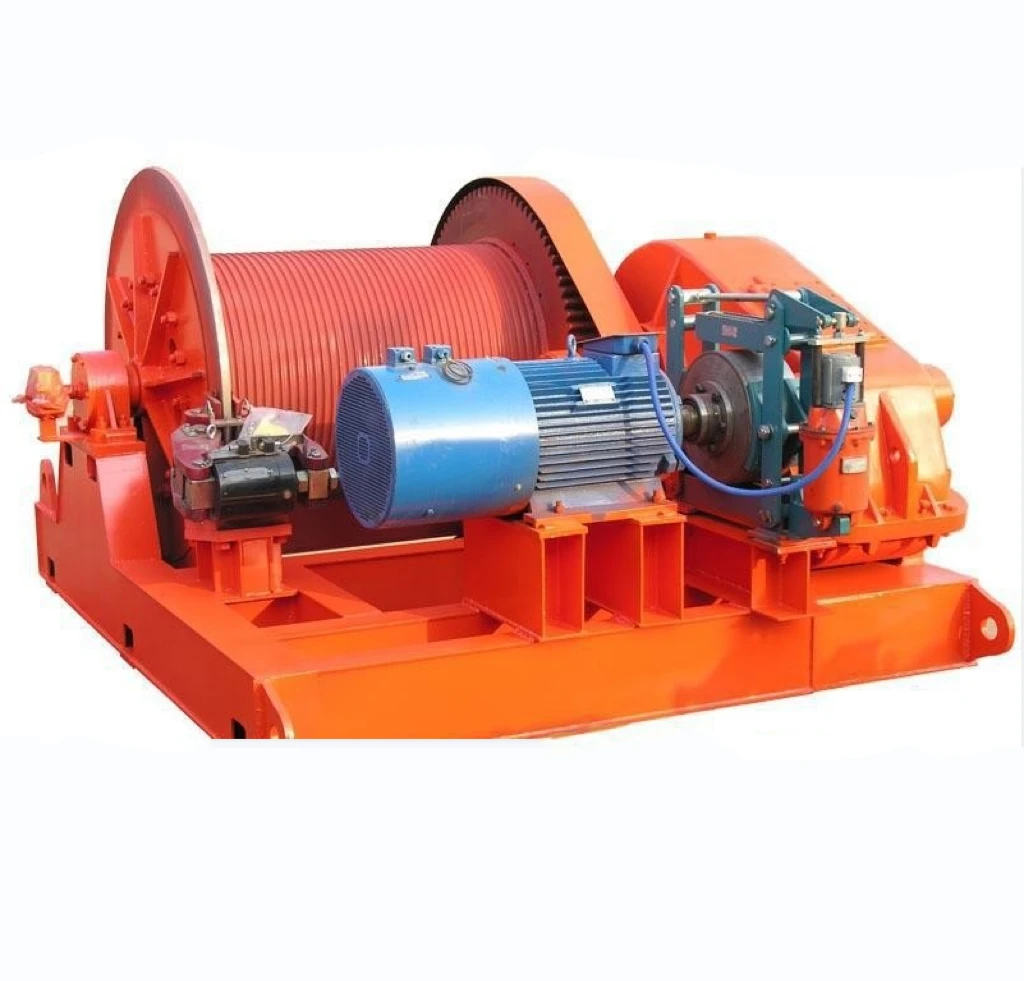
Brakes, automatic tensioners, and locking mechanisms avoid slippage or accidental releases. For operations involving human safety, these features are non-negotiable.
Product Specification Snapshot
| Specification | Example Model A | Example Model B |
|---|---|---|
| Drum Diameter | 600 mm | 1200 mm |
| Load Capacity | 5 tons | 15 tons |
| Rope Type | Steel Wire | Synthetic Fiber |
| Power Source | Electric Motor | Hydraulic |
| Safety Mechanisms | Brake & Lock | Auto Tensioner |
Global Applications and Use Cases
The rope winch drum’s versatility shines worldwide. In coastal ports of Southeast Asia, winch drums haul heavy shipping containers, streamlining trade flows critical to regional economies. Over in Africa’s vast mining operations, rugged winch drums enable ore extraction from narrow shafts deep underground. Humanitarian organizations leverage rope winch drum systems for rapidly deploying temporary bridges or shelters after natural disasters — think tornadoes in the US Midwest or floods in Bangladesh. Even the film industry uses compact winch drums for moving cameras smoothly on steep hills or rocky terrains.
Vendor Comparison: Leading Rope Winch Drum Suppliers
| Feature | LBS Winch | Global Hoisting Co. | Duratech Equip. |
|---|---|---|---|
| Max Load Capacity | 20 tons | 15 tons | 18 tons |
| Custom Designs | ✔ | ✘ | ✔ |
| Lead Time | 4 weeks | 6 weeks | 5 weeks |
| Warranty | 2 years | 1 year | 2 years |
| Price Range | $$$ | $$ | $$$ |
Advantages & Long-Term Value
Choosing the right rope winch drum means balancing upfront costs with durability, reliability, and operational safety. Across sectors, users report lower downtime and maintenance bills when investing in well-engineered drums. Environmentally, lighter synthetic ropes combined with optimized drums reduce fuel consumption during operations by lessening load weights. That has ripple effects — cutting carbon footprints and fostering sustainability goals. Plus, there’s an emotional factor: knowing your equipment won't fail under pressure brings peace of mind and protects human lives. Innovation often drives trust in brands offering superior winch drum technology.
Future Trends: The Road Ahead
The industry is buzzing with innovations that enhance rope winch drums' efficiency and environmental profile. For example, emerging composite materials significantly lighten drums, improving fuel efficiency in mobile setups. Digital sensors enable real-time monitoring of tension and wear, predicting maintenance needs — a sort of “smart” winch drum. Automation, including remote controls and integration with drones or robots, promises safer operations in hazardous zones. Green energy-powered winches — solar or battery-backed — align with global sustainability frameworks recommended by the UN and ISO standards for responsible manufacturing.
Challenges & Expert Solutions
Like any gear, rope winch drums face challenges. Common issues include rope wear from improper spooling, drum corrosion in marine environments, and inconsistent tension control in heavy loads. Experts recommend customized solutions: coatings tailored for specific environments, training operators rigorously, and annual inspections. Quick-release tension mechanisms help prevent rope damage during emergencies. It’s also wise to consult manufacturers early in project planning to select or engineer a drum that fits the precise use case.
FAQ: Frequently Asked Questions About Rope Winch Drums
- Q: What is the typical lifespan of a rope winch drum in outdoor operations?
A: It varies with material and maintenance, but well-designed steel drums last 10–15 years outdoors with regular care. Synthetic-coated drums may last longer in corrosive environments. - Q: Can rope winch drums be customized for specific rope types?
A: Absolutely. Customized drums can be tailored for wire ropes or synthetic fibers to optimize performance and safety. Your manufacturer can advise what suits your needs best. - Q: Are electric winch drums more efficient than hydraulic ones?
A: Electric winches are often simpler and lower maintenance, but hydraulic drums provide superior torque and are preferred for heavy-duty, continuous operations. - Q: How does automation improve rope winch drum operations?
A: Automation reduces human error, allows remote operation in dangerous sites, and integrates monitoring data, enhancing safety and uptime.
Conclusion & Call to Action
To wrap it up, the rope winch drum is more than just a mechanical spool — it’s a linchpin in modern industrial and humanitarian operations. Its design reflects decades of engineering advances addressing durability, safety, and cost-effectiveness. As global projects grow in scale and complexity, investing in quality rope winch drums pays off in reliability and peace of mind. If you’re looking for robust and customizable winch solutions, visit our website to explore options that fit your needs.
Mini takeaway: Thoughtful rope winch drum selection isn’t just about moving weight — it’s about moving progress forward safely and sustainably.
References
-
The Ultimate Guide to Gear Steels for Durability and PerformanceNewsApr.16,2026
-
High Performance Gear Stainless Steel for Industrial DurabilityNewsApr.09,2026
-
Comprehensive Guide to Steel Bevel Gears Applications and SelectionNewsApr.07,2026
-
Comprehensive Guide to Durable Stainless Steel Miter Gears and ApplicationsNewsApr.04,2026
-
Comprehensive Guide to Steel Spur Gears Functionality and ApplicationsNewsMar.31,2026
-
Comprehensive Guide to Durable Stainless Steel Spur Gears and Their ApplicationsNewsMar.28,2026