Comprehensive Guide to Winch Drum Design: Materials, Applications & Future Trends
Unlocking Efficiency: The Essentials of Winch Drum Design
Winch drum design may not be the flashiest topic at the dinner table, but it’s a quietly critical building block for industries worldwide — from shipping to construction to humanitarian relief. At its core, winch drum design shapes how we move heavy loads with precision and safety. And oddly enough, better designs can make a tangible difference in global infrastructure, disaster response, and even energy extraction.
Understanding the nuances of this mechanical feature isn’t just about engineering bragging rights. It’s about making sure that equipment runs smoother, safer, and with less wear and tear — saving money and sometimes lives in the process. If you’re curious why winch drum design matters globally and what drives its evolution, you’re in the right place.
Global Context: Why Winch Drum Design Matters
Across the globe, industries rely heavily on mechanical winches for everything from raising cargo on oil rigs to hoisting emergency supplies in disaster zones. According to the International Organization for Standardization (ISO), failures in winch systems can cause significant operational downtime and safety hazards.1 Furthermore, the World Bank estimates that improving mechanical infrastructure efficiency in emerging economies could boost productivity by up to 15%.2
The hurdle? A poorly designed winch drum can mean tangled cables, slower deployment times, and expensive maintenance. The challenge winch drum design tries to solve is simple — keep the cable spooled correctly, maximize load capacity, and minimize damage during operation, even in harsh environments.
What Is Winch Drum Design?
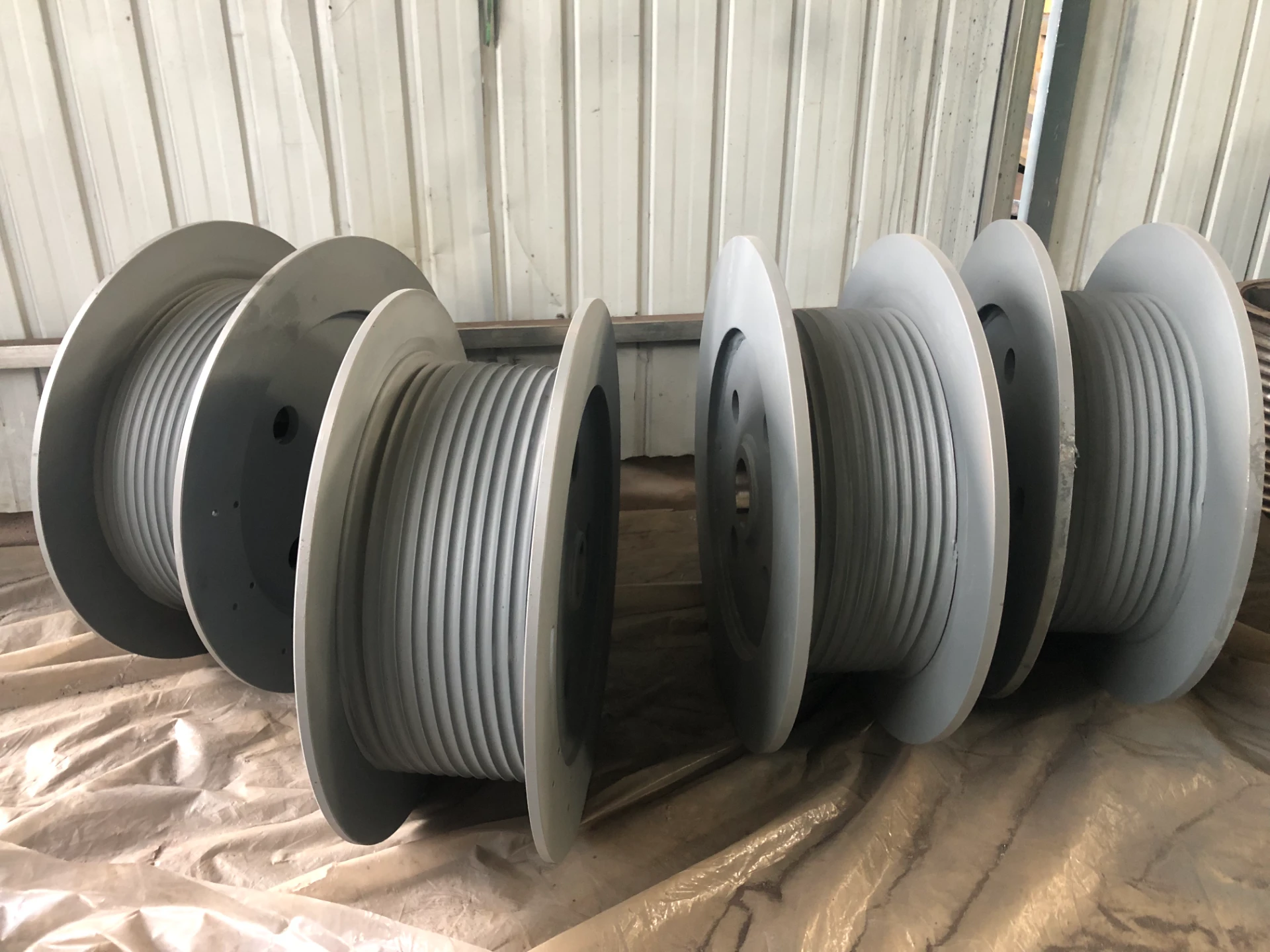
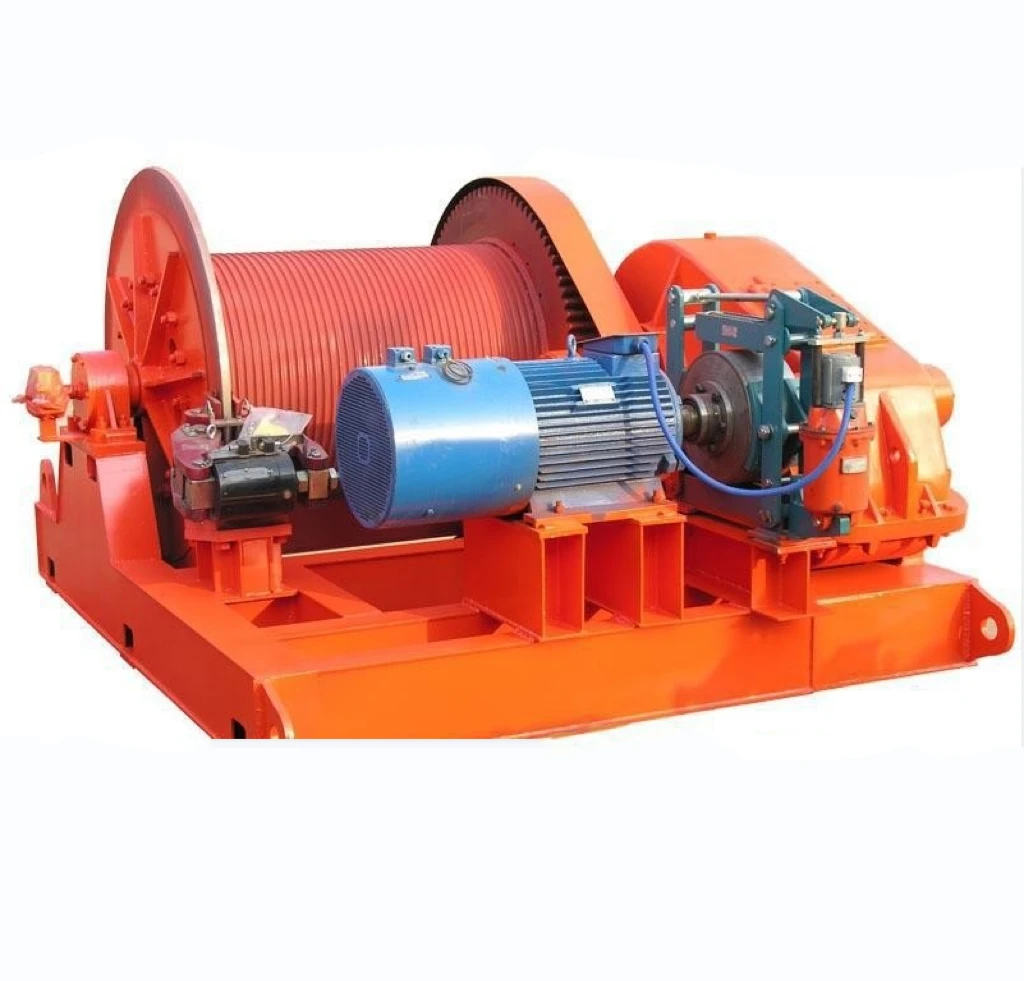
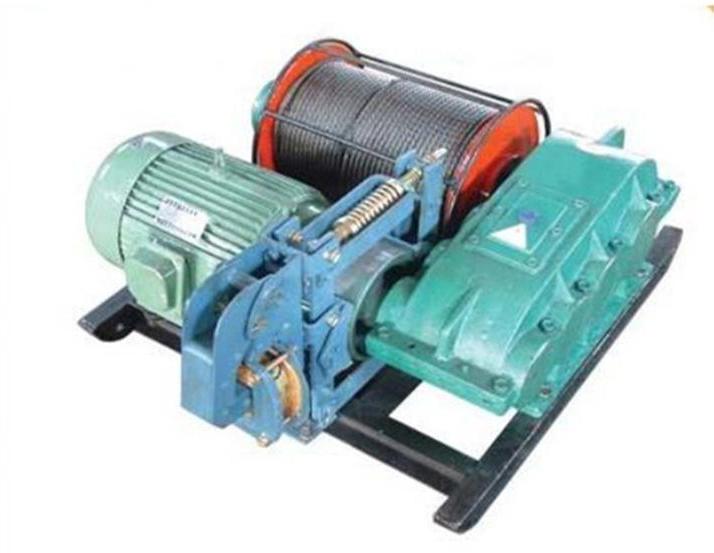
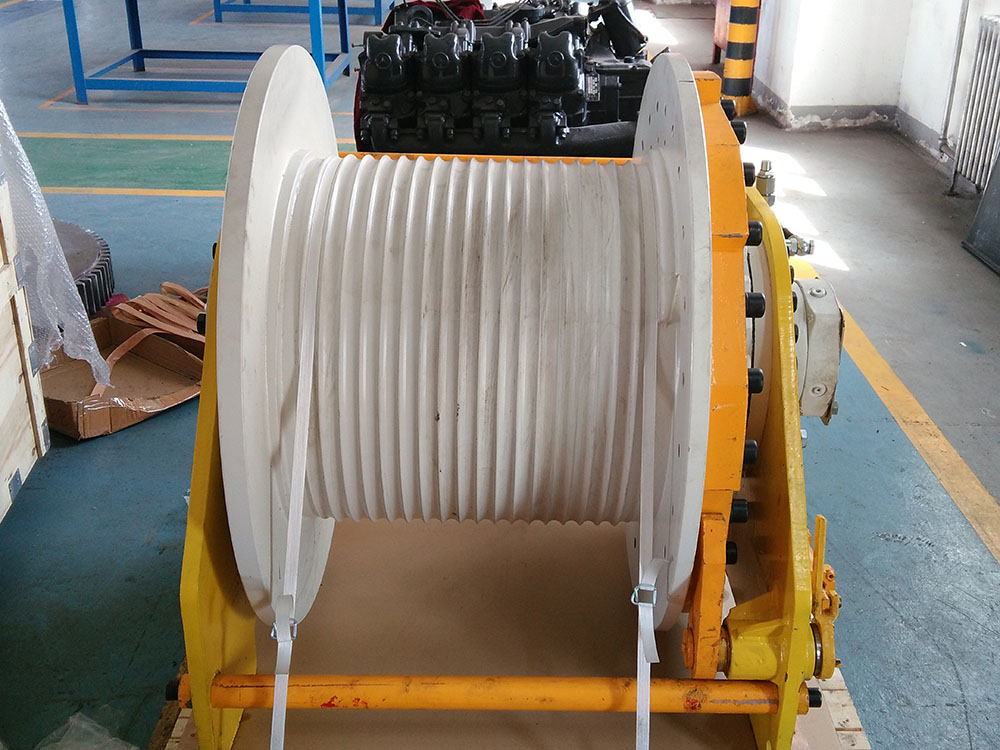
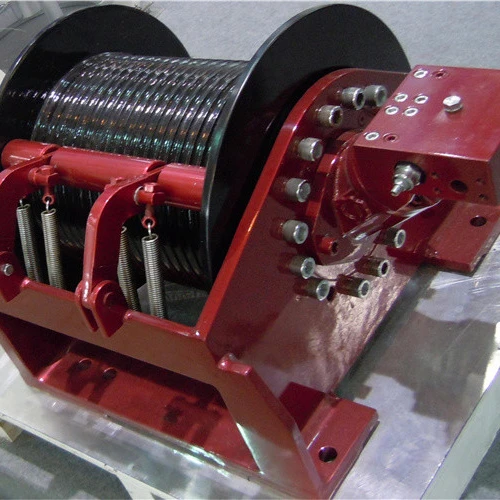
Technically speaking, a winch drum is the cylinder on which wire rope, synthetic rope, or cable is wound. “Winch drum design” refers to the engineering choices around the drum’s size, shape, materials, and grooving pattern to optimize cable handling for specific uses. From surface finish to drum diameter, every element affects performance.
On a practical level, this design connects directly to how modern industries safely and efficiently lift or pull heavy loads. Whether it’s humanitarian organizations deploying equipment rapidly after natural disasters or mining companies hauling heavy machinery, good drum design is a silent but vital partner.
Key Factors in Winch Drum Design
1. Durability and Material Selection
Winch drums must withstand tough mechanical stresses, weather extremes, and corrosion. Typically, steel drums with protective coatings or even stainless steel variants are preferred. Engineers balance robustness with weight — too heavy, and the system loses efficiency.
2. Drum Diameter and Cable Compatibility
The diameter affects fatigue on the cable and the pulling force. A larger diameter generally extends cable life because tighter bends can reduce wire rope wear. Correct sizing prevents jamming and uneven layering, which could be catastrophic in critical lifts.
3. Groove Pattern and Spooling Efficiency
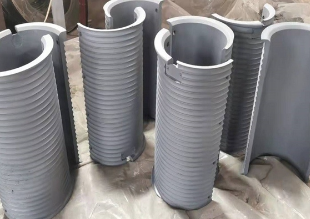
The drum’s surface often features grooves that guide the cable, ensuring neat spooling without overlap or twisting. Incorrect groove design leads to cable damage, increased maintenance, and safety risks.
4. Load Capacity and Speed Control
The drum must match the cable’s breaking strength and the application’s load requirements. Speed modulation capabilities also matter for operators needing precise control during complex maneuvers.
5. Cost and Maintenance
Practical design considers upfront fabrication costs and long-term maintenance expenses. A higher quality finish or innovation like corrosion-resistant coatings might increase costs but lower downtime and repairs significantly.
Mini takeaway: The winch drum’s design is a balancing act — durability, compatibility, efficiency, capacity, and cost all intersect to influence overall operational success.
Global Applications & Use Cases
You see winch drums in industrial zones stretching from offshore wind farms in Northern Europe to rugged mining operations in Australia, but their application reaches even further.
- Disaster Relief: After earthquakes or hurricanes, NGOs use winch systems for quick deployment of supplies and equipment in inaccessible areas.
- Maritime Industry: Cargo handling extensively relies on drums designed to protect cables under varying loads and sea conditions.
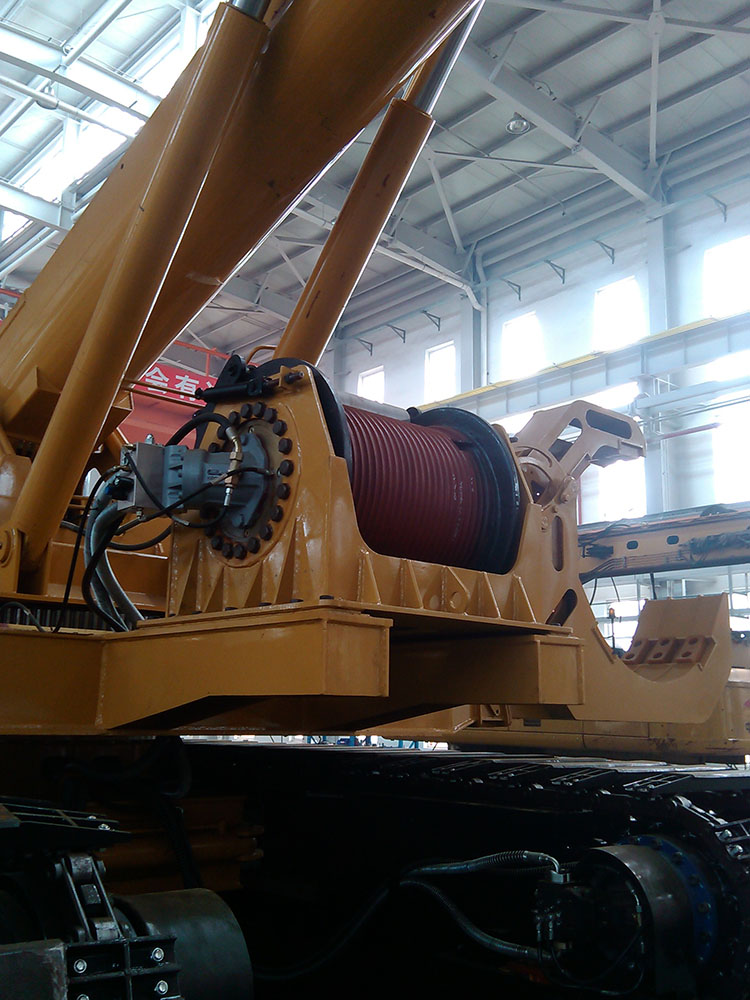
- Construction and Infrastructure: Cranes and hoists that shape skylines depend heavily on these critical components.
- Oil and Gas Extraction: Winch drums help manage complex cable systems on rigs, demanding excellent durability and load control.
In short, regions with demanding environmental challenges, such as the Arctic or tropical zones, benefit from specially designed winch drums that factor in corrosion, temperature extremes, and rope behavior under stress.
Winch Drum Specifications At a Glance
| Specification | Description |
|---|---|
| Material | Carbon Steel with anti-corrosion coating, optional stainless steel |
| Diameter Range | 200 mm – 1500 mm |
| Grooving | Helical or parallel grooves designed for specific cable diameters |
| Load Capacity | Up to 100 tons, depending on configuration |
| Surface Treatment | Powder coating, galvanizing, or painting |
Major Vendors Compared
| Vendor | Material Options | Customization | Warranty | Global Reach |
|---|---|---|---|---|
| LBS Winch | Steel, stainless steel | High (diameter, groove pattern) | 5 years | Worldwide |
| Global Winch Supplies | Steel only | Moderate | 3 years | Asia, Europe |
| WinchTech Pro | Alloys, stainless steel | High | 7 years | North America, Europe |
Advantages & Long-Term Value
A well-designed winch drum translates into tangible benefits:
- Cost Savings: Less cable wear and downtime means lower maintenance and replacement costs over time.
- Safety: Proper spooling reduces risk of cable snap or tangles — critical in high-stake operations.
- Sustainability: Durable materials and coatings mean fewer replacements and less waste.
- Reliability: Ensures machines are ready to perform when you need them most — which, frankly, you always want.
- Innovation & Trust: Customized designs foster user confidence and operational efficiency.
On an emotional level, there’s a kind of quiet assurance that comes from knowing your winch will perform under pressure, whether you’re lifting vital supplies or securing heavy equipment — it feels like peace of mind.
Future Trends & Innovations
Industry experts foresee digitization and automation shaping the next era of winch drum design. Sensors embedded in drums to monitor cable tension and wear in real time are already becoming mainstream.3 Also, advances in composite materials could lighten drums while maintaining strength, pushing green energy projects to new heights.
Sustainability trends are steering manufacturers to environmentally friendlier coatings and production methods, aiming to reduce carbon footprints without compromising robustness. Oddly enough, this modern approach to such a mechanical classic breathes new life into an old concept.
Challenges & Solutions
Despite advances, challenges persist. Cable misalignment, corrosion in salty marine environments, and standardizing drum designs across industries remain key hurdles.
Innovative solutions like modular drum components, adaptive grooving, and advanced coatings have started addressing these issues. Moreover, collaborative R&D between manufacturers and end-users accelerates improvements — something that, frankly, is crucial for the next generation of equipment.
FAQ: Winch Drum Design Essentials
- Q: How do I choose the correct drum diameter for my cable?
- A: The drum diameter should ideally be at least 20 times the cable diameter to minimize bending stress on the wire rope, prolonging its life and ensuring smooth spooling.
- Q: What are common materials for winch drums in corrosive environments?
- A: Stainless steel and carbon steel with specialized anti-corrosion coatings (like galvanizing or epoxy) are commonly used to withstand marine or chemical exposure.
- Q: How important is groove pattern customization?
- A: Very important. Correct groove patterns guide the cable properly, preventing overlapping and wear. Custom grooves based on cable size and application significantly improve performance.
- Q: Can winch drums be retrofitted with sensors?
- A: Yes, sensor kits can be integrated to monitor load, tension, and wear remotely, improving predictive maintenance and safety.
Conclusion: Why Winch Drum Design Still Matters
In the grand scheme, winch drum design might seem like small potatoes — but it’s these nuts and bolts that keep huge operations running safely and efficiently. Investing in the right drum design pays off through cost savings, enhanced safety, and sustainability.
Curious to dive deeper? Visit our website: https://www.lbswinch.com for detailed specs, custom options, and expert insight.
“When it comes to lifting, the right drum design just makes everything come together.”
References:
-
The Ultimate Guide to Gear Steels for Durability and PerformanceNewsApr.16,2026
-
High Performance Gear Stainless Steel for Industrial DurabilityNewsApr.09,2026
-
Comprehensive Guide to Steel Bevel Gears Applications and SelectionNewsApr.07,2026
-
Comprehensive Guide to Durable Stainless Steel Miter Gears and ApplicationsNewsApr.04,2026
-
Comprehensive Guide to Steel Spur Gears Functionality and ApplicationsNewsMar.31,2026
-
Comprehensive Guide to Durable Stainless Steel Spur Gears and Their ApplicationsNewsMar.28,2026