Comprehensive Guide to Winch Drum Material: Types, Applications, and Innovations
Understanding Winch Drum Material: A Key to Enhanced Industrial Performance
Winch drums—the trusty rotating cylinders that spools ropes and cables—might not be the stars of heavy lifting, but the material from which they’re made hugely impacts their reliability and safety. Winch drum material is a fundamental topic for industries relying on lifting, towing, or pulling heavy loads, from shipping and construction to humanitarian relief efforts. Grasping the nuances of these materials can lead to smarter purchasing decisions, improved safety standards, and even sustainability benefits. Given the global scale of logistics and disaster response, optimizing winch drum materials is more relevant than ever.
Introduction: Why Winch Drum Material Matters Globally
Across the globe, winches are used in everything from maritime shipping to emergency rescue operations. According to the International Organization for Standardization (ISO), over 60% of heavy lifting machinery globally depends on cable drum systems. The performance and safety of these winches often hinge on the choice of winch drum material. For example, a steel drum might excel in durability but add undesirable weight, whereas aluminum alloys offer lightness but can sacrifice some strength.
In humanitarian contexts—think post-disaster relief sites in Asia or Africa—the right winch drum material can mean faster deployment of aid, fewer equipment failures, and ultimately safer operations for relief workers and victims alike. Conversely, poor choices may result in downtime, costly repairs, or worse, accidents. So, winch drum materials aren’t just an engineering detail; they’re a factor influencing economic efficiency and even lives.
What Is Winch Drum Material?
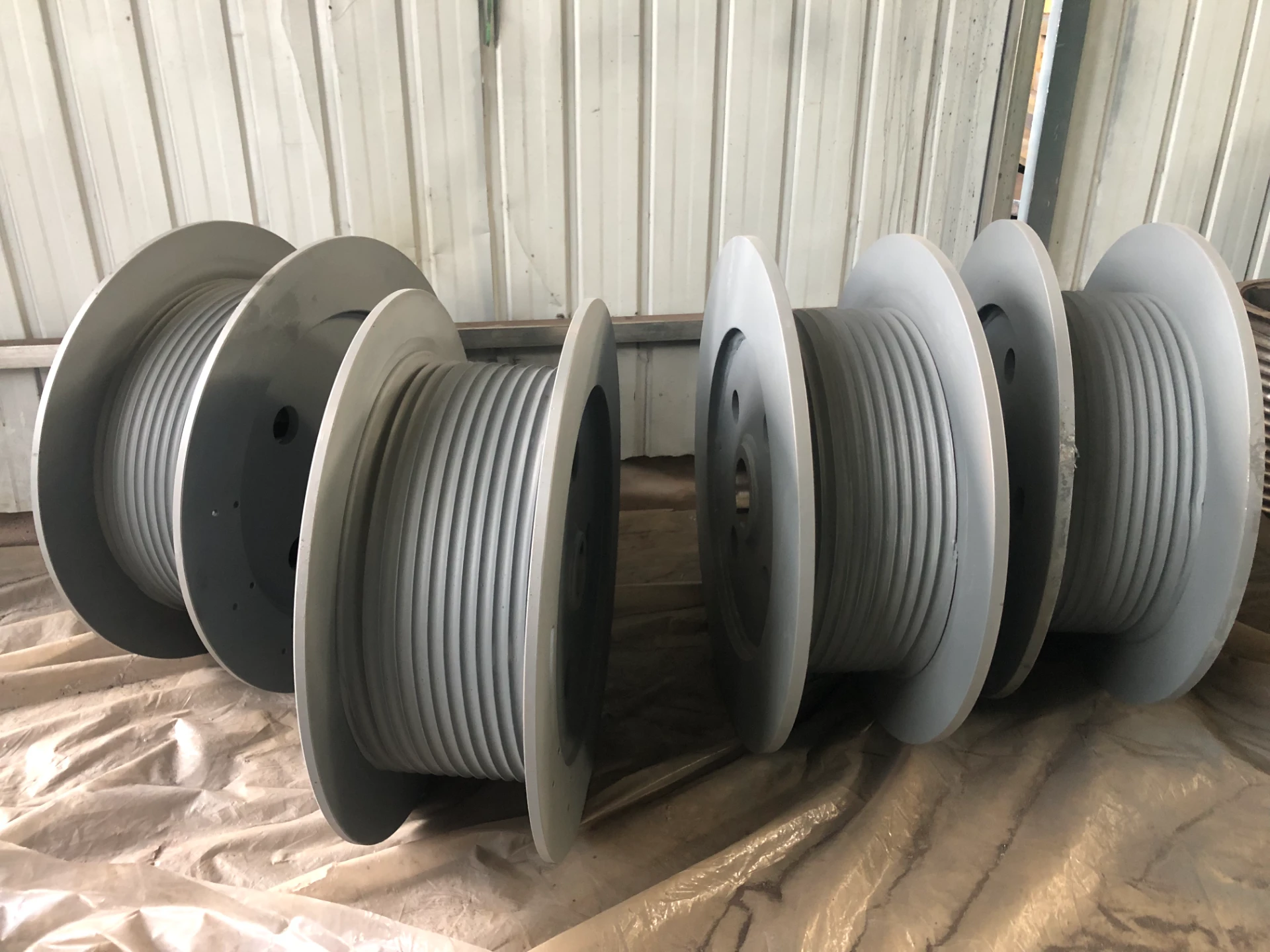
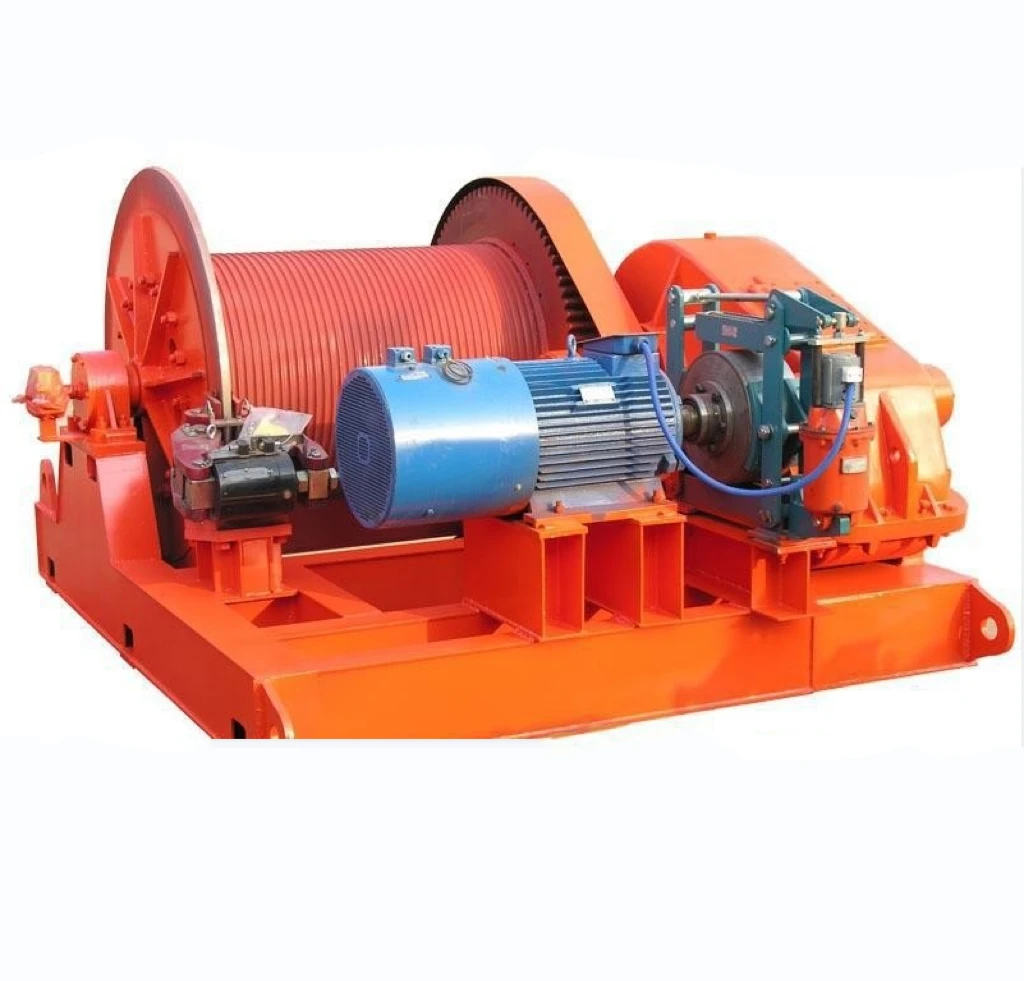
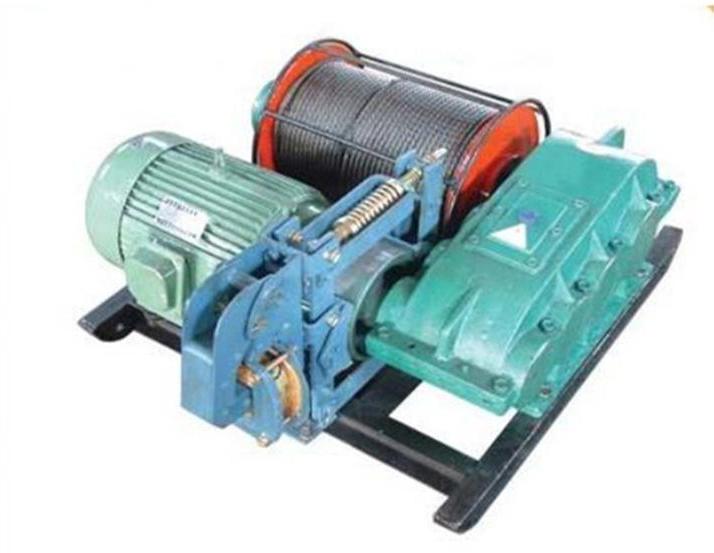
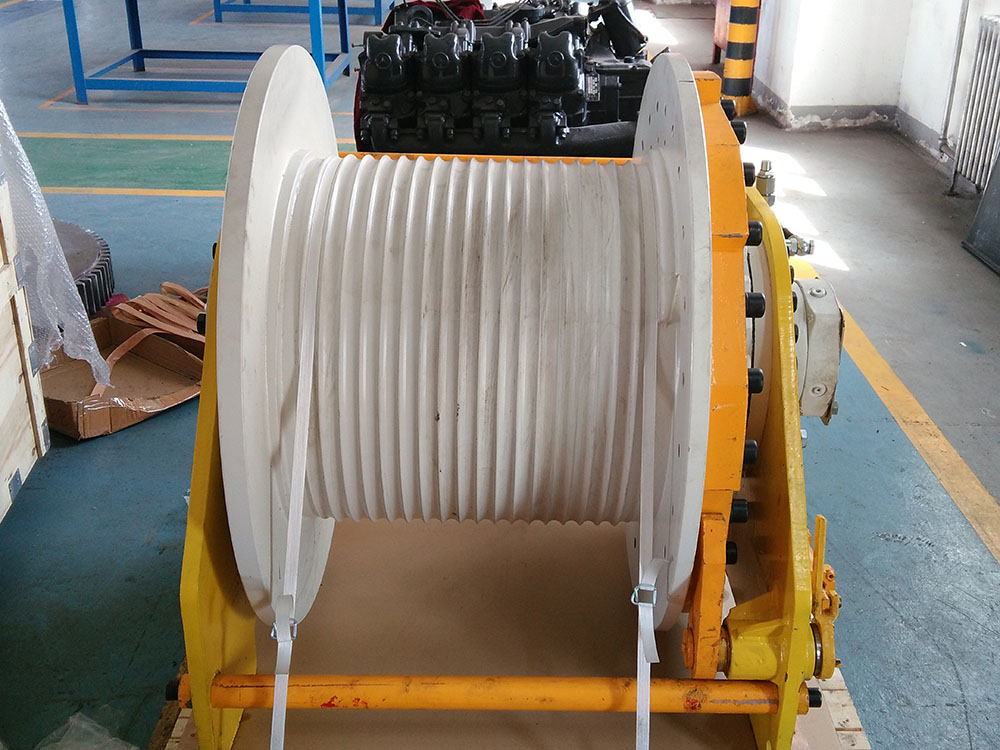
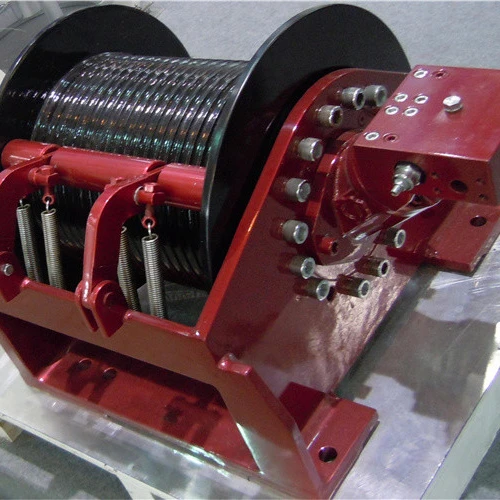
Simply put, winch drum material refers to the substance used to construct the cylindrical spool around which cable or rope is wound on a winch. These drums need to be strong, wear-resistant, and compatible with the cables used. Materials vary widely—steel, aluminum alloys, composites, and even specialty polymers—all chosen based on how tough the environment is and the load requirements.
In modern industry, the choice of drum materials is evolving as sectors demand lighter, stronger, and more corrosion-resistant components to cope with diverse terrains and climates. The humanitarian sector increasingly values material choices that reduce logistics overhead and help machinery last longer under continuous use.
Key Factors in Choosing Winch Drum Materials
Durability
Winch drums face constant wear and tear. A steel drum often wins in sheer toughness, resisting deformation from heavy cable loads and rough handling. However, it can rust if not properly treated—a no-go in salty maritime environments.
Weight and Maneuverability
In many applications, especially remote or mobile operations, drum weight heavily affects logistics. Aluminum alloys offer a neat balance, cutting weight by up to 30% compared to steel. This can make winches easier to transport and install.
Corrosion Resistance
Environmental exposure calls for materials that resist rust and degradation. Stainless steel and composite materials are preferred where moisture and chemicals are present, such as offshore rigs or tropical disaster zones.
Cost Efficiency
Steel drums tend to be less expensive upfront, making them attractive for large scale or budget-conscious projects. But when factoring in maintenance and lifespan, investing in pricier corrosion-resistant materials may prove more economical long-term.
Compatibility with Cable Types
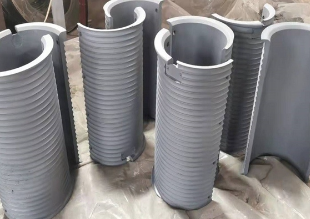
The winch drum material must interact well with the cable surface to minimize wear. Softer or grooved surfaces may help reduce cable damage.
Global Applications & Use Cases
- Maritime Shipping: Heavy-duty steel drums dominate cargo winches, trusted for their strength against the harsh sea environment.
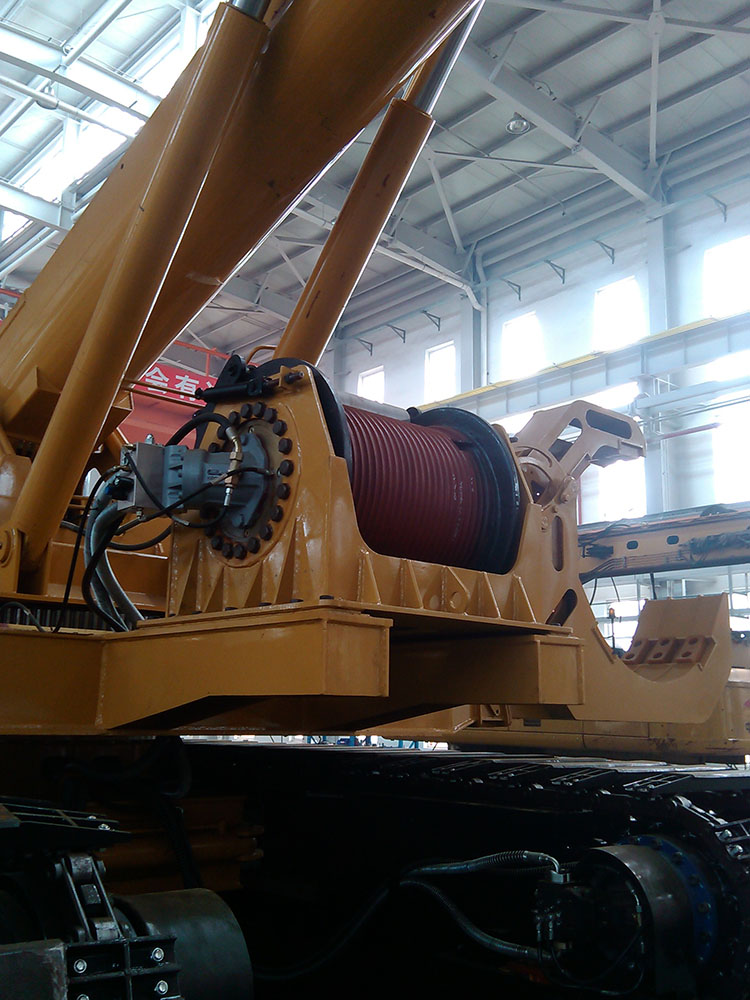
- Construction & Mining: Here, rugged environments demand drums made of reinforced steel or composites to withstand abrasion and debris.
- Disaster Relief Operations: Lightweight aluminum drums are preferred where rapid deployment and ease of transport matter.
- Oil and Gas: Corrosion-resistant alloys support winches exposed to chemical and saltwater conditions.
For instance, during the 2020 cyclone relief efforts in Bangladesh, aid organizations credited the use of aluminum alloy winch drums for quick setup and durable performance amid challenging weather. Oddly enough, many engineers on site noted the tradeoff between strength and weight was well balanced by these materials.
Advantages & Long-Term Value of Optimized Winch Drum Material
Choosing the right drum material transcends initial costs. It means fewer mechanical failures, greater safety for operators, and often a longer system lifespan. Environmentally, corrosion-resistant and lighter materials contribute to sustainability by reducing waste and fuel consumption during transport. Socially, reliable equipment supports timely humanitarian work, preserving human dignity and safety. So the benefits mix the logical with the emotional—a trust in equipment we rely upon.
Future Trends & Innovations in Winch Drum Materials
Frankly, the future looks bright, especially with new composite materials combining carbon fibers and polymers that offer ultra-lightweight yet strong alternatives. Digital transformation aids engineers in simulating material stresses before manufacturing, refining selection precision. Automation in winch operation demands materials that integrate sensors without compromising durability. Meanwhile, green initiatives drive the development of recyclable or bio-based materials that cut environmental footprints.
Challenges & Solutions
One common hurdle is balancing cost with performance. Low-cost steel drums risk early corrosion or heavy wear, while exotic composites may price out smaller operators. Another challenge is adapting materials to specialized cables, like synthetic ropes that have different abrasion characteristics.
Experts suggest modular drum designs allow easy upgrades—replacing worn drum surfaces without swapping the entire winch. Also, coatings such as galvanization or powder coating extend steel drum life affordably. Ongoing R&D seeks hybrid materials for efficient mass production.
Winch Drum Material Specification Table
| Material | Weight (kg/m²) | Corrosion Resistance | Typical Applications | Cost Range |
|---|---|---|---|---|
| Carbon Steel | 25 | Low (needs coating) | Heavy A-duty shipping/construction | $ |
| Stainless Steel | 28 | High | Marine, chemical exposure | $$$ |
| Aluminum Alloy | 18 | Medium | Lightweight & mobile operations | $$ |
| Composite Materials | 12 | High | Advanced, lightweight applications | $$$$ |
Vendor Comparison for Winch Drum Material
| Vendor | Material Specialization | Custom Options | Lead Time | Price Range |
|---|---|---|---|---|
| Alpha Winches | Steel, Stainless Steel | High (custom coatings) | 4–6 weeks | $$ |
| Betacore Composites | Composite & Aluminum | Medium (modular designs) | 6–8 weeks | $$$ |
| Gamma Engineering | Alloys & Custom Blends | Very High | 8–10 weeks | $$$$ |
Frequently Asked Questions About Winch Drum Material
- What is the most durable material for winch drums?
- Steel, especially carbon or stainless steel, tends to be the most durable winch drum material due to its high strength and resistance to wear. However, it requires proper coatings to prevent corrosion in harsh environments.
- Can aluminum winch drums handle heavy loads?
- Aluminum alloys offer a good strength-to-weight ratio and can handle moderate to heavy loads. For very heavy duties, steel may be preferable, but aluminum is superb for lighter, mobile operations.
- How does the choice of winch drum material affect maintenance?
- Materials with high corrosion resistance, like stainless steel or composites, require less maintenance and have longer service lives, whereas untreated steel drums may need frequent coatings and inspections.
- Are composite materials commonly used for winch drums?
- Composite winch drums are gaining traction for specialized, lightweight applications, but their higher cost and manufacturing complexity mean they are less common than metals.
- How can I choose the right drum material for my project?
- Consider load requirements, environmental conditions, budget, and logistics. Consulting with manufacturers or engineers ensures a well-informed material selection.
Conclusion: The Long-Term Benefits of Winch Drum Material Choices
The materials chosen for winch drums might not be the headline in heavy machinery discussions, but their impact runs deep — influencing safety, costs, and operational efficiency worldwide. From the steel drums securing cargo ships in stormy seas to lightweight aluminum drums helping disaster relief teams deploy faster, understanding winch drum material is vital. If you want to explore quality options or delve deeper into this subject, don’t hesitate to visit our website. Trust me, the right material choice is key to durable and safe winch operation in any setting.
Oddly enough, in my conversations with engineers worldwide, it seems that the perfect winch drum material is always context-driven — so consider your needs carefully.
References
-
The Ultimate Guide to Gear Steels for Durability and PerformanceNewsApr.16,2026
-
High Performance Gear Stainless Steel for Industrial DurabilityNewsApr.09,2026
-
Comprehensive Guide to Steel Bevel Gears Applications and SelectionNewsApr.07,2026
-
Comprehensive Guide to Durable Stainless Steel Miter Gears and ApplicationsNewsApr.04,2026
-
Comprehensive Guide to Steel Spur Gears Functionality and ApplicationsNewsMar.31,2026
-
Comprehensive Guide to Durable Stainless Steel Spur Gears and Their ApplicationsNewsMar.28,2026