Comprehensive Guide to Variable Speed Electric Winches and Their Applications
Understanding Variable Speed Electric Winches: A Comprehensive Guide
When it comes to lifting and pulling applications across various industries, the right winch can make all the difference. Variable speed electric winches offer a level of control and precision that traditional winches simply can't match. This article will delve into the benefits, applications, and key considerations when choosing a variable speed electric winch. We'll explore how this technology improves efficiency and safety in various settings, helping you determine if a variable speed winch is the right solution for your needs.
What are Variable Speed Electric Winches?
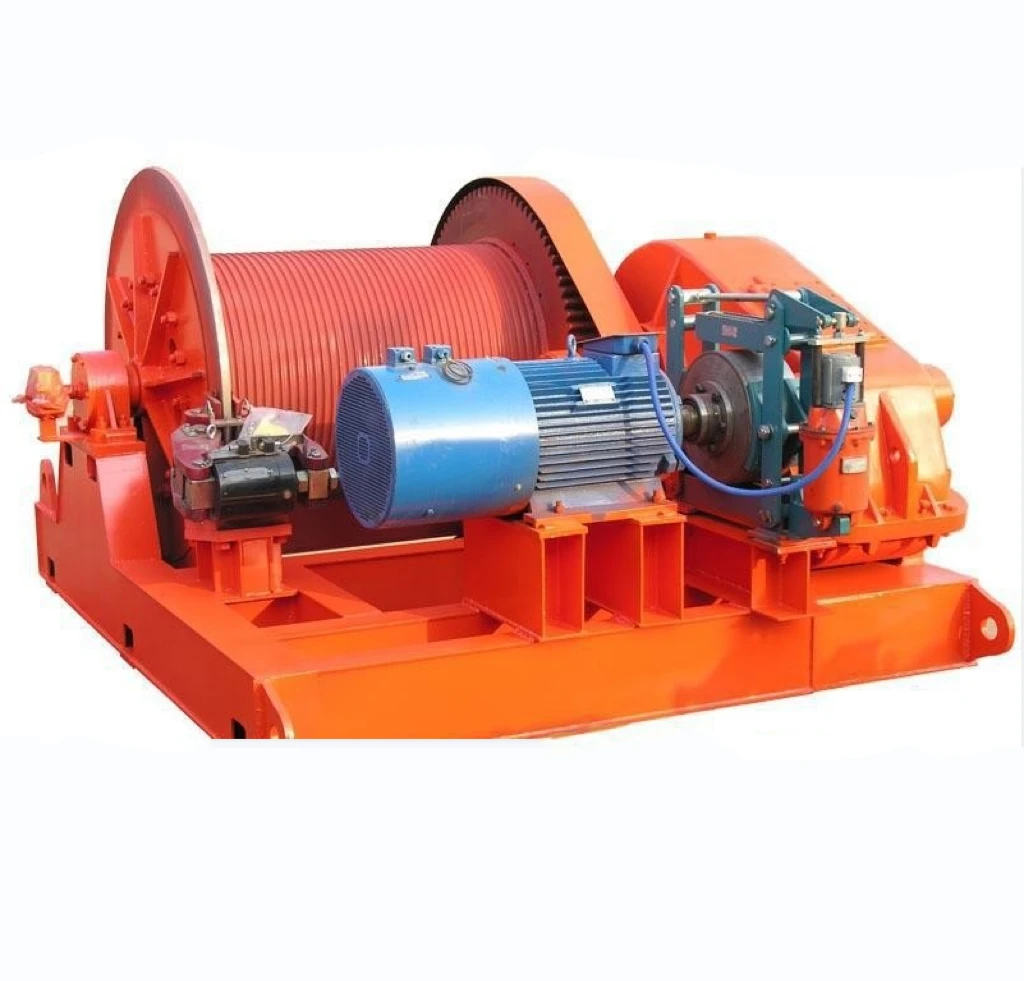
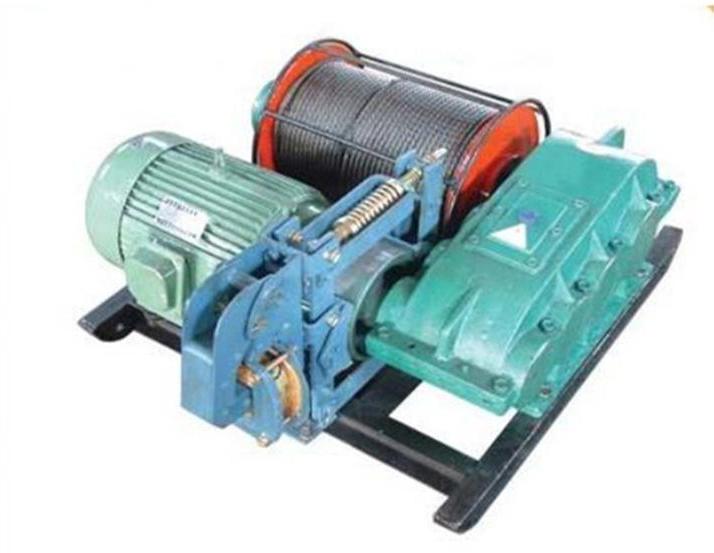
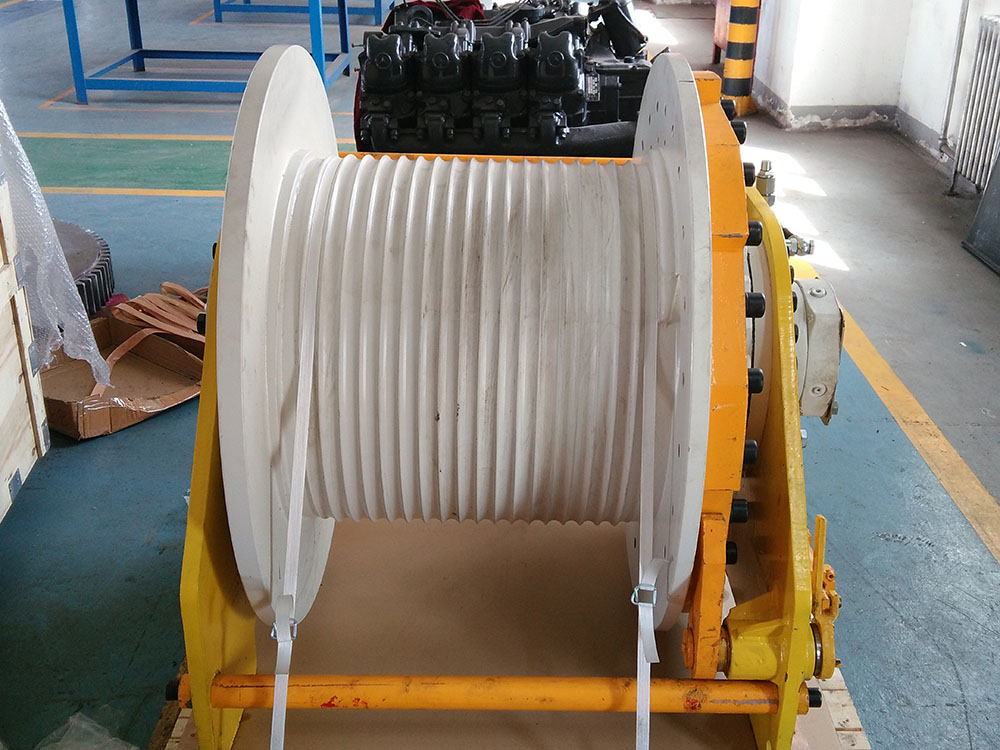
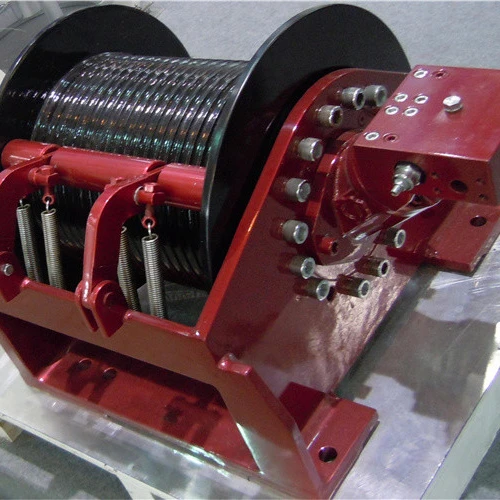
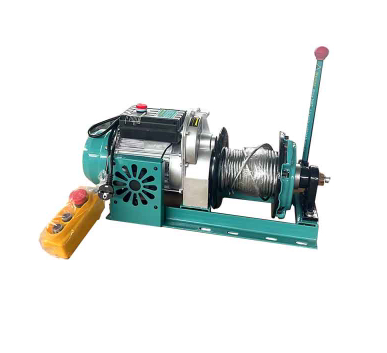
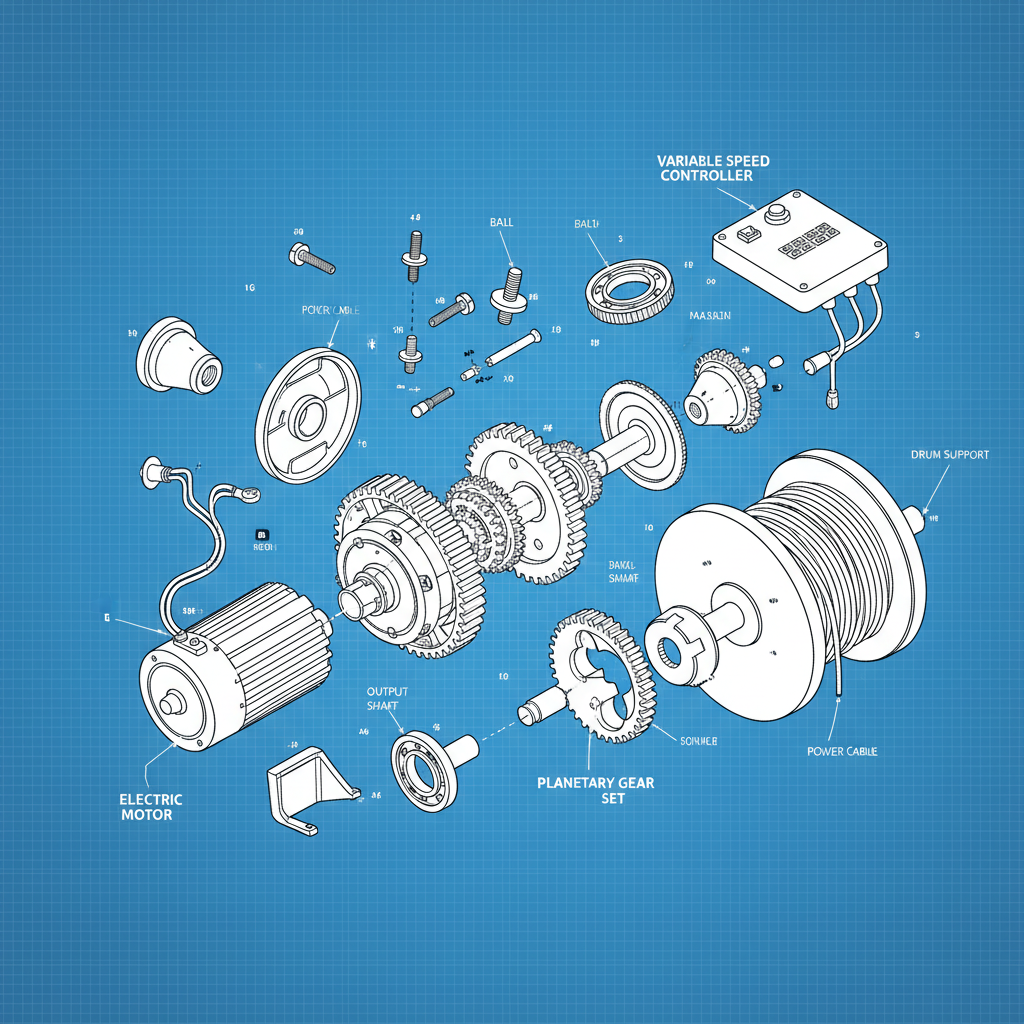
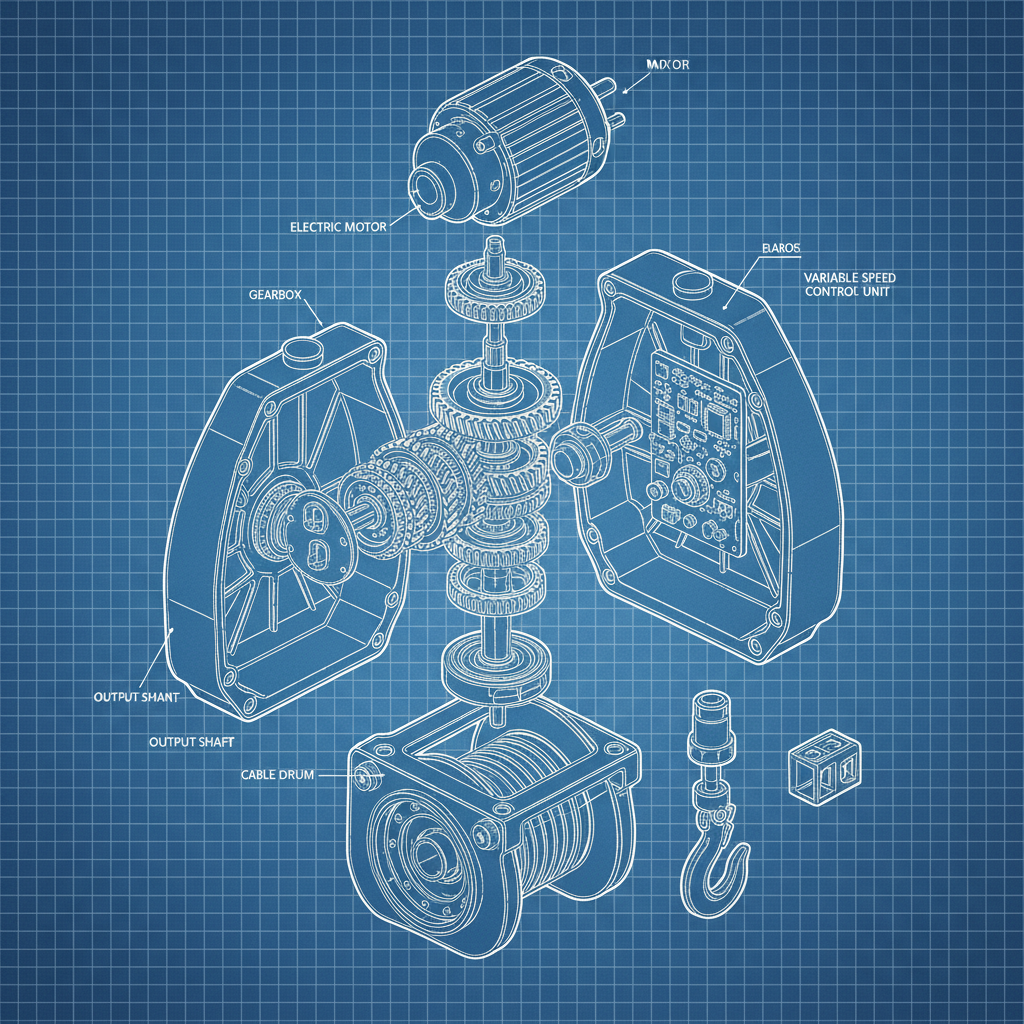
A variable speed electric winch utilizes an electric motor coupled with a gearing system to provide controlled lifting and pulling power. Unlike traditional winches with fixed speed settings, these winches allow the operator to adjust the speed of operation, offering enhanced control and precision. This is particularly valuable in applications where delicate maneuvers or precise positioning are required. The key component enabling this functionality is often a Variable Frequency Drive (VFD) which regulates the power supplied to the motor, thus controlling its speed. LBS Winch specializes in providing high-quality, reliable variable speed electric winches tailored to diverse industry needs.
Key Benefits: Precise control, increased safety, enhanced efficiency, reduced damage to materials, adaptable to various applications.
Applications of Variable Speed Electric Winches
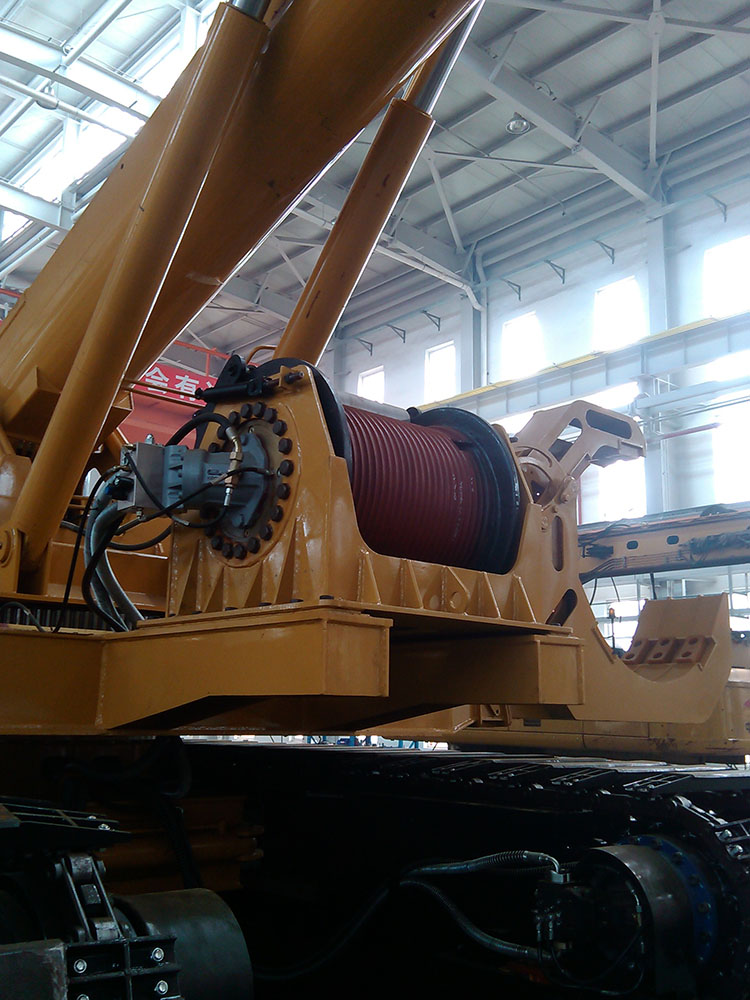
Variable speed electric winches are used in a wide array of industries, including marine, construction, manufacturing, and oil & gas. In the marine sector, they’re essential for boat launches, anchoring, and handling deck cargo. Construction companies utilize them for lifting materials, positioning equipment, and general site operations. Manufacturing plants employ them for moving heavy machinery, tensioning materials, and assisting in assembly processes. The ability to finely control the speed is critical in situations where precision is paramount, preventing damage and ensuring operator safety.
Common Industries:
• Marine & Boating
• Construction
• Manufacturing
• Oil & Gas
• Towing & Recovery
Variable Speed Electric Winch vs. Traditional Winches: A Comparison
While traditional winches serve a purpose, variable speed electric winches offer significant advantages. Traditional winches typically operate at a fixed speed, making precise control difficult. They often rely on manual operation, increasing the risk of operator fatigue and potential errors. Variable speed winches, however, provide smooth, controlled operation with adjustable speed settings. This translates to greater safety, increased efficiency, and reduced potential for damage to lifted materials. Choosing the right winch depends on the application, but for tasks requiring precision and control, a variable speed electric winch is the superior option.
Key Considerations When Choosing a Variable Speed Electric Winch
Selecting the right variable speed electric winch involves considering several factors. First, determine the load capacity needed for your application. Ensure the winch's rated capacity exceeds the maximum weight you intend to lift. Second, consider the line speed requirements. A lower speed provides greater control for delicate operations, while a higher speed is suitable for faster lifting. Third, assess the environmental conditions where the winch will be used. Choose a winch with appropriate protection against corrosion, dust, and extreme temperatures. Finally, consider the power source and ensure compatibility with your existing infrastructure. LBS Winch offers expert guidance to help you select the optimal winch for your specific application.
Product Specifications (Example)
Here's an example of typical specifications you'll find in a variable speed electric winch:
Conclusion: Powering Efficiency with Variable Speed Winches
Investing in a variable speed electric winch can significantly enhance your lifting and pulling operations. The increased control, improved safety, and enhanced efficiency make it a valuable asset for a wide range of industries. LBS Winch provides high-quality winches and expert support to help you find the perfect solution for your needs.
Frequently Asked Questions (FAQs)
What are the benefits of using a variable frequency drive (VFD) in an electric winch?
A VFD allows for precise control of the electric motor's speed, which translates directly to smoother and more controlled lifting and pulling operations. This minimizes stress on the winch components, reduces wear and tear, and prevents sudden jerks that could damage the load. Furthermore, VFDs often improve energy efficiency by allowing the motor to operate at the optimal speed for the given task. This improved control significantly enhances safety and reduces the risk of accidents.
How do I properly maintain a variable speed electric winch?
Regular maintenance is crucial for ensuring the longevity and optimal performance of your winch. This includes lubricating moving parts, inspecting the cable for wear and tear, checking the electrical connections, and ensuring the VFD is functioning correctly. Follow the manufacturer’s recommendations for specific maintenance intervals and procedures. Protecting the winch from exposure to harsh elements and storing it properly when not in use will also contribute to its lifespan.
What safety precautions should I take when operating a variable speed electric winch?
Always wear appropriate personal protective equipment (PPE), including gloves, safety glasses, and steel-toe boots. Ensure the load is properly secured and balanced before lifting. Never exceed the winch’s rated capacity. Maintain a safe distance from the lifting zone and ensure no personnel are directly in the path of the load. Familiarize yourself with the winch's controls and safety features before operation. Regularly inspect the winch for any signs of damage or malfunction.
Can variable speed winches be used in hazardous environments?
Yes, many variable speed electric winches are available in explosion-proof and hazardous location certified configurations. These winches are specifically designed to operate safely in environments where flammable gases or dusts are present. It’s critical to select a winch that is certified for the specific hazard class and zone of the operating environment. Contact LBS Winch to discuss hazardous environment winch options.
-
The Ultimate Guide to Gear Steels for Durability and PerformanceNewsApr.16,2026
-
High Performance Gear Stainless Steel for Industrial DurabilityNewsApr.09,2026
-
Comprehensive Guide to Steel Bevel Gears Applications and SelectionNewsApr.07,2026
-
Comprehensive Guide to Durable Stainless Steel Miter Gears and ApplicationsNewsApr.04,2026
-
Comprehensive Guide to Steel Spur Gears Functionality and ApplicationsNewsMar.31,2026
-
Comprehensive Guide to Durable Stainless Steel Spur Gears and Their ApplicationsNewsMar.28,2026