Choosing the Right Electric Wire Rope Winch for Optimal Performance
Choosing the Right Electric Wire Rope Winch for Your Needs
Selecting the appropriate electric wire rope winch is crucial for a wide range of applications, from construction and marine industries to material handling and beyond. These winches offer a powerful and efficient solution for lifting, pulling, and positioning heavy loads. This article will explore the key considerations when choosing an electric winch, covering factors like load capacity, drum capacity, power supply, and safety features. Understanding these elements will help you make an informed decision and ensure optimal performance and longevity.
Understanding Electric Wire Rope Winch Basics
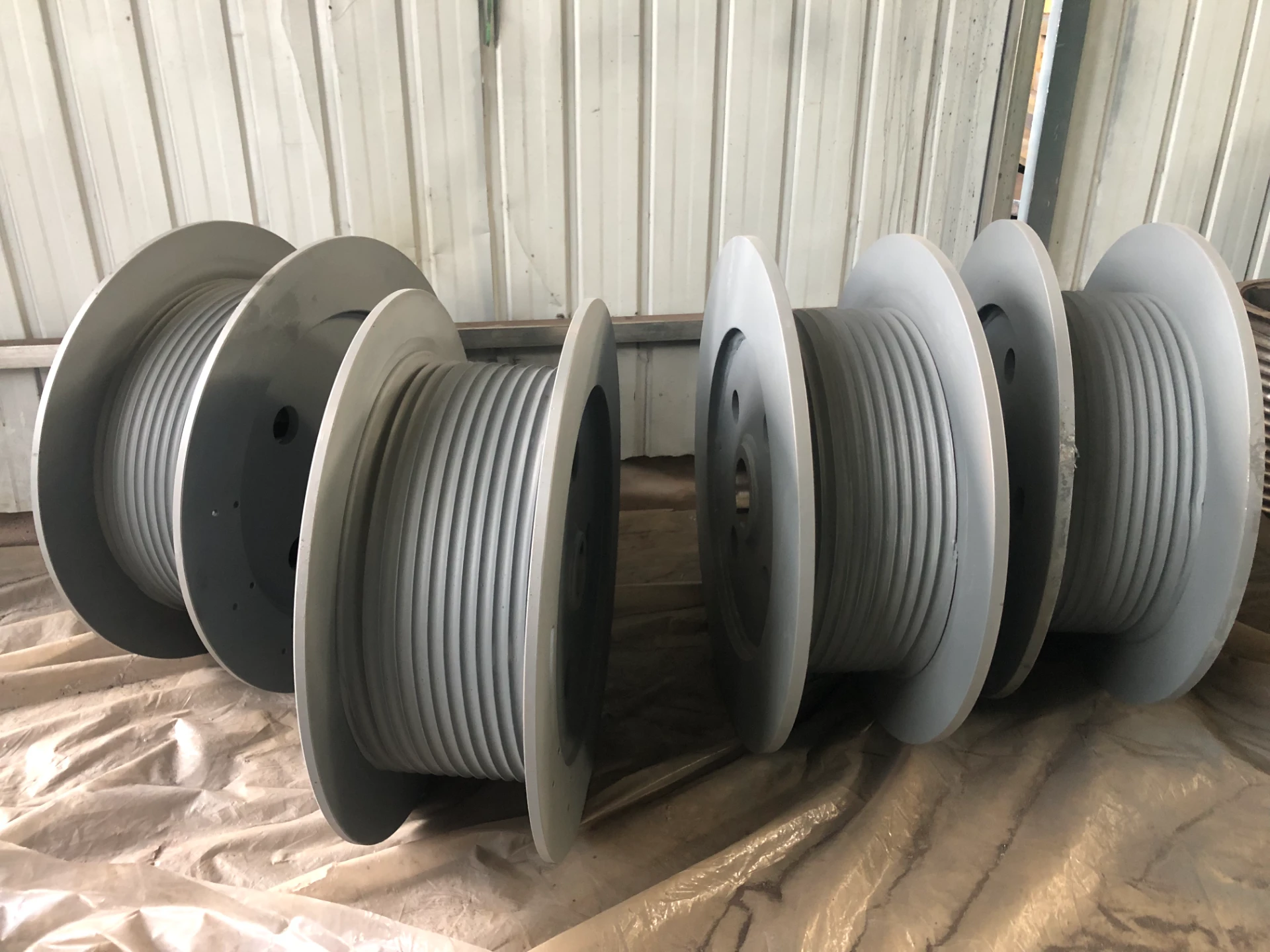
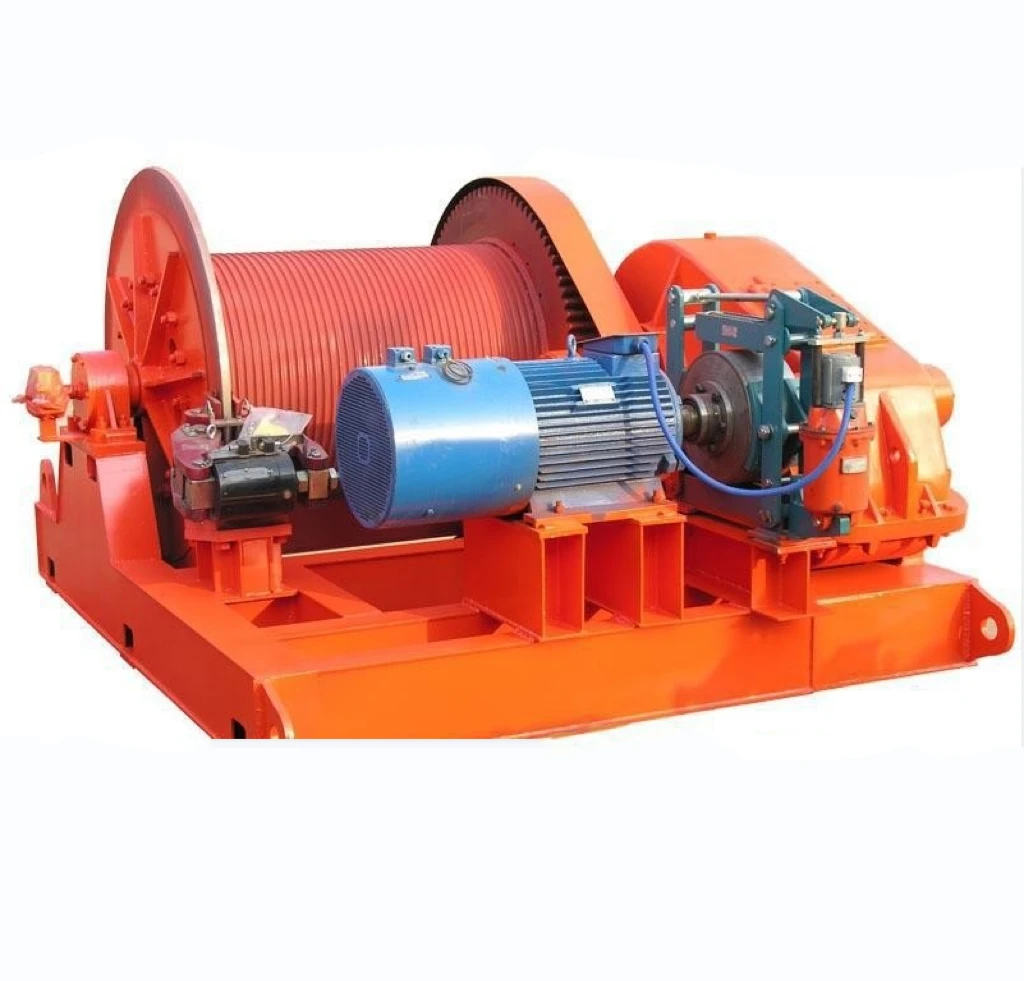
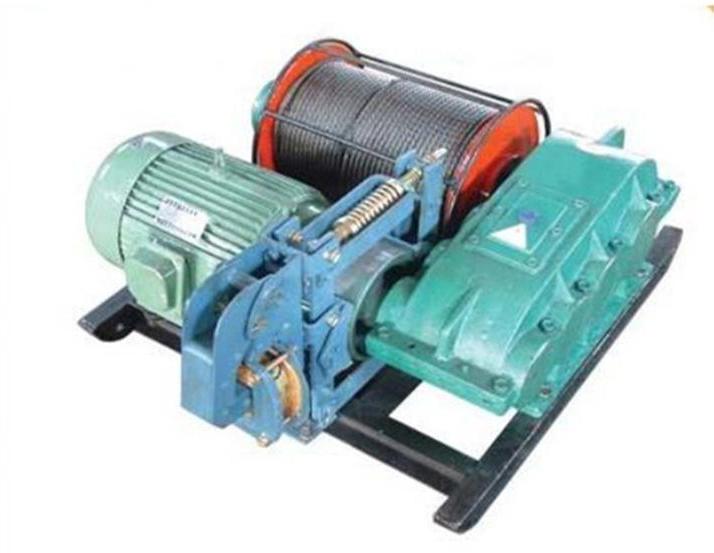
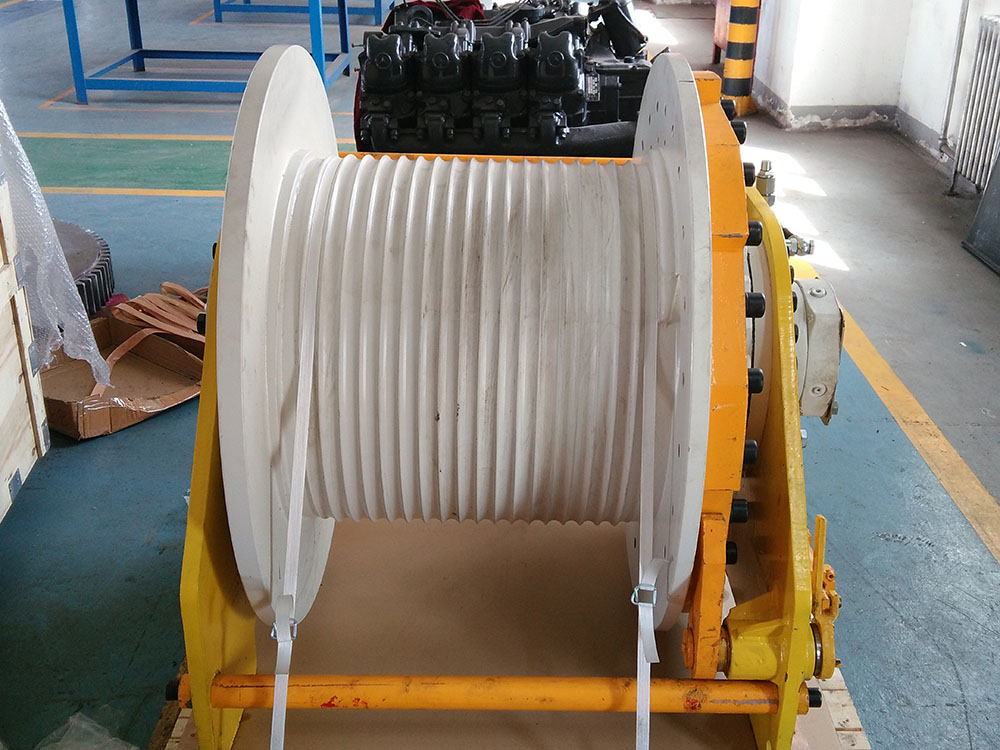
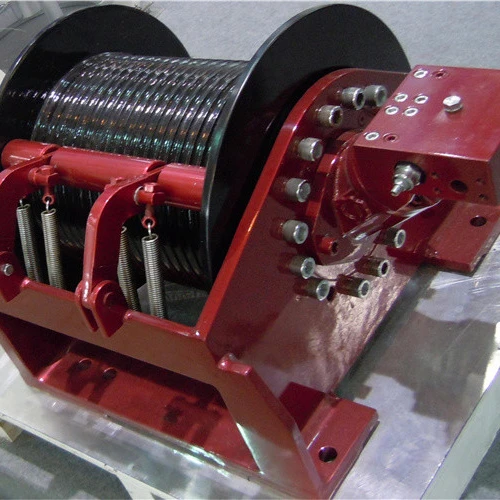
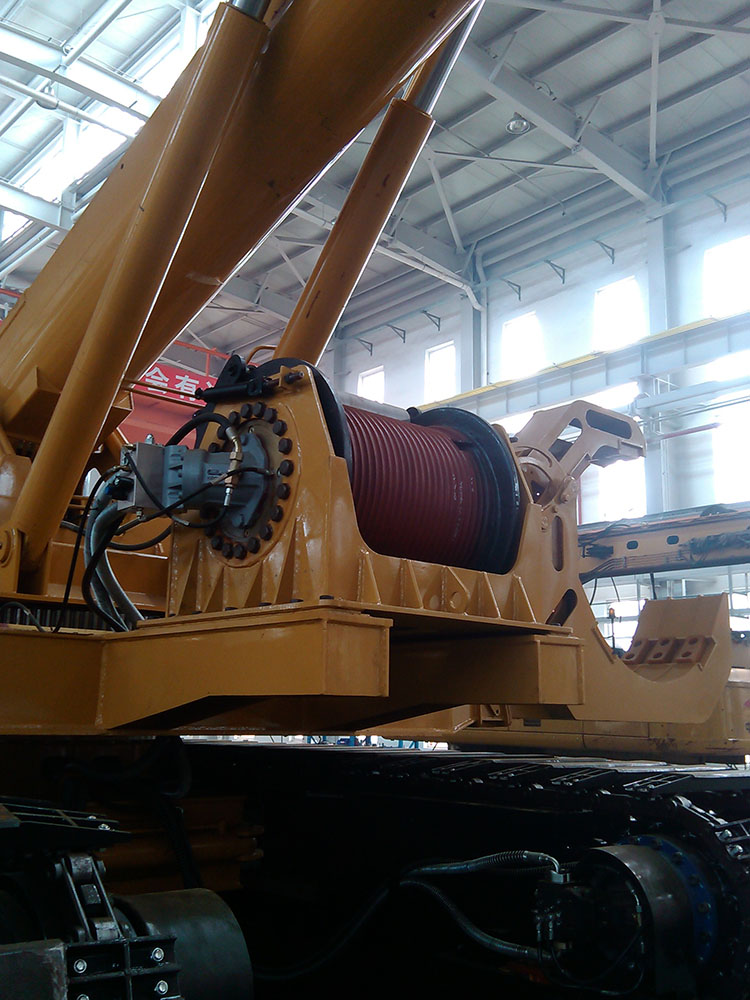
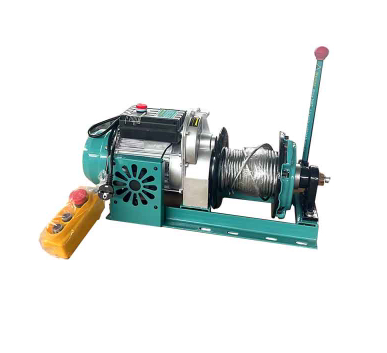
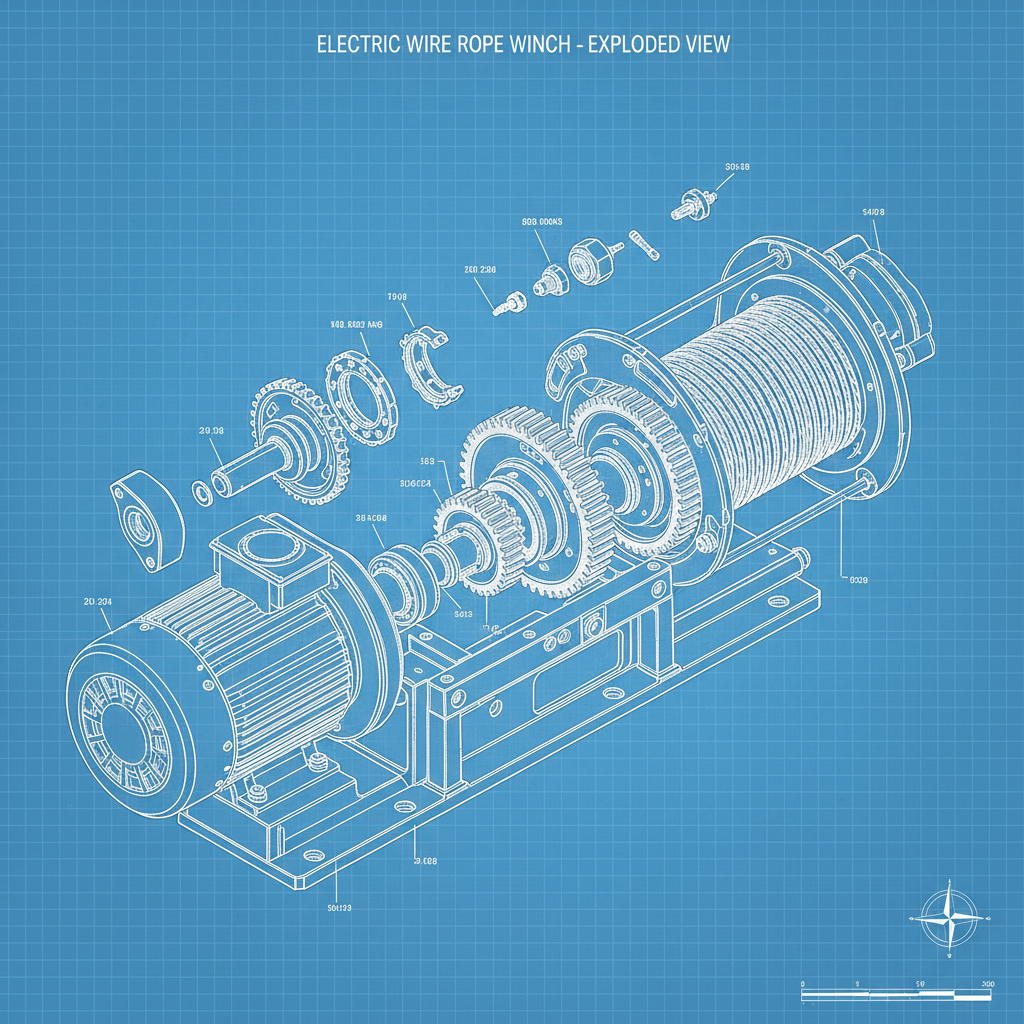
An electric wire rope winch utilizes an electric motor to drive a drum, around which a wire rope is wound. This allows for the controlled lifting and lowering of loads. These winches are often preferred over manual or hydraulic models due to their speed, efficiency, and ease of operation. Key components include the motor, gear reducer, brake system, drum, and wire rope. The gear reducer increases the motor’s torque, enabling it to handle heavier loads. A robust brake system is essential for safety, preventing loads from accidentally slipping. Choosing the correct specifications for each component is vital for a successful and safe operation.
Key Benefits: Efficiency, ease of operation, precise control, and ability to handle heavy loads. Reduced physical strain compared to manual winches.
Key Considerations When Selecting an Electric Wire Rope Winch
Several critical factors must be considered when choosing an electric wire rope winch. Firstly, determine the maximum load capacity required for your application. It's advisable to select a winch with a capacity slightly exceeding your typical load to provide a safety margin. Secondly, assess the necessary drum capacity, considering the length of wire rope needed for your lifting height and application. The power supply (voltage and phase) must also be compatible with your available electrical infrastructure. Finally, pay close attention to safety features such as overload protection, emergency stop buttons, and reliable brake systems.
Important Selection Criteria:
• Load Capacity: Ensure the winch can safely handle the maximum load.
• Drum Capacity: Sufficient wire rope length for your application.
• Power Supply: Compatible voltage and phase.
• Safety Features: Overload protection, emergency stops, reliable brakes.
Comparing Electric Winch Types and Features
Electric wire rope winches come in various configurations, each suited to specific applications. Common types include geared winches, permanent magnet winches, and hydraulic winches with electric power packs. Geared winches are robust and reliable, ideal for heavy-duty applications. Permanent magnet winches offer precise control and are often used in applications requiring frequent starting and stopping. The choice depends on your specific needs, considering factors like cost, efficiency, and maintenance requirements.
Safety Considerations for Electric Wire Rope Winch Operation
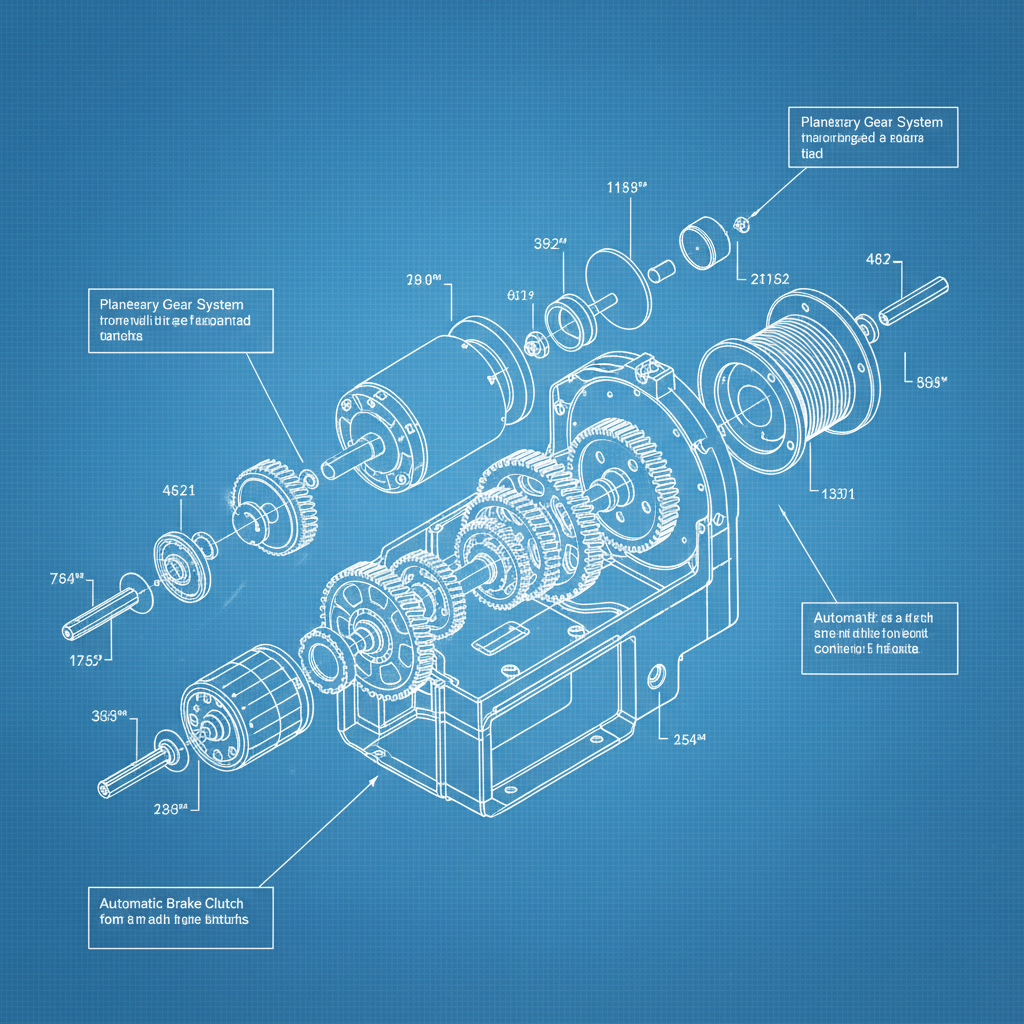
Safety is paramount when operating an electric wire rope winch. Always inspect the winch and wire rope before each use for any signs of damage. Ensure the load is securely attached and properly balanced. Never exceed the winch’s rated load capacity. Keep personnel clear of the load path during lifting and lowering operations. Regular maintenance, including lubrication and inspection of the brake system, is essential for safe and reliable operation. Always follow the manufacturer’s instructions and safety guidelines.
Conclusion: Choosing the Right Winch for Your Success
Selecting the right electric wire rope winch is an investment in efficiency, safety, and long-term productivity. By carefully considering your application’s specific requirements, prioritizing safety features, and choosing a reputable supplier like LBS Winch, you can ensure optimal performance and reliability. Don’t compromise on quality – choose a winch that’s built to last.
Frequently Asked Questions (FAQs)
What is the typical lifespan of an electric wire rope winch?
The lifespan of an electric wire rope winch varies depending on usage, maintenance, and environmental conditions. With proper care and regular maintenance, a high-quality winch can last for 10-15 years or even longer. However, factors like heavy use, exposure to corrosive environments, and lack of lubrication can significantly reduce its lifespan. Regular inspections and adherence to the manufacturer's maintenance schedule are crucial for maximizing the winch's operational life.
What maintenance is required for an electric wire rope winch?
Regular maintenance is essential for ensuring the safe and reliable operation of an electric wire rope winch. This includes lubricating moving parts, inspecting the wire rope for wear and tear, checking the brake system for proper function, and tightening any loose bolts or connections. It's also important to regularly inspect the electrical components and ensure they are free from damage. Refer to the manufacturer’s manual for a detailed maintenance schedule and specific recommendations.
What safety features should I look for in an electric winch?
Essential safety features include an overload protection system that automatically stops the winch if the load exceeds its capacity, an emergency stop button for immediate shutdown, and a reliable brake system to prevent uncontrolled lowering of the load. Look for winches that comply with relevant safety standards and certifications. Additionally, a wire rope slack switch can prevent the rope from spooling off the drum and creating a hazardous situation.
-
The Ultimate Guide to Gear Steels for Durability and PerformanceNewsApr.16,2026
-
High Performance Gear Stainless Steel for Industrial DurabilityNewsApr.09,2026
-
Comprehensive Guide to Steel Bevel Gears Applications and SelectionNewsApr.07,2026
-
Comprehensive Guide to Durable Stainless Steel Miter Gears and ApplicationsNewsApr.04,2026
-
Comprehensive Guide to Steel Spur Gears Functionality and ApplicationsNewsMar.31,2026
-
Comprehensive Guide to Durable Stainless Steel Spur Gears and Their ApplicationsNewsMar.28,2026