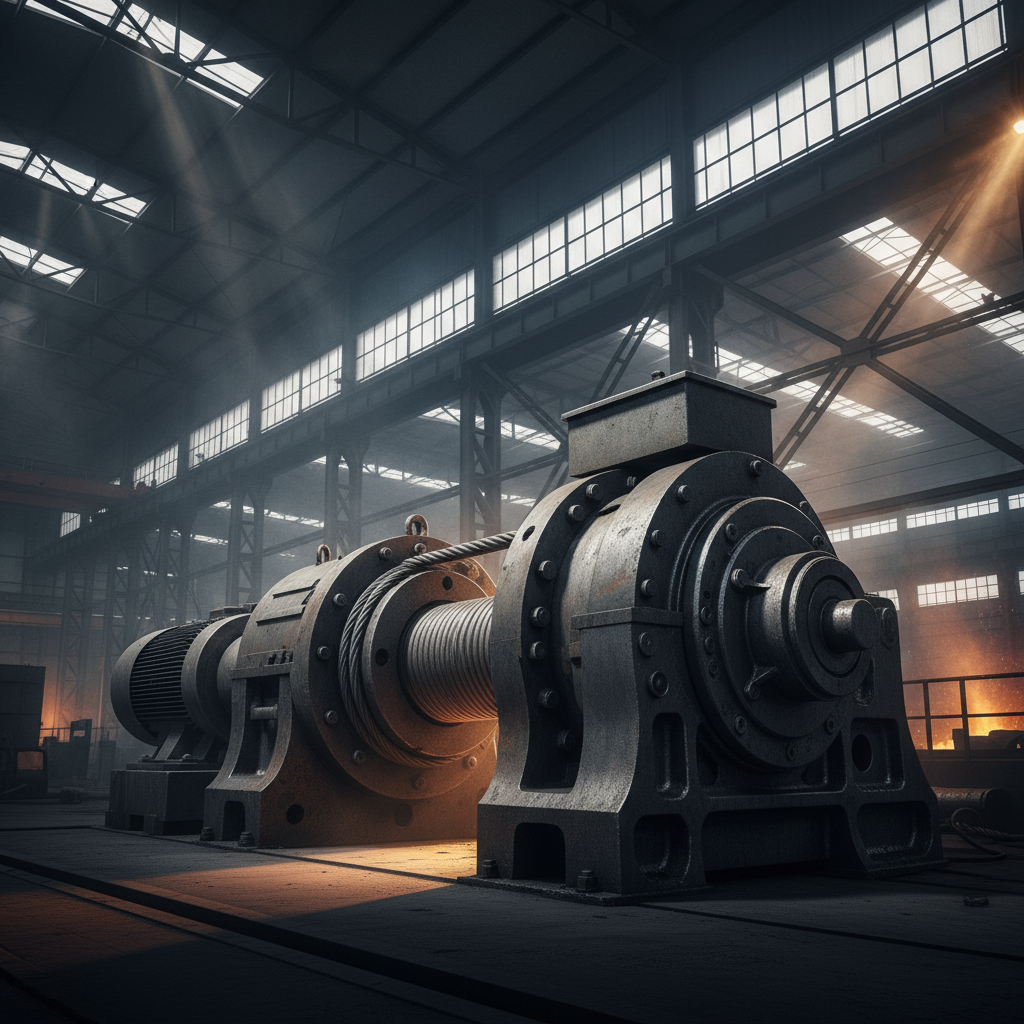
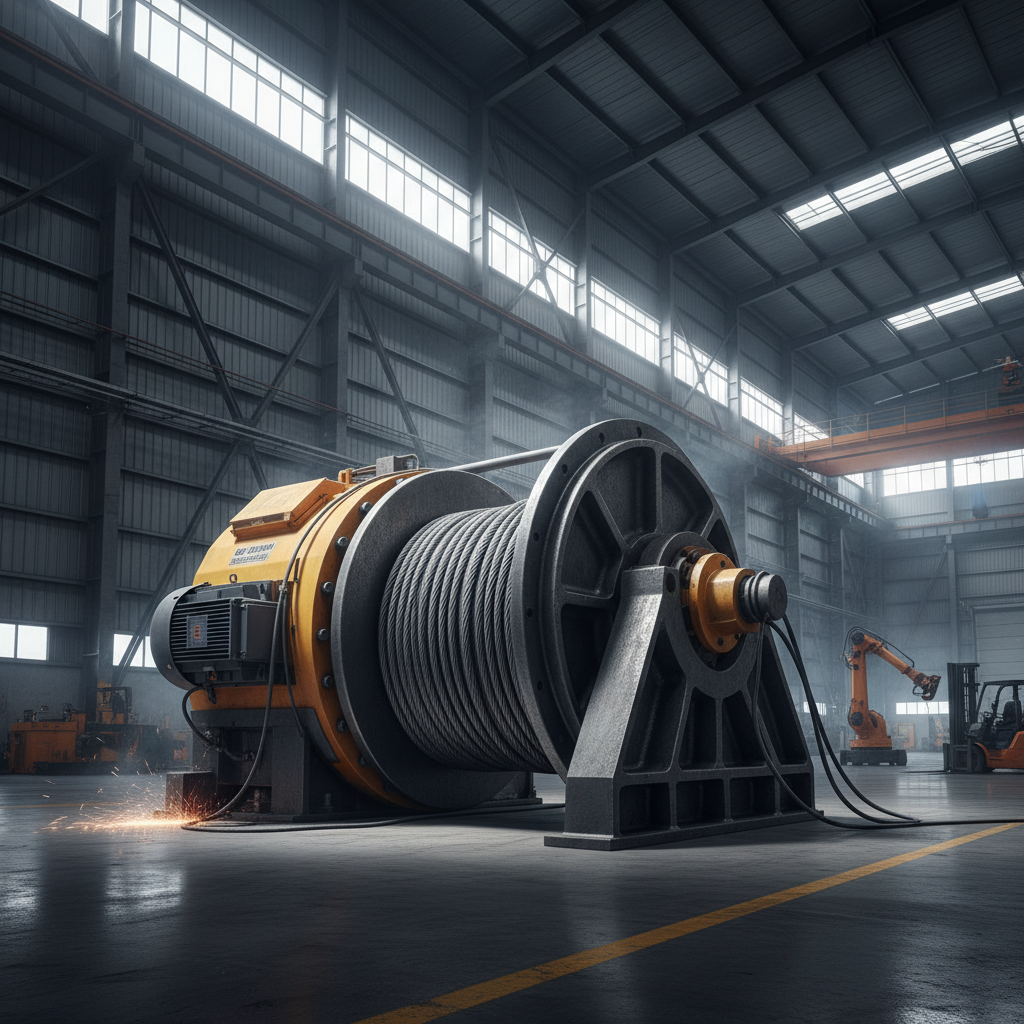
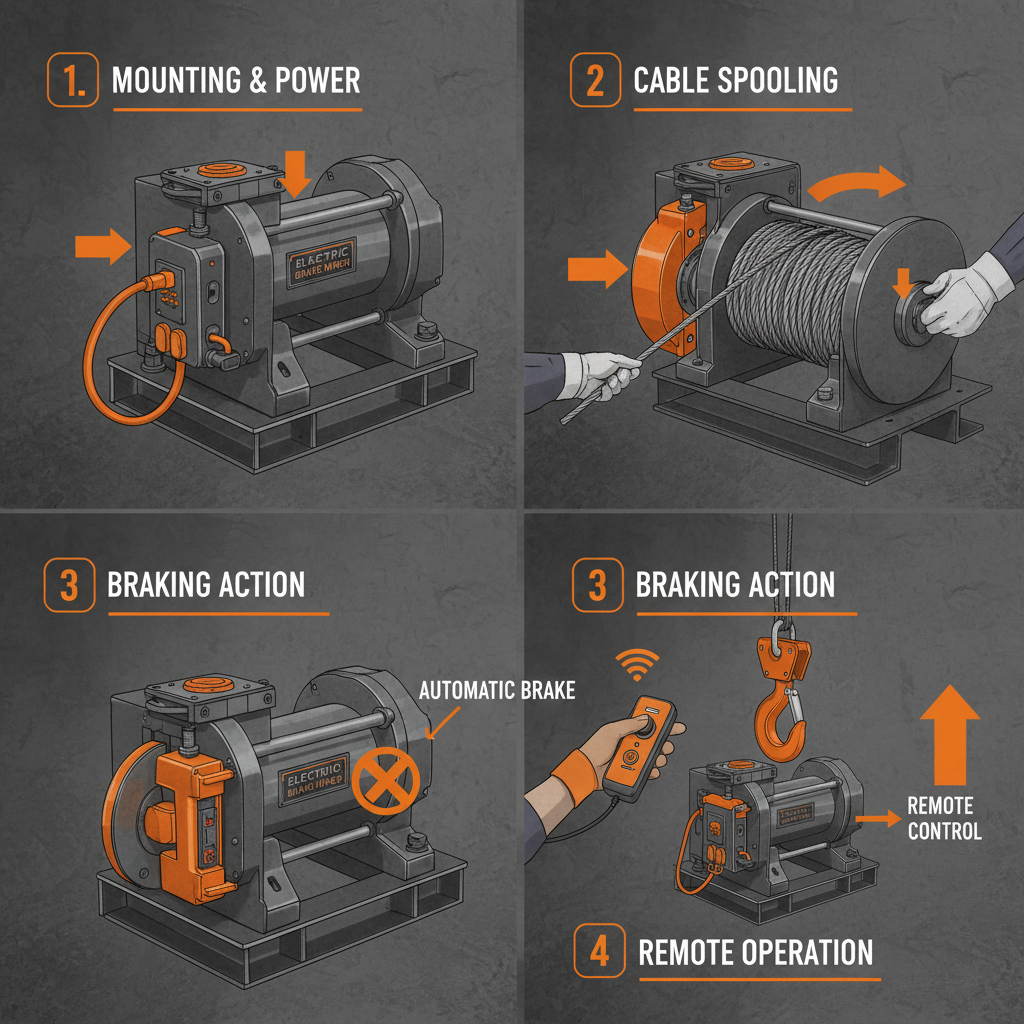
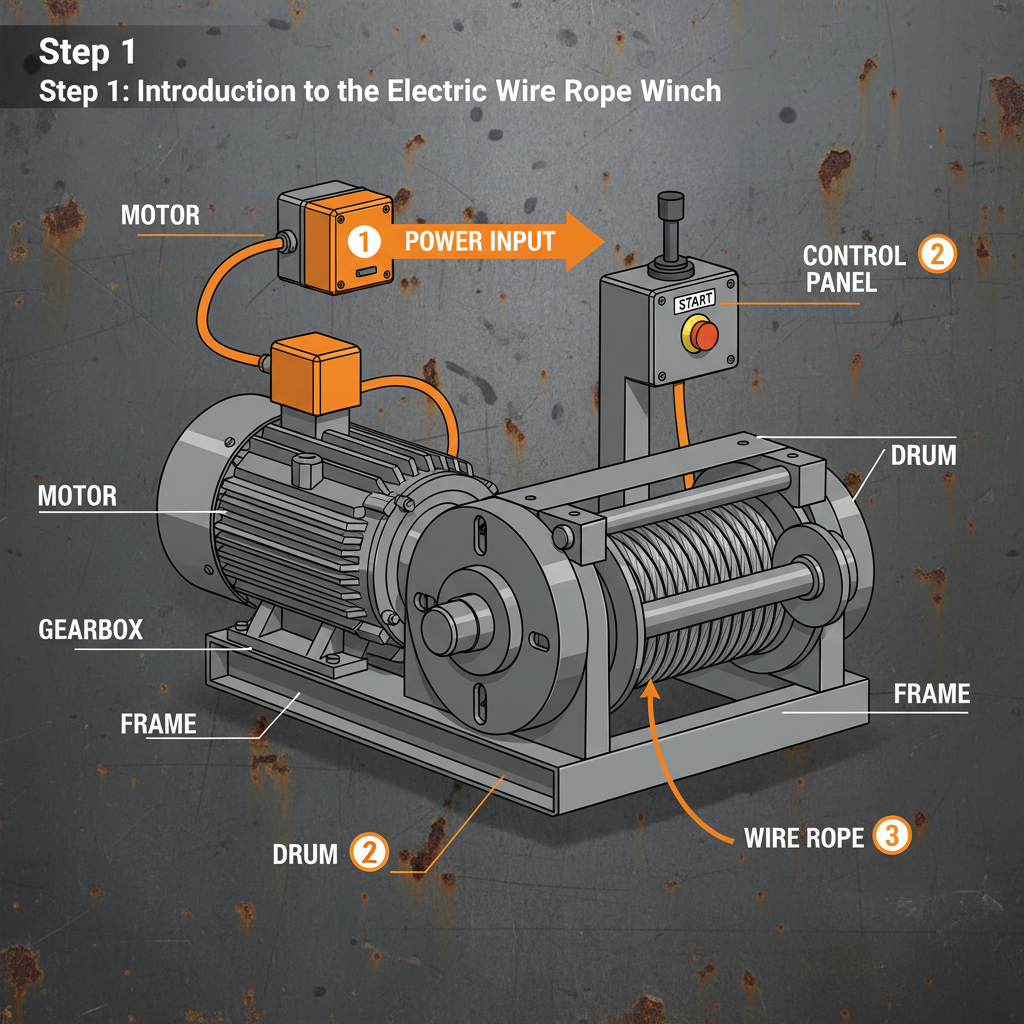
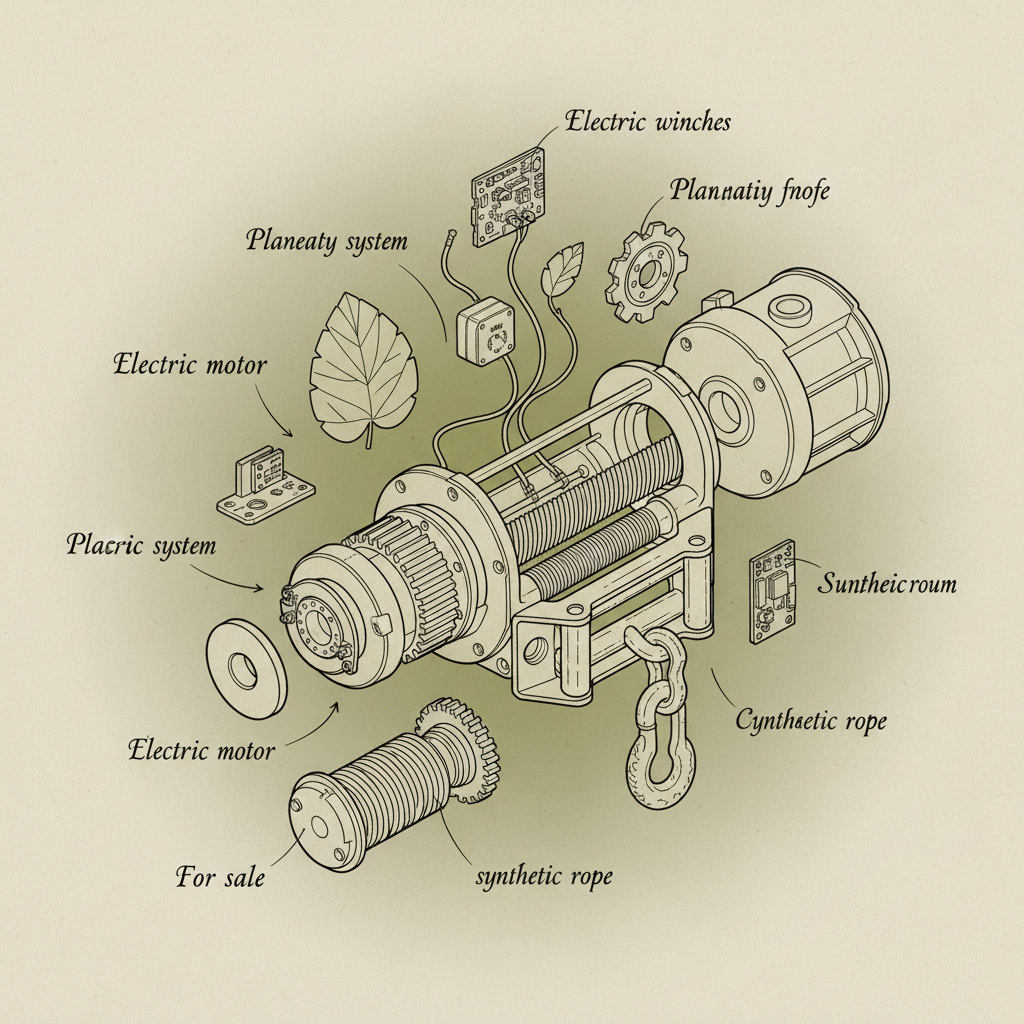
Heavy duty electric winches are indispensable tools across a vast spectrum of industries and applications globally. Their robust design and powerful capabilities make them critical for tasks ranging from marine operations and construction to recovery services and industrial lifting. The increasing demand for efficient and safe lifting solutions fuels the continued innovation and adoption of these vital machines. Understanding the principles and applications of a heavy duty electric winch is paramount for professionals across numerous sectors.
The global market for electric winches, particularly those categorized as heavy duty, is experiencing substantial growth, driven by infrastructure development in emerging economies and stringent safety regulations in developed nations. According to recent reports, the lifting and hoisting equipment market is projected to reach billions of dollars in the coming years, with electric winches constituting a significant portion. This growth necessitates a thorough understanding of the technology, its limitations, and best practices for implementation.
A heavy duty electric winch offers a reliable and controlled method for moving or pulling heavy loads, often in situations where manual labor or other mechanical means are impractical or unsafe. These winches provide precision, power, and safety, significantly contributing to project efficiency and worker wellbeing. As industries increasingly prioritize automation and safety, the role of the heavy duty electric winch will only become more prominent.
The Significance of Heavy Duty Electric Winches
The importance of heavy duty electric winches stems from their ability to overcome significant mechanical challenges in diverse operational environments. They are crucial for lifting, pulling, and positioning heavy objects with precision and control, reducing reliance on manual labor and enhancing workplace safety. Their widespread use highlights their value in optimizing industrial processes.
These winches aren't simply tools; they are essential components of larger systems – from offshore oil platforms and cargo ships to construction sites and rescue operations. The reliability and efficiency of a heavy duty electric winch directly impacts the productivity and safety of these operations, making proper selection and maintenance paramount.
Defining Heavy Duty Electric Winches
A heavy duty electric winch is a mechanical device designed to wind a rope or cable around a drum, using an electric motor to provide the necessary pulling or lifting force. Unlike lighter-duty winches, these are engineered to handle substantial loads consistently and reliably, often exceeding several tons. The term ‘heavy duty’ denotes a robust construction, premium materials, and advanced safety features.
The core function of a heavy duty electric winch is to convert rotational motion from the electric motor into linear force. This process allows for the controlled movement of heavy objects that would be impossible or dangerously difficult to move manually. They are integral to modern industrial processes and play a vital role in responding to critical situations.
The connection to modern industry and humanitarian needs is undeniable. In construction, they lift materials; in marine environments, they secure vessels; and in disaster relief, they clear debris and facilitate rescue operations. They represent a vital link in the chain of logistical support, enabling complex tasks to be completed safely and efficiently.
Key Components and Operational Factors
Several key factors define the performance and reliability of a heavy duty electric winch. These include the motor’s power and efficiency, the drum capacity and material, the gear system’s ratio and durability, and the braking system’s responsiveness and safety features. Proper integration of these components is critical for optimal performance.
Operational factors also play a crucial role. These encompass the load weight, the rope or cable type, the operating environment (temperature, humidity, exposure to corrosive substances), and the frequency and duration of use. Understanding these factors and selecting the appropriate winch configuration are essential for safe and efficient operation.
The control system, whether manual or automated, significantly influences operational precision and safety. Modern winches often incorporate advanced control features such as variable speed control, load monitoring, and remote operation, allowing for enhanced control and improved operator safety.
Performance Characteristics of Heavy Duty Electric Winches
The performance of a heavy duty electric winch is determined by several key characteristics, including its rated line pull (the maximum weight it can pull), rope speed, and duty cycle (the percentage of time it can operate at its rated load). These characteristics are often specified in the winch’s technical documentation.
Another crucial metric is the safety factor, which represents the ratio of the winch's breaking strength to its rated load. A higher safety factor indicates a more robust and reliable winch. Furthermore, the winch’s efficiency (the ratio of output power to input power) impacts its energy consumption and operating costs.
Heavy Duty Electric Winch Performance Metrics
Global Applications and Industry Integration
Heavy duty electric winches find applications across a wide range of industries. In the marine sector, they are used for anchoring, mooring, and towing vessels. In construction, they lift and position heavy materials, such as steel beams and prefabricated components. In the oil and gas industry, they are essential for offshore platform maintenance and equipment installation.
In post-disaster relief operations, heavy duty electric winches are deployed to clear debris, recover vehicles, and assist in rescue efforts. They are also prevalent in material handling within manufacturing facilities and logistics centers. Regionally, their demand is high in areas undergoing rapid infrastructure development, like parts of Asia and Africa.
Advantages and Long-Term Value Proposition
The advantages of using a heavy duty electric winch extend beyond sheer lifting power. They offer precise control, enhancing safety and efficiency. Compared to hydraulic or pneumatic winches, electric models often require less maintenance and offer cleaner operation, reducing environmental impact. The cost of operation can also be lower due to reduced energy consumption.
The long-term value proposition is further strengthened by their durability and reliability. With proper maintenance, a heavy duty electric winch can provide years of dependable service, minimizing downtime and maximizing return on investment. Furthermore, the incorporation of advanced safety features safeguards both personnel and equipment, reducing the risk of accidents and liabilities.
Future Trends and Technological Advancements
The future of heavy duty electric winches is being shaped by several key trends, including the integration of smart technologies, the use of advanced materials, and a growing emphasis on sustainability. Wireless control systems, remote monitoring capabilities, and predictive maintenance algorithms are becoming increasingly common.
The development of lighter and stronger materials, such as high-strength steel alloys and composite materials, is leading to winches with improved performance and reduced weight. Furthermore, the adoption of energy-efficient motors and regenerative braking systems is contributing to a reduction in energy consumption and carbon emissions. The trend towards automation and integration with robotic systems will further enhance efficiency and safety.
The demand for variable frequency drives (VFDs) is growing, allowing for precise speed control and smoother operation. These advancements will ultimately lead to more efficient, reliable, and sustainable heavy duty electric winch solutions.
Core Analysis of Future Trends in Heavy Duty Electric Winch Technology
| Trend Category |
Technology Focus |
Impact on Performance |
Adoption Rate (1-10) |
| Automation |
Robotic Integration, AI-Powered Control |
Increased Precision, Reduced Operator Fatigue |
6 |
| Materials Science |
High-Strength Alloys, Composite Materials |
Reduced Weight, Improved Durability |
7 |
| Energy Efficiency |
VFDs, Regenerative Braking |
Lower Operating Costs, Reduced Emissions |
8 |
| Connectivity |
IoT Sensors, Remote Monitoring |
Predictive Maintenance, Enhanced Safety |
5 |
| Control Systems |
Wireless Controls, HMI Integration |
Increased Flexibility, Improved Operator Interface |
6 |
| Safety Features |
Load Limiters, Emergency Stop Systems |
Reduced Accident Risk, Improved Workplace Safety |
9 |
FAQS
With consistent maintenance, including lubrication, inspection of cables and components, and adherence to recommended operating limits, a heavy duty electric winch can typically last between 10 to 20 years. The actual lifespan depends heavily on the severity of use, the operating environment, and the quality of the initial construction. Proper storage when not in use also significantly extends its longevity.
Essential safety features include an overload protection system to prevent exceeding the winch's rated capacity, a dynamic braking system for controlled lowering and stopping, a rope/cable wear indicator to identify potential failures, and emergency stop functionality. Regular inspection and testing of these features are vital for safe operation.
Wire ropes and cables should be inspected frequently – ideally before each use – for signs of wear, fraying, corrosion, or damage. A comprehensive inspection should be performed by a qualified professional at least annually. Replacement is necessary when wear exceeds allowable limits, or if any significant damage is detected, ensuring safe operation and preventing catastrophic failure.
AC winches generally offer higher power and efficiency, making them suitable for continuous, heavy-duty applications. They require access to an AC power source. DC winches are often more compact and can operate on battery power, making them ideal for mobile applications or areas without readily available AC power. The choice depends on the specific power source and operational requirements.
Environmental factors like temperature extremes, humidity, corrosive substances, and dust can significantly affect a heavy duty electric winch. Extreme temperatures can affect motor performance and lubricant viscosity. Corrosion can damage components. Regular cleaning, protective coatings, and using winches designed for specific environments are essential for maintaining reliability.
The gear ratio determines the trade-off between line speed and pulling power. A lower gear ratio provides higher speed but lower pulling force, while a higher gear ratio offers greater pulling force but slower speed. Selecting the appropriate gear ratio is critical for matching the winch’s capabilities to the specific application's requirements, ensuring efficient and safe operation.
Conclusion
Heavy duty electric winches are fundamental tools that power a wide range of industries and critical operations, from construction and marine to disaster relief and industrial logistics. Their reliability, power, and precision make them indispensable for efficiently and safely handling heavy loads. Understanding the core components, performance characteristics, and future trends associated with these winches is essential for professionals across numerous disciplines.
Looking ahead, the integration of smart technologies, advanced materials, and a focus on sustainability will continue to drive innovation in the heavy duty electric winch sector. By embracing these advancements, we can unlock even greater levels of efficiency, safety, and environmental responsibility. For expert advice and a wide range of high-quality heavy duty electric winches, visit our website: www.lbswinch.com.