Comprehensive Guide to 8000 lb Hydraulic Winches for Industrial & Humanitarian Use
Understanding the 8000 lb Hydraulic Winch: Why It Matters Worldwide
When it comes to heavy lifting and pulling in industrial and humanitarian operations, the 8000 lb hydraulic winch stands out as a reliable, powerful solution. But why is this relatively niche piece of equipment gaining global prominence? Well, the challenges of moving massive loads safely and efficiently are universal — from disaster relief zones to remote mining sites, the demand for effective winching gear is steadily climbing. Understanding what makes an 8000 lb capacity hydraulic winch tick can unlock insights into everything from logistics to safety and long-term operational savings.
In practical terms, mastering this technology helps industries overcome tough conditions where electric winches might fail or where manual labor simply can't. It’s not just about brute strength — it’s about precision, control, and dependability in demanding environments.
Why the 8000 lb Hydraulic Winch is a Global Industry Workhorse
According to ISO and UN reports, heavy-duty industrial operations have grown by over 15% globally in the past decade, particularly in construction, oil and gas extraction, and emergency response sectors. The 8000 lb hydraulic winch addresses a crucial bottleneck: achieving robust pulling power safely in locations where electricity may be unreliable or unavailable.
For example, during disaster relief efforts, large loads such as vehicles, structural debris, or even temporary infrastructure need careful repositioning. Hydraulic winches, powered by onsite hydraulic systems rather than fragile electric motors, tend to withstand harsh conditions better and provide consistent force output without overheating — a critical advantage where human lives and expensive equipment are involved.
In remote industrial zones — consider mining operations in parts of Africa or Alaska — the winch’s capability to handle tough terrain and heavy payloads without frequent breakdowns directly improves productivity and worker safety. The challenge remains: how to pick a winch that balances durability, price, and performance without overengineering.
What Exactly is an 8000 lb Hydraulic Winch?
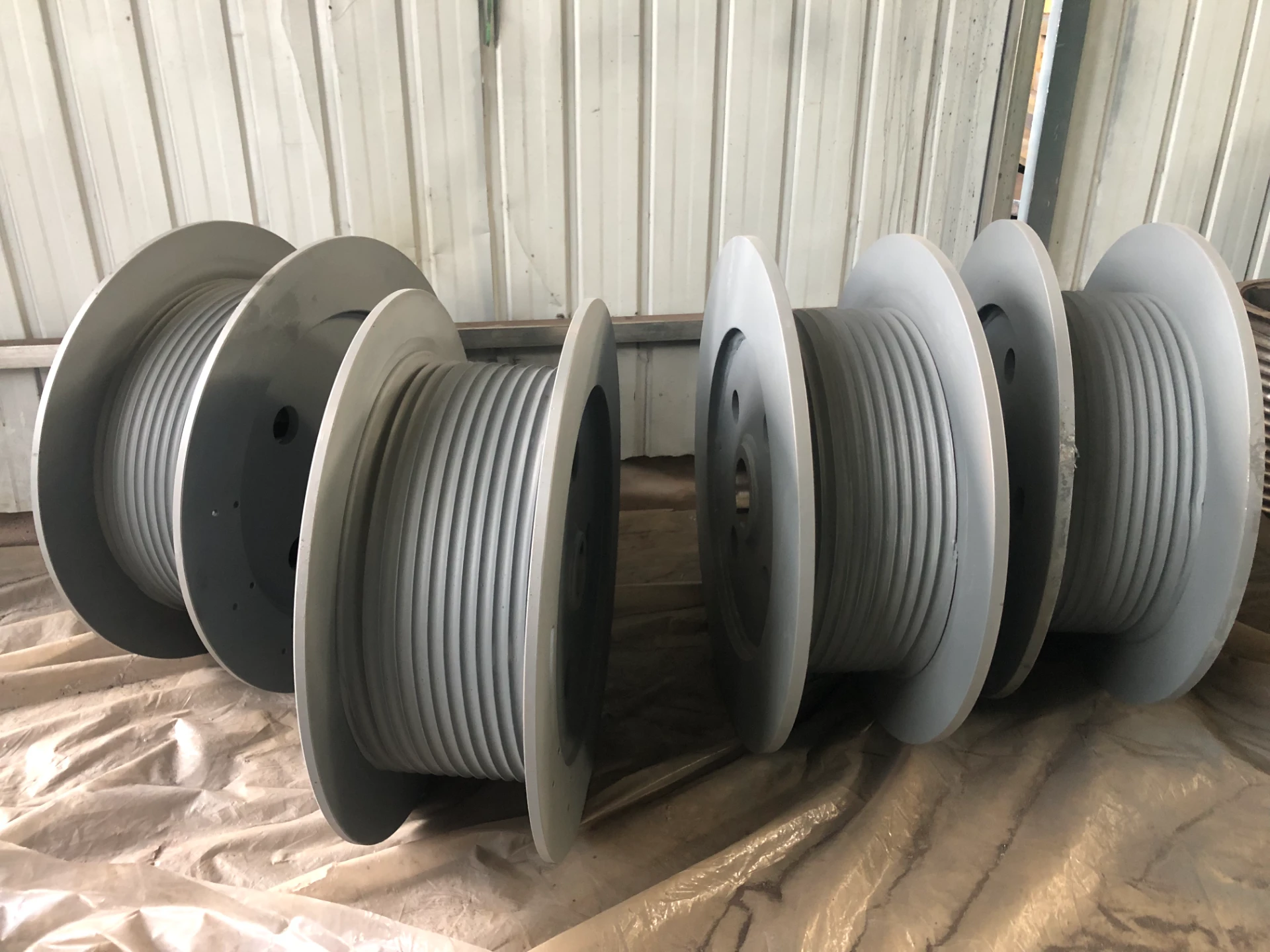
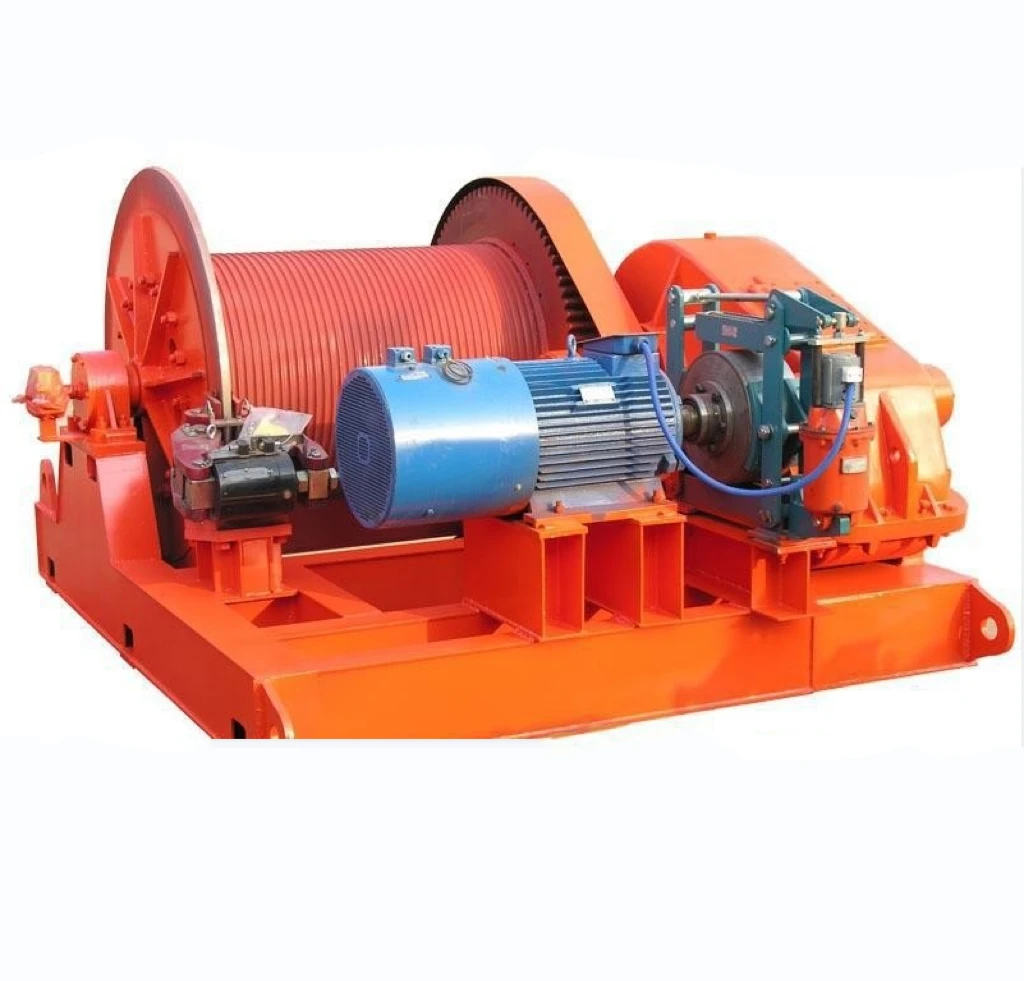
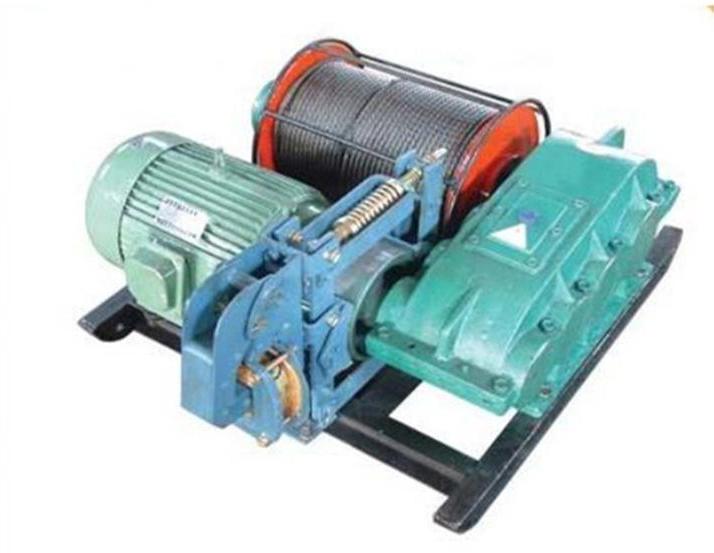
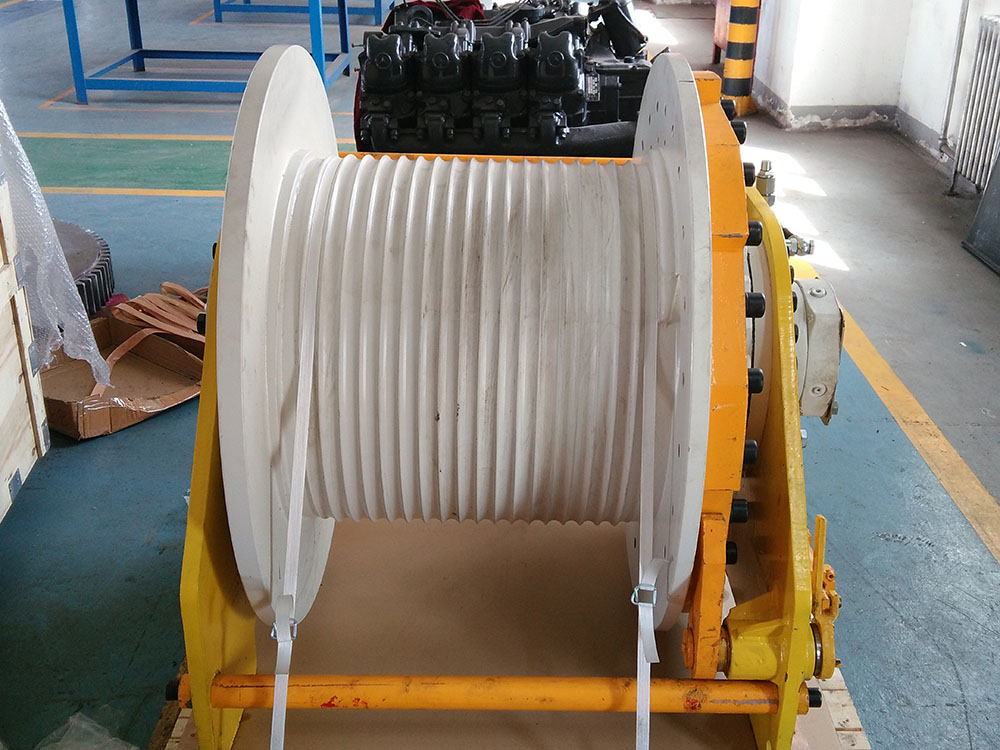
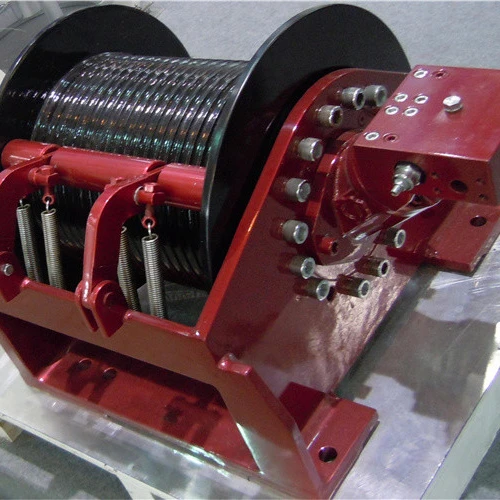
At its core, an 8000 lb hydraulic winch is a pulling device designed to exert a pulling force capable of moving 8,000 pounds (about 3,628 kilograms) of load. Powered by hydraulic fluid pressure, these winches convert hydraulic energy into mechanical torque applied to a spool or drum around which the cable is wound.
The logic behind hydraulic winches is simple but elegant — using pressurized fluid minimizes electrical vulnerabilities and harnesses the consistent power from externally supplied hydraulic lines, often from industrial vehicles or dedicated pumps.
Industries benefit from these devices because they afford precision control and feature better heat dissipation compared to their electric counterparts, making them suited for continuous or heavy-duty operation under tough environmental conditions.
Mini Takeaway:
- An 8000 lb hydraulic winch is all about combining strong mechanical force with operational reliability, primarily where electricity isn’t an option or is risky.
Key Factors that Define High-Performance Hydraulic Winches
Durability and Material Quality
These winches are often subjected to harsh environments — mud, saltwater, rocky terrain. Manufacturers rely on rugged materials like high-tensile steel drums and corrosion-resistant coatings. It’s not just about strength but also resisting wear and weather over years.
Power and Hydraulic Compatibility
The hydraulic systems’ pressure ratings and flow rates must match the winch’s design. A mismatch can cause inefficiency or damage. Many vendors offer customizable flow valves to optimize speed and pulling power depending on available pump capacity.
Control and Safety Features
Modern hydraulic winches incorporate fine control mechanisms ranging from manual levers to electronic proportional controls, sometimes combined with remote operation for safety. Brake systems are usually fail-safe to prevent sudden cable slippage.
Scalability and Mounting Versatility
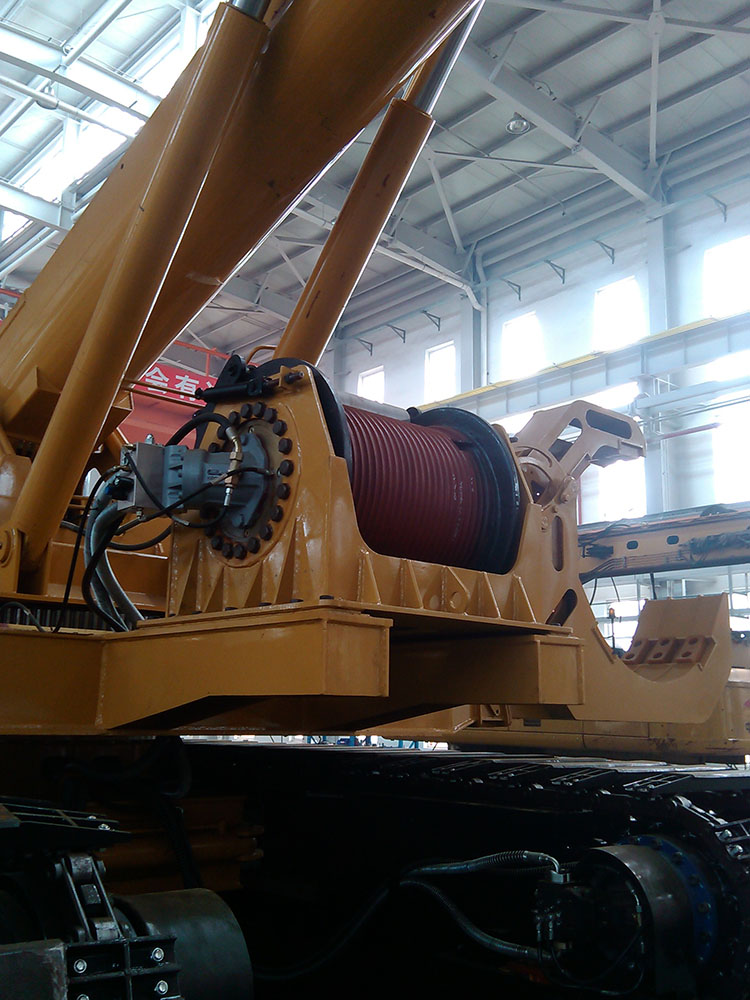
Mounting options vary — from skid-mounted to vehicle integrated. This affects how easily a winch can be deployed across different applications, critical for organizations juggling diverse project sites.
Cost Efficiency and Maintenance
Though hydraulic winches can have higher upfront costs than electric models, their service life and lower energy consumption often result in lower total cost of ownership. Maintenance is simplified when the hydraulic system is already part of existing equipment.
Mini Takeaway:
- Choosing the right 8000 lb hydraulic winch means factoring in materials, system compatibility, safety, and long-term pricing — not just raw power.
Where Do 8000 lb Hydraulic Winches Make a Difference?
Across the globe, their applications span:
- Disaster Relief Operations: After earthquakes or floods, winches help clear debris, recover vehicles, and stabilize temporary shelters.
- Forestry and Logging: Winches pull heavy logs across uneven terrain.
- Oil and Gas Fields: Whether offshore or onshore, winches move drilling equipment or pipe sections.
- Mining Sites: In the toughest, most remote locations, they aid in hauling materials and equipment.
- Military and Rescue Missions: Hard, demanding operations often rely on hydraulics for reliability and speed.
Countries with rugged geography and developing infrastructure particularly benefit, as the reliance on electricity is spotty and hazardous. For example, South America’s remote Amazon regions deploy hydraulic winches for infrastructure installs and rescue calls.
Advantages and Long-Term Value of Hydraulic Winches
The benefits spread far beyond just pulling heavy stuff:
- Reliability: Less prone to overheating or electrical failure, meaning fewer breakdowns during critical work.
- Safety and Precision: Operators enjoy finer control with hydraulic systems, reducing accidents.
- Eco-Friendly Operation: Hydraulics can integrate with green power sources and use less energy overall.
- Cost-Effective: Although pricier upfront, life-cycle costs often favor hydraulics.
- Emotional Assurance: Workers trust equipment that "just works," especially in emergencies — that peace of mind is huge.
Future Trends & Innovations in the Hydraulic Winch World
Hydraulic winches aren’t standing still. The future is leaning into:
- Digital Controls: Wireless remote systems with feedback loops improving precision and diagnostics.
- Lightweight Materials: Composites and enhanced alloys reducing weight without sacrificing strength.
- Green Hydraulic Fluids: Biodegradable, less toxic fluids improving environmental impact.
- Automation: Integration with AI for predictive maintenance and adaptive load control.
Imagine a winch that not only pulls but “knows” its limits and communicates status in real-time. It’s happening, though slowly — cost and ruggedness still dictate pace.
Common Challenges and How Experts Tackle Them
Challenges? Plenty. Hydraulic leaks, pump compatibility, high initial investment, and operator training all come to mind. Yet solutions also abound:
- Better Sealing Technologies: Advanced gasket materials reduce leaks drastically.
- Modular Systems: Easier repairs and upgrades without scrapping whole units.
- Operator Training Programs: Ensuring safety and skill to reduce misuse.
- Vendor Support & Warranties: Critical for remote sites where breakdowns are costly.
Product Specification Table: Representative 8000 lb Hydraulic Winch Model
| Feature | Specification |
|---|---|
| Rated Pulling Capacity | 8000 lbs (3628 kg) |
| Line Speed (No Load) | 20 ft/min (6.1 m/min) |
| Hydraulic Pressure | 2500 PSI |
| Weight | 150 lbs (68 kg) |
| Drum Diameter | 8 inches (20.3 cm) |
| Cable Length | 100 ft (30.5 m) |
| Mounting Type | Flange and base plate compatible |
Vendor Comparison: Top 3 8000 lb Hydraulic Winch Providers
| Vendor | Price Range | Warranty | Notable Feature | Support Network |
|---|---|---|---|---|
| HydroPull Inc. | $3,500 - $4,200 | 3 Years | Remote control with proportional valves | Global distributors & field techs |
| WinchMaster Pro | $3,000 - $3,800 | 2 Years | Lightweight alloy frame | North America, Europe focused |
| ForceTow Equip. | $3,200 - $4,000 | 4 Years | Heavy-duty sealing tech | Worldwide support & rentals |
FAQ: Your Questions About the 8000 lb Hydraulic Winch, Answered
Q1: Can I use an 8000 lb hydraulic winch on a utility truck?
A: Absolutely. Many winches of this class are designed specifically for mounting on utility and service trucks. Just ensure your truck’s hydraulic system can supply the necessary pressure and flow rate (often around 2500 PSI). Proper mounting brackets improve stability and safety.
Q2: How often should I service a hydraulic winch used in heavy industrial settings?
A: Frequent inspections, at least quarterly in demanding use cases, are recommended. Hydraulic fluid quality, seals, and cable condition need monitoring. Annual full service, including fluid replacement, helps maintain reliability and prevents costly failures.
Q3: What makes hydraulic winches better than electric winches in fieldwork?
A: Hydraulic winches typically withstand harsh environments better, don’t overheat as easily, and deliver smooth controllability. They aren’t limited by battery life or electrical access — huge benefits in remote or emergency scenarios.
Q4: Are there environmental concerns with hydraulic fluids?
A: Traditional hydraulic fluids can spill and contaminate environments, but modern biodegradable fluids reduce this risk significantly. Choosing such eco-friendly options paired with sealed systems is a growing industry standard.
Q5: Can the cable length be customized?
A: Yes, vendors generally offer custom cable lengths tailored to your application needs. Longer cables mean more reach but may reduce pulling speed slightly.
Final Thoughts and Next Steps
The 8000 lb hydraulic winch isn’t just a work tool; it’s a linchpin in tough industrial operations globally. Its ability to deliver reliable, heavy-duty pulling in environments electric systems often can’t handle means it’s here for the long haul. Whether you’re managing disaster zones, remote mining sites, or complex construction projects, investing in quality hydraulic winch technology pays dividends — in safety, efficiency, and peace of mind.
If you want to explore robust, field-tested 8000 lb hydraulic winch options that suit your needs, head over to our site for detailed specs, vendor comparisons, and expert advice.
Mini Takeaway:
- Preserving safety and productivity in challenging contexts depends on trusted, well-designed equipment like the 8000 lb hydraulic winch.
- Its future looks bright with digital innovation, greener tech, and smarter controls on the horizon.
References
-
The Ultimate Guide to Gear Steels for Durability and PerformanceNewsApr.16,2026
-
High Performance Gear Stainless Steel for Industrial DurabilityNewsApr.09,2026
-
Comprehensive Guide to Steel Bevel Gears Applications and SelectionNewsApr.07,2026
-
Comprehensive Guide to Durable Stainless Steel Miter Gears and ApplicationsNewsApr.04,2026
-
Comprehensive Guide to Steel Spur Gears Functionality and ApplicationsNewsMar.31,2026
-
Comprehensive Guide to Durable Stainless Steel Spur Gears and Their ApplicationsNewsMar.28,2026