Reliable 10 Ton Hydraulic Winch | Heavy Lifting & Industrial Solutions
Understanding the 10 Ton Hydraulic Winch: Why It Matters Worldwide
If you’ve ever worked in heavy lifting, industrial fields, or disaster relief scenarios, you’ve probably encountered—or at least heard of—the mighty 10 ton hydraulic winch. But why do such machines carry global importance, and what makes them indispensable? At its core, this winch is a powerhouse designed to pull or lift loads up to 10 tons using hydraulic energy, harnessing fluid power to do the heavy work efficiently.
Today, industries worldwide grapple with challenges in moving massive equipment, rebuilding infrastructure, or even responding swiftly during emergencies. The 10 ton hydraulic winch steps into that picture, offering reliable, scalable power when and where it’s needed most. Beyond sheer muscle, understanding these winches means appreciating their economic advantages, safety improvements, and the role they play in speeding up projects that otherwise might stall for days.
A Global Perspective on the Role of 10 Ton Hydraulic Winches
Globally, the construction, shipping, mining, and emergency management industries have witnessed rapid growth and increased complexity. According to the International Labour Organization, construction alone accounts for billions in global investment annually — much of which depends on efficient material handling like what a 10 ton hydraulic winch can provide.
Large infrastructure projects in Asia and Africa, where heavy lifting and pulling are omnipresent, are exactly the places these winches shine. Plus, the United Nations Office for the Coordination of Humanitarian Affairs (UNOCHA) points out that fast machinery deployment after natural disasters often determines how quickly aid reaches affected communities. That’s where robust winches come into play; they overcome rough terrain obstacles and lift heavy relief equipment, often under extreme pressure.
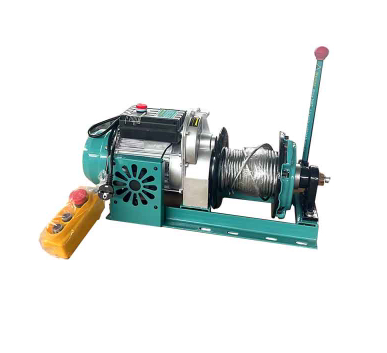
Yet challenges persist—traditional mechanical winches can struggle with consistency and control, while electric models may have limited power for ultra-heavy loads. The 10 ton hydraulic winch fills that gap neatly, delivering the right blend of power, control, and reliability globally.
What Exactly Is a 10 Ton Hydraulic Winch?
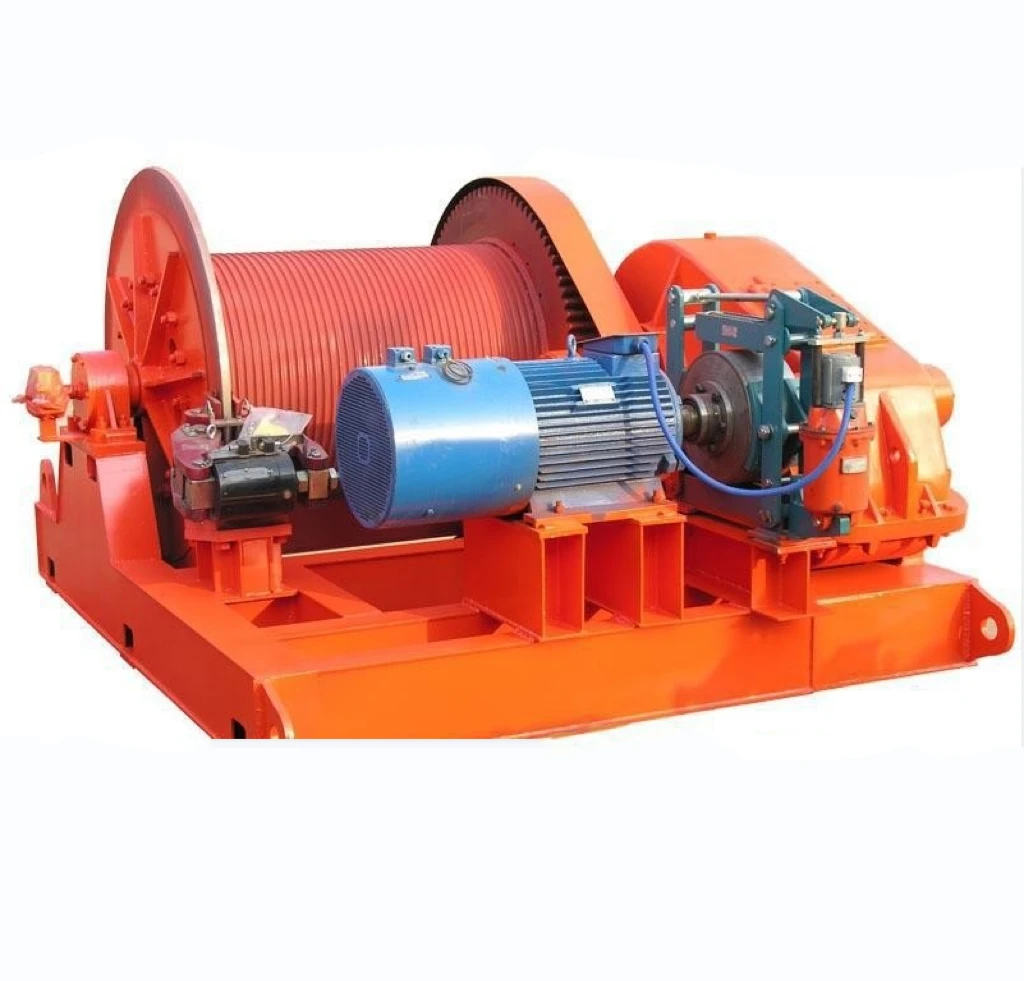
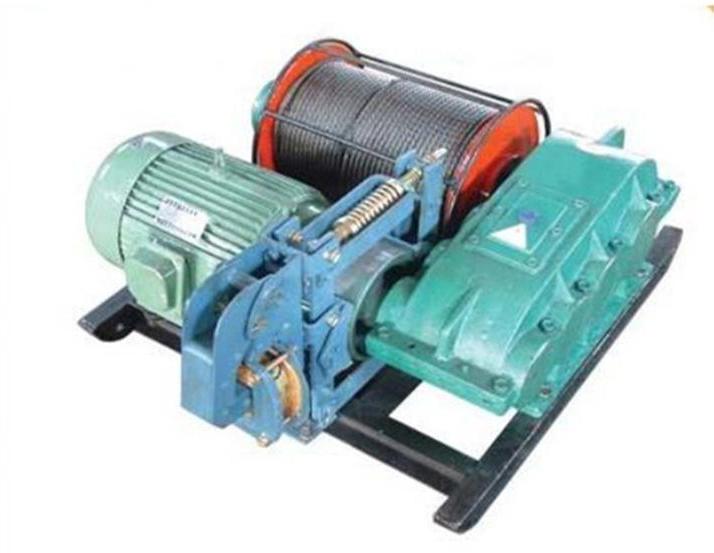
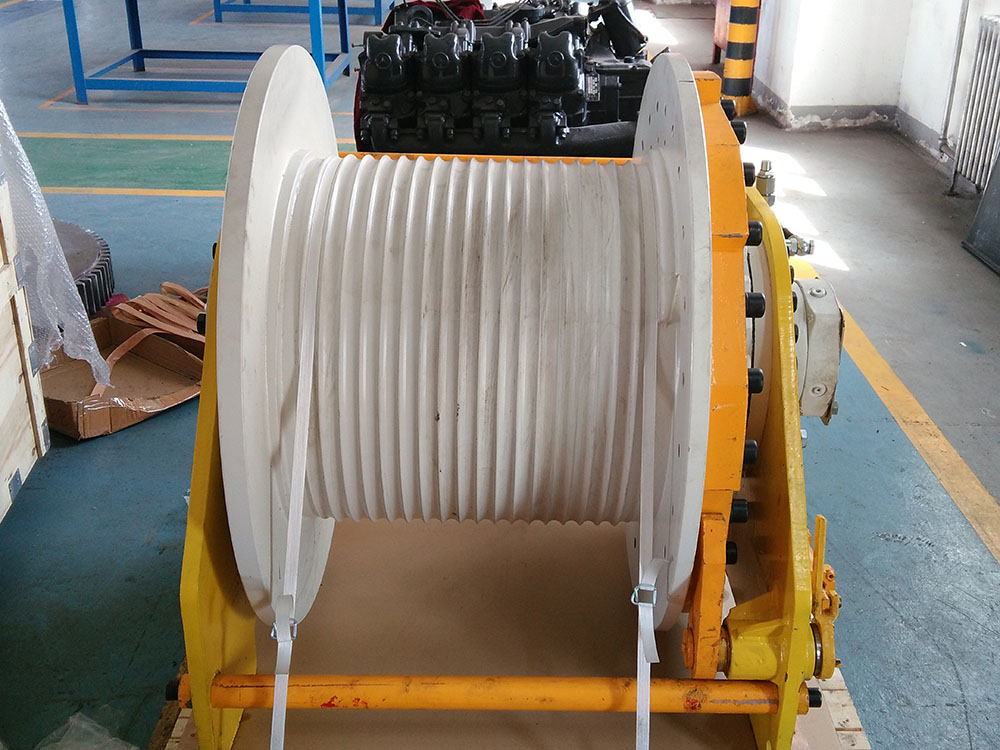
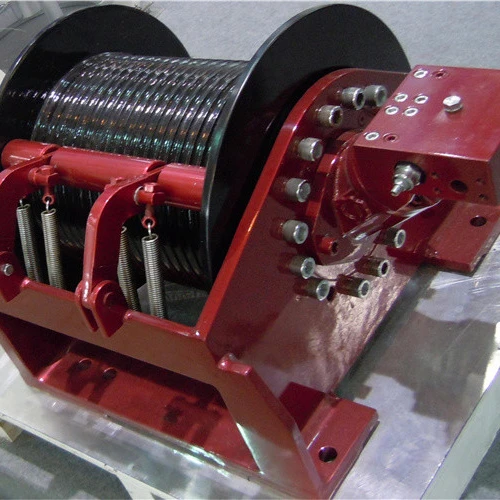
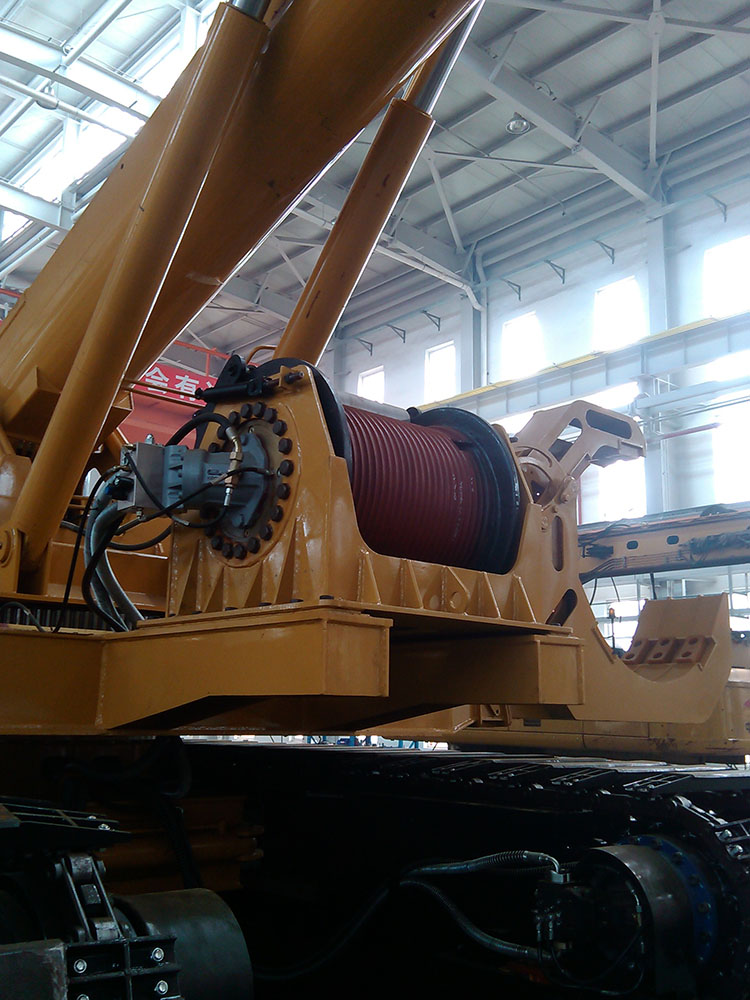
Simply put, a 10 ton hydraulic winch is a device engineered to exert a pulling force up to 10 tons, powered by pressurized hydraulic fluid. Instead of relying on electric motors or manual labor, it channels fluid power through pumps and cylinders to rotate the drum that winds the cable or rope, allowing it to lift or drag heavy loads smoothly.
Though it sounds like industrial jargon, this technology is deeply linked to modern industry. Whether lifting construction beams, anchoring ships, or hauling debris after disasters, it’s the blend of reliability, precision, and brute strength that keeps these winches in high demand.
Core Components that Make 10 Ton Hydraulic Winches Tick
1. Robust Hydraulic Motor
The heart of the winch, this motor converts hydraulic pressure into rotation, offering immense torque without the noise or overheating typical of electric motors.
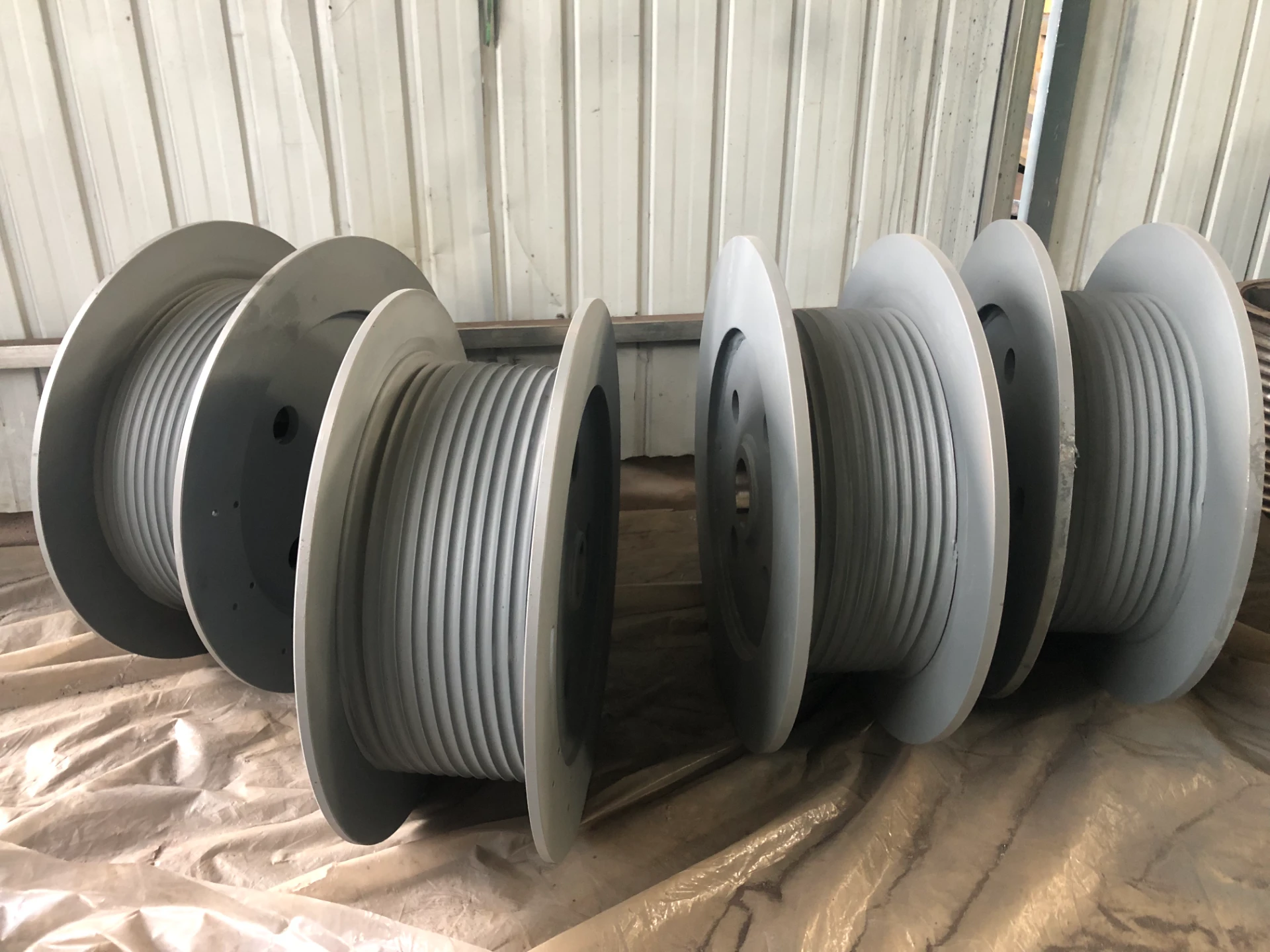
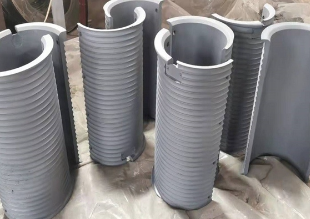
2. Gearbox & Drum Assembly
This controls speed and pulling power with precision, winding the cable uniformly. Durable gears ensure long life even under heavy loads.
3. High-Strength Cable or Synthetic Rope
Depending on usage, winches might use steel cables or advanced synthetic ropes, balancing weight, strength, and safety.
4. Control System
Many modern models feature joystick or remote control for better accuracy, crucial in tight industrial environments or hazardous conditions.
5. Safety Mechanisms
From automatic brakes to fail-safes, these prevent accidents—a real concern when you deal with 10 tons of force.
Mini takeaway: The combination of powerful hydraulics and smart design make these winches an industry favorite for tough jobs.
Real-World Applications: Where 10 Ton Hydraulic Winches Make a Difference
- Construction Sites: Moving heavy building materials, positioning prefabricated parts, or pulling stuck equipment out of mud.
- Marine Industry: Anchoring ships, deploying heavy nets, or towing vessels – especially where electric winches might be less reliable.
- Mining Operations: Hauling ore cars or assisting in underground site stabilization.
- Disaster Relief: Following floods, earthquakes, or landslides, winches help clear debris and transport emergency supplies rapidly.
- Forestry and Agriculture: Dragging fallen logs or hauling equipment through rough terrains.
For example, in post-hurricane relief throughout the Caribbean, organizations relied on hydraulic winches to rapidly reposition debris-clearing machines, restoring road access often blocked for days. It’s hard to overstate how much faster operations can be with the correct winching power.
Advantages and Long-Term Value of a 10 Ton Hydraulic Winch
Cost-wise, hydraulic winches generally require less maintenance than electric counterparts and offer better power-to-weight ratios. This means fewer machine replacements over time and less downtime—invaluable in time-sensitive projects.
On the sustainability front, efficient hydraulics minimize wasted energy, often powered by the vehicle’s existing hydraulic systems, reducing fuel consumption. Socially, reliable winches enhance safety, decrease manual labor risks, and empower crews to work with dignity and confidence.
Emotionally, equipment you can trust feels like a team member itself. There's a kind of calm that comes with knowing your winch won’t fail mid-lift or slip unexpectedly. Innovation-wise, these machines continue improving with smarter controls and lighter materials, showing their staying power in modern industries.
What’s Next? Trends and Innovations on the Horizon
Looking ahead, expect more integration with digital control systems—winches you can monitor remotely via apps or link into fleet-wide management platforms. Lightweight, high-tensile composite ropes are replacing steel cables in many uses, reducing weight without sacrificing strength.
Also, hydrogen-powered hydraulic pumps and eco-friendly fluids are gaining traction, aligning with global sustainability targets from organizations like the International Organization for Standardization (ISO). Automation could eventually allow winches to self-adjust tension based on load feedback, cutting human error further.
Challenges and Ways to Overcome Them
That said, challenges remain. Hydraulic systems need clean fluids and well-maintained seals—easy to forget on busy sites, but vital for performance. Cold climates can thicken fluids, slowing operations. Transporting such heavy equipment also requires logistics planning.
Innovative filters, fluid warmers, and modular winch designs help mitigate these issues, making the 10 ton hydraulic winch more adaptable. Training operators on preventive maintenance tops solutions to prolong service life and avoid costly breakdowns.
FAQ: Your Questions About 10 Ton Hydraulic Winches Answered
- Q1: How does a hydraulic winch compare to an electric one for lifting heavy loads?
- A1: Hydraulic winches typically provide more consistent torque and greater power density than electric winches, especially under continuous heavy loads. They also handle harsh environments better, with less overheating risk, making them ideal for demanding industrial and outdoor settings.
- Q2: Can a 10 ton hydraulic winch be installed on any truck or vehicle?
- A2: Most can be mounted on compatible heavy-duty vehicles equipped with hydraulic systems. However, it’s essential to verify the vehicle’s hydraulic pressure and flow rates meet the winch’s requirements to ensure optimal performance.
- Q3: What maintenance does a hydraulic winch typically require?
- A3: Routine checks include inspecting hydraulic fluid levels and quality, sealing components, cable condition, gear lubrication, and testing brake systems. Regular maintenance prevents costly failures and prolongs operational life.
- Q4: Are synthetic ropes safe to use instead of steel cables on these winches?
- A4: Yes, synthetic ropes offer comparable strength with benefits like lighter weight and easier handling. They’re less prone to kinking and safer if they break, though they must be inspected carefully for abrasion and UV damage.
- Q5: What industries benefit most from 10 ton hydraulic winches?
- A5: Besides construction and marine, mining, forestry, energy sectors (like oil & gas), and humanitarian aid agencies find these winches highly valuable for the versatility and power they provide.
Product Specifications: Typical 10 Ton Hydraulic Winch Model
| Feature | Specification |
|---|---|
| Maximum Pulling Capacity | 10,000 kg (10 tons) |
| Cable Diameter | 12 mm Steel wire rope |
| Cable Length | 30 meters |
| Hydraulic Pressure | 140 bar typical |
| Control Type | Remote wireless or wired joystick |
| Weight | Approx. 250 kg |
Comparing Leading 10 Ton Hydraulic Winch Vendors
| Vendor | Key Strengths | Typical Price (USD) | Warranty |
|---|---|---|---|
| LBS Winches | Robust design, fast lead times, customization options | $4,500–5,200 | 2 years |
| HydraTech Machinery | Advanced digital controls, extended cable options | $5,000–6,000 | 1.5 years |
| TorqueWorks | Compact models, high torque at low speeds | $4,800–5,500 | 2 years |
Wrapping Up: The Last Word on 10 Ton Hydraulic Winches
In real terms, the 10 ton hydraulic winch isn’t just another heavy-duty tool — it’s a critical ally in diverse industries, enabling safer, faster, and more efficient handling of heavy loads. Whether enabling construction feats in urban skylines, supporting post-disaster recovery, or optimizing mining operations, its value is undeniable and growing.
For anyone looking to invest in reliable, sustainable lifting solutions, these winches offer a robust, long-term return on investment. Curious to explore models, specs, or request a quote? Visit our site: https://www.lbswinch.com — where power meets precision.
Quick Takeaway:
The humble hydraulic winch packs a punch that often goes unnoticed outside the trade — but for the professionals depending on them, they’re absolute game-changers. It feels great to know that when lifting ten tons, you’re in control.
References
-
The Ultimate Guide to Gear Steels for Durability and PerformanceNewsApr.16,2026
-
High Performance Gear Stainless Steel for Industrial DurabilityNewsApr.09,2026
-
Comprehensive Guide to Steel Bevel Gears Applications and SelectionNewsApr.07,2026
-
Comprehensive Guide to Durable Stainless Steel Miter Gears and ApplicationsNewsApr.04,2026
-
Comprehensive Guide to Steel Spur Gears Functionality and ApplicationsNewsMar.31,2026
-
Comprehensive Guide to Durable Stainless Steel Spur Gears and Their ApplicationsNewsMar.28,2026