Heavy Duty 15000 lb Hydraulic Winch – Reliable Power for Tough Jobs
Understanding the Impact of a 15000 lb Hydraulic Winch
At first glance, a 15000 lb hydraulic winch might just look like another heavy-duty industrial tool. But its significance stretches far beyond the steel drum and hydraulic power. Worldwide, industries face growing demands for powerful, reliable equipment to move and lift heavy loads safely and efficiently. Whether it’s clearing debris after natural disasters or hauling materials in remote mining operations, a hydraulic winch with this kind of capacity isn’t just helpful, it’s essential.
Why does it matter globally? With urbanization and infrastructure projects booming, plus unpredictable climate events requiring emergency responses, the need for dependable winching solutions has soared. The 15000 lb rating means you’re looking at equipment built to handle serious tasks with confidence—a winch that blends strength and control under tough conditions. And understanding this can save lives, time, and money.
The Global Context of Heavy-Duty Hydraulic Winches
It’s interesting when you consider that according to ISO standards and reports by the United Nations, industries are expected to optimize equipment efficiency to meet sustainability goals. Quite often, outdated or underpowered lifting technology can delay critical operations or increase safety risks on site. The 15000 lb hydraulic winch bridges this gap by offering a robust, scalable solution capable of handling heavy loads while minimizing downtime and hazards.
From construction firms in Asia to emergency responders in Africa, this winch type answers a recurring challenge: how do you move masses securely without bulk, fuss, or failure? It’s not just about brute force—it’s about controlled power and reliability, day after day.
What Exactly Is a 15000 lb Hydraulic Winch?
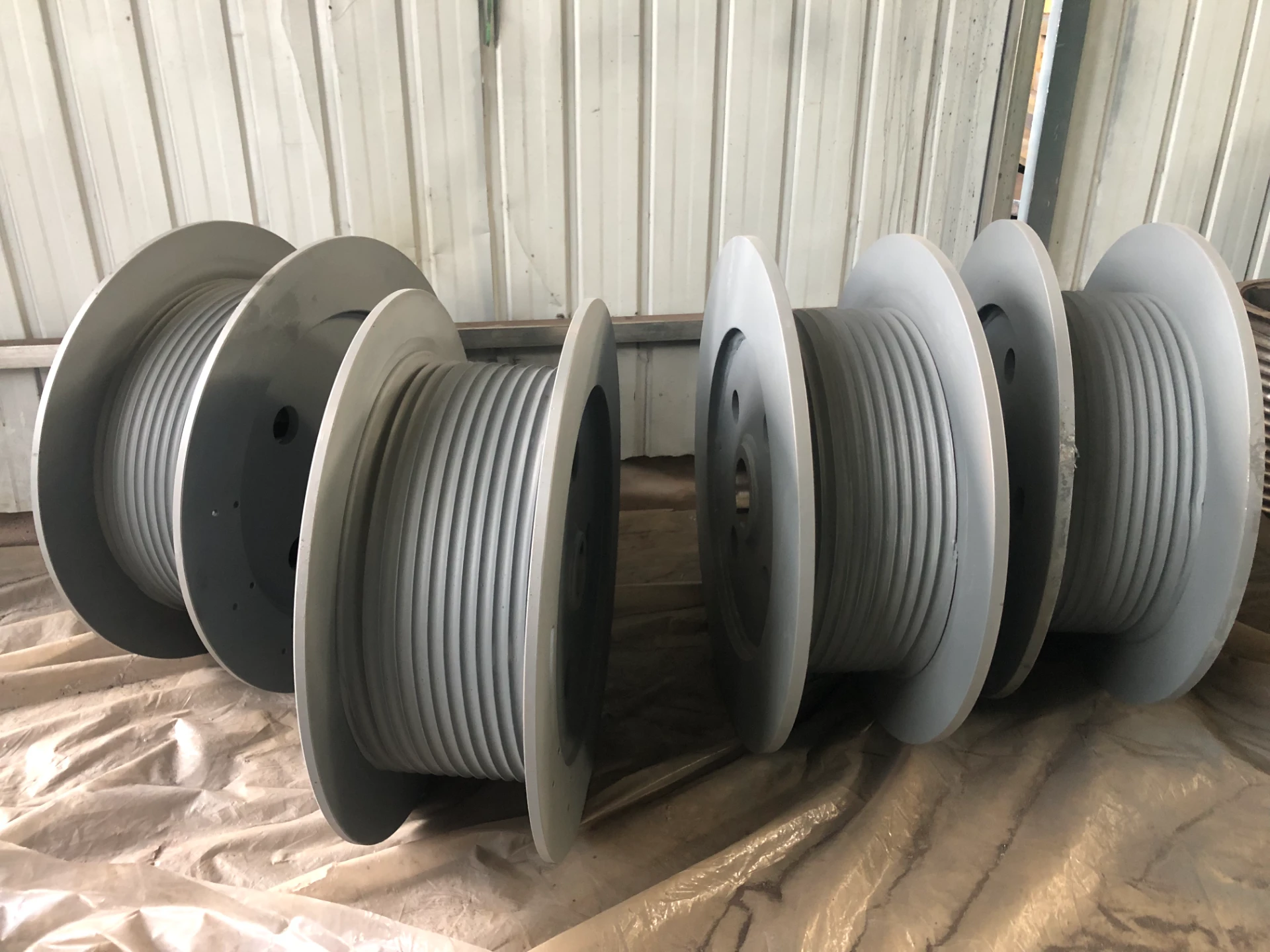
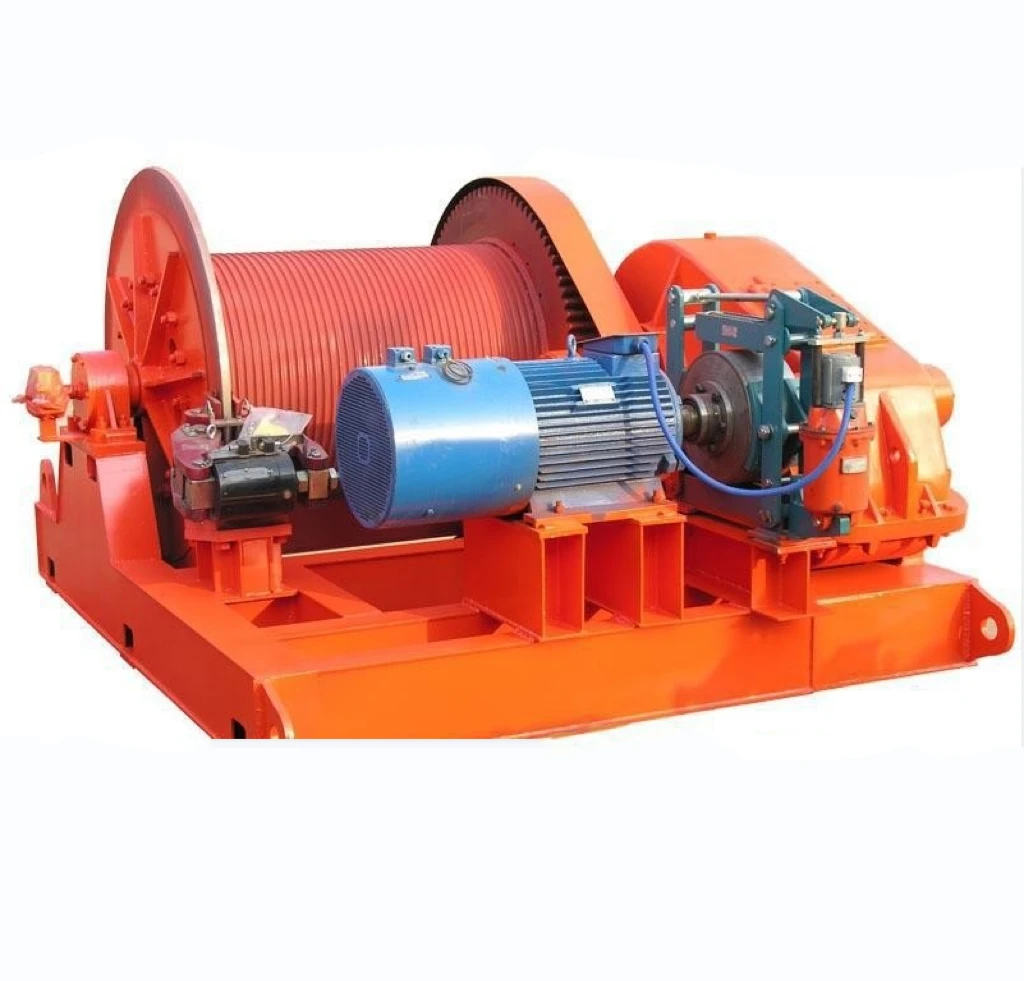
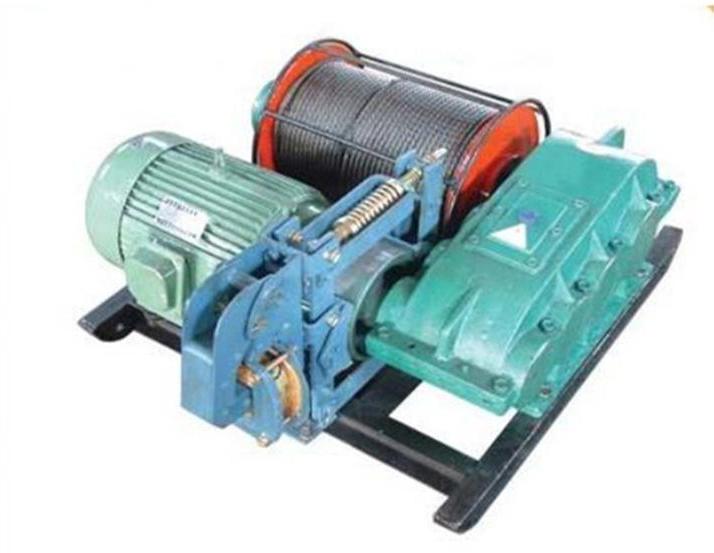
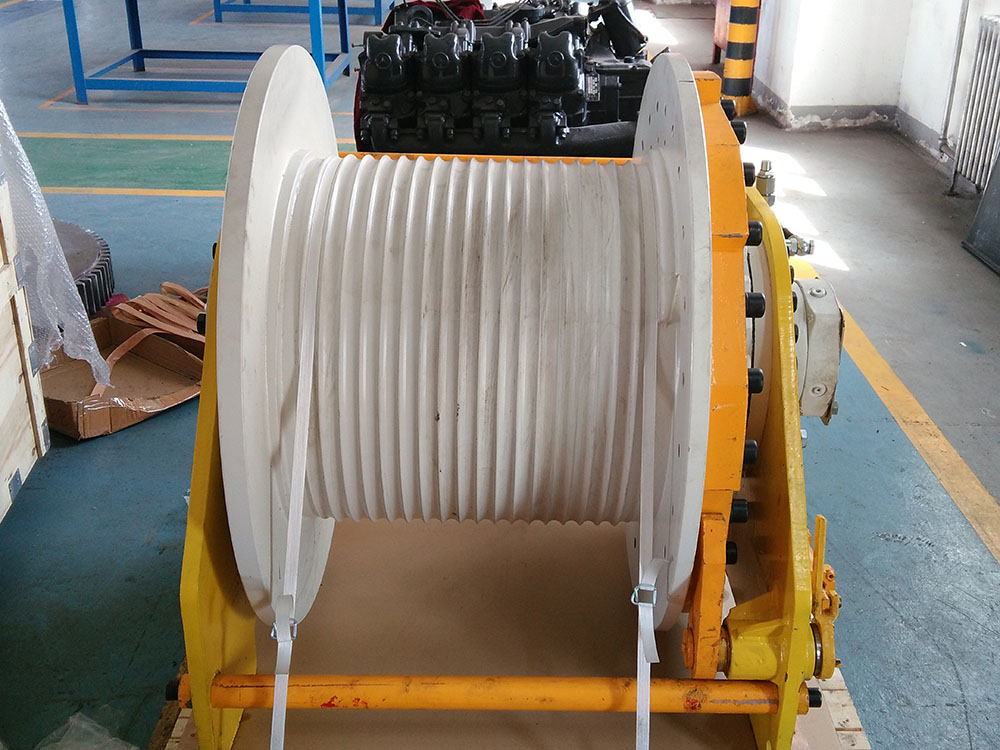
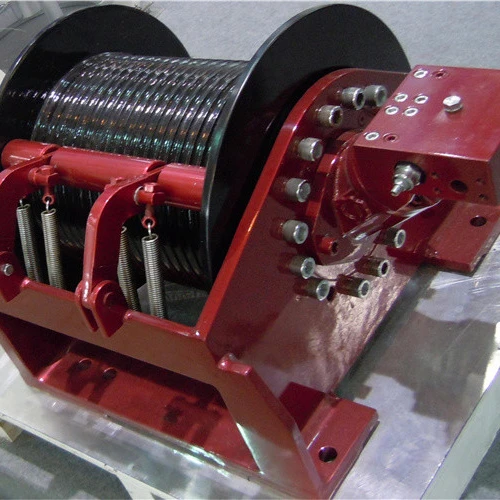
In simple terms, a hydraulic winch is a heavy-duty machine designed to pull or lift weights by winding a cable or rope around a spool, powered by hydraulic fluid pressure. The “15000 lb” tag reflects its maximum rated pulling or lifting capacity — roughly 7,000 kilograms of force.
This means it’s engineered to handle hefty jobs: dragging vehicles out of mud, tensioning cables in massive construction setups, or safely lifting debris. Its reliance on hydraulics rather than electric or mechanical means gives it superior torque and smoother operation under heavy load—think of it as the muscle car of winches, with finesse.
Notably, these winches play critical roles in humanitarian efforts, where rapid, heavy lifting without failure can mean the difference between successful relief and disaster.
Core Features and Essential Components
Durability
Manufacturers build 15000 lb hydraulic winches with industrial-grade steel and effective corrosion-resistant coatings. This is crucial because these winches are often exposed to harsh environments—marine settings, sandy deserts, or freezing temperatures.
Power and Control
Hydraulic systems provide steady, adjustable pressure, allowing operators to fine-tune pulling speed and force. Unlike electric winches, these can maintain high torque even under continuous heavy load.
Safety Mechanisms
Brakes, emergency stops, and overload protection features are embedded to reduce accidents. When handling 15,000 pounds, a safety feature is not a bonus; it’s a necessity.
Portability & Installation Flexibility
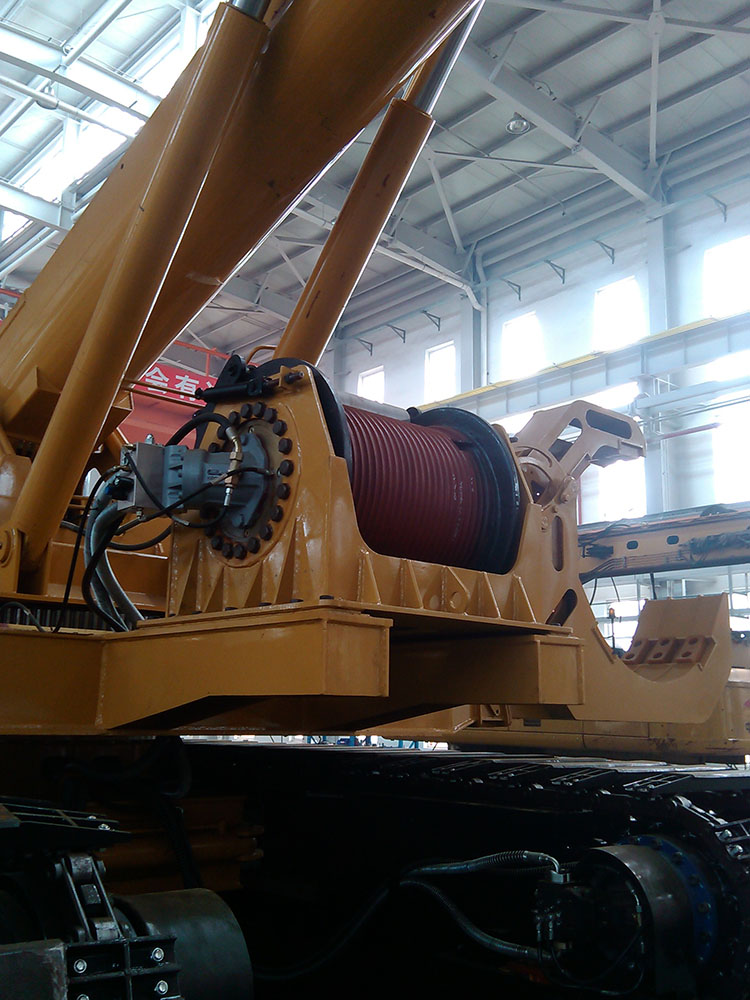
While heavy, these winches are designed for integration into different platforms—trucks, cranes, or fixed installations—making them versatile for fieldwork.
Maintenance Accessibility
Regular maintenance is easier thanks to modular components and clear servicing points, which help extend lifespan and reduce downtime.
Mini Takeaway: The 15000 lb hydraulic winch combines strength, controlled power, and safety in a rugged package built for serious jobs worldwide.
Real-World Applications: Where and How These Winches Shine
Heavy-duty hydraulic winches are everywhere—just often out of sight. In post-disaster relief, for instance, NGOs use them to clear fallen trees, pull vehicles to safety, or erect temporary structures swiftly.
Mining operations, especially in remote regions like Canada’s Northwest Territories or Australia’s outback, deploy these winches to haul equipment up steep inclines. Oil and gas companies rely on them routinely for pipeline installations.
Even forestry industries in Europe use these winches for timber extraction, where the terrain demands durable, powerful equipment.
Interestingly enough, many emerging market contractors have shifted towards 15000 lb winches for their upgrade paths—seeing downtime reduction and safer lifting conditions as direct business benefits.
The Tangible Advantages and Longevity of a 15000 lb Hydraulic Winch
- Cost Efficiency: Long-term durability means fewer replacements and less frequent major repairs.
- Workforce Safety: Reduces accidents thanks to controlled winching and reliable braking.
- Environmental Resilience: Handles extreme weather conditions, reducing failures.
- Operational Trust: Teams rely on it for mission-critical pulls, sometimes in life-or-death scenarios.
- Adaptability: Works across industries, boosting ROI by serving multiple purposes.
It’s not just about pounds lifted per dollar spent; it’s about the peace of mind knowing your equipment won’t quit when you need it most.
What’s Next? Innovations Driving Future 15000 lb Hydraulic Winches
From smart sensors that monitor load and maintenance needs to hybrid hydraulic-electric motors aiming to reduce fuel consumption, the future looks promising. There’s ongoing research into lighter, stronger materials like titanium alloys to cut weight without sacrificing strength.
Also, with the push for greener construction, some manufacturers are focusing on winches powered by bio-hydraulic fluids and integrating solar power charging stations for mobile units.
You can also expect better digital controls, remote monitoring, and integration into IoT platforms to optimize performance and safety.
The Challenges and How Experts Are Tackling Them
Heavy hydraulic winches aren’t without issues. Hydraulic fluid leaks and high maintenance demand can increase downtime. The equipment can be bulky, making transport difficult. Additionally, operators need specialized training to maximize safety and efficiency.
To address leaks, some models now employ sealed hydraulic circuits combined with advanced filtration. For portability, modular winches allow disassembly for transport. Plus, training programs often include VR simulators to prepare operators virtually before hitting the field.
There’s always room to improve, but the trend is toward smarter, safer, and leaner machines.
FAQ: Quick Answers on 15000 lb Hydraulic Winches
- Q: What kind of maintenance does a 15000 lb hydraulic winch require?
- A: Routine checks include inspecting hydraulic fluid levels, brake conditions, cable wear, and testing safety mechanisms. Regular lubrication and cleaning, as well as timely replacement of worn parts, keep it running smoothly.
- Q: Can this winch be used in marine environments?
- A: Absolutely. Many are built with corrosion-resistant coatings suitable for salty, humid conditions. However, additional maintenance frequency is recommended to ensure longevity.
- Q: How does a hydraulic winch differ from an electric winch?
- A: Hydraulic winches utilize pressurized fluid, delivering higher torque and better control under heavy loads. Electric winches are simpler but can struggle with continuous or extreme loads.
- Q: Is it difficult to install a 15000 lb hydraulic winch on existing machinery?
- A: Installation varies but these winches are often designed modularly for integration with trucks, cranes, or trailers, making retrofitting straightforward with proper technical support.
Product Specifications: A Closer Look at a Typical 15000 lb Hydraulic Winch
| Specification | Details |
|---|---|
| Rated Pull Capacity | 15,000 lb (6,800 kg) |
| Cable Diameter | 0.5 inch (12.7 mm) |
| Max Line Speed | 20 ft/min (6.1 m/min) |
| Weight | 350 lbs (159 kg) |
| Hydraulic Pressure | 2500 psi (172 bar) |
| Brake Type | Spring-applied, hydraulic release |
Comparing Top Vendors of 15000 lb Hydraulic Winches
| Vendor | Key Features | Typical Application | Price Range (USD) |
|---|---|---|---|
| LBS Winch Co. | Sealed hydraulic circuits, modular design, corrosion-resistant coatings | Construction, forestry, mining | $8,000 - $11,000 |
| HydroLift Systems | Integrated smart load sensors, remote controls | Oil & gas, maritime | $9,000 - $12,500 |
| PowerWinch Corp. | Hybrid hydraulic-electric motor, solar charging kit option | Remote mining, humanitarian missions | $10,000 - $14,000 |
Wrapping It Up: Why the 15000 lb Winch Still Matters
The myriad benefits of a 15000 lb hydraulic winch come down to one central truth: reliable power transforms work. It empowers teams to meet tight deadlines, ensures safety, and tackles heavy challenges almost like a trusted teammate. As technology continues advancing, these winches are becoming smarter, greener, and more user-friendly — yet their core value remains unchanged.
Thinking about upgrading or investing? Visit https://www.lbswinch.com to explore reliable options that combine proven durability with modern innovation.
Mini Takeaway: Behind this impressive 15,000-pound pull lies a combination of engineering excellence and real-world reliability — a tool designed to make heavy lifting lighter for those who depend on it most.
References
-
The Ultimate Guide to Gear Steels for Durability and PerformanceNewsApr.16,2026
-
High Performance Gear Stainless Steel for Industrial DurabilityNewsApr.09,2026
-
Comprehensive Guide to Steel Bevel Gears Applications and SelectionNewsApr.07,2026
-
Comprehensive Guide to Durable Stainless Steel Miter Gears and ApplicationsNewsApr.04,2026
-
Comprehensive Guide to Steel Spur Gears Functionality and ApplicationsNewsMar.31,2026
-
Comprehensive Guide to Durable Stainless Steel Spur Gears and Their ApplicationsNewsMar.28,2026