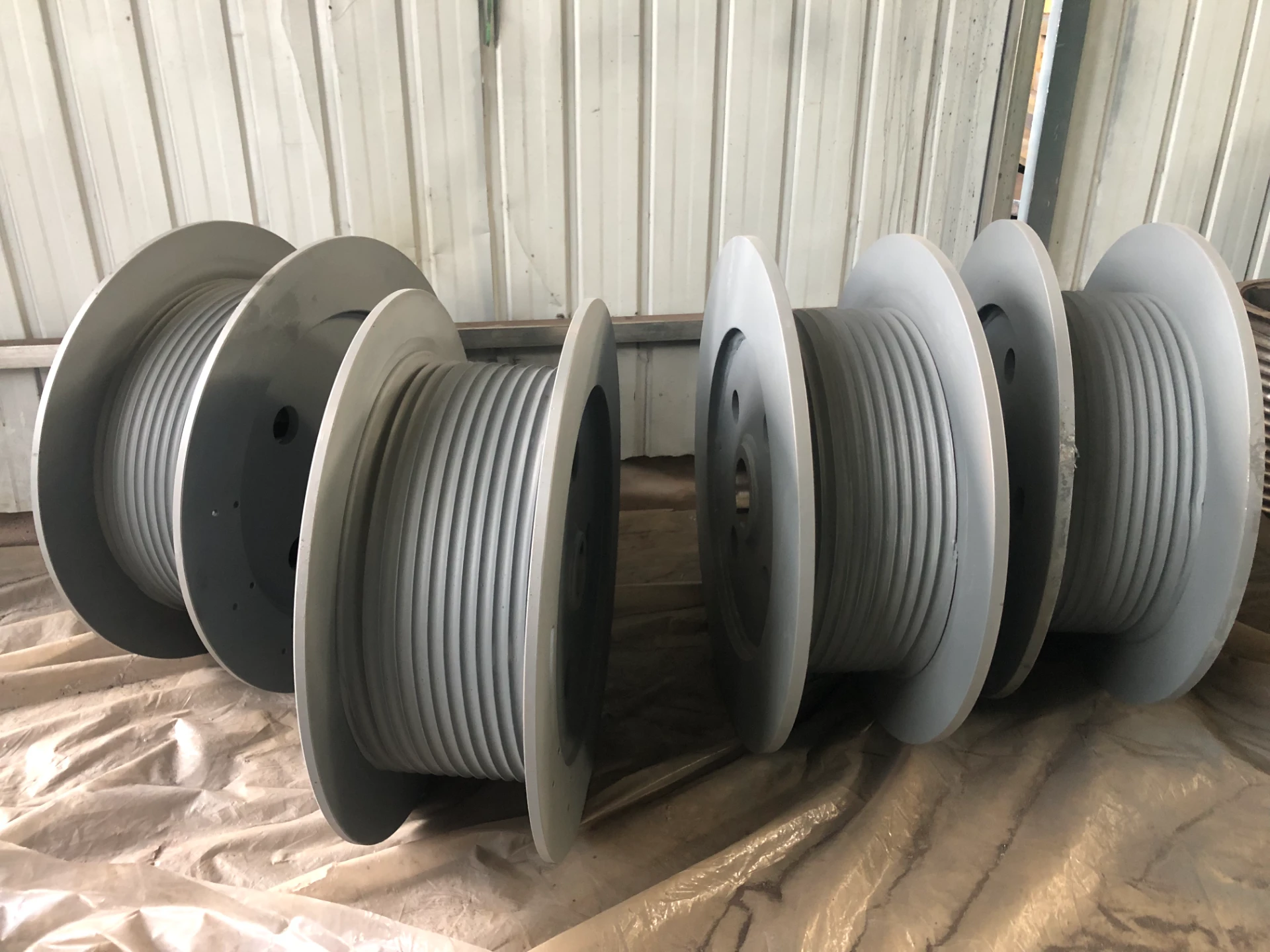
Large Hydraulic Winch: Powerful Solutions for Heavy Lifting & Industrial Needs
The Big Picture: Why Large Hydraulic Winches Matter Worldwide
From massive construction sites in Dubai to remote aid operations in the Sahel, large hydraulic winches quietly perform one of the most critical jobs in heavy lifting and pulling. But why should we care about these industrial beasts? Well, the global economy relies on moving heavy loads safely and efficiently, and large hydraulic winches are often the unsung heroes enabling this. Understanding their technology isn’t just for engineers—it benefits industries spanning maritime, mining, disaster relief, and more. It’s about boosting safety, accelerating projects, and reducing downtime, all while supporting sustainable infrastructure development around the world.
Mini takeaway: Large hydraulic winches are essential mechanics helping keep the gears of global heavy industries turning smoothly and safely.
Hydraulic Power Meets Real-World Needs: The Global Context
The importance of large hydraulic winches grows as industrial activities escalate worldwide. Take the International Labour Organization’s reports indicating over 100 million workers involved in heavy industries globally, many requiring robust lifting equipment. Plus, the UN’s Sustainable Development Goals emphasize infrastructure and industry innovation—goals that only get met with reliable tools like high-capacity hydraulic winches.
One of the key challenges is that traditional mechanical winches can’t always handle the load demands or environmental conditions, especially in remote or hazardous locations. Here, hydraulic systems excel due to their stronger torque, better control, and adaptability. For example, offshore oil platforms, massive cargo ships, and emergency response units all demand quick, safe, and powerful hoisting solutions. So, in a nutshell, this equipment answers a critical call in everything from everyday infrastructure projects to life-saving missions.
What Exactly Is a Large Hydraulic Winch?
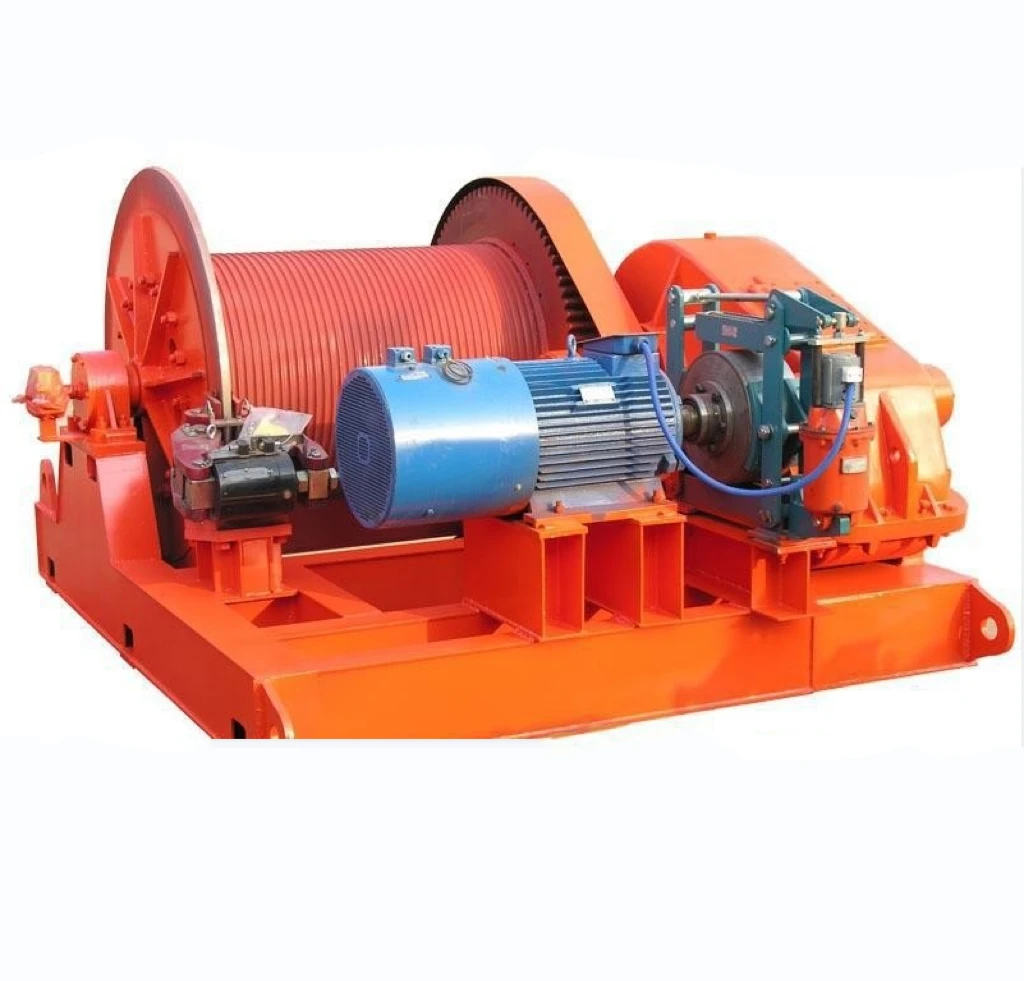
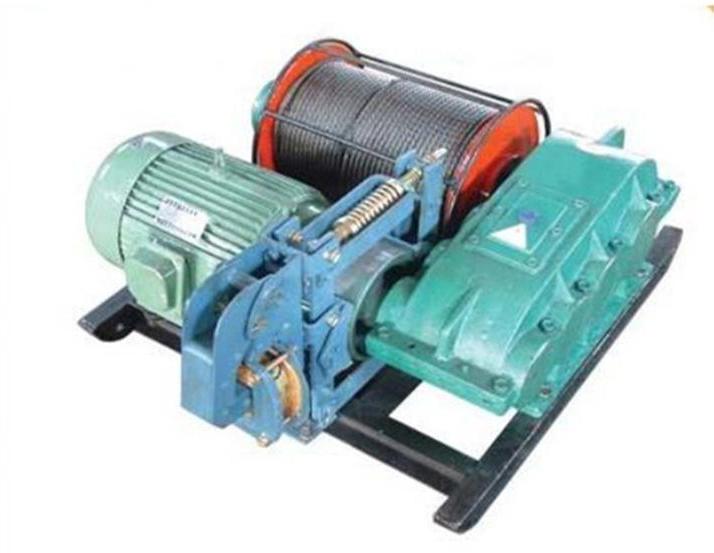
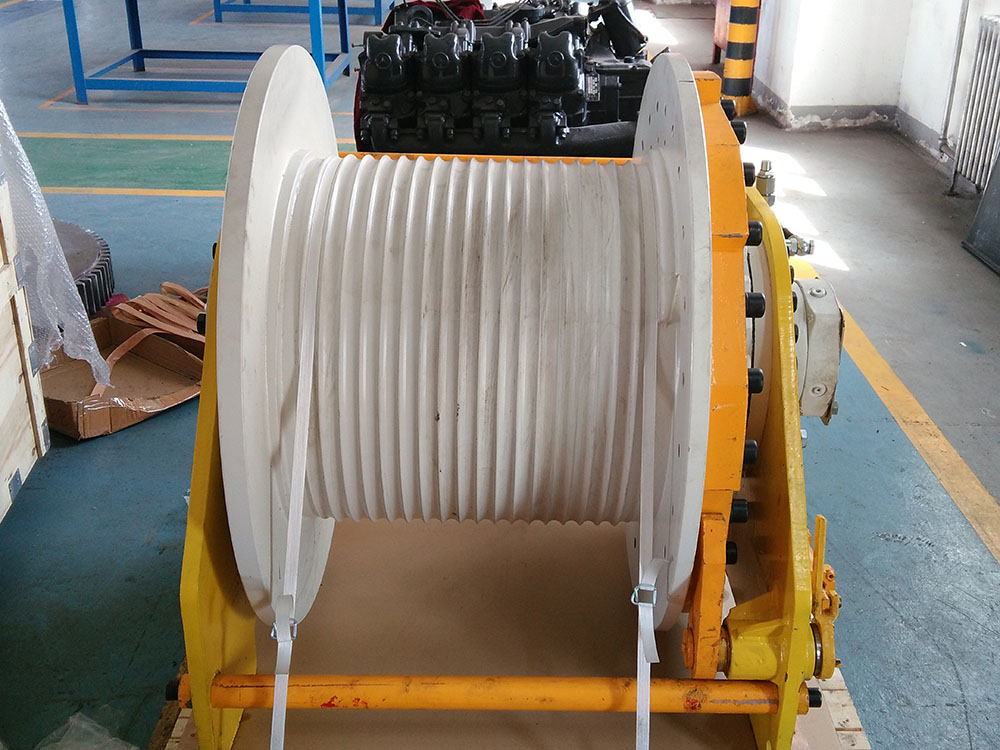
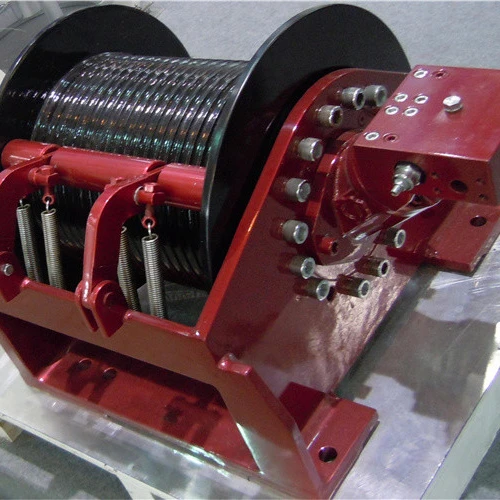
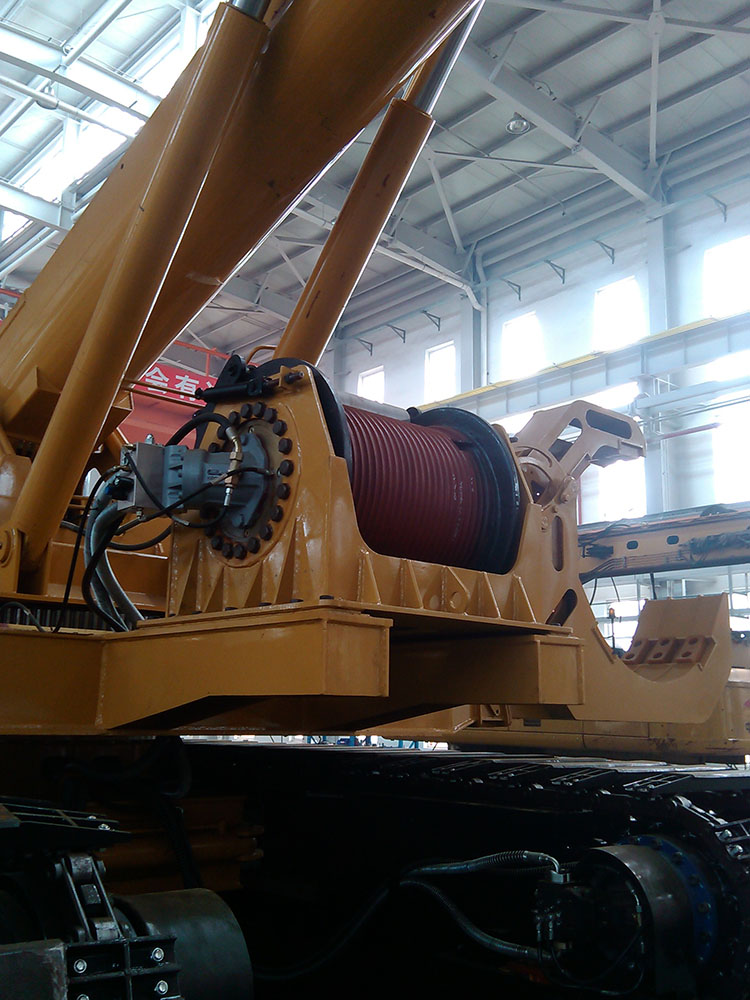
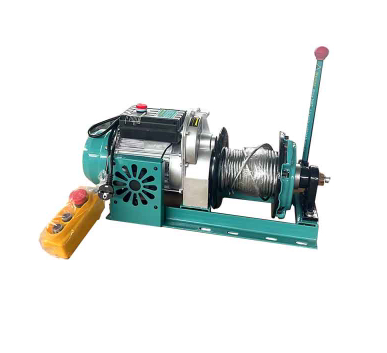
Simply put, a large hydraulic winch is a heavy-duty device that uses pressurized hydraulic fluid to generate force for pulling or lifting loads. Unlike electric or mechanical winches, which rely on motors or manual cranks, hydraulic winches tap into hydraulic power to deliver tremendous torque and smooth operation. They’re commonly mounted on trucks, vessels, or fixed installations and can handle anything from hauling construction materials to towing massive anchors or industrial machinery.
In modern industry and humanitarian contexts, these winches are indispensable. Take post-disaster zones—relocating rubble or lifting heavy relief supplies quickly can be the difference between life and death, and a large hydraulic winch is typically the device of choice thanks to its reliability and power.
Key Features That Make Large Hydraulic Winches Stand Out
Durability and Build Quality
They’re designed to withstand brutal environments—extreme temperatures, saltwater exposure, and constant heavy usage. Materials like stainless steel and reinforced alloys are common, often paired with corrosion-resistant coatings. You need equipment that won’t fail mid-operation, because downtime is costly and dangerous.
Power & Pulling Capacity
The “large” in large hydraulic winch means serious muscle — many models can handle loads upwards of 50 tons or more. This heavy lifting capacity is crucial for industries that can’t afford anything less than powerful and consistent performance.
Control & Precision
Hydraulic flow control valves and modern feedback systems allow operators to modulate speed and torque delicately, preventing sudden jerks that can damage cargo or endanger personnel. This fine control especially matters in rescue operations or precise positioning tasks.
Scalability & Customization
Manufacturers often provide different drum sizes, cable capacities, and mounting options to fit specific project needs. Whether you’re fitting a winch on a mining truck in Australia or a cargo ship in South America, adaptability is part of the package.
Energy Efficiency
Surprisingly, hydraulic winches can be more energy efficient than comparable electric ones, especially when paired with modern variable displacement pumps. This reduces fuel consumption—a priority when working in remote zones with limited power.
Safety Features
Built-in overload protection, emergency brakes, and remote control operation protect crews and assets, making them preferred tools among safety-conscious operators worldwide.
| Feature | Specification |
|---|---|
| Maximum Pulling Capacity | 50,000 kg (50 tons) |
| Drum Diameter | 800 mm |
| Cable Length Capacity | 150 m |
| Hydraulic System Pressure | 280 bar |
| Control Method | Remote & Manual |
| Weight | 1,200 kg |
Mini takeaway: The combination of durability, capacity, and precision makes large hydraulic winches outstanding tools for demanding industrial and humanitarian jobs.
A World of Uses: Where Large Hydraulic Winches Shine
This is where things get interesting—these winches land in all sorts of places. In maritime industries, they handle anchor deployment and towing. Offshore wind farms in the North Sea rely on them to maneuver massive turbine parts.
Mining companies in South Africa or Canada use large hydraulic winches to move heavy earth-moving equipment, sometimes hundreds of meters underground. In disaster zones—think post-earthquake Haiti or cyclone-hit Southeast Asia—these winches drag debris or lift vital supplies where cranes can’t reach.
One customer story that sticks with me involved a remote island rescue mission—the local NGO only had a large hydraulic winch mounted on a rescue boat, and it saved the day by hauling a stranded vessel out of mud in tidal flats. No fancy gadgets, just reliable, raw power.
Vendor Comparison Table: Selecting the Right Supplier
| Feature | Vendor A | Vendor B | Vendor C |
|---|---|---|---|
| Max Load Capacity | 60 tons | 50 tons | 55 tons |
| Warranty Period | 24 months | 18 months | 36 months |
| Customization Options | Limited | Extensive | Moderate |
| After-Sales Support | 24/7 Phone | Business hours only | On-site visits |
| Typical Delivery Time | 6–8 weeks | 4–6 weeks | 8–10 weeks |
Why Invest in a Large Hydraulic Winch?
Thinking purely in financial terms, these winches offer long-term cost savings by reducing labor needs and downtime. But there’s more to it. Safety is enormous here—operators get smoother control which means fewer accidents; in the end, safety saves money and lives.
They embody sustainability too; the efficiency of hydraulic systems lowers fuel usage, particularly important where green initiatives are priorities. And let’s not forget the social impact—when aid organizations bring these winches into disaster zones, it means restoring dignity by enabling fast rebuilding and relief distribution.
What’s Next? Future Trends & Innovations in Large Hydraulic Winches
The industry isn’t standing still. We’re seeing integration with IoT sensors to monitor tension and hydraulic fluid status in real time. Automation and remote operation are also growing trends, letting operators control these giants from safe distances. Plus, manufacturers are experimenting with eco-friendly biodegradable hydraulic fluids and lighter composite materials to cut weight without losing strength.
Common Challenges and Expert Solutions
Hydraulic leaks, maintenance headaches, and controlling hydraulic heat buildup are perennial issues. But many engineers tackle this with better seal technologies, smart cooling systems, and predictive maintenance using AI diagnostics—sometimes it feels like even heavy-duty winch design is now getting a touch of Silicon Valley.
FAQ: Your Quick Questions About Large Hydraulic Winches Answered
- What makes a large hydraulic winch more reliable than electric winches?
- Hydraulic winches deliver higher torque and smoother power control under heavy loads, plus better resilience in harsh environments like saltwater or dusty mines. They’re less prone to overheating compared to electric motors.
- How easy is it to maintain these hydraulic winches in remote locations?
- Many models are designed for straightforward maintenance with modular components. Having basic hydraulic and mechanical repair skills usually covers most needs, though some repairs might require specialist support.
- Can large hydraulic winches be customized for specific industries?
- Absolutely, customization is often essential. Drum sizes, cable types, mounting brackets, and control systems can be tailored for uses like marine towing, heavy construction, or disaster relief.
- Are these winches energy efficient compared to other options?
- Yes, when paired with variable displacement pumps and efficient hydraulic systems, they often outperform equivalent electric winches in fuel and energy consumption, especially under variable loads.
- Where can I find trusted suppliers of large hydraulic winches?
- Look for vendors with strong after-sales support, proven warranty, and customization options. Checking reviews, certifications like ISO 9001, and industry references makes a big difference.
Wrapping Up: The Long-Term Value of Large Hydraulic Winches
In short, these machines aren’t just lifting heavy stuff—they’re lifting industries, saving lives, and supporting sustainable growth globally. If you’re involved in large-scale industrial projects or humanitarian efforts, investing in the right large hydraulic winch can translate into safety, efficiency, and peace of mind.
Interested? Explore our comprehensive range at large hydraulic winch and see how we can support your next big project.
References
-
The Ultimate Guide to Gear Steels for Durability and PerformanceNewsApr.16,2026
-
High Performance Gear Stainless Steel for Industrial DurabilityNewsApr.09,2026
-
Comprehensive Guide to Steel Bevel Gears Applications and SelectionNewsApr.07,2026
-
Comprehensive Guide to Durable Stainless Steel Miter Gears and ApplicationsNewsApr.04,2026
-
Comprehensive Guide to Steel Spur Gears Functionality and ApplicationsNewsMar.31,2026
-
Comprehensive Guide to Durable Stainless Steel Spur Gears and Their ApplicationsNewsMar.28,2026