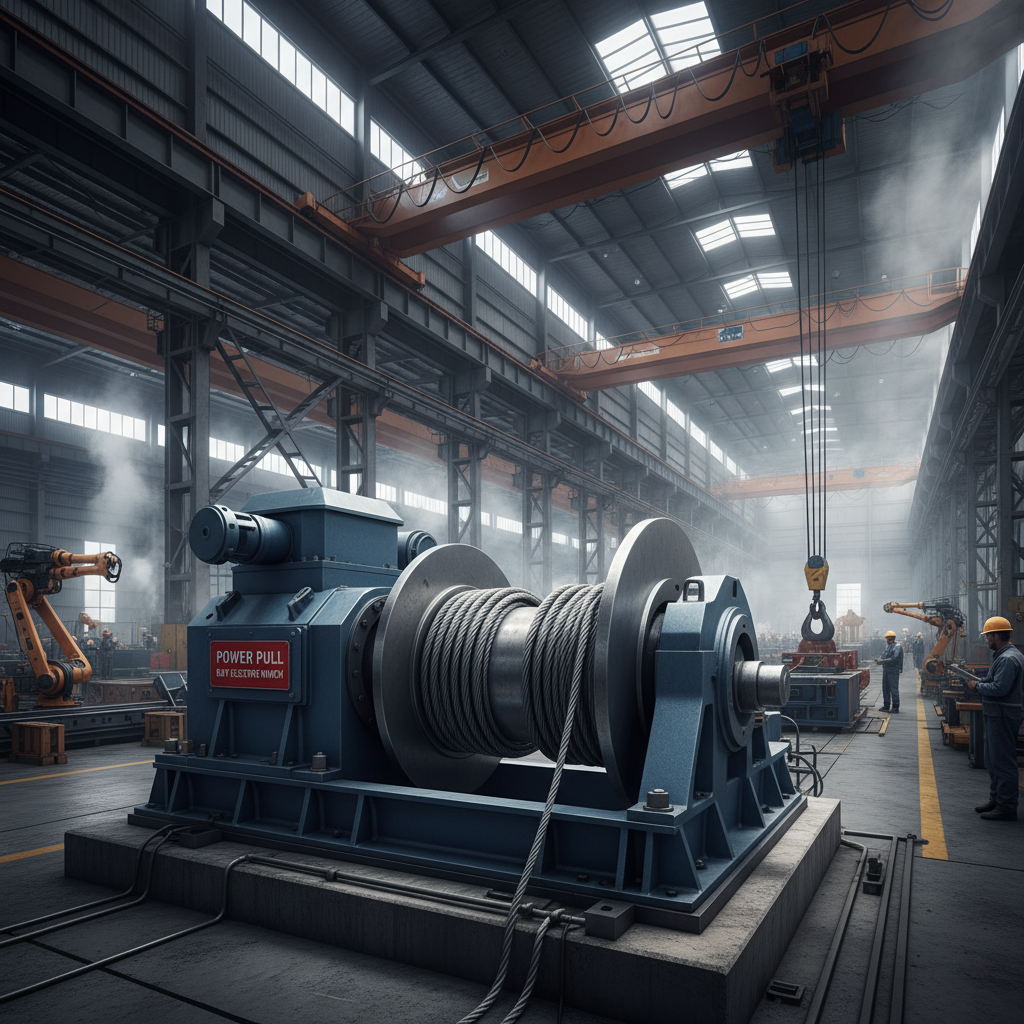
Industrial electric winches are essential components across a vast spectrum of industries, playing a critical role in lifting, pulling, and positioning heavy loads. Their ability to deliver controlled power and precision makes them indispensable in manufacturing, construction, marine operations, and even disaster relief. The global demand for these winches is steadily increasing, driven by infrastructure development, industrial automation, and the need for safer and more efficient material handling solutions. Understanding their capabilities, applications, and future trends is paramount for professionals and organizations seeking to optimize operations and ensure workplace safety.
The significance of the industrial electric winch extends beyond mere mechanical advantage. Modern winches are increasingly integrated with smart technologies, offering features like variable speed control, remote operation, and real-time load monitoring. This enhances efficiency, reduces the risk of accidents, and allows for integration into complex automated systems. The industry is also witnessing a shift towards more sustainable designs, with a focus on energy efficiency and reduced environmental impact, positioning the industrial electric winch as a vital tool in a progressively conscientious world.
From facilitating large-scale construction projects to enabling precise positioning in delicate assembly lines, the industrial electric winch underpins a significant portion of global industrial activity. The continual advancements in winch technology are directly contributing to increased productivity, improved safety standards, and the overall advancement of various sectors, making it a crucial element in the fabric of modern industry.
Introduction to Industrial Electric Winch
The industrial electric winch represents a significant advancement in lifting and material handling technology. Unlike manually operated winches or those powered by combustion engines, electric winches utilize electric motors to provide consistent, controlled power, making them ideal for demanding industrial applications. Their precision and reliability contribute to increased efficiency and safety in various sectors.
The core strength of an industrial electric winch lies in its ability to handle substantial loads with relative ease and safety. This makes them an indispensable tool in industries such as construction, manufacturing, mining, and marine engineering. Their versatile designs allow for customization to specific needs, enabling them to be integrated into diverse operational workflows.
Defining the Industrial Electric Winch
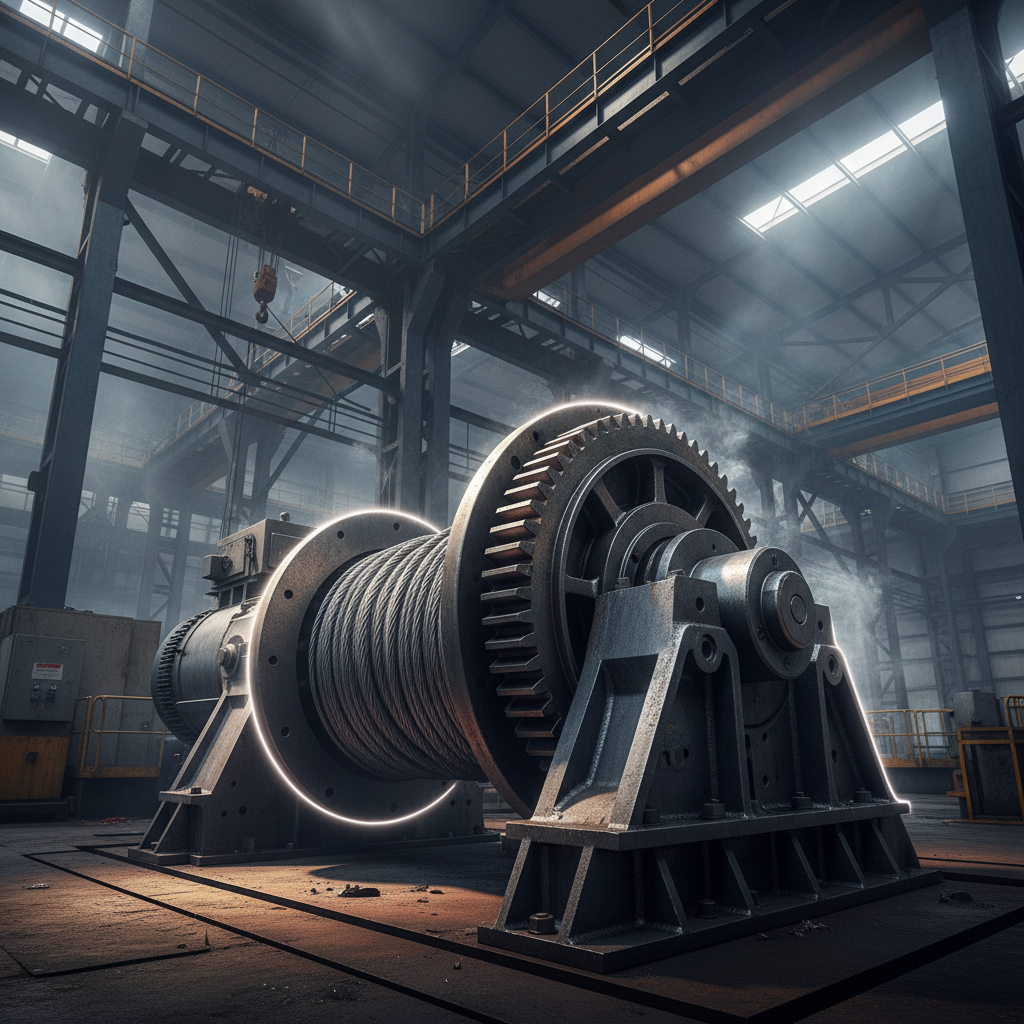
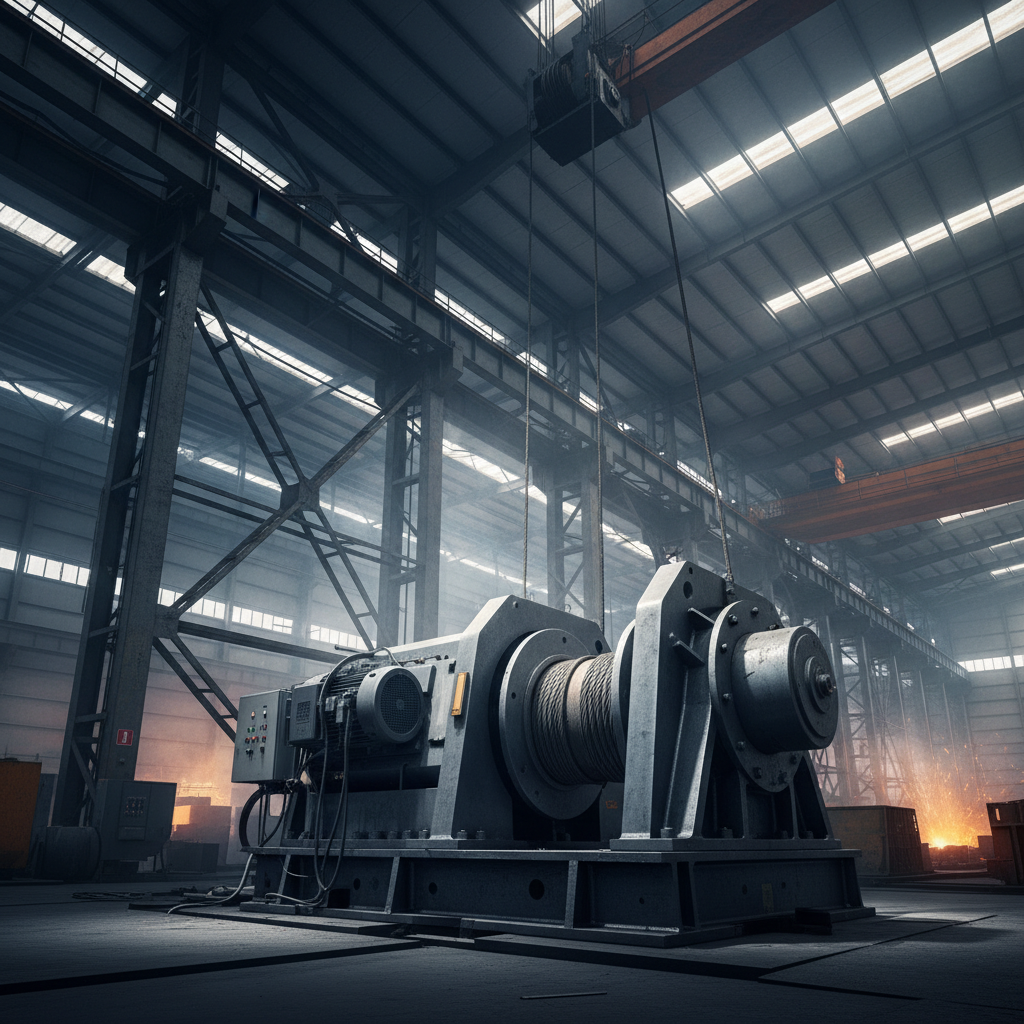
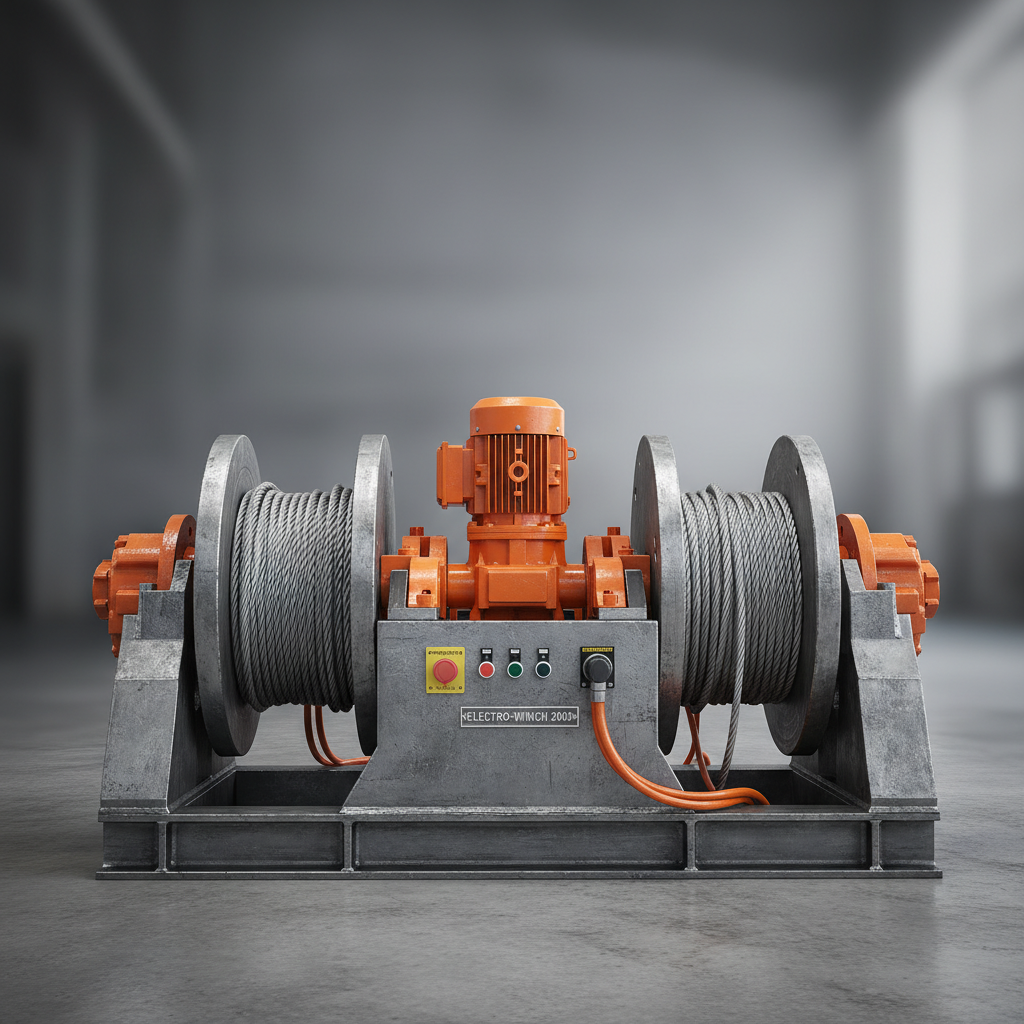
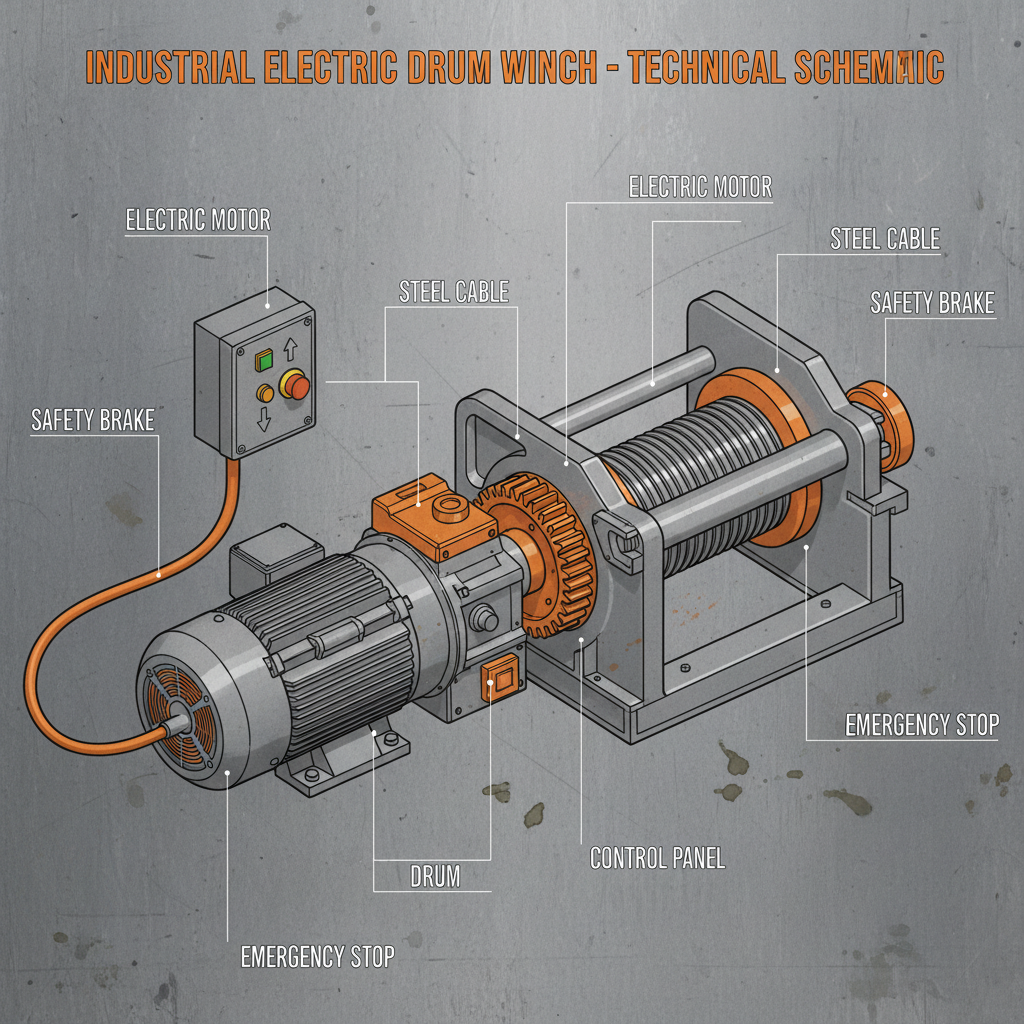
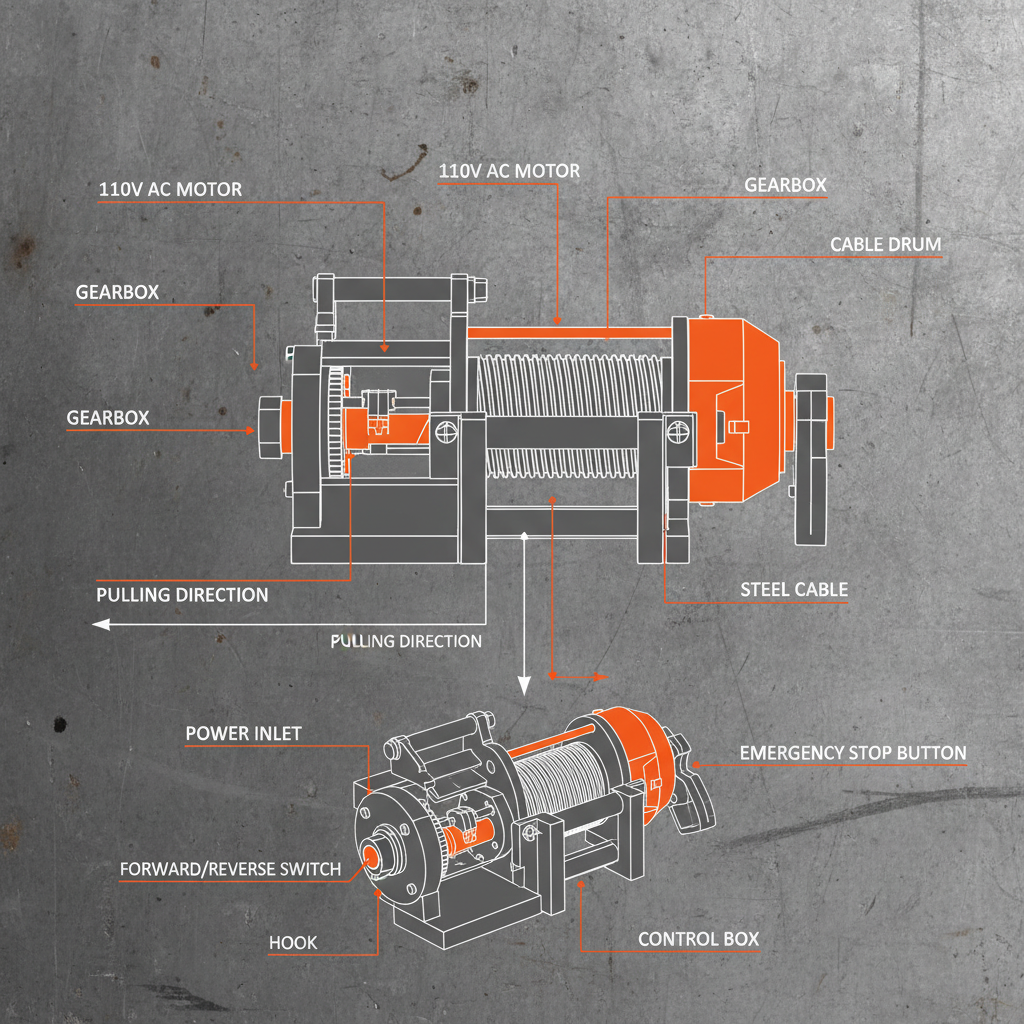
An industrial electric winch is a mechanical device that uses an electric motor to wind or unwind a rope, cable, or chain, thereby providing a lifting or pulling force. It essentially converts rotational motion into linear motion, allowing for the controlled movement of heavy objects. These winches are engineered for durability and reliability, designed to withstand harsh working conditions and continuous operation.
The connection to modern industry is profound. Industrial electric winches are critical in assembly lines, material transport, and equipment installation. In humanitarian efforts, they are used for debris removal and temporary structure erection. Their adaptability and power make them an invaluable asset in both commercial and aid-based scenarios.
The precision of an electric winch, compared to other methods, enhances safety and accuracy, especially in sensitive operations. Modern models often incorporate safety features like overload protection, emergency stop buttons, and limit switches, further reducing the risk of accidents and equipment damage.
Core Components & Key Factors
Several key factors define the performance and reliability of an industrial electric winch. Durability is paramount, with robust construction utilizing high-grade steel and corrosion-resistant materials. A well-built winch can withstand years of heavy use in demanding environments.
Load Capacity is another crucial factor, determined by the winch's motor power, gear ratio, and drum size. Selecting a winch with appropriate load capacity for the intended application is critical for safety and efficiency. Scalability, referring to the winch's ability to accommodate varying load requirements through different models or configurations, is also important.
Cost Efficiency extends beyond the initial purchase price to include long-term operating costs, such as energy consumption and maintenance requirements. Modern electric winches are designed for optimal energy efficiency, minimizing operating expenses. Finally, Safety Features such as overload protection, emergency stops, and reliable braking systems are essential for preventing accidents and ensuring operator safety.
Global Applications & Use Cases
Industrial electric winches find application across a remarkably diverse range of industries. In the construction sector, they are used for lifting building materials, positioning prefabricated components, and supporting crane operations. Within manufacturing, they facilitate the movement of heavy machinery, components, and finished products along assembly lines.
The marine industry relies heavily on industrial electric winches for anchoring, mooring, and cargo handling on ships and offshore platforms. In mining operations, they are employed for lifting equipment, hauling materials, and supporting underground excavation efforts. In remote industrial zones, like oil and gas facilities, these winches provide a reliable solution for moving heavy equipment and supplies.
In post-disaster relief operations, industrial electric winches play a crucial role in clearing debris, lifting fallen structures, and establishing temporary shelters. Their ability to operate in challenging conditions and provide substantial lifting power makes them an invaluable asset in emergency response efforts.
Industrial Electric Winch Performance Metrics
Advantages & Long-Term Value
The advantages of utilizing industrial electric winches are substantial and multifaceted. From a cost perspective, while the initial investment may be higher than manual alternatives, reduced labor requirements, increased efficiency, and lower maintenance costs over the lifespan of the winch translate into significant long-term savings. In terms of sustainability, electric winches contribute to a smaller carbon footprint compared to combustion-powered options.
The reliability of industrial electric winches is a key benefit, minimizing downtime and ensuring consistent operational performance. This reliability contributes to enhanced safety by reducing the risk of equipment failure and accidents. The emotional benefit of providing a safe working environment fosters trust and employee morale. The technological advancements embodied in these winches also drive innovation within the industries they serve.
Future Trends & Innovations
The future of industrial electric winches is being shaped by several key trends. The integration of digital transformation technologies, such as IoT sensors and remote monitoring systems, will enable predictive maintenance, optimized performance, and enhanced safety. The rise of automation will see winches incorporated into fully automated material handling systems, further increasing efficiency and reducing labor costs.
Increasingly, developers are focusing on green energy solutions, with the development of winches powered by renewable energy sources and featuring energy-efficient motor designs. The adoption of more durable and lightweight materials, such as advanced alloys and composites, will also contribute to improved performance and longevity.
Challenges & Solutions
Despite their numerous advantages, industrial electric winches face certain challenges. One common limitation is the need for a reliable power source, which can be problematic in remote locations or during power outages. Solutions include integrating backup power systems, such as generators or battery packs, or utilizing portable, self-contained winch units.
Another challenge is ensuring the winch’s compatibility with diverse operational environments and load types. Addressing this requires careful winch selection and customization, as well as the implementation of appropriate safety protocols. Implementing robust training programs for operators is critical to ensure safe and efficient winch operation.
The increasing complexity of modern winches also presents a challenge in terms of maintenance and repair. Investing in skilled technicians and utilizing predictive maintenance strategies, enabled by IoT sensors, can help mitigate this issue and maximize the lifespan of the equipment.
Core Analysis of Industrial Electric Winch Challenges and Solutions
| Challenge Area |
Impact Level (1-5) |
Proposed Solution |
Implementation Cost (1-5) |
| Power Supply Dependence |
4 |
Backup Generator/Battery System |
3 |
| Environmental Compatibility |
3 |
Winch Customization & Safety Protocols |
2 |
| Maintenance Complexity |
4 |
Skilled Technicians & Predictive Maintenance |
4 |
| Operator Training |
5 |
Comprehensive Training Programs & Certification |
2 |
| Load Capacity Mismatch |
3 |
Detailed Load Analysis & Winch Selection |
1 |
| Corrosion in Harsh Environments |
4 |
Corrosion-Resistant Materials & Protective Coatings |
3 |
FAQS
With regular maintenance, including lubrication, inspections, and component replacements, a high-quality industrial electric winch can typically last for 10-20 years. The lifespan is heavily dependent on the severity of the operating environment, the frequency of use, and adherence to recommended maintenance schedules. Preventative maintenance is key to maximizing its operational life and avoiding costly repairs.
The braking system is a critical safety component, preventing uncontrolled lowering or movement of the load. Modern industrial electric winches typically utilize multiple braking systems, including a mechanical brake that engages automatically in case of power failure and an electric brake for precise control during normal operation. These systems work in tandem to ensure a secure and reliable lifting process, mitigating the risk of accidents.
Several factors must be considered, including the maximum load capacity required, the operating environment (temperature, humidity, exposure to corrosive substances), the duty cycle (frequency and duration of use), and the available power supply. It's also vital to assess any specific safety requirements or certifications needed for the application and to choose a winch that meets or exceeds those standards.
Routine maintenance should be performed at least every six months, or more frequently in demanding environments. This includes inspecting the rope or chain for wear and tear, lubricating moving parts, checking the braking system, and verifying the functionality of safety devices. Following the manufacturer’s recommended maintenance schedule is crucial for preventing failures and extending the lifespan of the winch.
Yes, many manufacturers offer customization options to tailor winches to specific applications. This can include modifying the drum size, rope length, motor power, control systems, and adding specialized features such as remote controls or load monitoring devices. Customization ensures optimal performance and efficiency for the intended use case.
Modern industrial electric winches typically incorporate several safety features, including overload protection, which prevents lifting loads exceeding the winch's capacity; emergency stop buttons for immediate shutdown; limit switches that prevent the rope or chain from over-extending; and robust braking systems to ensure controlled lowering. Compliance with relevant safety standards is also a critical feature.
Conclusion
Industrial electric winches stand as a cornerstone of modern lifting and material handling solutions. Their durability, efficiency, and adaptability have established them as indispensable tools across a wide range of industries. From construction and manufacturing to marine operations and disaster relief, these winches facilitate crucial tasks, enhance safety, and improve productivity. The continual advancements in technology are further solidifying their importance in an increasingly demanding and automated world.
Looking ahead, embracing innovations in digital integration, sustainable energy, and advanced materials will be paramount. Investing in comprehensive operator training and prioritizing proactive maintenance will unlock the full potential of these powerful machines. To explore the optimal industrial electric winch for your specific needs, and learn more about how we can support your operations, visit our website: industrial electric winch.