Comprehensive Guide to Durable Stainless Steel Miter Gears and Applications
Understanding Stainless Steel Miter Gears: A Comprehensive Guide
Stainless steel miter gears are essential components in various power transmission systems, prized for their durability, corrosion resistance, and ability to efficiently transfer motion between perpendicular shafts. These gears find application in industries ranging from automotive and aerospace to robotics and precision instrumentation. Choosing the right miter gear is crucial for optimal performance and longevity. This article will explore the characteristics, advantages, applications, and selection criteria for stainless steel miter gears, providing a comprehensive overview for engineers, designers, and buyers.
What are Stainless Steel Miter Gears?
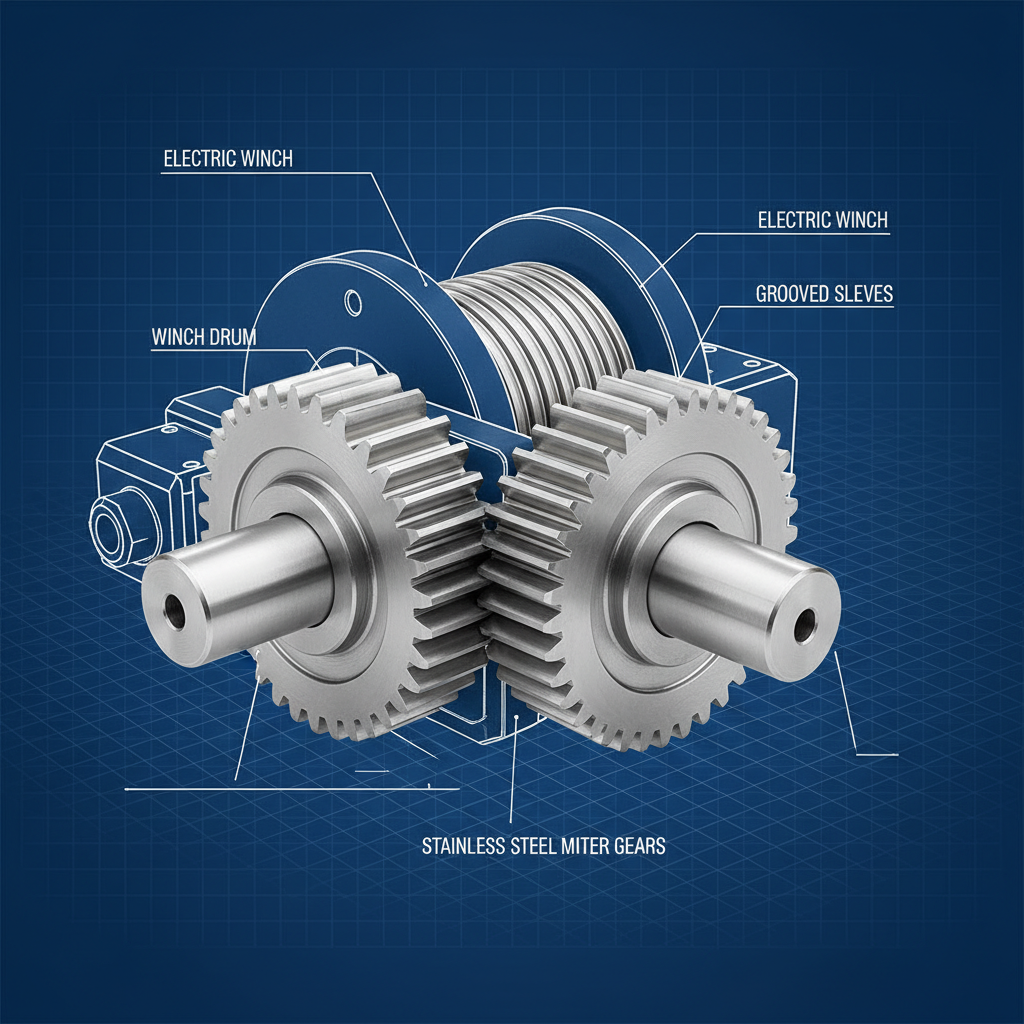
Miter gears are a specific type of bevel gear where the pitch angles are equal, typically 45 degrees. This configuration allows them to mesh with each other to transmit motion between shafts that intersect at a 90-degree angle. When manufactured from stainless steel, these gears inherit the material’s exceptional properties. Stainless steel offers superior resistance to corrosion, oxidation, and wear, making these gears ideal for harsh environments and applications where longevity is critical. They are commonly used in pairs to change the direction of rotation while maintaining a 1:1 gear ratio.
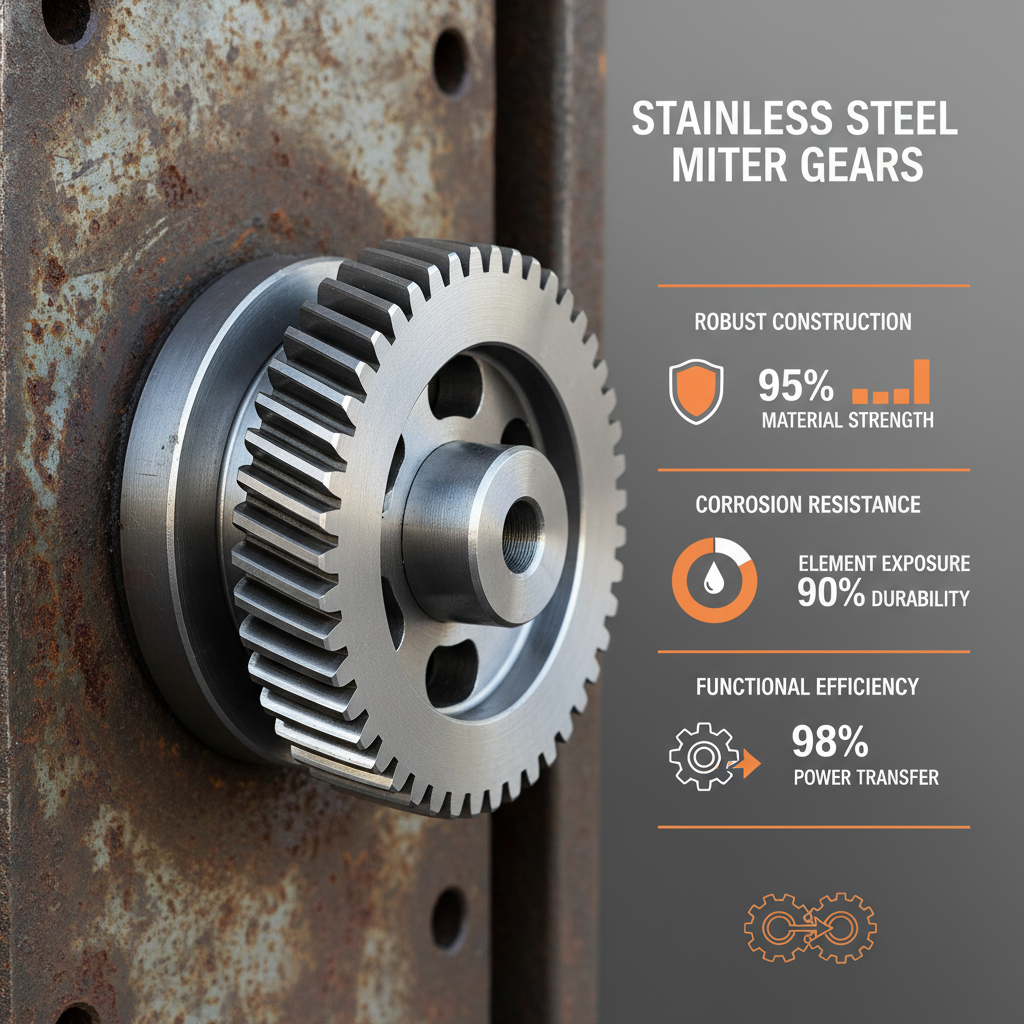
Key Benefits: High corrosion resistance, excellent durability, precise power transmission, suitable for harsh environments, minimal maintenance.
Applications of Stainless Steel Miter Gears
The unique properties of stainless steel miter gears make them suitable for a diverse range of applications. In the marine industry, their corrosion resistance is paramount for steering systems and propulsion mechanisms. In food processing equipment, their hygienic properties and ability to withstand frequent cleaning are essential. They're also found in precision instruments, robotics, medical devices, and automotive applications where reliability and longevity are critical. Furthermore, they can be utilized in right-angle drives, gearboxes, and instrumentation where space is limited and a compact solution is required.
Common Industries:
• Marine
• Food Processing
• Robotics
• Automotive
• Medical Devices
Stainless Steel Grades and Their Properties
Different grades of stainless steel are used in manufacturing miter gears, each offering unique characteristics. 304 stainless steel is a common choice due to its excellent corrosion resistance and weldability. However, for applications requiring higher strength and resistance to pitting corrosion, 316 stainless steel is often preferred. 410 stainless steel, a martensitic grade, offers good wear resistance and can be heat-treated for increased hardness. Selecting the appropriate grade depends on the specific operating environment and load requirements. The table below summarizes the key properties of these common grades.
Factors to Consider When Selecting Stainless Steel Miter Gears
Choosing the correct stainless steel miter gears involves careful consideration of several factors. The load capacity, operating speed, and environmental conditions are crucial. The gear’s module (size of the teeth) and pressure angle influence its strength and efficiency. Precision is also vital; properly manufactured gears ensure smooth operation and minimize noise. Finally, considering lubrication requirements and compatibility with other components in the system is essential for long-term reliability. LBS Winch offers expert guidance in selecting the ideal miter gears for your specific application.
Conclusion: Investing in Quality Stainless Steel Miter Gears
Stainless steel miter gears are a robust and reliable solution for power transmission in a wide range of applications. Their corrosion resistance, durability, and precision engineering make them a valuable investment for industries seeking long-term performance and minimal maintenance. By carefully considering the factors outlined in this article and partnering with a reputable supplier like LBS Winch, you can ensure you select the optimal gears for your specific needs.
Frequently Asked Questions (FAQs)
What are the advantages of using stainless steel over other materials for miter gears?
Stainless steel offers superior corrosion resistance compared to materials like carbon steel, making it ideal for harsh environments. It also provides excellent durability and requires minimal maintenance. While materials like brass or bronze might offer better lubricity, stainless steel's strength and resistance to wear often outweigh these benefits, especially in demanding applications. The long-term cost savings associated with reduced corrosion and replacement make stainless steel a compelling choice, despite its potentially higher initial cost.
What lubrication is recommended for stainless steel miter gears?
While stainless steel is corrosion-resistant, lubrication is still essential to reduce friction, minimize wear, and dissipate heat. Greases with EP (Extreme Pressure) additives are often recommended for heavier loads, while lighter oils can be used for higher-speed applications. Synthetic lubricants are generally preferred for their thermal stability and resistance to oxidation. The specific lubricant should be selected based on the operating conditions, load, and speed of the gears. Consult with a lubrication specialist for optimal recommendations.
How can I determine the correct gear ratio for my application?
The gear ratio is determined by the desired speed and torque relationship between the input and output shafts. If you need to increase torque while reducing speed, you'll require a higher gear ratio. Conversely, if you need to increase speed while reducing torque, a lower gear ratio is appropriate. The gear ratio is calculated by dividing the number of teeth on the output gear by the number of teeth on the input gear. For miter gears, as they typically have a 1:1 ratio, the focus is on selecting the correct module and tooth profile to handle the load and speed.
What maintenance should be performed on stainless steel miter gears?
Regular maintenance is key to ensuring the longevity of stainless steel miter gears. This includes periodic lubrication, visual inspection for wear or damage, and cleaning to remove debris. Check for any signs of pitting corrosion, tooth wear, or misalignment. If excessive noise or vibration is detected, investigate the cause promptly. Re-tighten mounting hardware as needed. Following a preventative maintenance schedule will significantly extend the lifespan of the gears and prevent costly downtime.
-
The Ultimate Guide to Gear Steels for Durability and PerformanceNewsApr.16,2026
-
High Performance Gear Stainless Steel for Industrial DurabilityNewsApr.09,2026
-
Comprehensive Guide to Steel Bevel Gears Applications and SelectionNewsApr.07,2026
-
Comprehensive Guide to Steel Spur Gears Functionality and ApplicationsNewsMar.31,2026
-
Comprehensive Guide to Durable Stainless Steel Spur Gears and Their ApplicationsNewsMar.28,2026