What is a 3 Point Hitch Hydraulic Winch? Benefits, Uses & Future Trends
What Exactly Is a 3 Point Hitch Hydraulic Winch & Why It Matters
If you work in agriculture, forestry, or construction, chances are you’ve come across the term “3 point hitch hydraulic winch.” But here’s the thing: it’s not just technical jargon—it’s a crucial tool reshaping how machines pull, drag, and lift heavy loads efficiently. In global contexts, especially where terrain is rough or infrastructure limited, this kind of winch opens up huge doors for faster, safer work. Understanding it helps companies and workers harness strength without added labor or risk—which kind of feels like leveling the playing field worldwide.
Global Context: Why a 3 Point Hitch Hydraulic Winch is Essential Today
It may sound niche, but these winches serve a big, global purpose. The UN's Food and Agriculture Organization estimates nearly 570 million farms worldwide, many remote and underserved. Machinery that can effectively navigate tough soil or pull stubborn logs without multiple tools is essential in boosting productivity sustainably. Meanwhile, reports from the World Bank show growing investments in mechanized farming, forestry, and disaster restoration—contexts where 3 point hitch hydraulic winch systems shine by resolving key operational challenges.
One of the toughest issues? Access and power. Remote sites often lack electric grid connections, so hydraulic power transmitted via tractors is an elegant, reliable solution. It subs in for bulky, fuel-hungry stand-alone engines to keep things mobile, green-ish, and cost-efficient.
Defining the 3 Point Hitch Hydraulic Winch
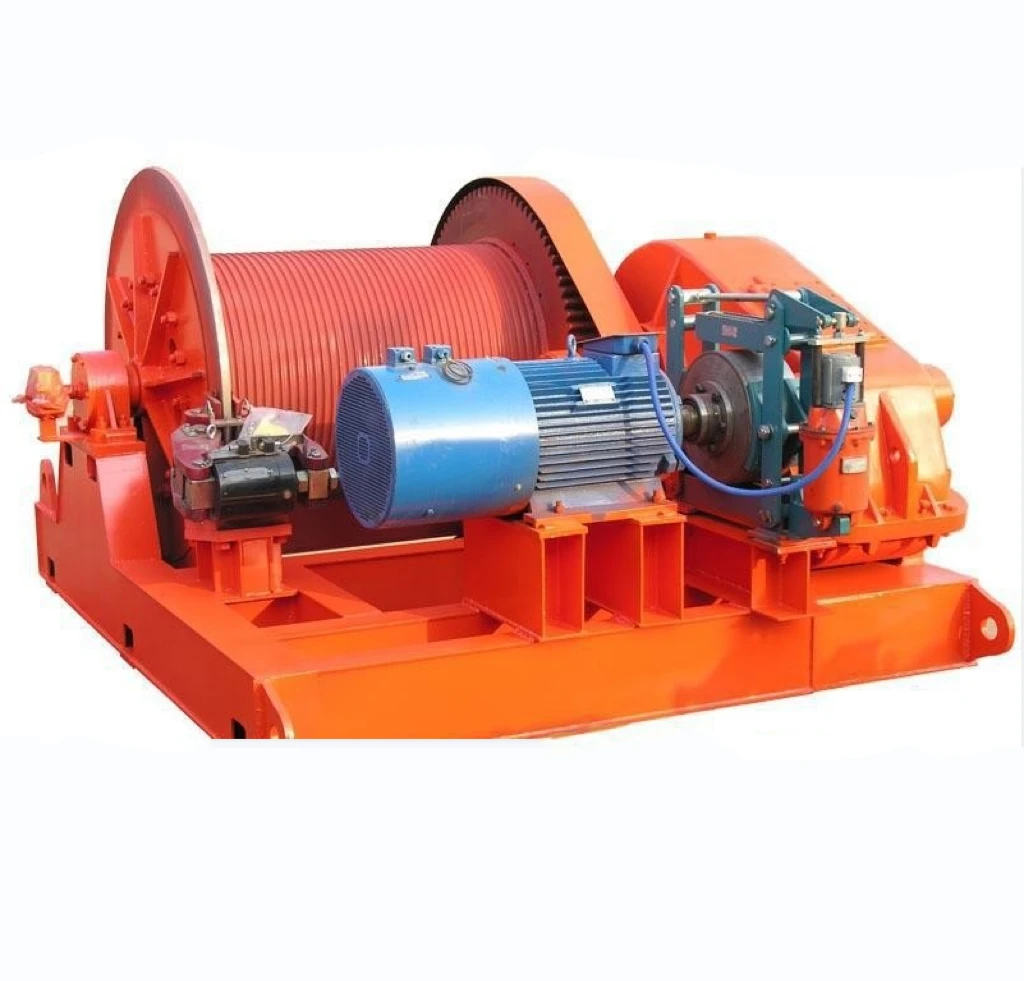
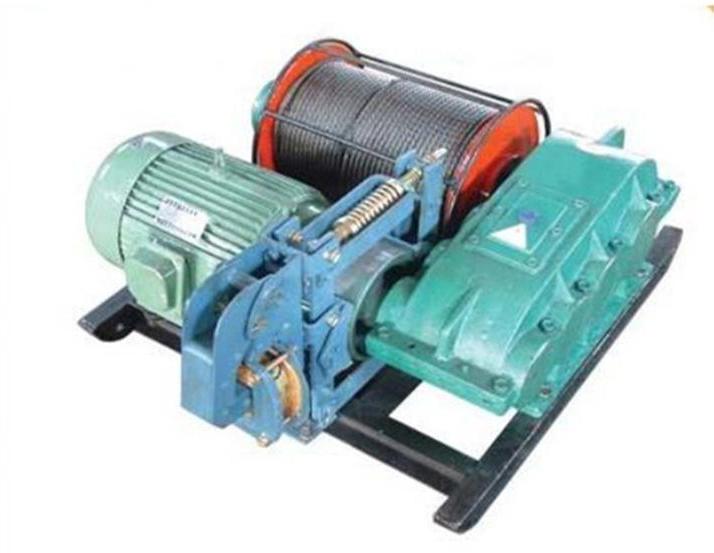
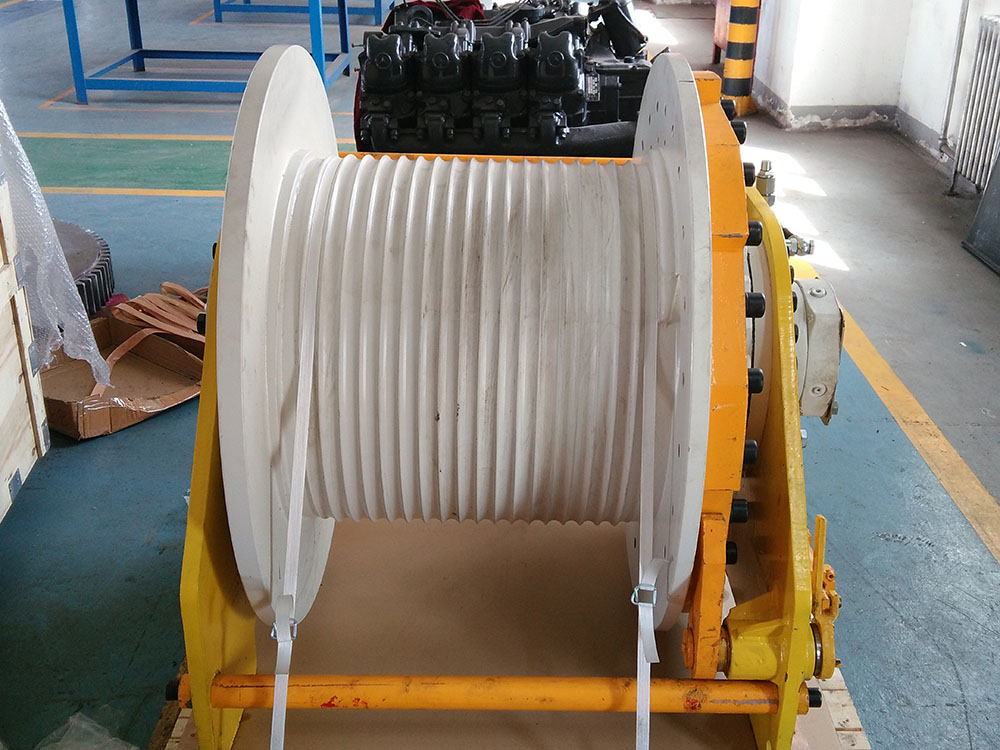
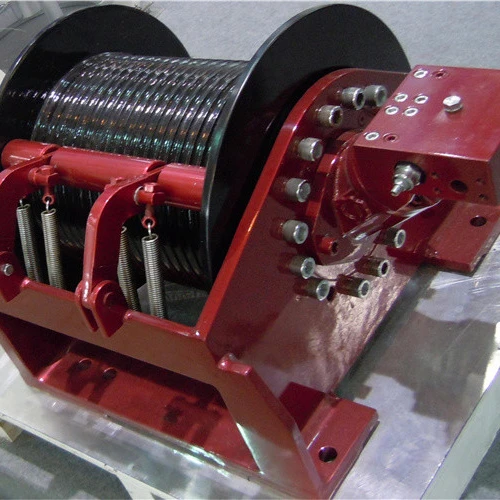
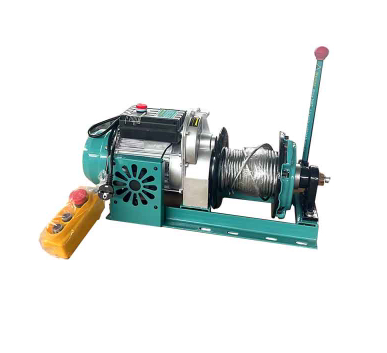
Simply put, a 3 point hitch hydraulic winch is a heavy-duty pulling device mounted on the rear of tractors via their standard 3 point hitch system. It uses hydraulic fluid pressure—usually from your tractor’s pump—to power the winch drum that reels in or lets out cable. That’s the technical nutshell, but what really matters is its integration with existing machinery, transforming tractors into multi-tasking beasts with far greater reach.
This tool emerged from a practical need: to upgrade farming and forestry equipment for hard tasks like logging, fence pulling, and load securing without relying on external power sources. In humanitarian aid, post-disaster relief teams use them to clear debris or retrieve vehicles, especially when electricity and infrastructure are compromised.
Core Components That Make These Winches Tick
Hydraulic Power Unit
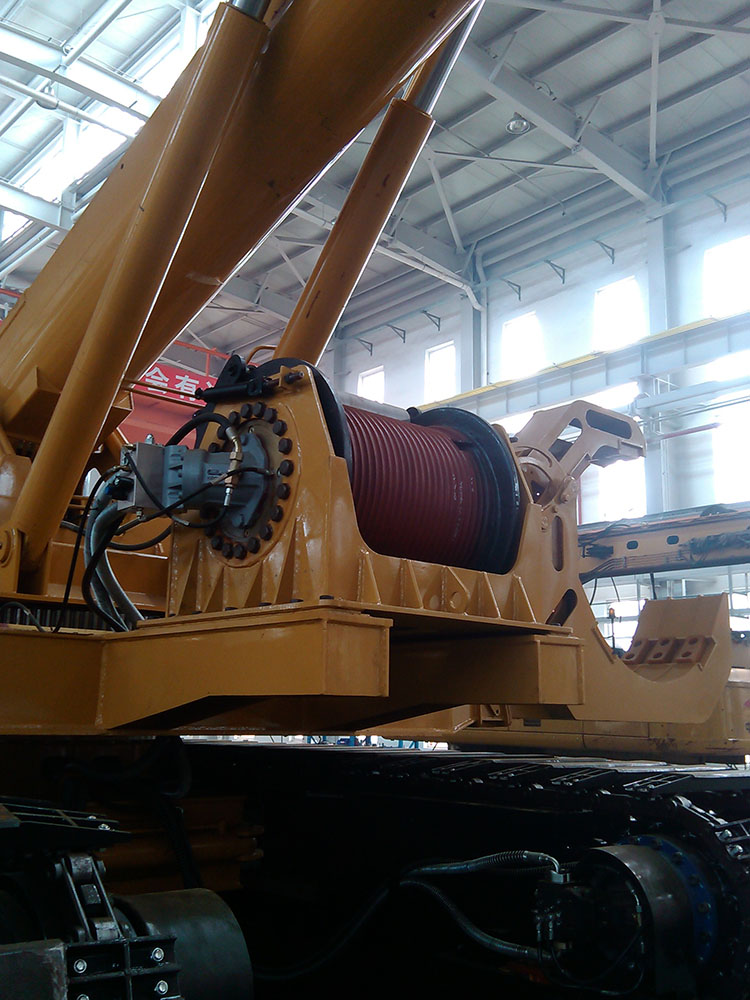
The heart of the system. A tractor’s hydraulic pump pushes fluid that drives the winch’s motor. Because it's engine-driven, you avoid lugging separate power sources. It’s like borrowing your tractor’s strength.
3 Point Hitch Mounting
A classic three-point linkage allows quick attachment/detachment, making it versatile and easy to use across tractor models. Many manufacturers customize hitch pins and geometry for stability during heavy hauling.
Winch Drum and Cable
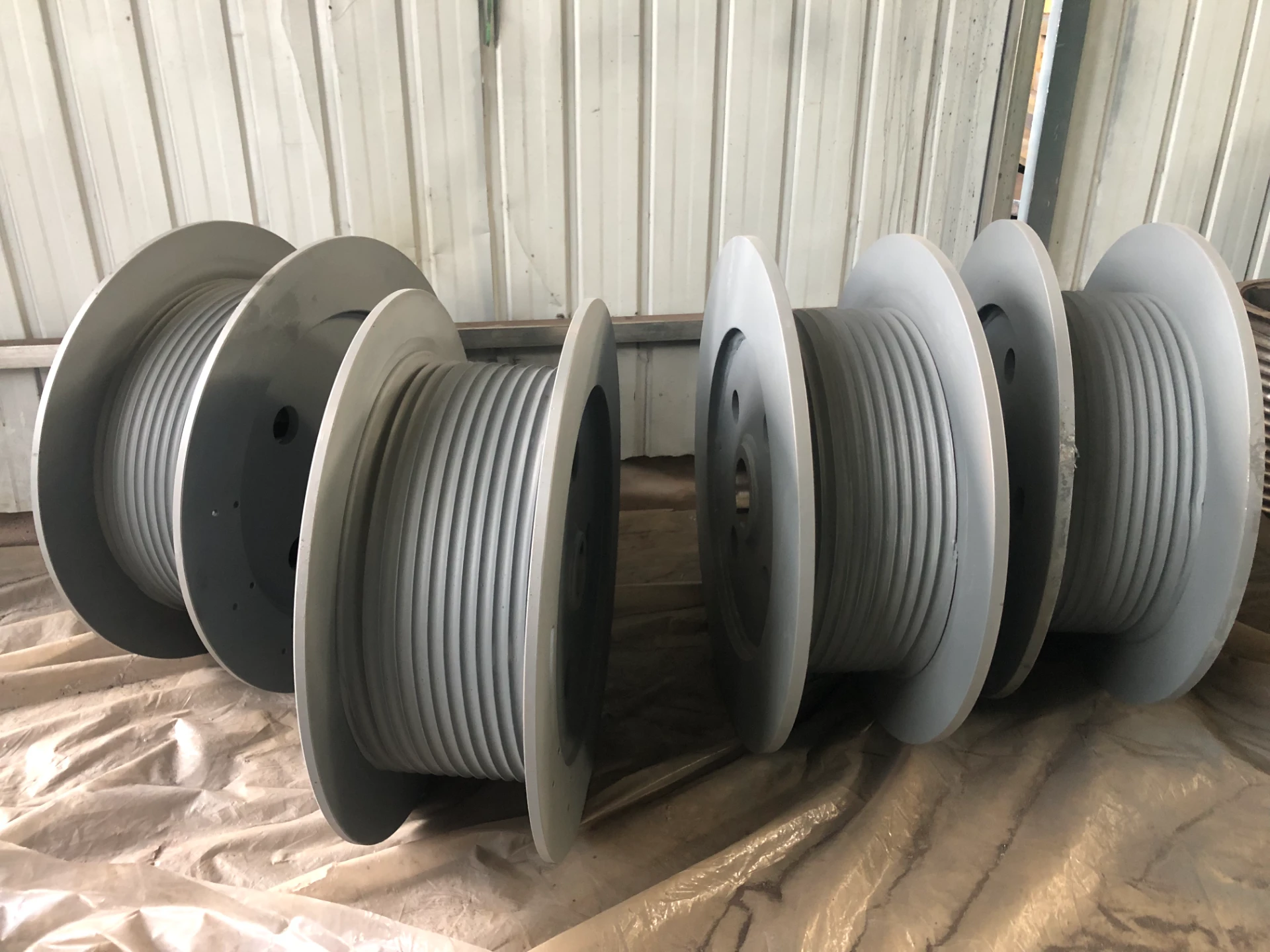
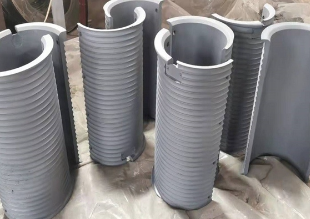
Steel cable coiled around a drum pulls loads. Diameter, length, and strength vary, but durability is paramount given the strains. Some models feature synthetic ropes for lighter weight and corrosion resistance.
Control and Safety Mechanisms
Hydraulic valves control speed and direction. Often equipped with remote controls or lever systems, operators enjoy exact command without straining. Safety brakes prevent overruns or wire slippage—a must-have in hazardous conditions.
Frame and Construction
Steel-built frames withstand tough environments. Weatherproofing and reinforced welds mean the winch copes well with mud, rain, and the general abuse of outdoor work.
Mini takeaway: It’s the synergy of these parts that turns a basic tractor into a multi-role powerhouse.
Where in the World & What Industries Are Benefitting?
From rural India to the Canadian boreal forests, 3 point hitch hydraulic winches are everywhere practical pulling power is mission-critical. Let’s look at some scenarios:
- Forestry in Scandinavia: Winches assist in dragging heavy logs over snow-dense ground, reducing the need for manual hauling even in extreme cold.
- Agriculture in Sub-Saharan Africa: Local farmers employ these winches for fence installation and irrigation line deployment where manual labor is a costly bottleneck.
- Post-disaster zones in the Philippines: Following typhoons, aid teams connect winches to tractors to clear debris blocking roads or to recover stranded vehicles quickly.
- Mining and Construction sites worldwide: Winches provide reliable pulling force without the bulk of dedicated machinery, reducing costs and conserving fuel.
This versatility explains why global NGOs and industrial contractors alike increasingly invest in 3 point hitch hydraulic winch kits.
Advantages and Long-Term Value of Installing a 3 Point Hitch Hydraulic Winch
Here’s where things get interesting. You’re not just getting a piece of equipment; you’re investing in reliability, safety, and long-term savings.
- Cost Efficiency: Reusing tractor hydraulics eliminates the need for extra engines or fuel tanks, slashing upfront and ongoing expenses.
- Durability Meets Sustainability: Rugged construction means fewer replacements and repairs. Plus, hydraulic drives are more fuel efficient than separate gasoline winches.
- Enhanced Safety: Hydraulic control gives smooth starts/stops, reducing sudden jolts that cause accidents or equipment wear.
- Social Impact: By mechanizing strenuous pulling tasks, labor risks decline—relevant for vulnerable workforces worldwide.
Frankly, many engineers I’ve spoken to emphasize how this is innovation people can trust—and that in itself matters deeply.
Looking Ahead: Future Trends in 3 Point Hitch Hydraulic Winches
The future seems to orbit around smarter, greener, and lighter winches. Some directions gaining traction include:
- Digitally Assisted Controls: Integration with IoT sensors for load monitoring, predictive maintenance, and remote operation.
- Eco-Friendly Materials: Using composite frames and synthetic ropes to reduce weight and carbon footprint.
- Hybrid Power Systems: Combining tractor hydraulics and supplemental electric motors to boost efficiency.
- Automation: Semi-autonomous winching systems capable of adjusting tension dynamically without continuous human input.
While these innovations are still emerging, they promise to revolutionize what today feels like a very analog field.
Common Challenges and How Experts Overcome Them
Despite their brilliance, 3 point hitch hydraulic winches face some hurdles:
- Compatibility Issues: Variations in tractor hydraulic flow and hitch sizes can limit direct interchangeability.
- Hydraulic Maintenance: Leakage or contamination can reduce winch efficiency or cause failures.
- Operator Training: Mishandling during setup or operation can lead to breakdowns or safety incidents.
Innovation is, however, answering many of these issues. Modular adapters widen compatibility, improved fluid-filtration tech reduces maintenance woes, and VR-based operator training modules make skill-building faster and safer.
Quick FAQ About 3 Point Hitch Hydraulic Winches
- Q: How do I know if my tractor can support a 3 point hitch hydraulic winch?
- A: Check your tractor’s hydraulic flow rate and pressure specifications. Most winches list minimum hydraulic requirements. Match those with your tractor’s output to ensure compatibility. Also, verify the hitch category—usually categories 1, 2, or 3—to fit the mount correctly.
- Q: What’s the typical pulling capacity of these winches?
- A: It varies with model, but common units range between 5,000 to 15,000 pounds of pulling force. Remember, effective capacity depends on proper setup and load angle, so always consult manufacturer charts.
- Q: Can these winches be used for lifting, or are they strictly for horizontal pulling?
- A: While primarily designed for pulling, some winches—if equipped with correct rigging—can assist in light lifting. However, always verify load ratings and safety guidelines before attempting vertical lifts.
- Q: Are synthetic ropes a good alternative to steel cables on 3 point hitch hydraulic winches?
- A: Yes, synthetic ropes are lighter and often safer due to reduced recoil risk if they break. They’re also resistant to corrosion. But they can be costlier and may require special drum designs.
Product Specification Table
| Specification | Model A | Model B | Model C |
|---|---|---|---|
| Pulling Capacity | 10,000 lbs | 12,500 lbs | 15,000 lbs |
| Cable Length | 80 ft | 100 ft | 120 ft |
| Hydraulic Flow Required | 8 GPM | 10 GPM | 12 GPM |
| 3 Point Hitch Compatibility | Category 1 & 2 | Category 2 | Category 3 |
| Weight | 250 lbs | 300 lbs | 350 lbs |
Vendor Comparison Table
| Vendor | Price Range | Warranty | Customization | Support & Training |
|---|---|---|---|---|
| WinchPro | $2,200 - $3,500 | 2 years | High | Comprehensive |
| AgriLift | $1,900 - $3,000 | 1 year | Medium | Basic Phone Support |
| HydroWinch | $2,500 - $4,000 | 3 years | Custom Build Only | On-site & Remote |
Wrapping Up: Why Consider a 3 Point Hitch Hydraulic Winch?
Truth be told, these hydraulic winches are quietly revolutionizing mechanical pulling tasks worldwide. They’re not flashy, but they work. Combining cost-efficiency, durability, and safety, they raise the bar for what tractors alone can do. For agriculture, forestry, disaster recovery, and more, they embody practical innovation at its finest.
Curious? Want to explore models or request a quote? Visit our website at https://www.lbswinch.com and discover how a 3 point hitch hydraulic winch can boost your operation’s power and versatility.
References
-
The Ultimate Guide to Gear Steels for Durability and PerformanceNewsApr.16,2026
-
High Performance Gear Stainless Steel for Industrial DurabilityNewsApr.09,2026
-
Comprehensive Guide to Steel Bevel Gears Applications and SelectionNewsApr.07,2026
-
Comprehensive Guide to Durable Stainless Steel Miter Gears and ApplicationsNewsApr.04,2026
-
Comprehensive Guide to Steel Spur Gears Functionality and ApplicationsNewsMar.31,2026
-
Comprehensive Guide to Durable Stainless Steel Spur Gears and Their ApplicationsNewsMar.28,2026